Serving Gastonia, NC & nearby
(704) 360-0958
Gastonia, NC

What Gastonia's Climate and Housing Stock Mean for Your Garage Door

Gastonia homes mostly date to the 1967-2011 run, median year 1983, and this cold-moderate climate band is hard on original springs, seals, and panels. Here's what to check first.

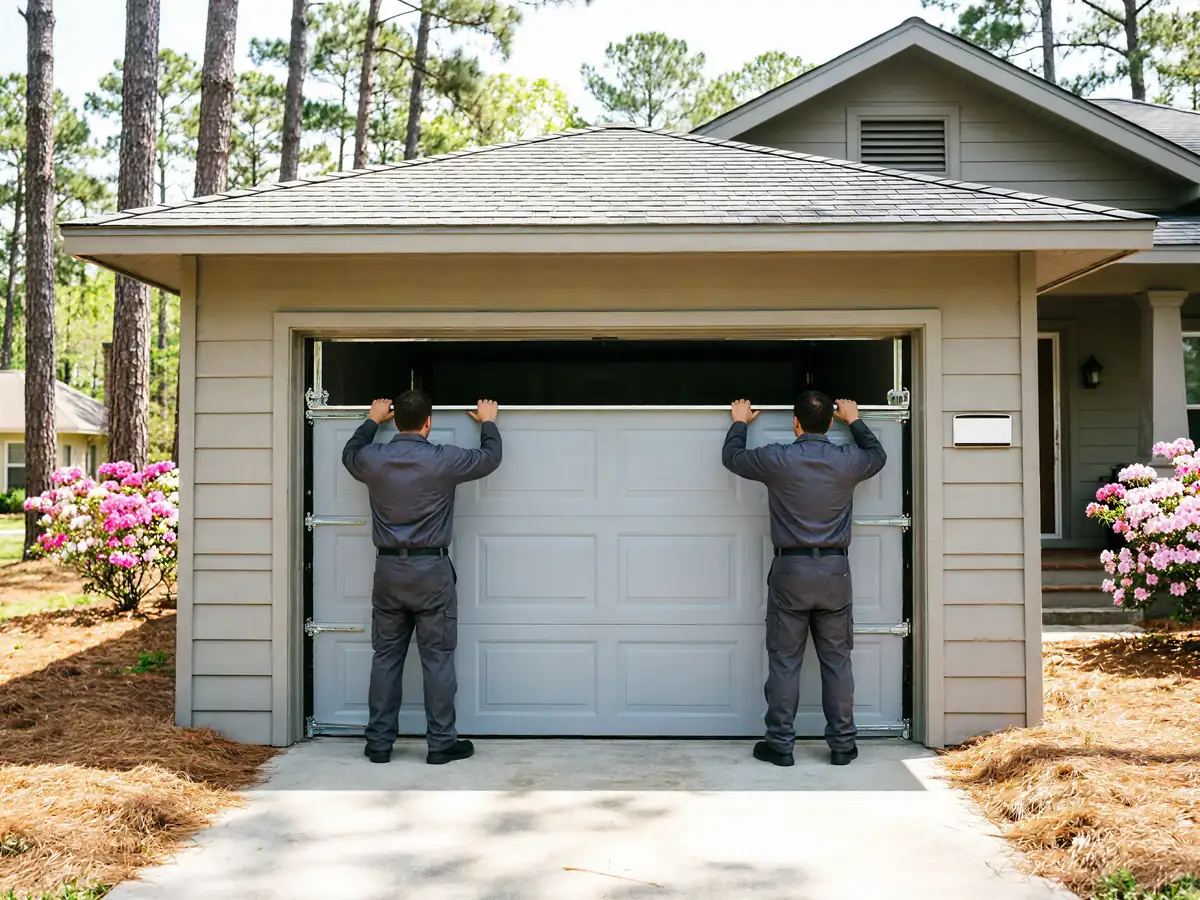
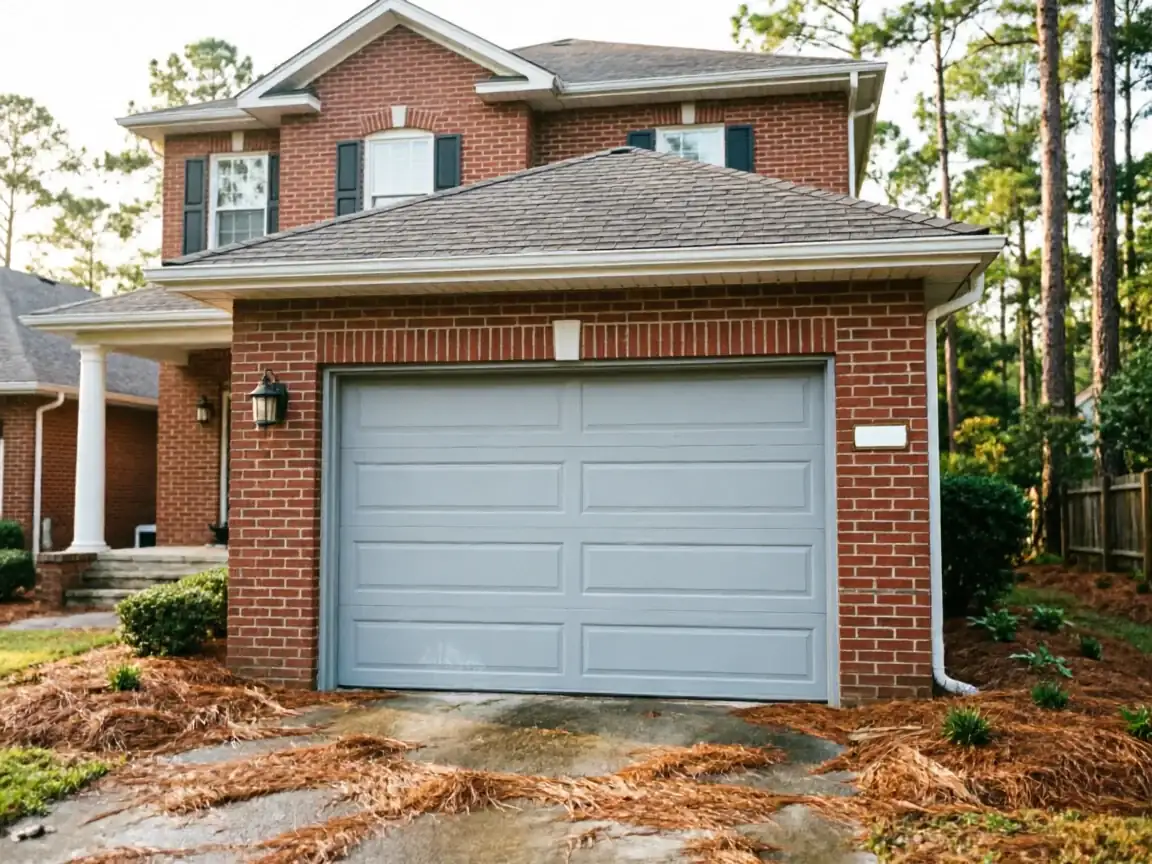
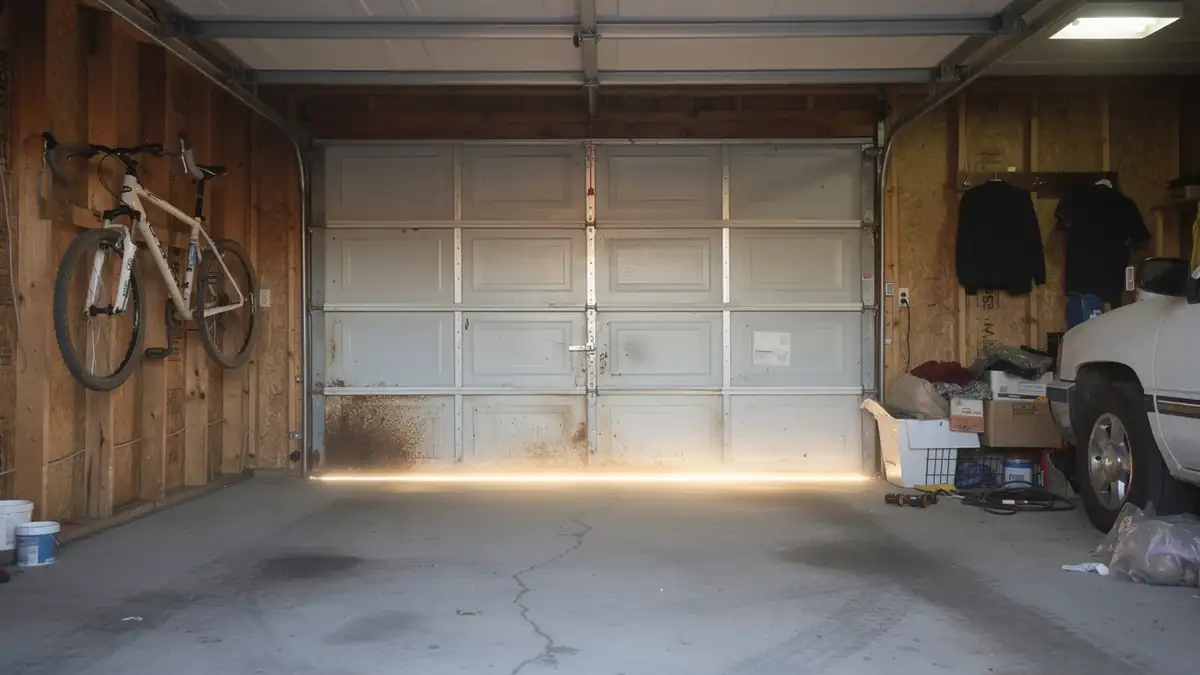
A white garage door is closed with a gap at the bottom.

What the Weather Here Does to It

This part of North Carolina sits in a cold-moderate band, not the deep freeze you'd get further north, but enough swing between a humid summer and a hard winter cold front to work on steel and rubber over the years. Torsion springs lose tension faster when they go from damp heat to a cold snap and back, season after season. Weatherstripping along the bottom of the door and around the jambs dries out, shrinks, and pulls away from the slab, which is why you'll feel a draft along the floor of the garage on a cold morning even though the door looks fine shut. Steel panels that were painted once in the 1980s or 90s are now showing surface rust at the bottom corners where water sits after a storm. None of this is dramatic. It's slow wear, the kind that shows up as a door that's a little louder, a little stiffer, or a little harder to close square than it was five years ago. The honest answer is that weather alone rarely breaks a door outright here - it just shortens the life of parts that were already due.

The Situation

Housing in this service area was mostly built between 1967 and 2011, with the median year landing around 1983, and the bulk of it falls into that 1980s-to-90s construction wave across the seventeen named areas nearby, from Ranlo four miles out to Lowell and Dallas a mile further than that. That means a big share of the garage doors still in service are original or close to it - steel sectional doors on torsion hardware that was standard for that era, paired with openers that have been swapped once, maybe twice, since. Across the wider service area there are 43,773 households and 20,806 owner-occupied houses, which tells you this isn't a stretch of new-build subdivisions where everything's under warranty. It's a mix of older owner-occupied homes where the garage door is quietly one of the oldest working mechanical systems on the property. At a median household income of $59,583, most owners here aren't replacing a door at the first squeak - they're running it until a spring breaks or a panel buckles, which is reasonable, but it means repairs often arrive at the point of failure instead of ahead of it.

When Waiting Is Fine

Not every noise or sag is a call-now problem. A door that's slow to close but still closes square, with no visible gap or bent track, can usually wait for a scheduled visit rather than an emergency one. Surface rust on the bottom panel is cosmetic until it eats through metal - worth watching, not worth rushing. If your opener chain or belt is just noisy and the door still travels the full distance without binding, that's wear, not failure. Here's the limitation worth saying plainly: if a door built in the 1980s or 90s on original hardware needs one more part than the frame and track can reasonably support, replacement is usually the better call than another patch repair, and we'll tell you that instead of stacking parts on an old door. But if the only symptom is noise or a little stiffness in cold weather, there's no reason to treat it as urgent. A door that's working, even imperfectly, is not a door that needs a same-day fix.

What to Look At First

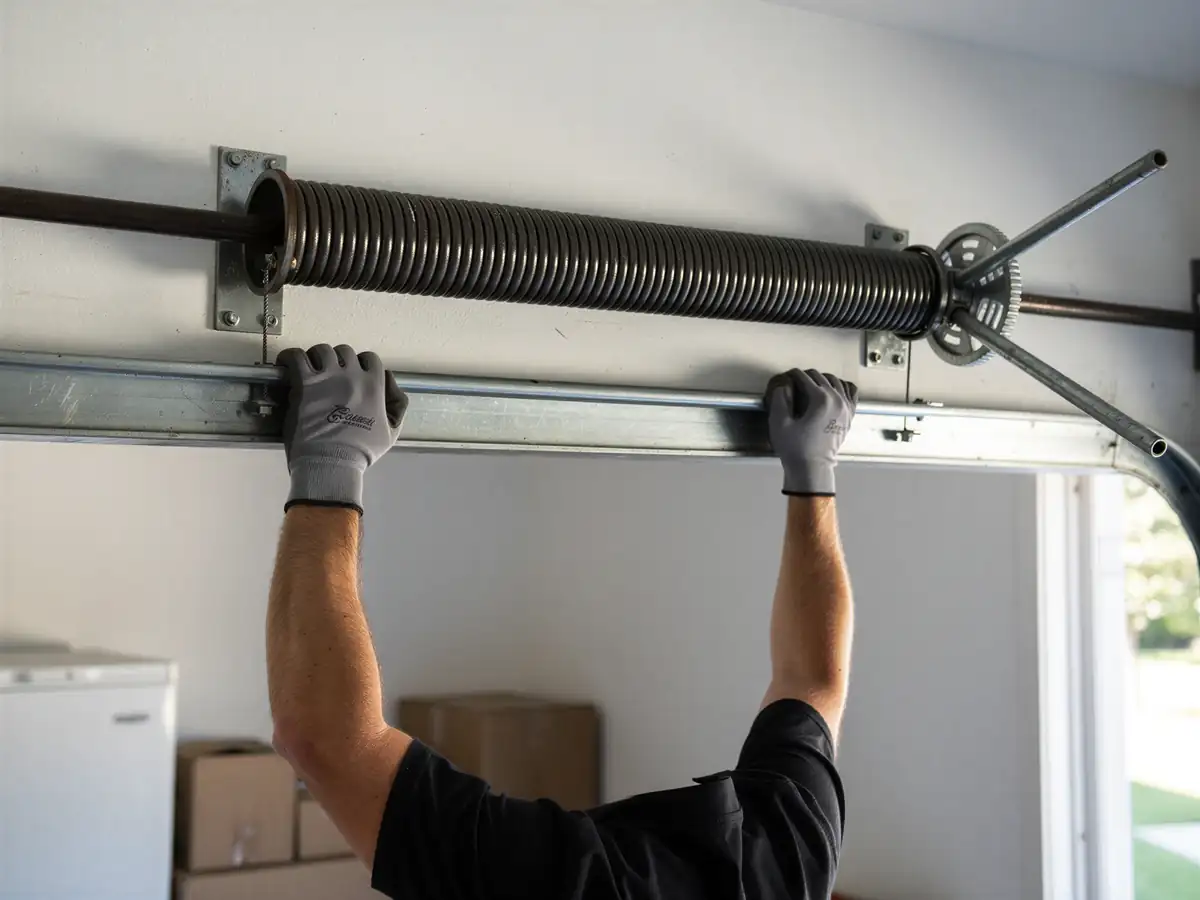
Start at the bottom corners of the panel - that's where rust shows first on older steel doors, and it's the cheapest fix if caught early. Next, check the torsion spring for visible gaps in the coil or a spring that looks stretched compared to its mate on the other side; original 1980s-and-90s hardware is now decades into its working life and springs don't last forever. Run a hand along the bottom seal while the door is down - if cold air comes through steadily, the weatherstrip has shrunk and needs replacing before it turns into a bigger draft problem. Listen for grinding versus clicking in the opener; grinding usually means the gear is worn, clicking is often just the chain needing tension. Last, look at how square the door sits in the track when it's halfway up - a lean here on an older door usually means a roller or a bent track section, not something to force through with the opener. None of this requires tools, just a few minutes and good light, and it tells you whether you're looking at a $40 part or something bigger.
How it works

From “it’s stuck” to “it’s fixed”

  1. 1
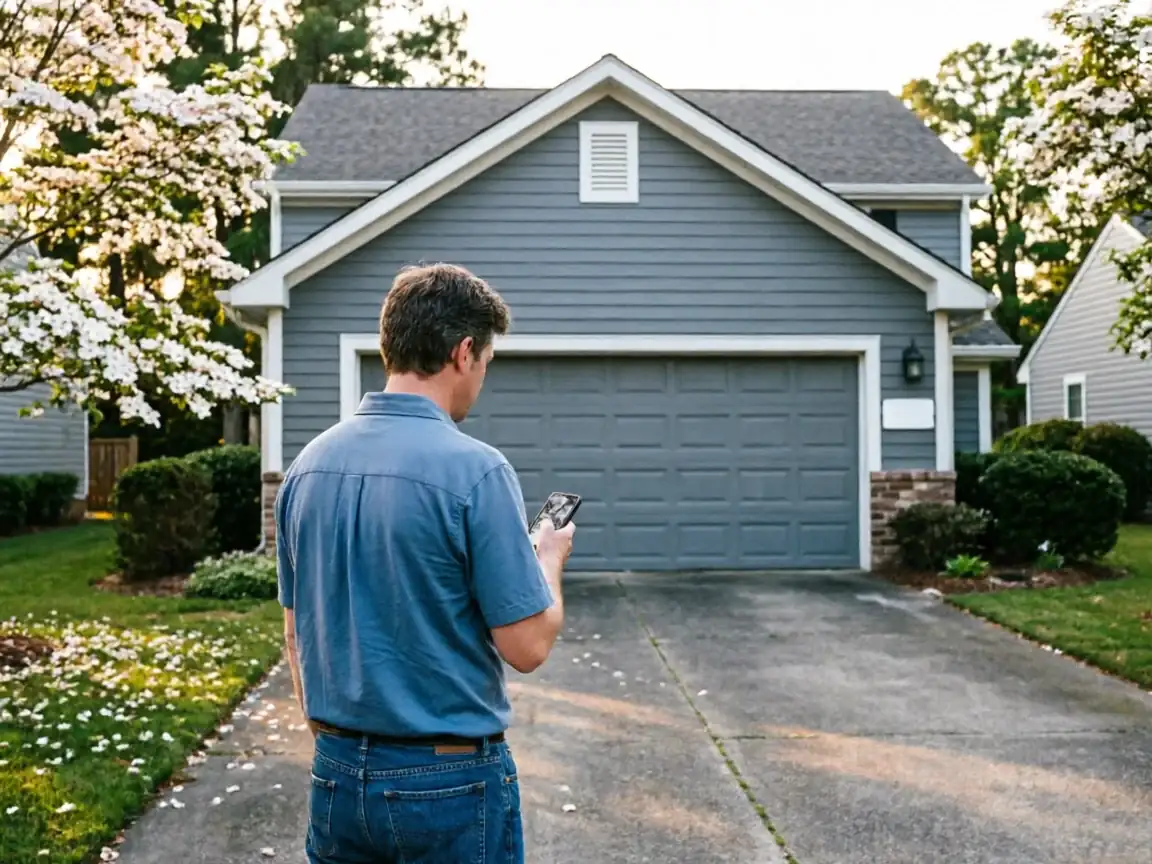
    A man in a blue shirt stands in a driveway looking at his phone.

    Tell us what’s wrong

    Describe the symptom - won’t open, loud bang, opener runs but the door won’t move.

  2. 2
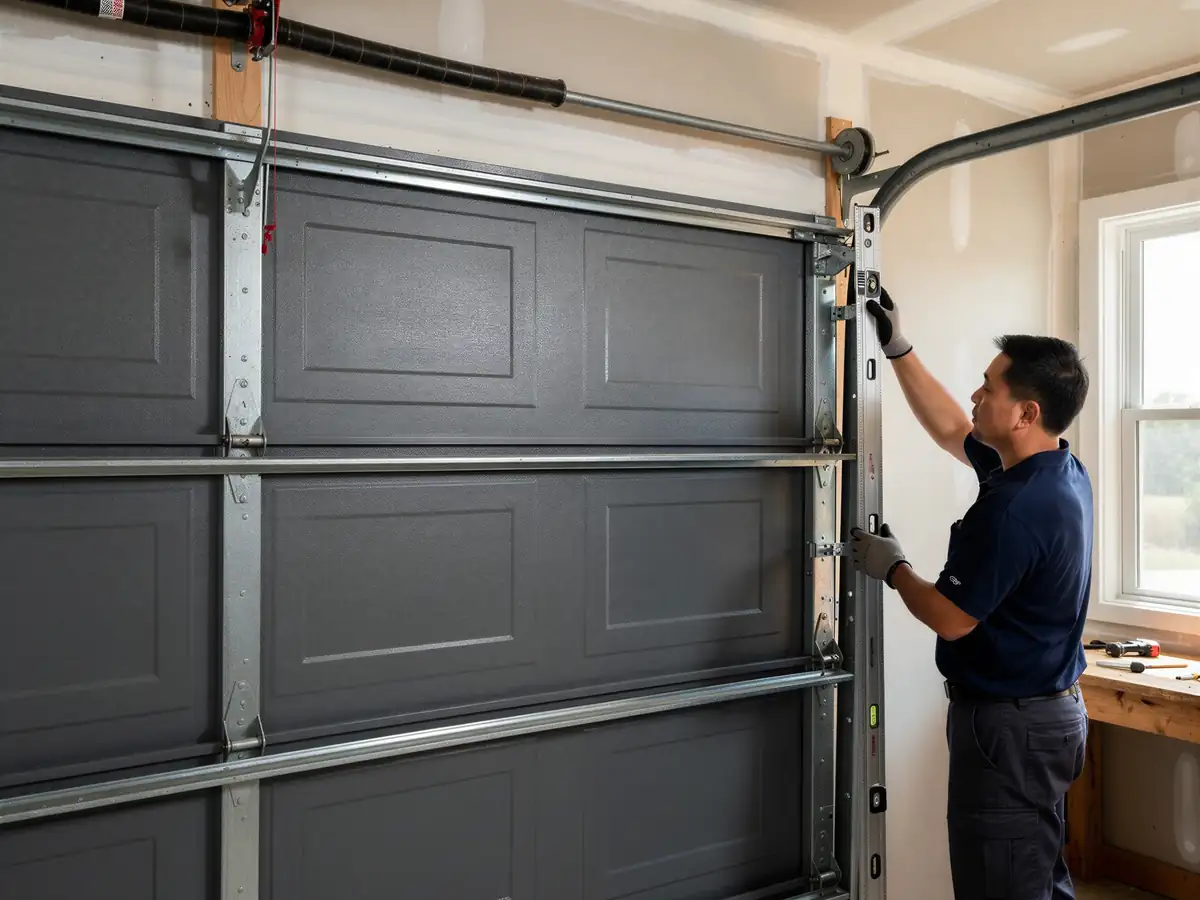
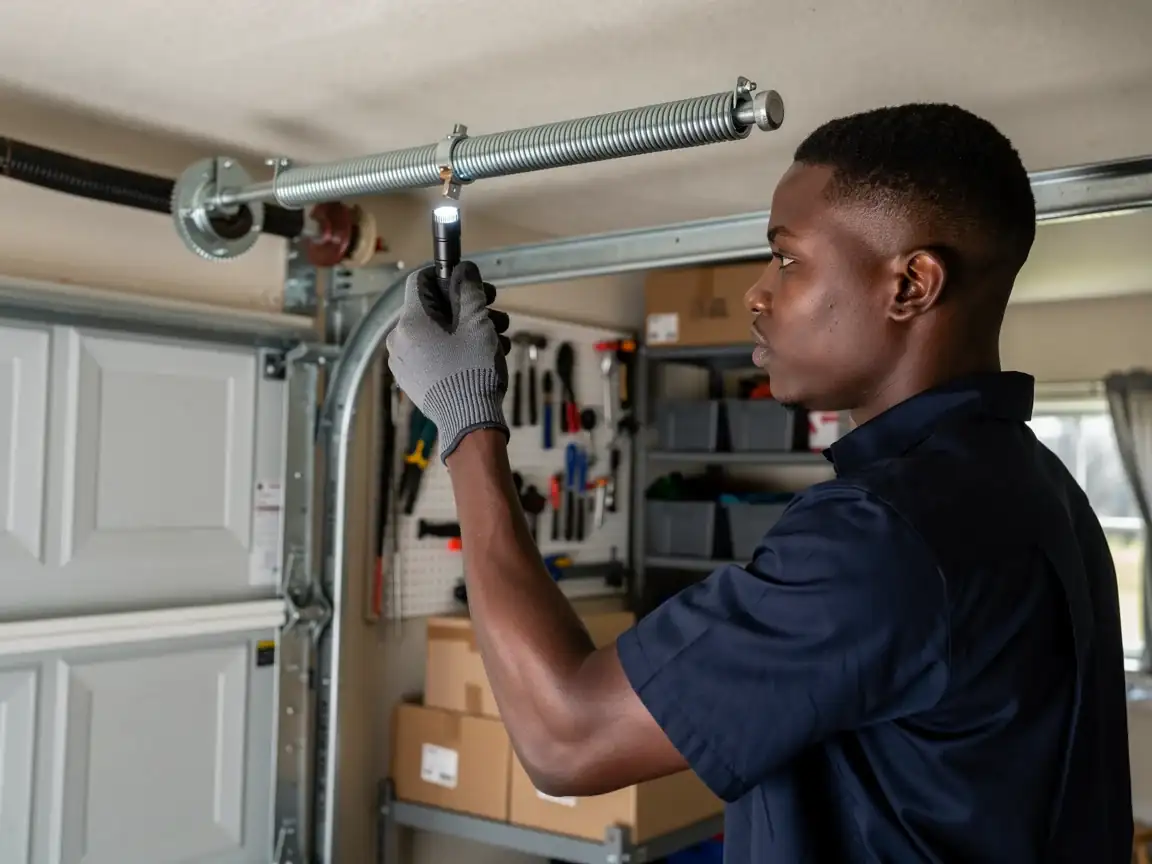
    A technician in a dark blue shirt inspects a garage door torsion spring with a flashlight.

    On-site diagnosis

    A technician tests the door under power and by hand and finds what actually failed.

  3. 3
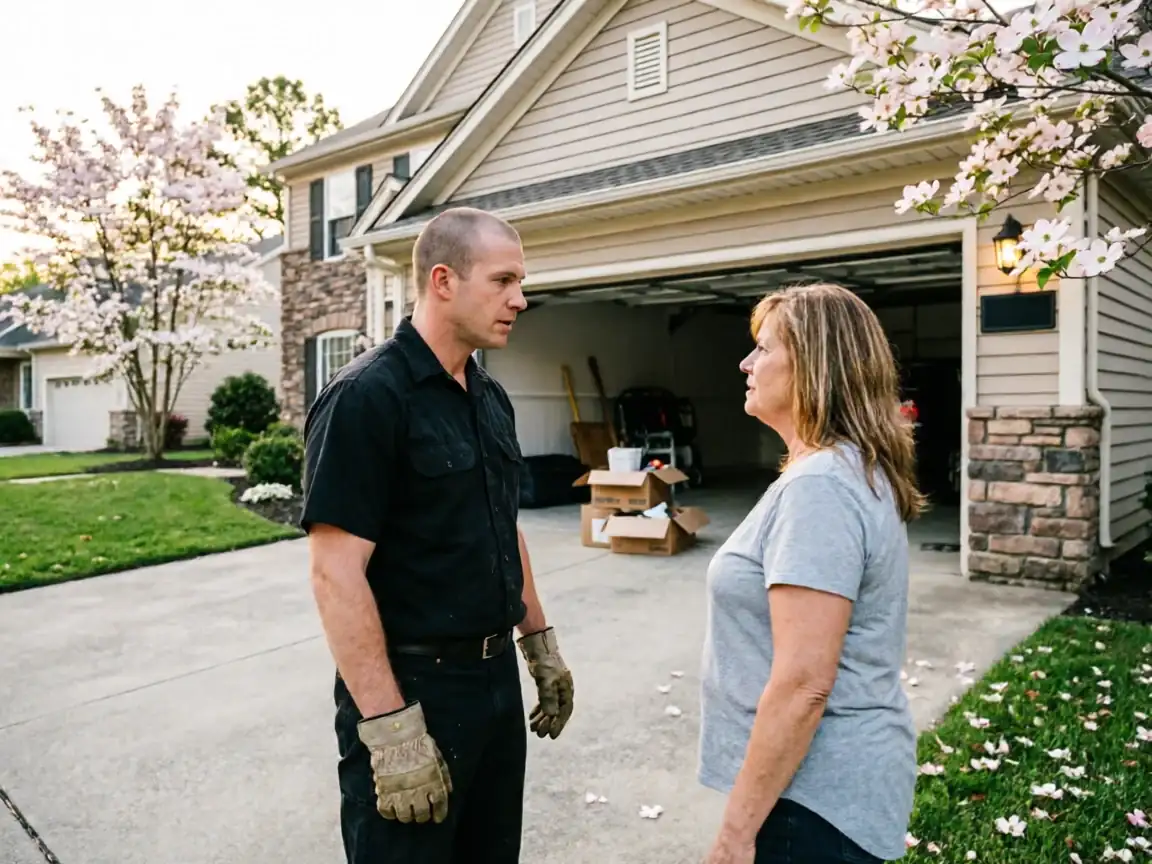
    A technician in work gloves talks to a woman in a driveway in front of a house.

    Clear, up-front plan

    You get the fix that’s needed and what drives the cost - before any work starts.

  4. 4
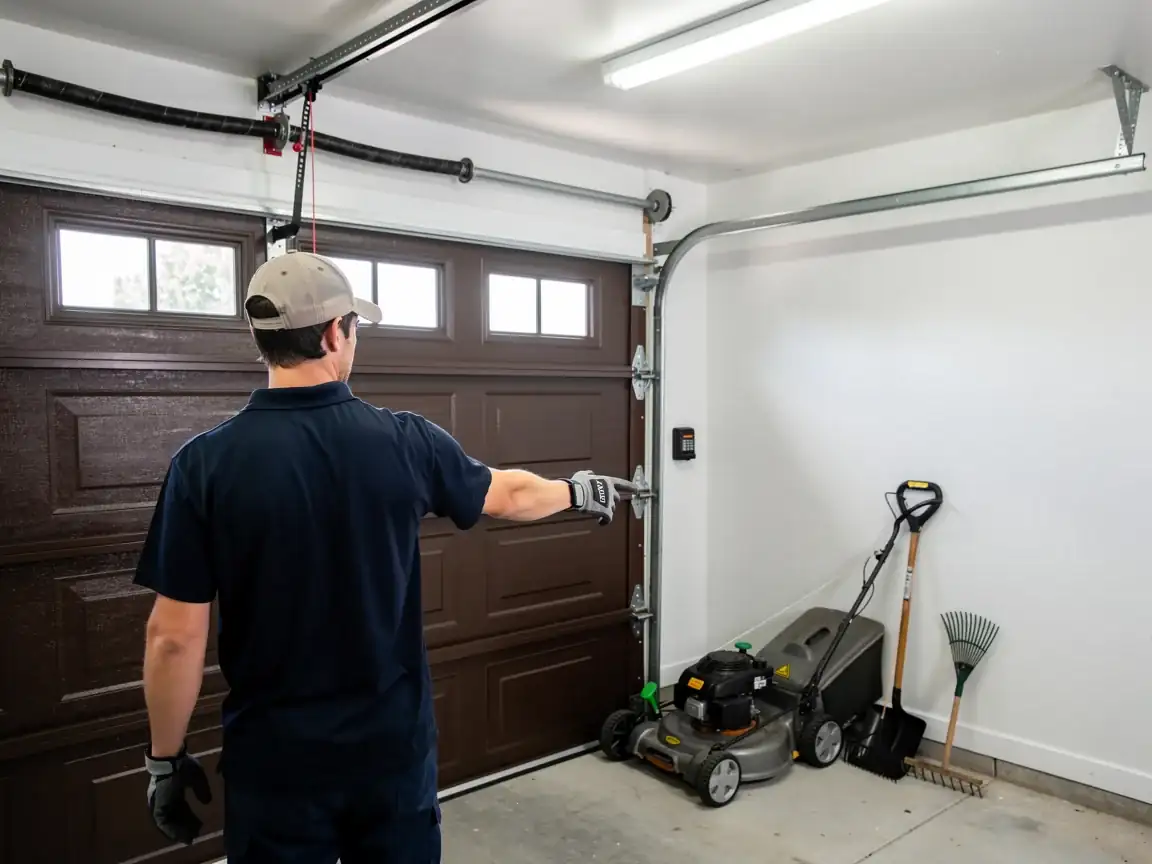
    A technician in a cap points at a brown garage door with windows.

    Repaired & tested

    The repair is done, the door is set true and tested, and the work area left clean.

Not sure which repair your door needs in Gastonia, NC? Describe what it’s doing - every job starts with a diagnosis.

How we work

What to expect

Diagnosis firstEvery visit starts by finding what actually failed - not a pre-written parts list.
The right part for the doorSprings and openers matched to the door’s weight and age, so the fix holds up.
Straight answersWhen a repair makes more sense than a replacement - or the reverse - you hear it plainly.
Clean, careful workTension released safely, hardware set true, the door tested under power before we leave.
What we do

Garage Door Services

Repair and installation work for Gastonia homes and businesses.

Questions

Frequently asked

Straight answers about garage door repair in Gastonia. Still unsure? Ask us directly.

Why does my garage door feel stiffer in winter than in summer?

Cold tightens steel springs and shrinks rubber seals, which is common in this cold-moderate climate band. A torsion spring that's already aging from years of seasonal swings loses tension faster, so the door feels heavier to lift or slower on the opener until it warms back up.

Is it worth replacing an original door from the 1980s or 90s?

Depends on what's failing. If it's one part - a spring, a roller, a seal - repair makes sense. If the track is bent, the panel is rusted through, or you're stacking repairs on hardware that's thirty-plus years old, replacement usually costs less over time than another patch.

How do I know if it's the spring or the opener?

If the door is heavy to lift by hand with the opener disconnected, it's the spring. If it lifts fine by hand but the opener struggles, grinds, or stalls, the problem is in the opener or the chain/belt drive, not the spring.

Do you work outside Gastonia itself?

Yes, we cover the surrounding service area including Ranlo, Dallas, Lowell, McAdenville, Bessemer City, Cramerton, Belmont, Stanley, Kings Mountain, Mount Holly, and nearby towns.

Ready to get your garage door sorted?

Tell us what it’s doing and where you are in Gastonia - we’ll take it from there.

Request a QuoteCall