What the Weather Here Does to It
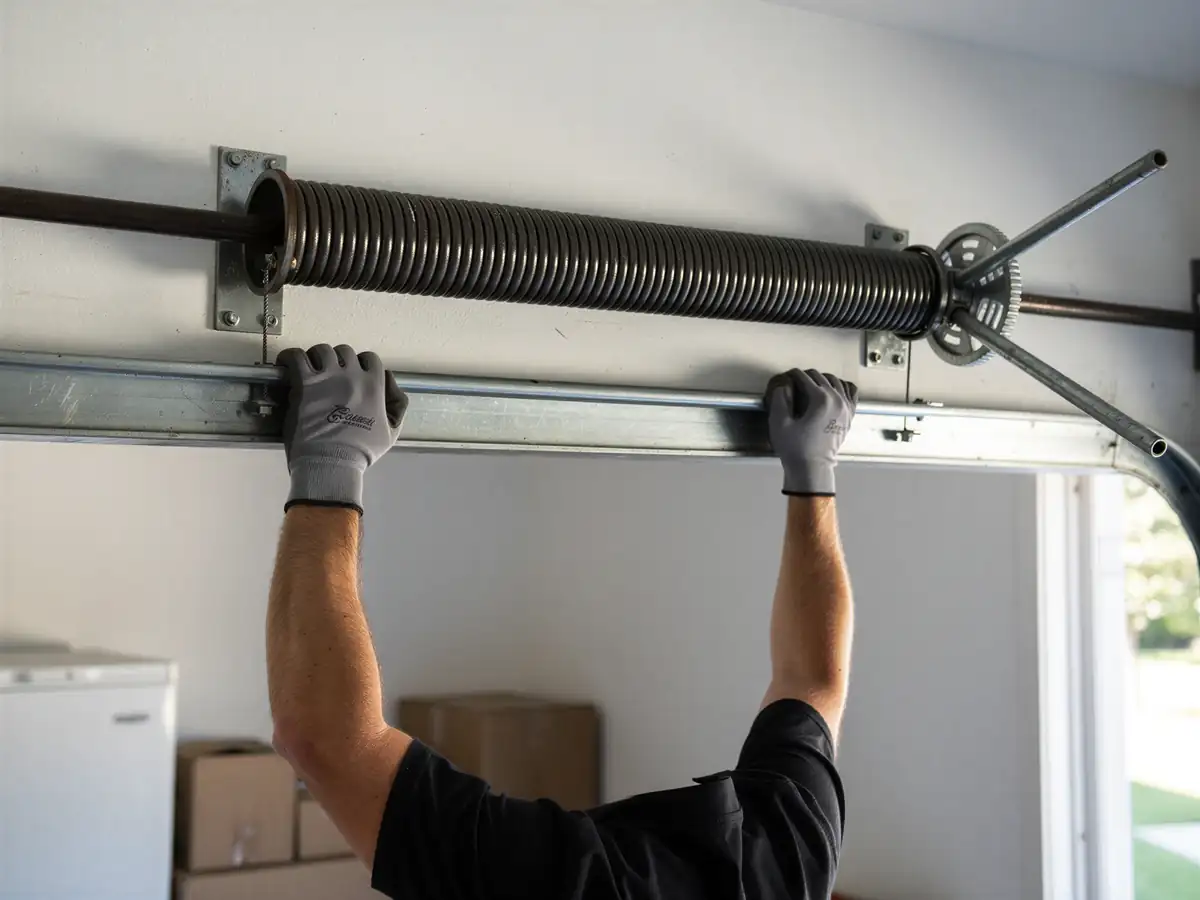
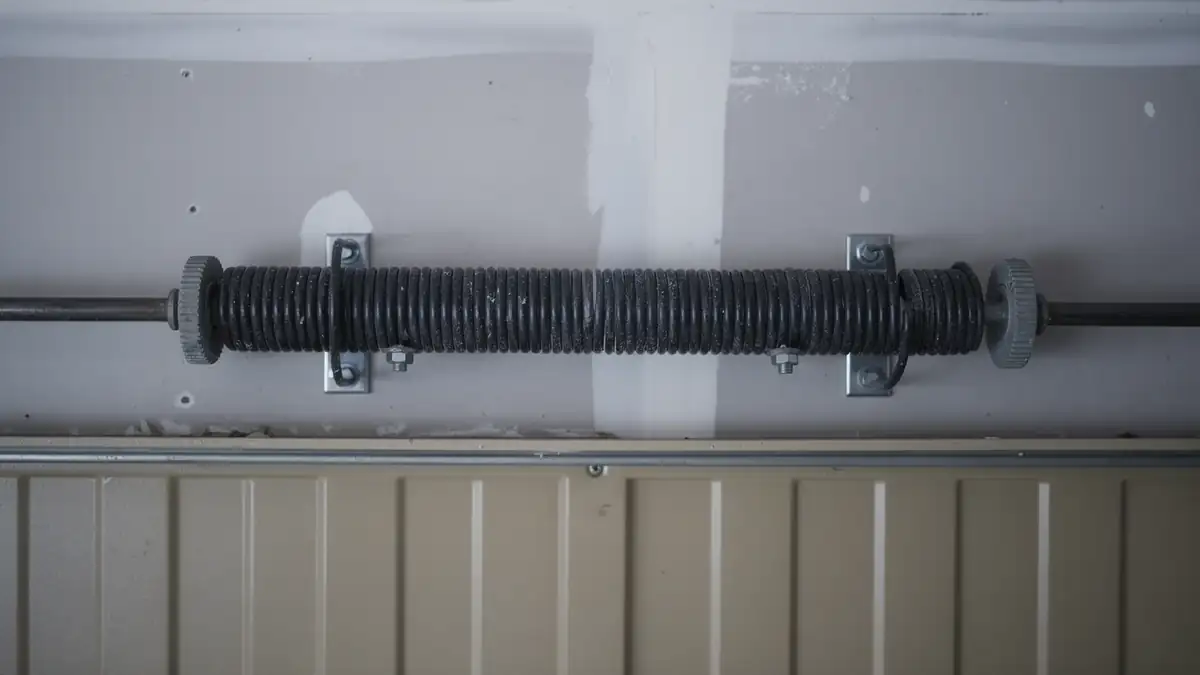
Gastonia sits in a cold-moderate climate band, which means the steel in your torsion spring contracts every winter and expands every summer, year after year. That cycling is what fatigues a spring - not one hard freeze, but the repeated swing. A spring rated for 10,000 cycles doesn't care if those cycles happened in Phoenix or here; it cares how many times it's wound and unwound under load, and cold steel is stiffer and more likely to snap under the same torque that a warm spring handles fine. If your door has sat through several winters without a lube or tension check, the spring is closer to the end of its life than the calendar suggests.
Cables see the same thing. Cold makes the galvanized coating more brittle where it flexes over the drum, and that's usually where you'll see the first strands fray. None of this is dramatic - it's slow, and it's exactly why a door that worked fine in October can bind or drop in January without warning. The fix isn't exotic. It's checking the spring and cable before the cold sets in, not after something lets go.
The Situation
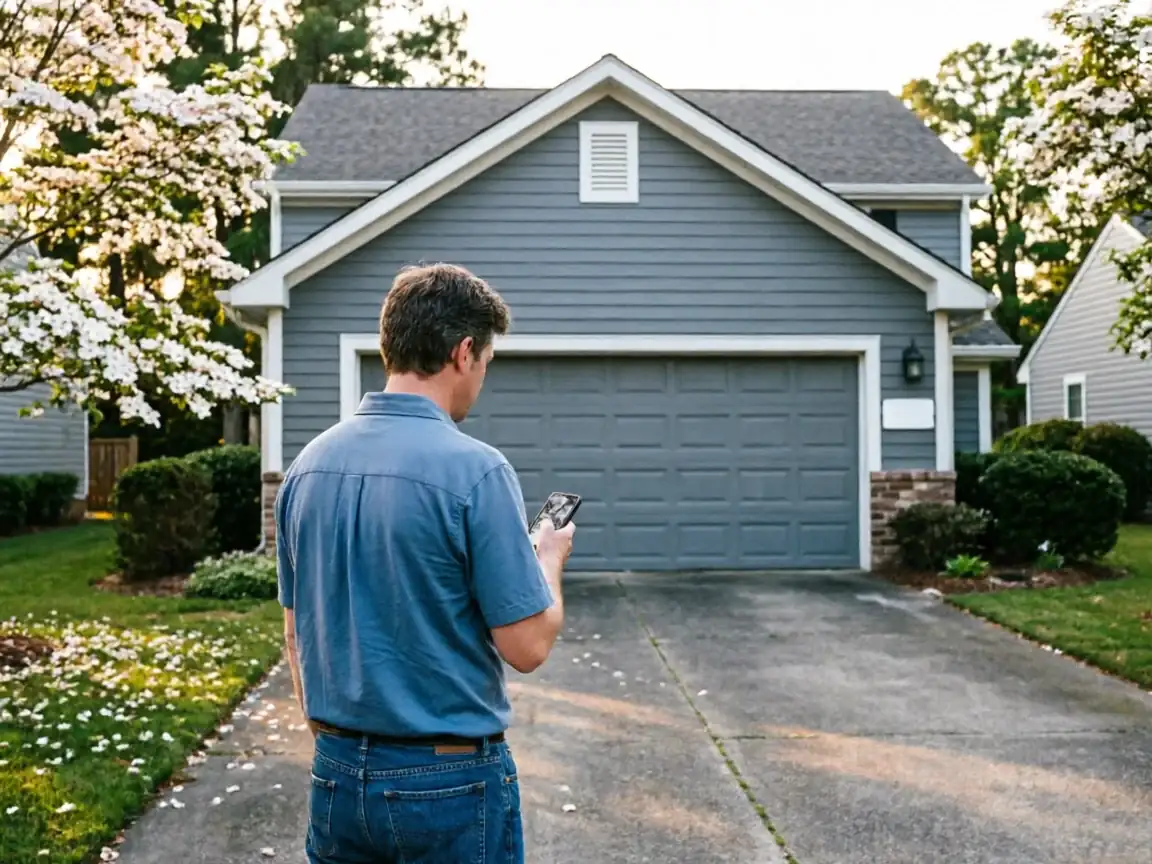
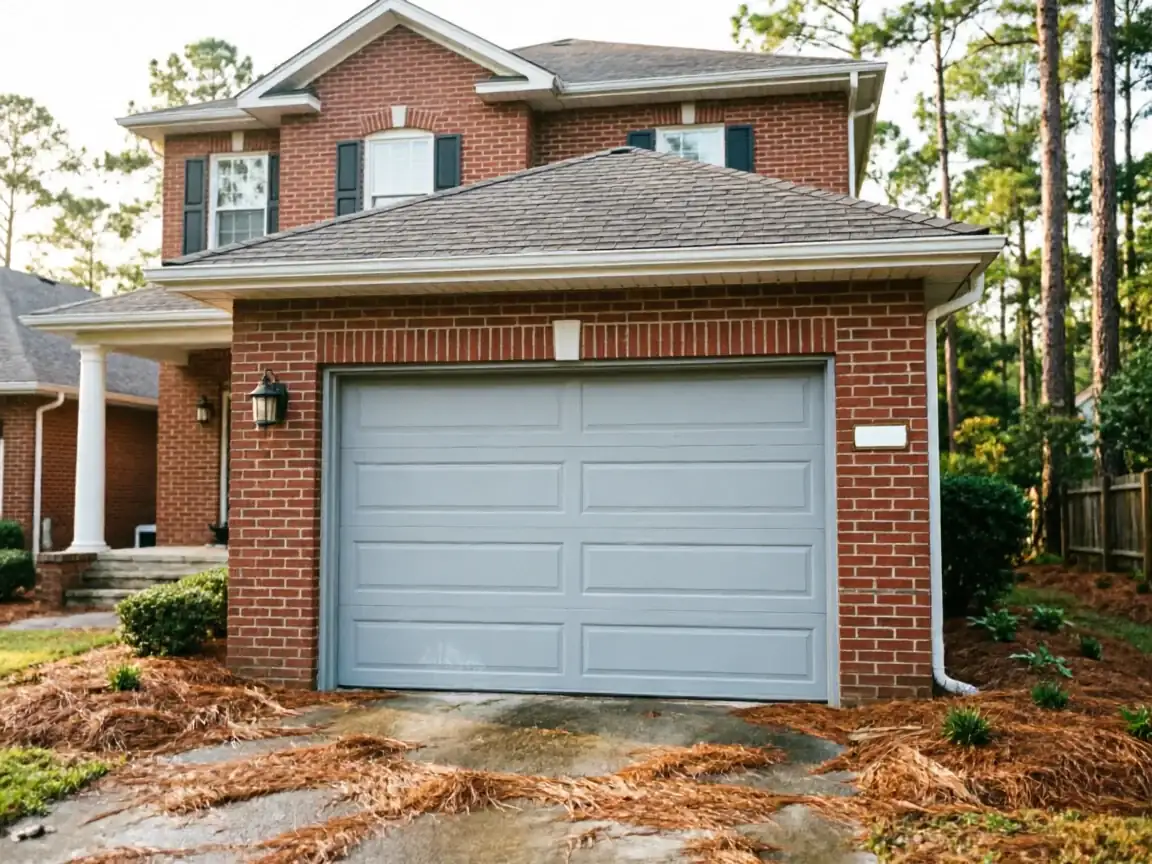
The housing stock across this service area was built mostly between 1967 and 2011, with a median year around 1983, spread across 17 named areas with their own mix of ranch houses, split-levels, and later infill. That 1980s-90s core is the thing that matters most for your door: openers and spring hardware from that era are past any reasonable service life, even if the door itself still looks fine. A lot of these houses still have the original torsion spring and the original chain-drive opener that came with the house.
With roughly 20,806 owner-occupied houses among 43,773 households in the area, and a median household income of $59,583, most of what we see is routine wear on equipment that's thirty-plus years old, not storm damage or collision repairs. That changes what's worth fixing versus replacing. A spring from a 1985-built house is not a judgment call - it's due. An opener from the same house that still runs is a different conversation, because the motor outlasts the gears more often than people expect.
When Waiting Is Fine
Not everything needs a call today
If your door is noisy but still opens and closes smoothly, on-time, and stops where it should, that's a lubrication and adjustment job, not an emergency. Rollers squeal before they fail, and a quarter can of the right lube on the hinges and track buys you months, not days.
Here's the honest limitation
If your opener board is the original from a house built in the 1980s or earlier and a replacement logic board isn't stocked by the manufacturer anymore, we're not going to pretend we can source one overnight. Sometimes the right answer is a new opener, not a repair, and we'll tell you that instead of stringing out a part order. If your door is cosmetically dented but tracks true and the spring tension is correct, that's also a wait - fix it when it bothers you, not because a dent means failure is coming.
What to Look At First
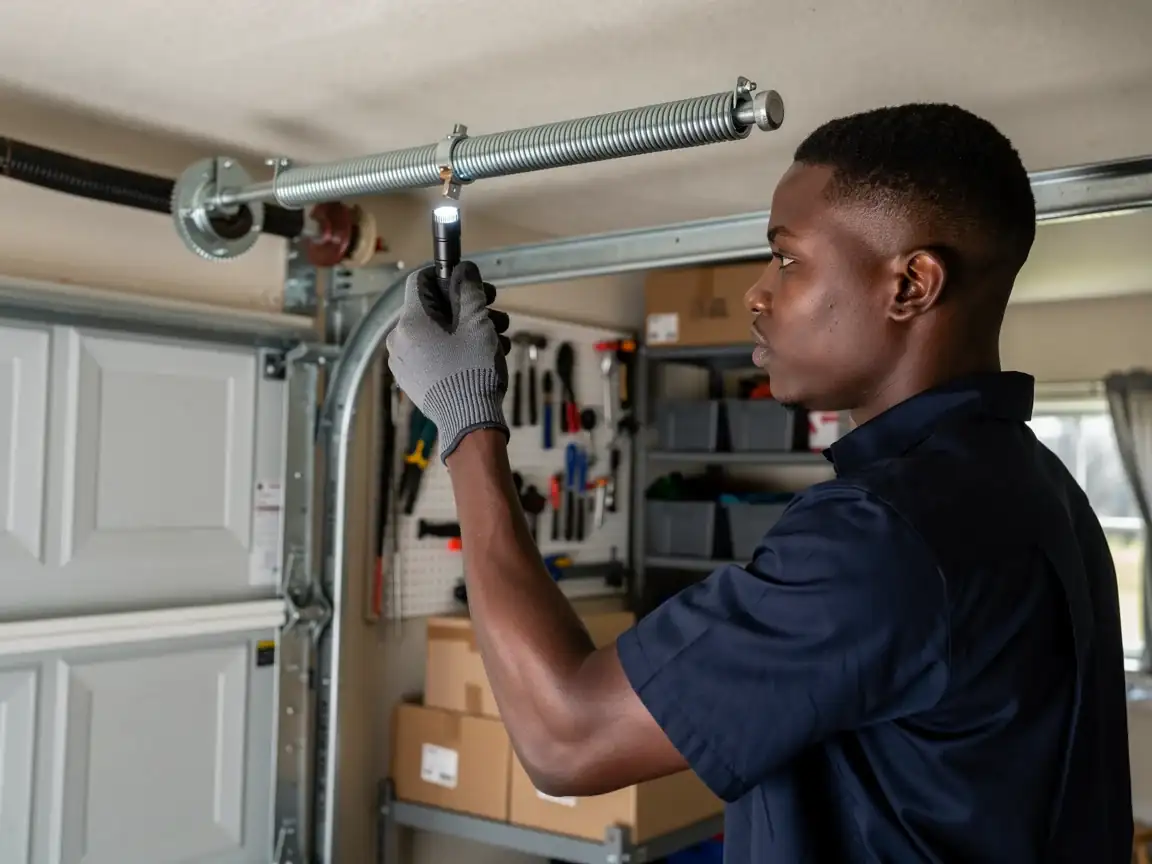
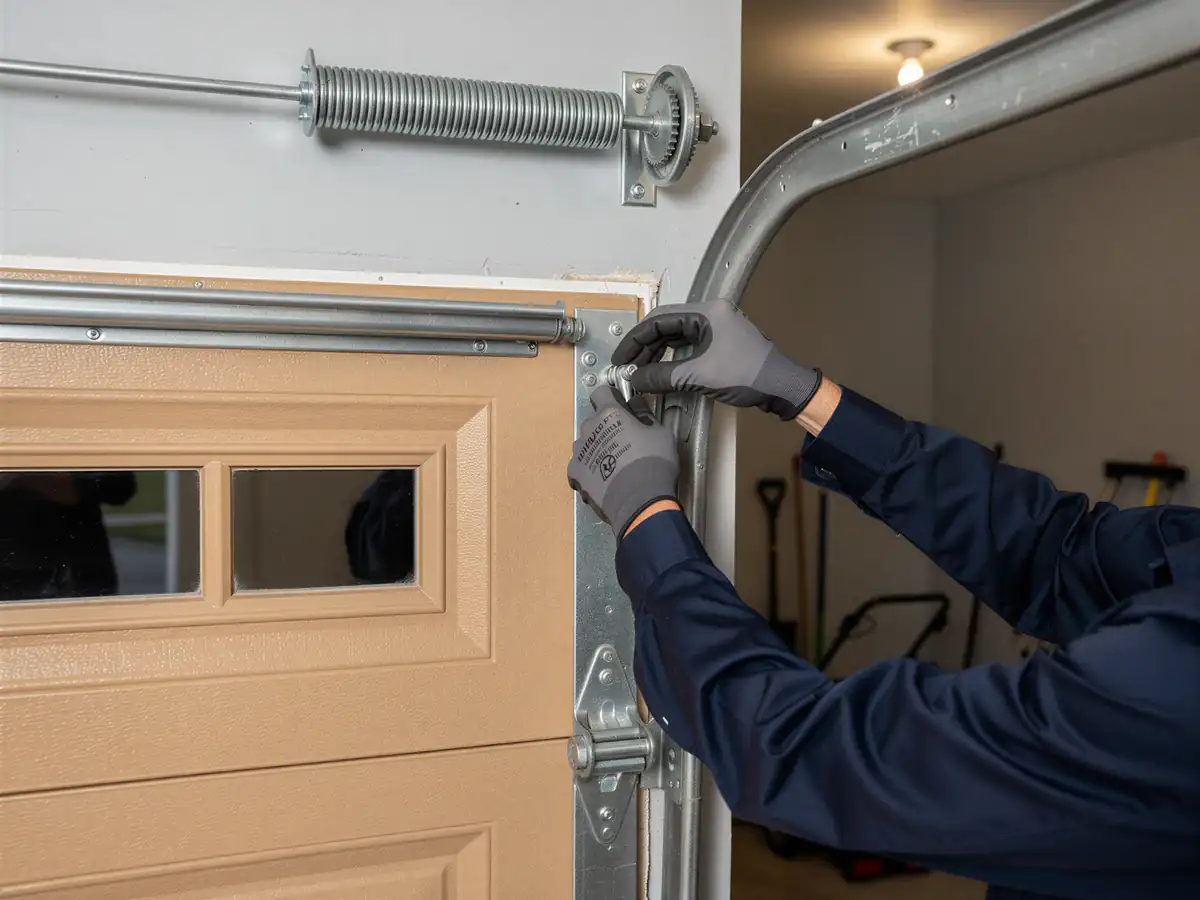
Start with the spring. If your house falls in that 1967-2011 build range - and most houses in this area do - check whether the torsion spring has ever been replaced. If nobody remembers, it probably hasn't, and that's the single highest-risk part on the door given how many winters it's cycled through.
Next, look at the cable where it wraps the drum near the top of the track. Any fraying, even a few lifted strands, means replace it before it lets go under tension - it's a cheap part next to what it controls.
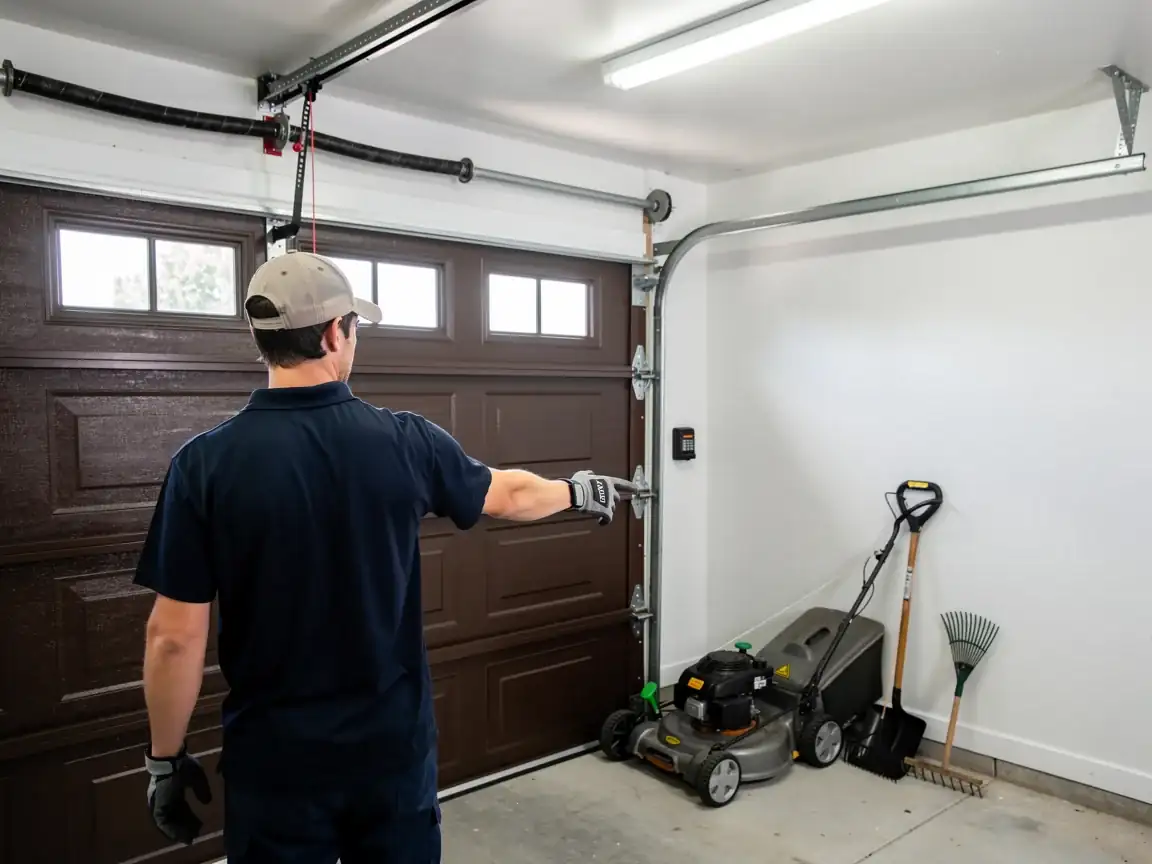
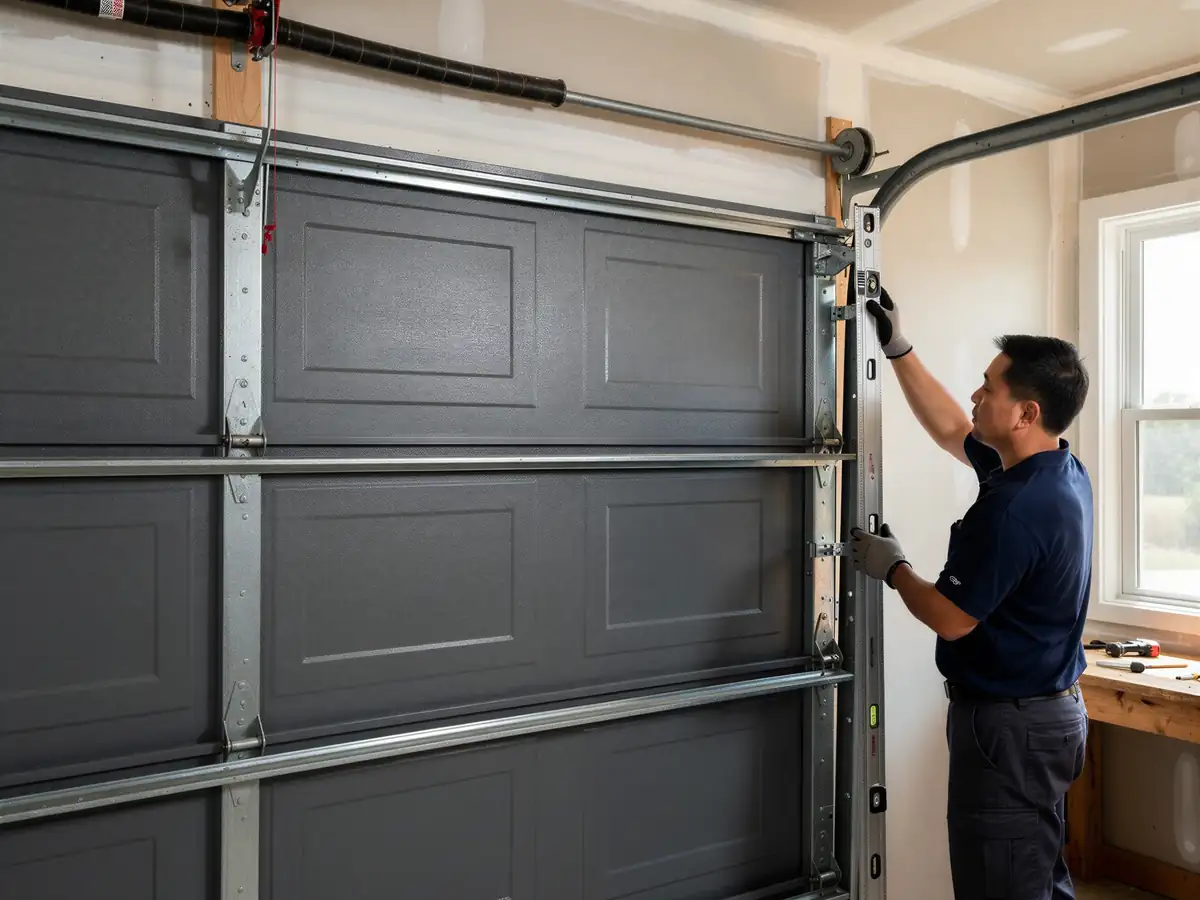
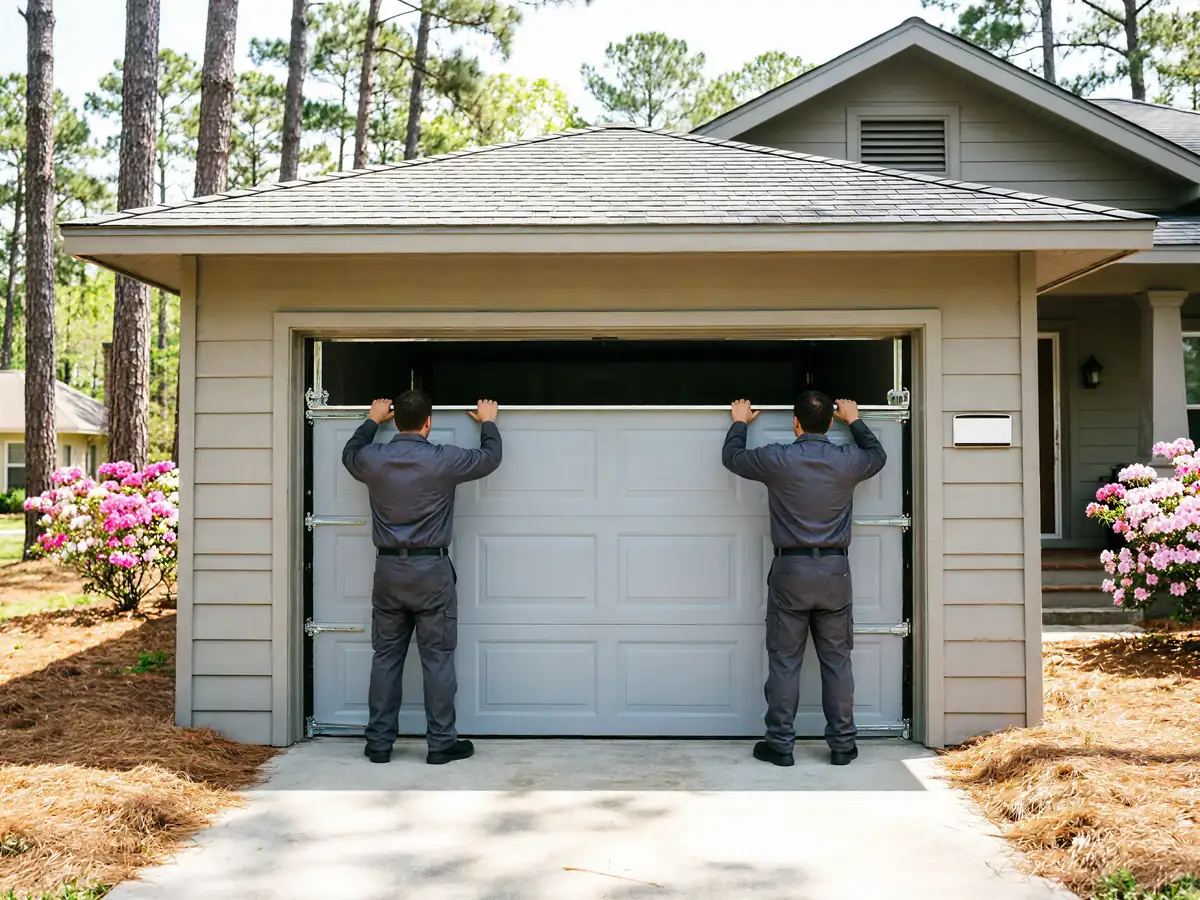
Third, test the balance: with the opener disconnected, the door should hold roughly where you leave it, half open. If it drops or shoots up, the spring tension is off, and that's not a DIY adjustment - torsion springs under load are the one part of this job where a mistake sends someone to the hospital. Last, check the opener's travel limits and force settings, especially on houses with the original chain-drive units from the 1980s core of this area's housing stock.