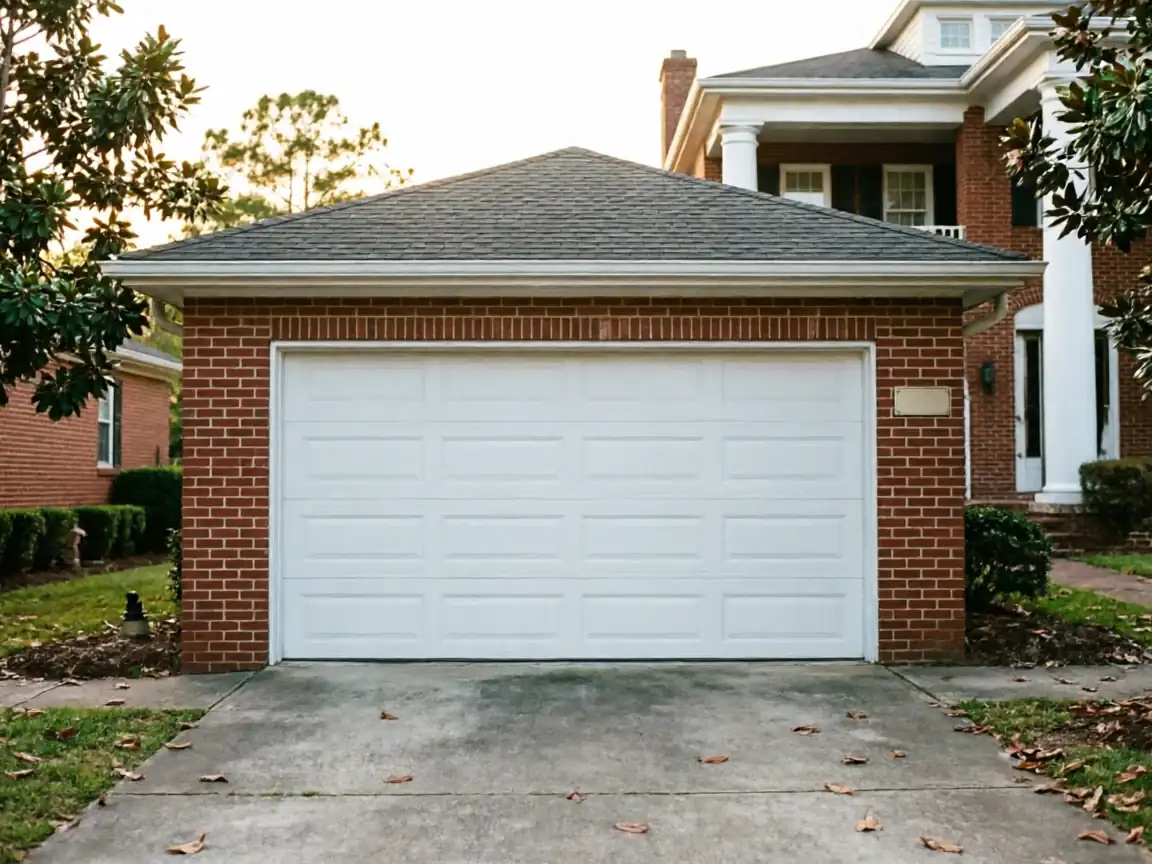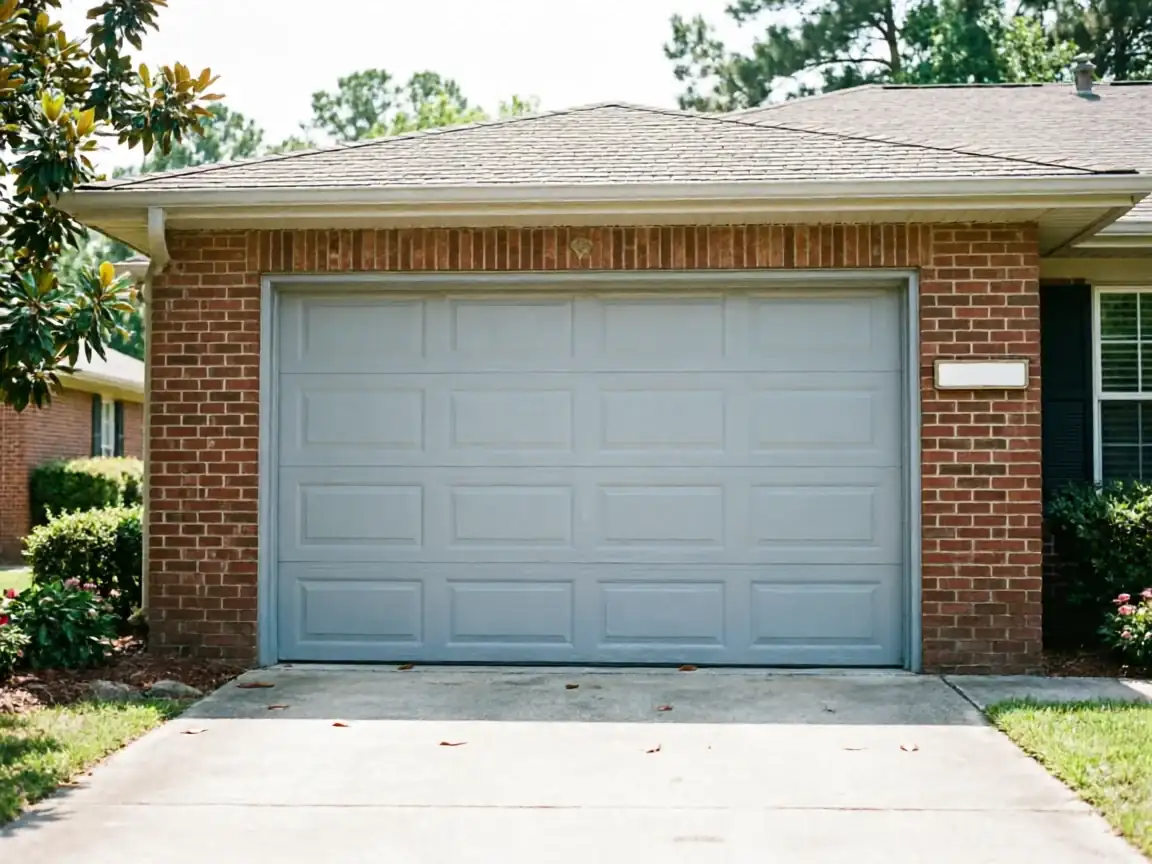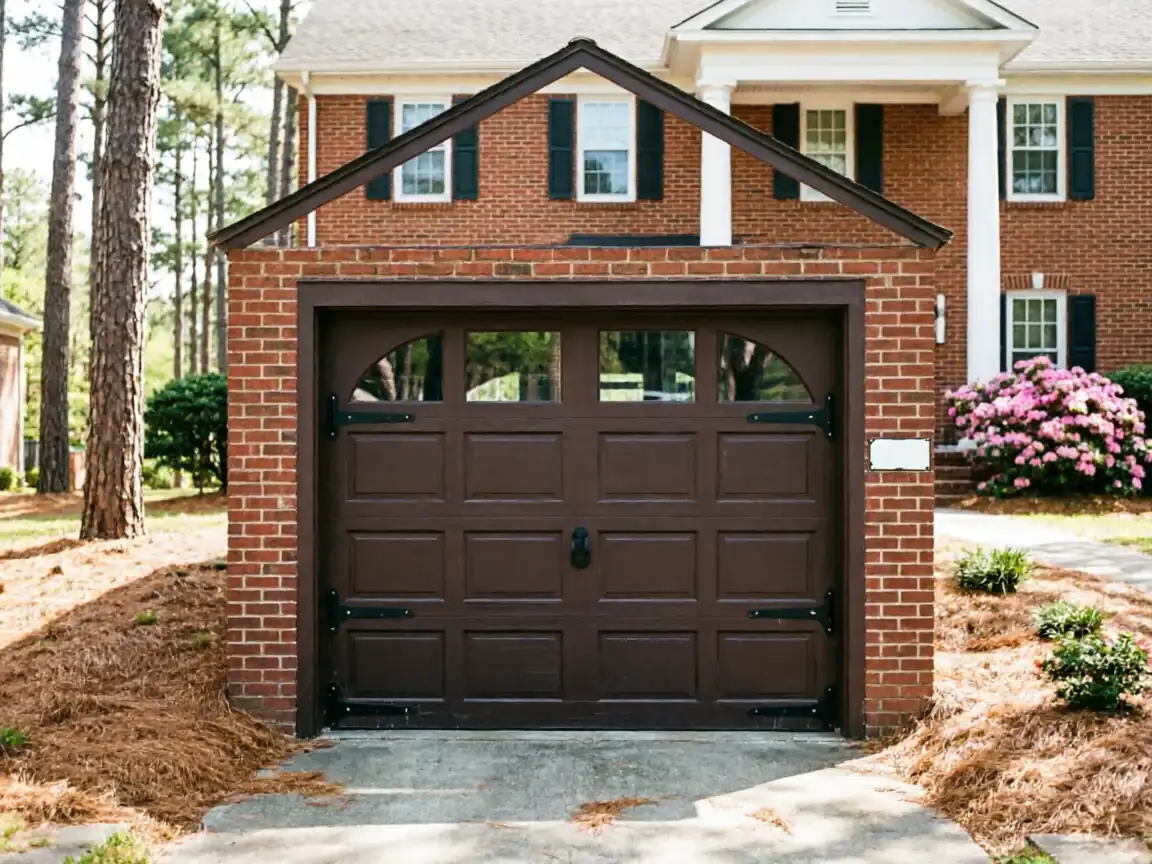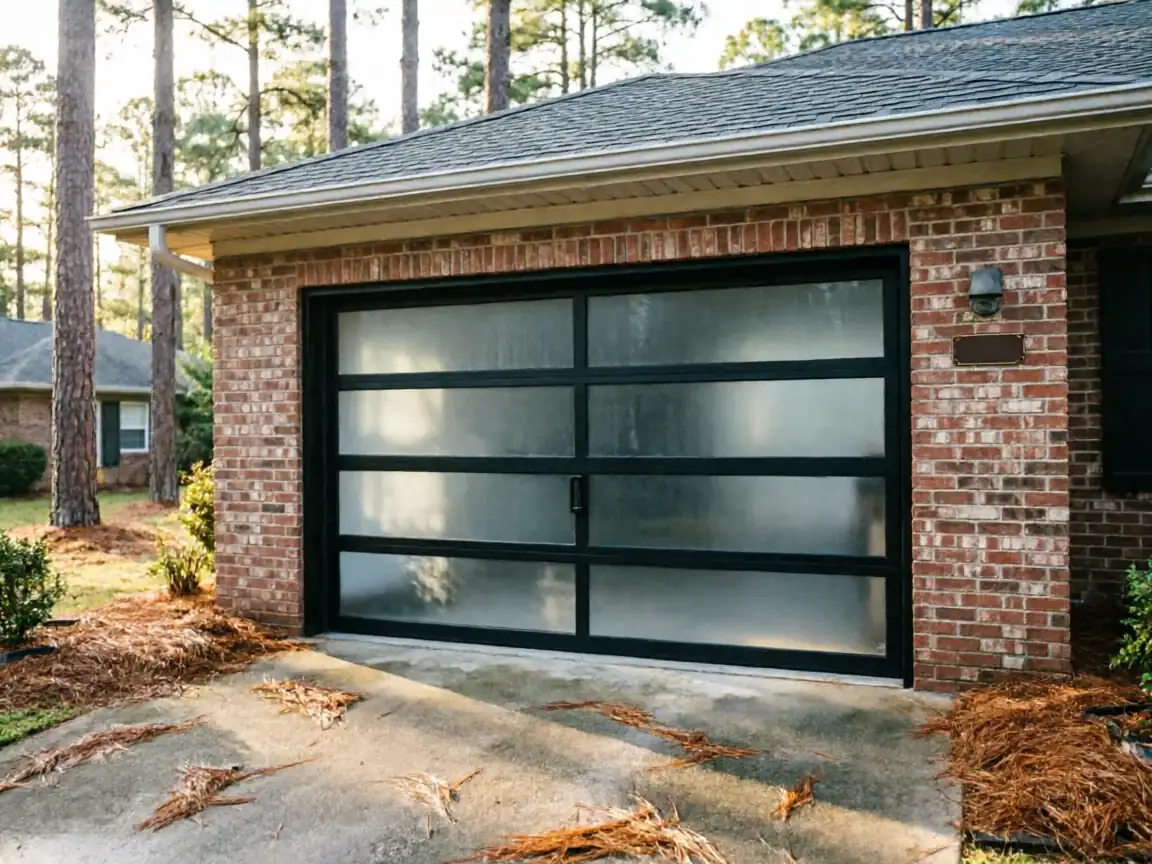
What Causes It Around Here
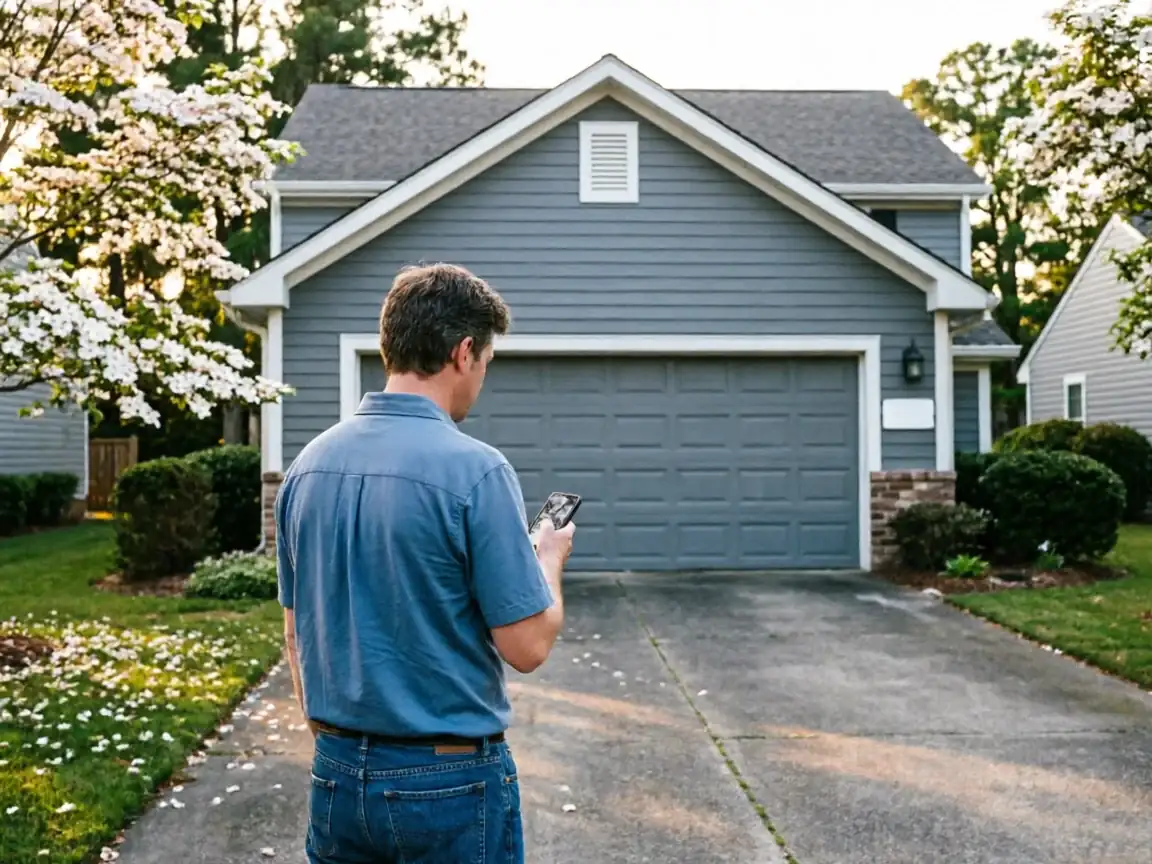
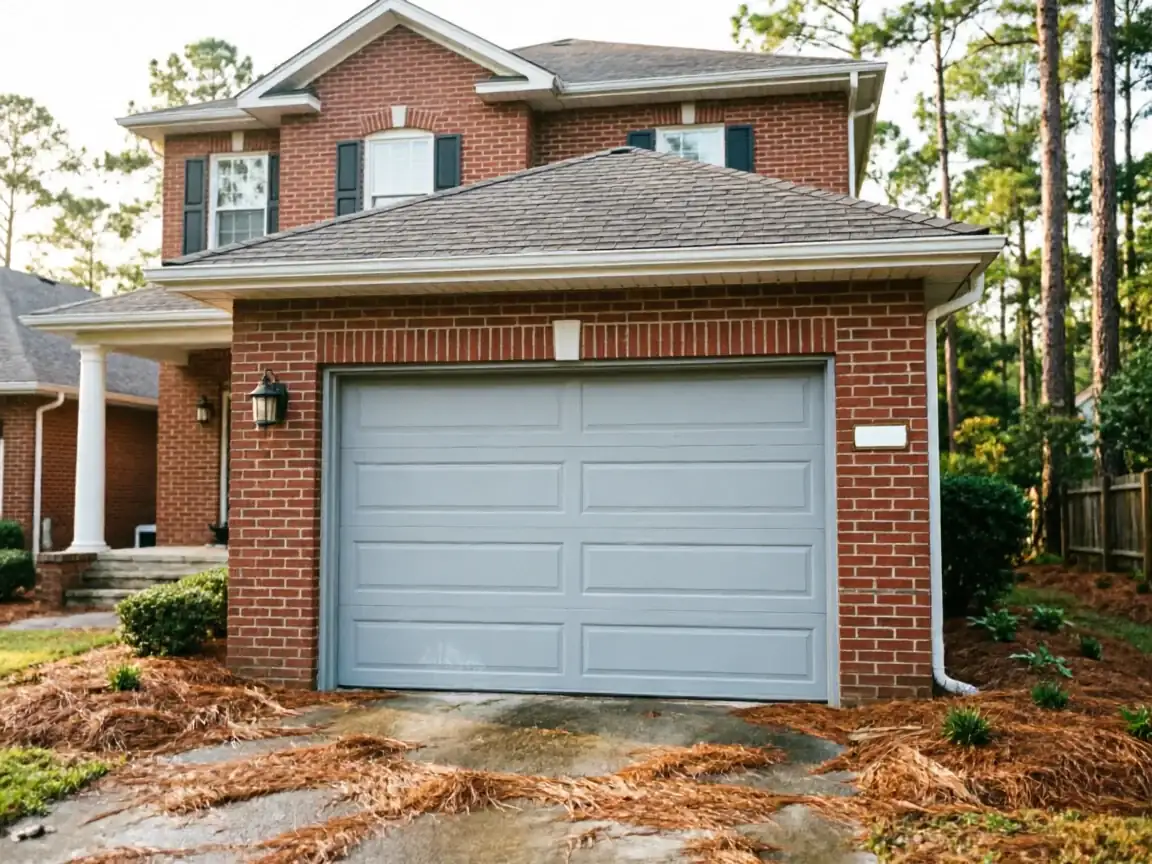
Most of the garage doors we're asked to replace in Gastonia aren't failing because of bad luck. They're failing because of age math. Housing in the service area went up mostly between 1967 and 2011, with the median build year sitting around 1983, and the bulk of that stock is from the 1980s and 90s spread across the 17 named areas we work in. A door installed when a house was built in 1984 is now past 40 years old. Steel skins delaminate, insulation sags inside the panel, and the original tracks were never set up for the heavier, better-sealed doors homeowners want today.
The cold-moderate climate band here adds a second pressure. Temperature swings through winter make old weatherstripping brittle and let gaps open at the bottom panel, which is usually the first thing a homeowner notices before they ever think about the spring or opener. By the time someone calls us, it's often not one bad part - it's a door built for a 1980s house trying to do a 2024 job. Replacement at that point does more for the house than another repair would.
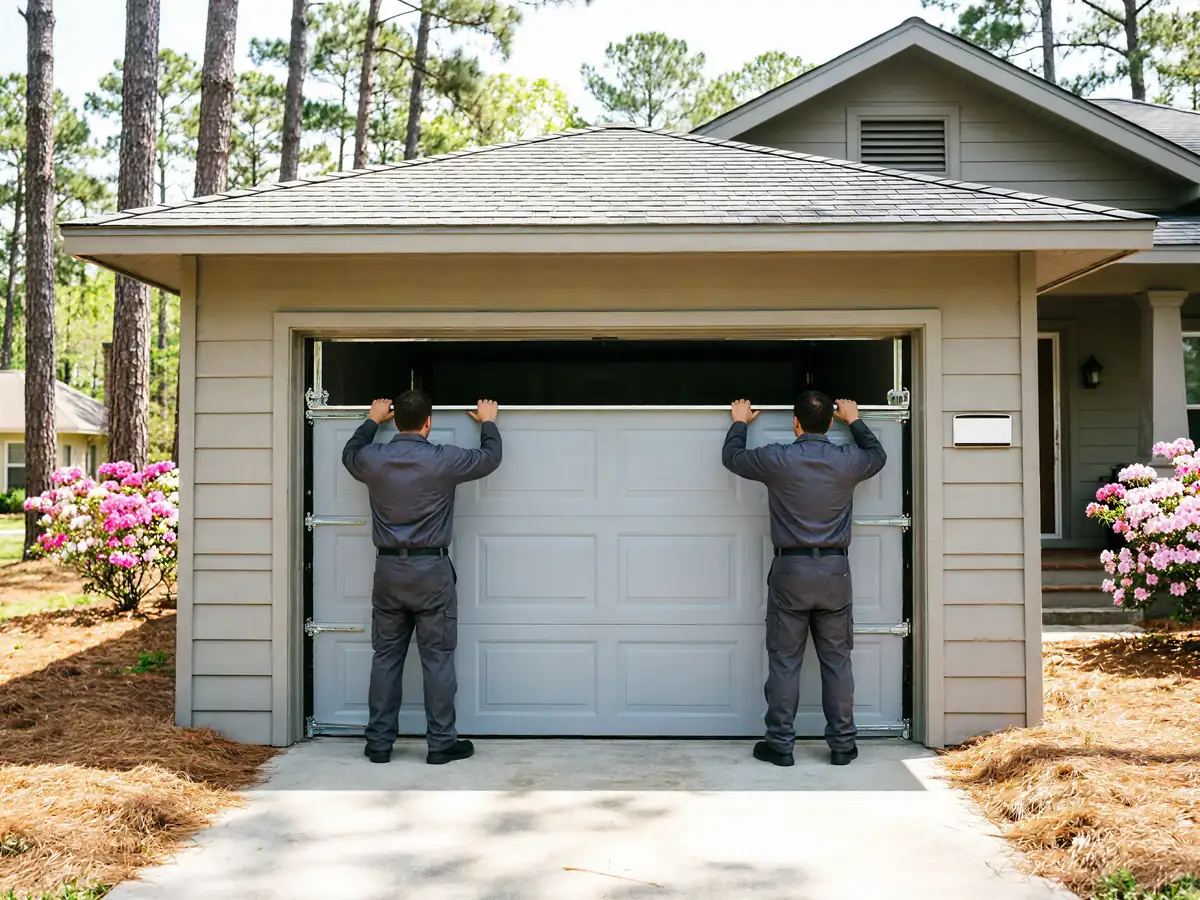
We don't install into an opening we haven't measured. Framing on houses from this era varies enough, even within the same neighborhood, that guessing costs a return trip.
Time on the Job
A straight swap - same size opening, new door, same track line - is a different job than one where we're also replacing rotted jamb boards or re-setting a header that's shifted over 40 years. Houses built in the 1967-2011 window don't all age the same way, even next door to each other, so we won't quote a universal number of hours before we've seen the opening.
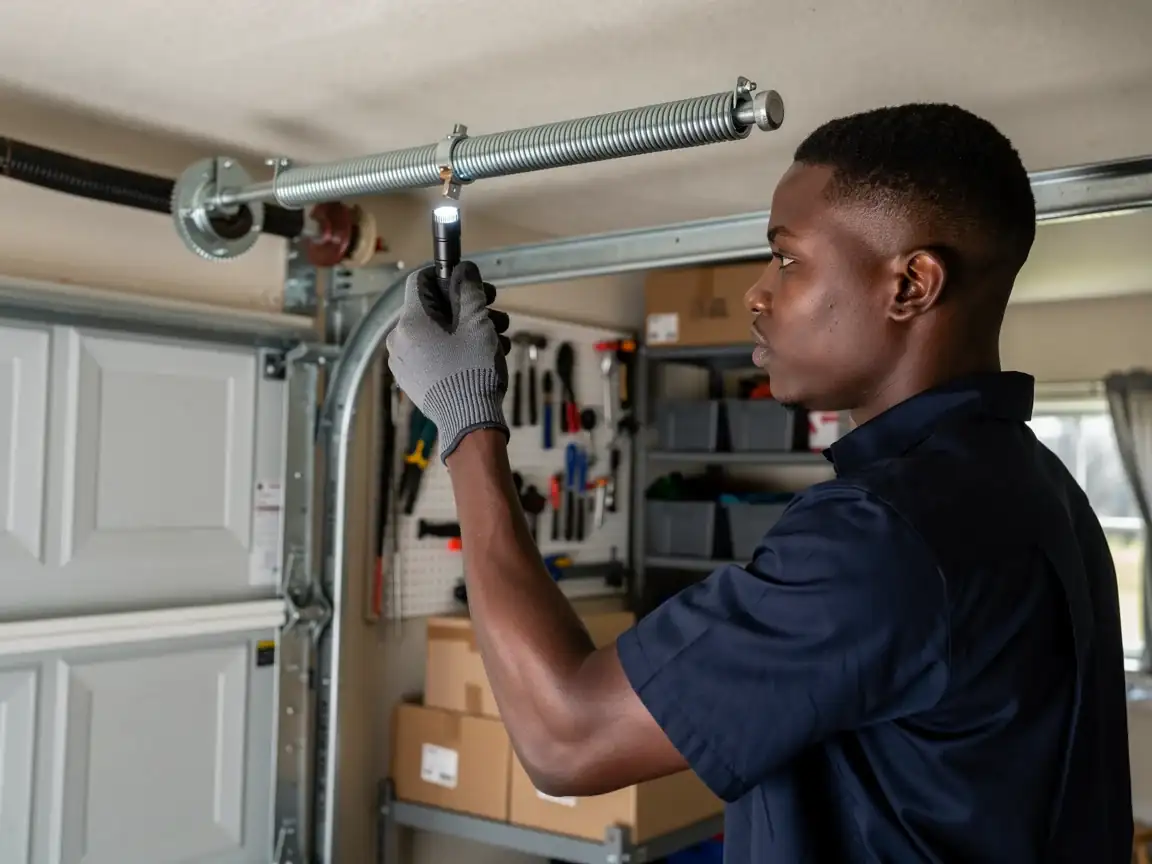
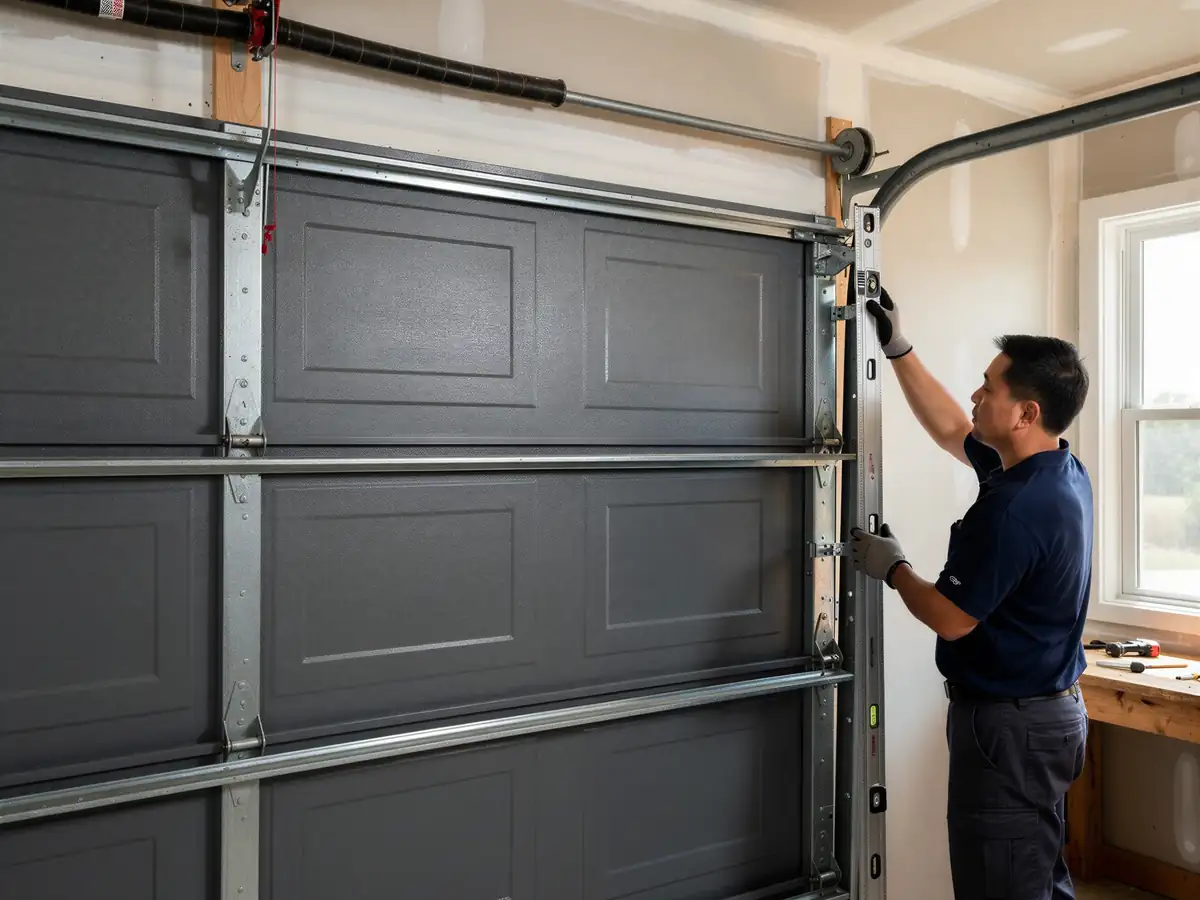
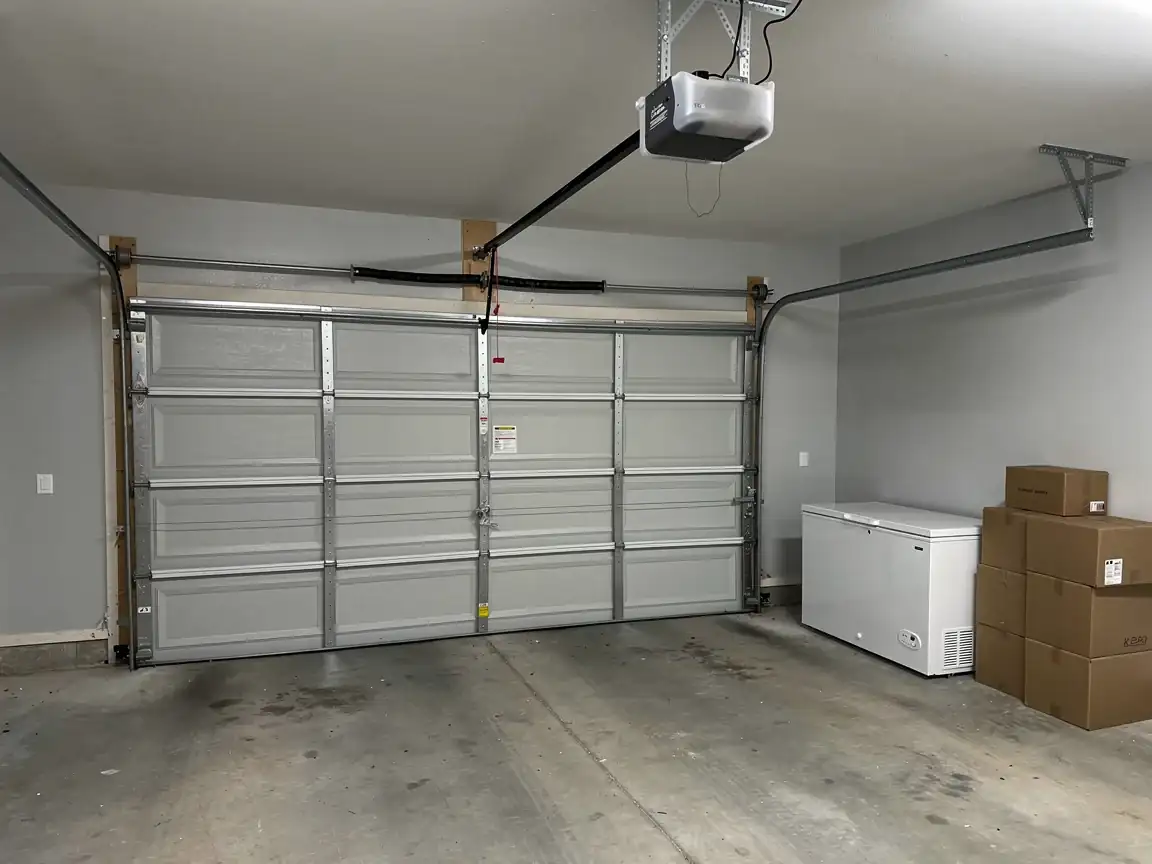
What we can tell you is what adds time: double doors take longer than single, insulated doors with thicker panels take more care setting the track plumb, and any opener we're mounting fresh needs the header checked for solid backing before we hang anything off it. If the house is one of the older ones near the 1967 end of the range, we budget extra time up front for hardware that doesn't match anything on the truck.
We tell you before we start, not after, if we think the job is going to run long. That's the only honest way to quote it.
What You Are Seeing
Homeowners usually call us with one of three things in mind
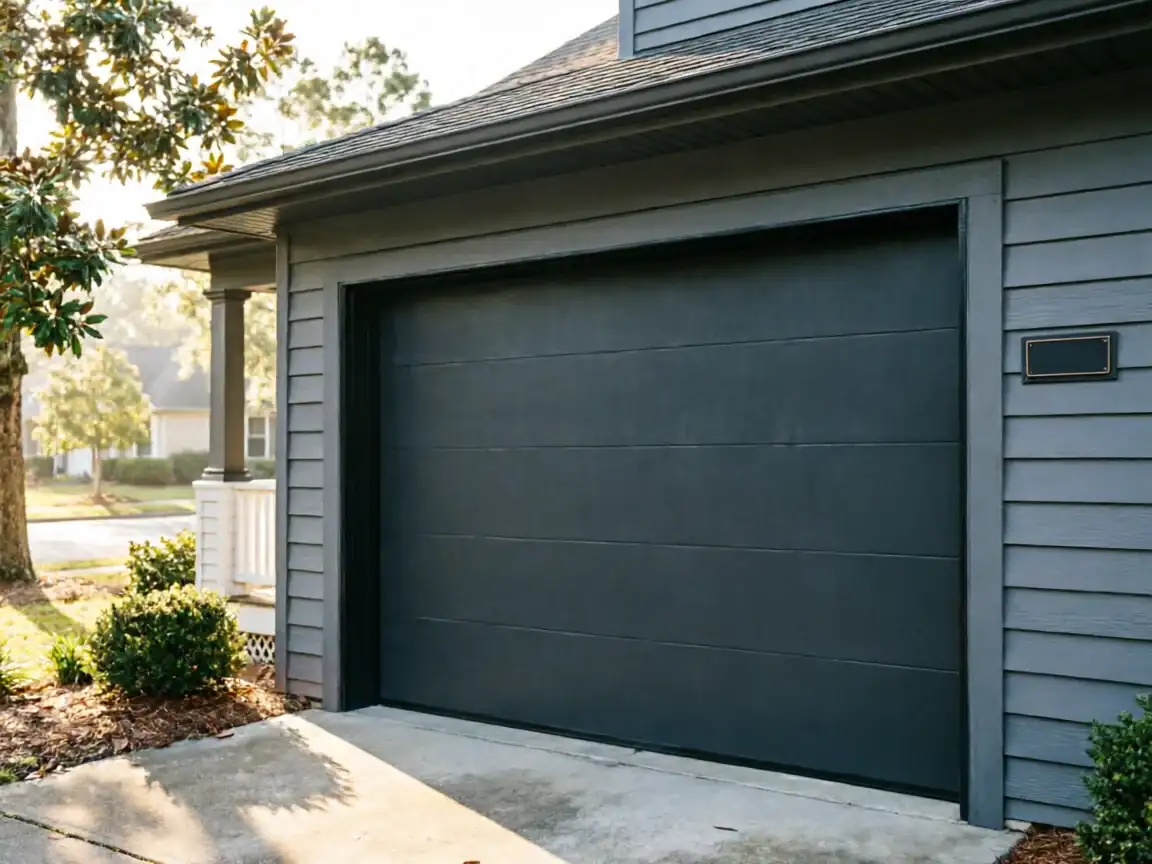
The door looks dated next to a house that's otherwise been updated - common in the 1980s-90s pocket of homes where the original door is the last 1980s thing left on the exterior. The door is noticeably colder-feeling in the garage than it used to be, which tracks with worn seals on older panels in a climate that runs cold-moderate through winter. Or the door simply won't track straight anymore, which on houses from this era is often the opening itself settling slightly, not just the door.
We look at the opening before we talk product
A new door hung on an out-of-square frame will fight you for years - binding, dragging, wearing the opener early. If the frame needs shimming or the track needs to come in on a different line than the old one, we say so before quoting the door itself.
What the Repair Takes
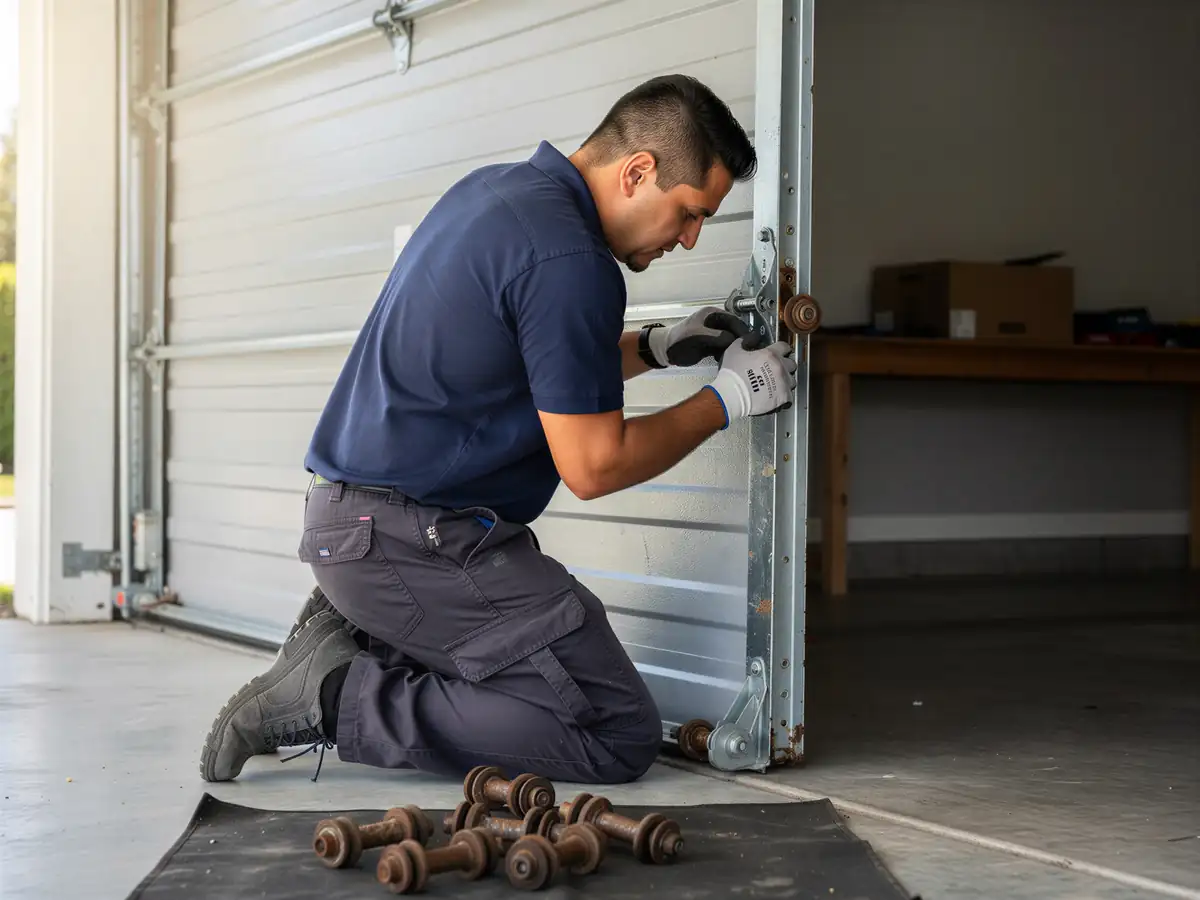
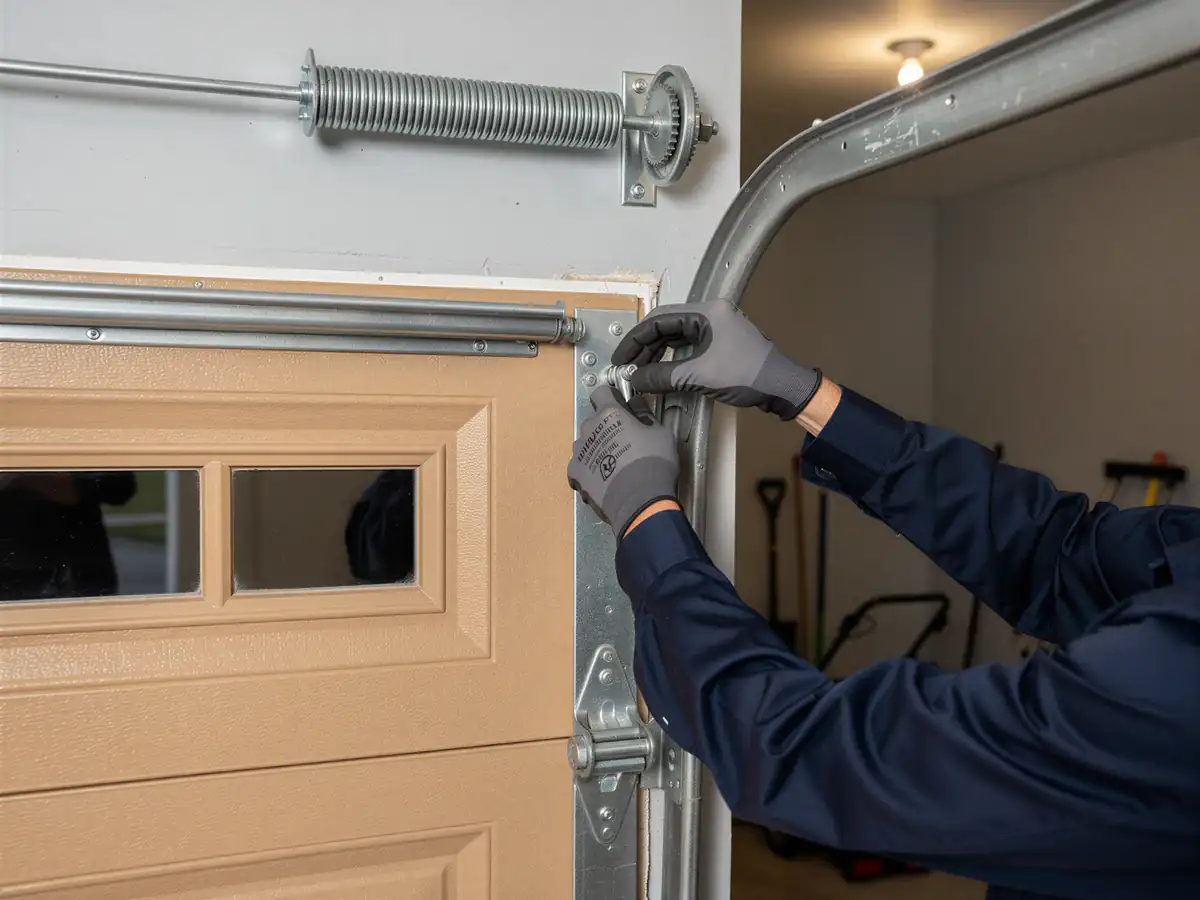
Installation here means the door, the track, the hardware, and - if the opener is being replaced too - a mount that's actually anchored into solid framing, not just the drywall around it. On the older end of our housing range, that can mean sistering a header board before anything gets hung. We won't skip that step to save a trip.
One limit worth being straight about: we size and order doors to the opening we measure, and on older homes with non-standard framing, that sometimes means a short wait on a specific width or insulation package rather than same-day install. We'd rather tell you that up front than install something that doesn't fit right and have to come back.
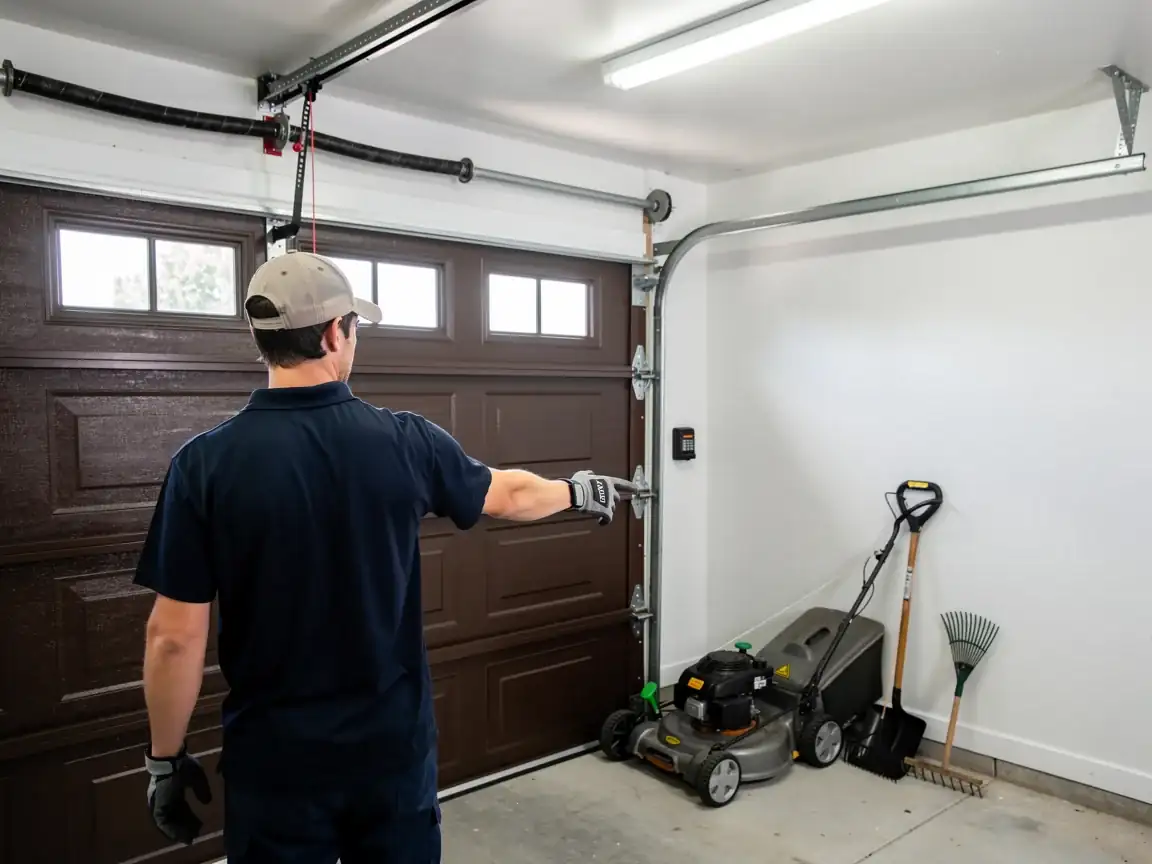
Once the door's in, we check balance, run the opener through a full cycle, and test the seal along all four sides - the seal check matters more here than in a warmer climate, since a quarter-inch gap costs more in a Gastonia winter than it would somewhere milder.