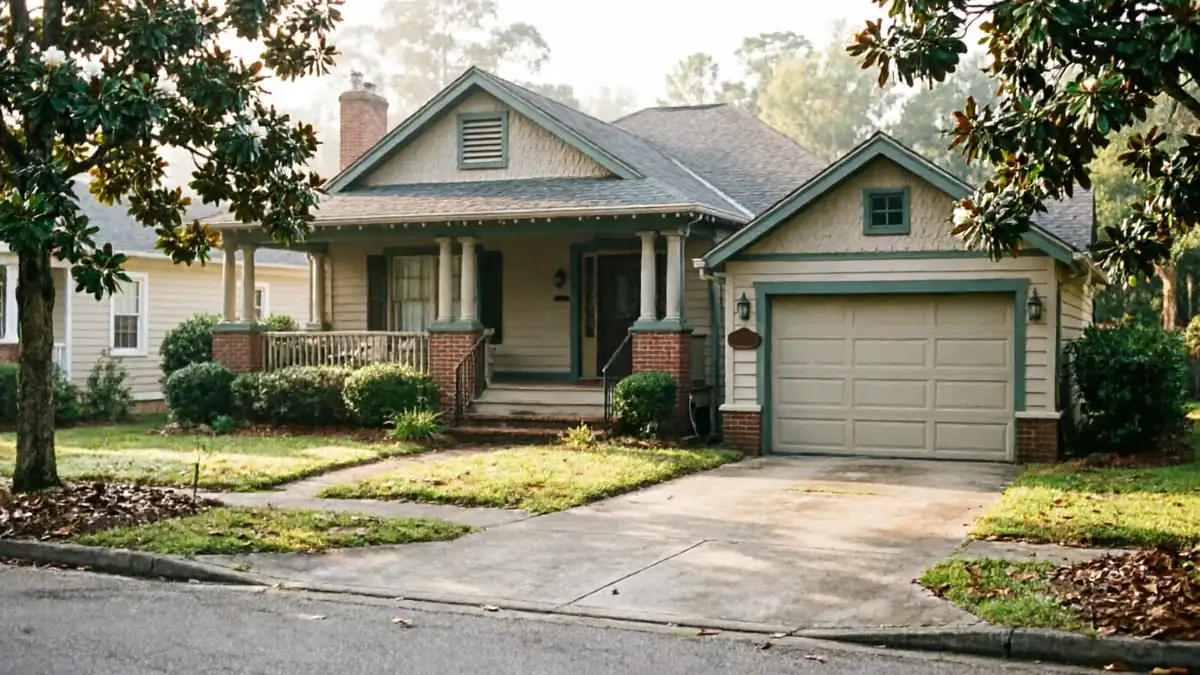
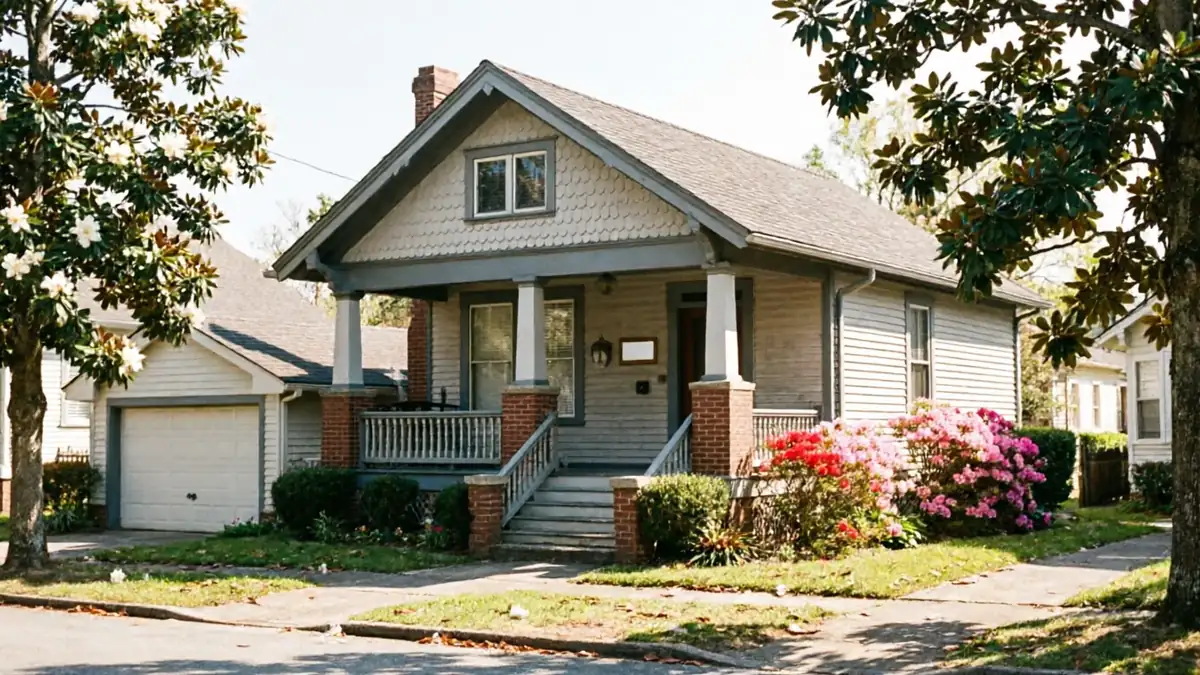
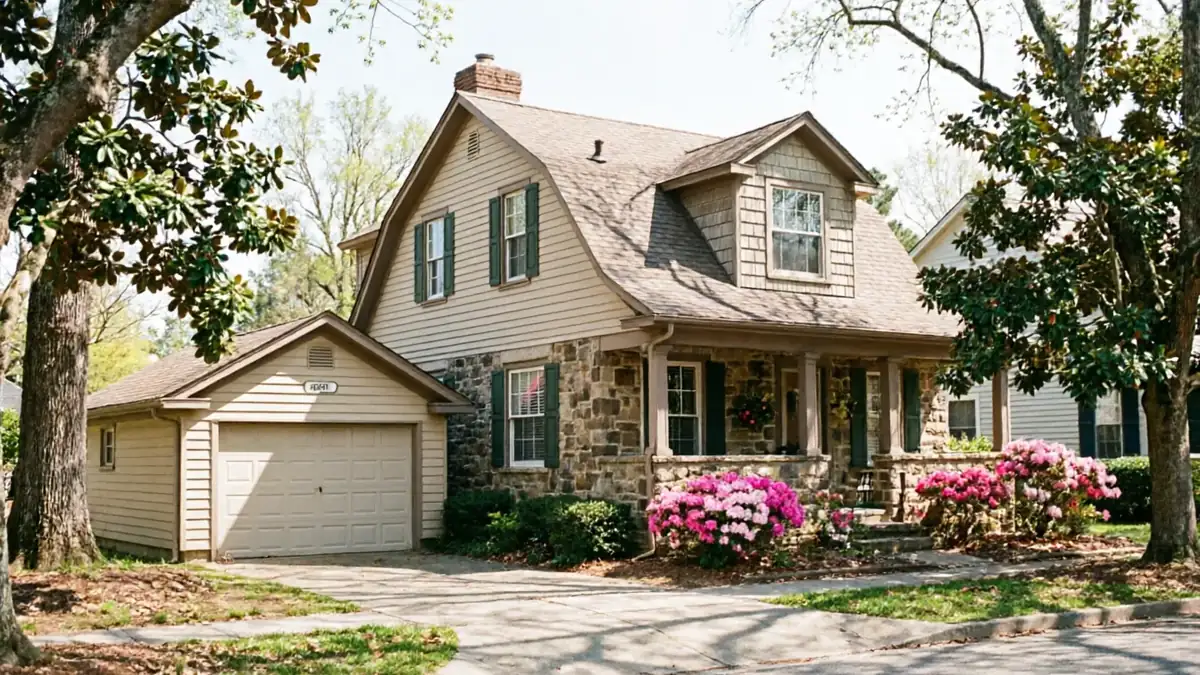
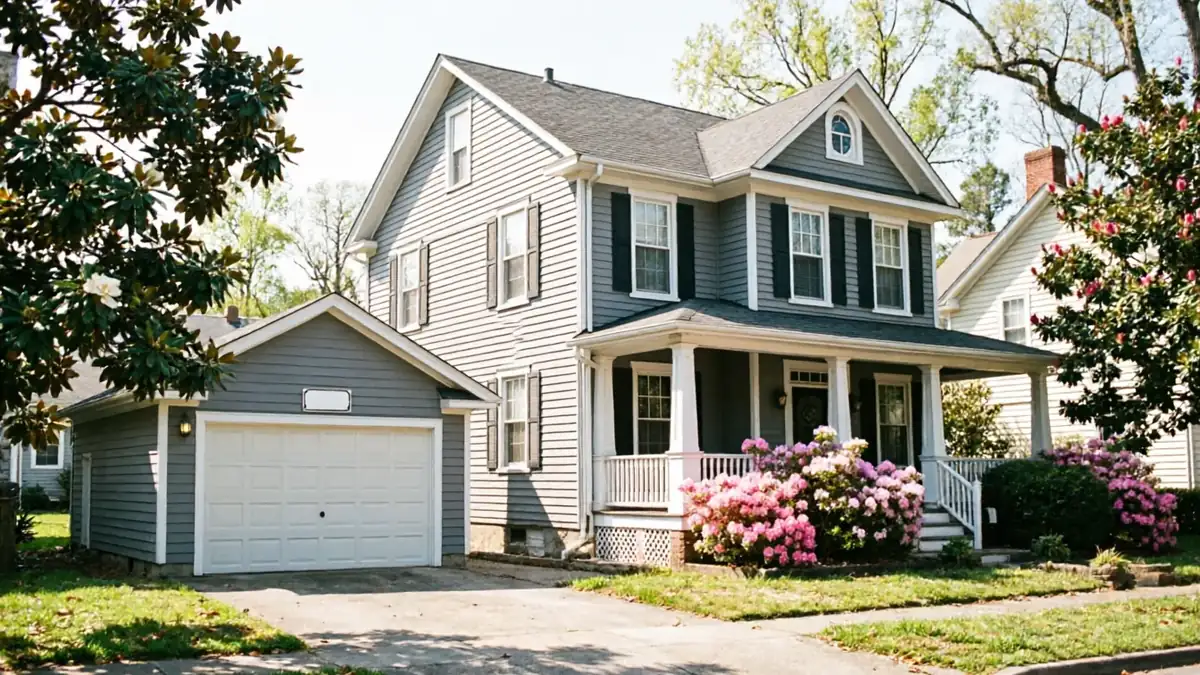
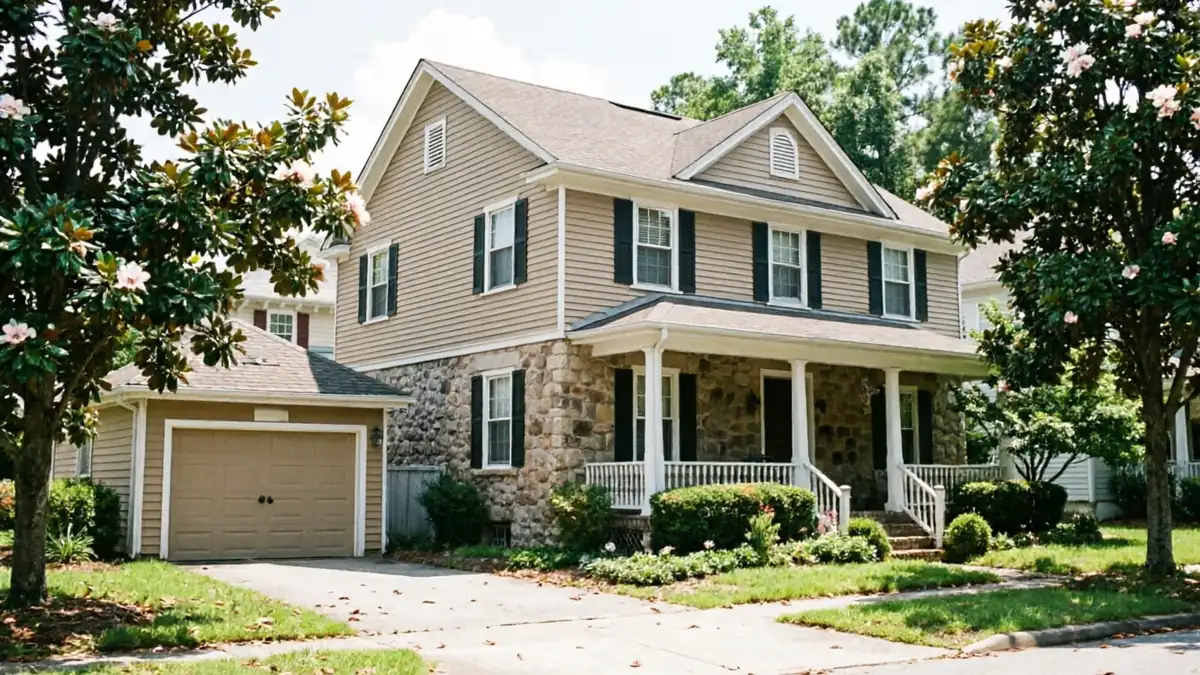
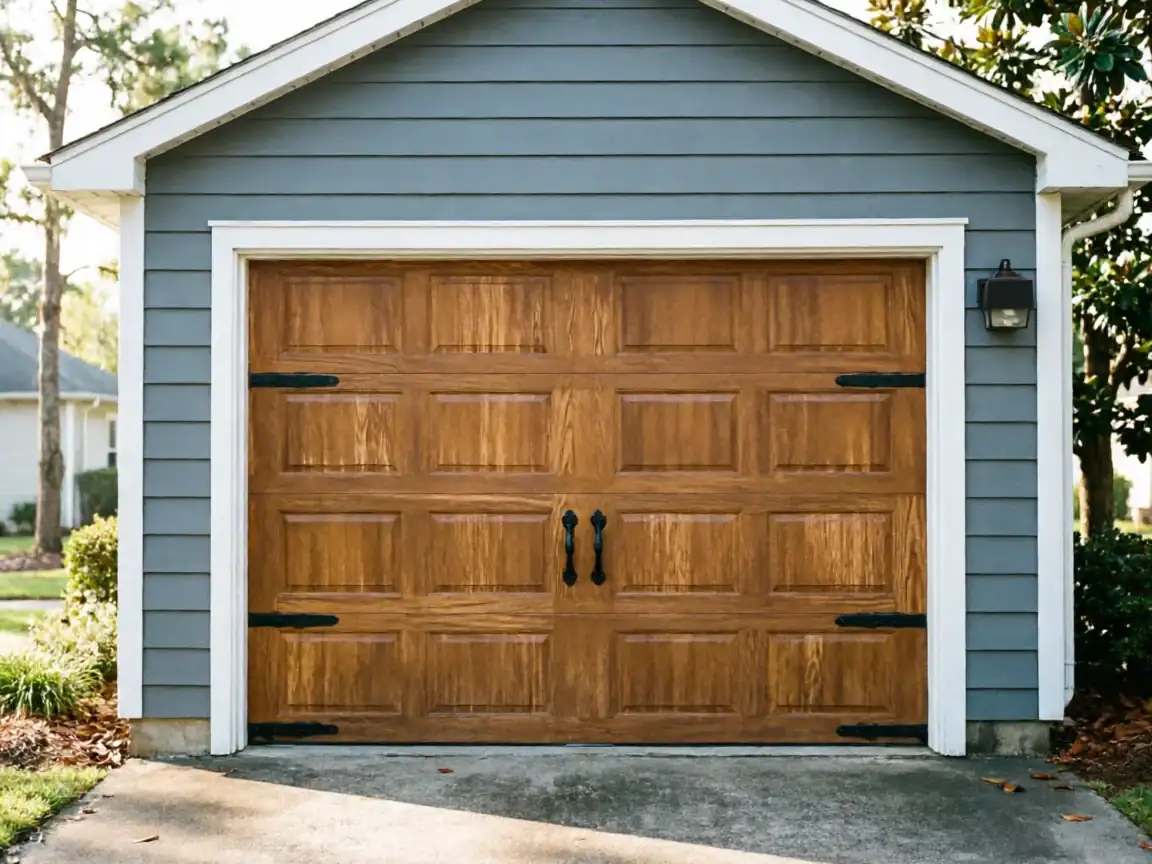
Older vs Newer Streets
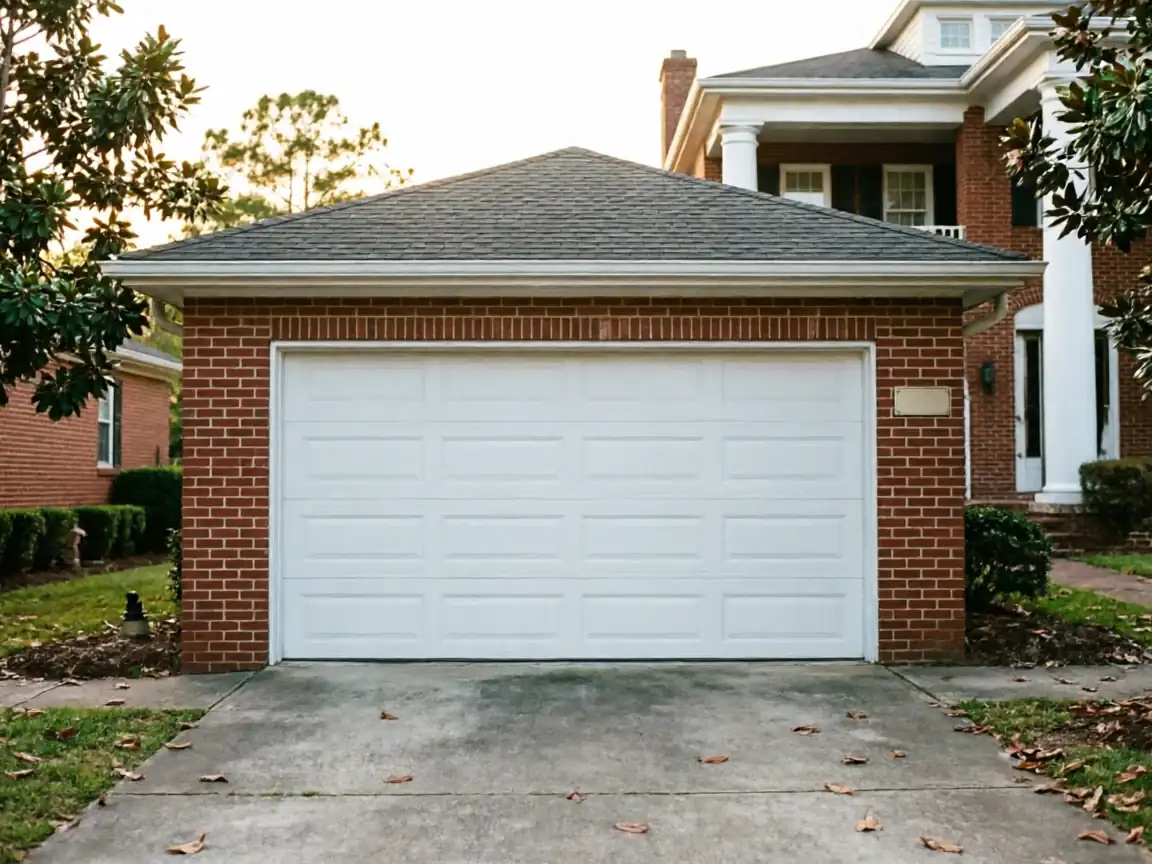
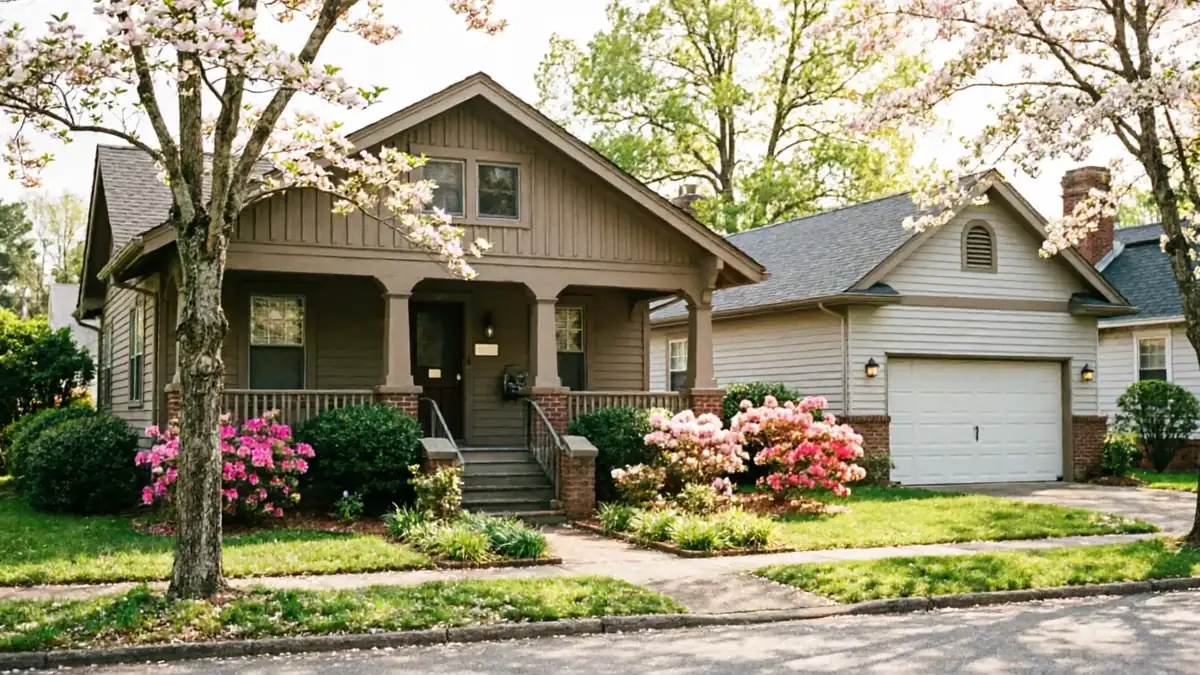
Cherryville's housing stock centers on a median build year of 1970, which is thirteen years earlier than the 1983 median across the wider service area we cover out of Gastonia. That gap matters more than it sounds. A door installed in 1972 is not the same animal as one installed in 1990 - different spring systems, different track widths, different opener mounts.
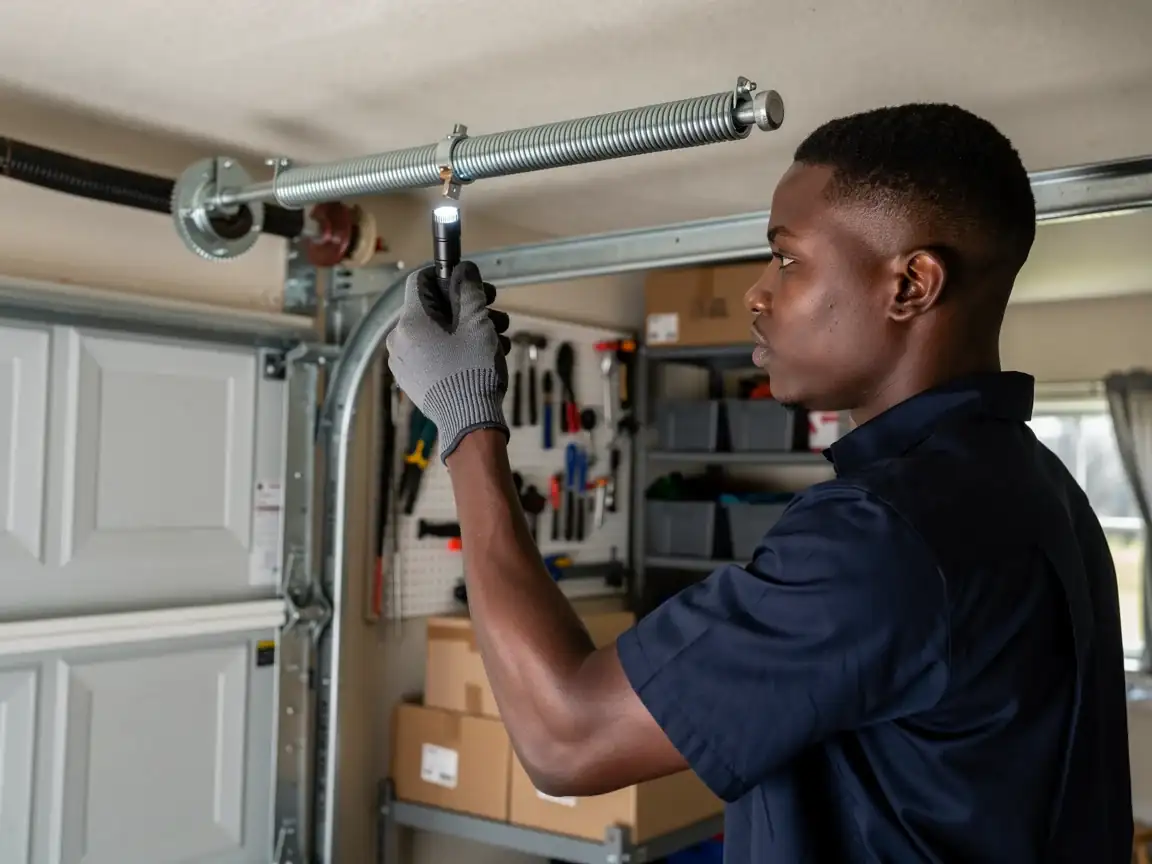
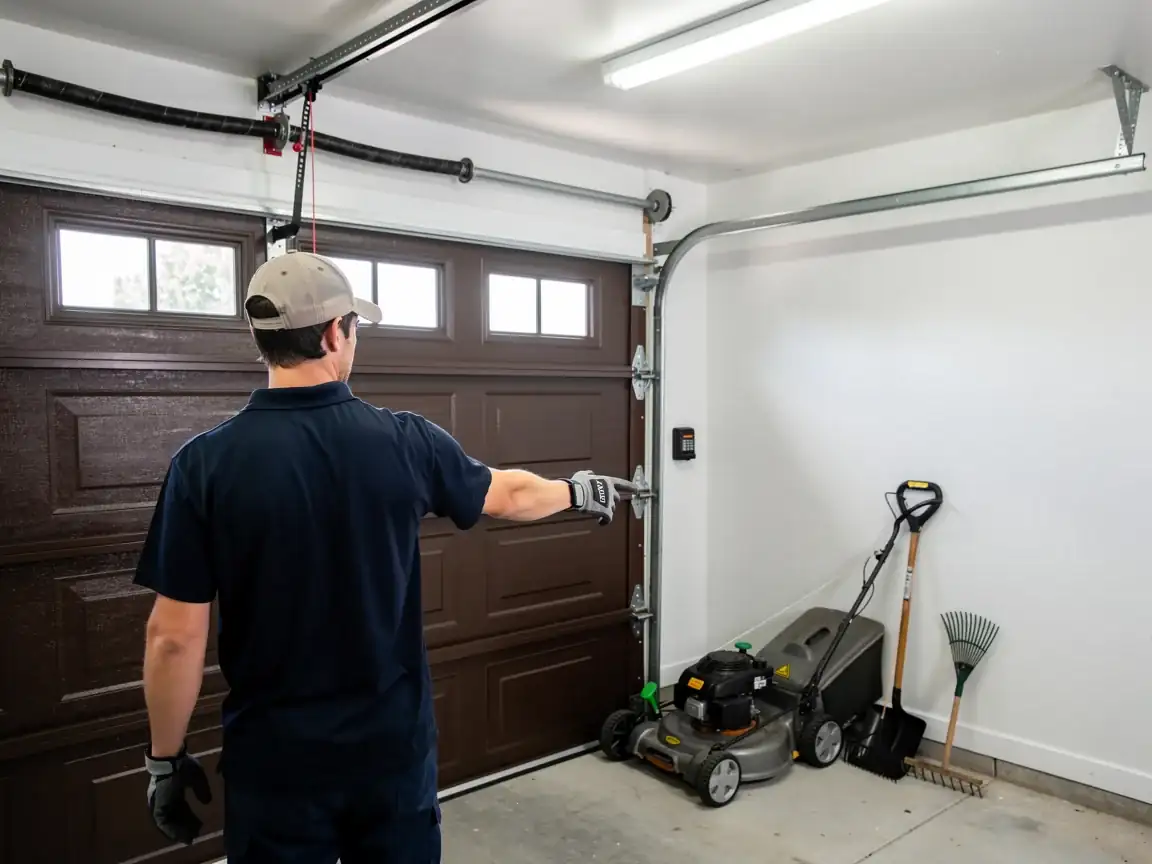
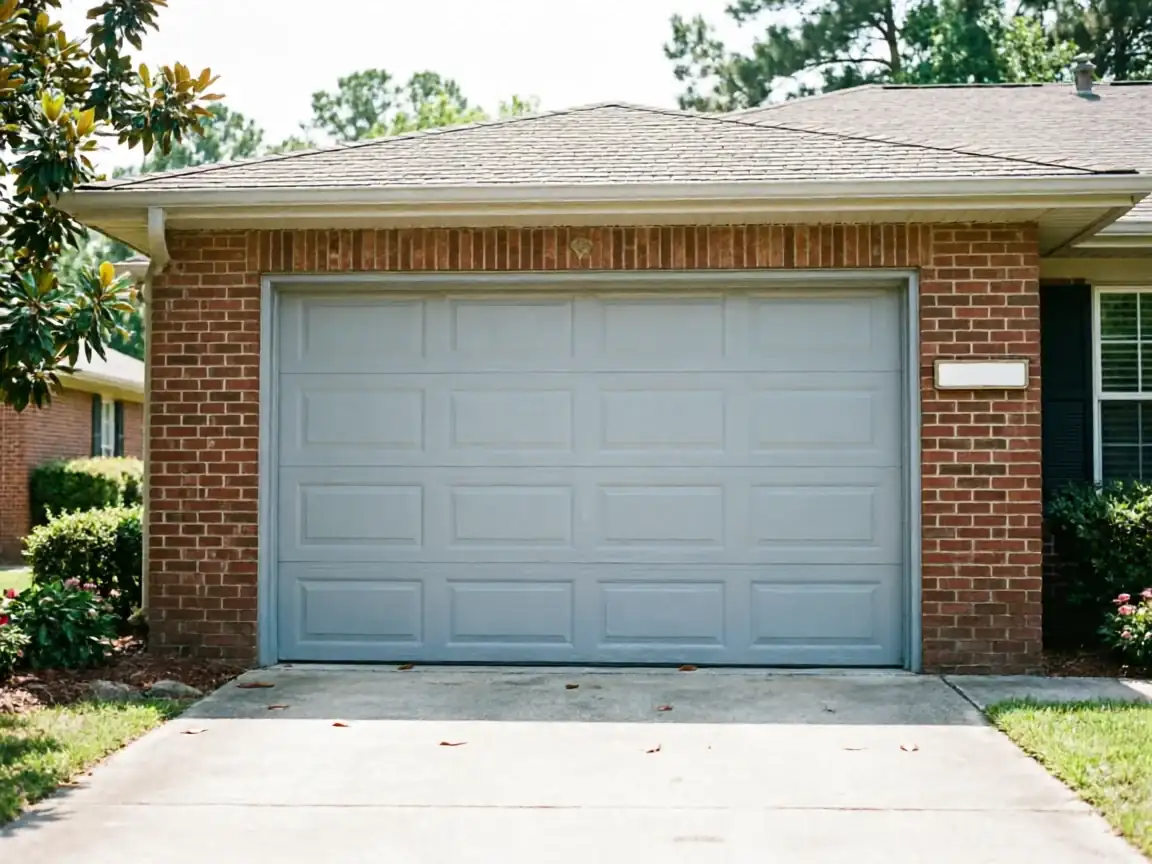
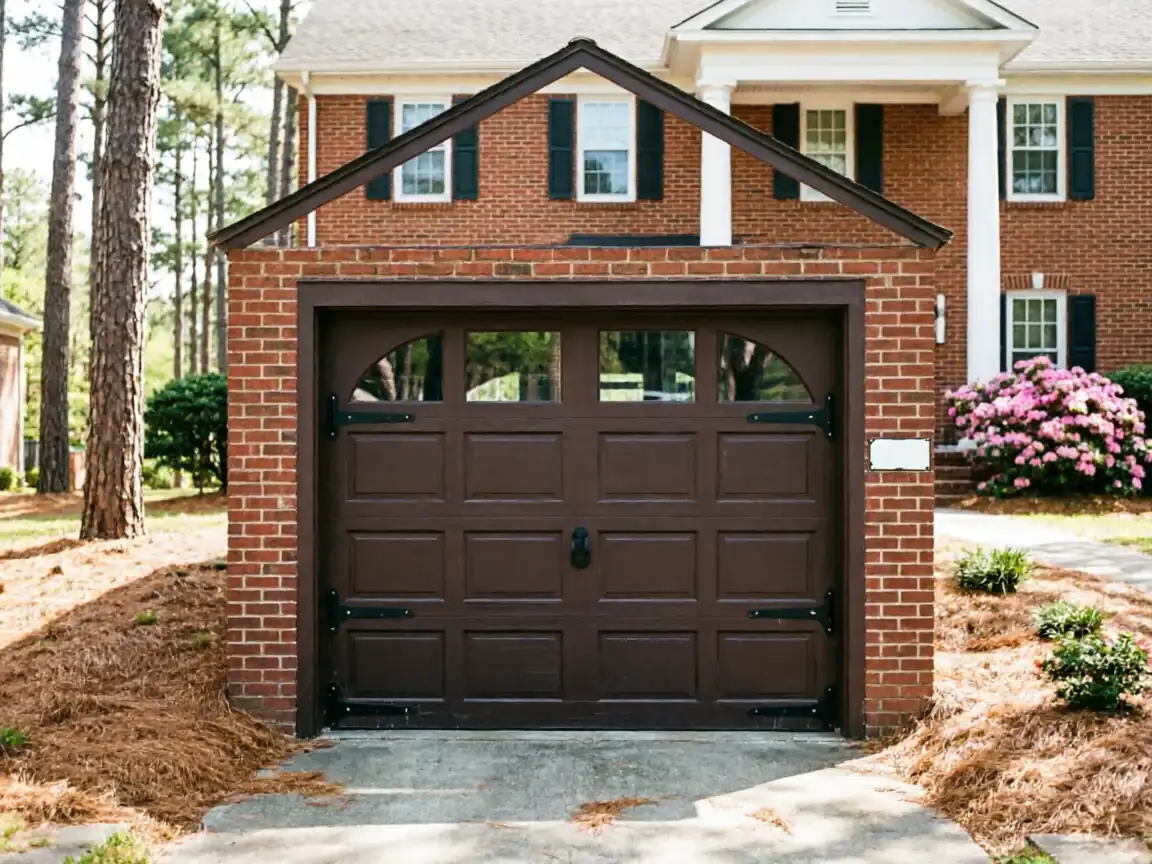
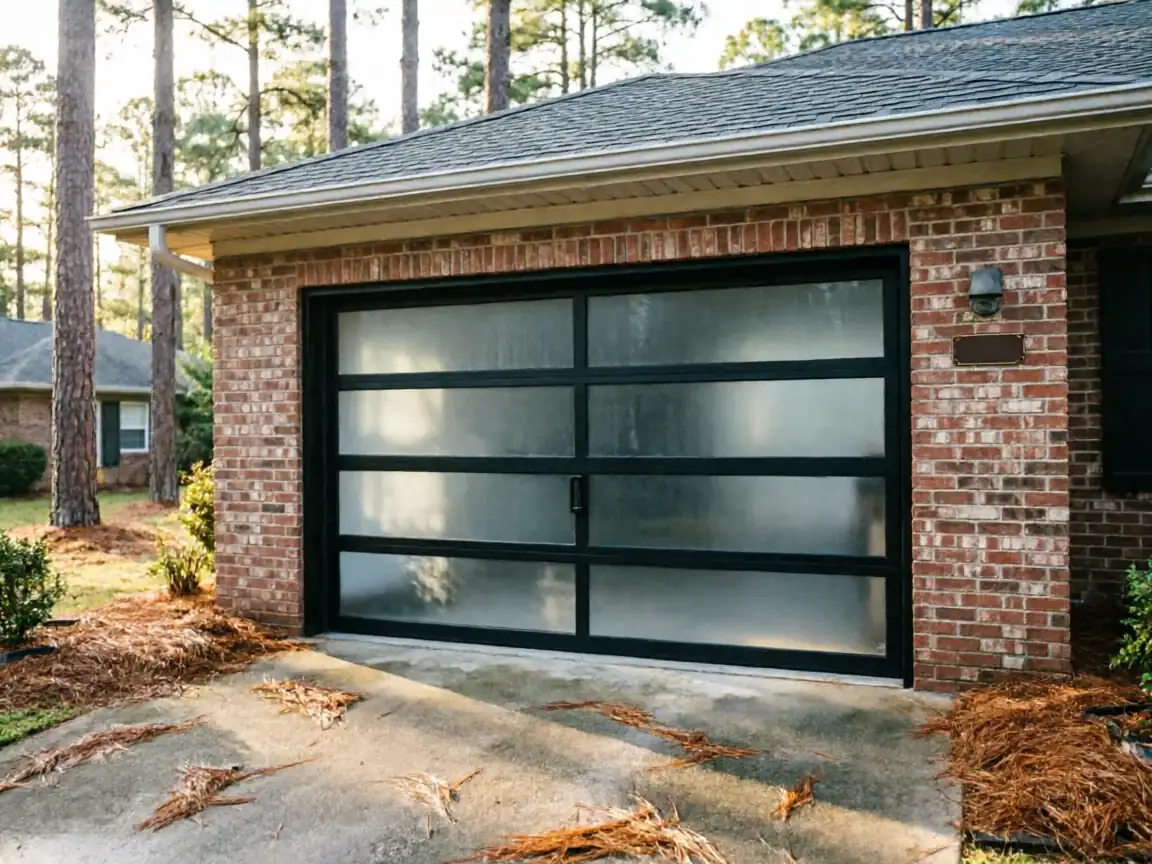
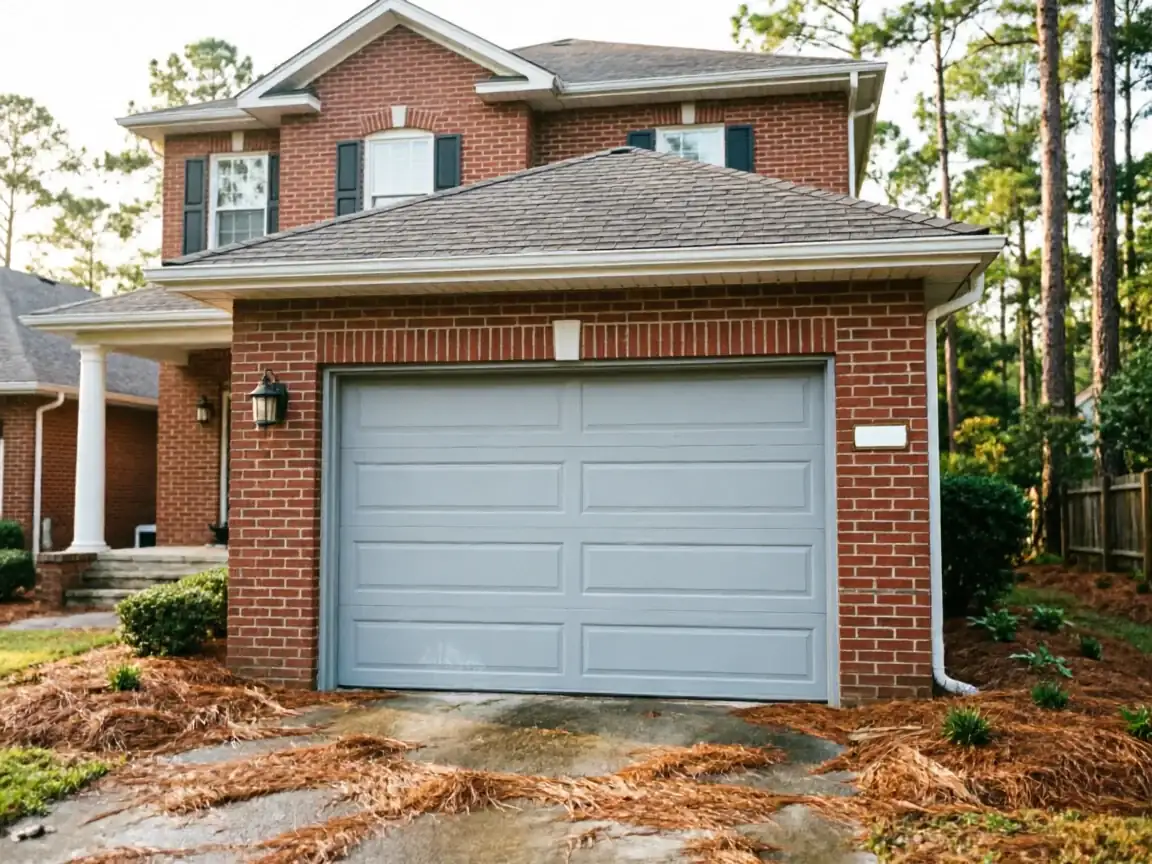
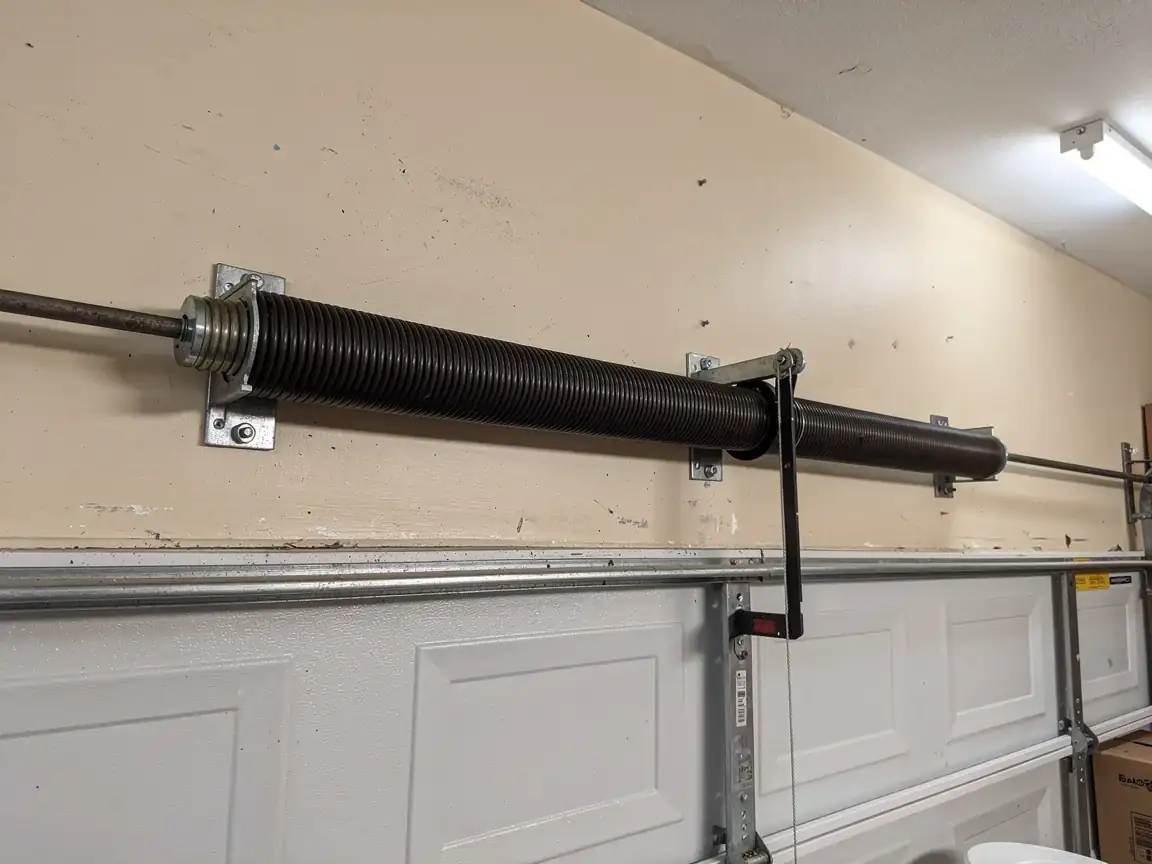
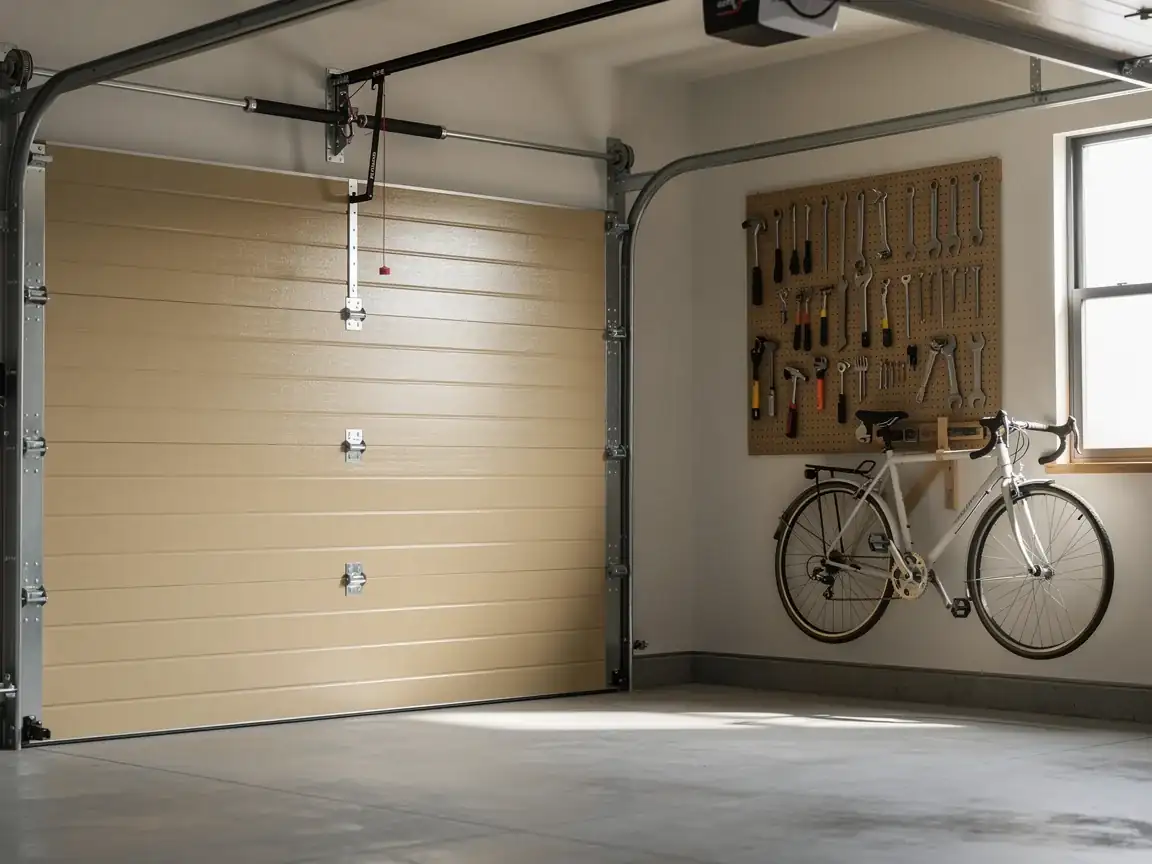
On Cherryville's older streets, you're more likely to find extension springs running along the horizontal track instead of a torsion spring over the header. You're also more likely to find steel doors from the 1970s and 80s that were never insulated, with hardware that was serviceable but not built for today's heavier openers. Newer construction in and around town, where it exists, tends to run torsion springs and lighter aluminum or vinyl-backed steel panels - a completely different repair job.
When we get a call from Cherryville, we don't assume it's the same fix we'd do on a house built in 2005. We ask the age of the house before we ask what's wrong with the door, because the answer to the first question usually tells us what parts we're going to need.
Getting Here
Cherryville sits about 14 miles from our shop in Gastonia. That's one of the longer drives on our route - closer towns like Ranlo and Dallas sit at 4 and 5 miles, so Cherryville calls get worked into the schedule rather than squeezed in on a whim.
We don't keep a second location or a drop point in Cherryville. Every job here means a truck coming from Gastonia with whatever parts we think we'll need loaded before we leave. That's an honest limitation: if a job turns out to need a spring size or opener gear we didn't guess right, there can be a second trip. We try to ask enough questions on the phone to get it right the first time, but we're not going to pretend we always do.
What That Means for Doors
This part of the state sits in a cold-moderate climate band
Not the deep freezes you get further north, but enough cold-weather swings to stiffen torsion springs and tighten metal tolerances on steel doors, especially the older, uninsulated ones common on Cherryville's pre-1980 streets. Temperature swings are hard on steel panels that have flexed the same way for fifty years; hairline cracks at the hinge points and rust at the bottom panel seam show up more on these older doors than on newer insulated ones.
On a house built in 1970, you're also likely dealing with rollers and hinges that have outlived a couple of openers already
The track itself often outlasts everything bolted to it, so a repair visit here is as much about hardware triage - what's original, what's been swapped, what's about to go - as it is about fixing the one thing that broke.
We'll tell you straight when a door built in that era is better replaced than patched again
An extension-spring door with a bent track and a cracked bottom panel is usually past the point where one more repair makes financial sense.
This Area's Housing
Cherryville is a smaller town on our list - about 2,418 households, modest next to the roughly 43,773 across the full service area. Median household income here runs $58,701, just under the broader area's $59,583, which tracks with a lot of owner-occupied homes built decades ago rather than recently.
That combination - an older median build year, a smaller household count, income close to the area norm - points to a lot of original garage doors still in service, maintained rather than replaced, on houses where a full door swap competes with other spending priorities. It's a town where repair work, done right, often makes more sense than wholesale replacement, and where parts that match a 1970s-era door aren't always sitting on a shelf.