What Causes It Around Here
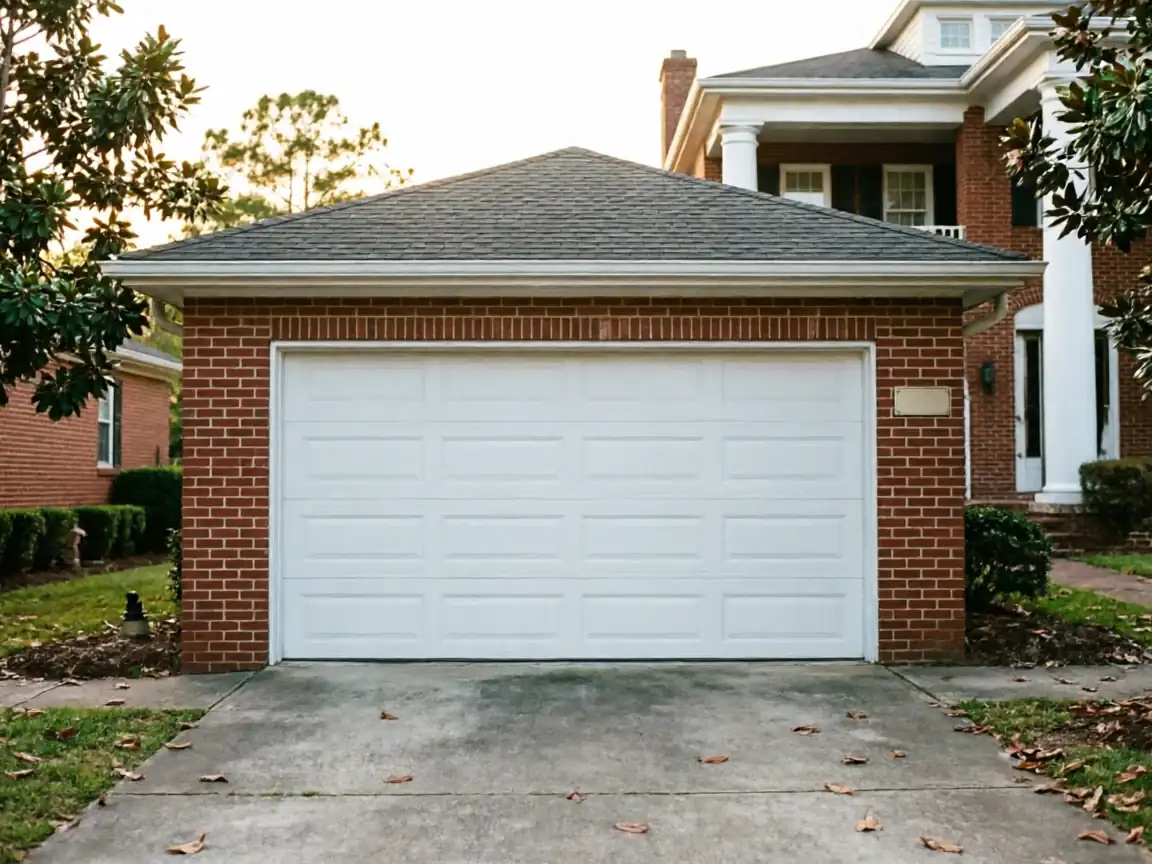
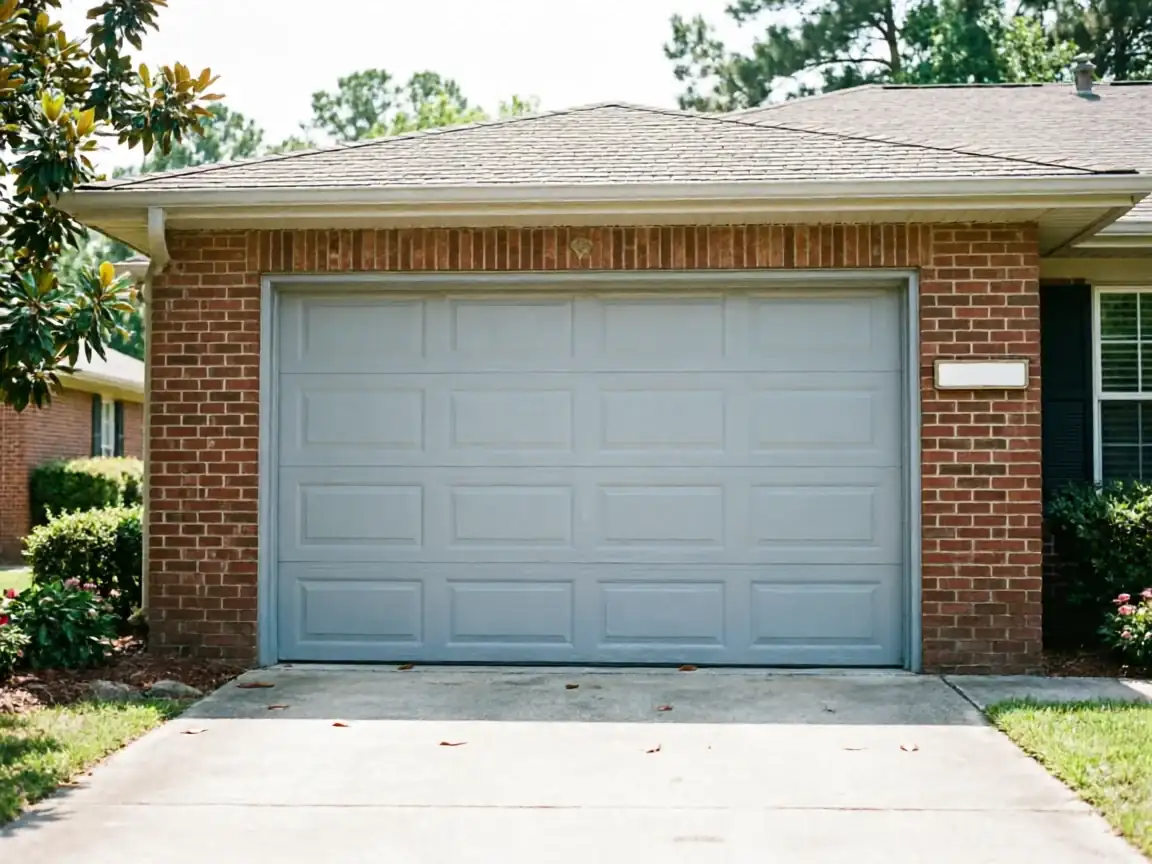
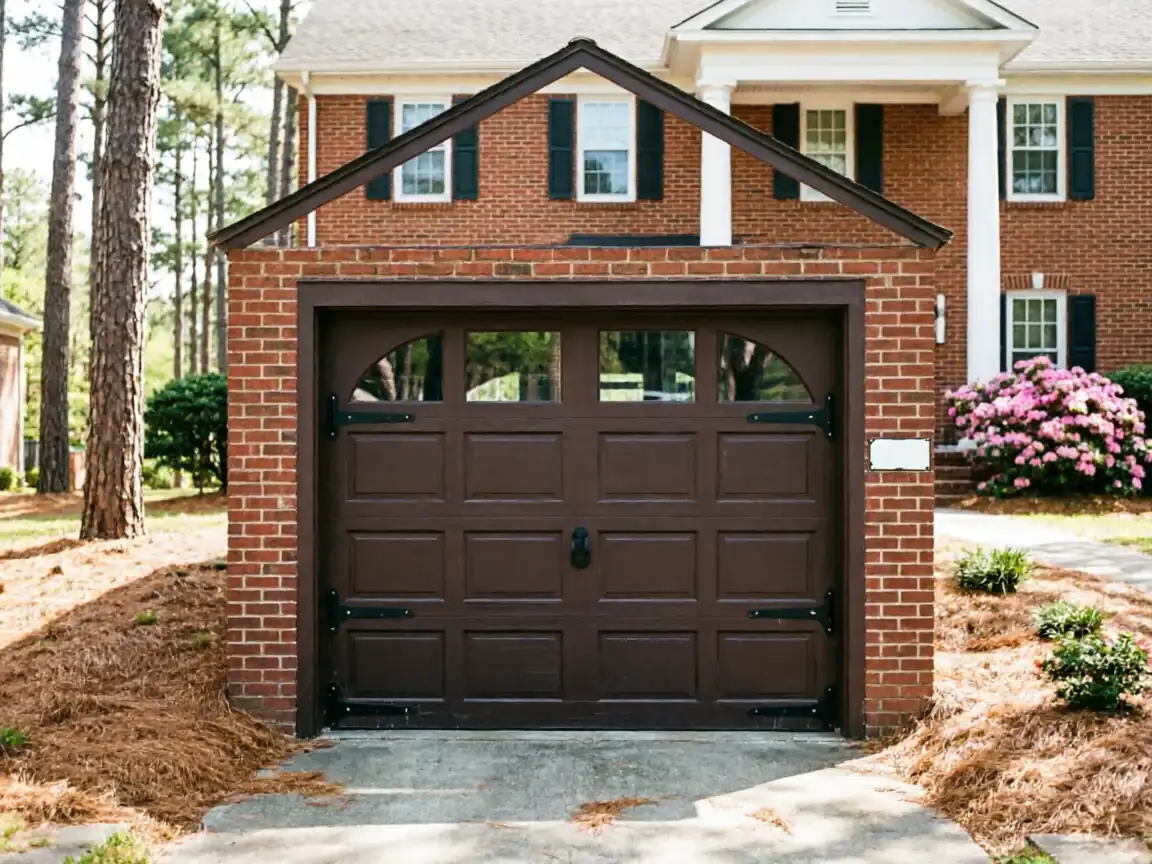
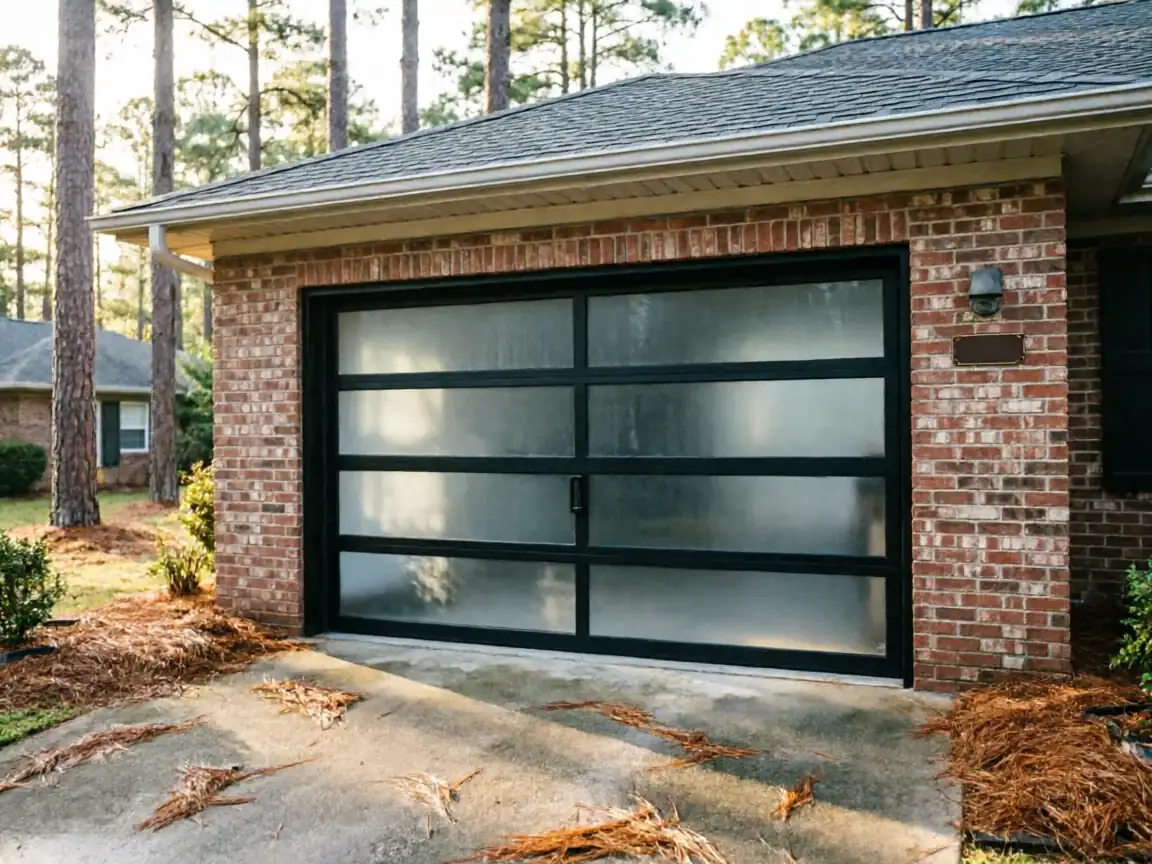
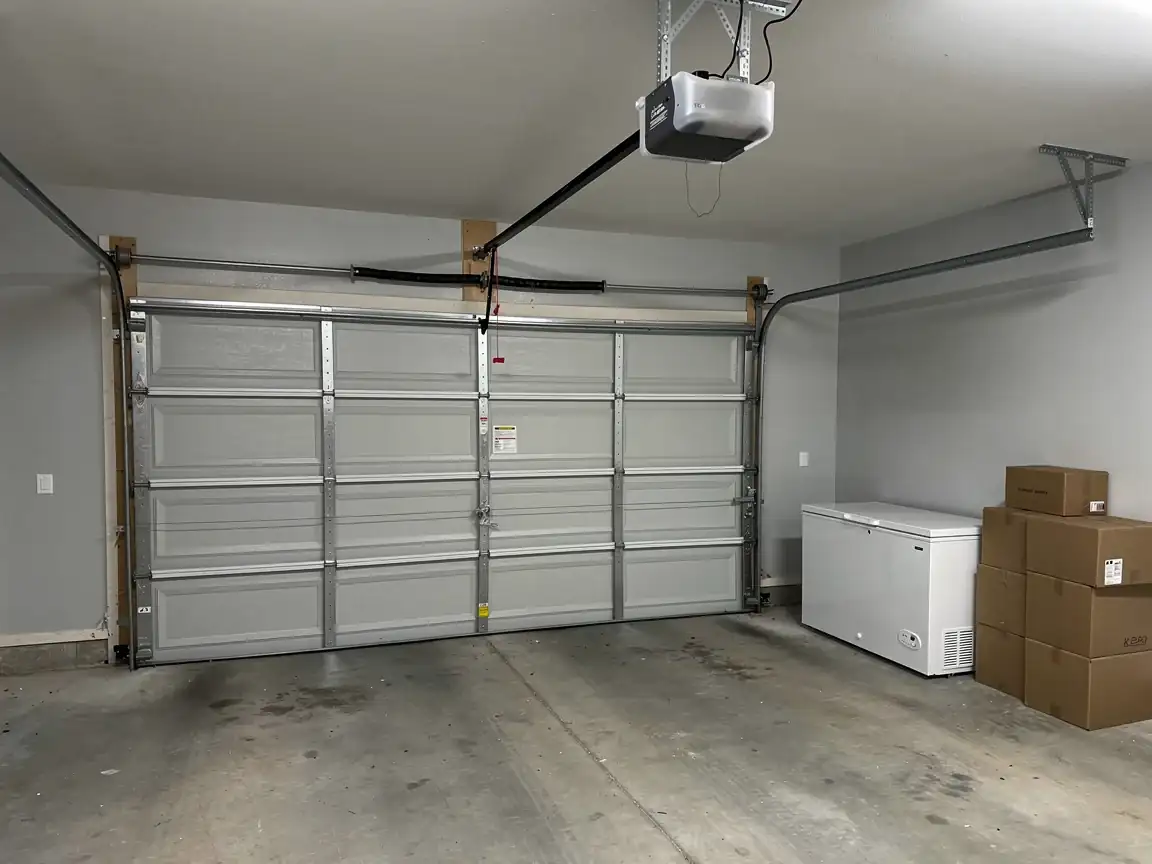
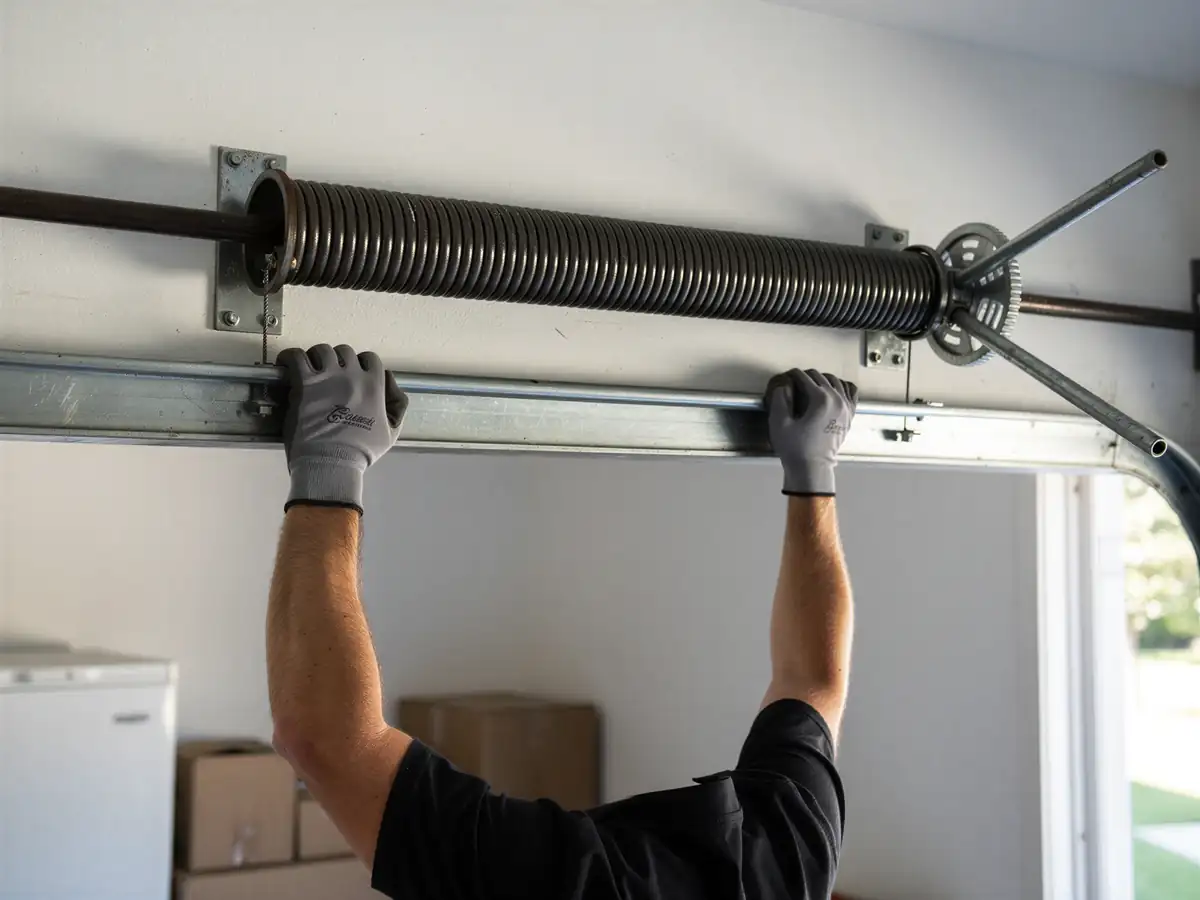
Most of the housing stock across this service area went up between 1967 and 2011, with the bulk of it dating to the 1980s and 90s. That matters for springs because torsion springs are rated by cycle count, not by calendar years, and a door installed during that build-out has usually logged tens of thousands of open-close cycles by now. The original spring on a house built in 1985 is well past its working life even if nobody ever touched it.
Gastonia sits in a cold-moderate climate band, which means the steel in these springs goes through real temperature swings across a year - cold mornings tighten the coil, humid summer afternoons loosen it back up. That expansion and contraction cycle, repeated every year since the house was built, is what turns a fine-looking spring into one that lets go without warning. It's not rust you can always see from the ground. It's metal fatigue from decades of exactly this kind of swing.
Across the 17 named areas we cover, the stock is similar enough that the failure pattern repeats: original torsion hardware on houses from the 80s and 90s, now at or past the end of its rated life. That's the single biggest reason spring calls spike in homes of this age, not a defect in any one door or brand.
Time on the Job
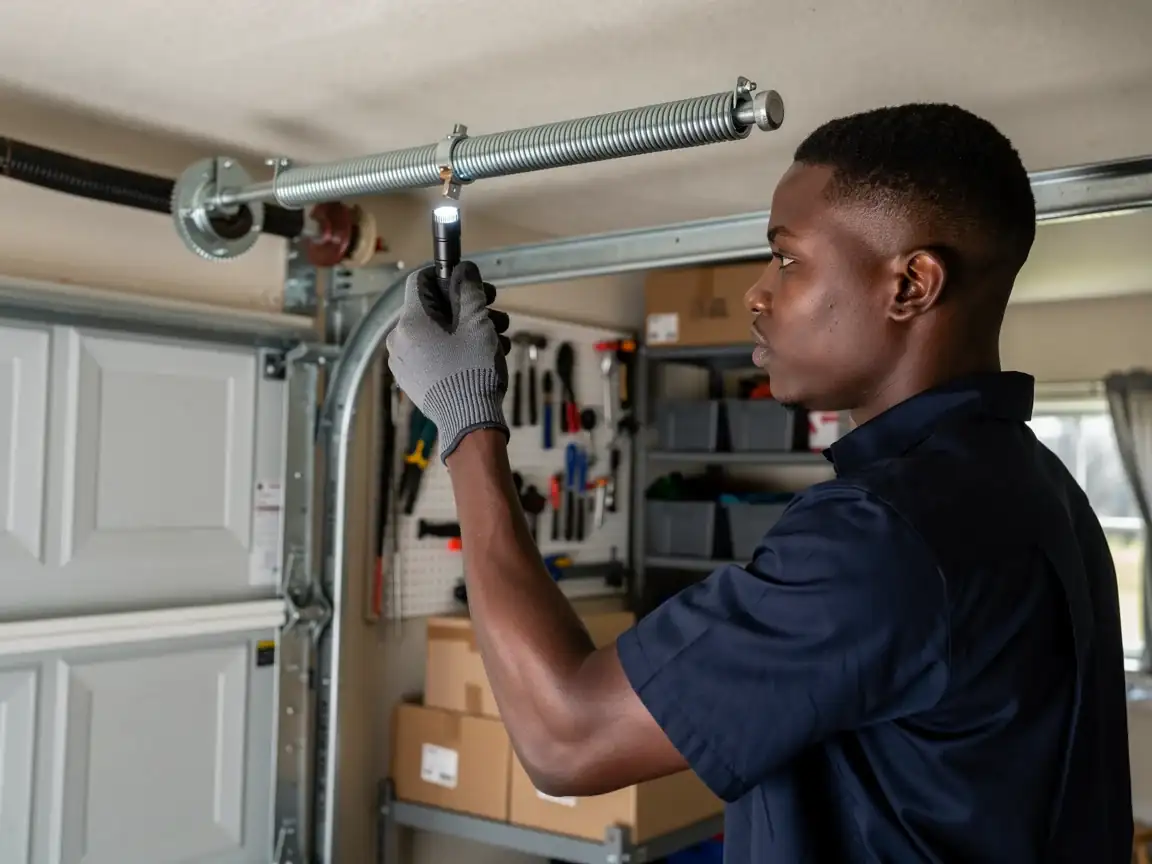
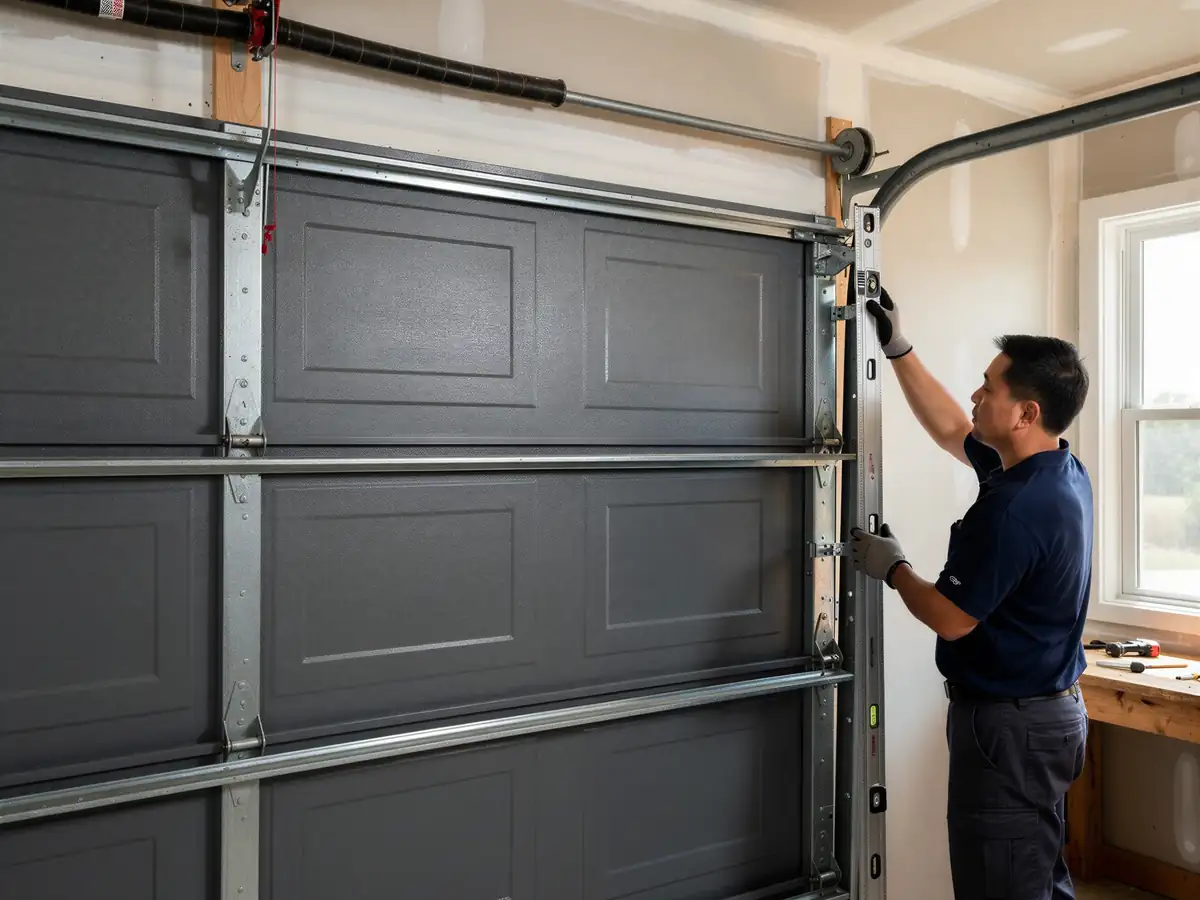
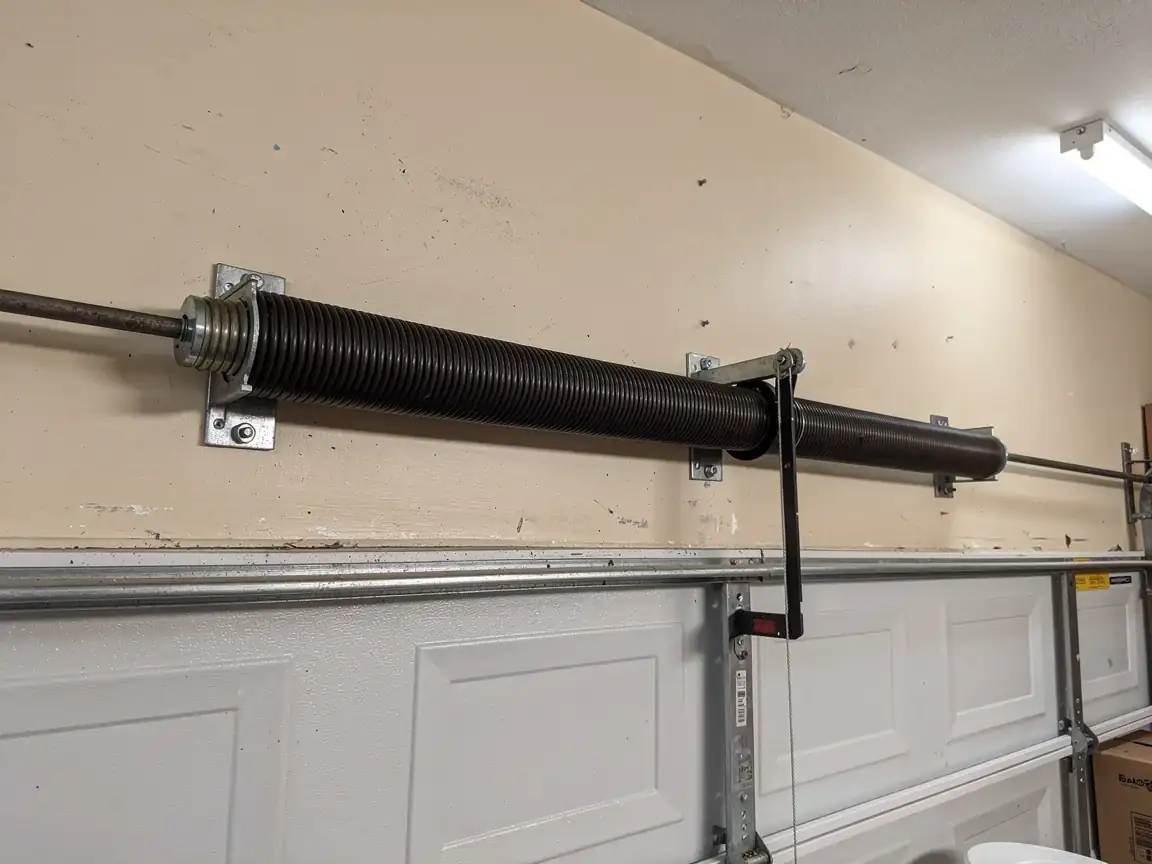
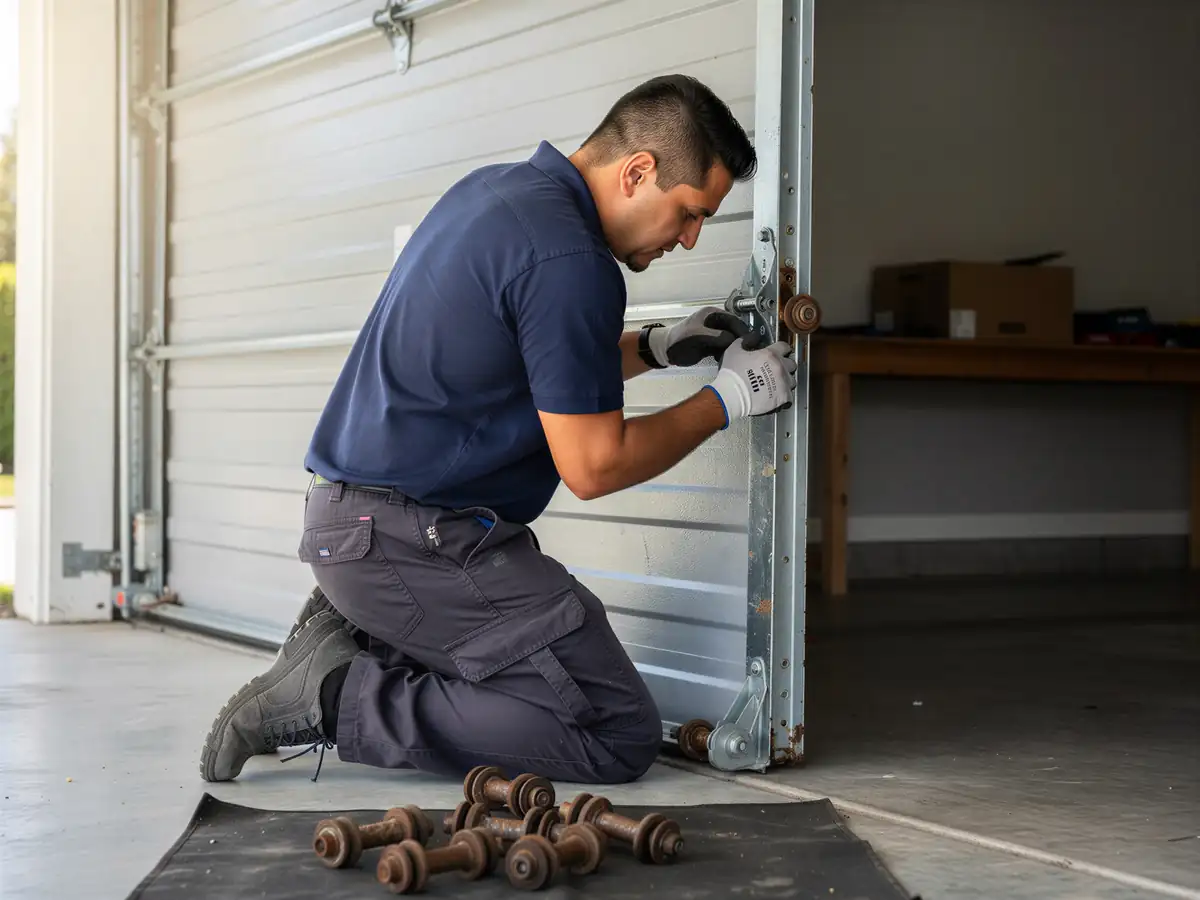
A straightforward torsion spring swap on a single door is a same-day job once we're on site - the spring itself doesn't take long to pull and replace. What takes the time is sizing it right. Springs are matched to door weight, track length, and drum size, and a mismatched spring either fails again in a year or puts the door out of balance, which stresses the opener. We measure the wire size and coil length against the actual door, not a generic chart.
If it's a two-spring system and one has gone, we're not going to quote you a single replacement. Springs are would in pairs for a reason - unequal tension on either side of the door wears the opposite spring and the cables faster. Replacing one and leaving the old partner in place just moves the next call out a few months instead of fixing it.
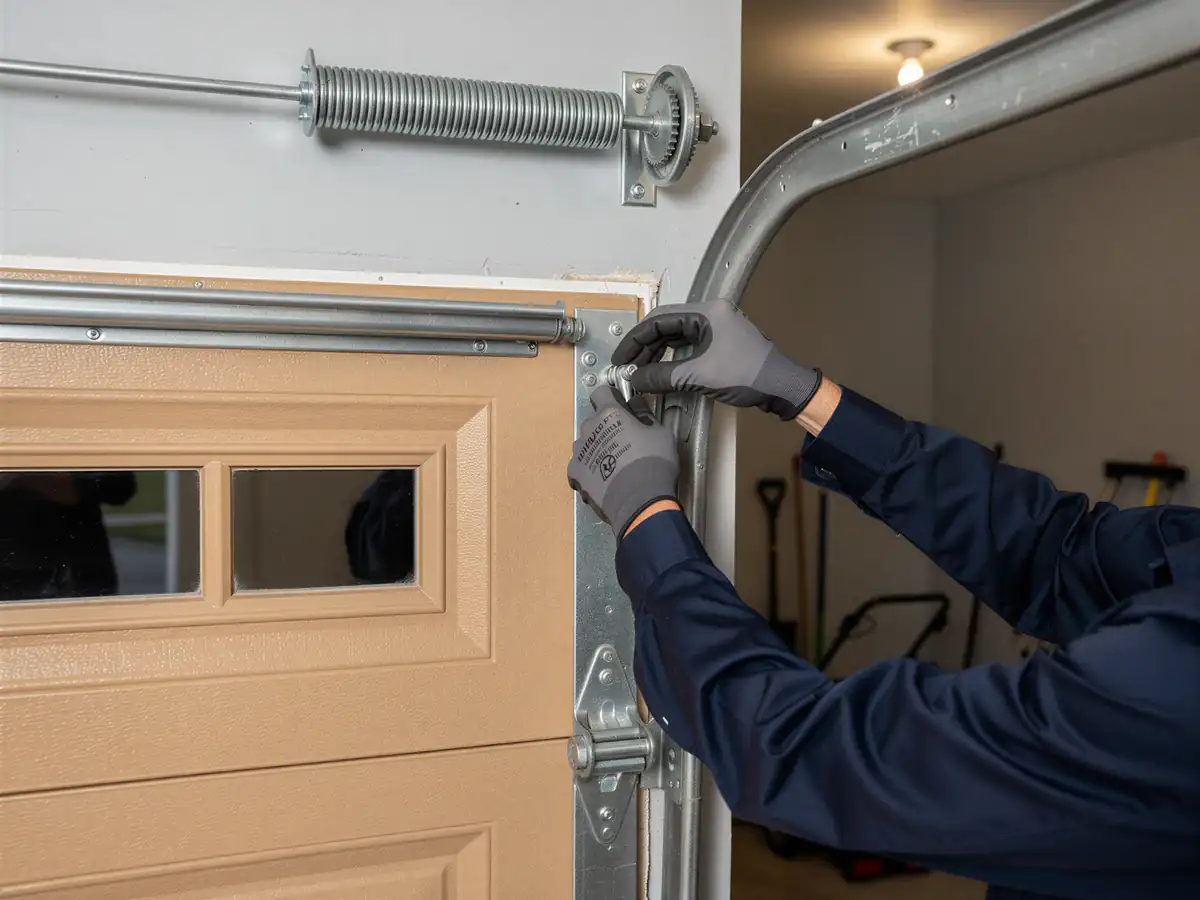
Extension spring setups, more common on some of the older doors in this area's stock, take a bit longer because there's more hardware to check - pulleys, safety cables, the stretch of the spring itself. We'll tell you up front what we're looking at before we start work, not after.
What You Are Seeing
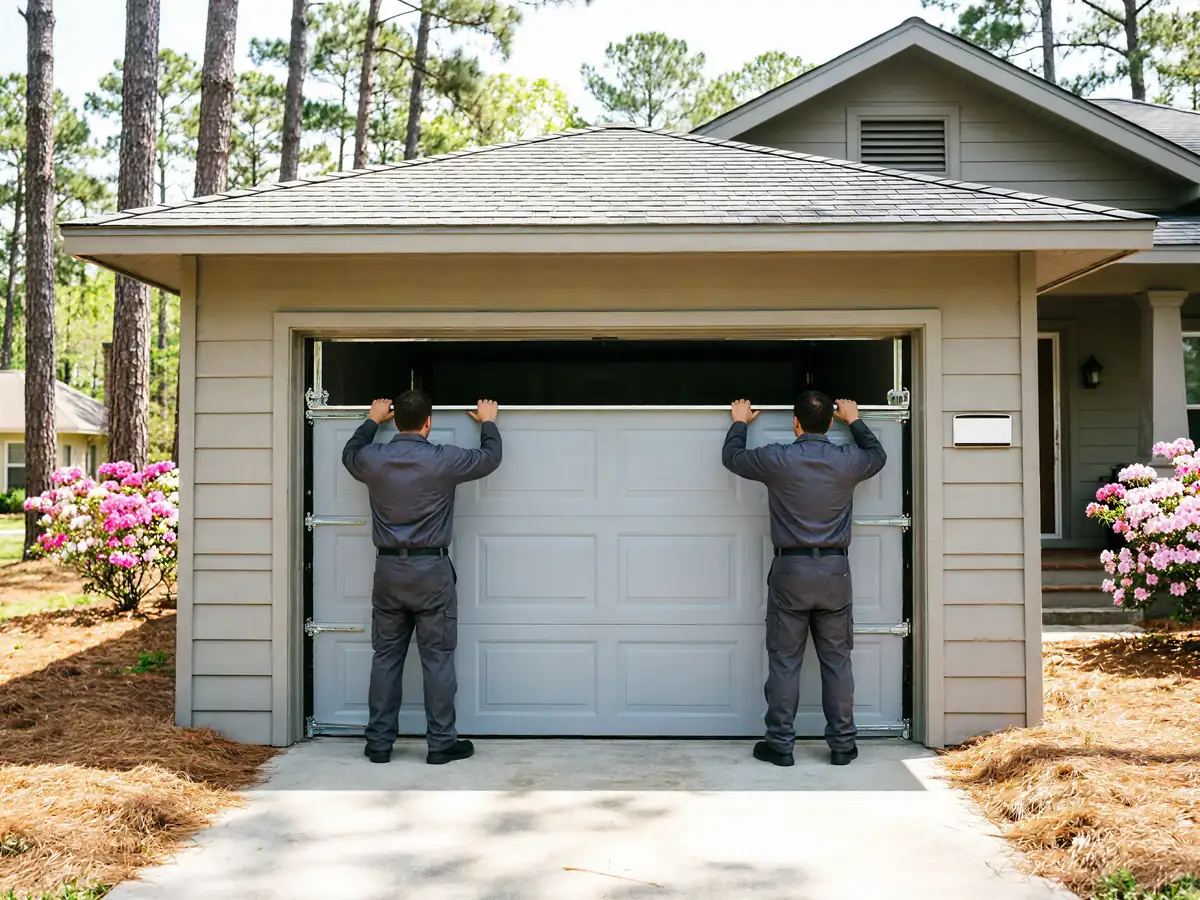
The classic sign is a door that won't budge
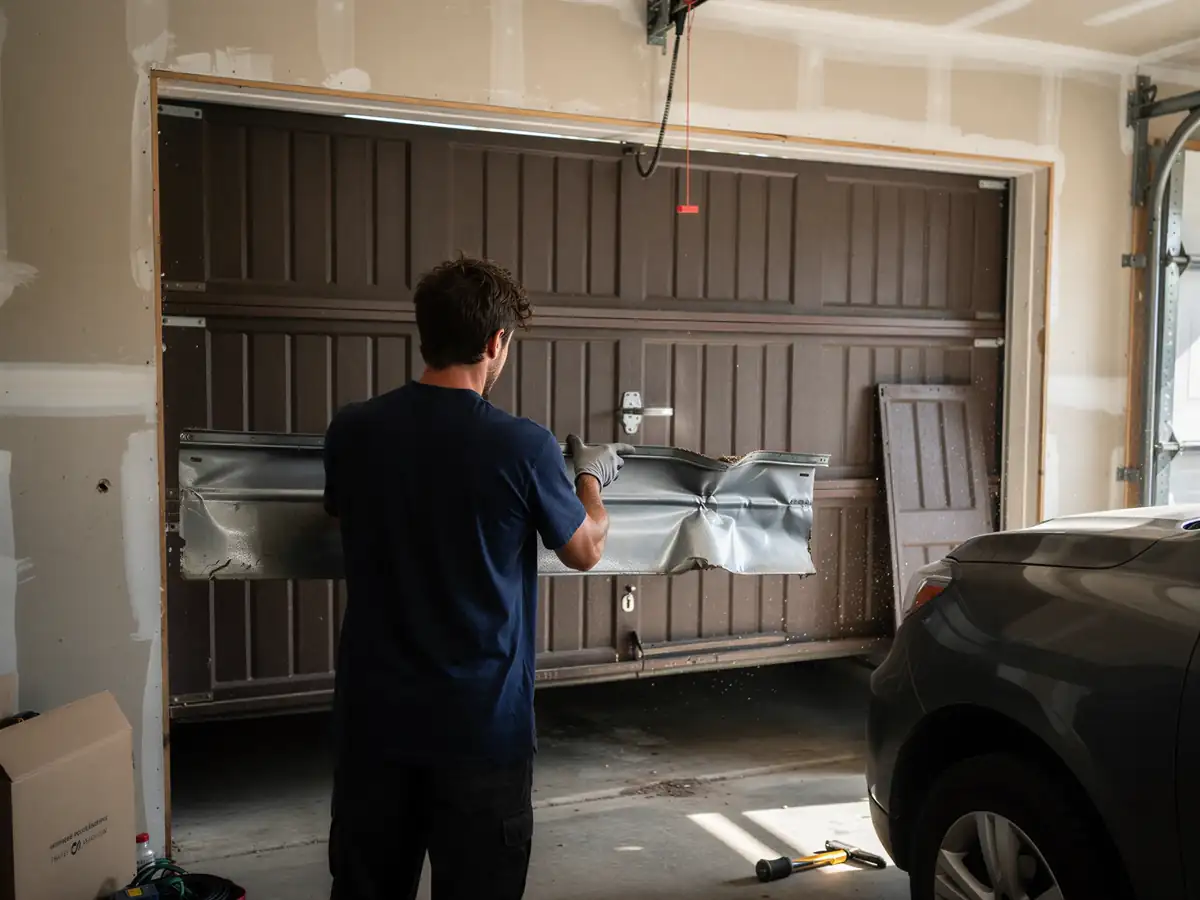
Or one that slams down the last foot of travel instead of lowering smooth. If you hear a loud bang from the garage - like a car backfiring - that's usually the spring letting go, not something wrong with the opener itself. The opener motor isn't built to lift a door's full weight on its own; that's the spring's job, and once it's broken the motor will strain, click, or just stall.
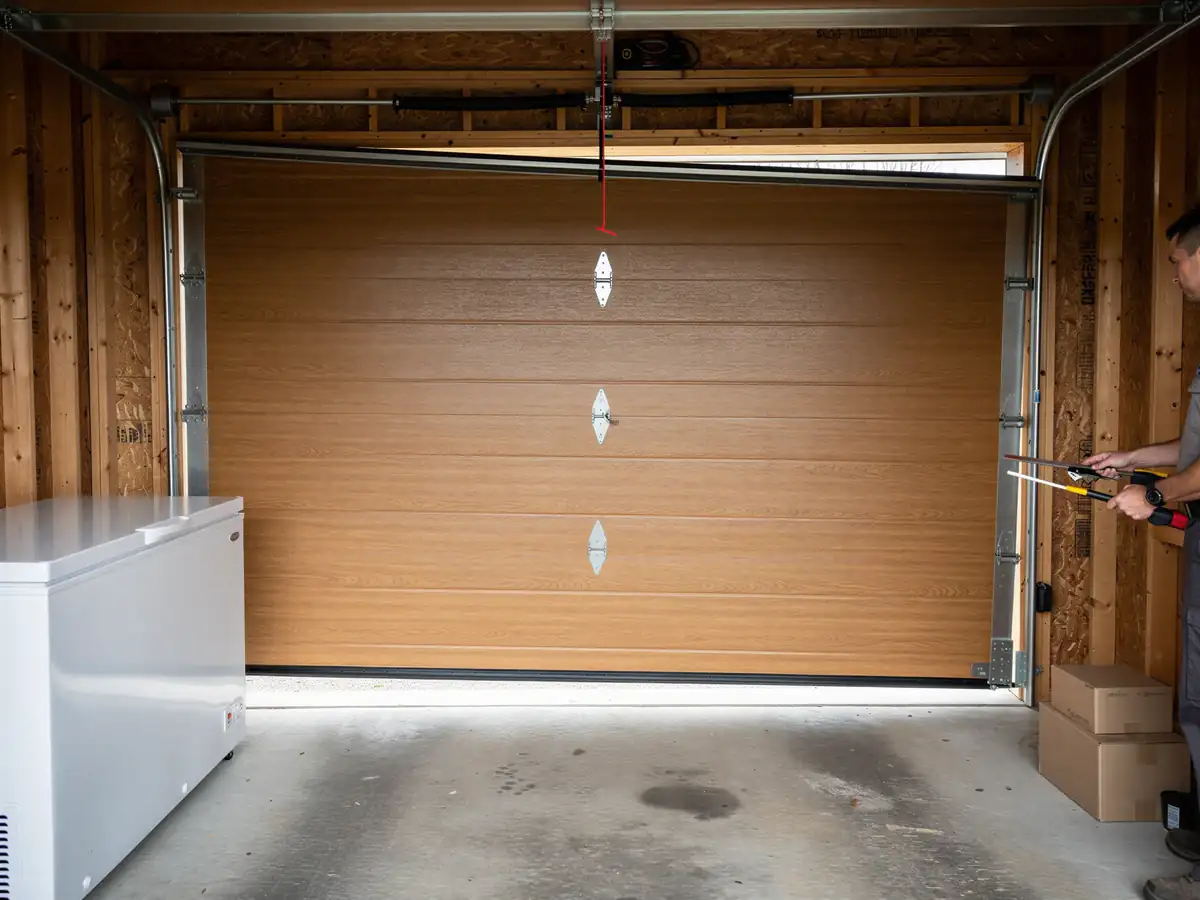
A door that looks crooked going up, dropping lower on one side than the other
Points to one spring in a two-spring system failing while the other is still holding. Don't keep running the opener through that - it puts uneven load on the tracks and rollers and can bend them.
Cables that look loose or frayed near the bottom brackets are often a symptom of the same cycle fatigue affecting the springs
Since both wear on a similar schedule. If you see loose cable alongside a stiff or heavy door, that's worth a call before you try to force it open by hand.
What the Repair Takes
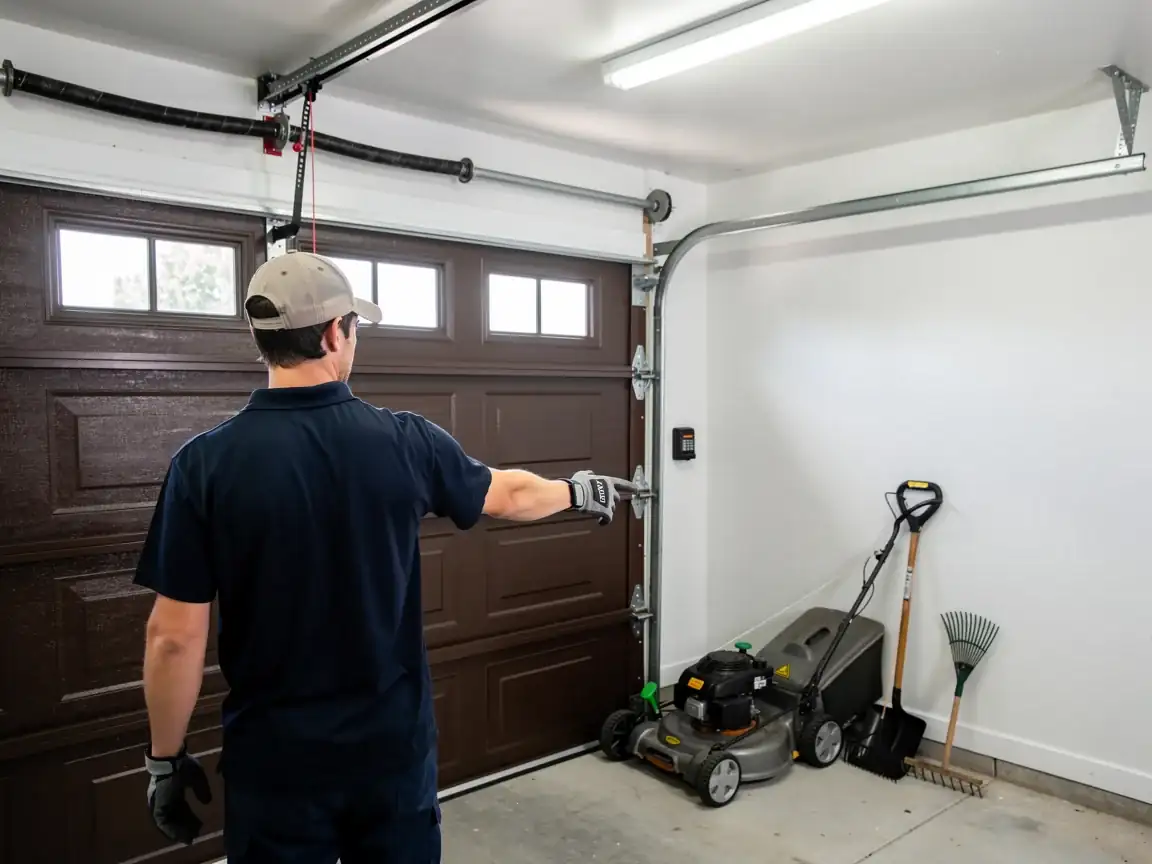
The parts side is simple: the right spring, matched correctly, properly wound to the door's actual weight. The harder part is the balance check afterward - a door that lifts a few inches off the floor and stays put, without the opener pulling it, is a door that's actually balanced. If it drifts up or slams down on its own, the job isn't finished yet.
Here's the honest limit: if the drums, bearing plate, or shaft show wear alongside the spring failure - which happens more often on original hardware from the 1980s and 90s stock common in this area - replacing just the spring is a patch, not a fix. We'll tell you when that's the case instead of sending you home with a door that'll be back in our bay within a year.
Most of the service area, from the owner-occupied houses near Ranlo and Dallas out toward Lincolnton and Kings Mountain, shares this same housing-age pattern, so the repair itself doesn't change much town to town. What changes is which hardware era we're dealing with and how worn the rest of the system is around the spring.