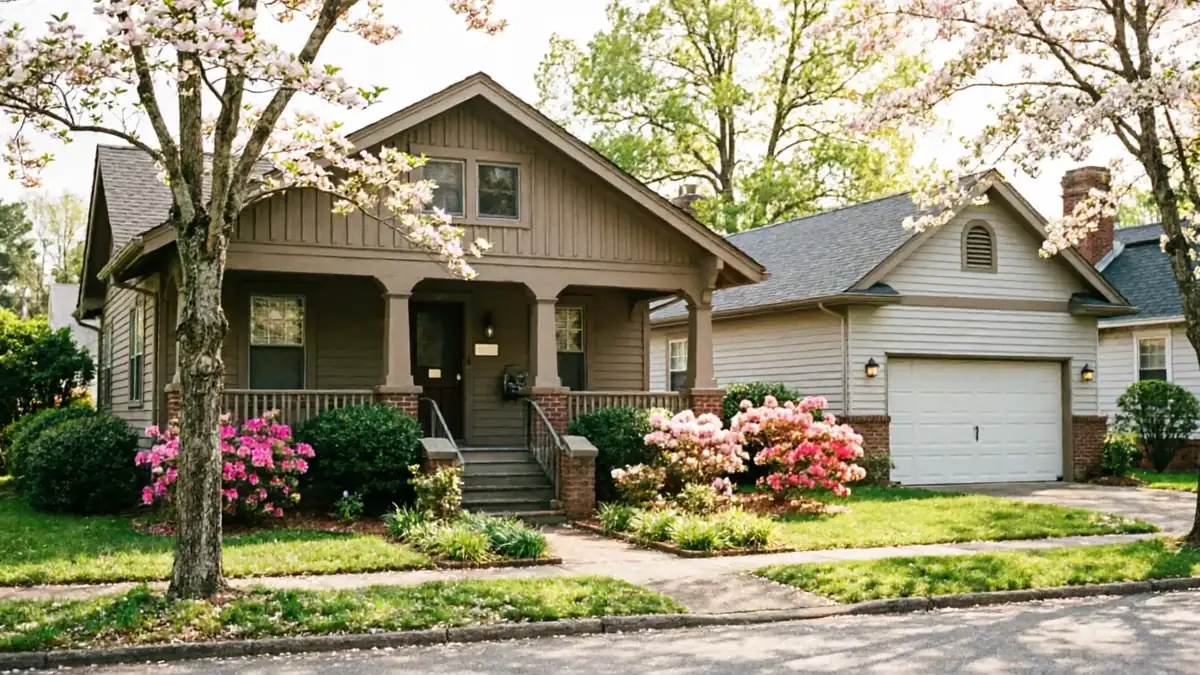
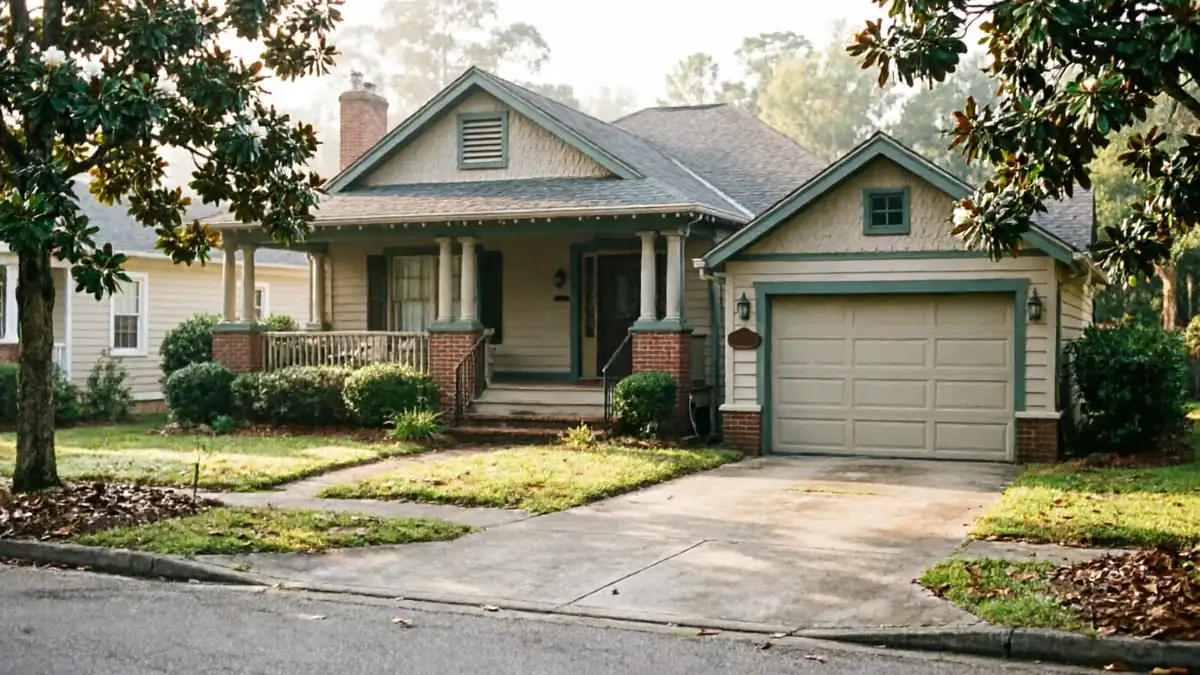
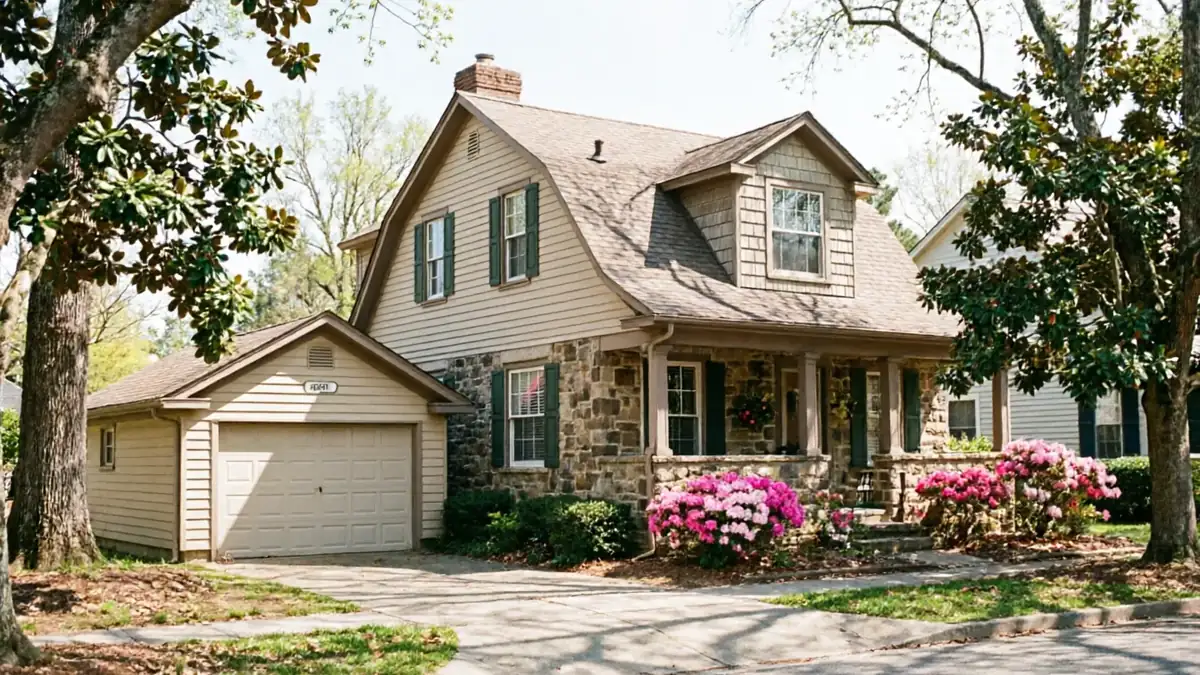
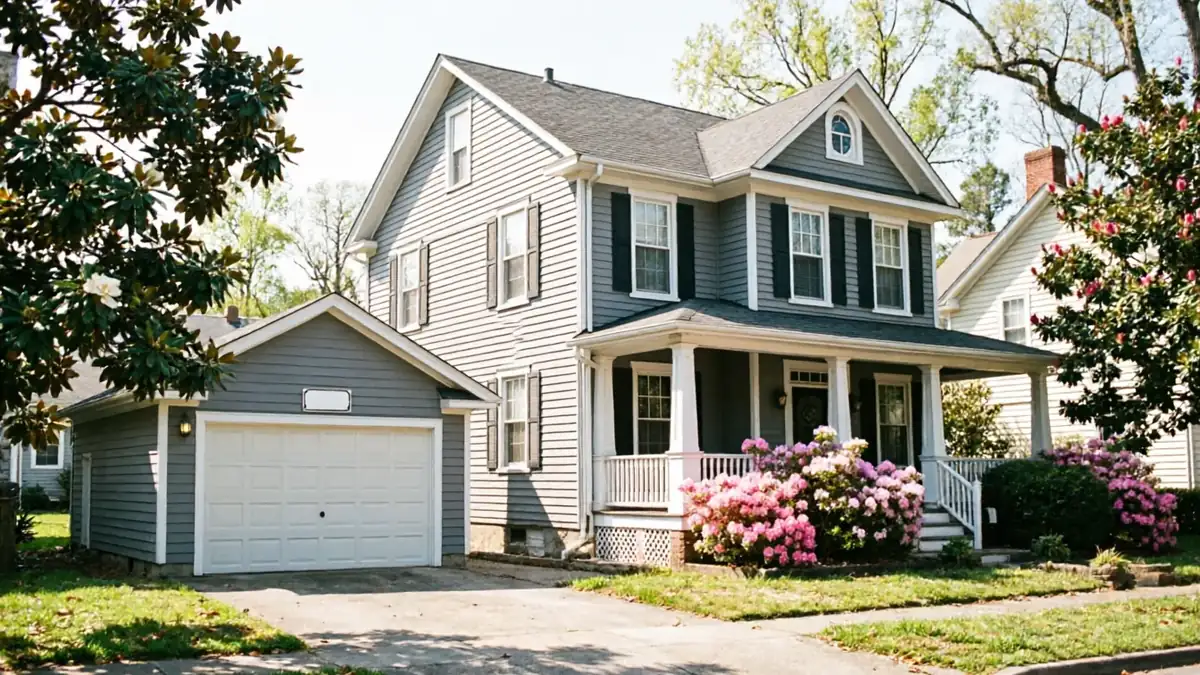
Older vs Newer Streets
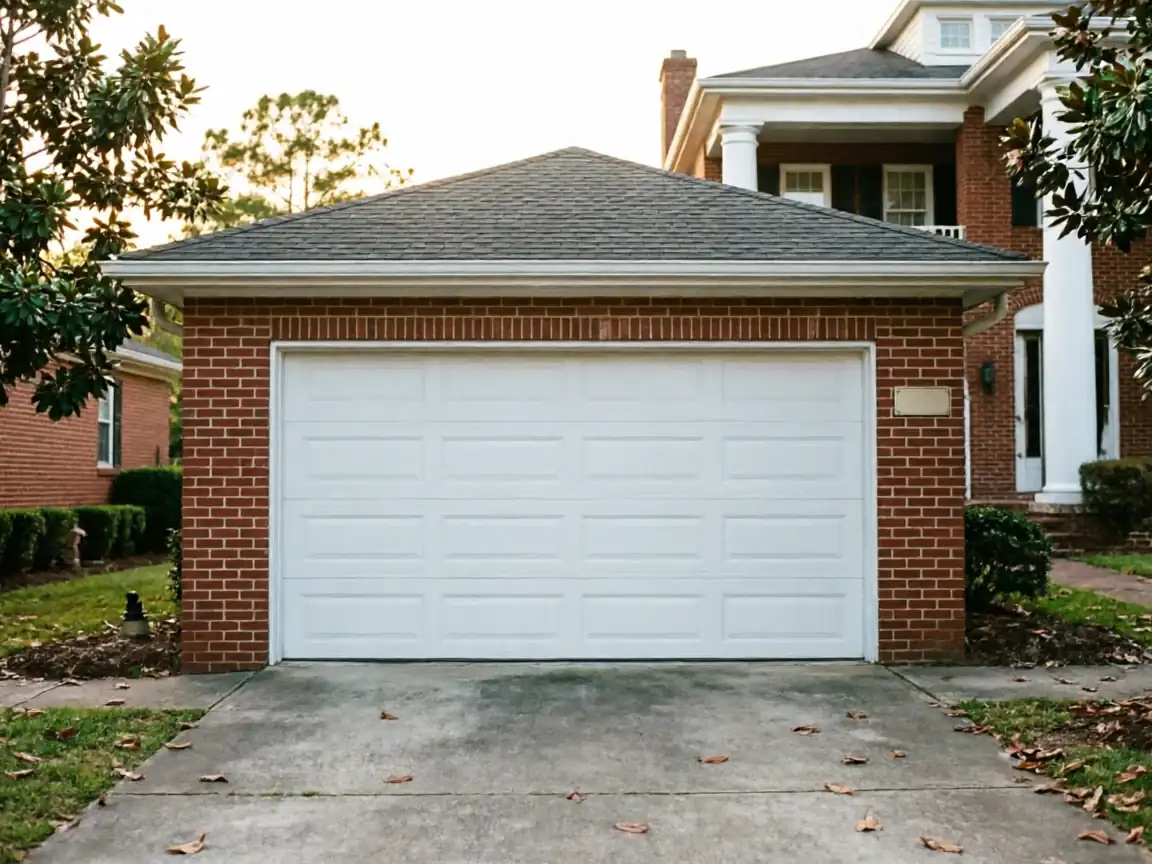
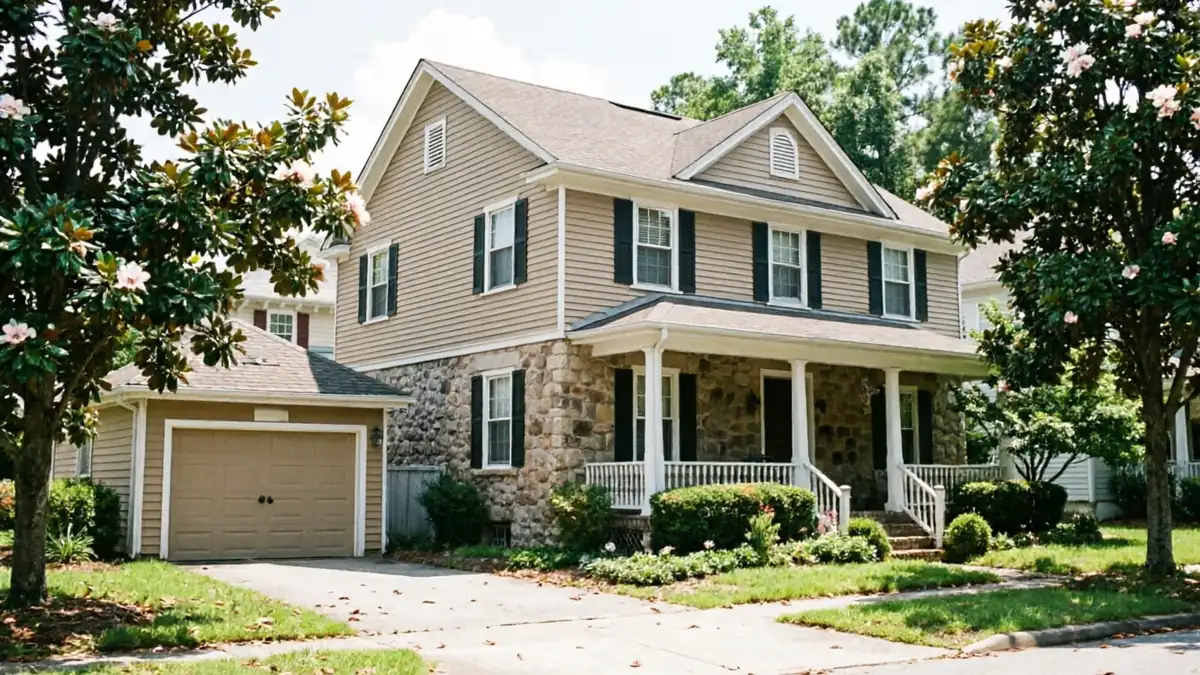
Dallas doesn't look like the rest of our coverage area. Across the wider service territory, housing spans 1967 to 2011 with a median build year of 1983 - a mix of older one-piece doors and newer sectional setups. Dallas itself sits newer than that median: the typical home here went up around 1997. That's a full generation past the oldest stock we work on elsewhere, and it changes what we find when we open a garage here.
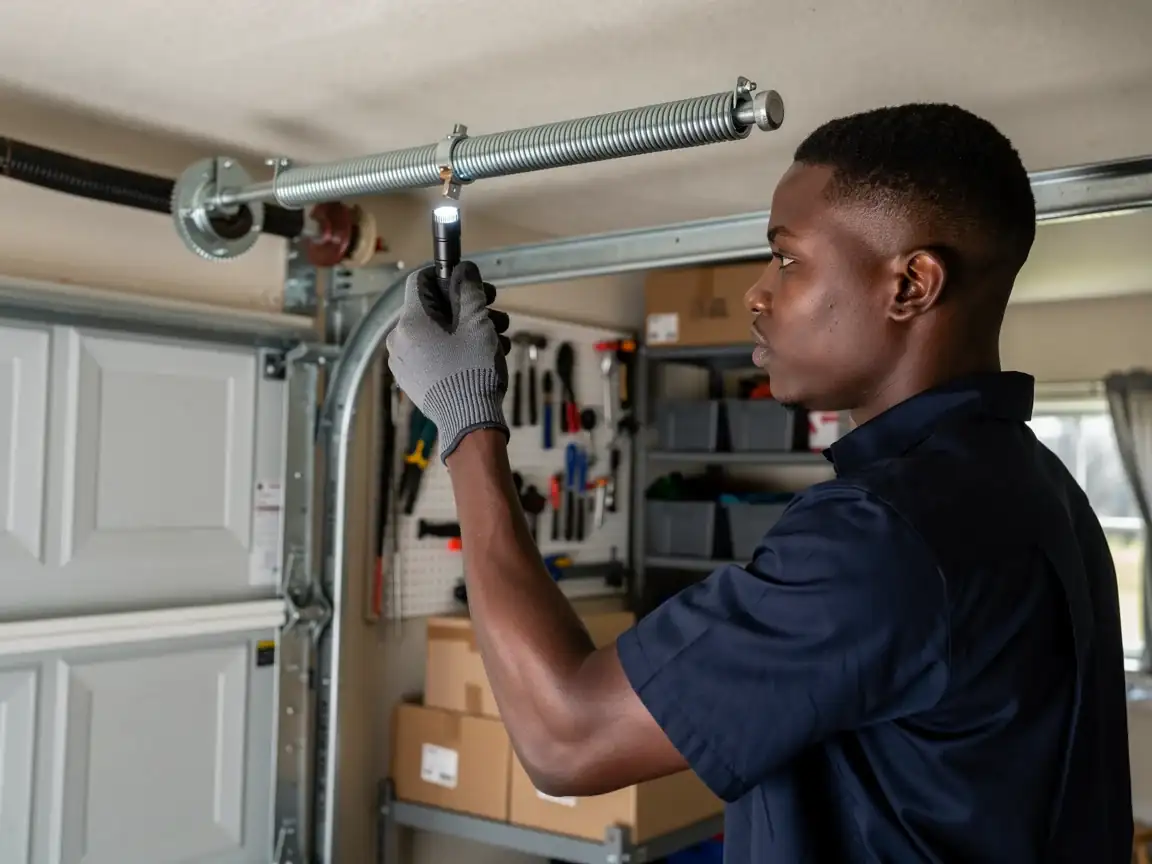
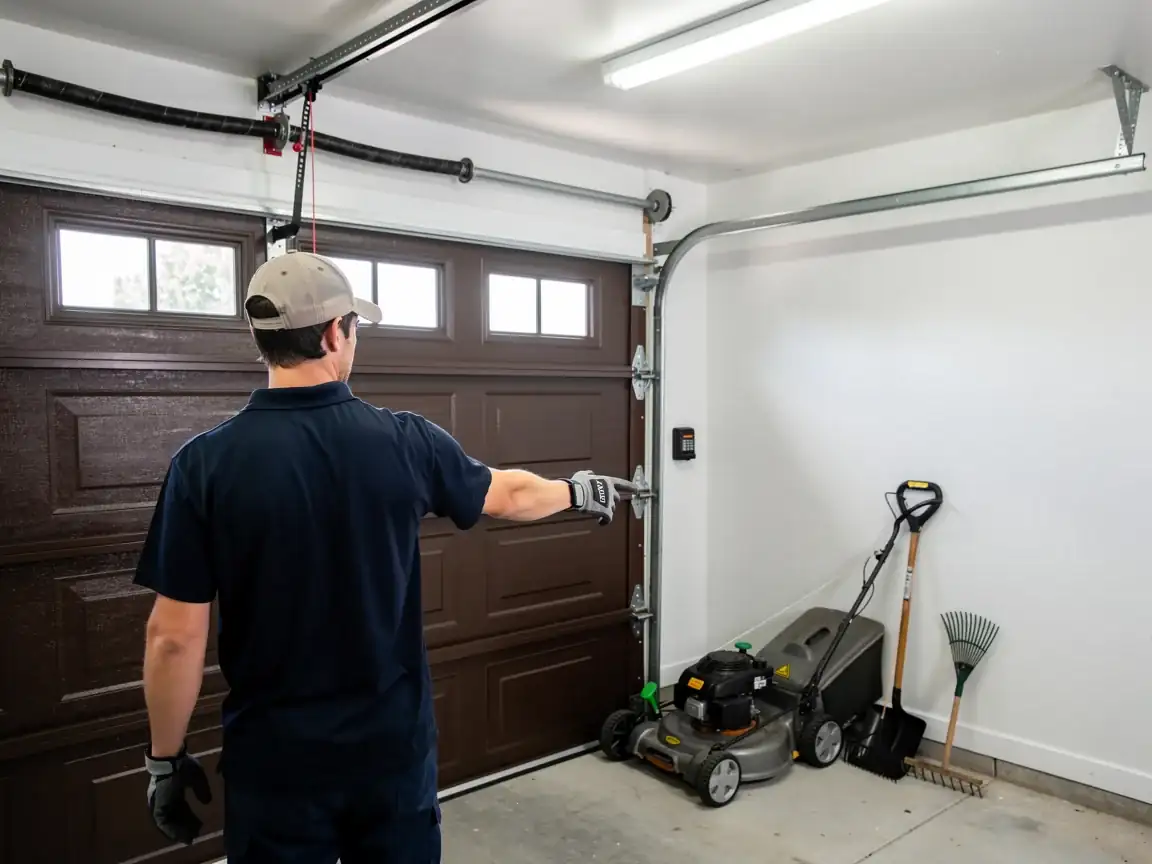
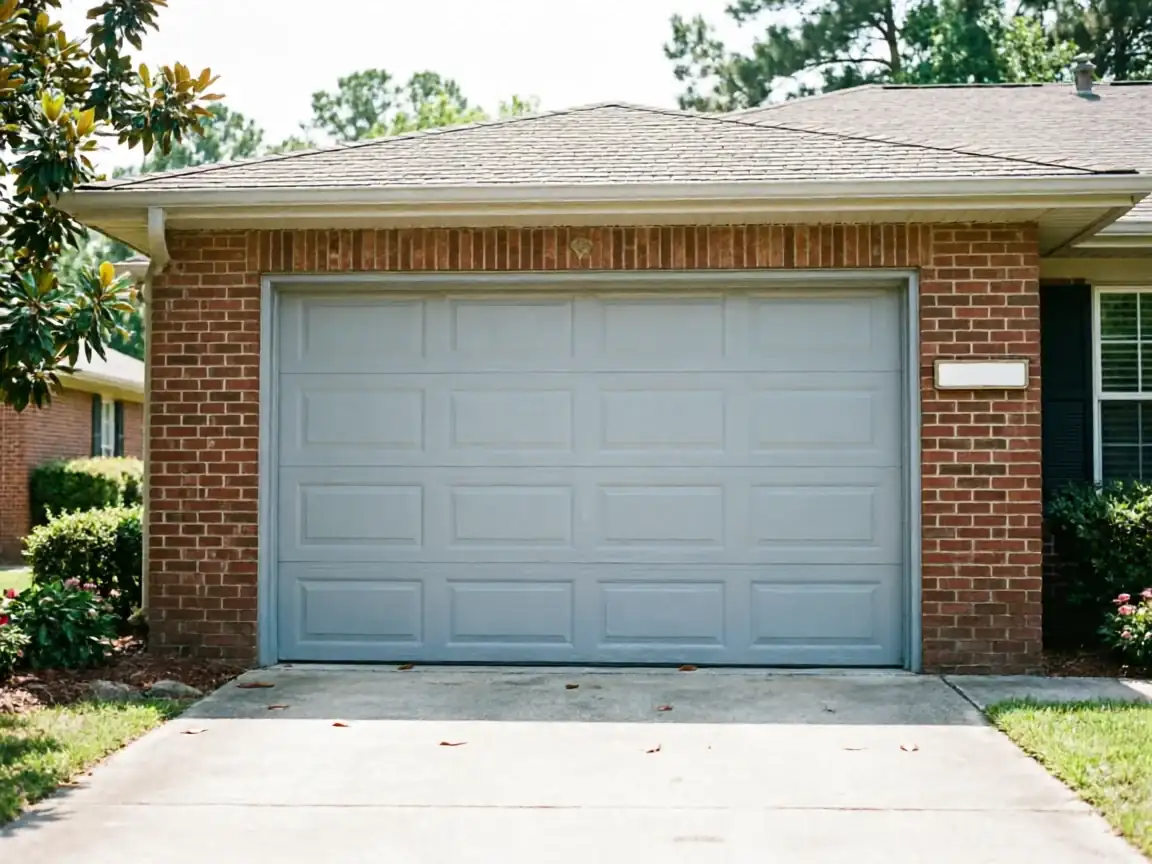
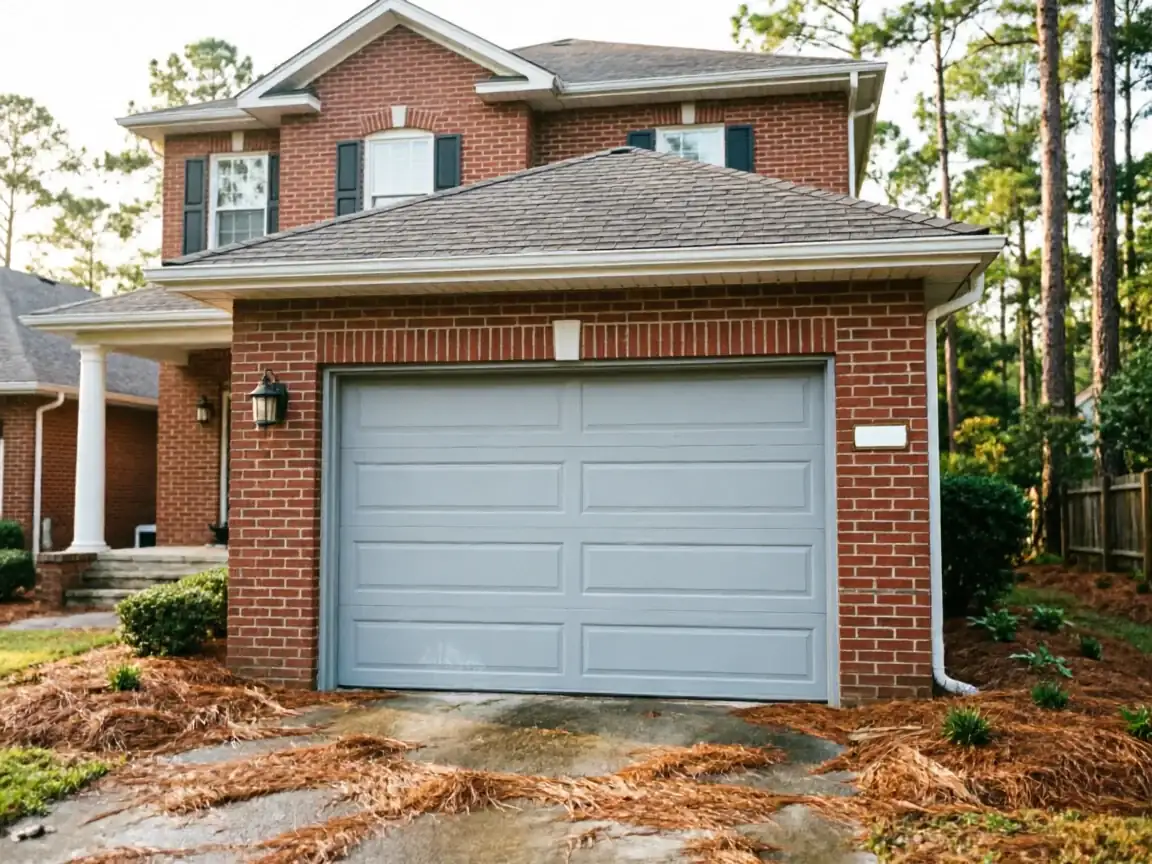
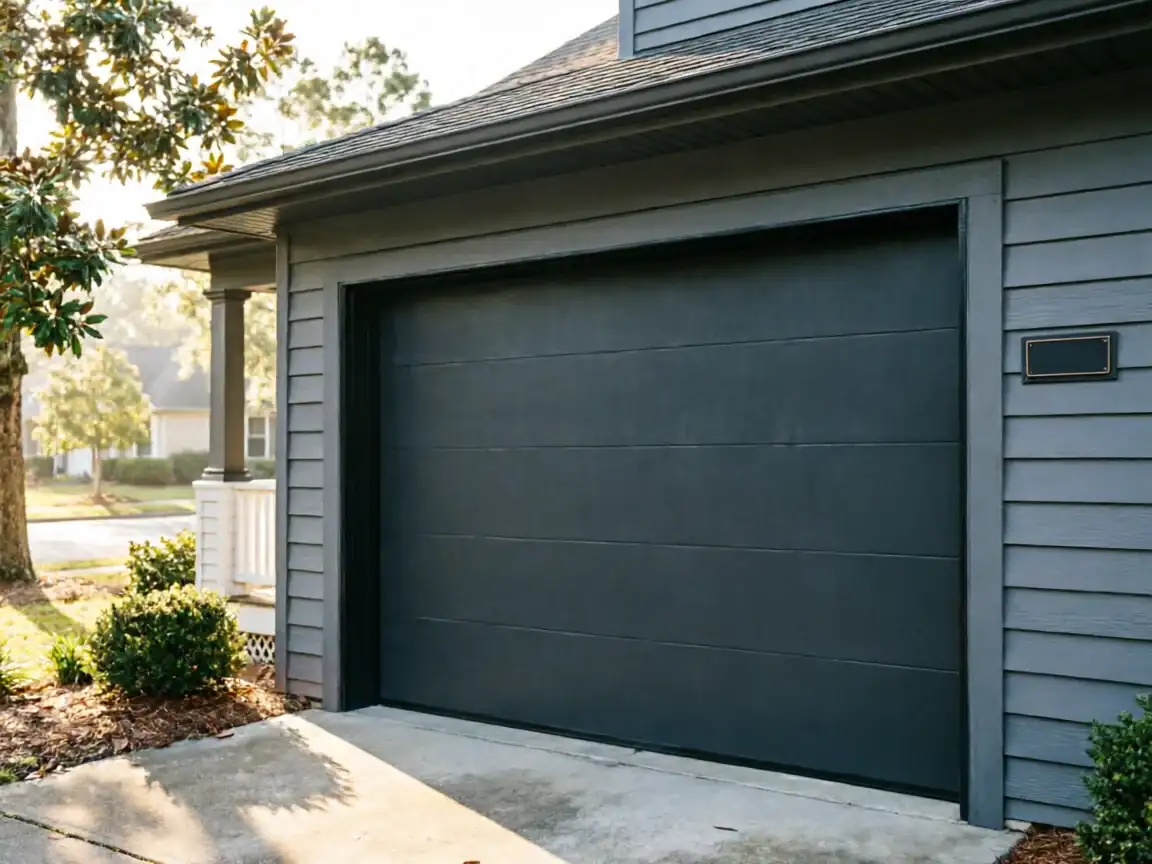
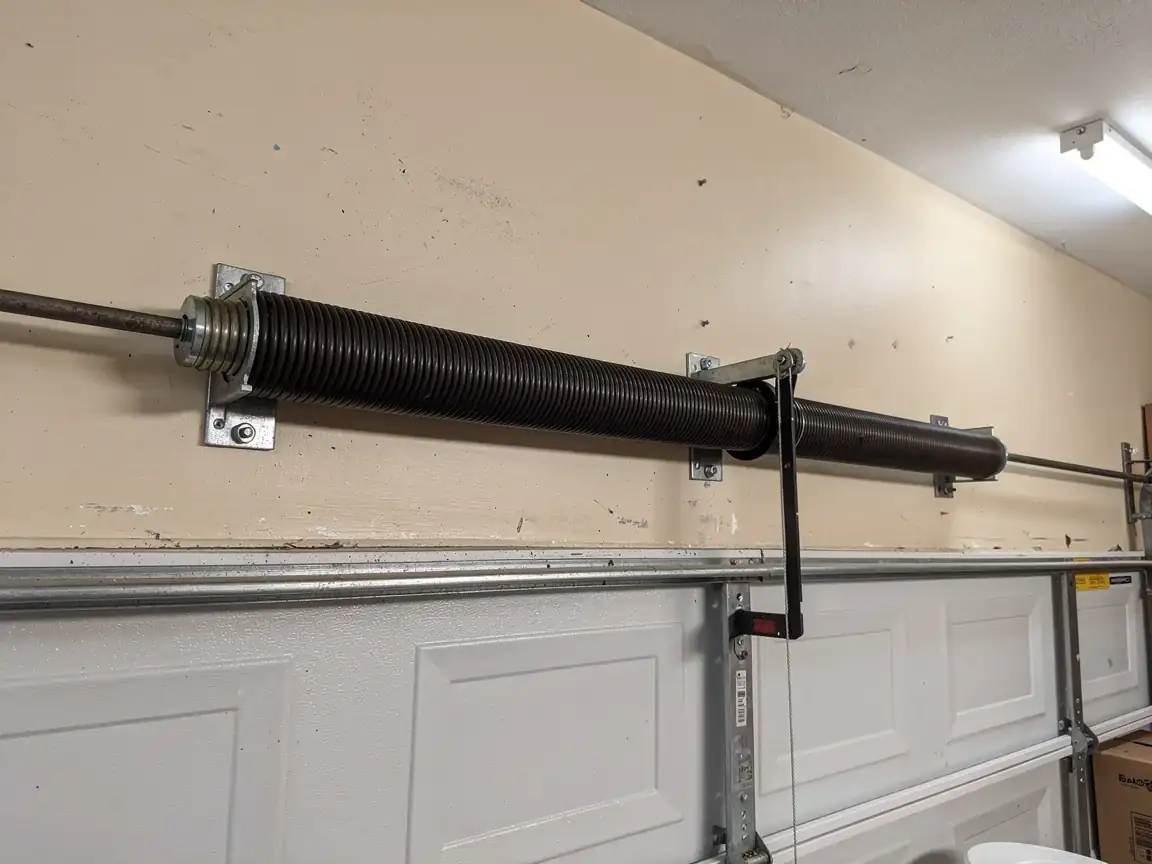
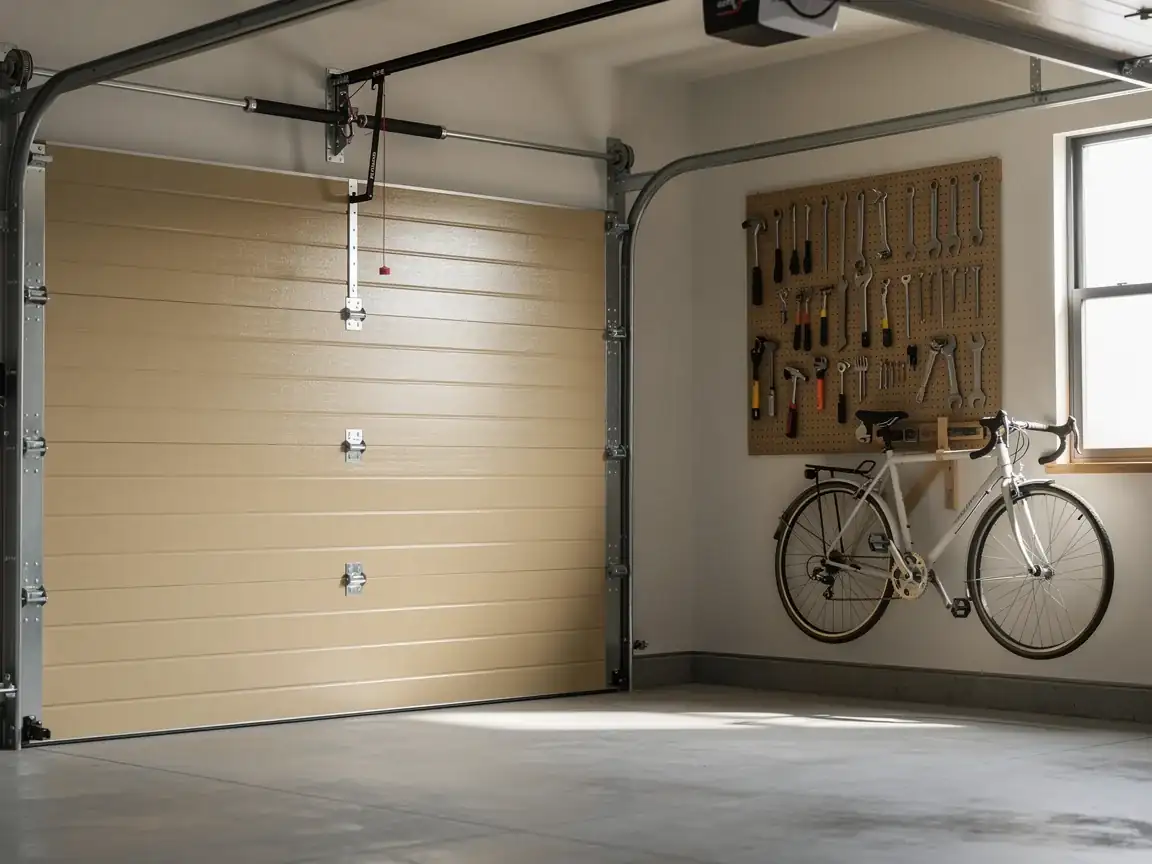
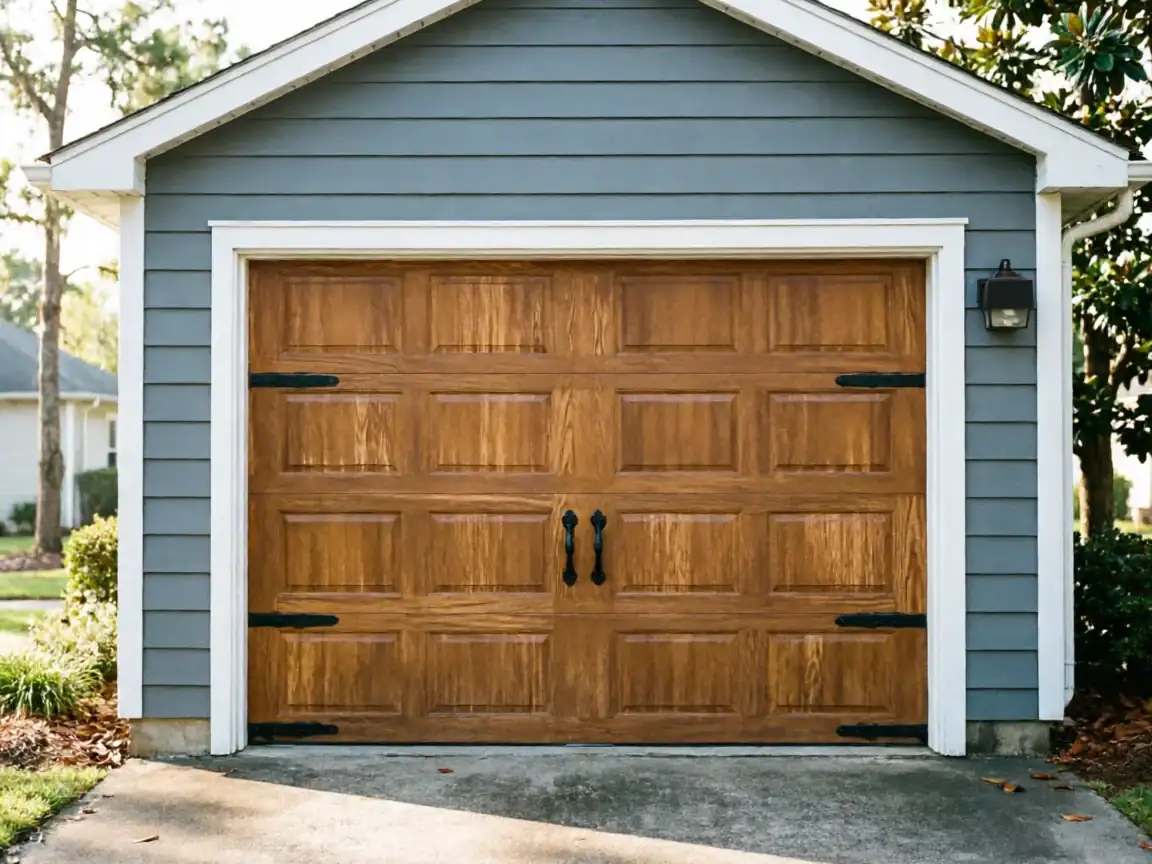
A house built in 1997 almost never has the old side-mounted torsion hardware or the heavy one-piece swing-up doors you find in pre-1980s construction. Instead you're looking at steel sectional doors on extension or torsion springs, factory-set openers with photo-eye safety sensors (required by federal law starting in 1993), and standard 7-foot or 8-foot openings rather than the odd sizes older builders used. The failures are different too - less rust-through on old panels, more worn nylon rollers, stripped opener gears, and sensor misalignment from years of lawn equipment bumping the rails.
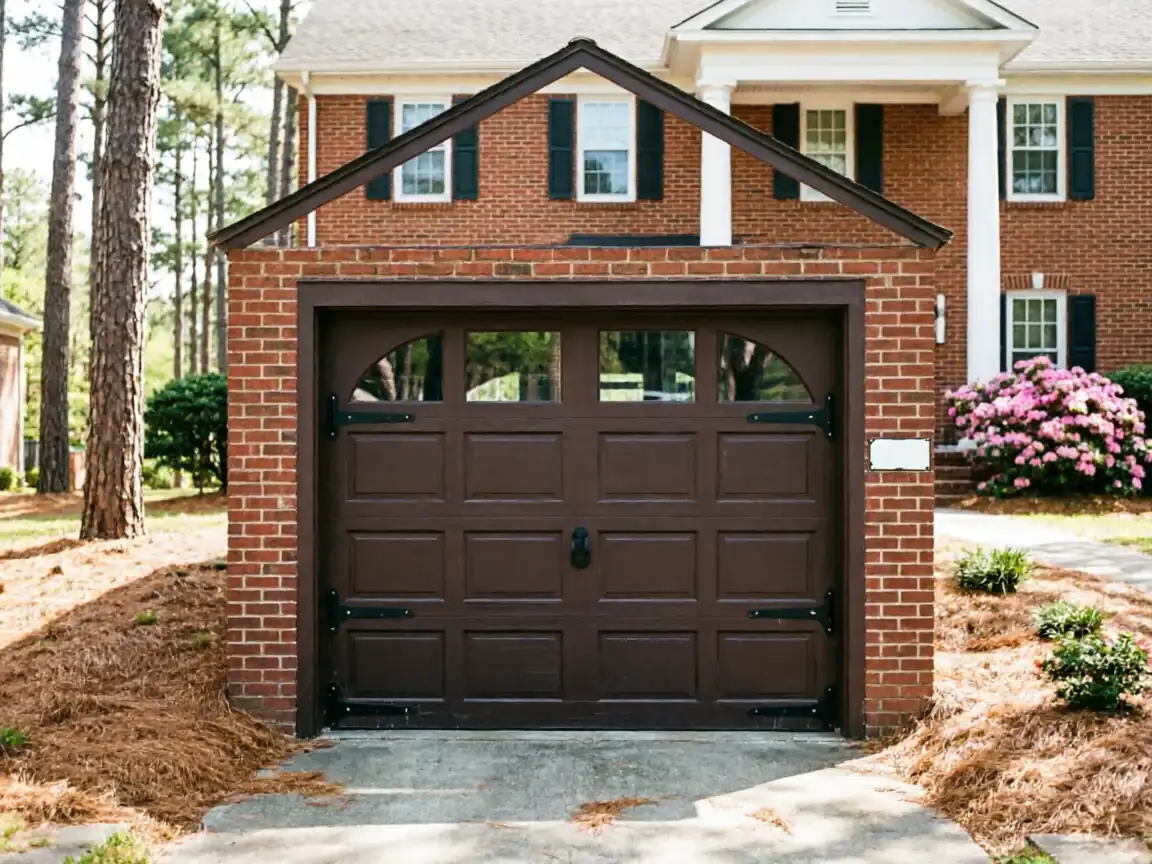
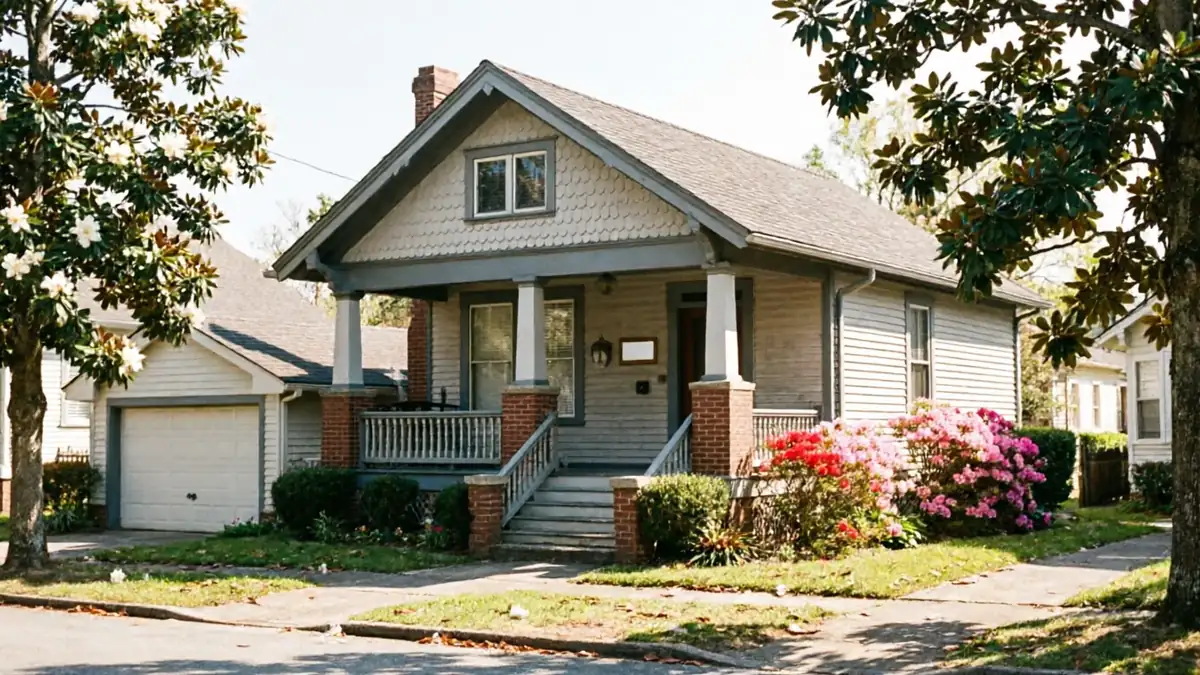
If your street in Dallas has a handful of older farmhouses mixed in with newer builds, the door on those older houses may still carry original hardware nobody stocks anymore. Worth mentioning when you call.
Getting Here
Dallas sits about 5 miles from our base in Gastonia, a short run up through this corner of Gaston County. We don't keep a crew stationed in Dallas - we travel out from Gastonia for every job, same as we do for Ranlo, Lowell, and the other towns inside that 4-to-9-mile ring around us.
That distance matters less for scheduling than for parts. A torsion spring or opener logic board that's a common size for 1990s-era doors is something we're likely to already have on the truck when we head your way, because that's the era most of this region was built in. It's the oddball stuff - a part sized for a 1960s one-piece door - that sometimes means a second trip.
We're not the company with a storefront on Main Street in Dallas, and we won't pretend otherwise. What we are is the crew that knows this part of the county well enough to bring the right spring size the first time, most of the time.
What That Means for Doors
A door built around 1997 is old enough to be failing on wear
Not old enough to need a full hardware rebuild. The springs on a late-90s sectional door are rated for roughly 10,000 cycles - call it 7 to 10 years of daily use - so a Dallas homeowner with the original door is likely on a second or third spring by now, sometimes without knowing it, because the old spring was swapped by a previous owner or a handyman years back.
- 10 years
Openers from that era are chain or belt drive, 1/2 horsepower
With the safety sensors mounted low on the track rails. The most common call we get from houses this age isn't a broken spring - it's a sensor knocked out of alignment, a worn drive gear inside the opener housing, or rollers that have gone from nylon-smooth to cracked and noisy. None of those are dramatic, but they all look like "the door won't close" to the person standing in the driveway.
We'll say plainly: if your opener is original to a 1997 build and the circuit board is failing
Replacing the whole unit usually costs less in the long run than chasing parts for a 25-plus-year-old logic board. We don't push a new opener on a working door, but we'll tell you when the math has already tipped that way.
This Area's Housing
Dallas accounts for roughly 2,137 households in a service area that totals 43,773 households and 20,806 owner-occupied houses. Median household income here runs about $57,755, close to the broader area figure of $59,583 - not a town of high-end custom doors, but solid, well-kept houses where people fix what's broken instead of replacing it on a whim.
The region sits in a cold-moderate climate band, which means winter mornings can stiffen up steel tracks and thicken old lubricant on rollers, but we don't deal with the extreme freeze cycles that crack hardware outright. It's steady wear, not shock damage, that defines most of the repair calls out here.
Given the 1997 median build year, most Dallas garage doors are entering the stretch where original springs, cables, and rollers are due - or overdue - for replacement, even if the door panel itself still looks fine. We'd rather replace a spring on a Tuesday than get the call on a Saturday when it's already snapped with the door halfway up.