Older vs Newer Streets
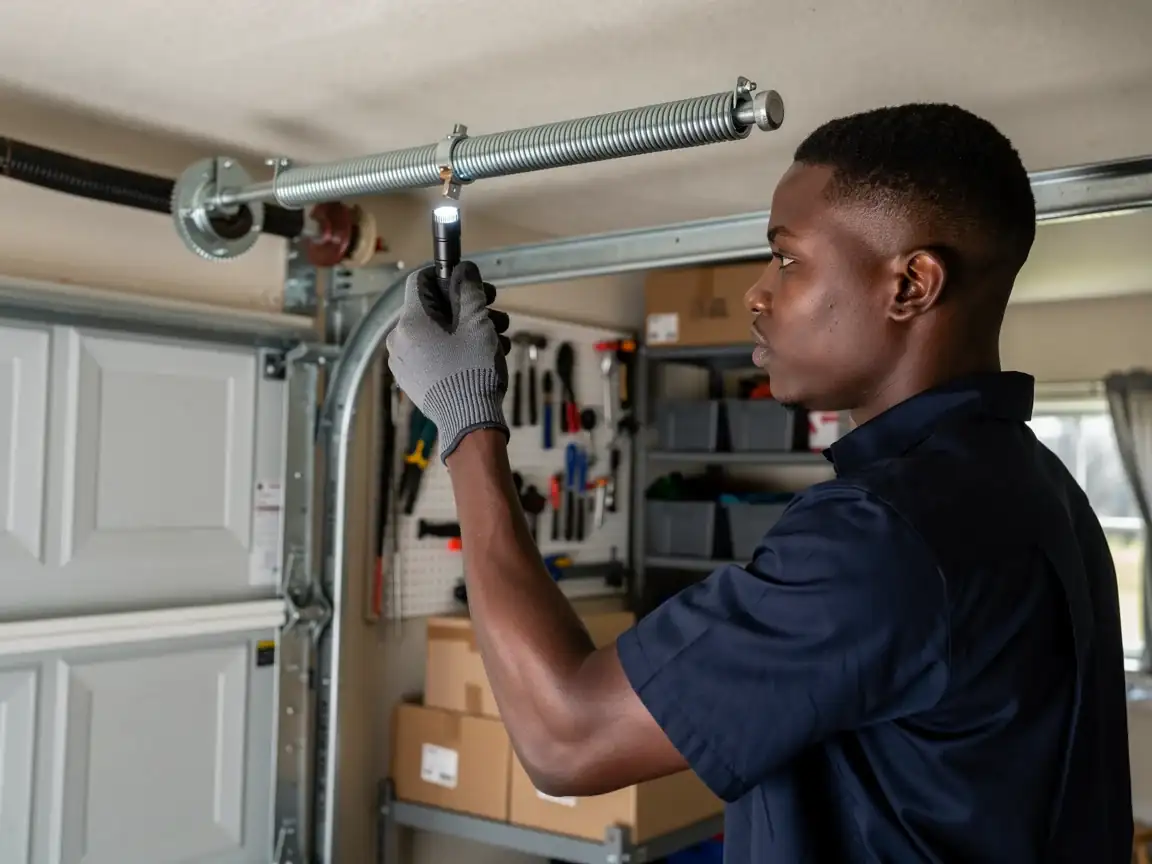
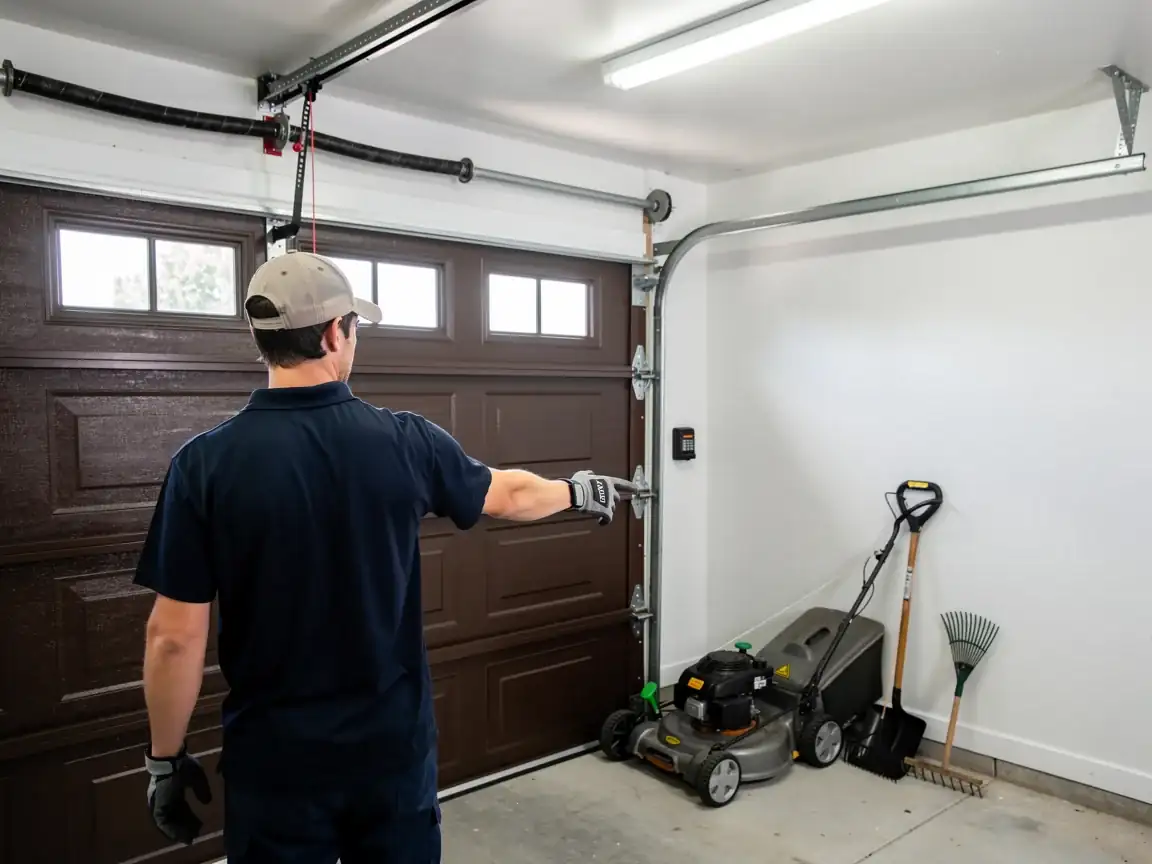
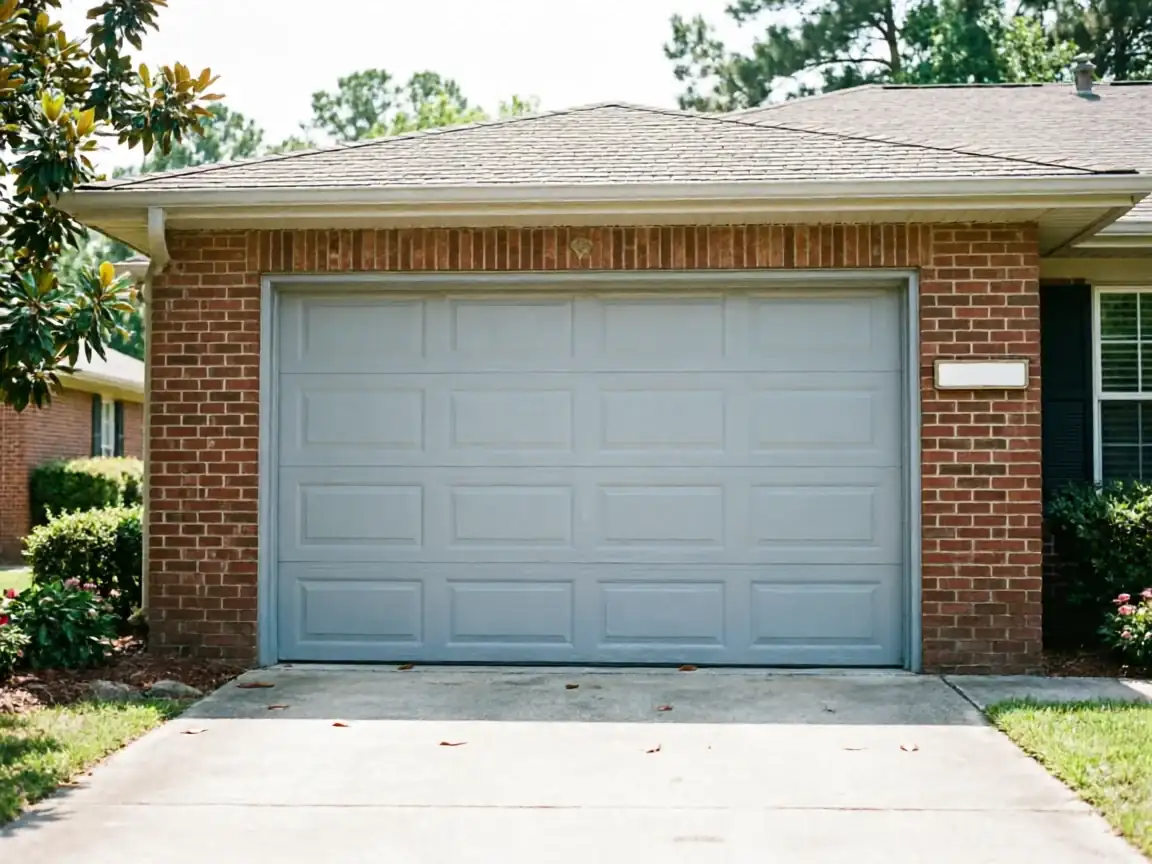
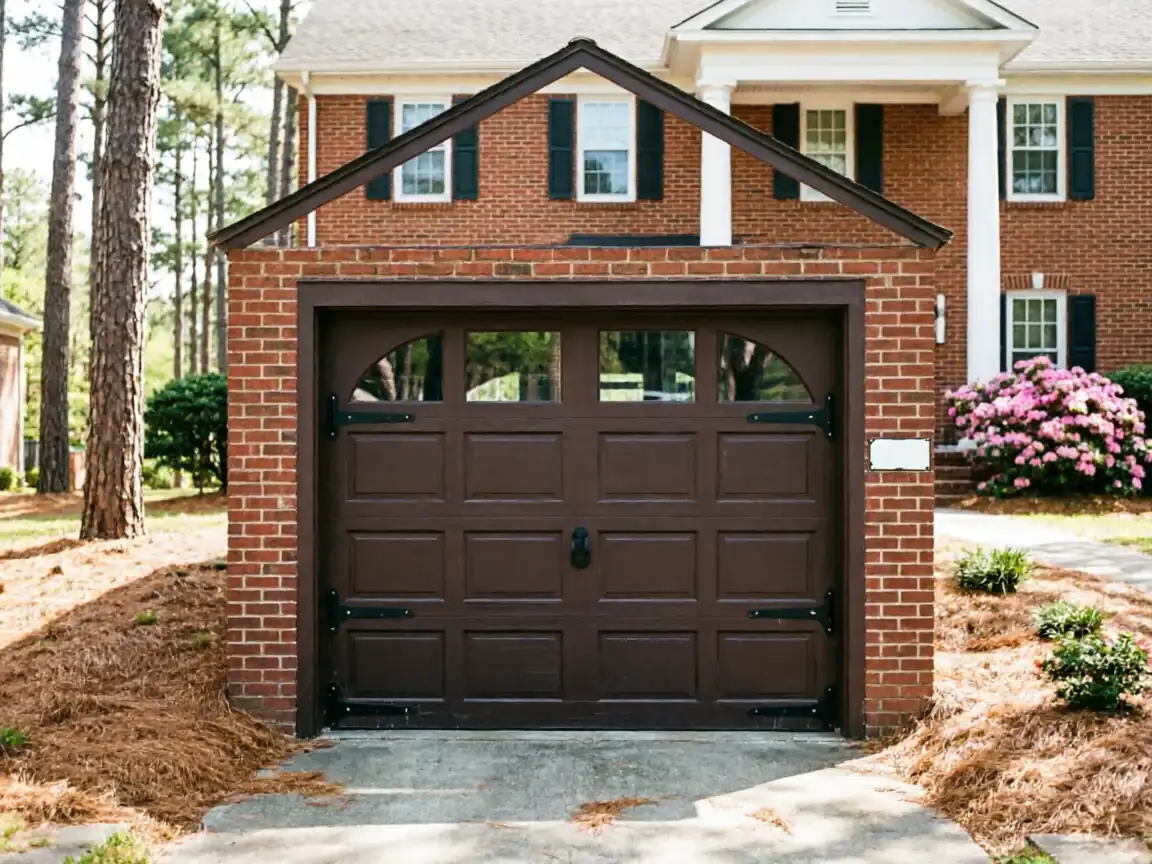
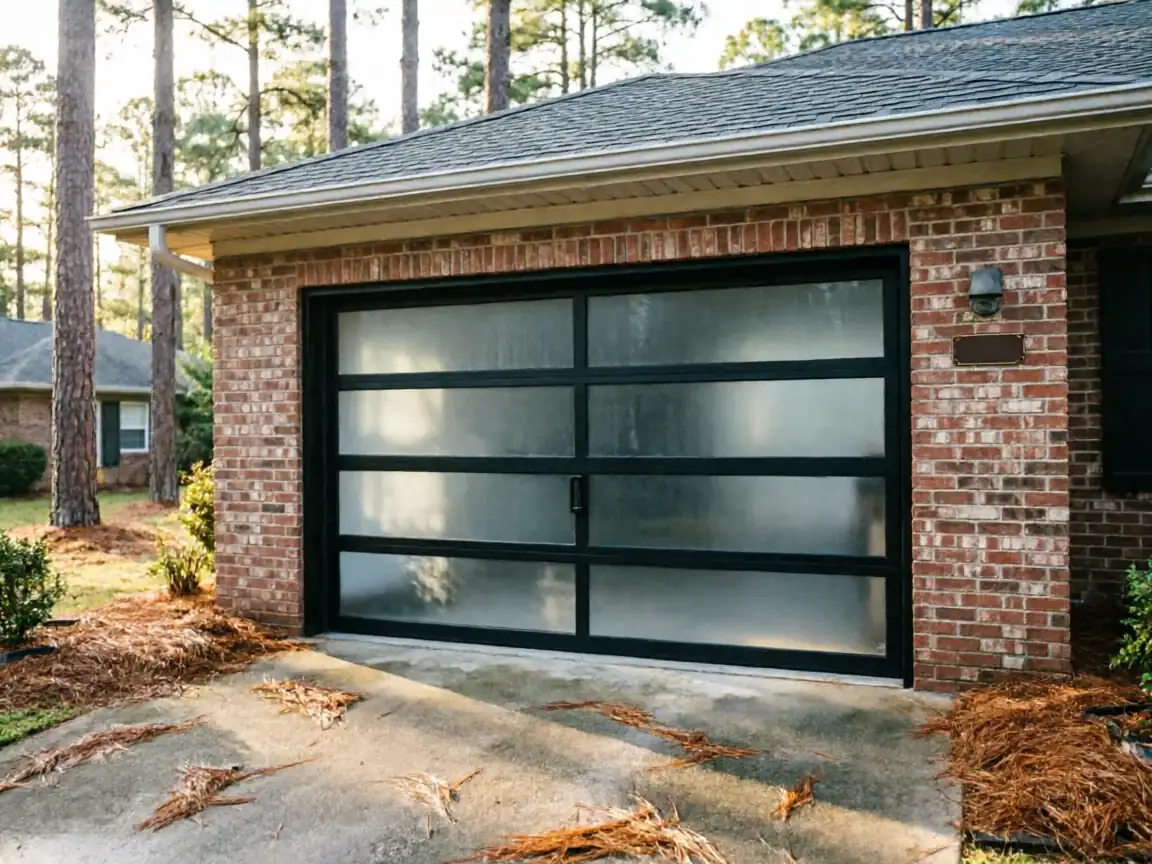
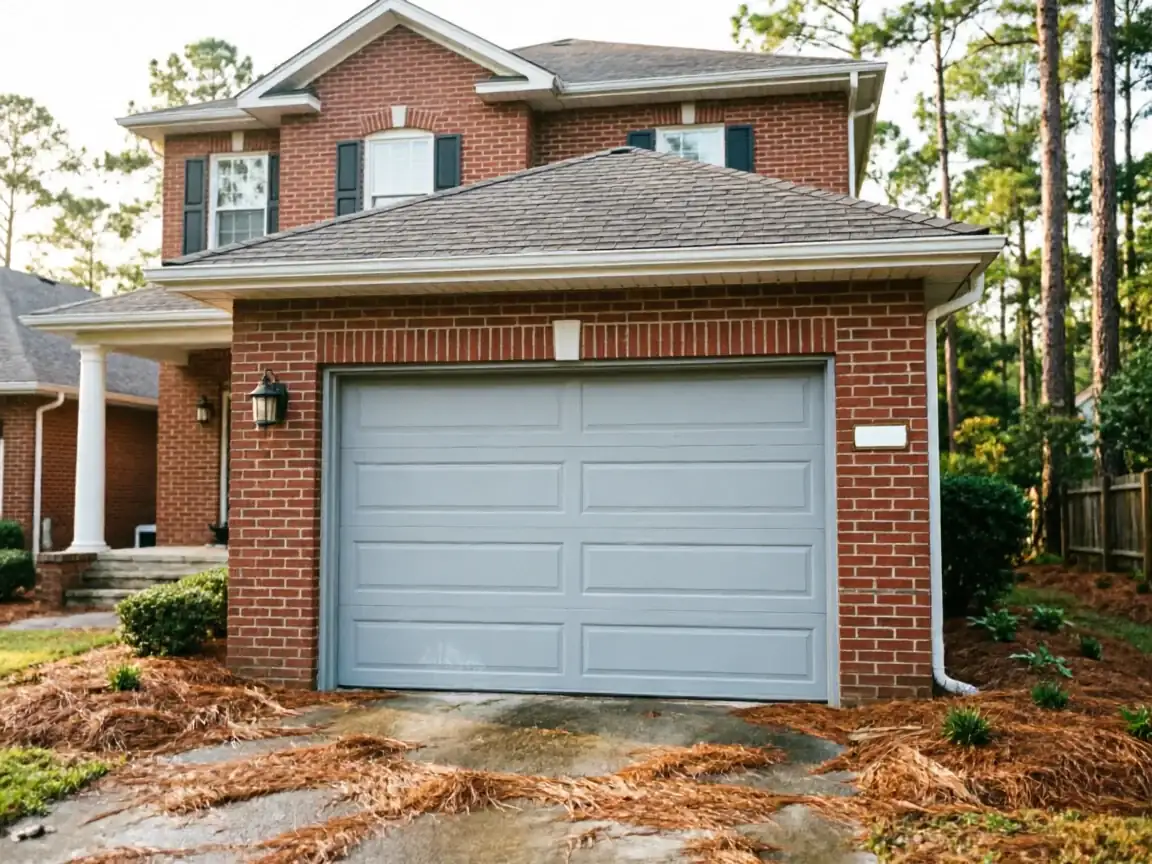
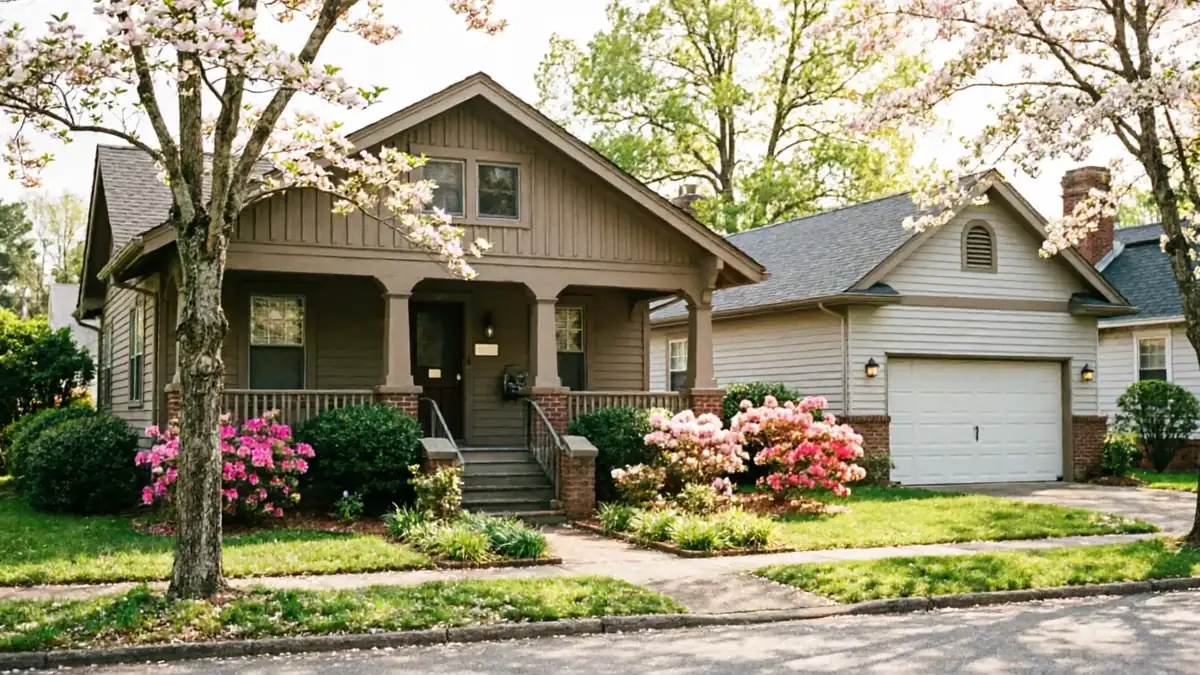
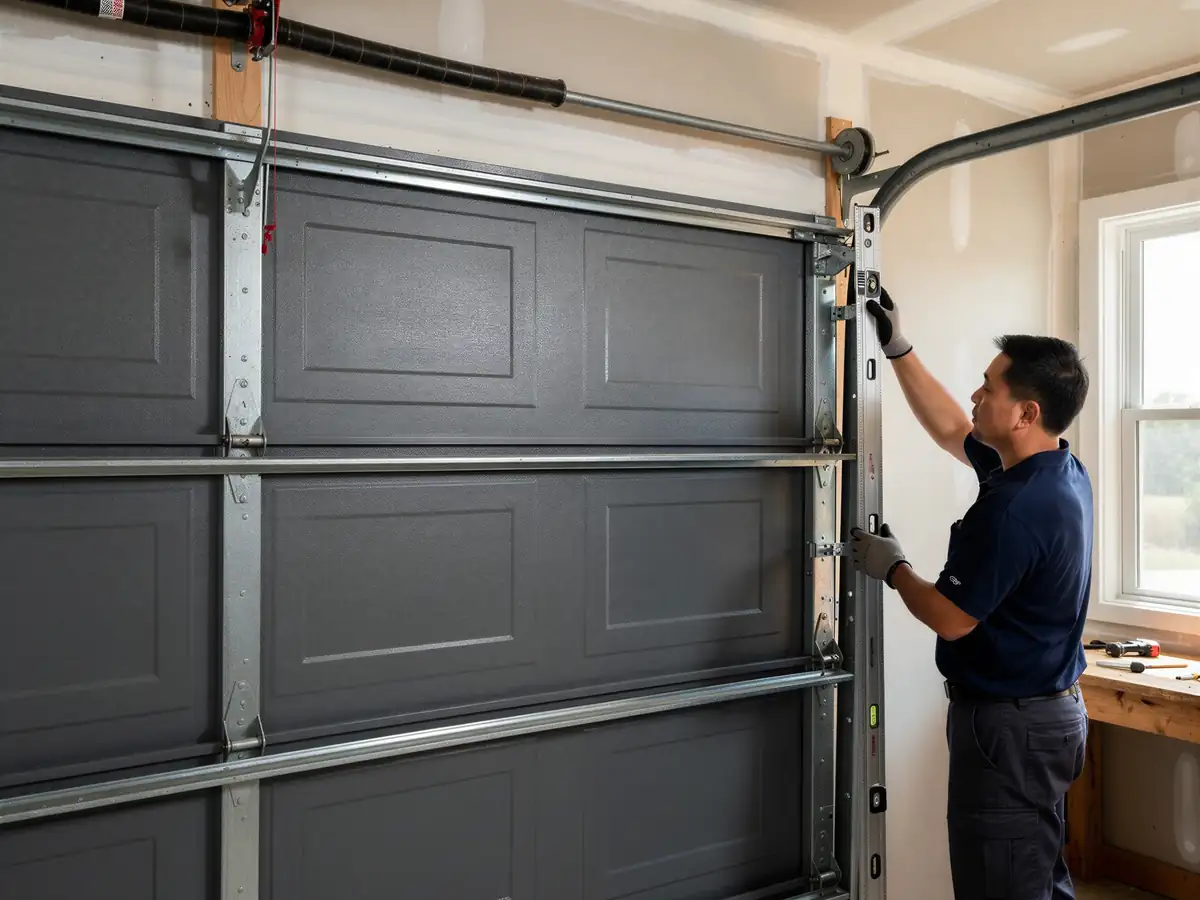
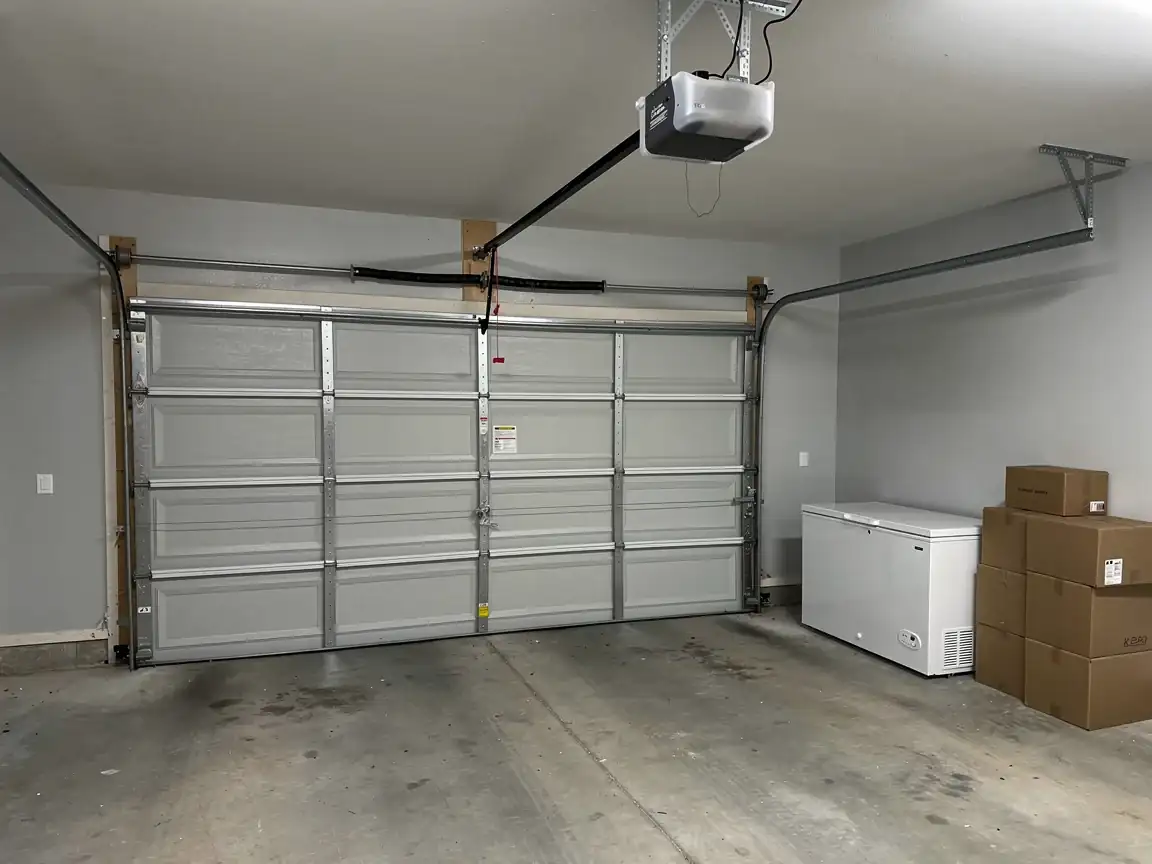
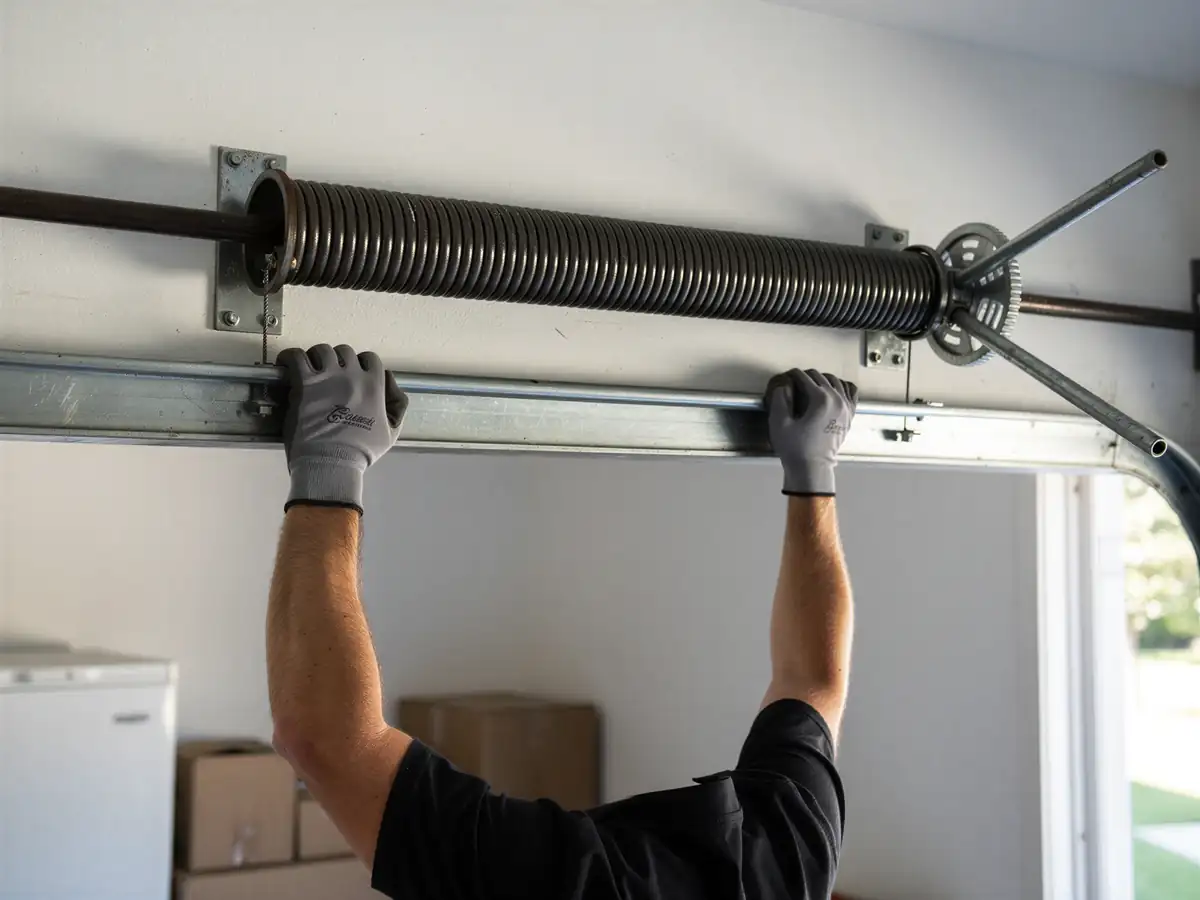
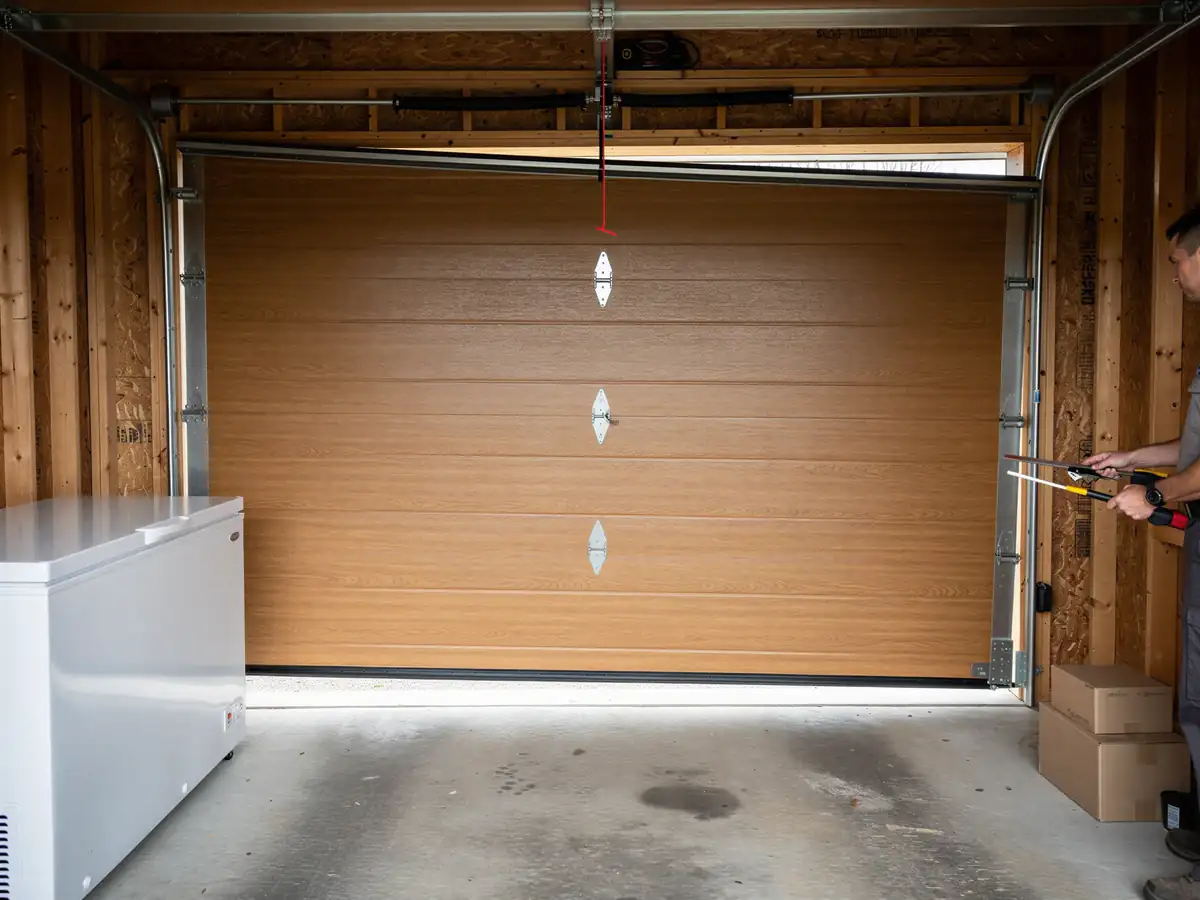
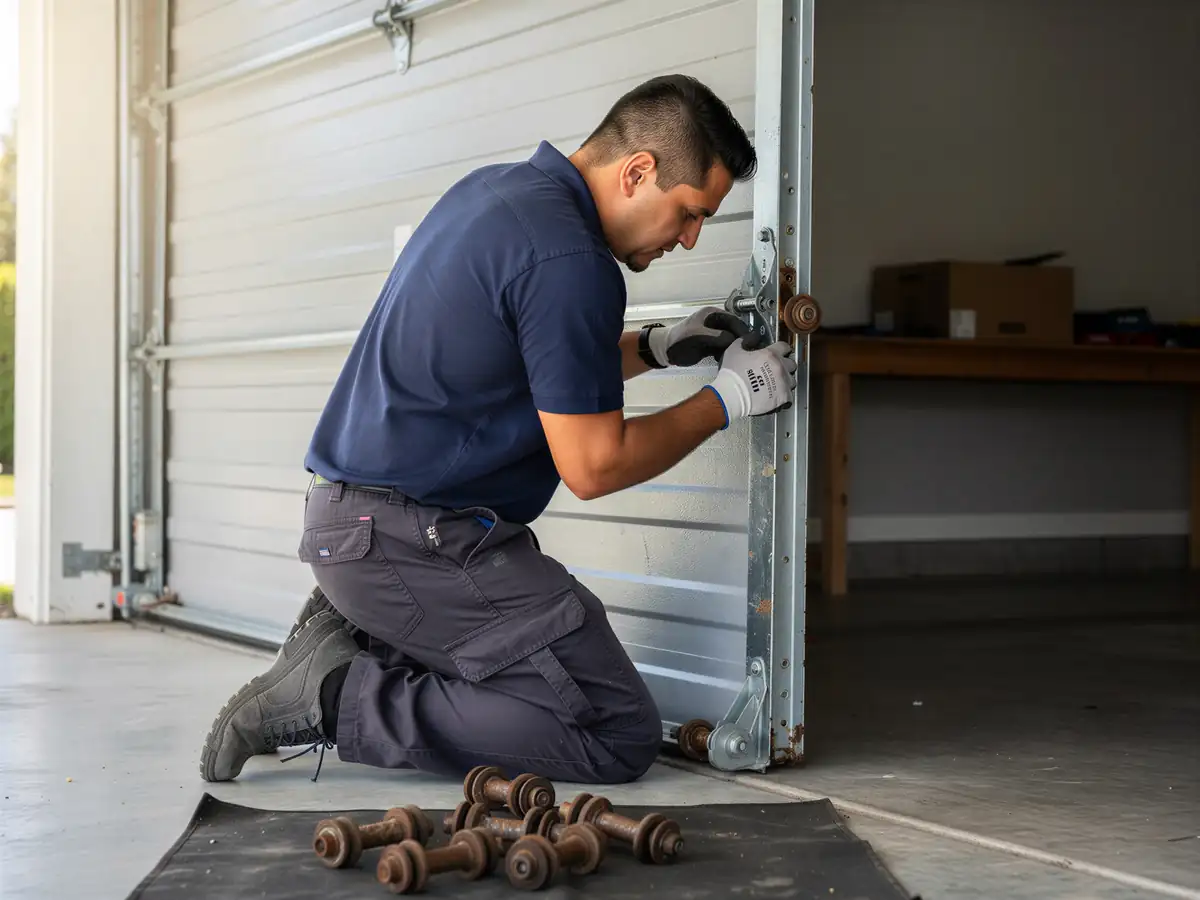
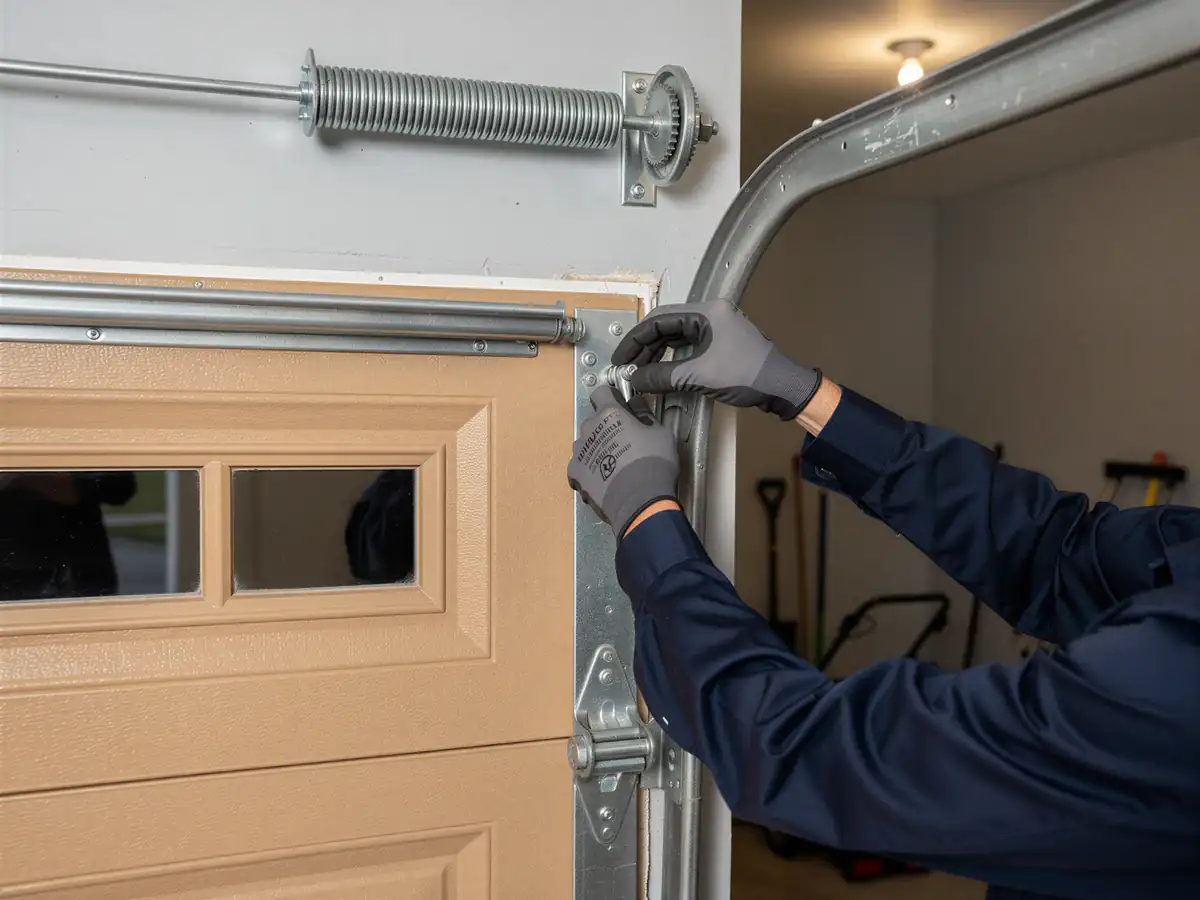
Stanley's housing stock centers on 1977, a few years ahead of the broader service area, where the median build year runs closer to 1983 across a stretch of homes built anywhere from 1967 to 2011. That gap matters more than it sounds. A house built in the late 1970s usually got a steel sectional door on extension springs mounted along the sides of the frame, not the torsion bar you'd expect on something from the mid-80s or later. Some of these doors have been swapped out over the decades, sure, but plenty of garages in Stanley still carry the original track hardware, just repainted or patched around. If your opener was added later - which is common, since openers weren't standard on a lot of late-70s builds - it's often been bolted onto hardware that predates it by a decade or more, which is its own set of fit problems. We don't assume every door here is the same age; we look at what's actually hanging on the wall before we quote anything.
Getting Here
Stanley sits about 9 miles out from our Gastonia base, and we don't run a depot or drop-in location in town - every job starts as a drive from Gastonia. That's worth saying plainly: we're not claiming a local yard or a faster response because of proximity, just that the distance is short enough to make routine service and repair calls practical. Stanley sits among a cluster of smaller towns we also reach - Ranlo and Dallas are closer in at 4 and 5 miles, Lowell and McAdenville sit around 5 to 6 miles, and Bessemer City and Cramerton are close by too. None of that changes what we do once we're in your driveway, but it gives you a sense of where Stanley falls in the territory we actually cover, rather than a name tacked onto a list.
This Area's Housing
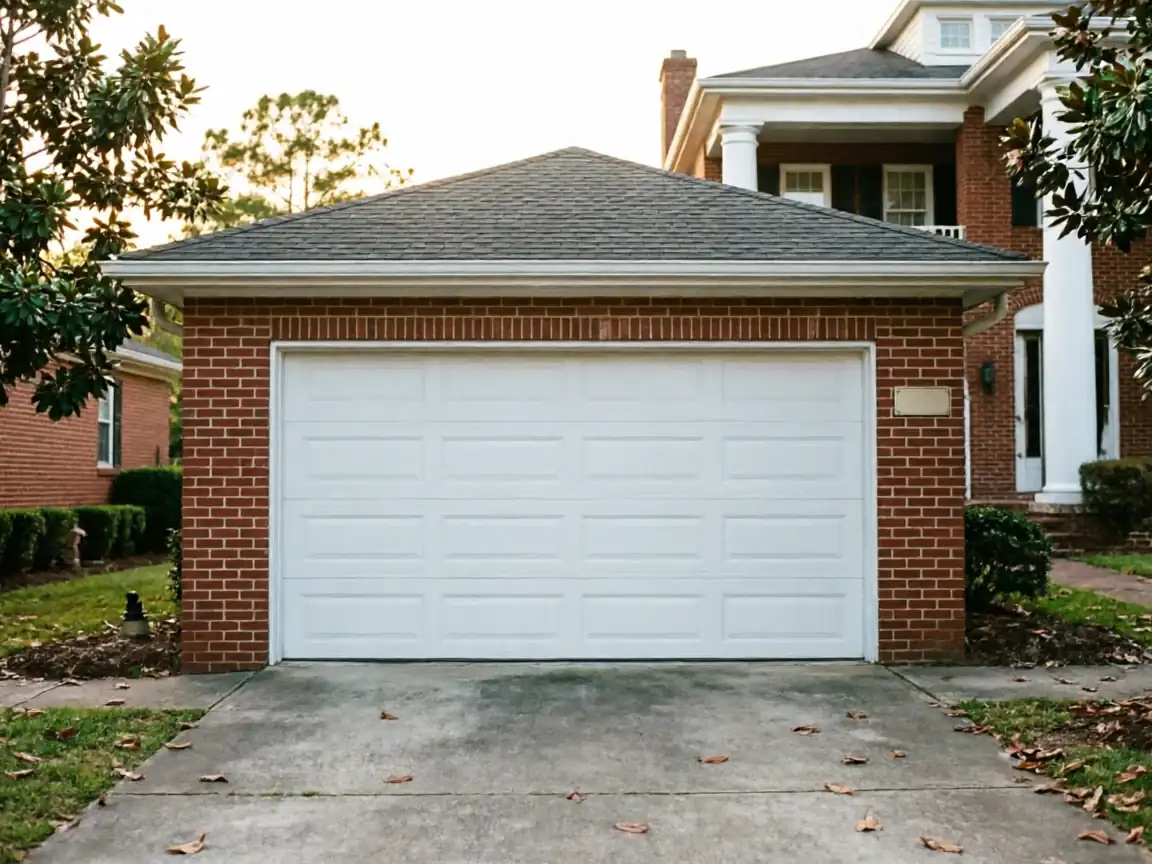
Stanley has roughly 1,468 households, a small fraction of the wider service area, and a median household income of $71,333 - notably higher than the broader service-area median of $59,583. That income gap shows up in the kind of calls we get: more owners here are willing to replace a door system outright rather than patch an aging one repeatedly, especially once they understand what a 1977-era spring setup actually costs to keep running safely over time. It's a smaller town, which means fewer total garages needing work on any given week, but the ones that do call tend to know their house and want a straight answer about whether a repair is worth it or whether the door's reached the point where replacement is the better money.