What Causes It Around Here
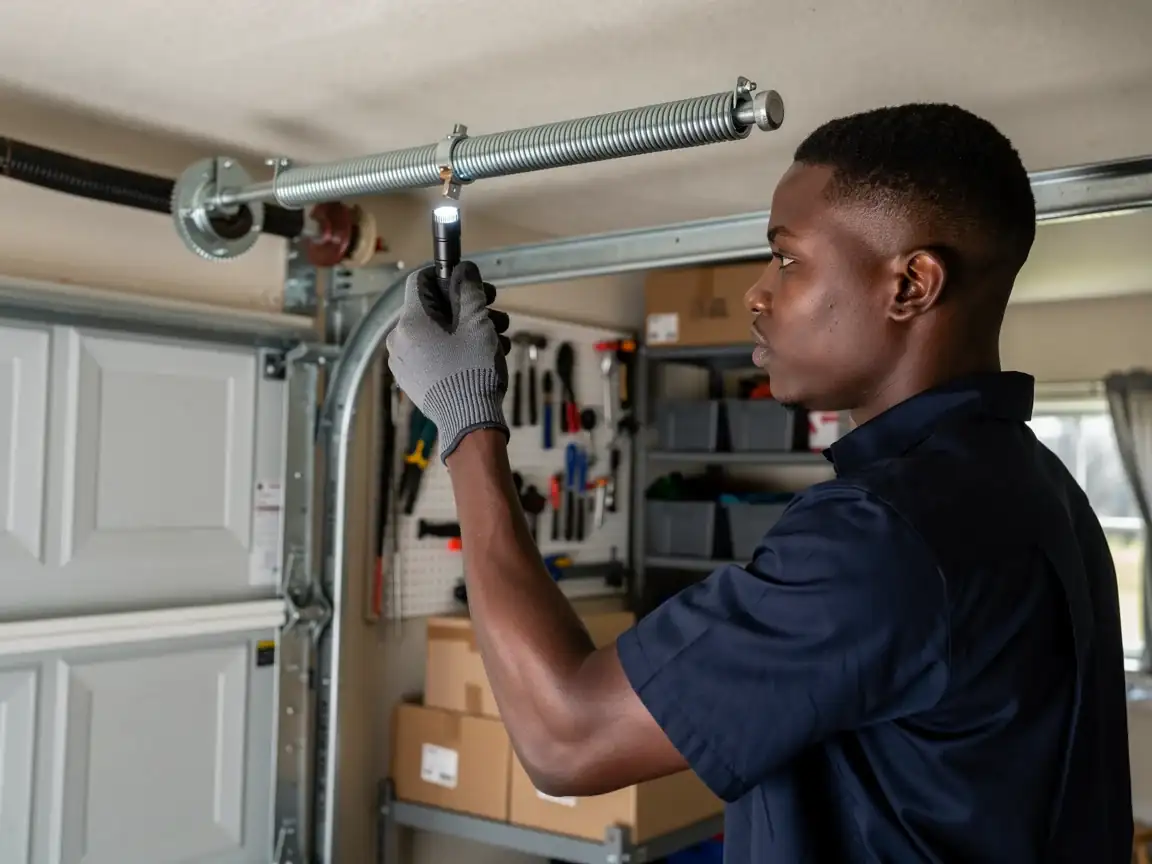
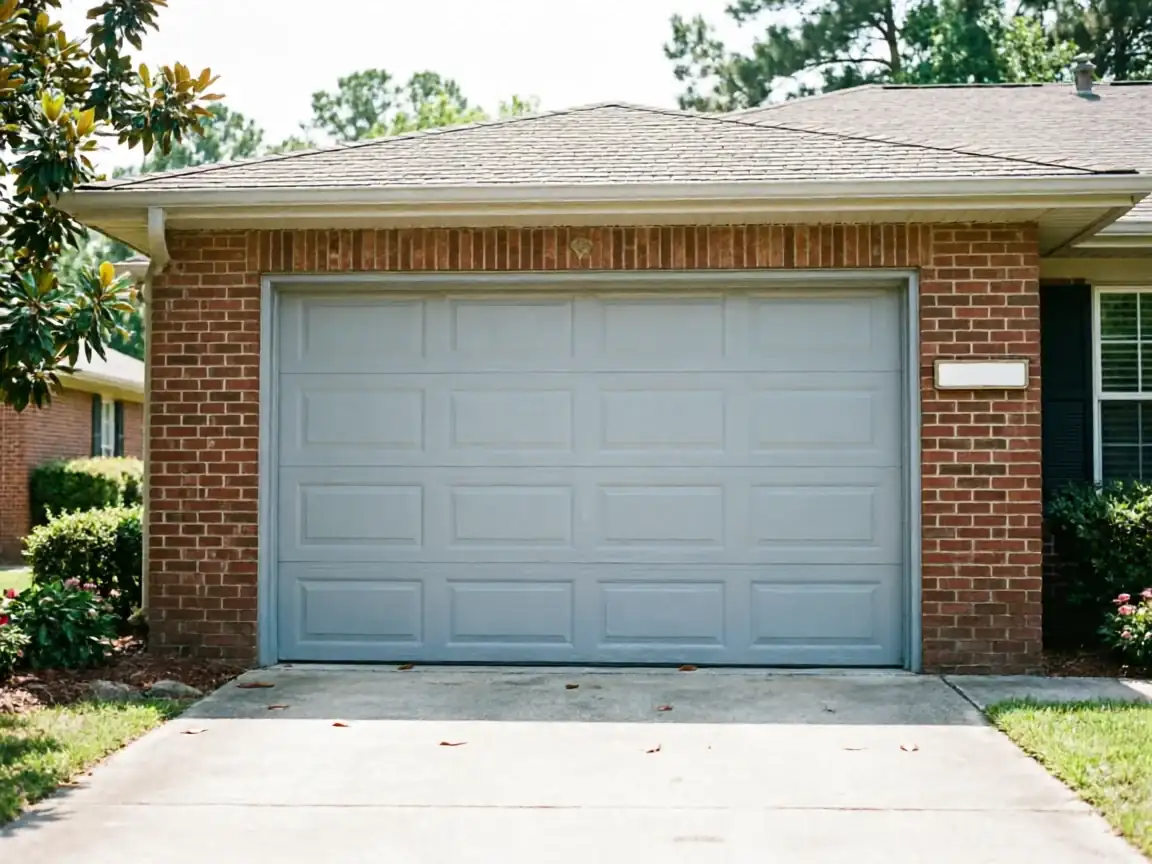
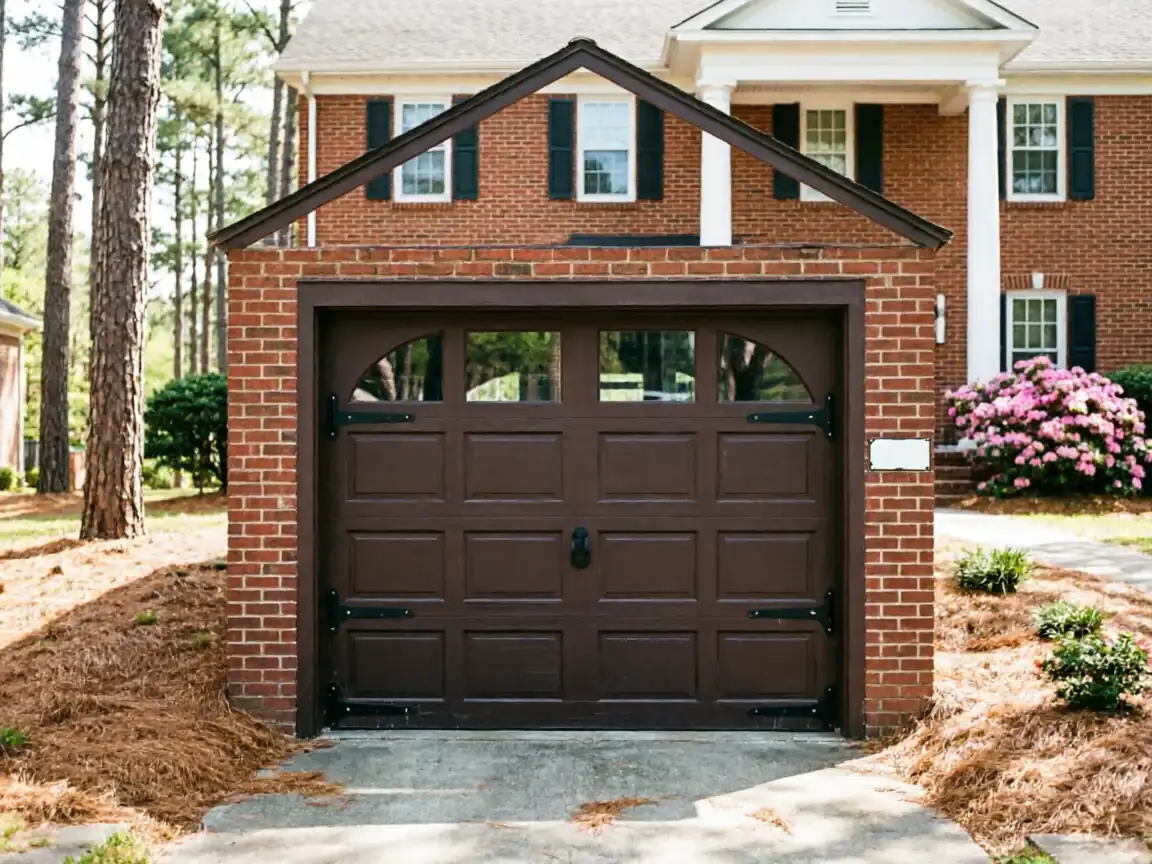
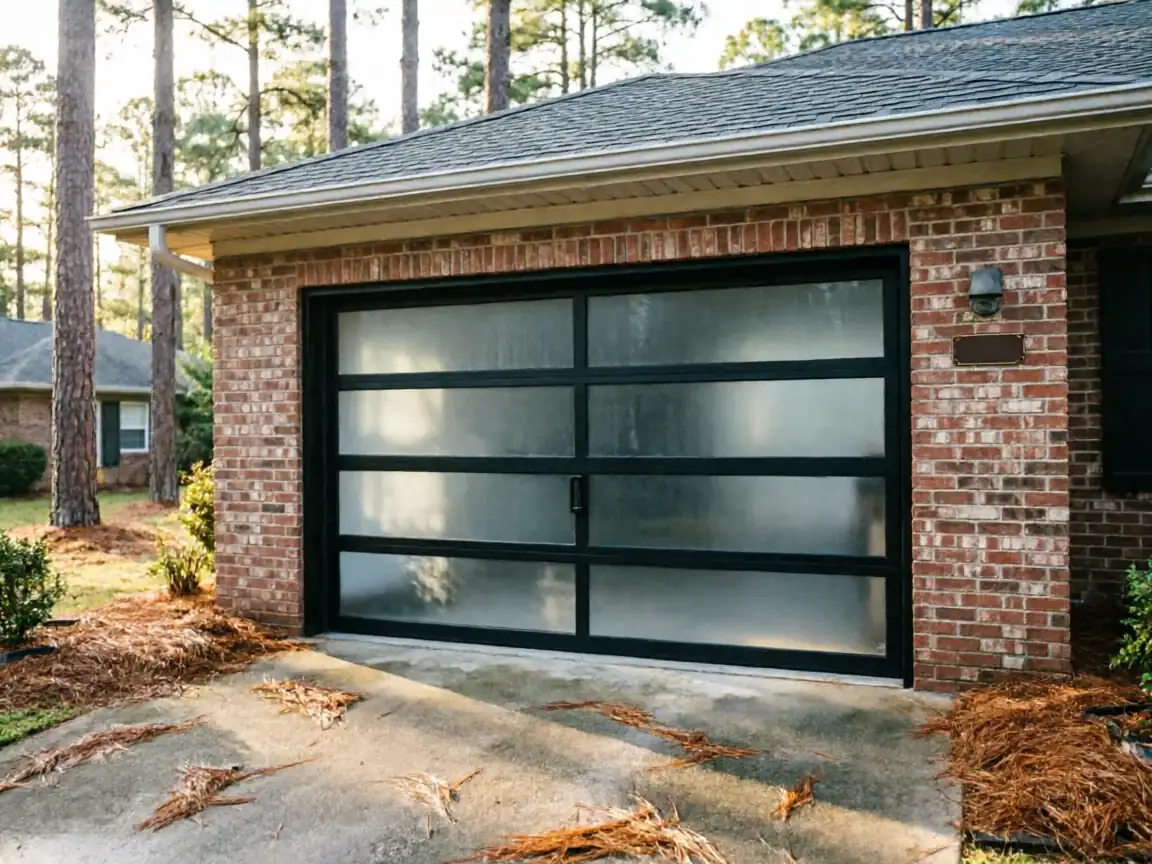
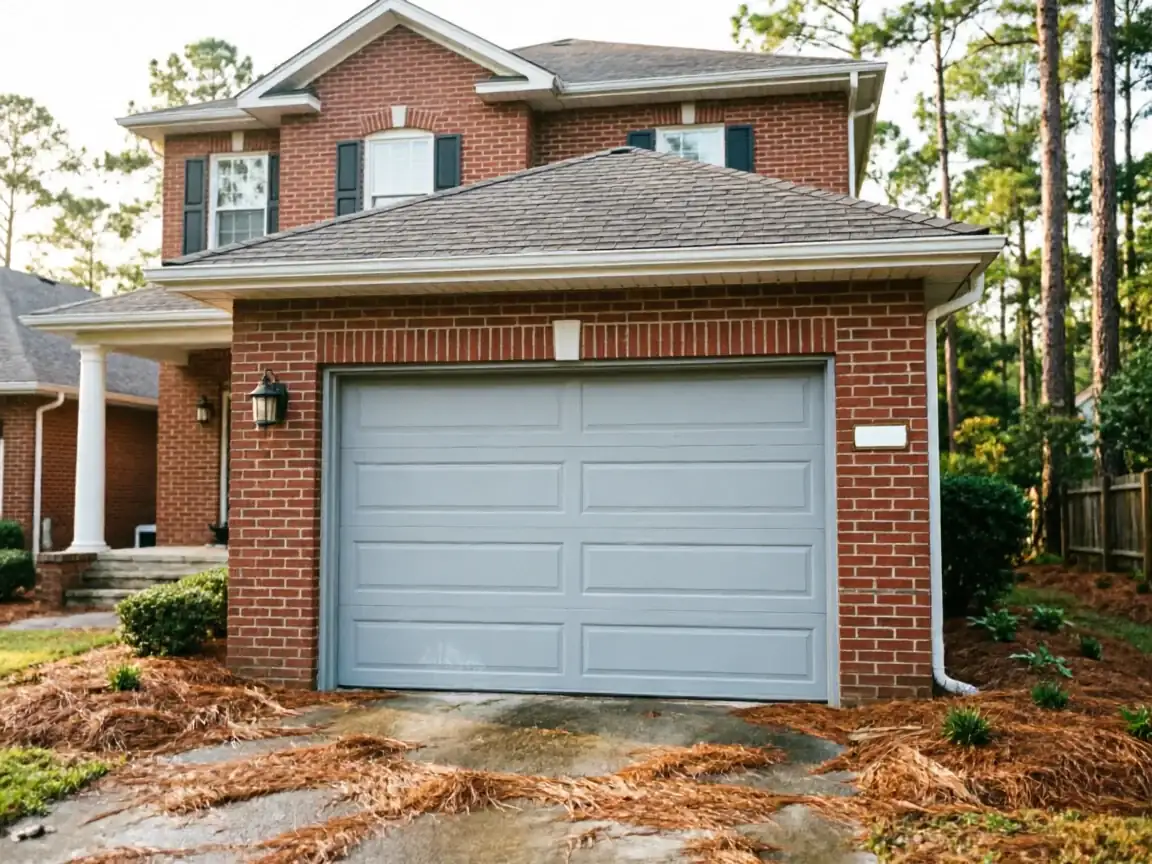
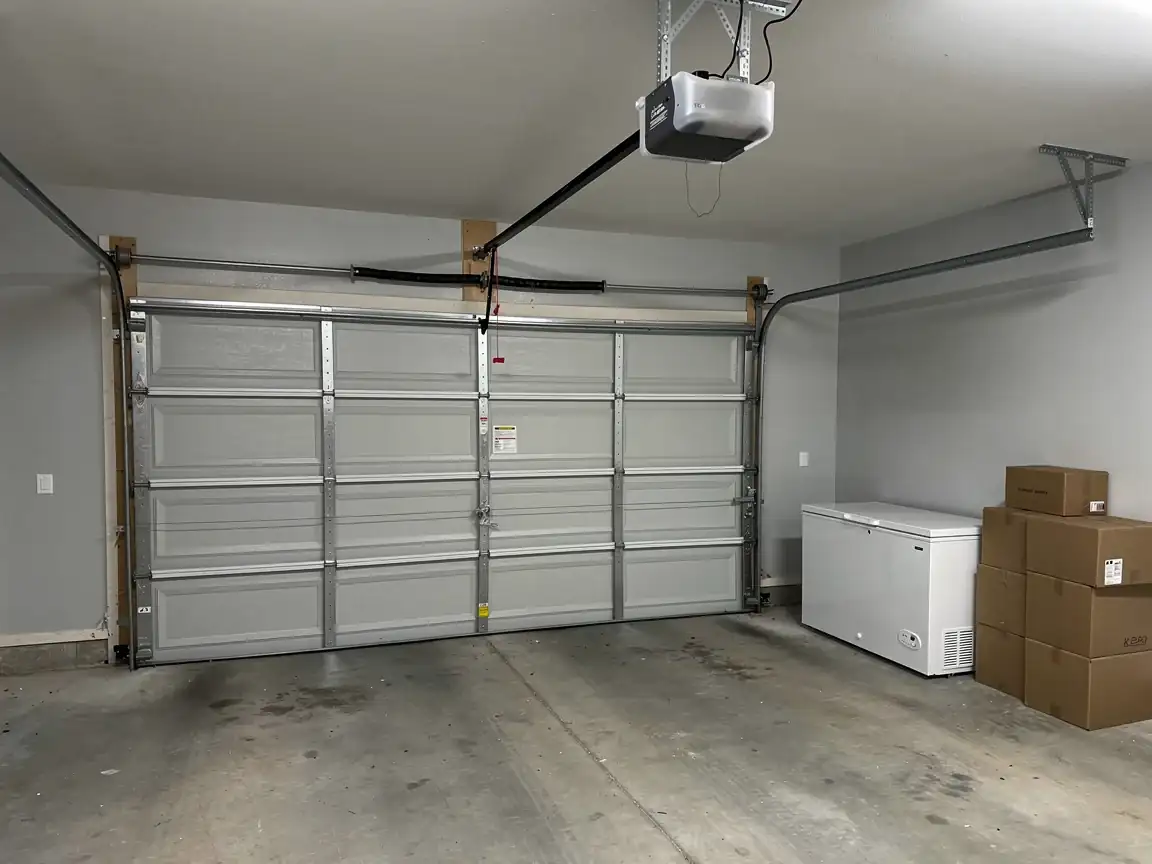
Most of the housing we work on in Gastonia went up between 1967 and 2011, with the bulk of it dating to the 1980s and 90s. That matters more than people think. A door and opener installed when a house was built is now 30 to 40 years old if nobody has touched it, and that's past the design life of almost every torsion spring and most chain-drive openers from that era. Across the 17 areas we cover, the pattern repeats: original hardware, original springs, sometimes the original opener still running on a capacitor that's long past its rated cycles.
The cold-moderate climate here adds a second layer to it. Steel springs lose tension and get brittle faster through repeated cold snaps and temperature swings than they would in a climate that just stays mild. Lubricant on rollers and hinges thickens up on cold mornings, which means more load on the opener motor right when it's least able to take it. None of this is dramatic - it's slow wear that shows up as a louder door, a slower cycle, or a spring that finally lets go on a 30-degree morning. It's not bad luck. It's the math of a 35-to-50-year-old garage door system meeting a winter.
Time on the Job
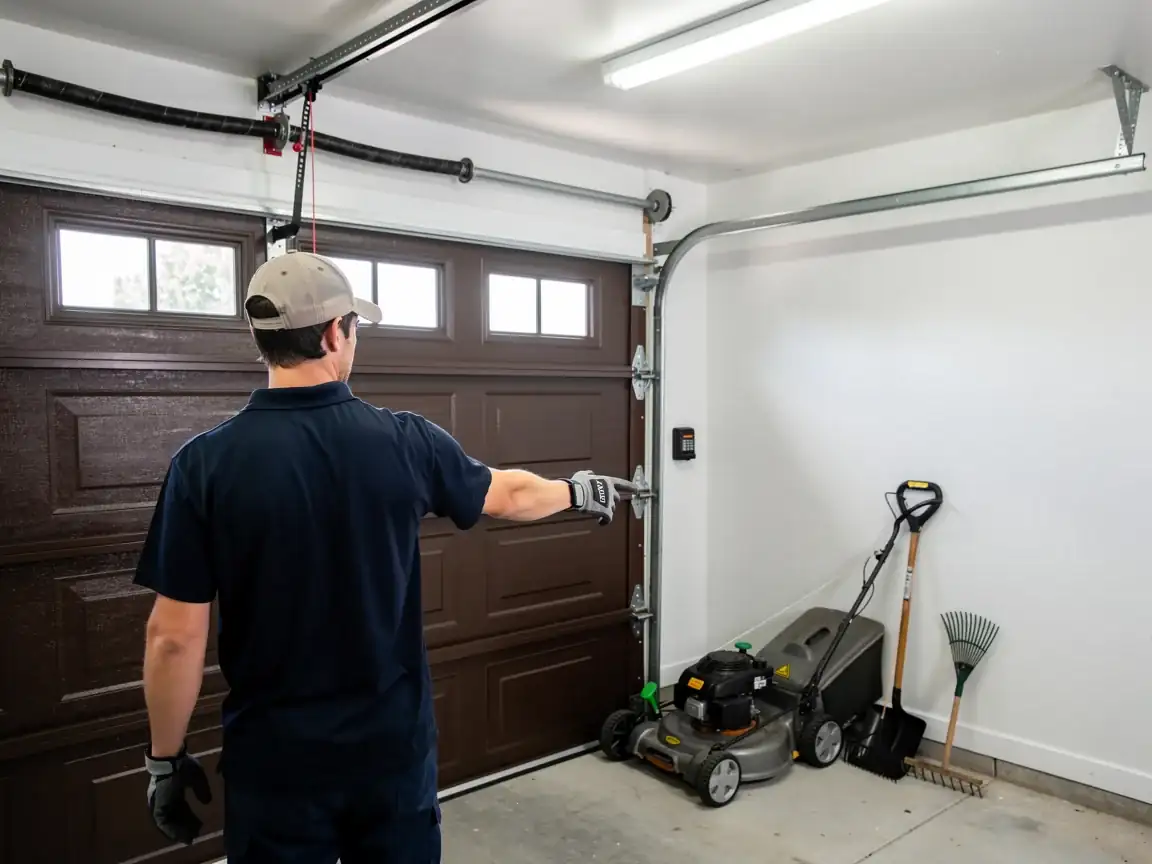
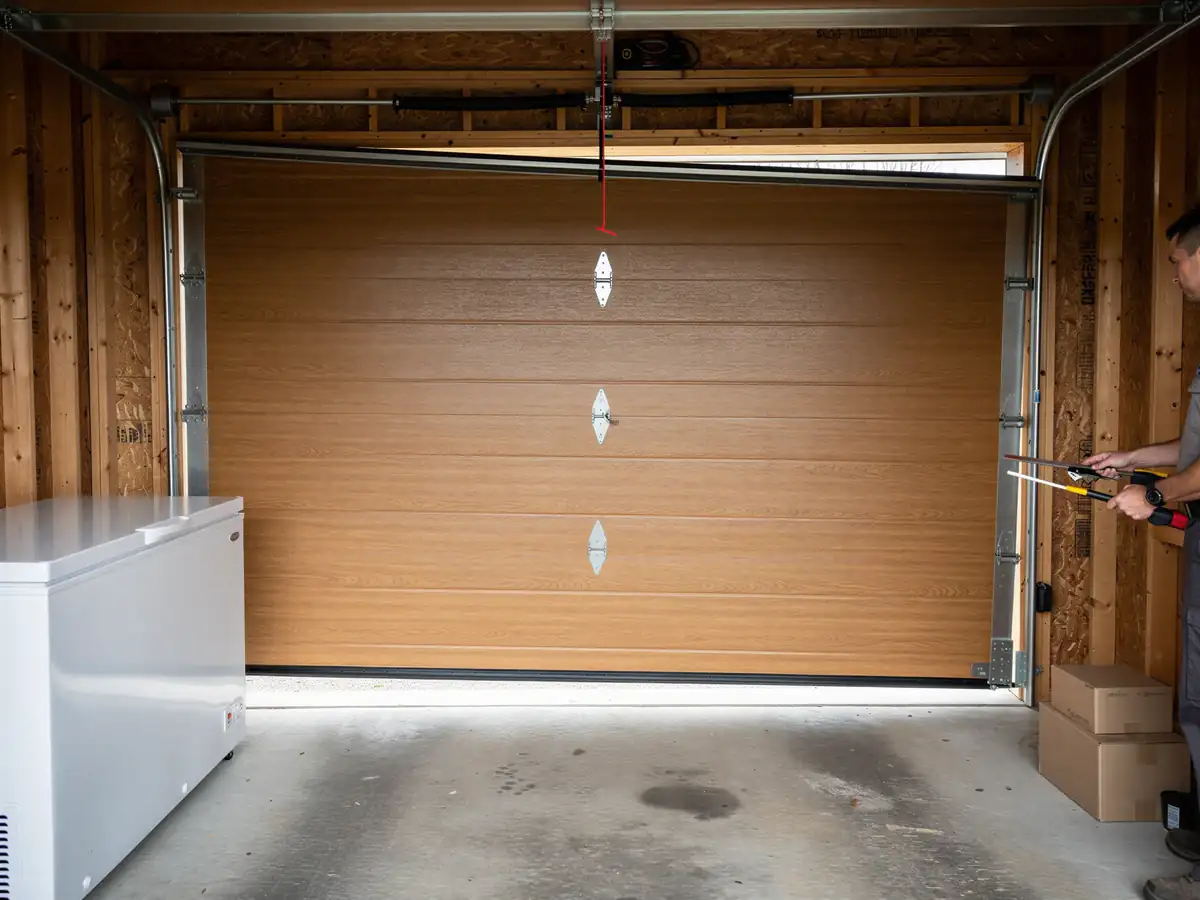
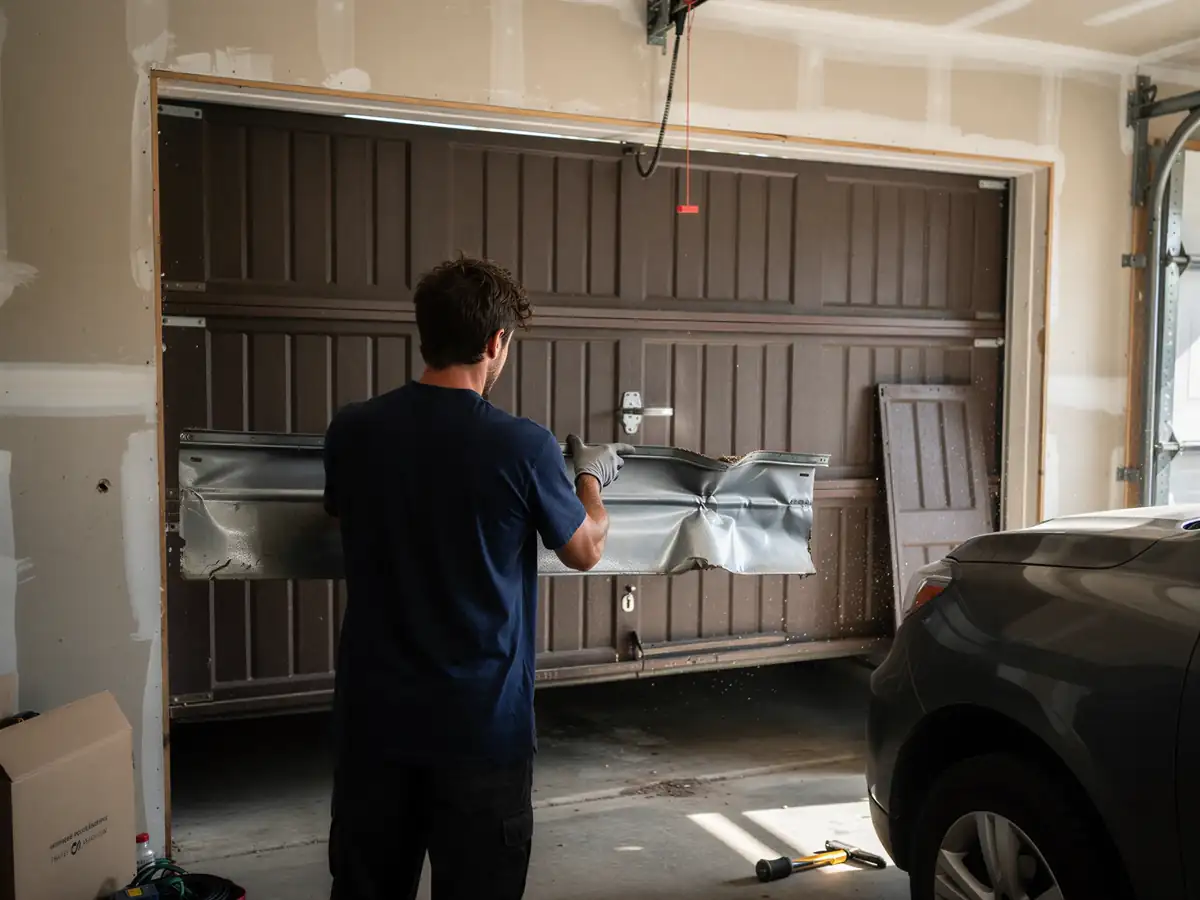
A standard spring replacement or opener swap on a single door runs a couple of hours once we're on site, including testing the door through a full open-close cycle under load. Double doors with two springs or a full track realignment take longer. We don't quote an exact number here because it depends on what we find once the door's open - a worn spring is a different job from a spring that's taken the bottom bracket and a section of track down with it, which happens more often on the older 1980s-stock doors where the hardware was never upgraded.
One honest limitation: if a part is non-standard to the original builder-grade installation - and a fair number of houses from that construction period used openers or track sizes that aren't common anymore - we may need to order the part rather than carry it on the truck. We'll tell you that up front rather than make you wait around for a part that isn't coming that day.
What You Are Seeing
If your house falls into that 1980s-90s construction window, the complaints we hear are consistent
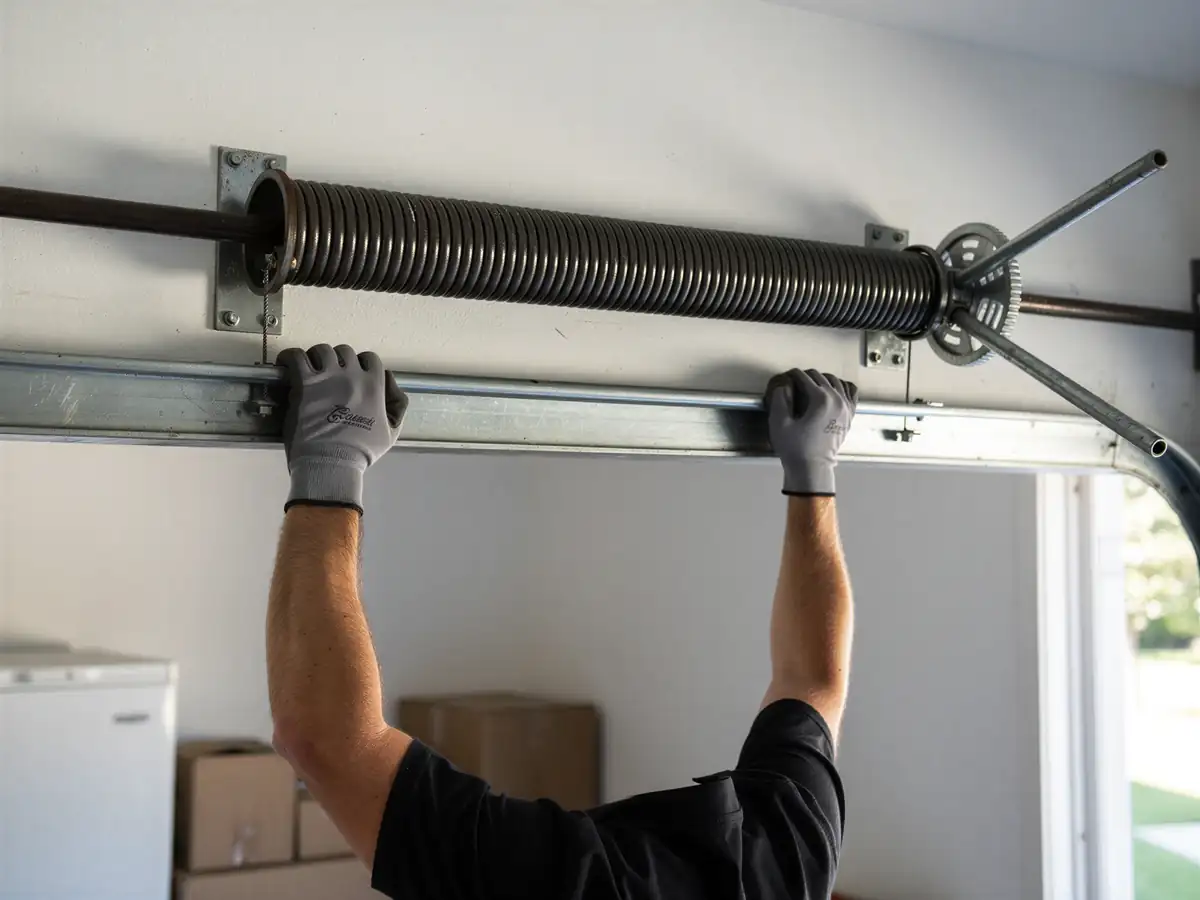
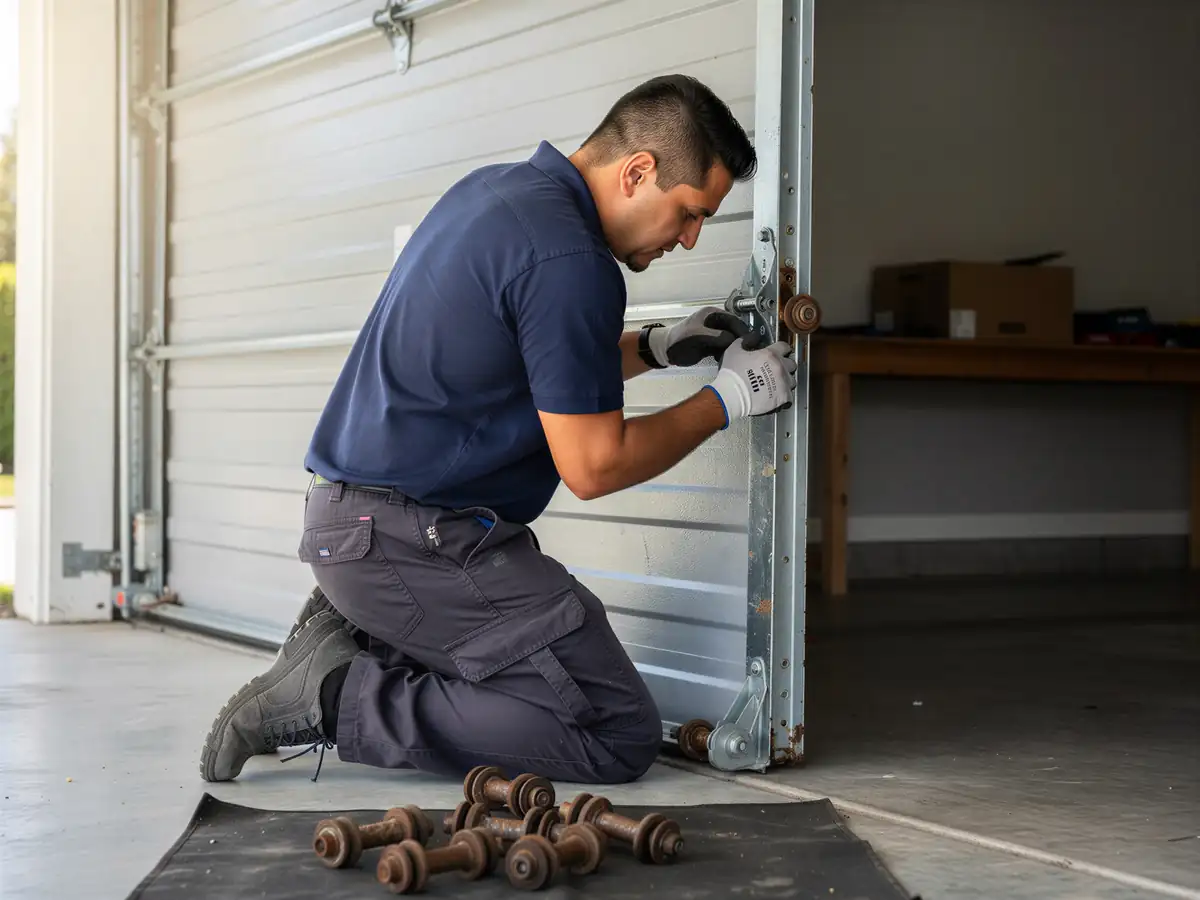
The door groans or jerks partway through its cycle, the opener strains and reverses on its own, or the spring has visibly stretched or snapped and the door won't lift by hand either. On older original doors we also see rollers that have gone from steel-and-nylon to just metal grinding on metal, usually after the factory lubrication dried out years ago and nobody re-greased it.
A door that only sticks on cold mornings and loosens up by afternoon is a classic sign of a spring that's lost tension gradually through repeated cold-weather cycling rather than one that failed outright
That's worth catching before it snaps, because a spring under partial tension that finally lets go can take the cable or bracket with it. If your door is still on its original 1980s or 90s opener, we'll also check whether the safety reverse sensors were ever retrofitted - a lot of installs from that period predate the sensor requirement and were never updated.
What the Repair Takes
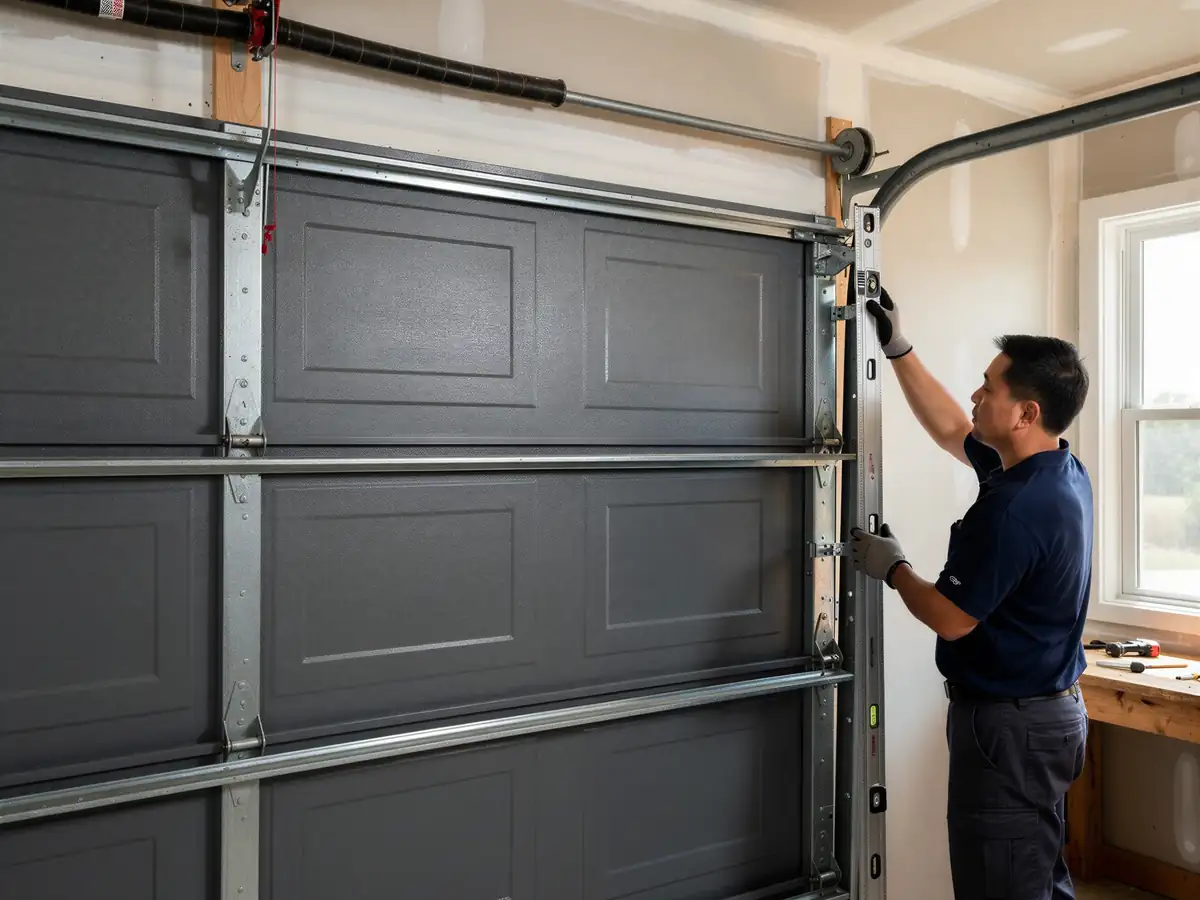
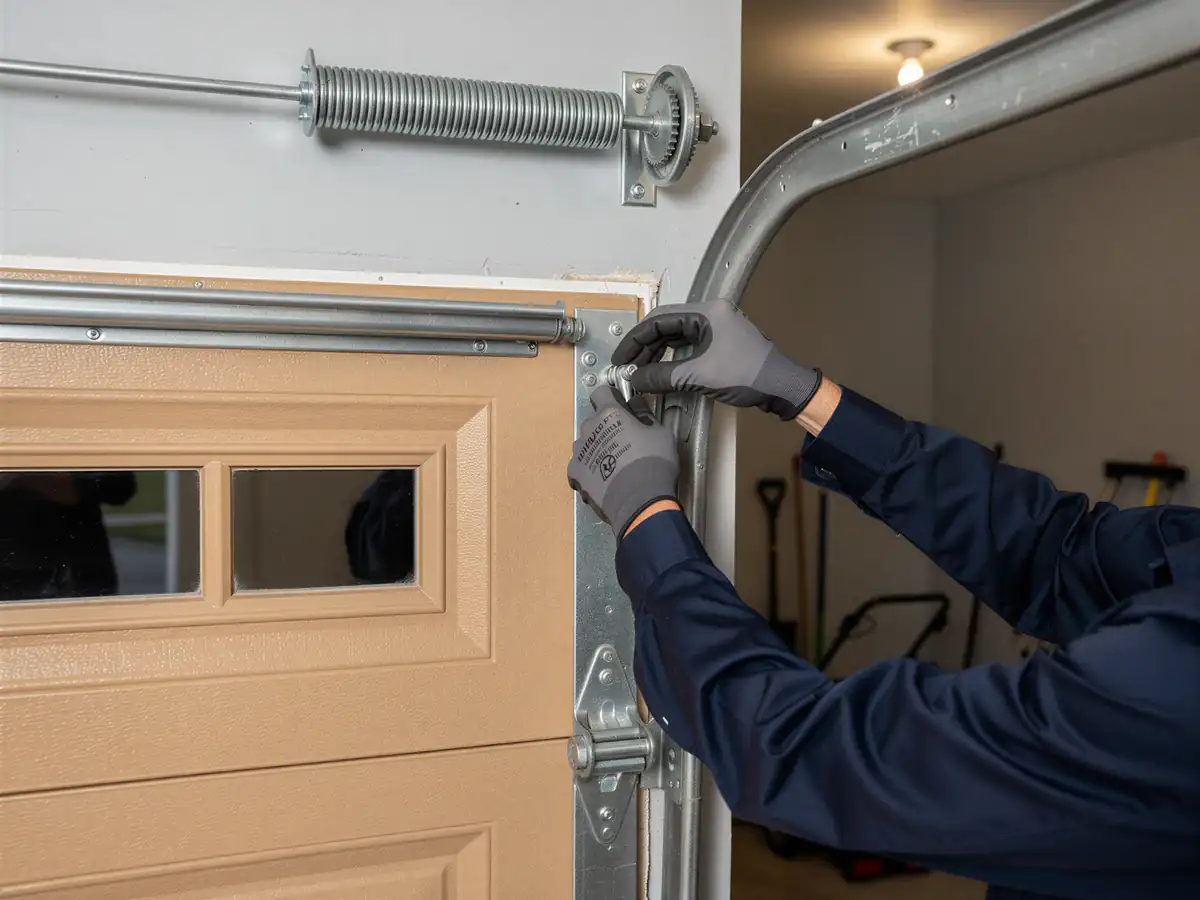
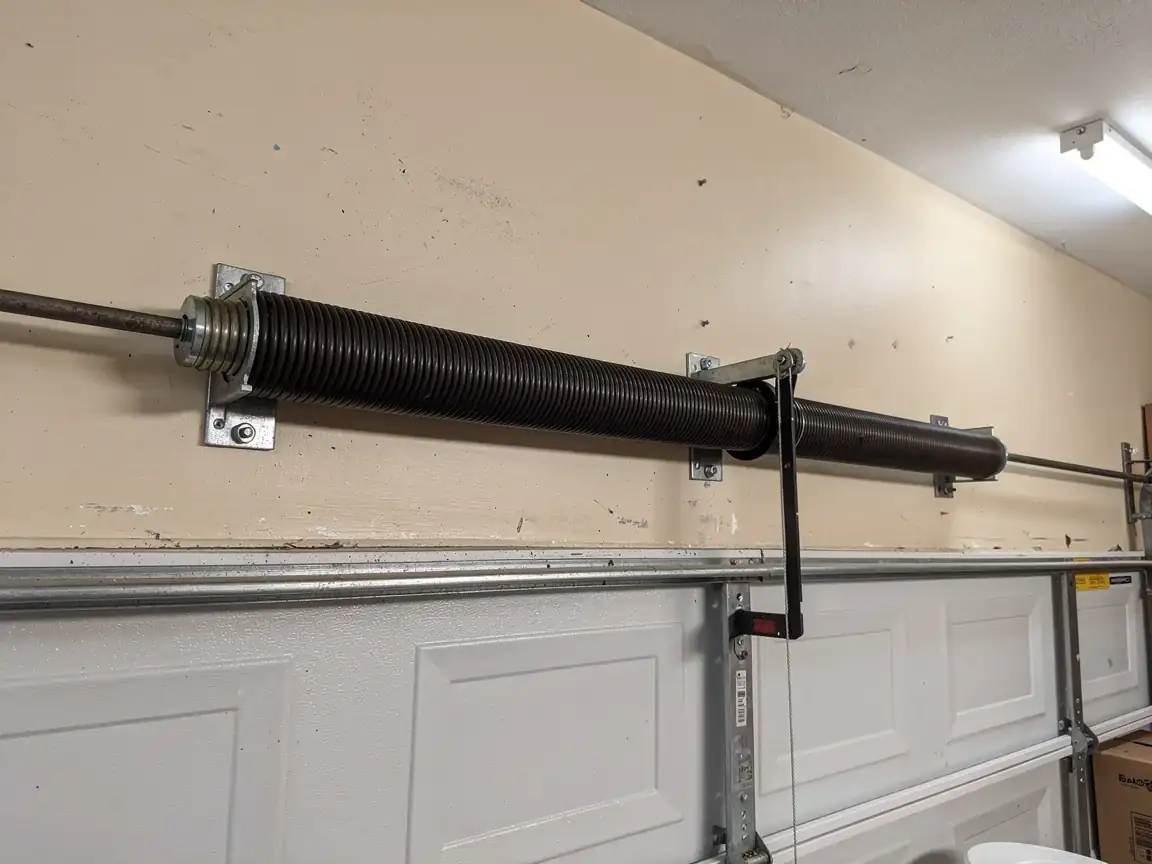
For a spring job, that means matching wire gauge and wind to the door's weight and the drum size already on the shaft - guessing on an older door with no visible spec plate is how you end up back out in six months. For an opener, it often means deciding whether to repair or replace: on a chain-drive unit from the 1980s building boom, parts availability is thin enough that replacement is usually the better call once the main gear or circuit board goes, even though a straightforward belt or chain adjustment is worth trying first.
We test under full load, not just open-and-close by eye, because a door that looks fine on an empty cycle can still bind once it's carrying its own weight through track that's shifted slightly over three or four decades. For households across the Gastonia area, where median income runs near $59,583, we try to be straight about repair-versus-replace rather than defaulting to the bigger job, especially on a door that's otherwise sound and just needs one part addressed.