What Causes It Around Here
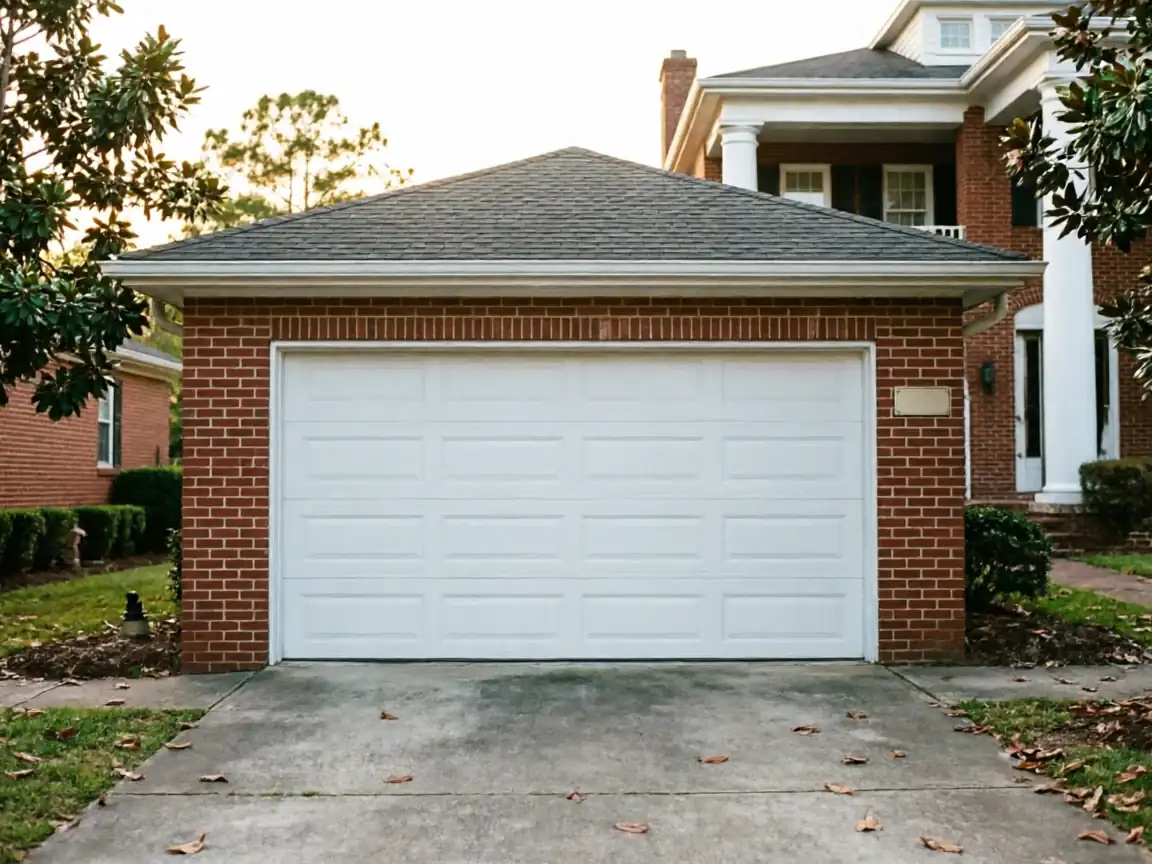
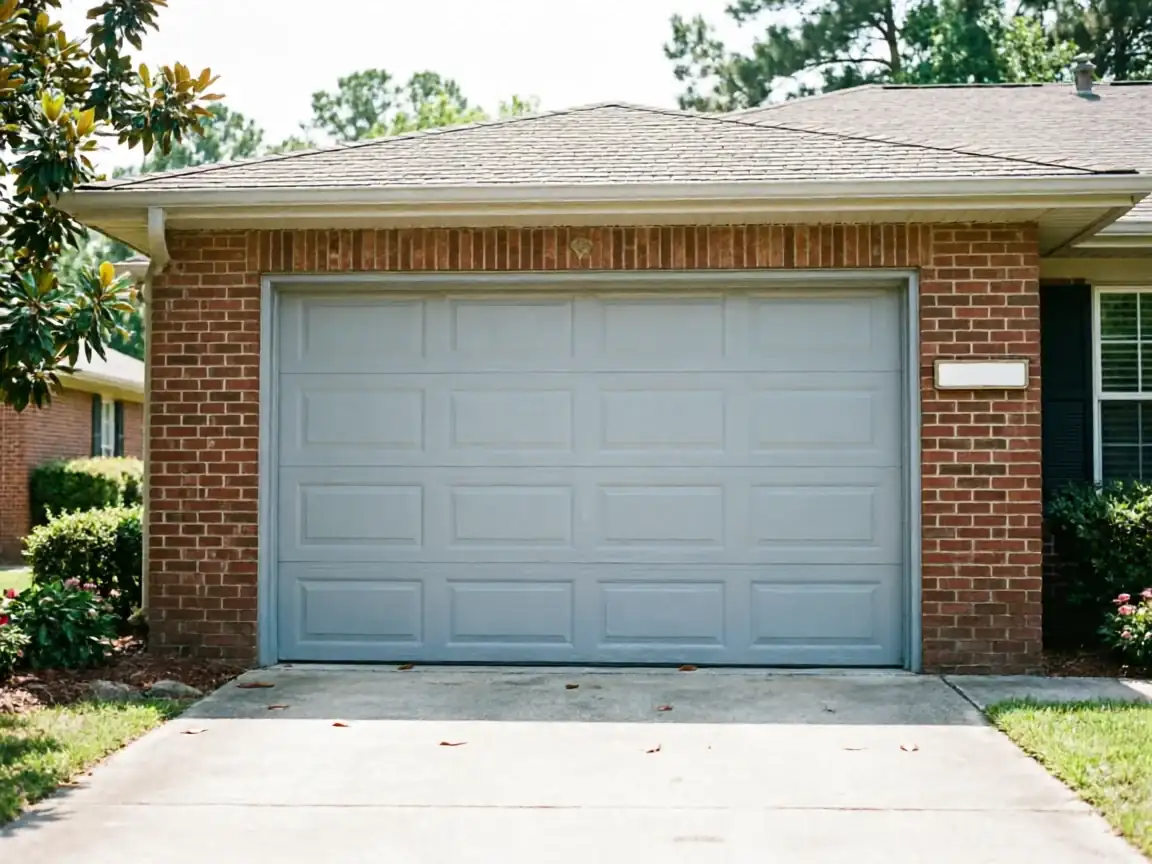
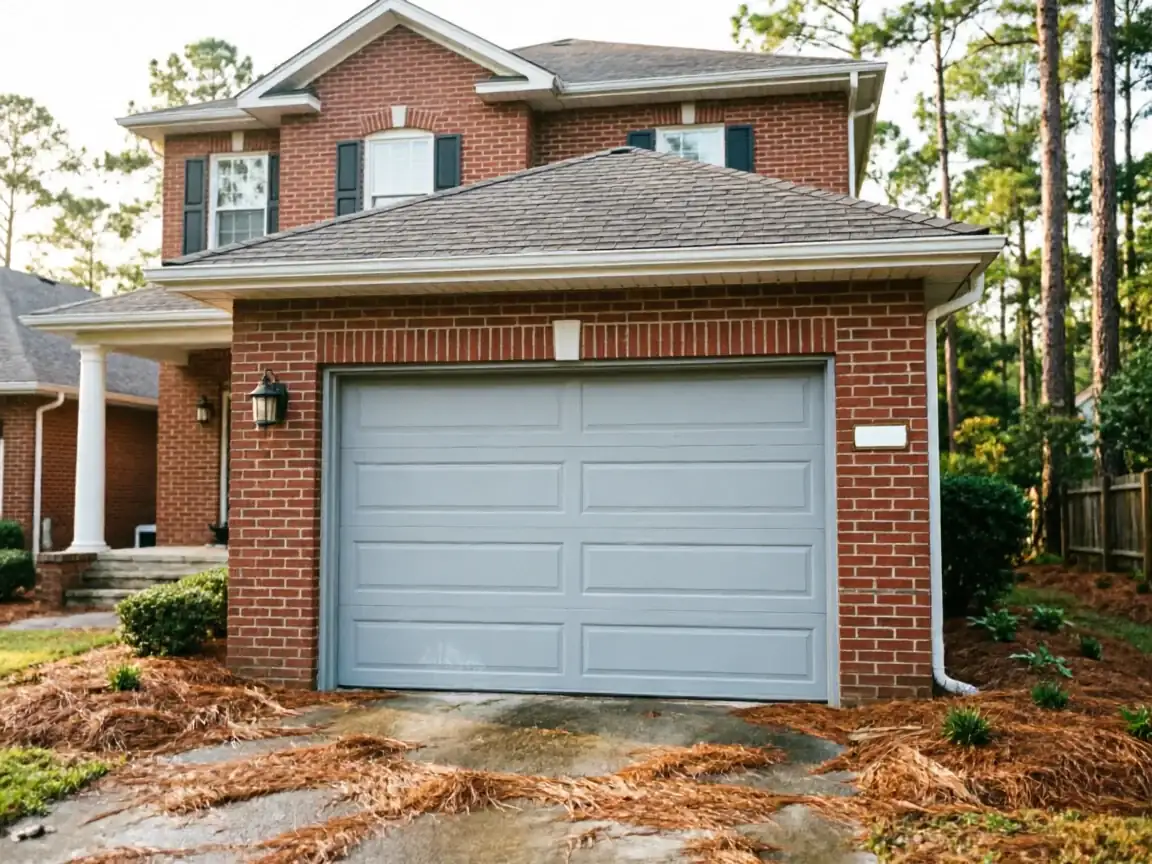
Most of the houses we work on in this area went up between 1967 and 2011, with the bulk of that stock dating to the 1980s and 90s. Doors from that era are steel sectional panels, usually two or three panels tall, hung on tracks that were never built to flex much. Thirty to forty years in, the steel has thinned at the stress points - bottom corners, the spots where rollers ride the track edge - and a single hard knock from a trailer hitch, a bike, or a basketball goes right through instead of just denting.
The climate here is cold-moderate, not the deep-freeze swings some regions get, but Gastonia still runs through real temperature drops overnight and into morning. Steel panels contract in the cold, and a panel that already has a hairline crack from an old impact will open that crack wider on a cold morning when the door cycles. That's a big part of why panel failures on these older sectional doors tend to show up or get worse as the weather turns, even without a new impact.
We're not seeing wood rot problems here the way you would in a wetter climate - steel is steel, it dents and cracks, it doesn't swell. That keeps the failure mode simpler, which is good news for the repair.
Time on the Job
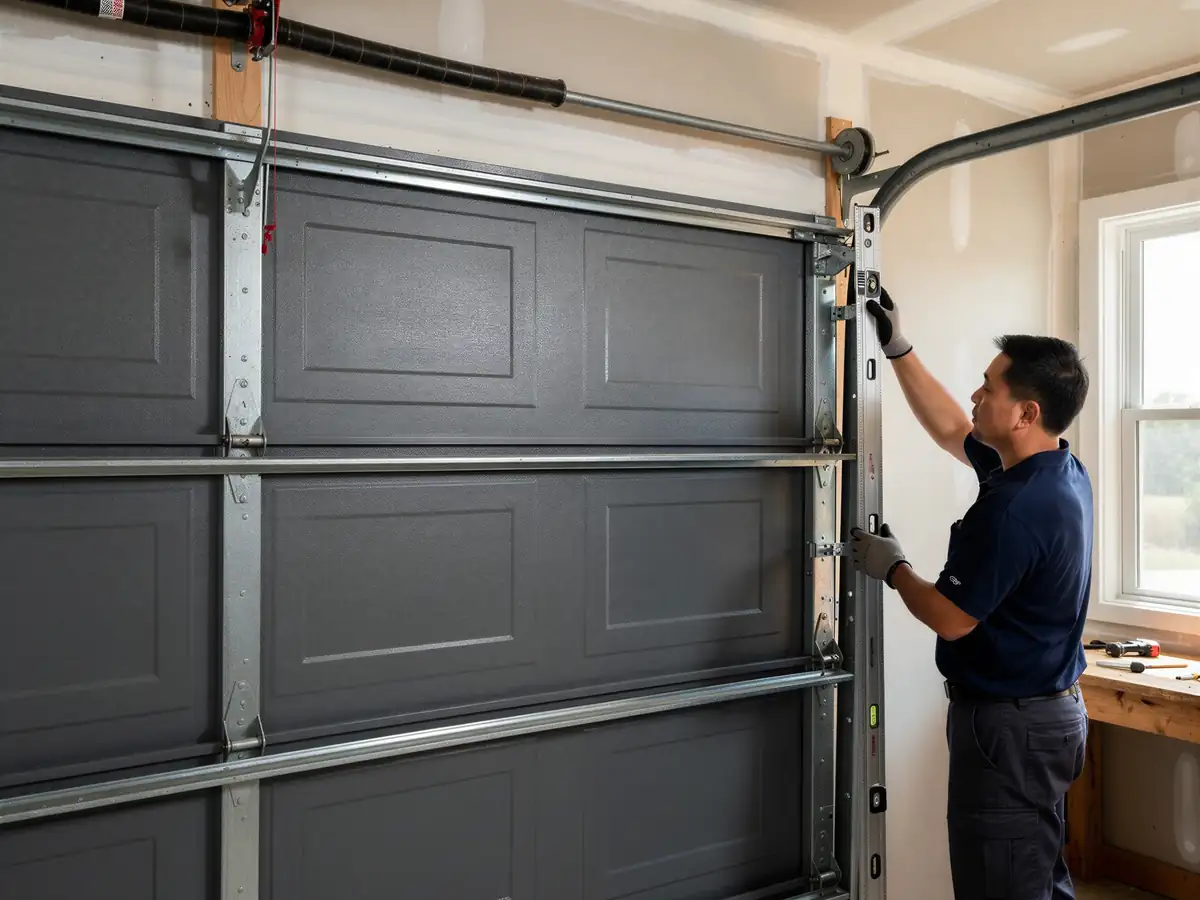
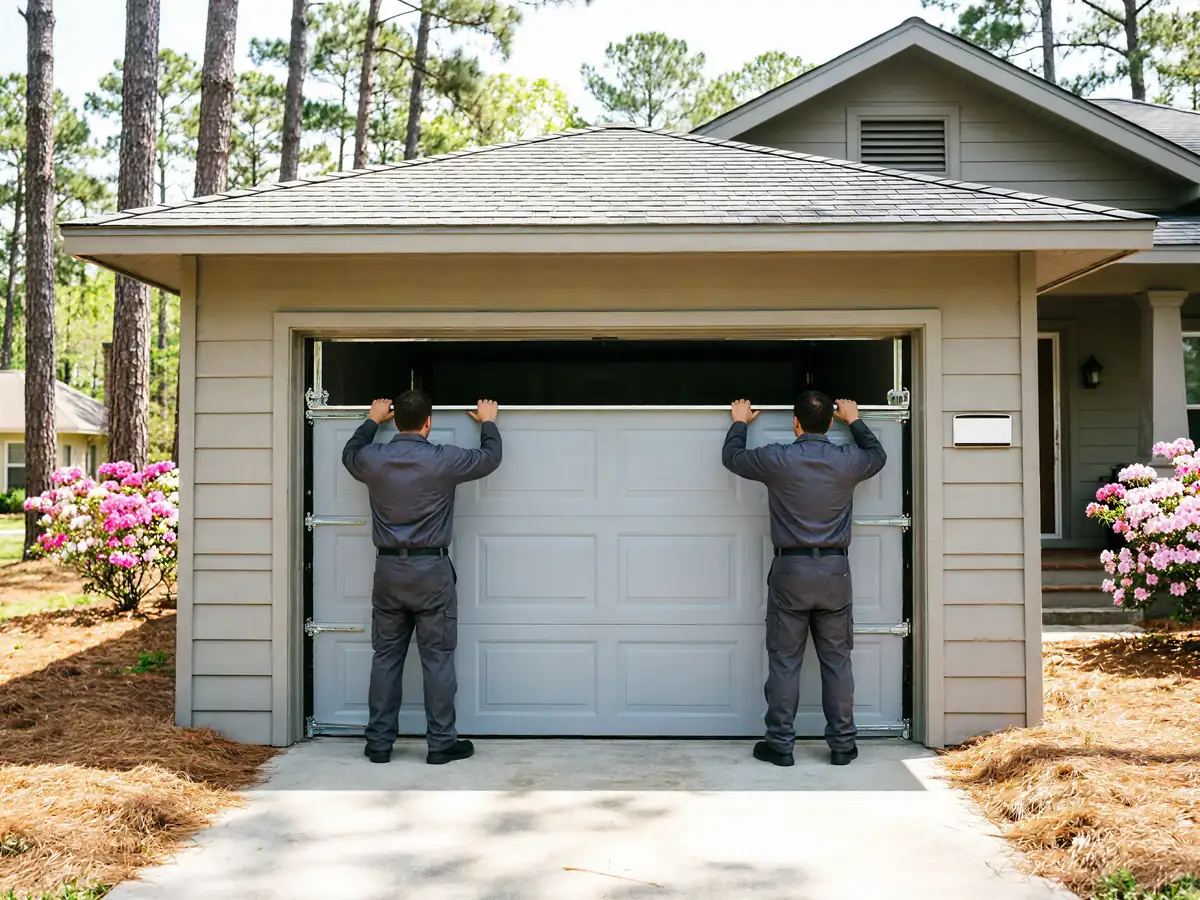
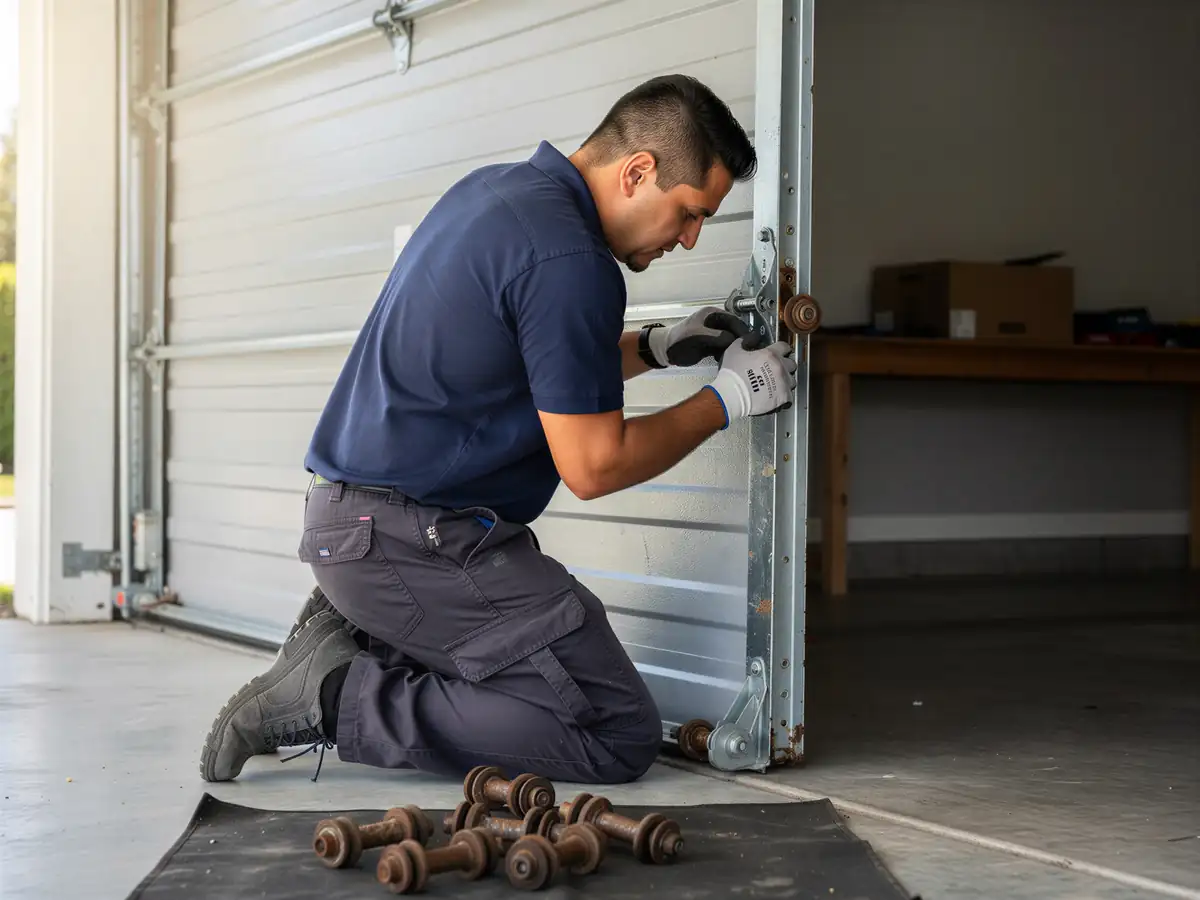
A single-panel swap on a standard double door, once we've got the matching panel on the truck, usually runs under two hours - unbolt the end hinges and rollers, slide the bad panel out, slide the new one in, rehang hardware, balance-check the spring. Multi-panel jobs or anything where the track took damage along with the panel run longer, because we're squaring up more hardware, not just one section.
The variable that actually eats time isn't labor, it's matching. Doors from the 1980s and 90s stock common to this area were made by a handful of manufacturers in a narrow set of panel profiles and colors, so matching an existing panel is usually straightforward. Doors outside that window - either older originals or newer builds with discontinued finishes - take longer to source, and sometimes the honest answer is that a perfect color match isn't available and we tell you that up front rather than guess.
What You Are Seeing
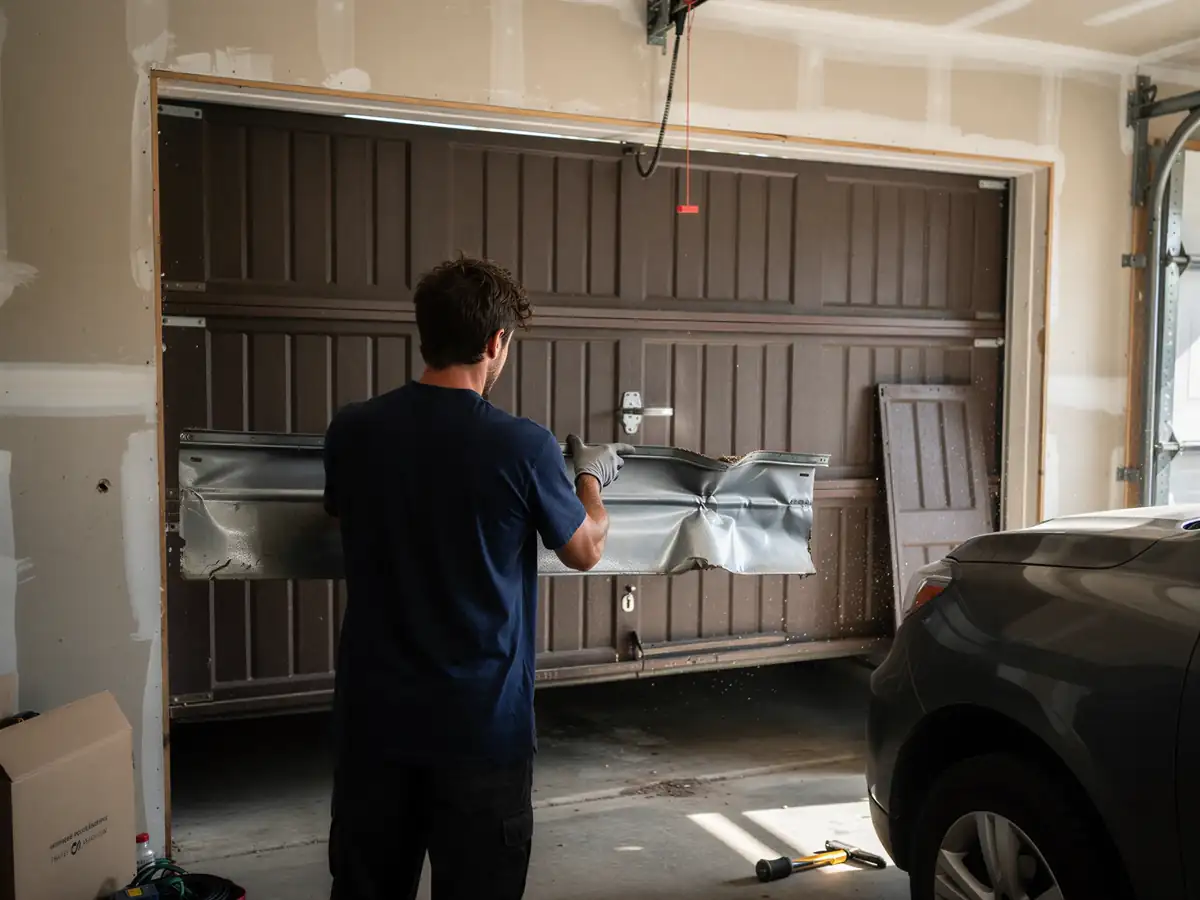
The obvious case is a crease or a hole you can see from the driveway
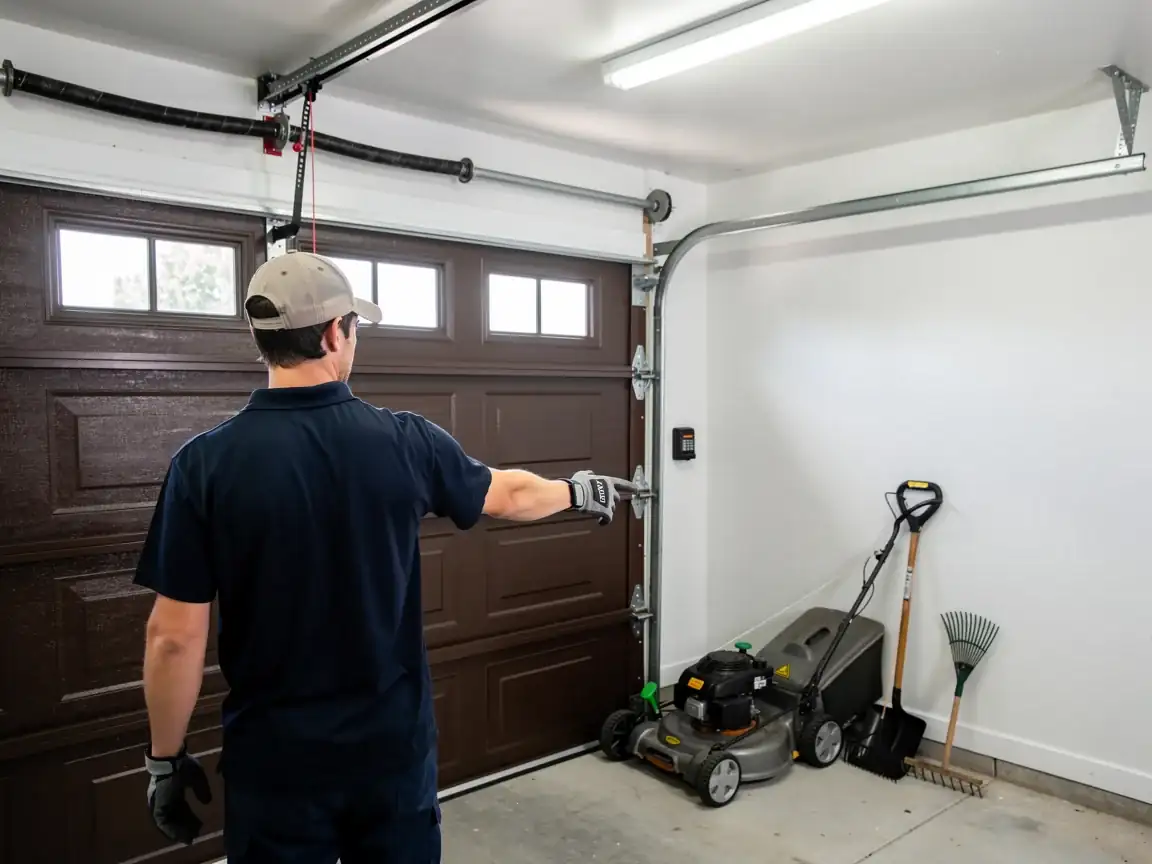
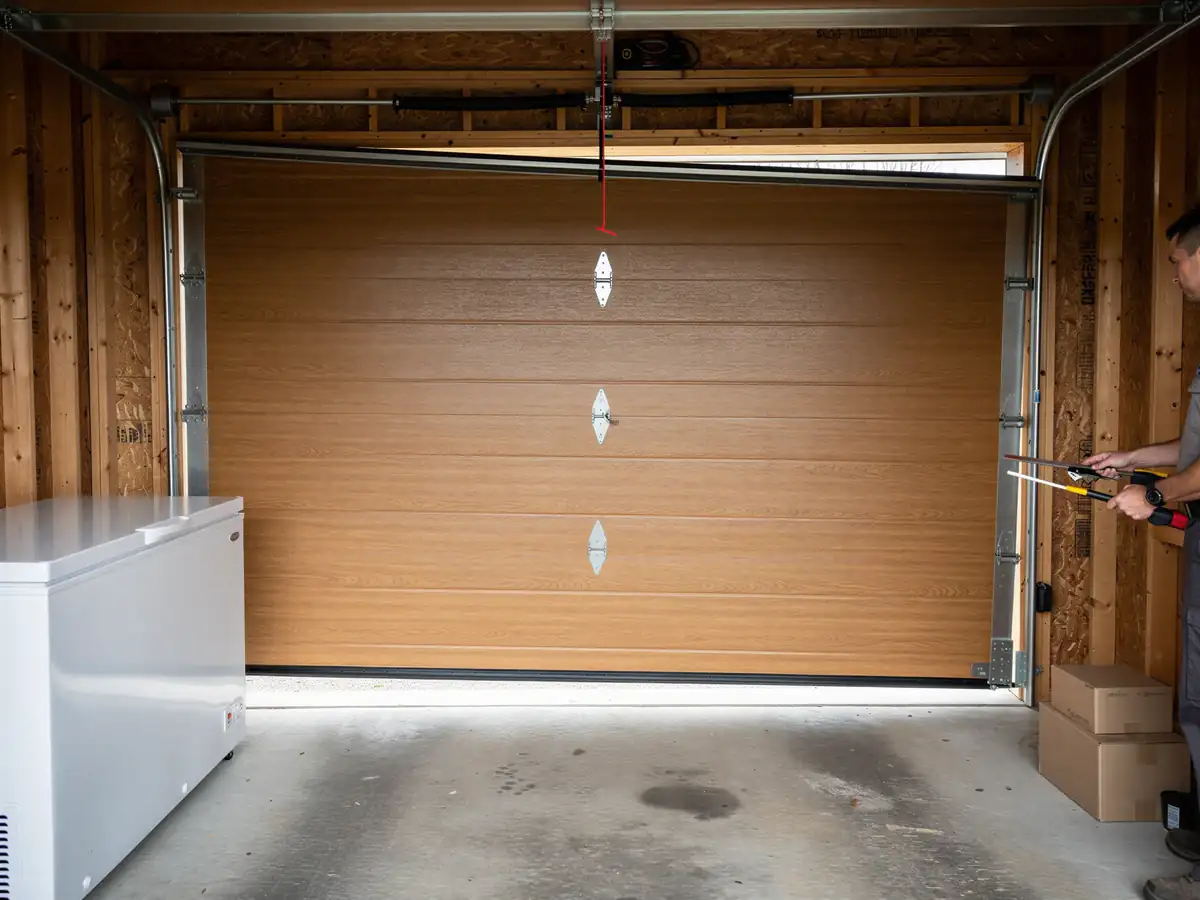
A dent that's gone from cosmetic to structural, where the panel has lost its shape enough that it's binding against the track or leaving a gap at the bottom when the door closes. That's a clear panel-replacement call.
The less obvious case is a door that looks fine standing still but shudders or pops when it moves
That's often a panel with a crack along a hinge mount or a corner that's torn loose from the skin, something you won't catch from across the yard but you'll hear every time the door cycles. On the older end of our area's housing stock - anything pushing toward the early end of that 1967 build range - we also see panels where the steel itself has thinned enough from age and weather cycling that the hinge screws have started to pull through, not because anyone hit it, just decades of opening and closing.
If you're only seeing surface scuffs and shallow dings with no crease and no binding, that's cosmetic, and panel replacement is probably more than the problem calls for
What the Repair Takes
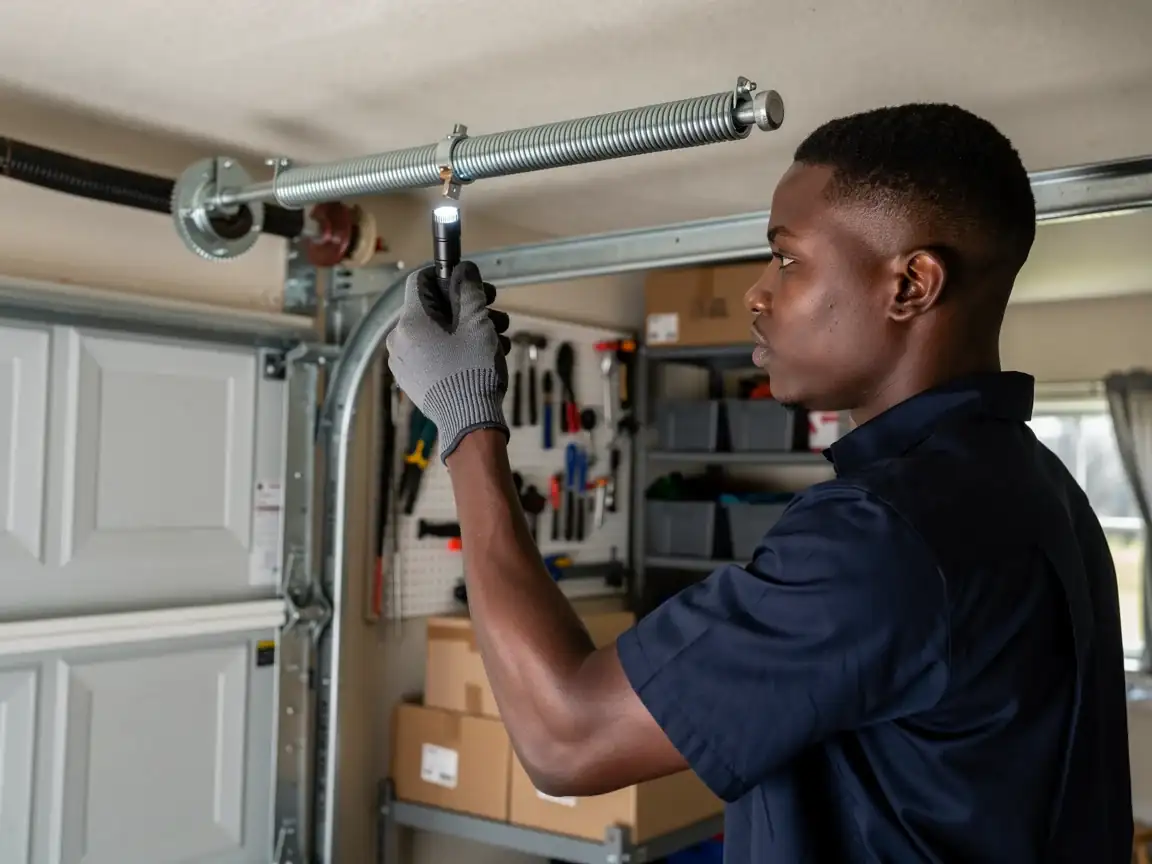
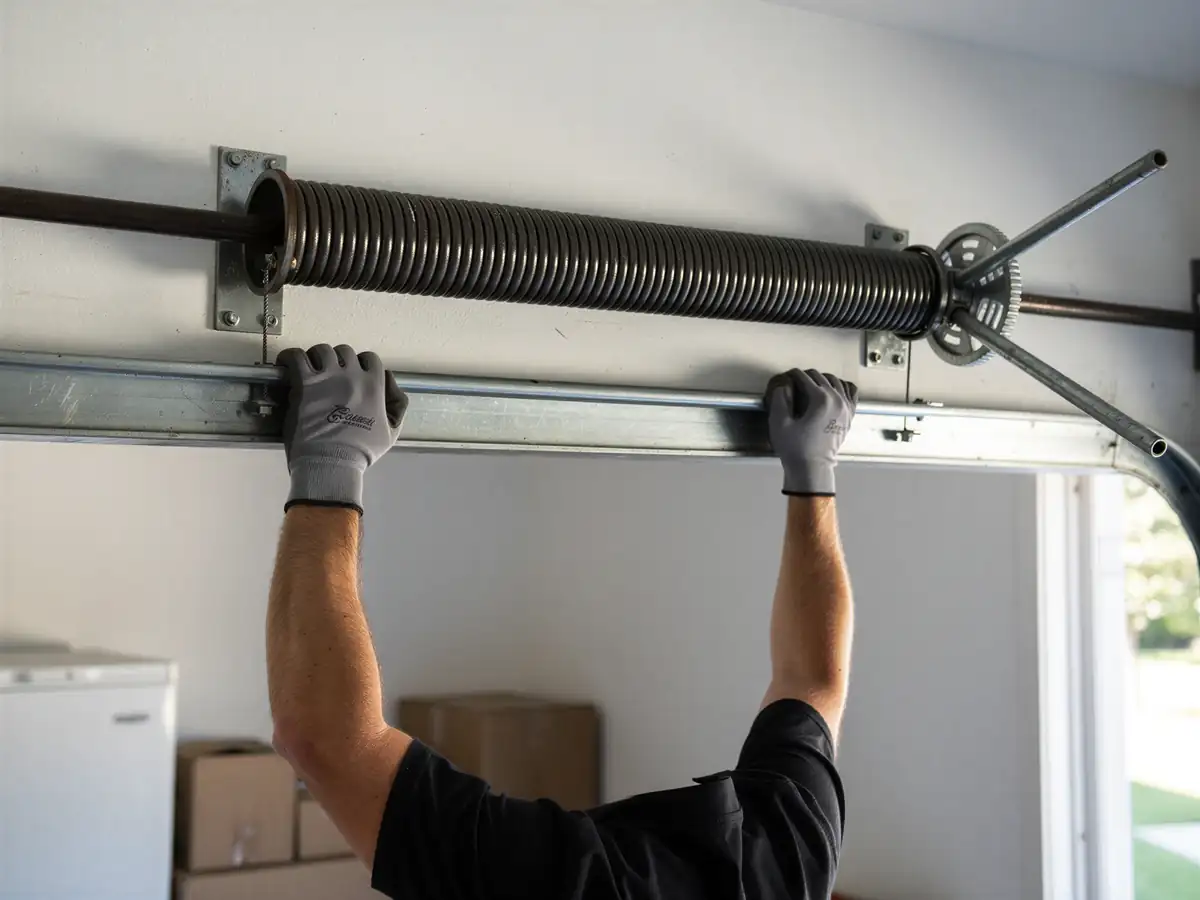
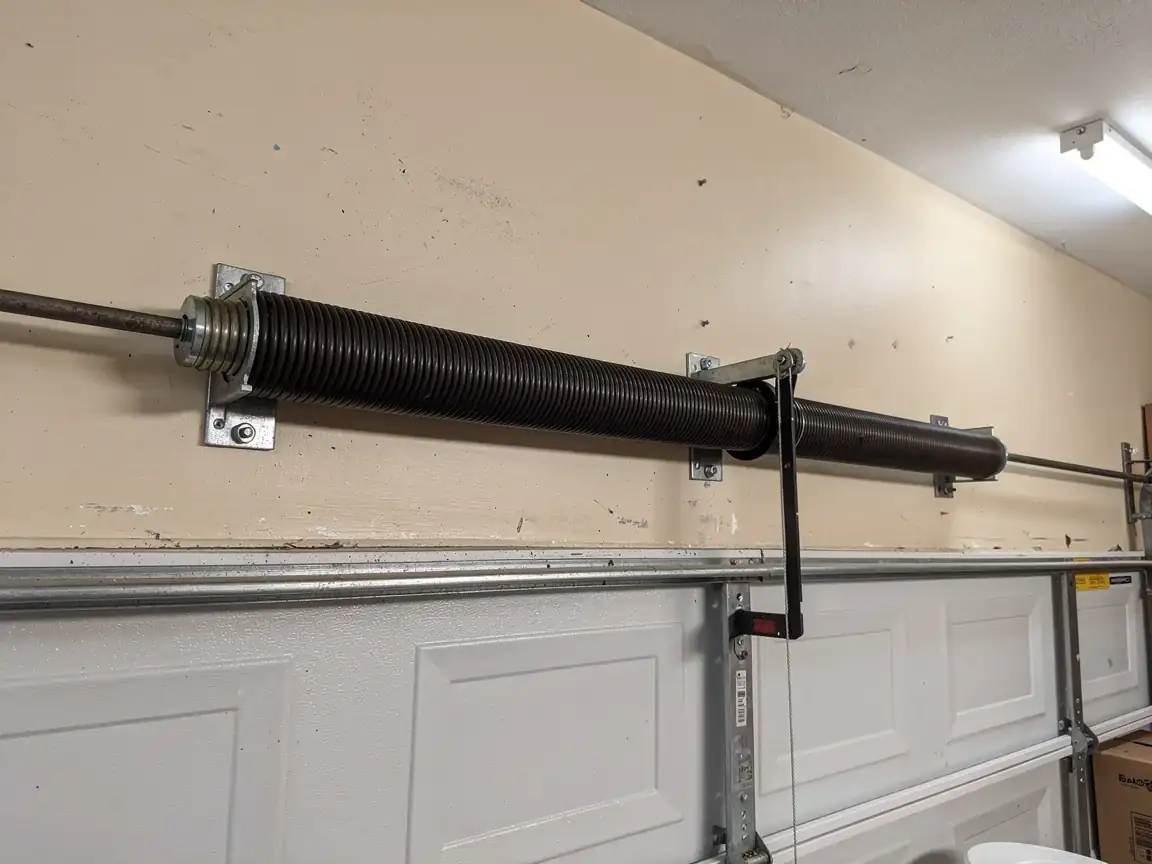
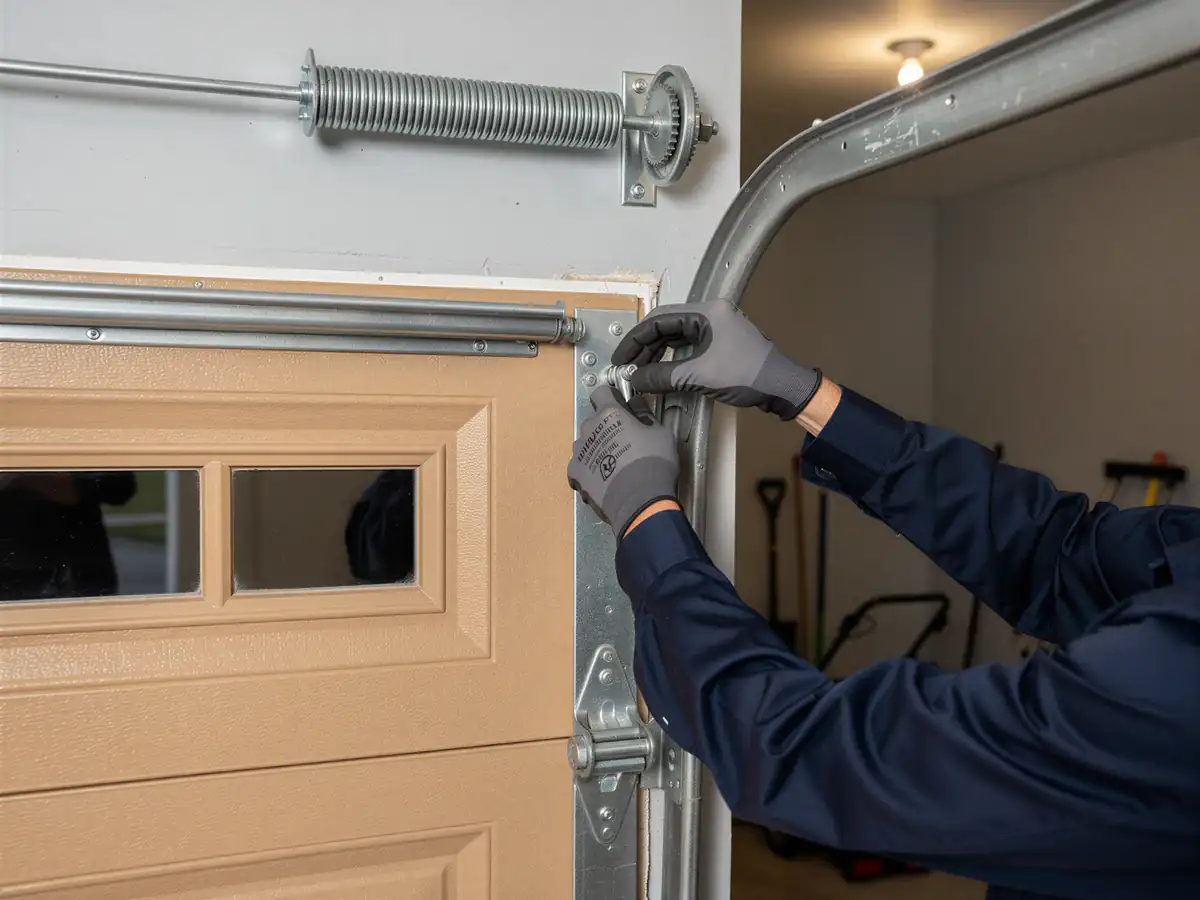
Panel replacement means removing the damaged section's hardware - hinges, rollers, sometimes the strut if it's bent - swapping in a new or matched panel, and rehanging everything so the door tracks true. On a torsion-spring door, we don't touch the spring itself unless the imbalance from the bad panel has stressed it, but we always recheck balance after the swap because a door that was fighting a warped panel for months can throw the spring tension off even after the bad panel's gone.
Here's the limitation worth knowing: if more than two panels on an older door are damaged, or if the track's bent along with the panel, panel-by-panel replacement stops making sense financially - at that point a full door replacement usually costs less over the life of the door than chasing discontinued panel matches one at a time. We'll tell you straight when you've hit that line instead of selling you parts that don't add up.