What Causes It Around Here
Most of the garage doors we open up in Gastonia are still running hardware from when the house was built. Housing stock here runs from 1967 to 2011, with the median build year sitting at 1983, and across the 17 areas we cover that 1980s-90s run of construction is the norm, not the exception. That means a lot of torsion springs, drums, and cable sets are 30 to 40 years old, well past the cycle count they were rated for.
The other half of the problem is the climate band Gastonia sits in: cold moderate. We don't get brutal winters, but we get enough swings below freezing that steel springs contract, lubricant inside the opener gearbox thickens, and cheap nylon rollers from a 1980s install turn brittle and crack. A door that closed fine in September starts binding or dropping hard by January, and it's not the door getting worse so much as 40-year-old steel losing its give in the cold.
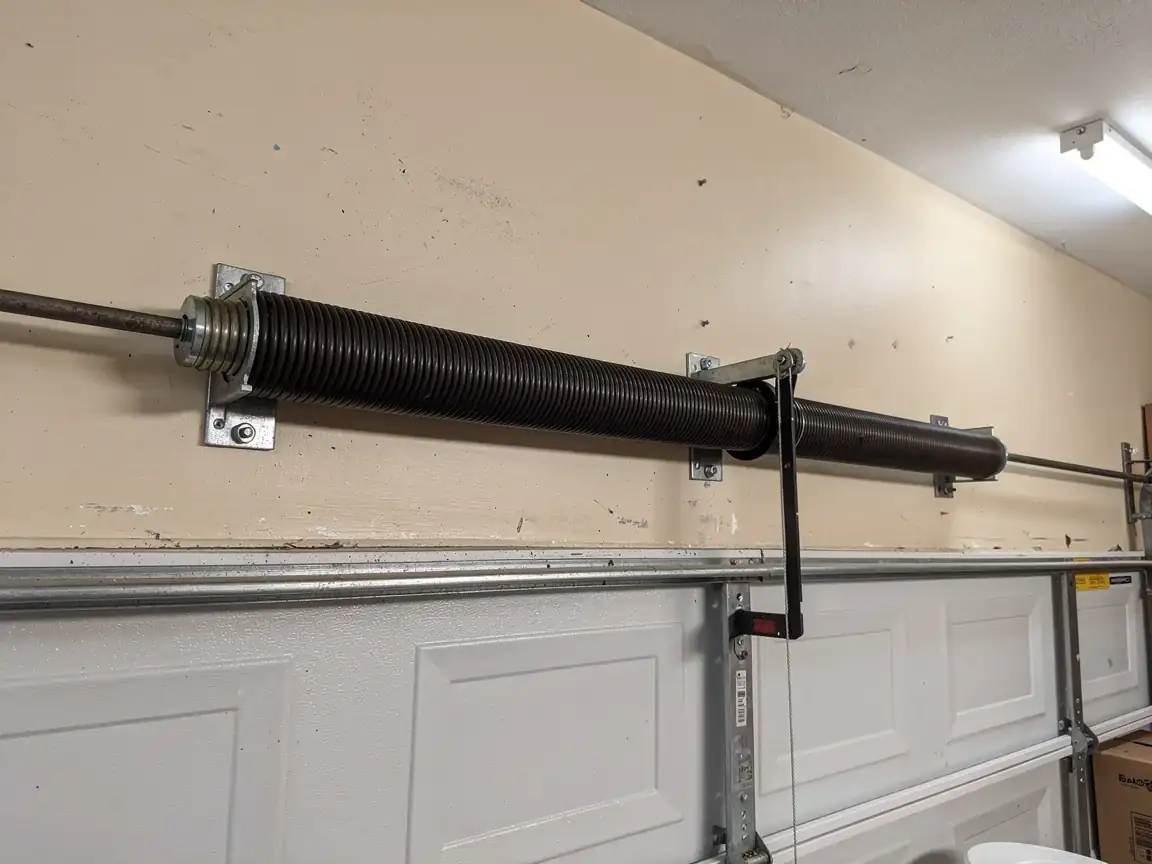
Homes built closer to 1983 often still have the original single torsion spring setup, which was standard then and isn't what we'd put in today. When one of those lets go, it tends to go all at once, not gradually, which is why so many calls start with 'it worked yesterday.'
Time on the Job
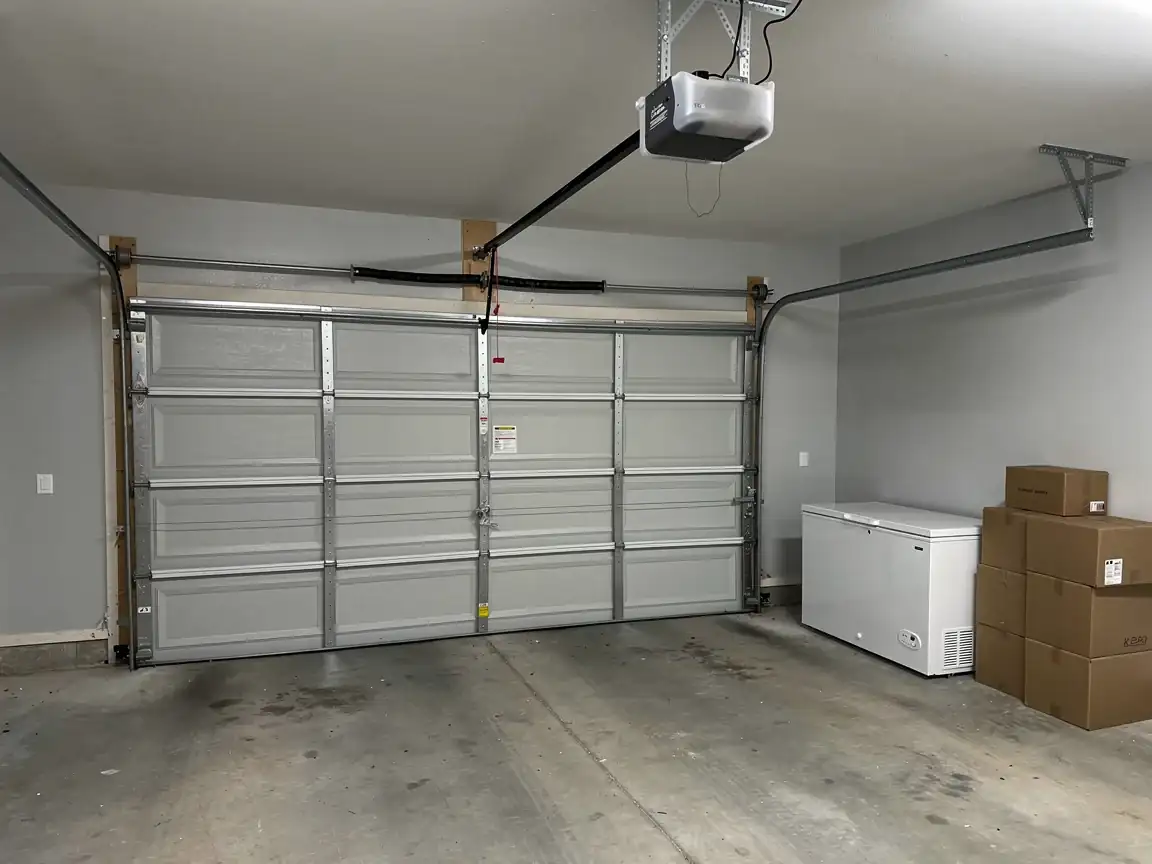
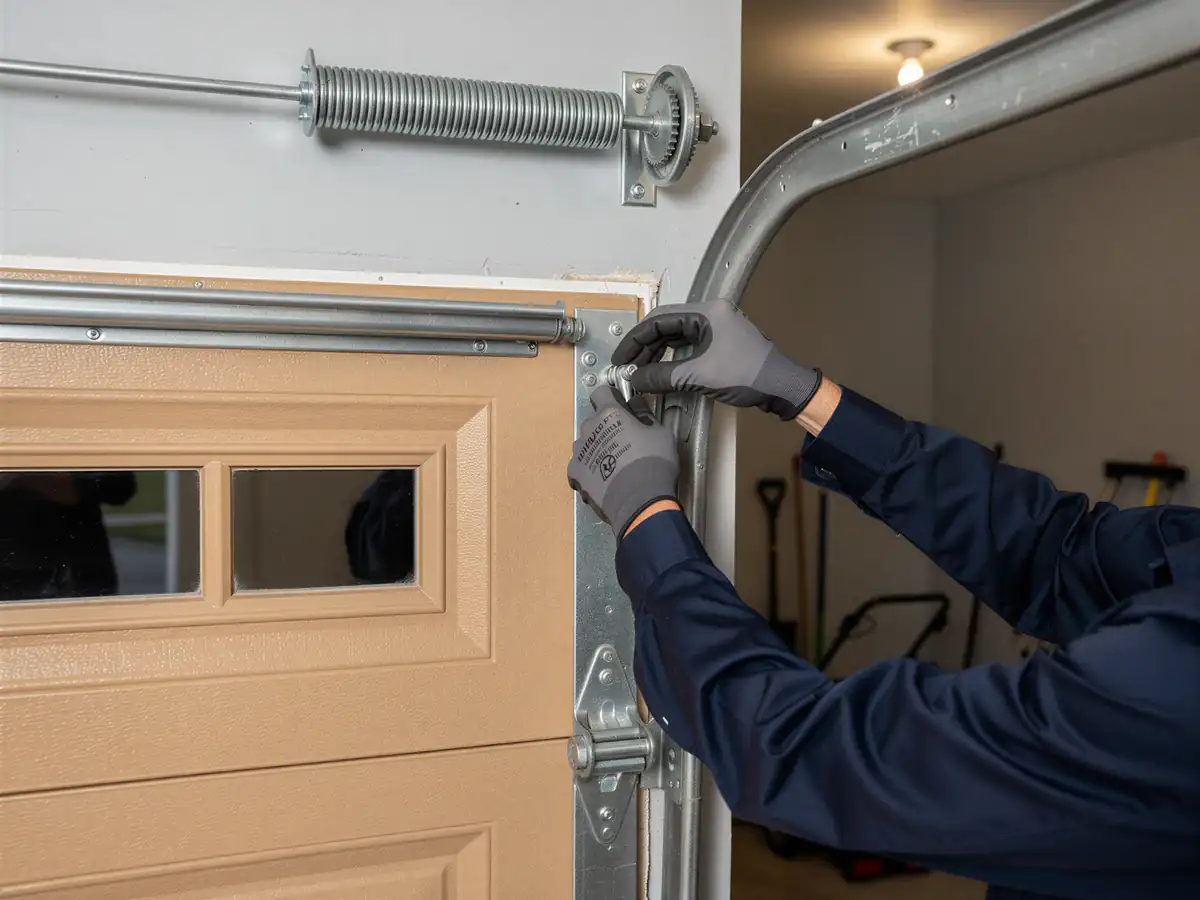
A broken torsion spring on a standard double door is usually the fastest fix we do - most of the 1980s and 90s builds in this area used a single spring sized for a lighter door, and swapping it is routine once we're on site. Opener issues take longer to sort out because gearbox wear and worn drive components don't always show themselves until we have the cover off.
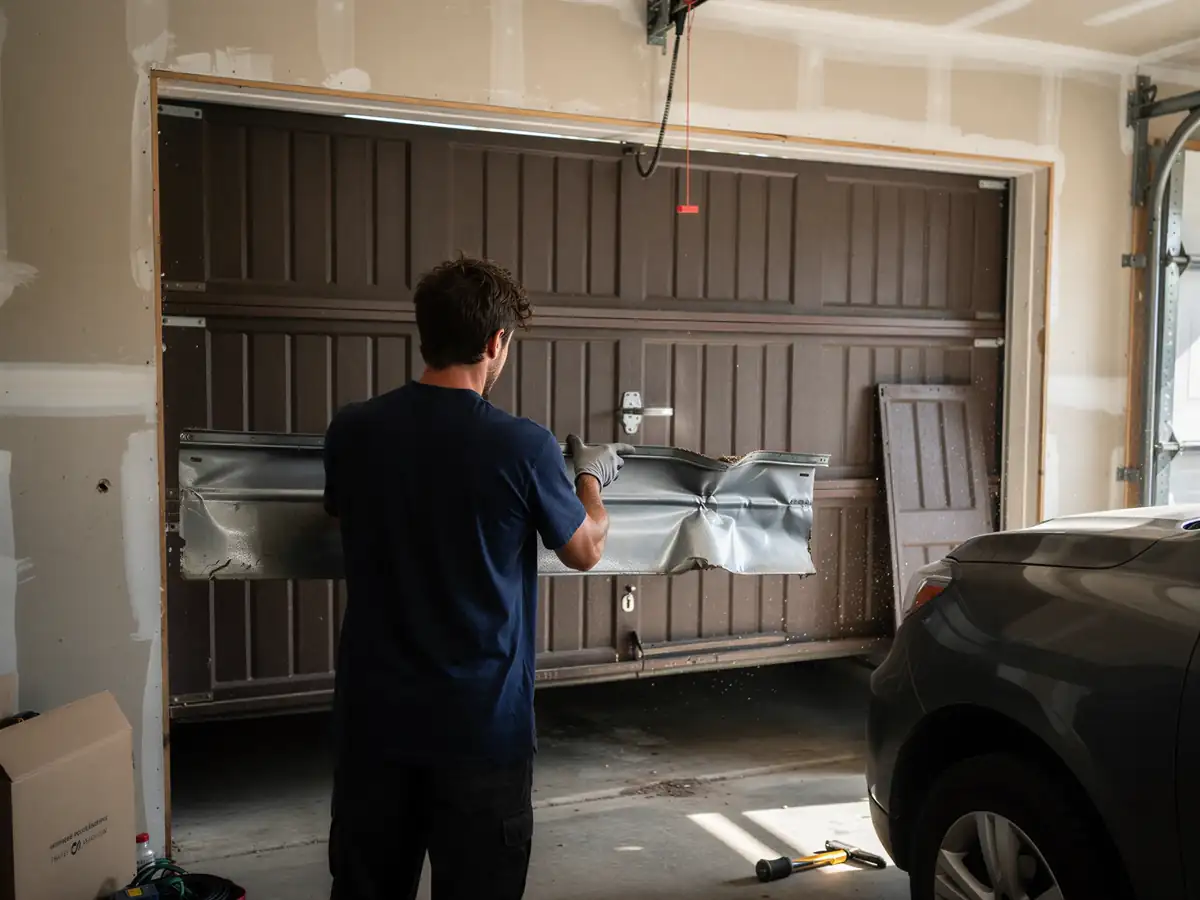
We won't pretend every job is quick. If a cable has jumped the drum on an older low-headroom setup, or if a panel has rusted through near the bottom where water collects, that's a longer job and sometimes a parts order. We tell you that up front rather than quoting a fast time and missing it.
What You Are Seeing
The most common call we get from the older side of Gastonia's housing stock is a door that won't budge and a garage full of what sounds like a dead opener motor
Nine times out of ten that's a snapped torsion spring, not the opener at all. The spring did the lifting; the opener was never built to muscle a door on its own, and trying to force it usually burns out the motor too.
Second most common
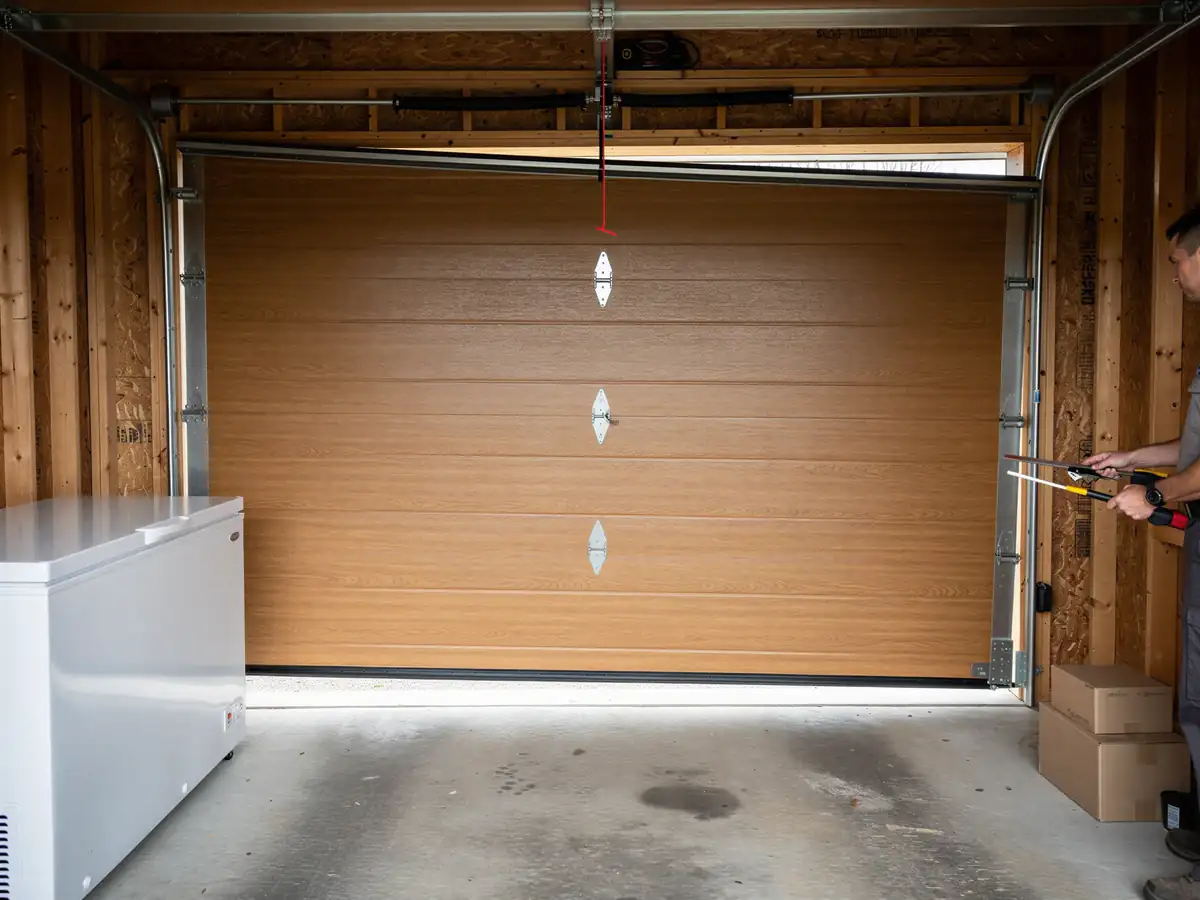
A door that closes but reverses halfway, or closes slow and uneven on one side. On houses from the 1983-vintage median, that's often a cable that's stretched or frayed on one drum while the other side is still tight, which throws the door off level. You'll also see this on doors with original rollers - the steel wheel on one track and a cracked nylon one on the other side drag at different speeds.
Less common but not rare
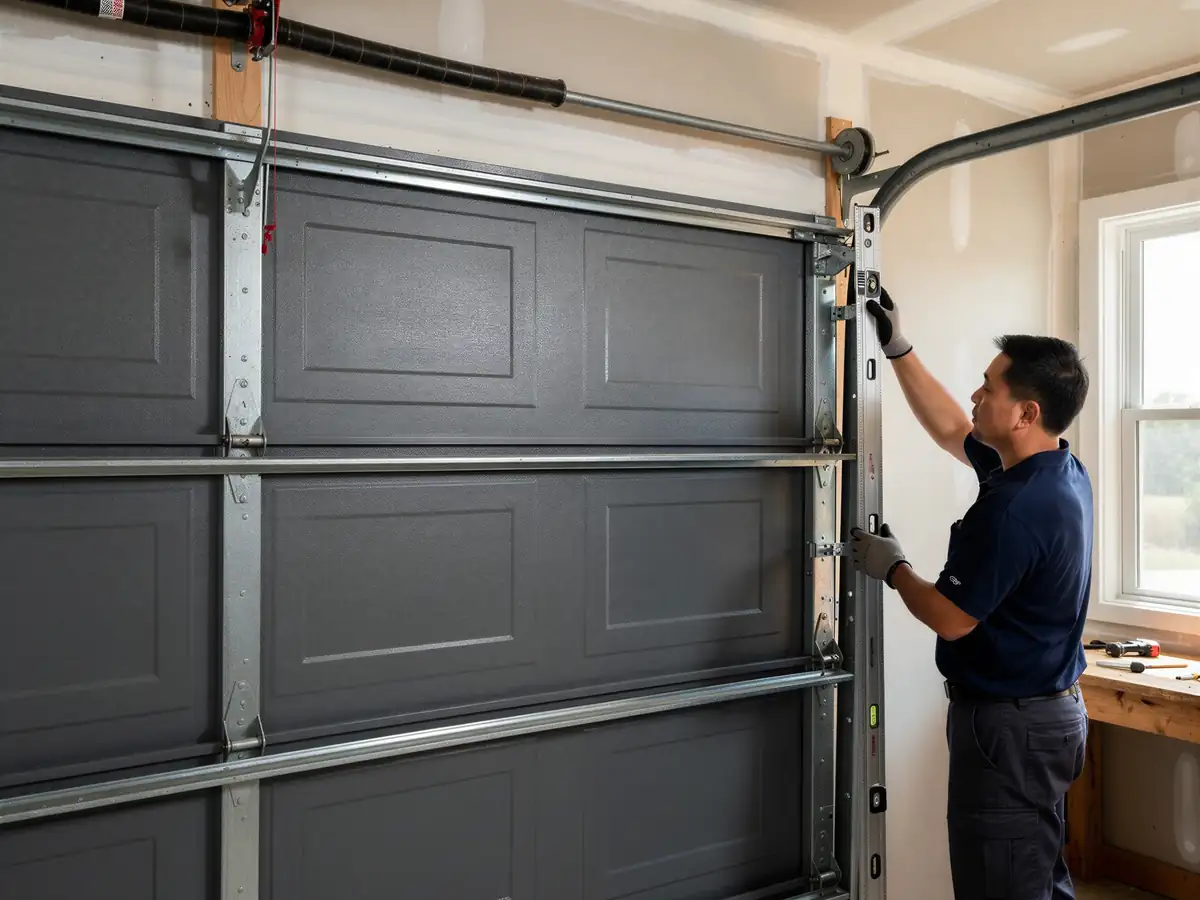
A door that opens but won't fully seat at the bottom, leaving a gap along the slab. In cold weather that gap gets noticed fast because it's where the draft comes in. That's usually a worn bottom seal or a track that's shifted slightly out of plumb over the decades, not something new.
What the Repair Takes
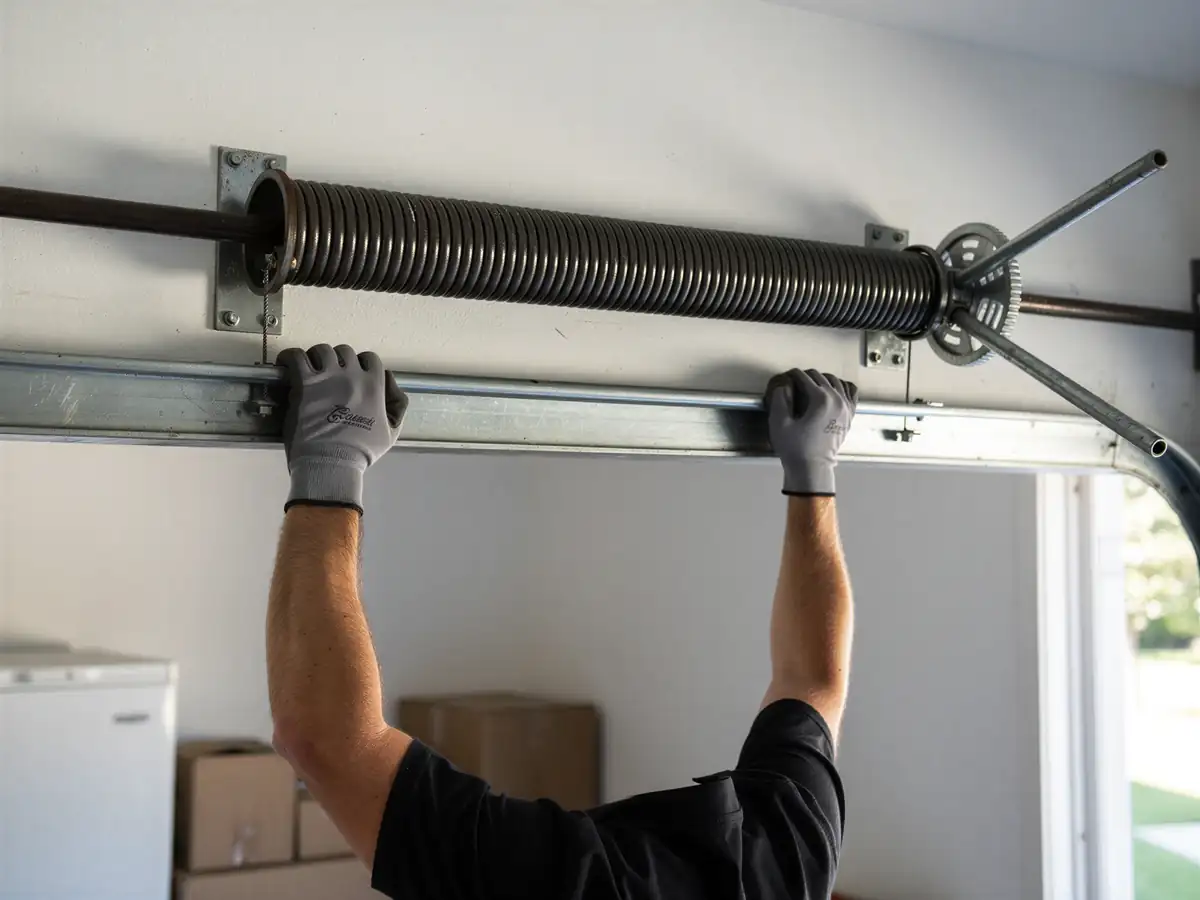
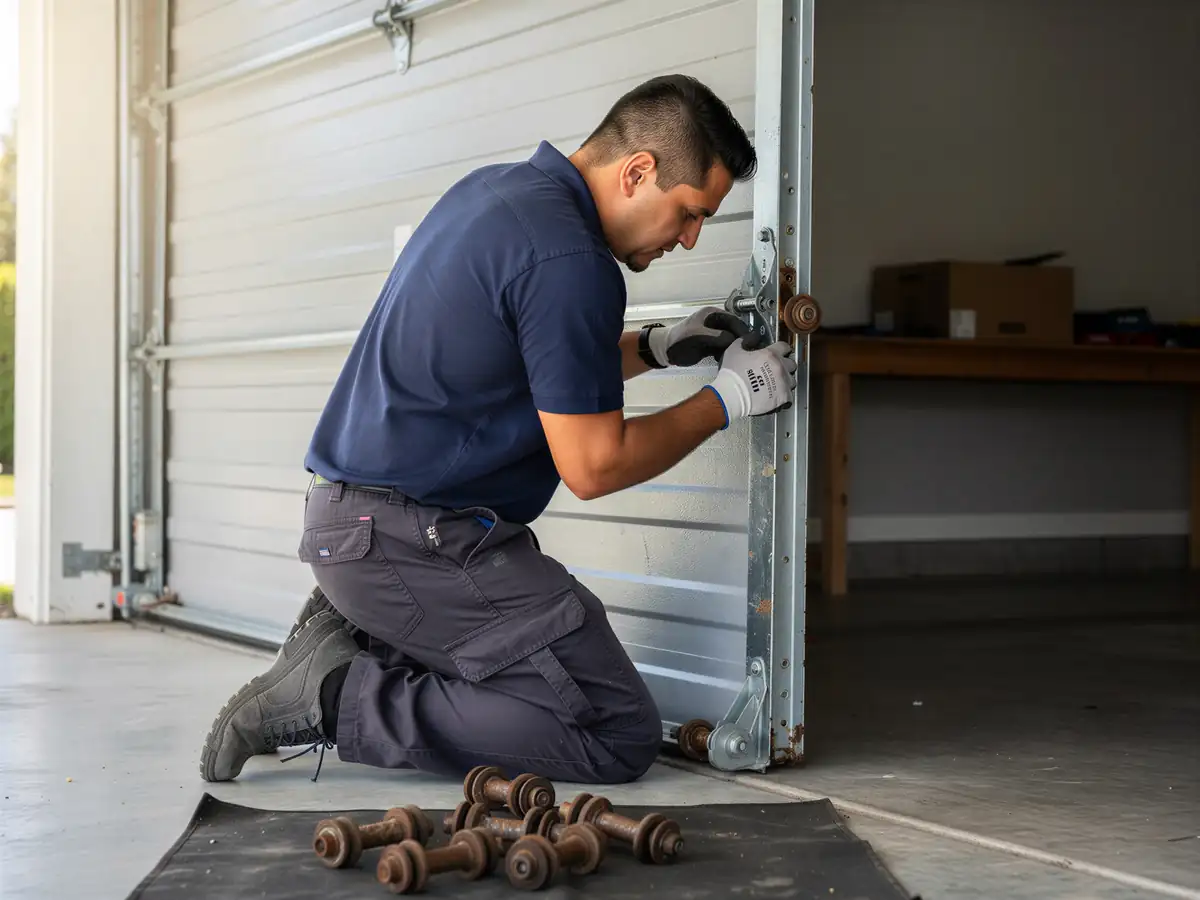
For a spring replacement, we're matching the wind and wire gauge to the door's actual weight, not just swapping in whatever's on the truck - a lot of the doors we see here were under-sprung from the factory, which is part of why they've failed early. We balance the door afterward so the opener isn't doing lifting work it was never meant to do.
For cable and roller jobs on the older housing stock, we replace in pairs where it makes sense, since a new cable paired with a stretched one just means the stretched one fails again within a year or two. We carry standard sizing for the door widths common across Gastonia's 1980s-90s production homes, so most of these don't need a special order.
One limitation worth saying plainly: if a door is original to a house built in the 1960s or 70s, parts can be harder to source, and sometimes the honest answer is that replacement costs less over time than chasing discontinued hardware. We'll tell you when we think that's the case instead of patching something that'll be back on our schedule in six months.