What Causes It Around Here
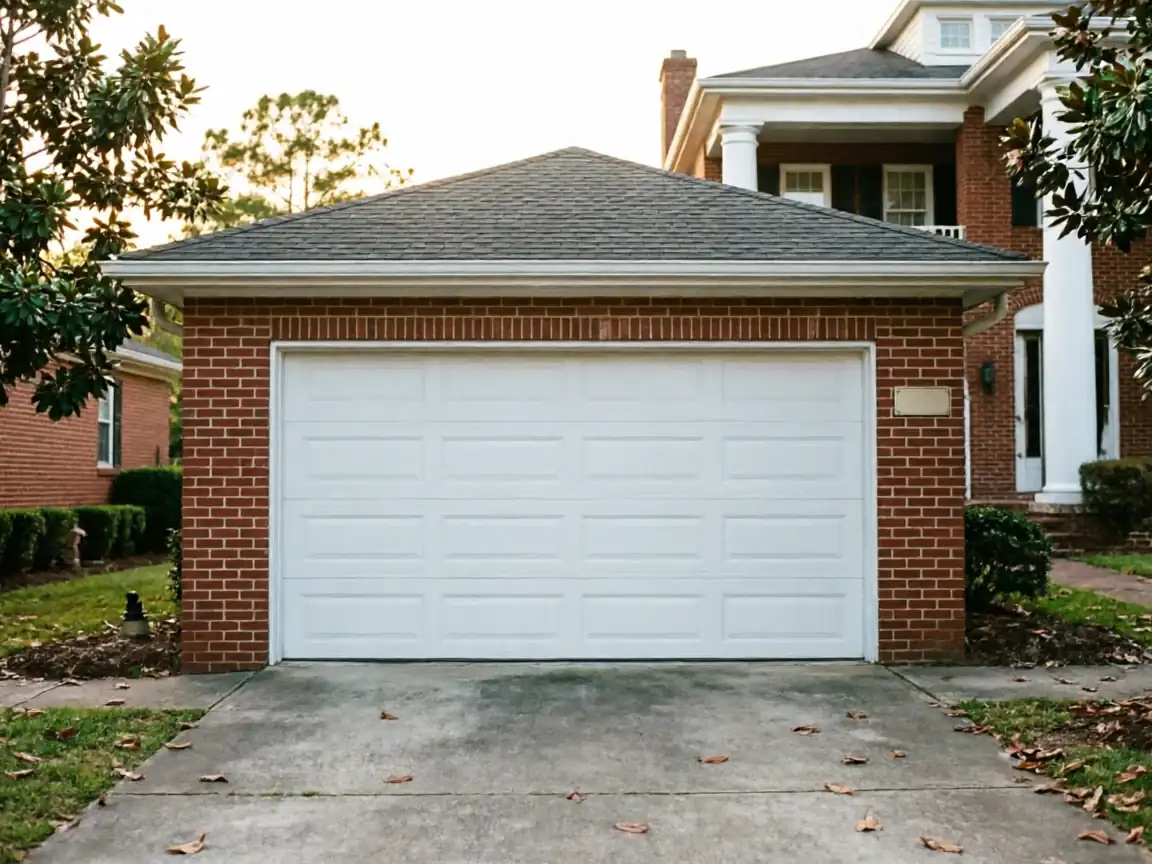
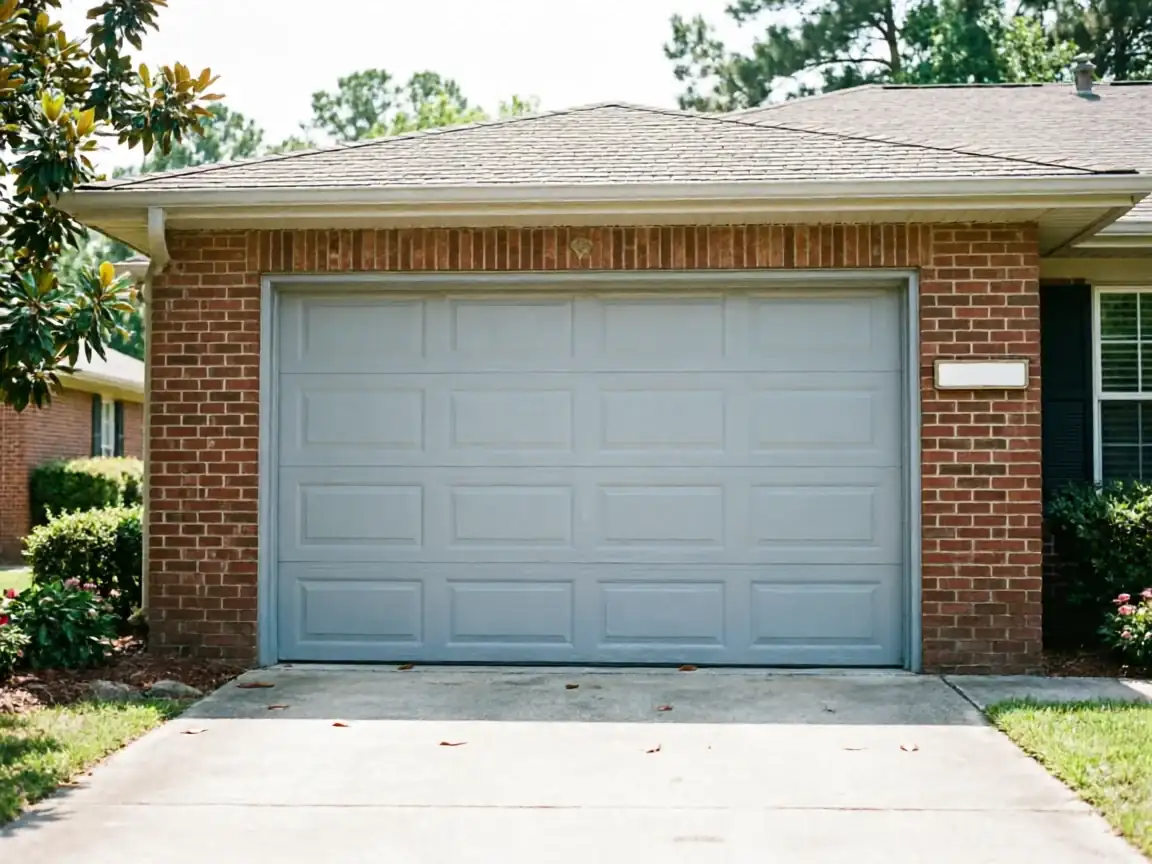
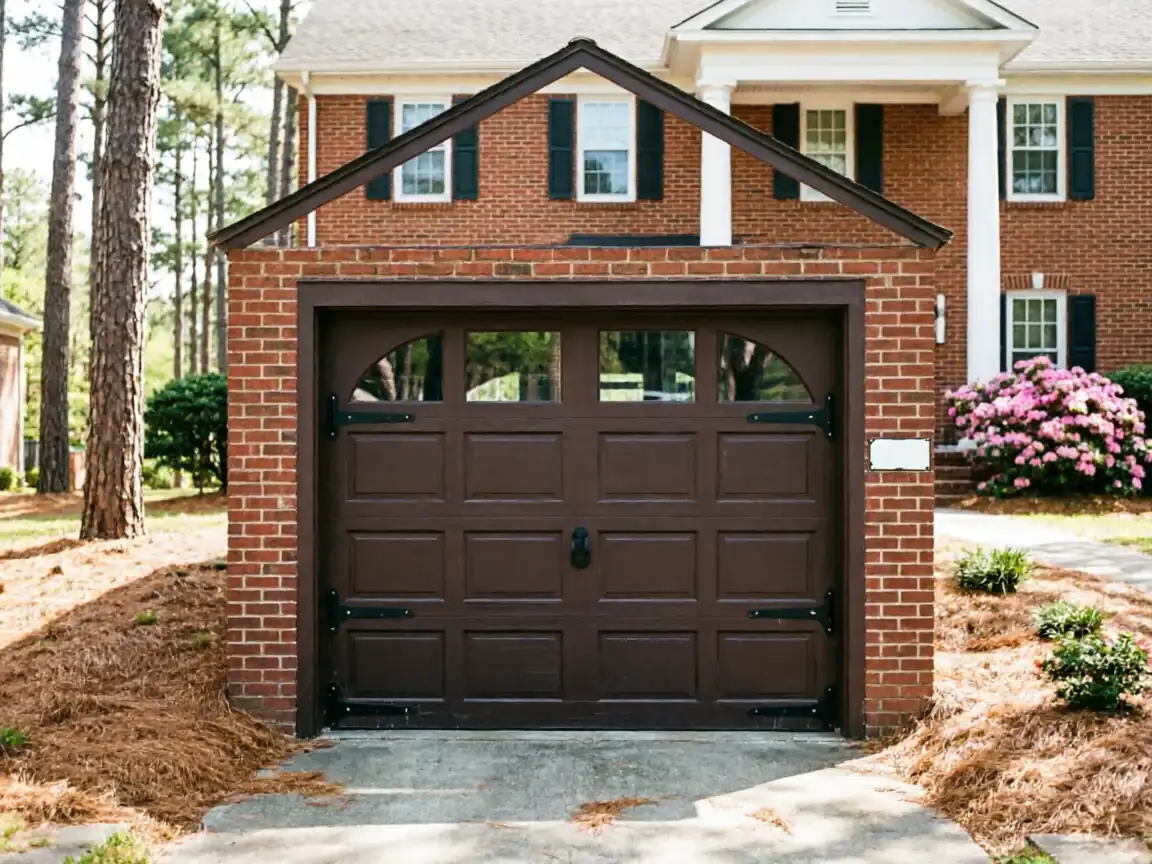
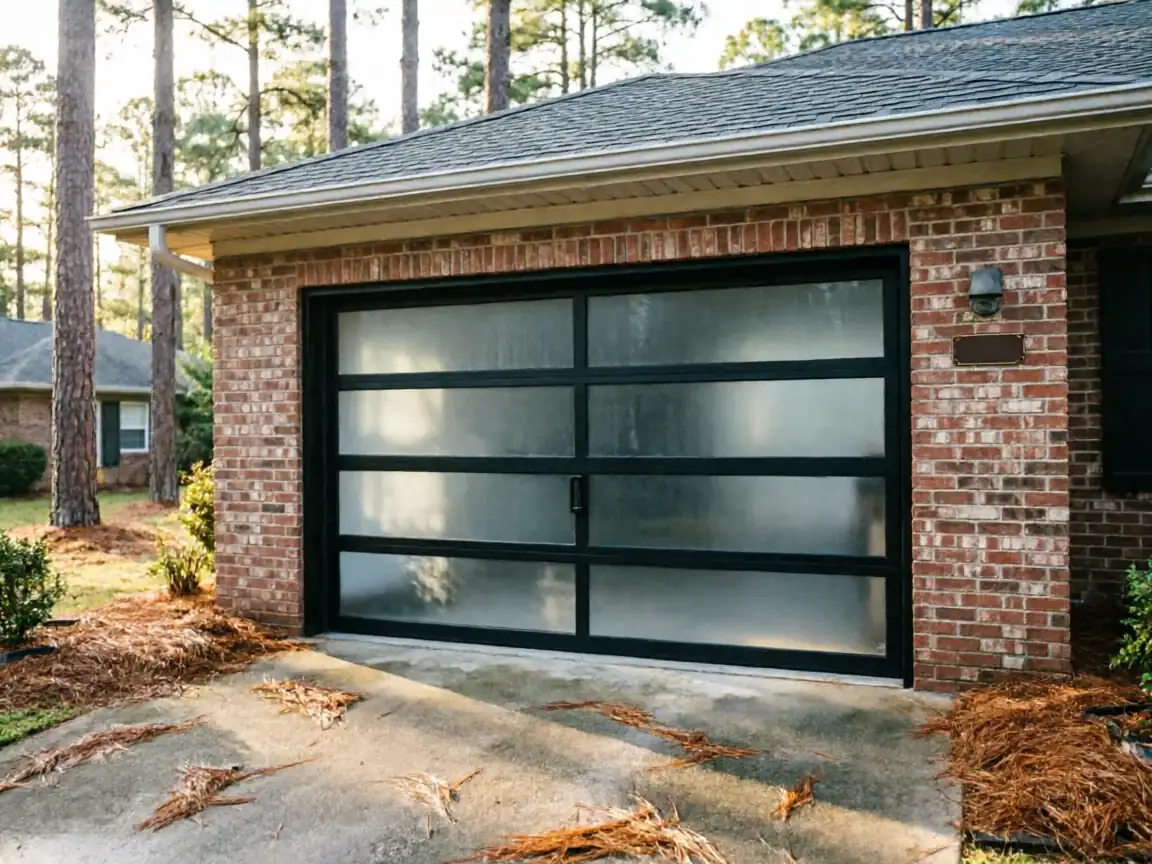
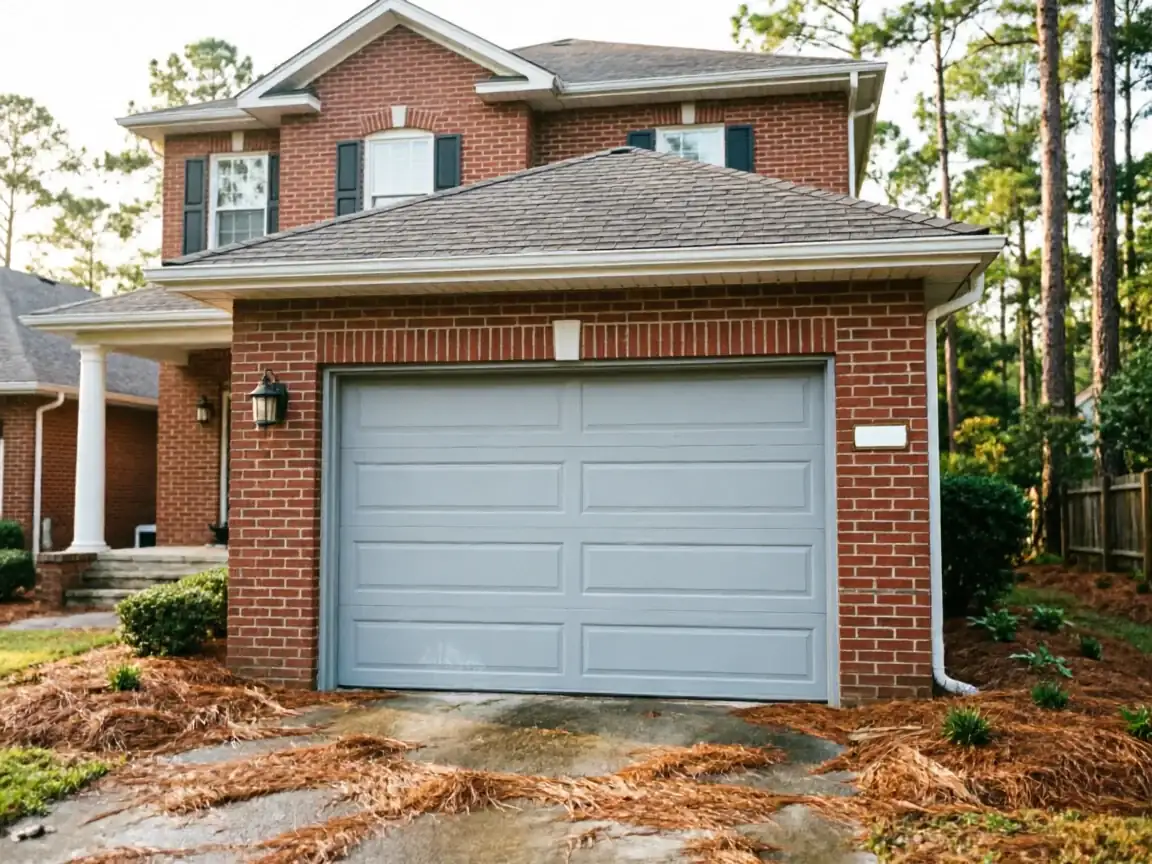
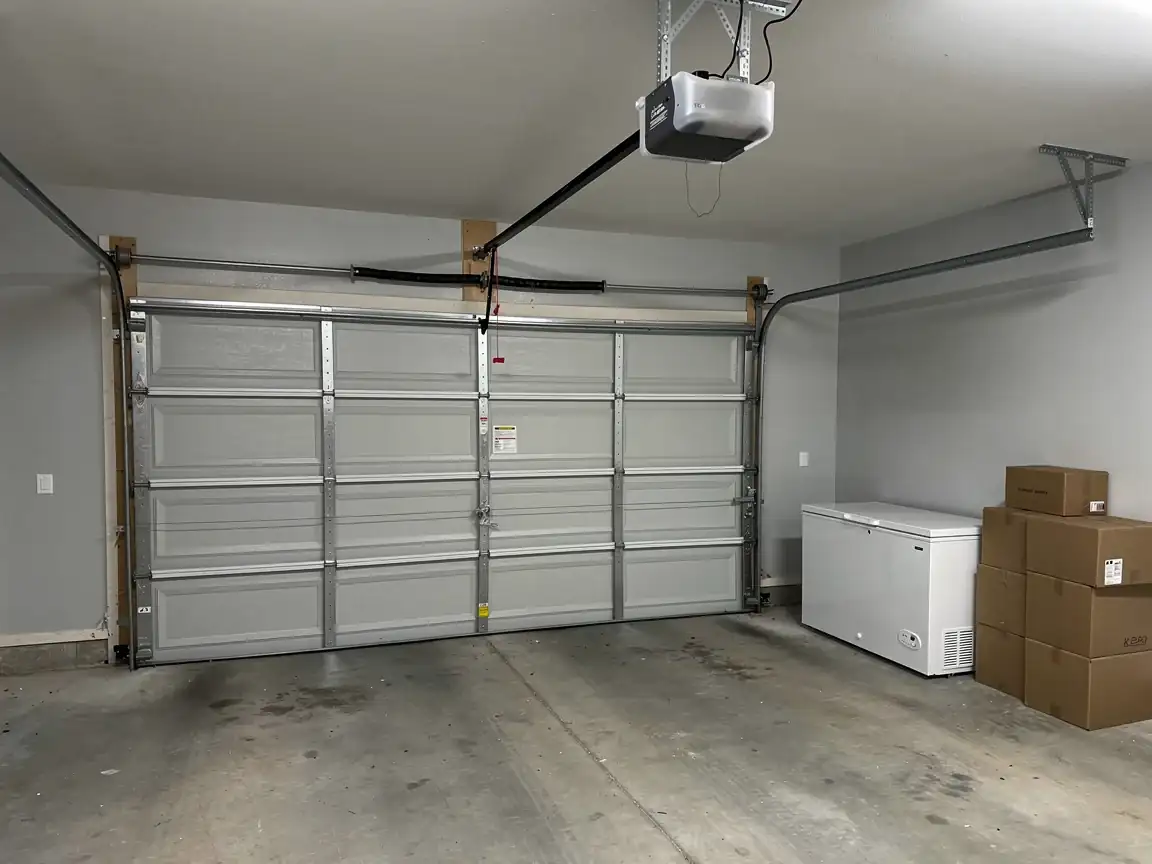
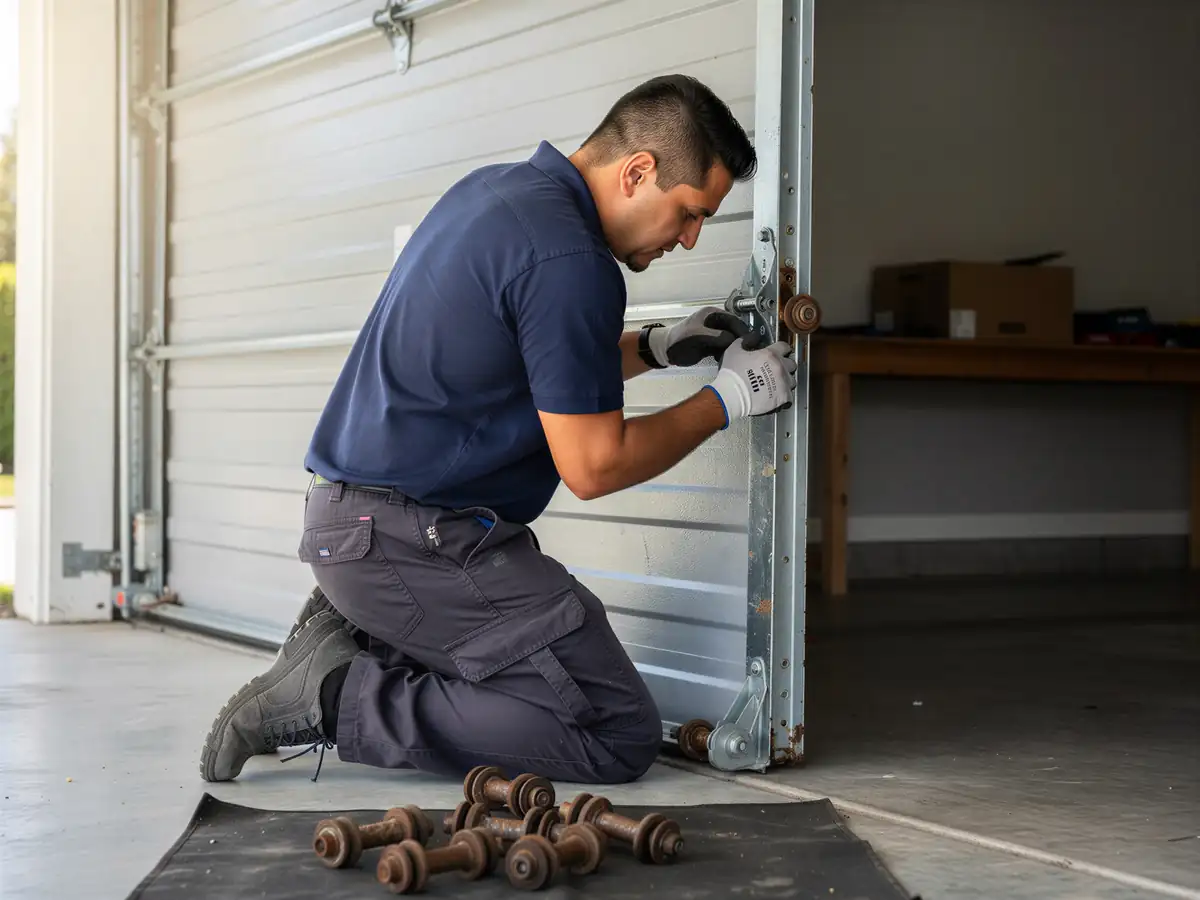
Most of the garage doors we service across this area sit on houses built between 1967 and 2011, with the bulk of that stock going up in the 1980s and 90s across the 17 communities we cover. That matters because a door installed in 1983 is running original hardware that's now pushing four decades of cycles - springs that have long outlived their wind count, rollers that were never sealed bearings to begin with, and track brackets held in with the shorter lag screws builders used back then. Add a cold-moderate climate with real winter swings, and you get steel that contracts, lubricant that thickens, and lift cables that lose a little flex every freeze-thaw cycle. None of that shows up overnight. It shows up as a slow drift - a door that used to close quiet now has a thunk in it, or an opener that used to stop clean now runs a half-second long before the limit catches. Maintenance on a door this age isn't about replacing parts that broke. It's about catching the ones that are one winter away from it. A door built in 2008 behaves differently than one built in 1985, and a tune-up has to account for which era of hardware is actually on the wall.
Time on the Job
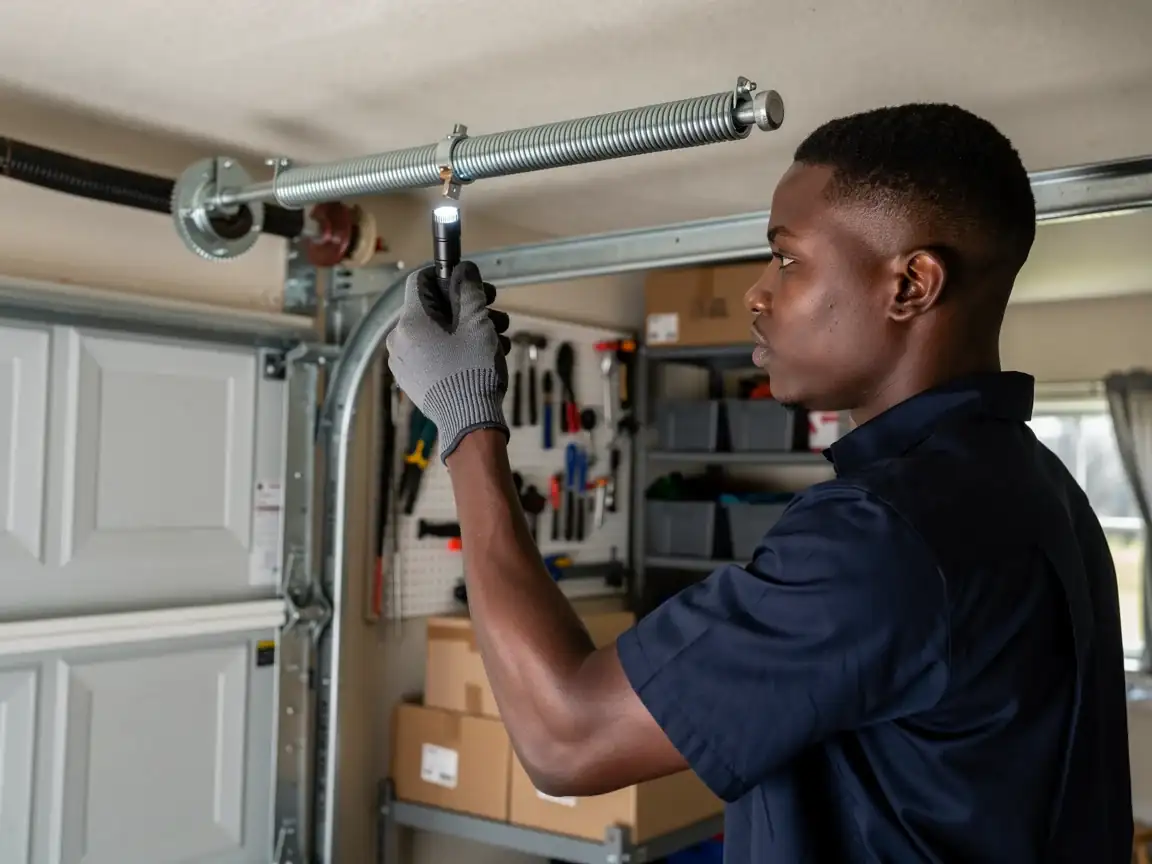
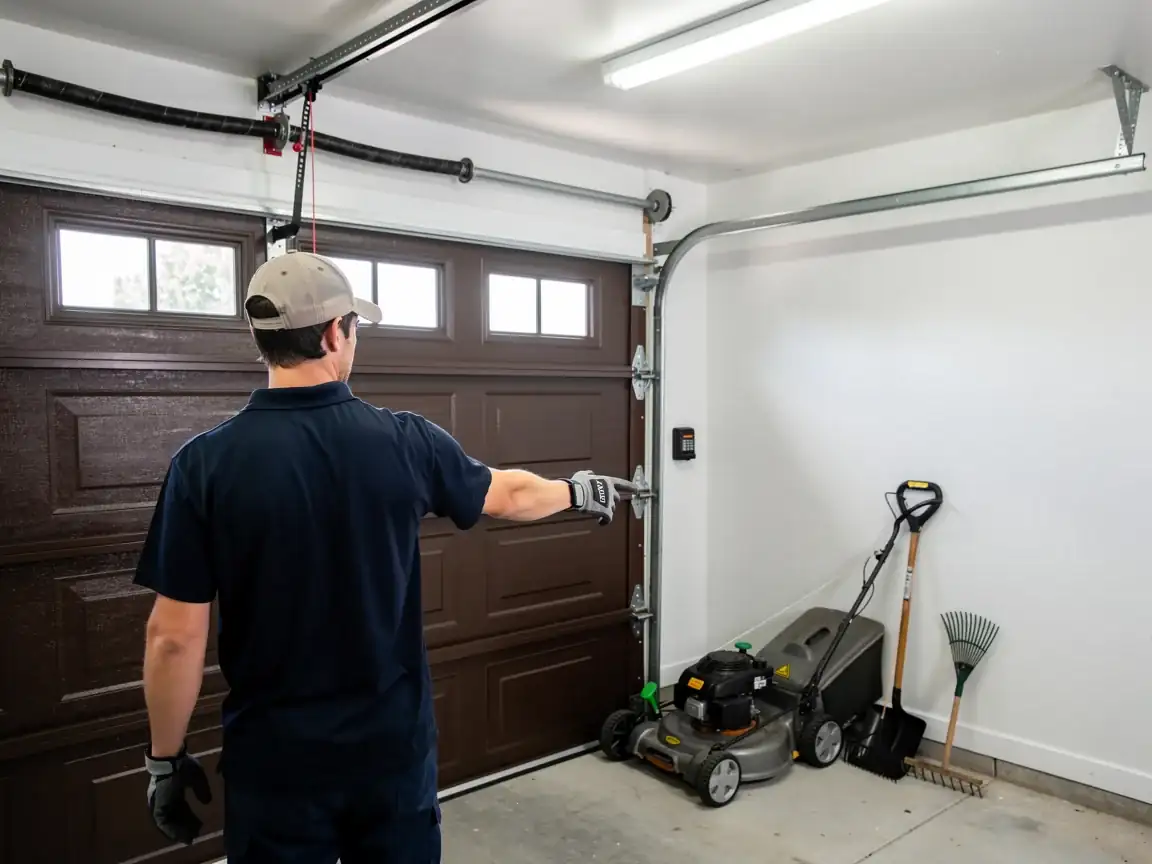
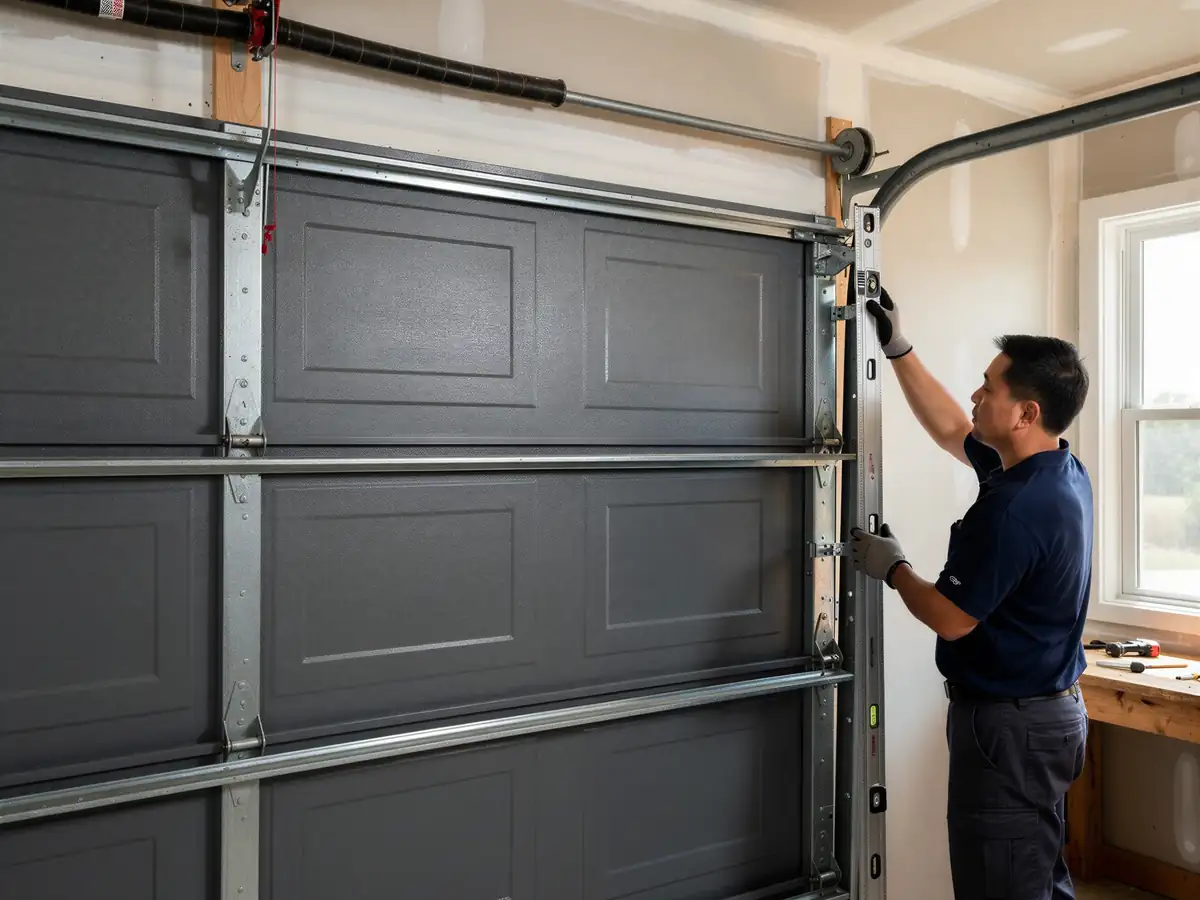
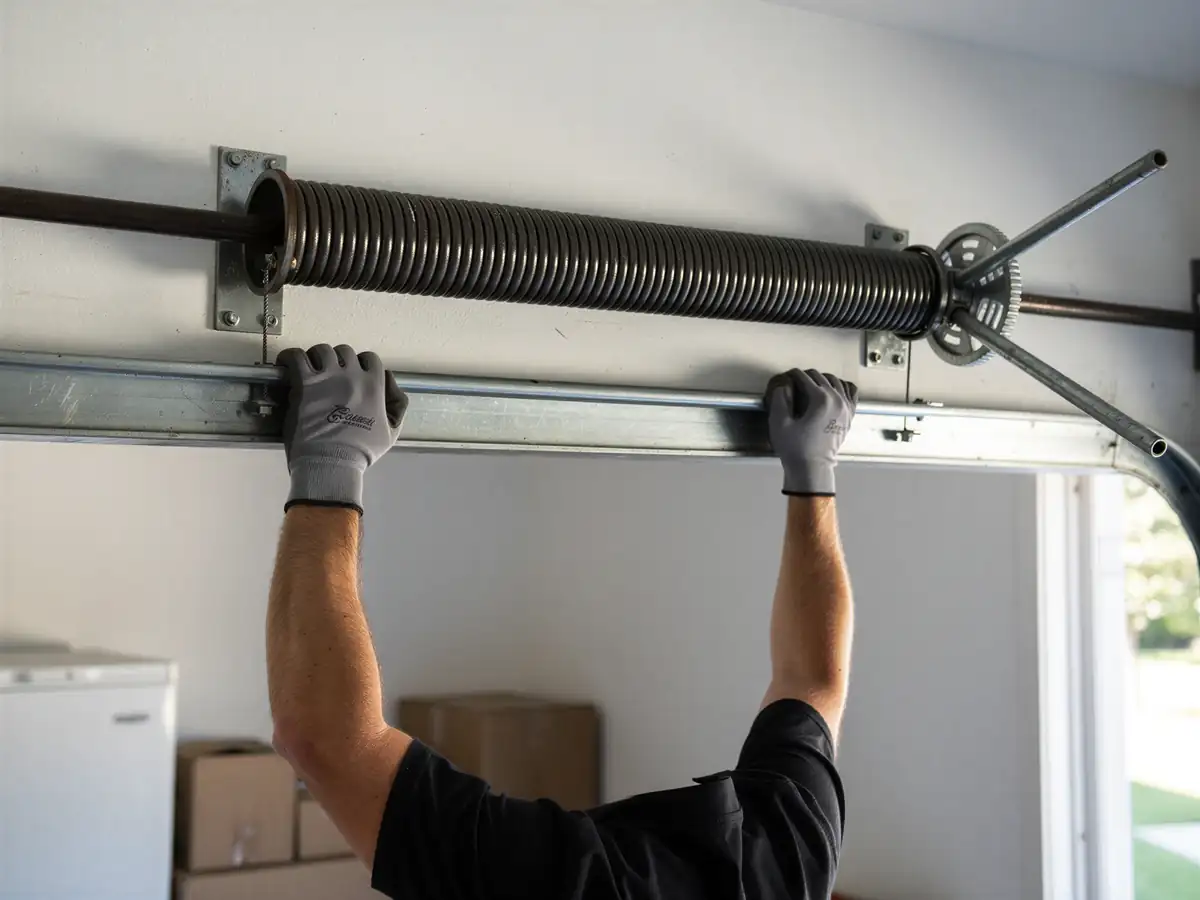
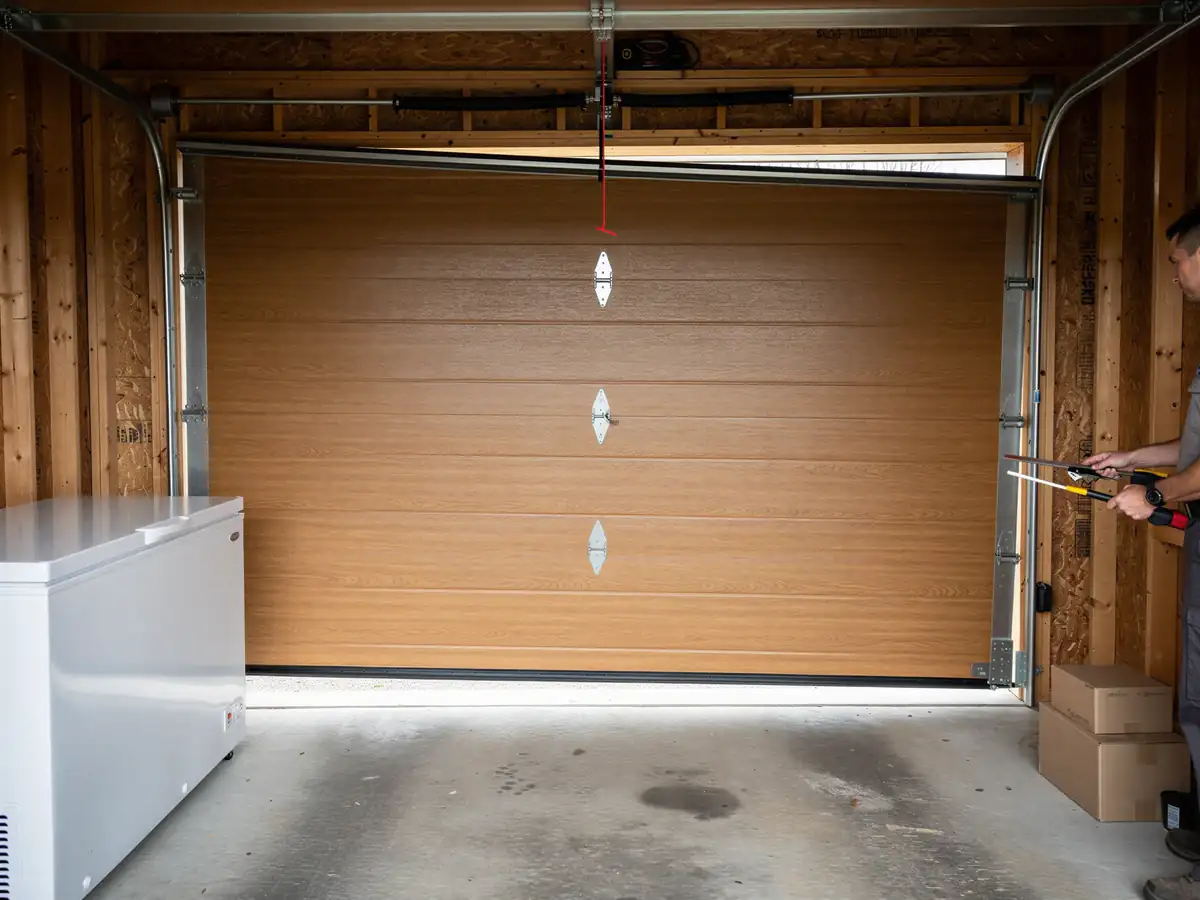
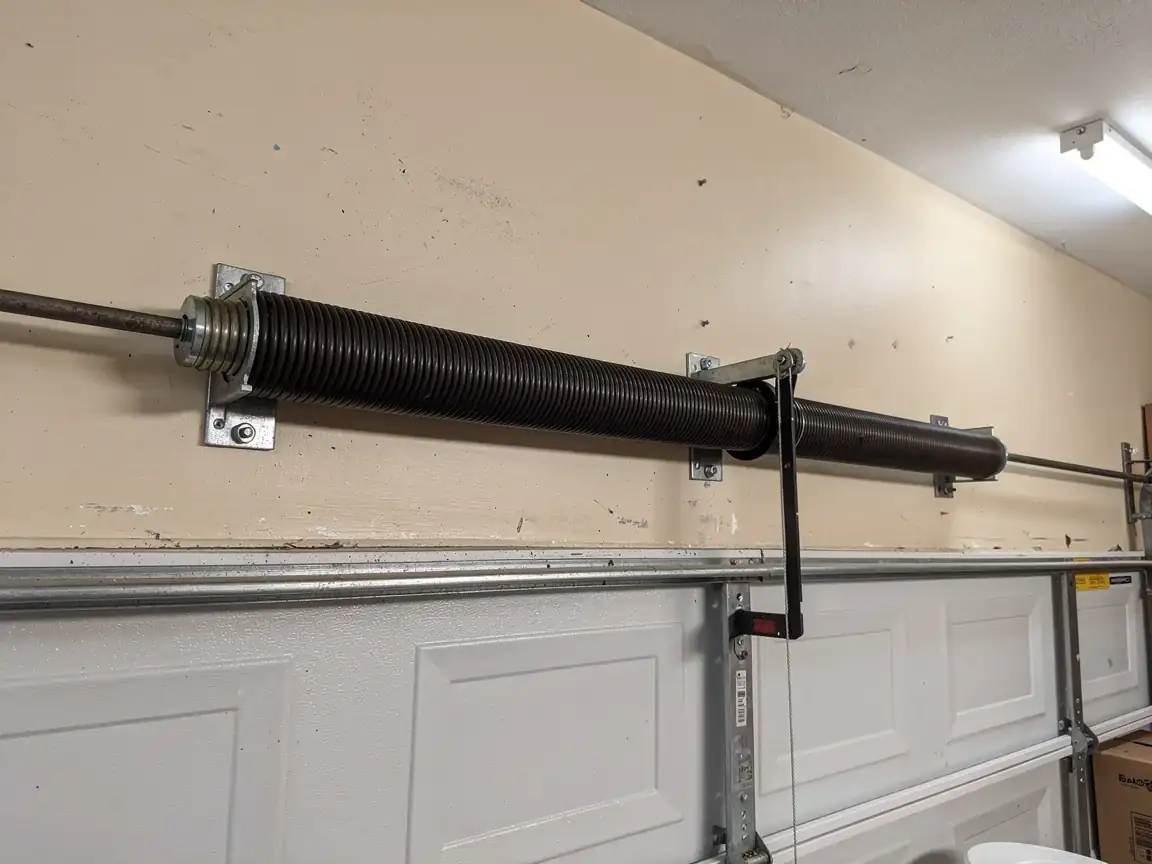
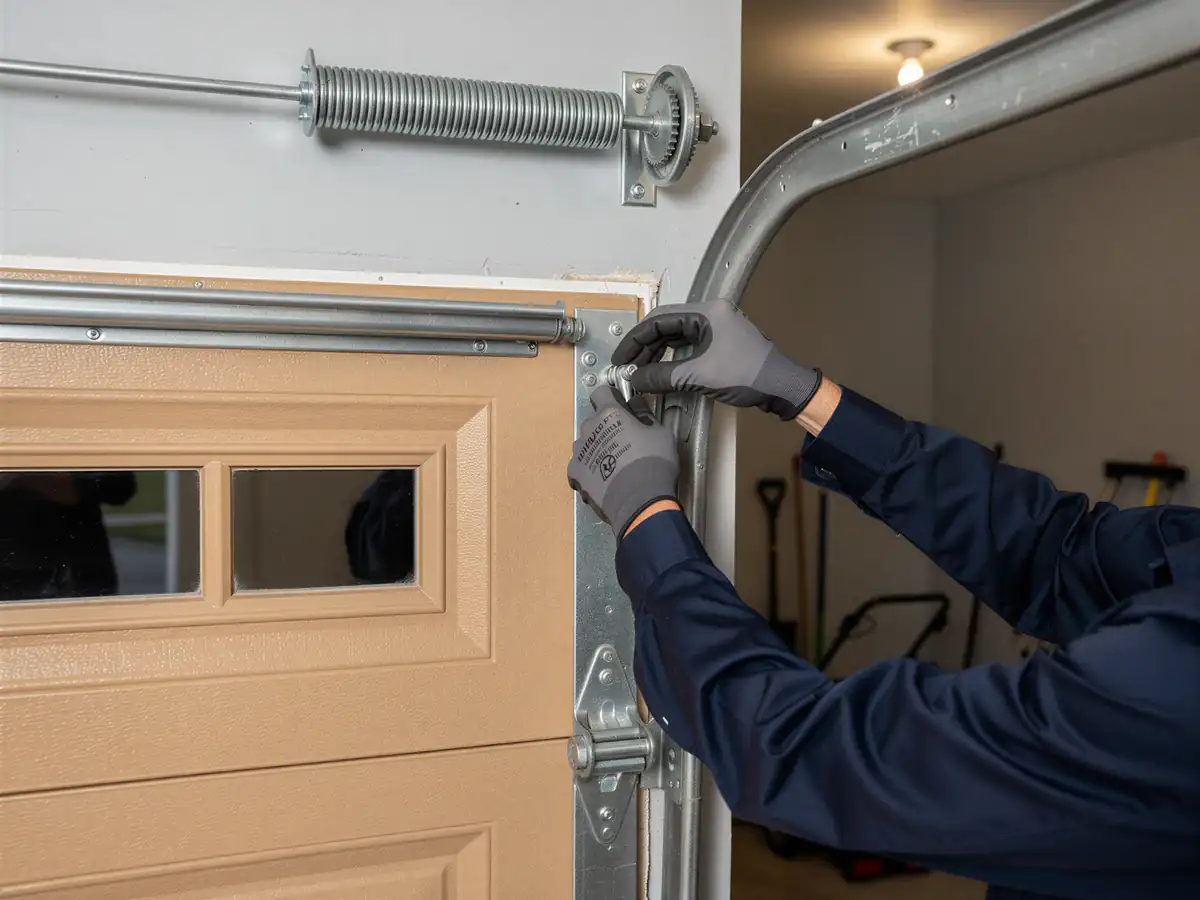
A standard maintenance visit on a single door runs long enough to actually inspect every moving part, not just spray a track and call it done - springs, cables, rollers, hinges, the opener's force and limit settings, and the weatherseal at the bottom panel. Doubled garage households are common across this service area, and a two-car setup with two openers takes longer than a single door, simply because there's twice the hardware to check. We're not going to tell you an exact number of minutes here, because a door that's been ignored for ten years takes longer than one that's had regular attention - that's the honest answer, not a sales pitch. What we will say is that rushing this job defeats the purpose of having it done. Lubricating a spring that's already fatigued doesn't fix anything; it just delays the diagnosis. The value of a maintenance visit is catching the cable fraying at the drum or the bottom bracket working loose before it becomes an emergency call on a Saturday.
What the Repair Takes
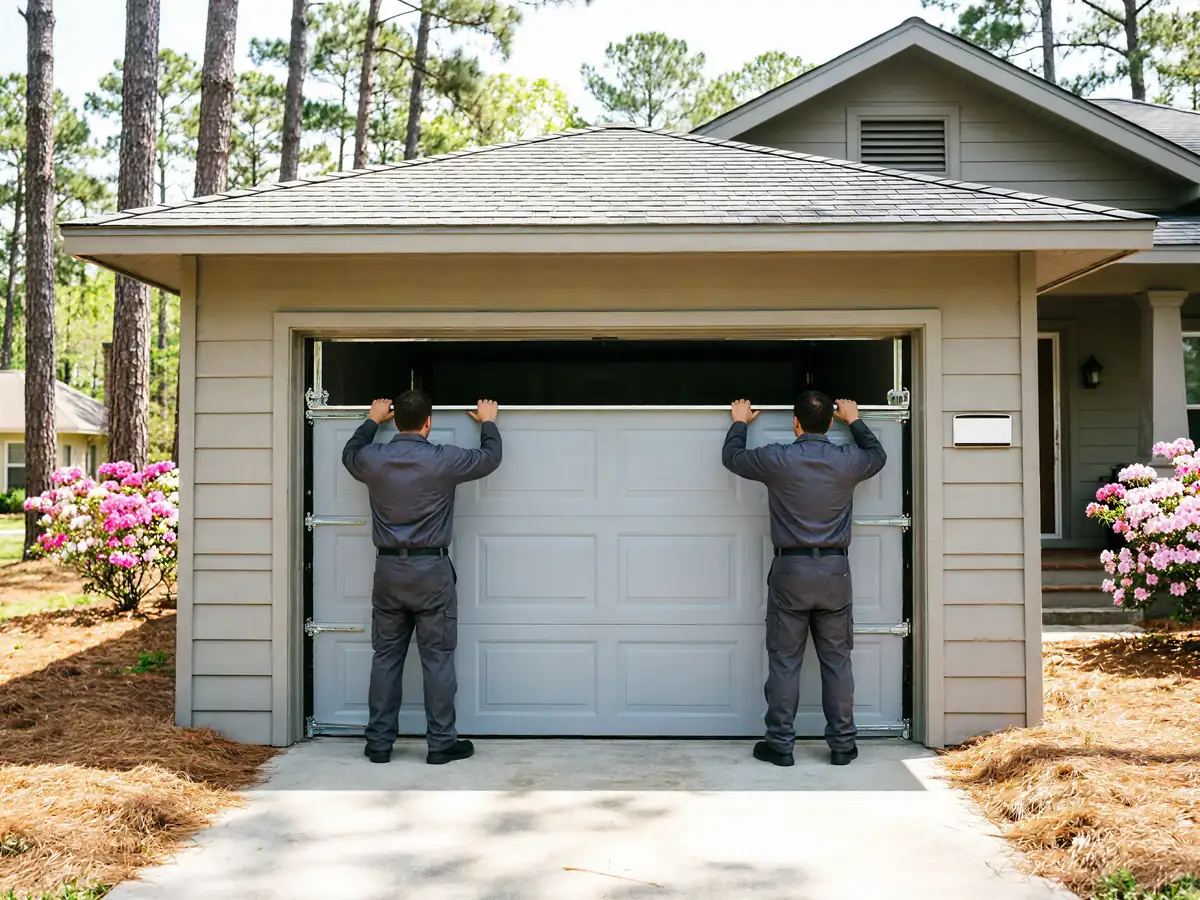
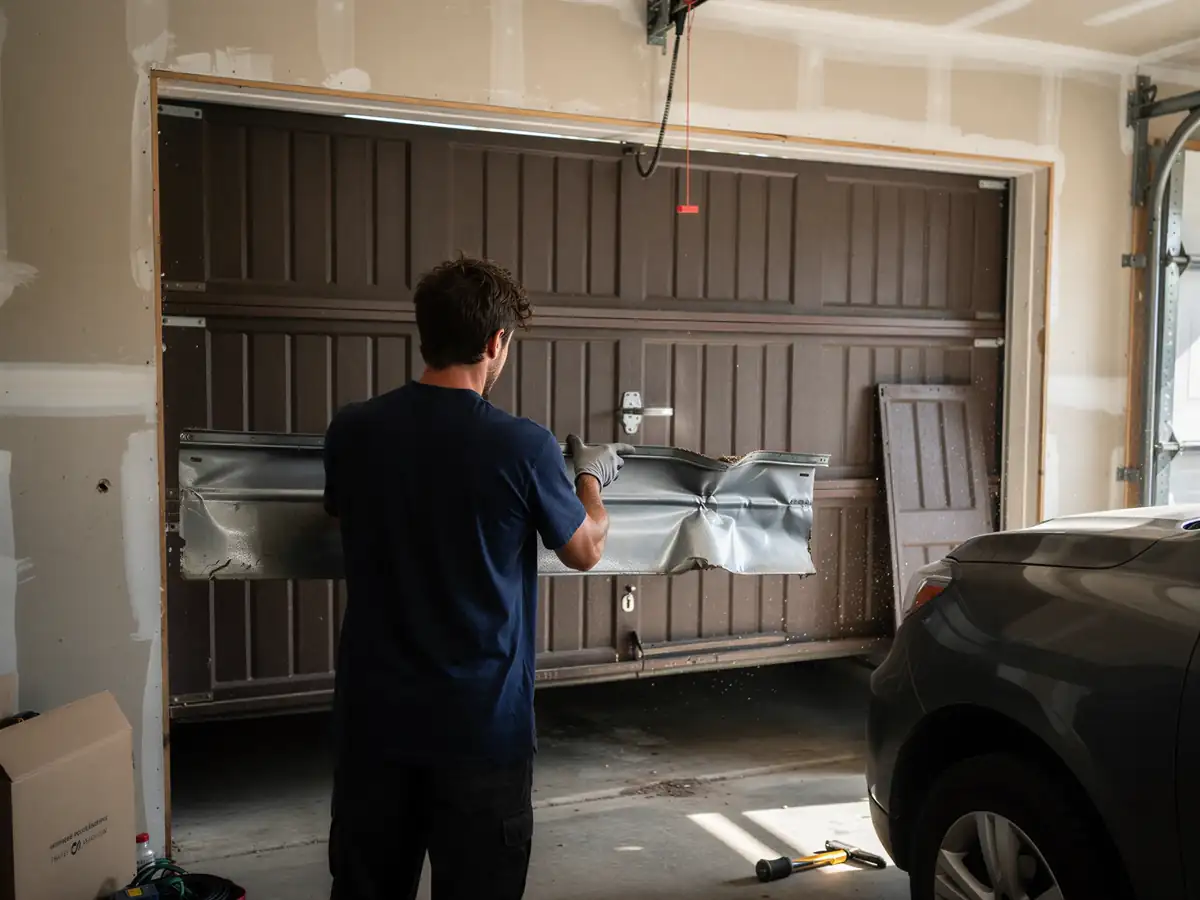
Maintenance work on hardware this old sometimes turns into something more than lubrication and a limit adjustment. If a spring is fatigued past safe wind count or a cable has started to fray, we'll tell you that on the spot rather than patch around it - that's the honest limitation here, we don't re-lube a spring we think is close to failing just to finish the visit clean. Across the roughly 20,806 owner-occupied houses in this service area, a lot of the doors we see need one or two specific parts replaced during a tune-up, not a full overhaul. What the job actually takes depends on which decade the hardware is from and how it's held up through winters here. We cover this service across Gastonia and the surrounding area - Ranlo, Dallas, Lowell, McAdenville, Bessemer City, Cramerton, Belmont, Stanley, Kings Mountain, High Shoals, Mount Holly, Cherryville, Lowesville, Lincolnton, Grover, Light Oak, and Pineville - and the approach stays the same: check the hardware against its age, not against a generic checklist.