Older vs Newer Streets
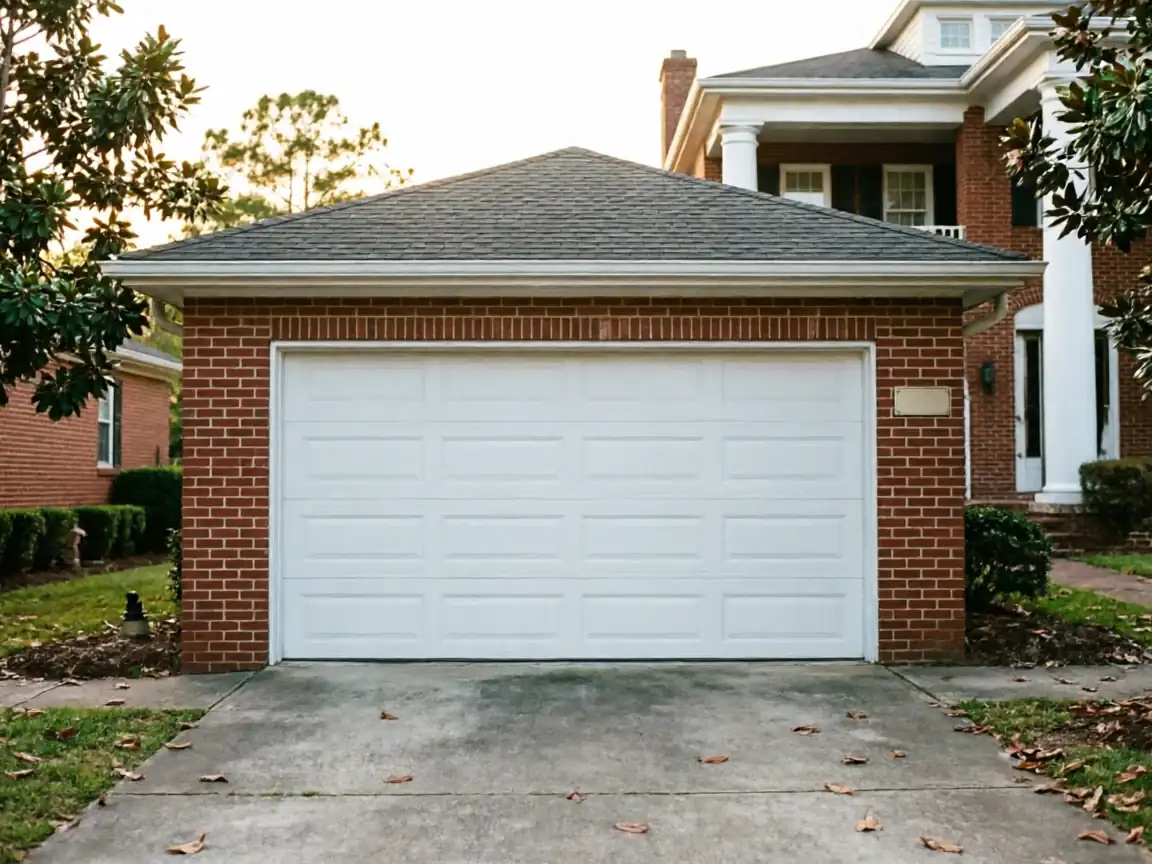
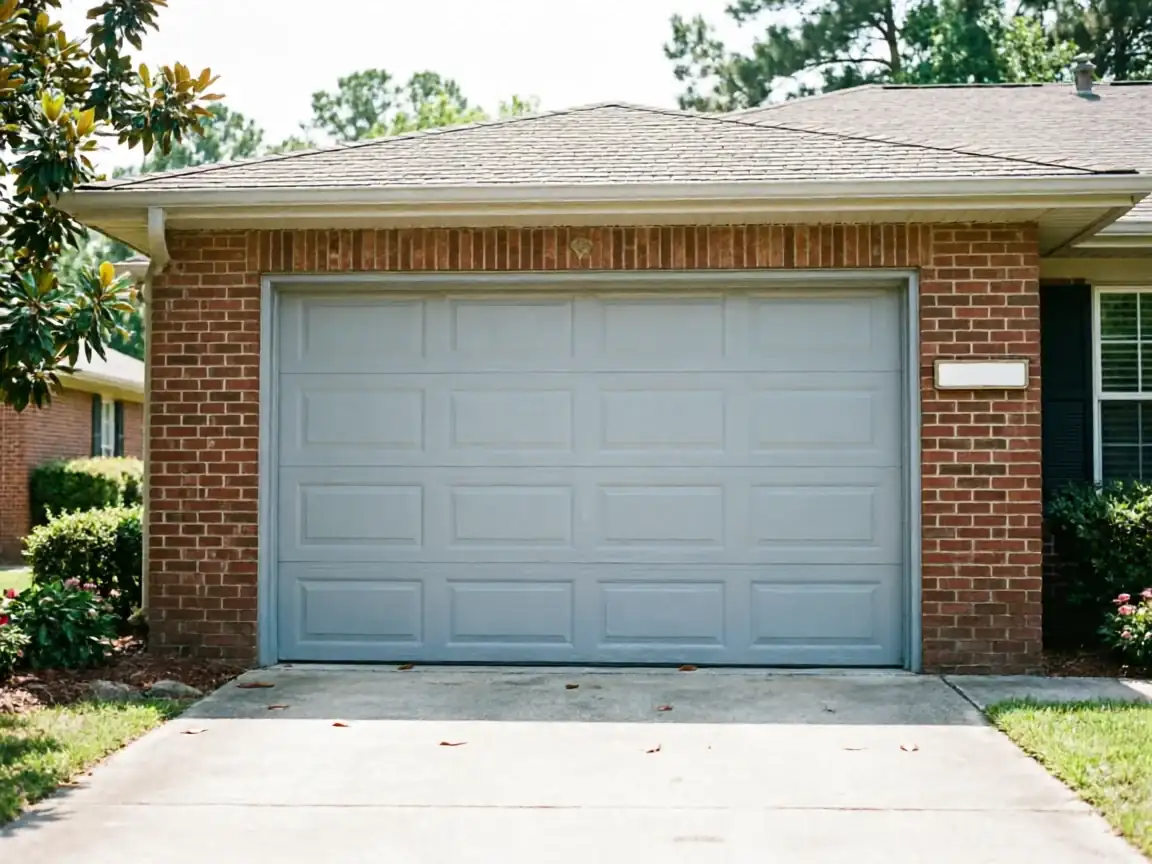
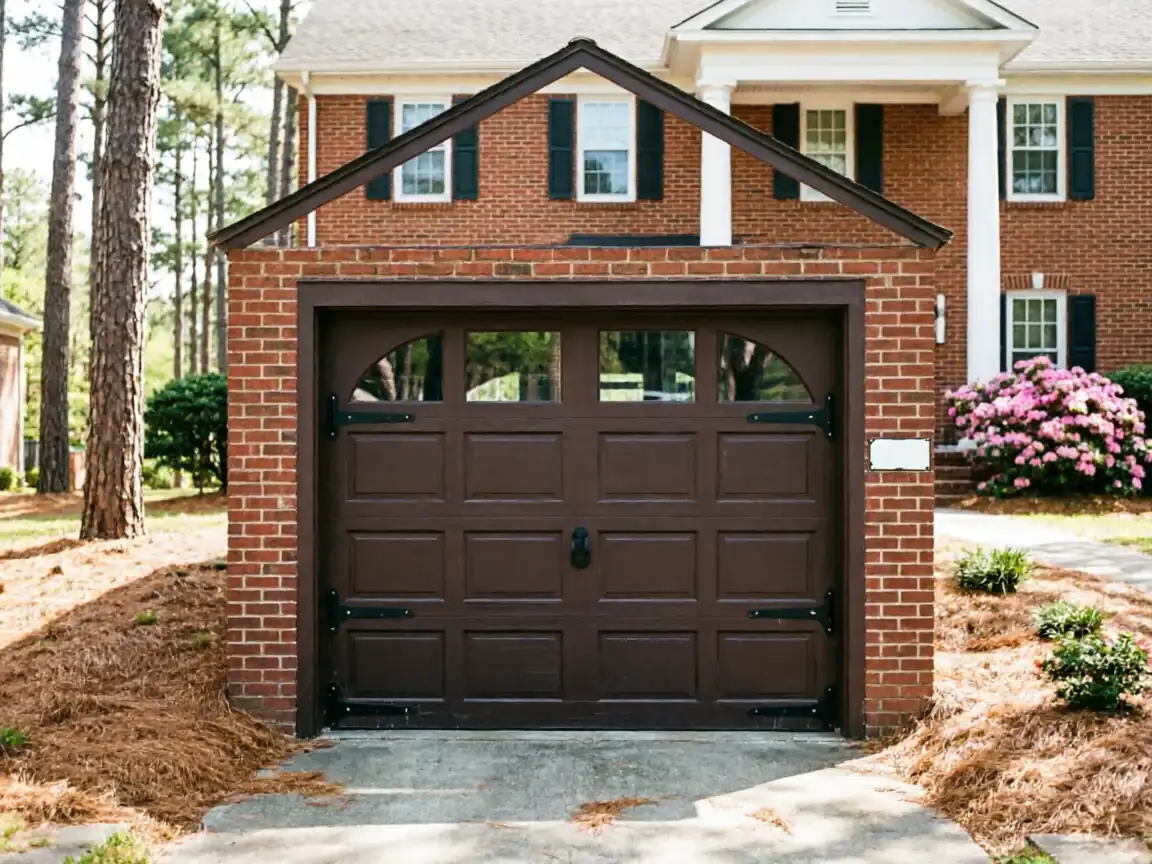
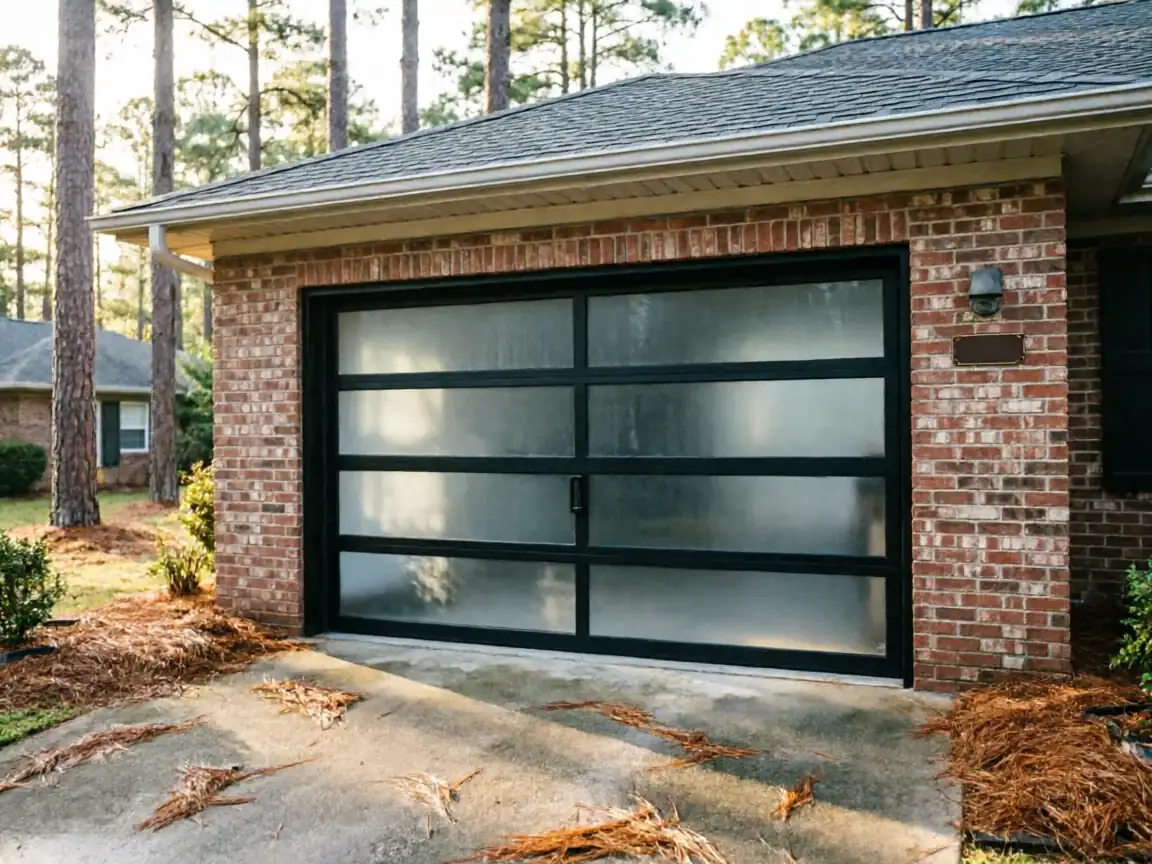
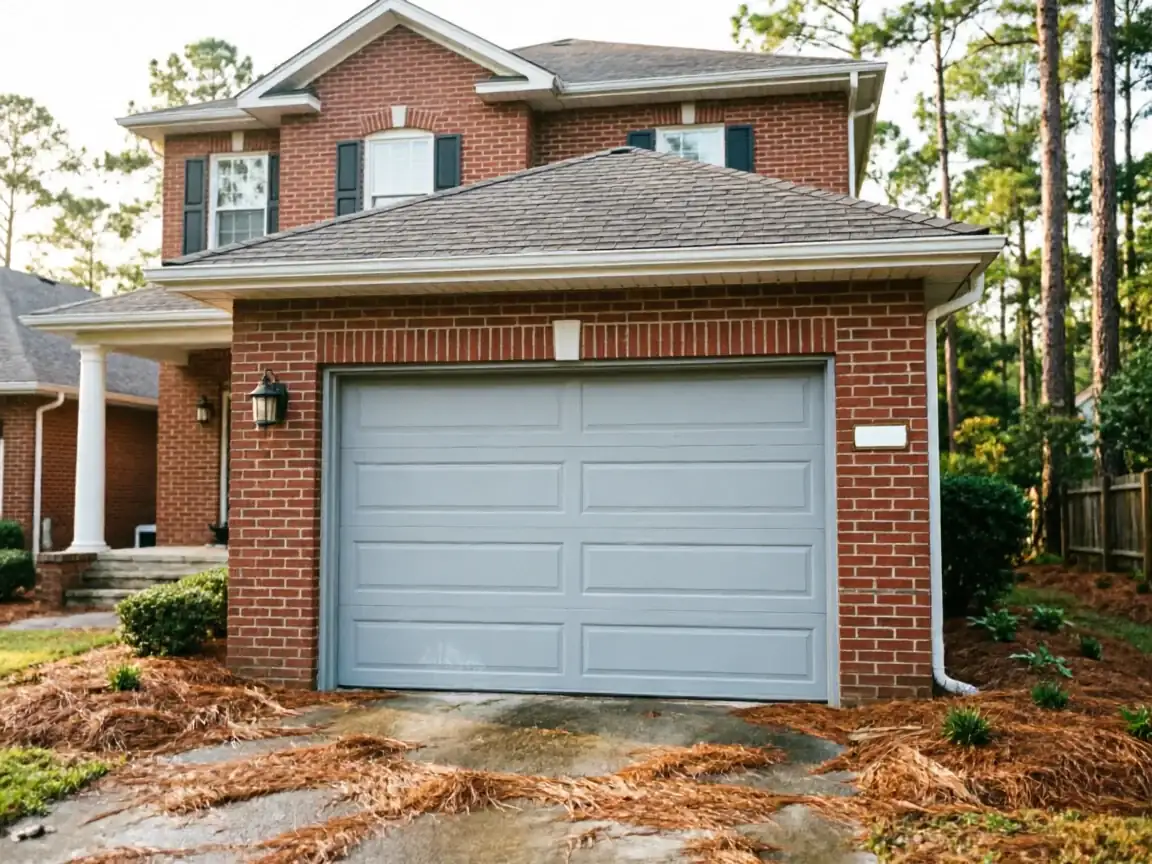
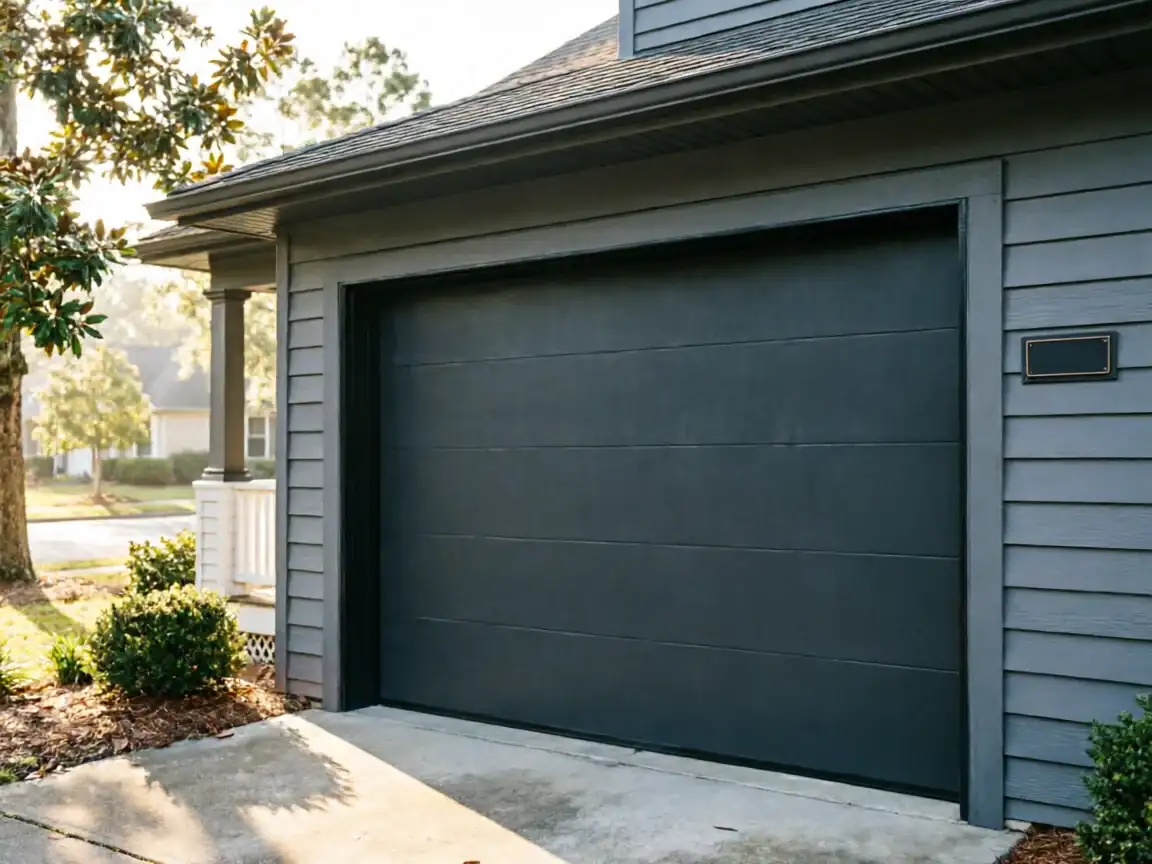
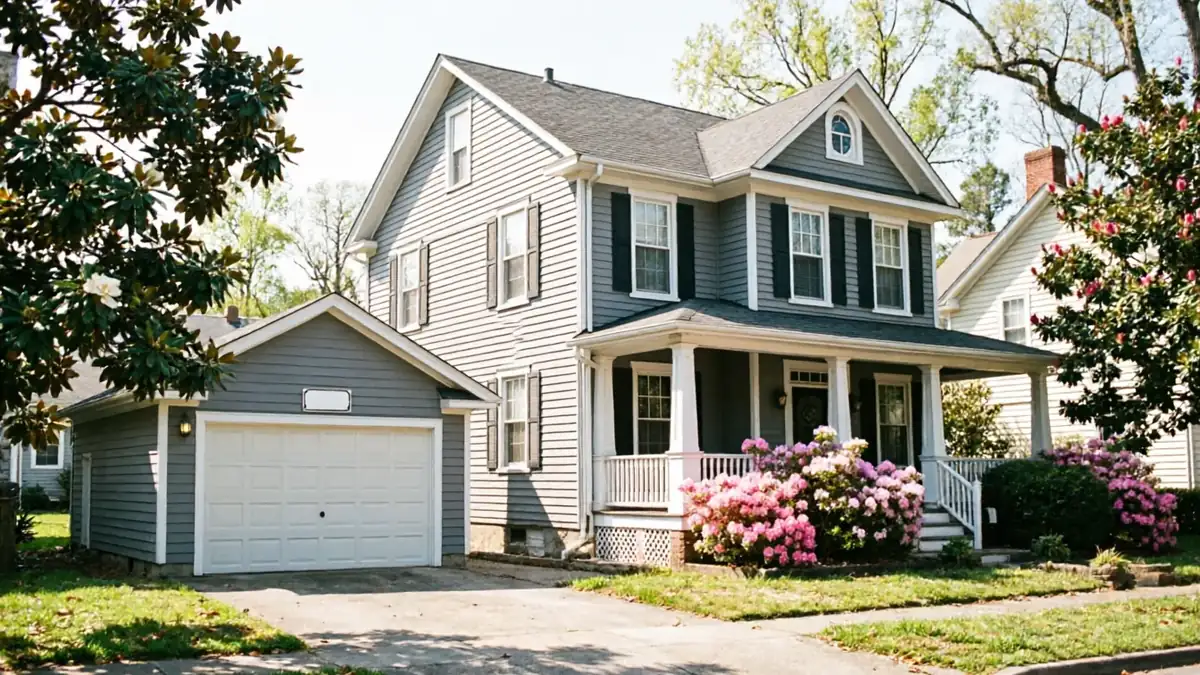
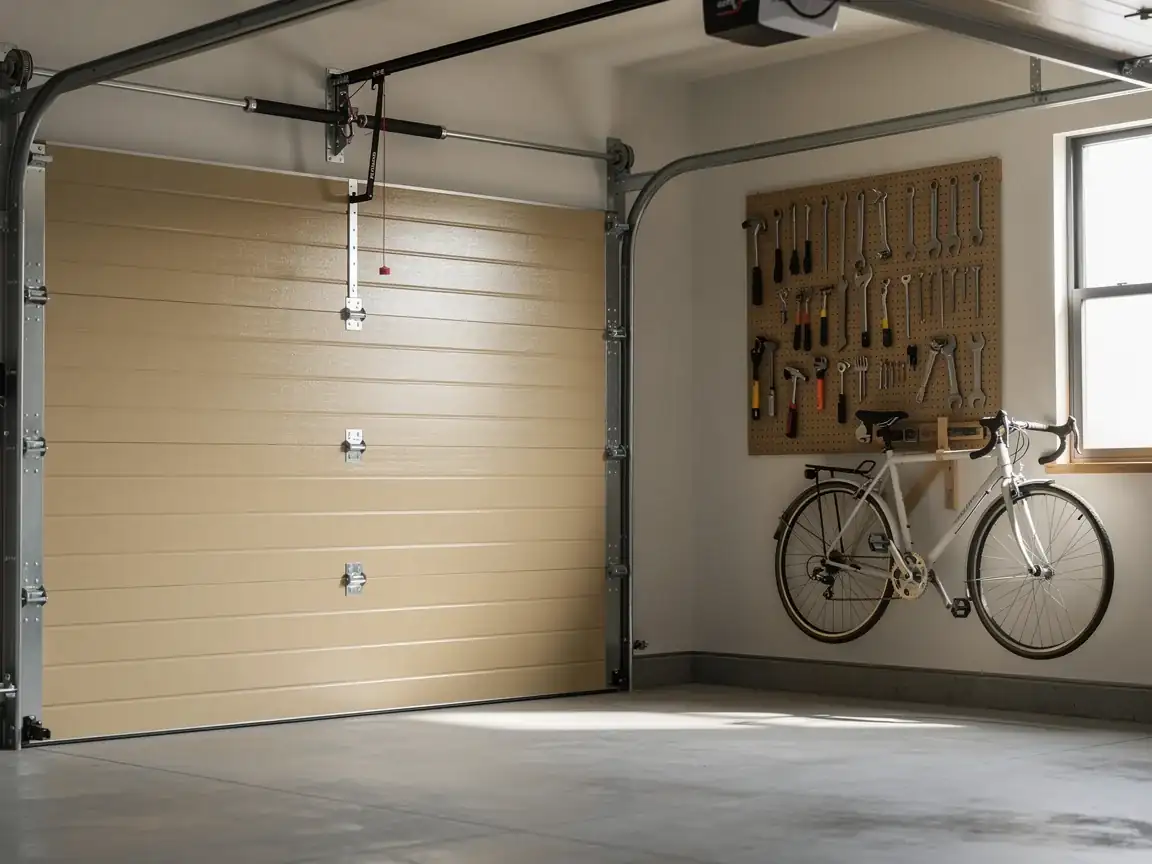
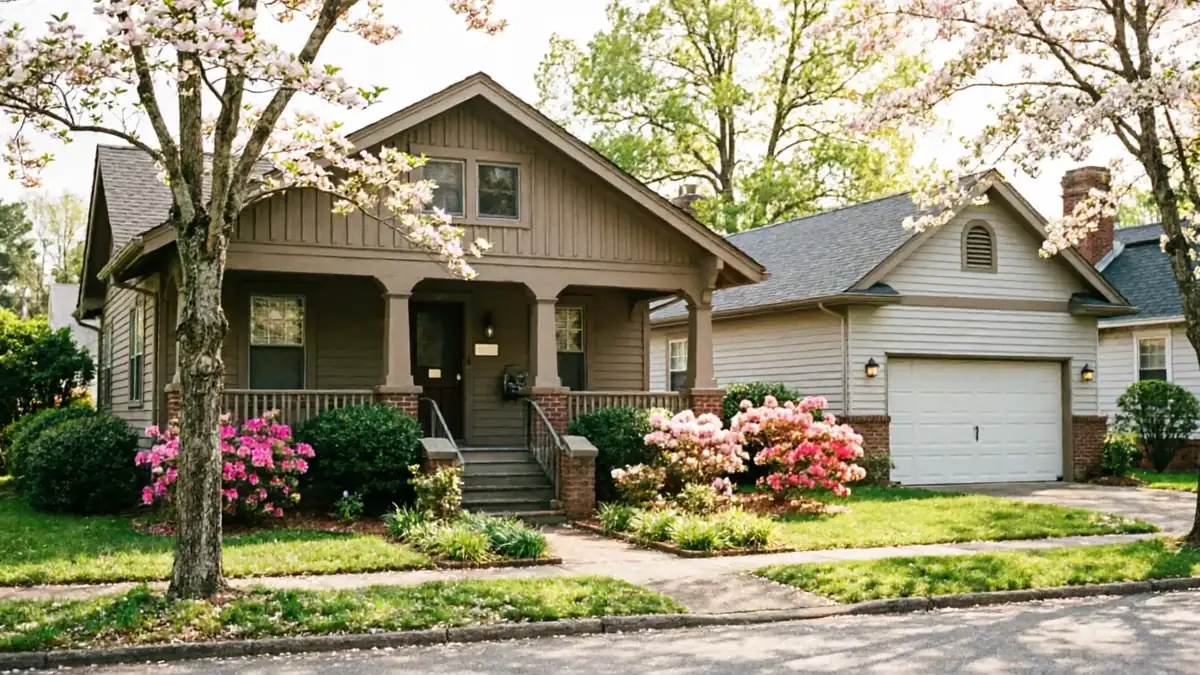
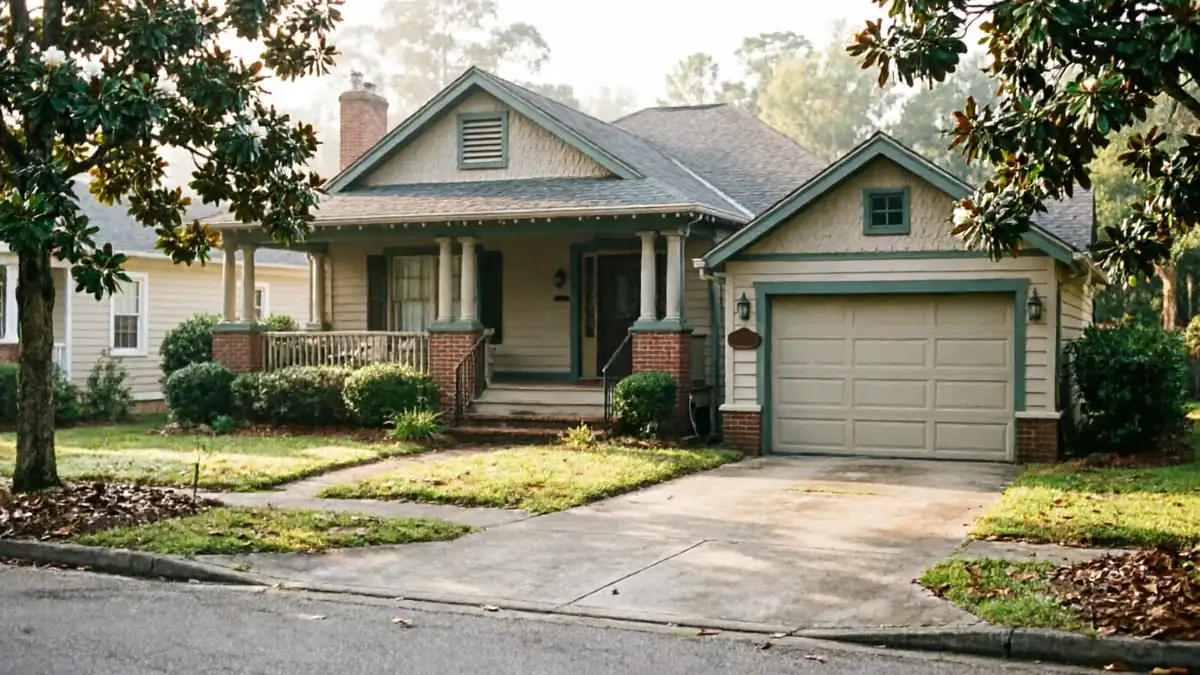
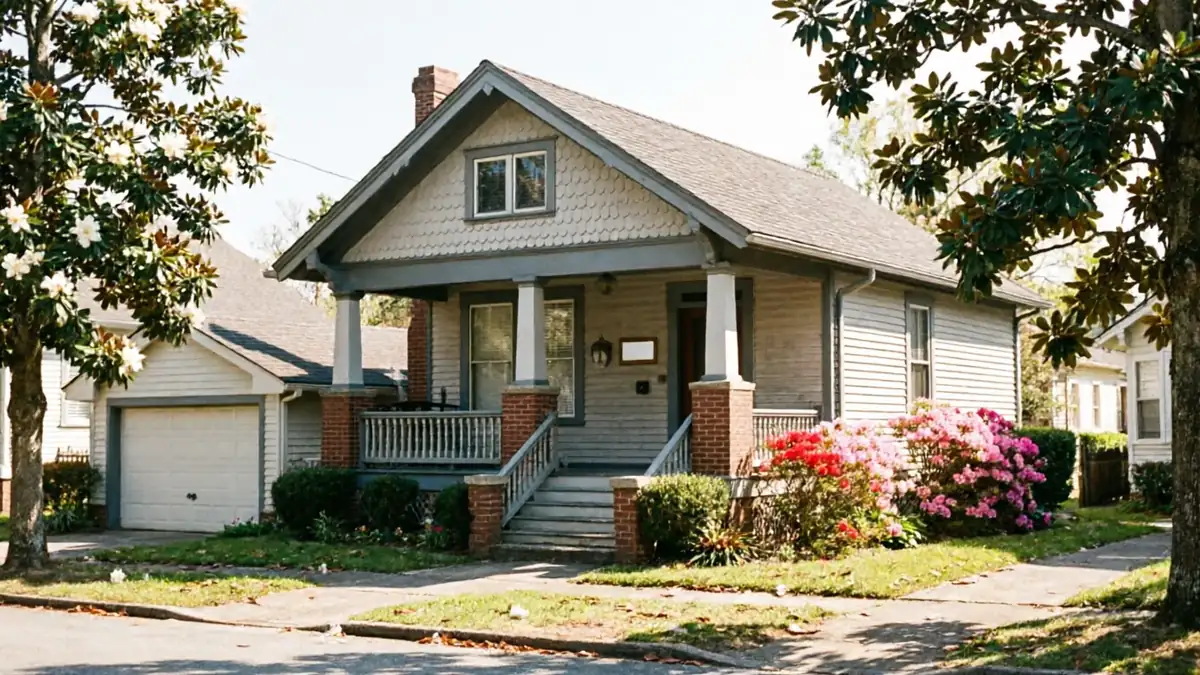
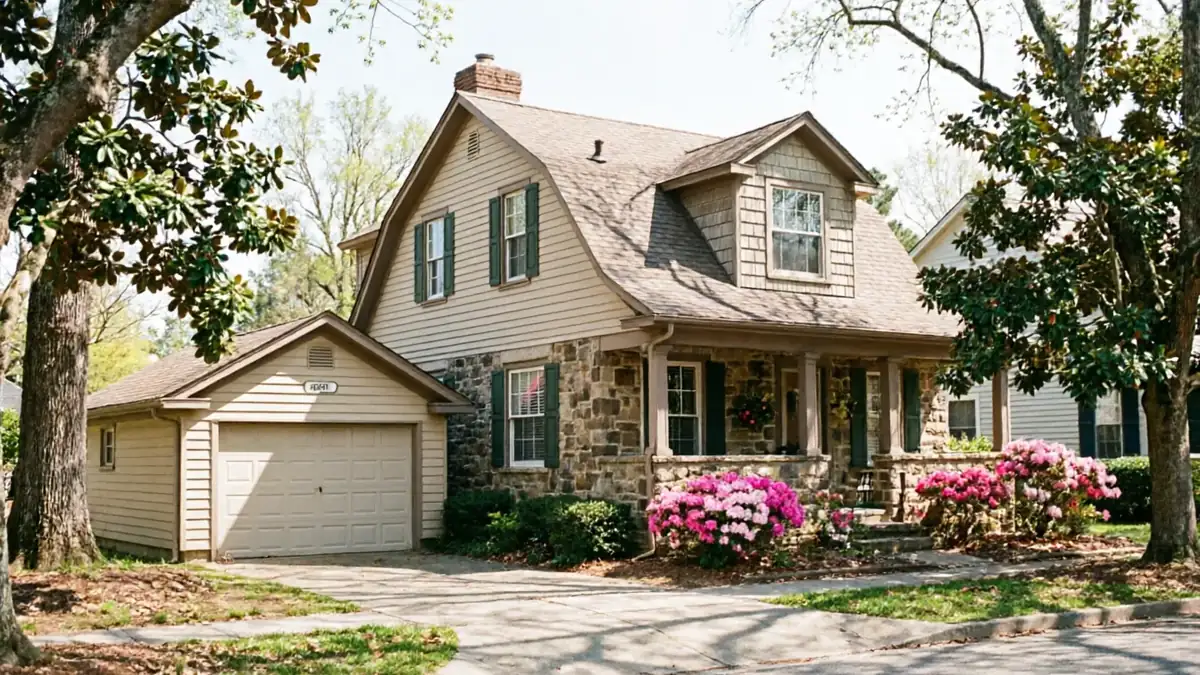
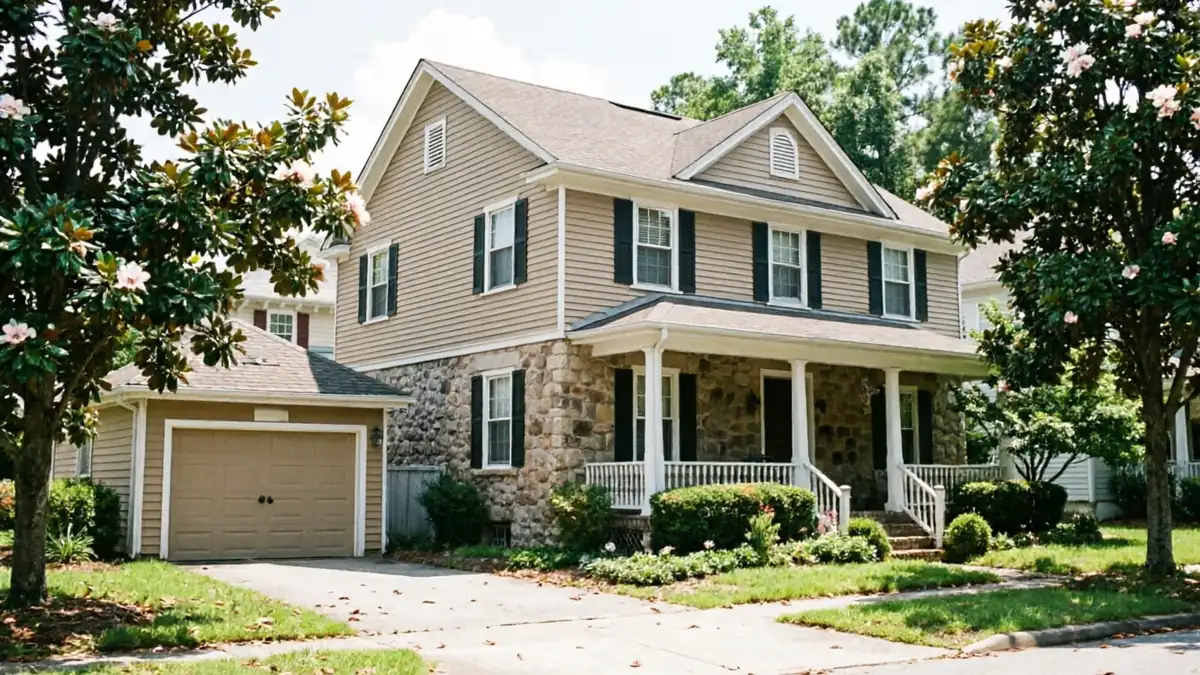
Mount Holly skews newer than most of the territory we cover out of Gastonia. The median home here went up around 1997, while the broader service area's median build year sits at 1983, with most of that stock dating to the 1980s and 90s. That fourteen-year gap matters more than it sounds. A house built in 1997 almost always came with a factory steel door on torsion hardware mounted on a horizontal track above the opening, not the older side-mounted setups you still find on homes from the 60s and 70s elsewhere in the territory.
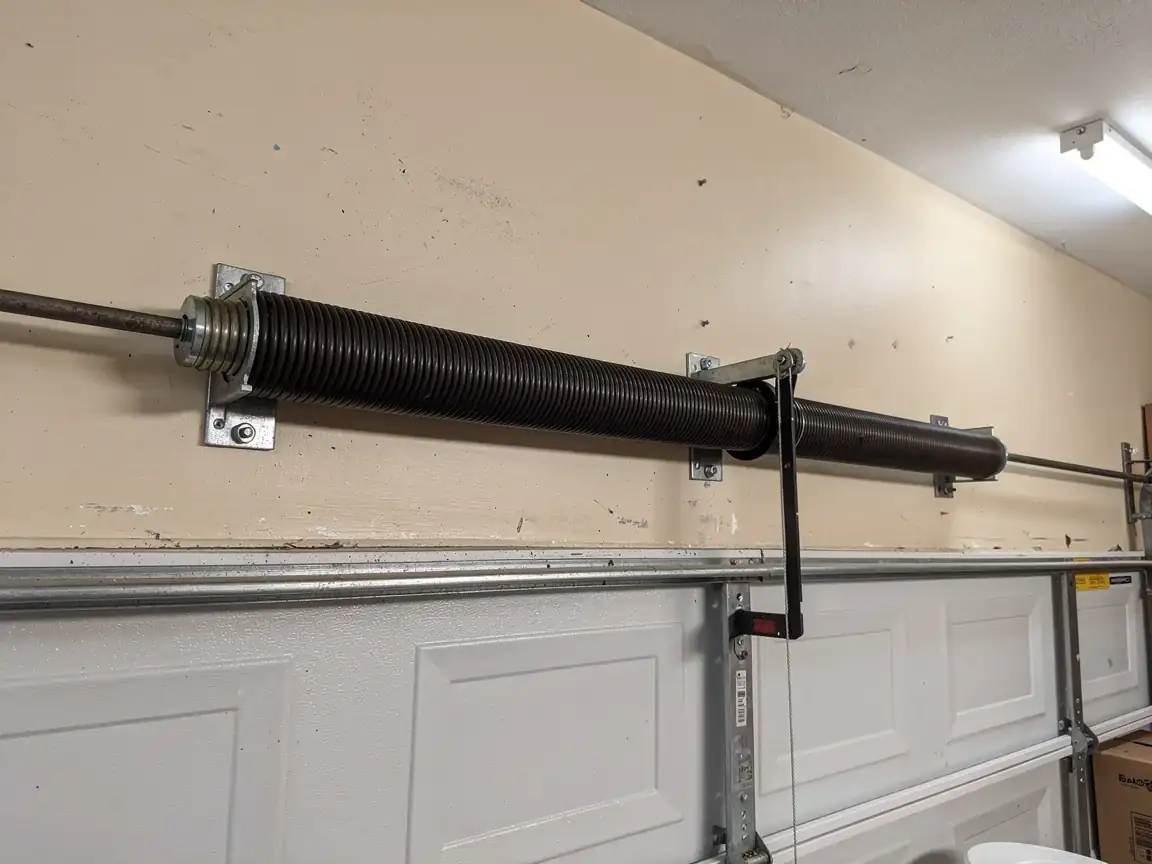
What this means on a service call: fewer odd-sized panels, fewer obsolete spring winds, and more doors that are starting to hit the age where the original torsion spring is simply worn out rather than broken from neglect. A spring rated for roughly 10,000 cycles doesn't care how well it was installed - at 25-plus years of daily use, it's due. We see a lot of that in Mount Holly specifically, less of the "nobody makes this part anymore" calls we get on the oldest streets closer to the city center.
Getting Here
We run out of Gastonia, and Mount Holly is about 11 miles out - close enough to work into a normal route, far enough that we don't pretend to have a crew sitting in town. Mount Holly sits past Cramerton (6 miles from Gastonia) and Belmont (8 miles), on the far side of that stretch, which is part of why travel time runs a bit longer here than on calls closer to the shop.
We don't advertise a depot or a guaranteed same-day window for Mount Holly - that's not honest about the drive. What we do is schedule the trip with the parts we expect to need already loaded, based on what you tell us about the door and when the house was built. A 1997-built house with a torsion spring problem is a predictable job; we come prepared for it rather than making a second trip.
What That Means for Doors
This area sits in the same cold-moderate climate band as the rest of our coverage
Which matters for steel doors specifically: temperature swings stress the galvanized coating at the hinges and the weld points on cheaper panels faster than people expect. On a late-90s door, that shows up as rust starting at the bottom panel corners well before the door itself is worn out.
The more common call in Mount Holly, though, is the torsion spring itself
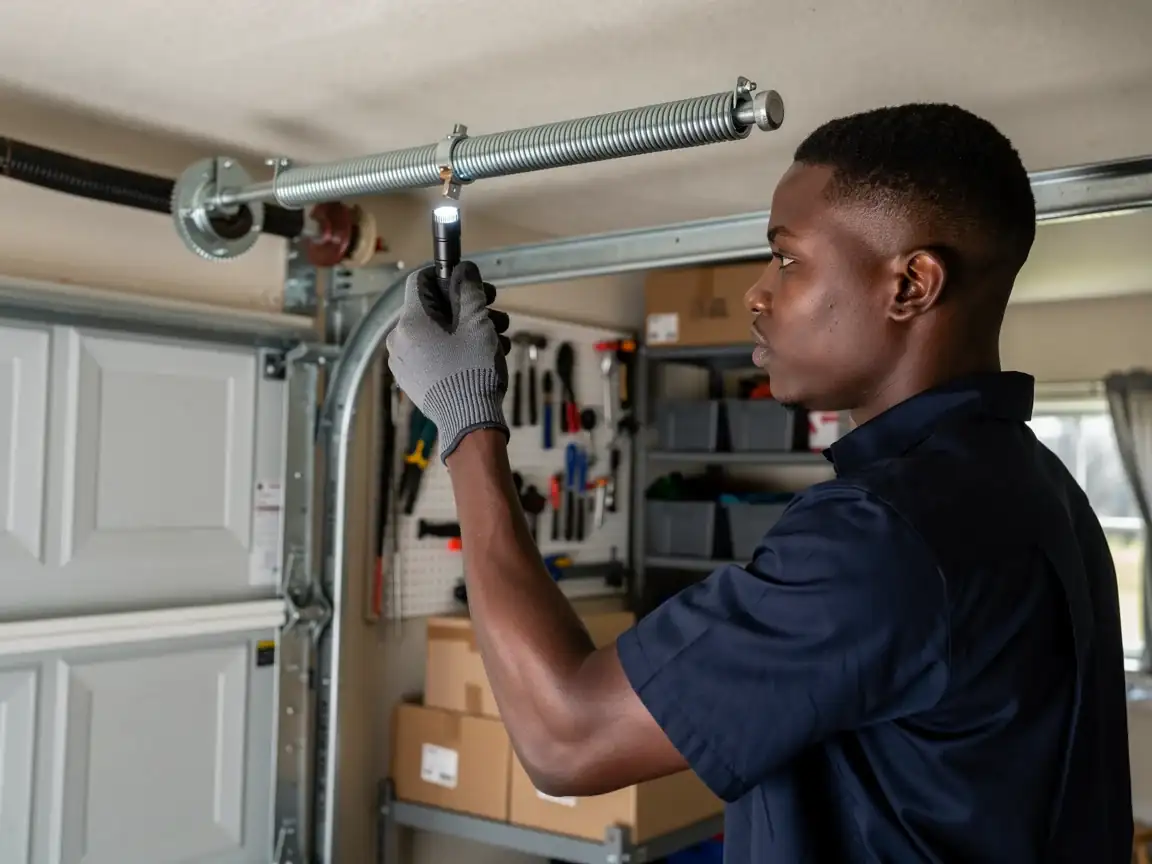
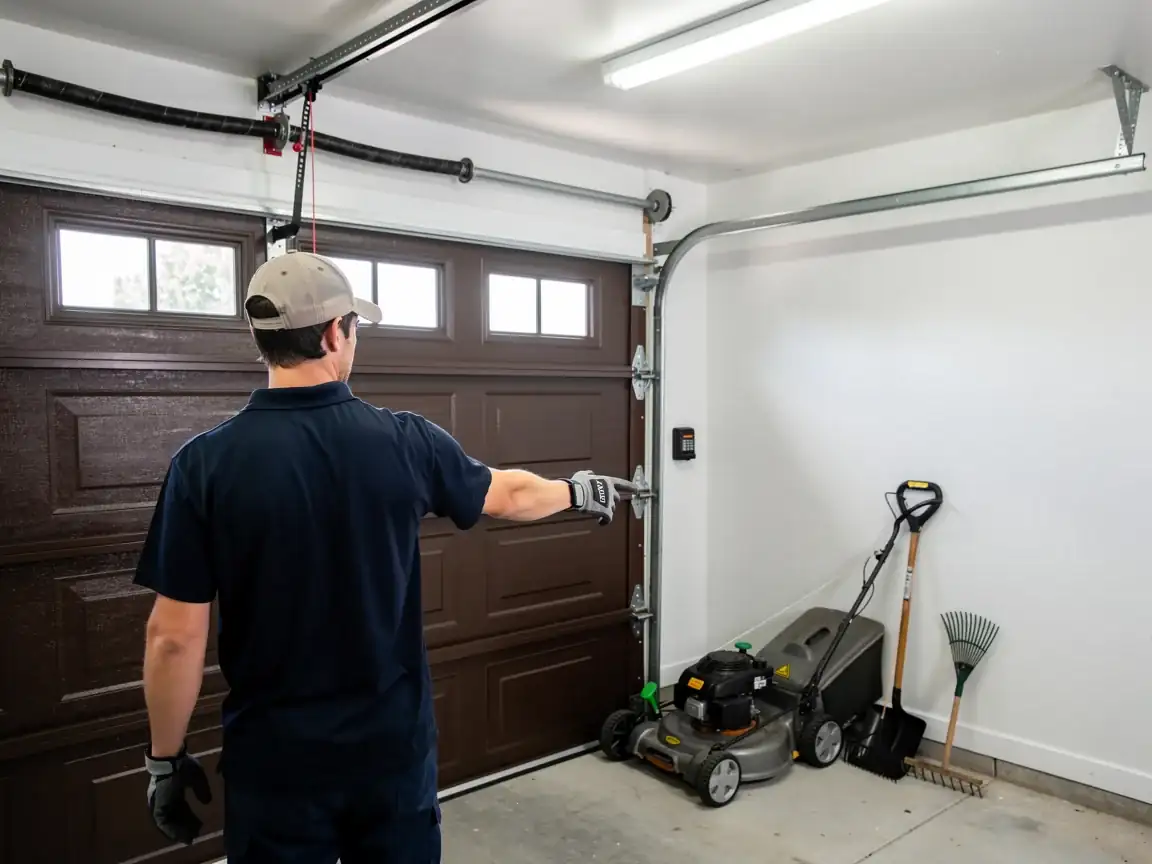
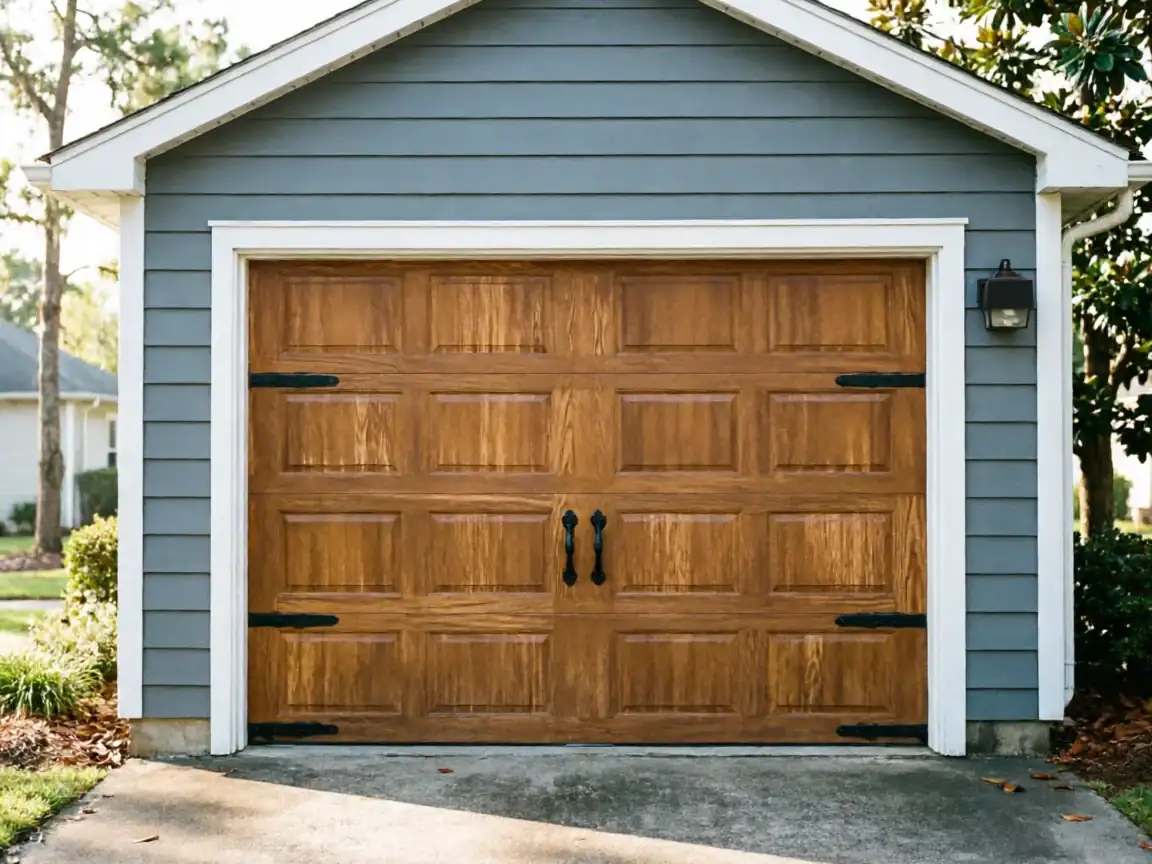
Doors from this era were almost universally built on torsion bar systems rather than the extension springs you'd find on an older side-mounted setup. Torsion springs are safer when handled right and dangerous when they're not - they store a lot of force under tension. We don't recommend DIY spring replacement on any door, but it's a bigger risk on these newer torsion setups than people assume because the bar runs the full width of the door.
Openers from this build era are also starting to age out
If the unit hasn't been swapped since the house was new, it's roughly old enough that replacement parts are getting harder to source - something worth asking about before it fails on you.
This Area's Housing
Mount Holly has about 7,274 households, a modest share of the roughly 43,773 households across the full territory we serve from Gastonia. Median household income here runs to $75,928, well above the $59,583 median for the wider service area - a gap that tends to show up in the work itself, with more owners opting to replace an aging door outright rather than patch it repeatedly.
Across the whole service area, about 20,806 of those 43,773 households own rather than rent, and ownership tends to track with willingness to invest in a full door and opener replacement instead of a stopgap repair. We don't have a breakdown of ownership specific to Mount Holly, so we won't guess at a number we can't back up - but the income figure alone tells you this is a market where a straight repair quote competes fairly against a replacement quote, and we'll tell you honestly which one makes sense for your door rather than push toward the bigger job.