What Causes It Around Here
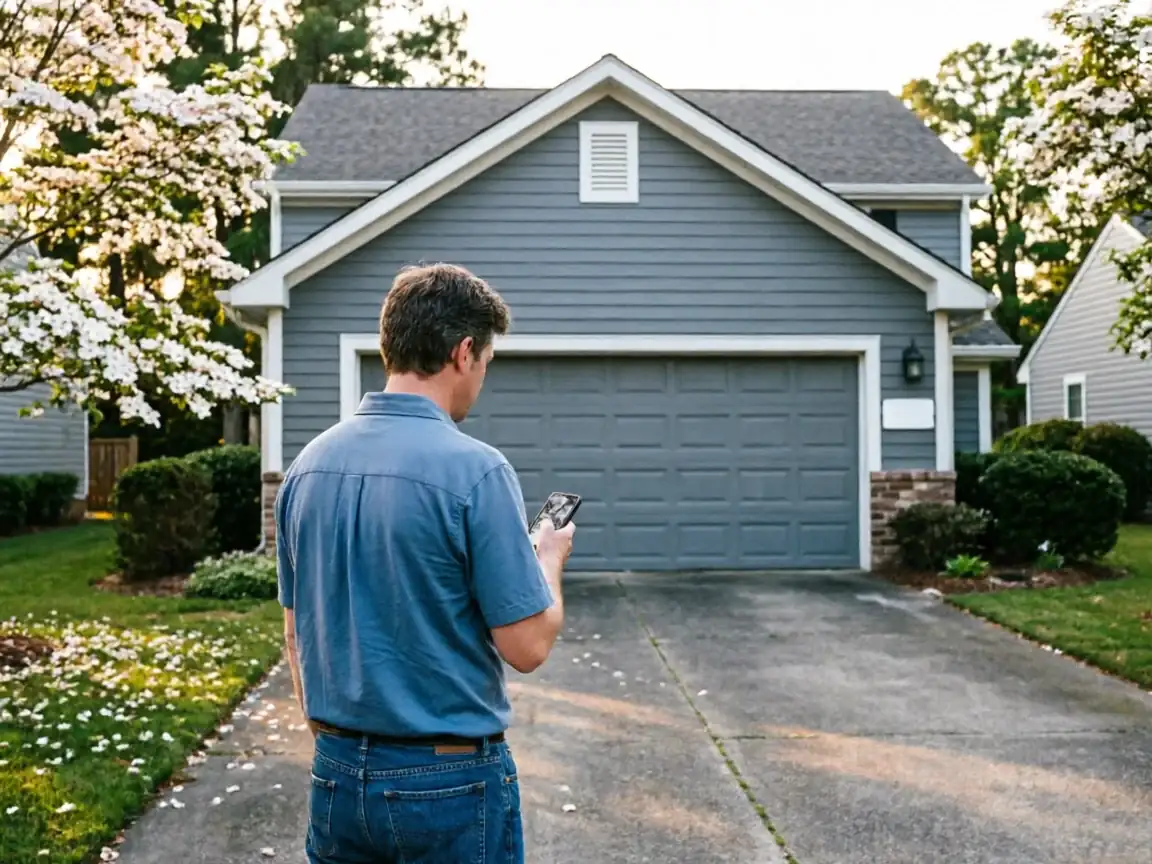
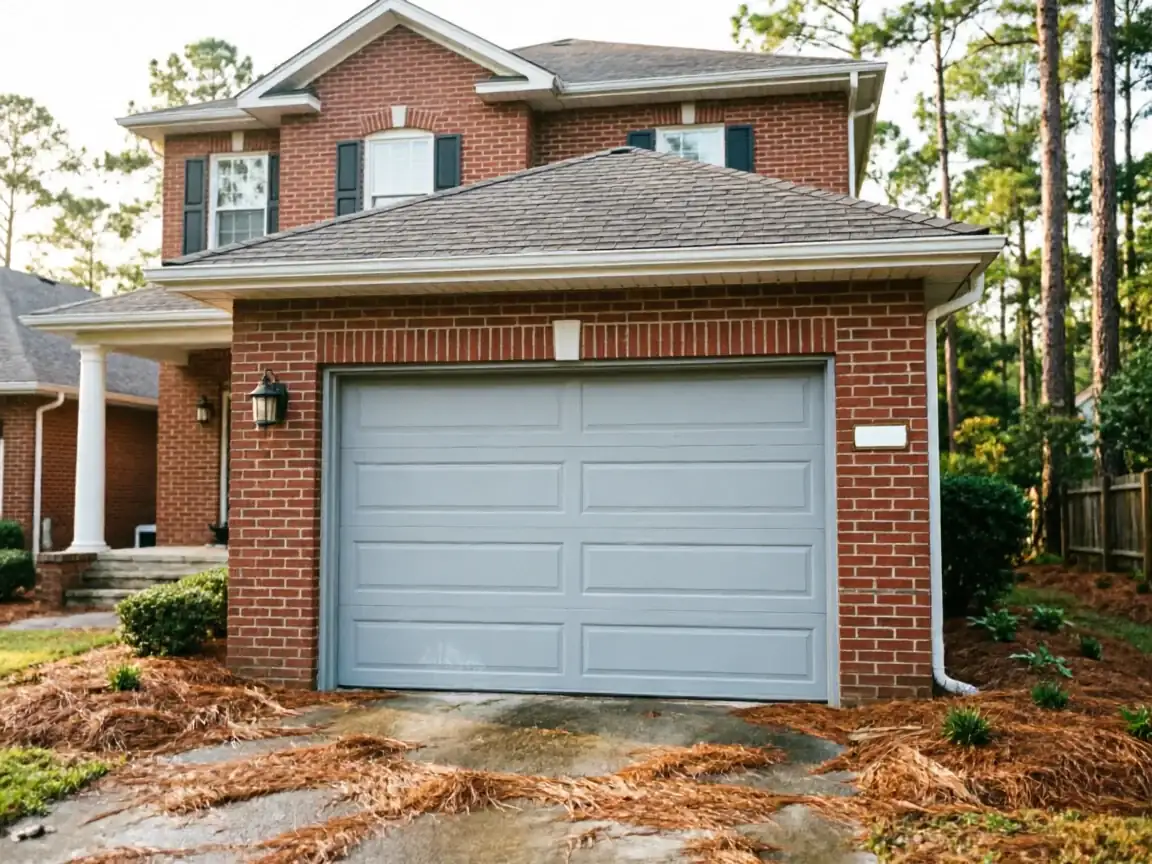
Housing across this service area mostly went up between 1967 and 2011, with the bulk of it built in the 1980s and 90s. That matters for rollers specifically. Builder-grade doors from that era almost always shipped with plain steel or early-generation nylon rollers riding on stamped steel track, not sealed ball-bearing hardware. Thirty or forty years of daily cycling wears the roller stem, flattens the wheel, and opens up slop in the track channel.
The cold moderate climate here adds to it. Garage doors in this region go through repeated freeze-thaw swings every winter, and that constant contraction and expansion of the track rail is hard on rollers that are already past their service life. A roller that's slightly worn in a mild climate can seize or crack outright once cold weather starts working the metal.
We see this most on doors that still have their original hardware from construction. If your house falls in that 1980s-90s band that makes up most of the stock in these 17 named areas, the rollers are usually the oldest moving part left on the door, even if the opener and springs have already been swapped once or twice.
Time on the Job
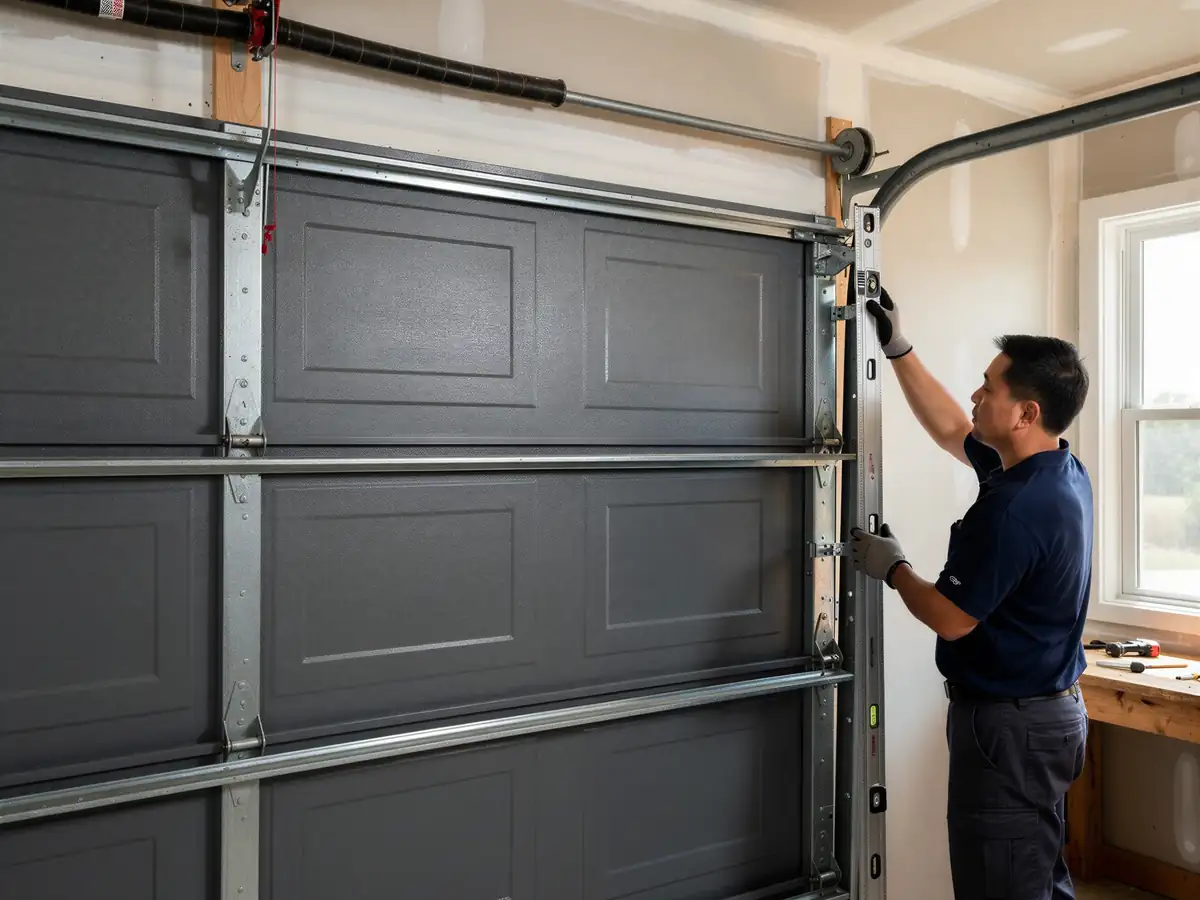
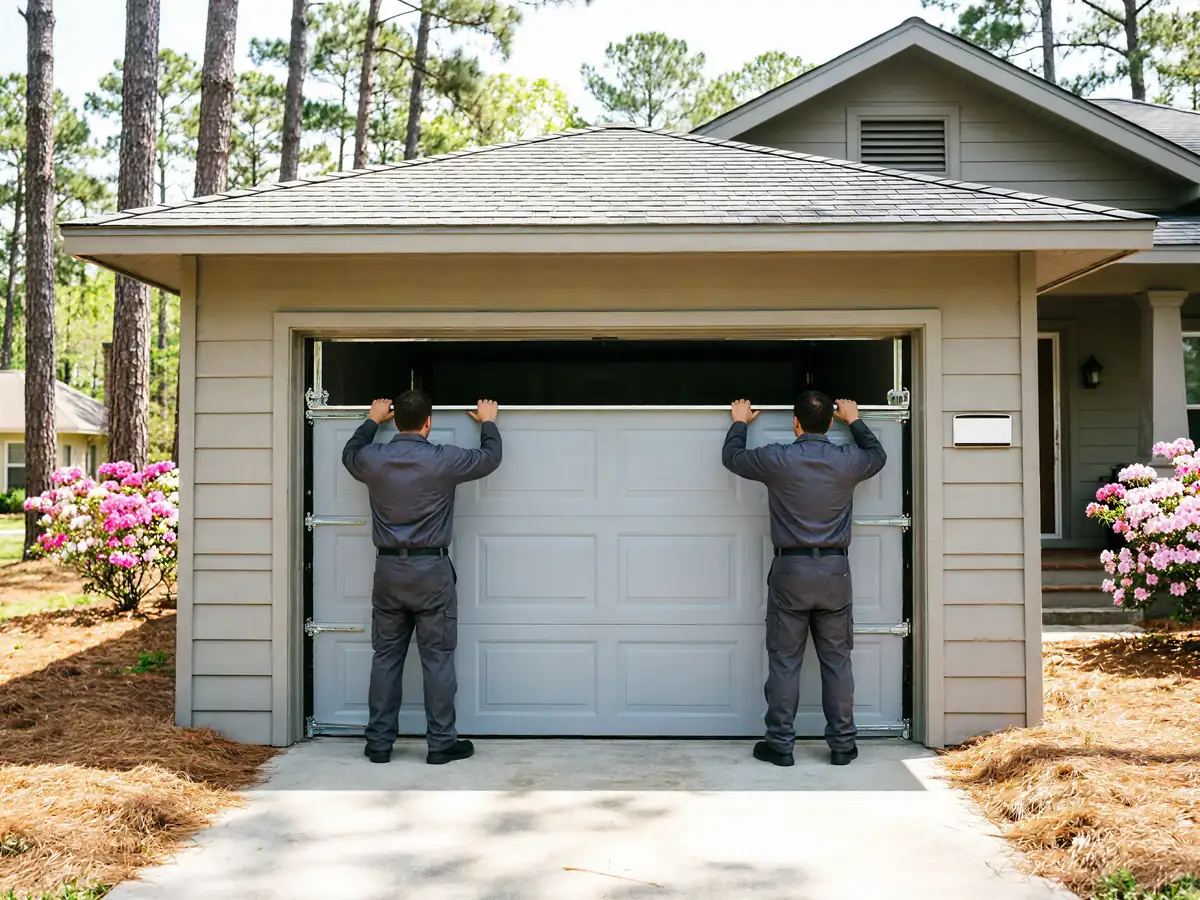
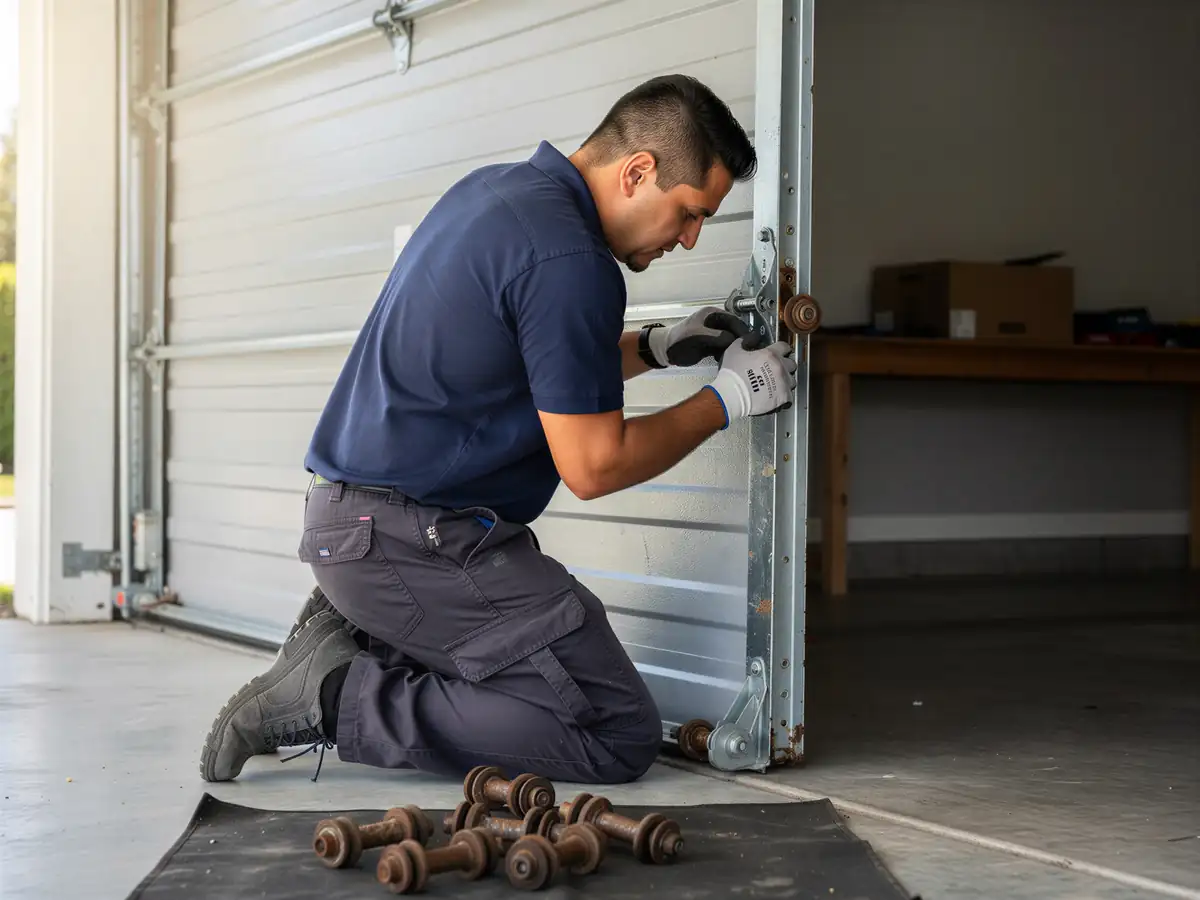
Roller replacement is one of the shorter jobs we run, but it's not instant, and rushing it is how you end up back here in six months. We pull the door down to a safe working position, release spring tension so the track isn't under load, and work roller by roller rather than yanking the whole set at once - that keeps the panels aligned instead of letting the door rack sideways in the track.
How long it takes depends on what we find once the old rollers are out. A clean swap on a door with straight track and good hinges goes quick. A door where years of worn rollers have chewed up the track edges or bent a hinge takes longer, because we're not putting new rollers into bad track and calling it done.
We cover this work across the full service area - Ranlo, Dallas, Lowell, McAdenville, Bessemer City, Cramerton, Belmont, Stanley, Kings Mountain, High Shoals, Mount Holly, Cherryville, Lowesville, Lincolnton, Grover, Light Oak, and Pineville, in addition to Gastonia itself. One honest limit: if the track is bent badly enough from worn rollers riding in it for years, roller replacement alone won't fix the noise or the binding - that's a track job, and we'll tell you straight if that's what you're looking at.
What You Are Seeing
Worn rollers don't fail quietly
The most common complaint we hear is a grinding or rattling sound as the door travels, especially right where the roller passes a track bracket. Flat-spotted steel rollers make a distinct thump-thump as they turn, once per rotation, that gets louder with speed.
You might also notice the door jumping slightly in the track, especially near the top or bottom of travel
Or hesitating and jerking instead of moving smooth. On doors with nylon rollers that have cracked rather than just worn down, you'll sometimes see small plastic fragments on the garage floor near the track, which is a pretty clear sign the roller itself has failed rather than the opener or springs.
Some owners notice it first as a vibration they can feel through the wall when the door runs
Rather than a sound. If the door is also pulling to one side as it closes, that can mean rollers have worn unevenly from one side of the door carrying more weight than the other, which happens on doors with a heavier insulated panel or an off-center opener arm. None of these symptoms on their own tell you whether it's the roller, the track, or the hinge - that's why we look at all three before replacing anything.
What the Repair Takes
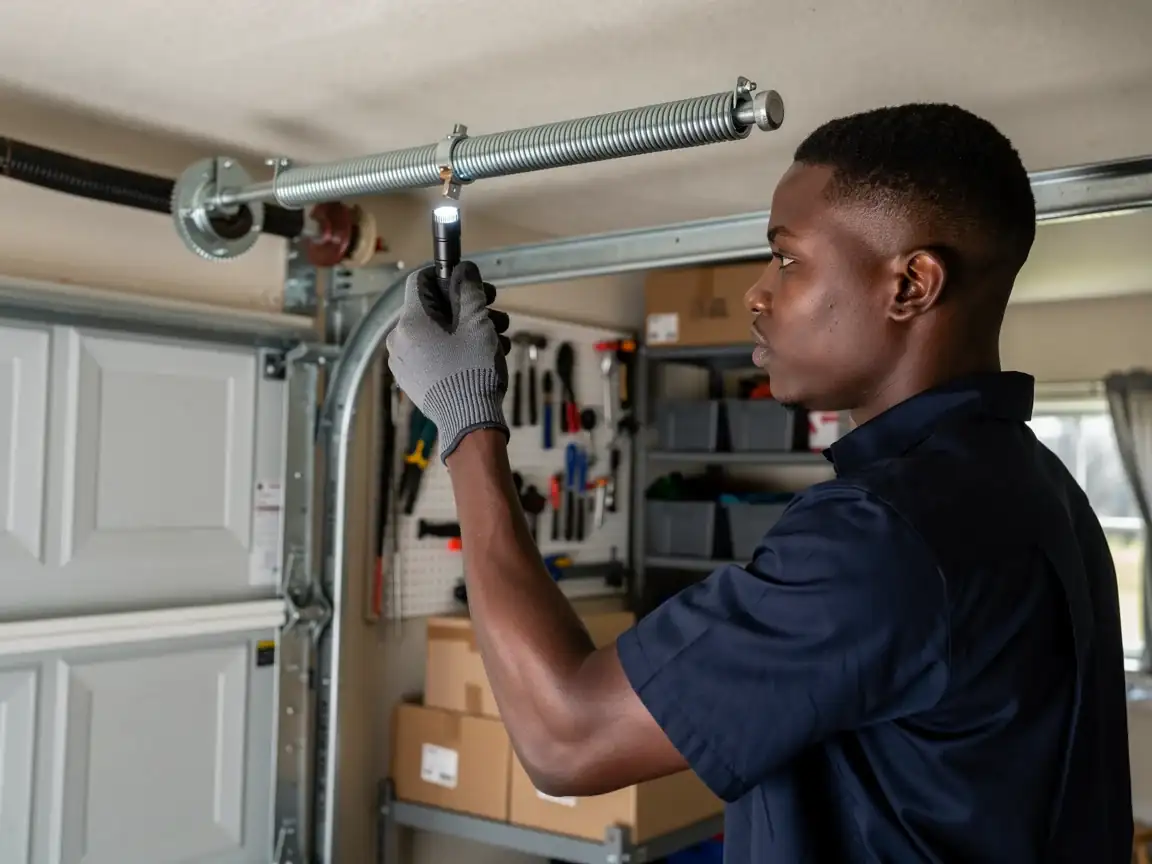
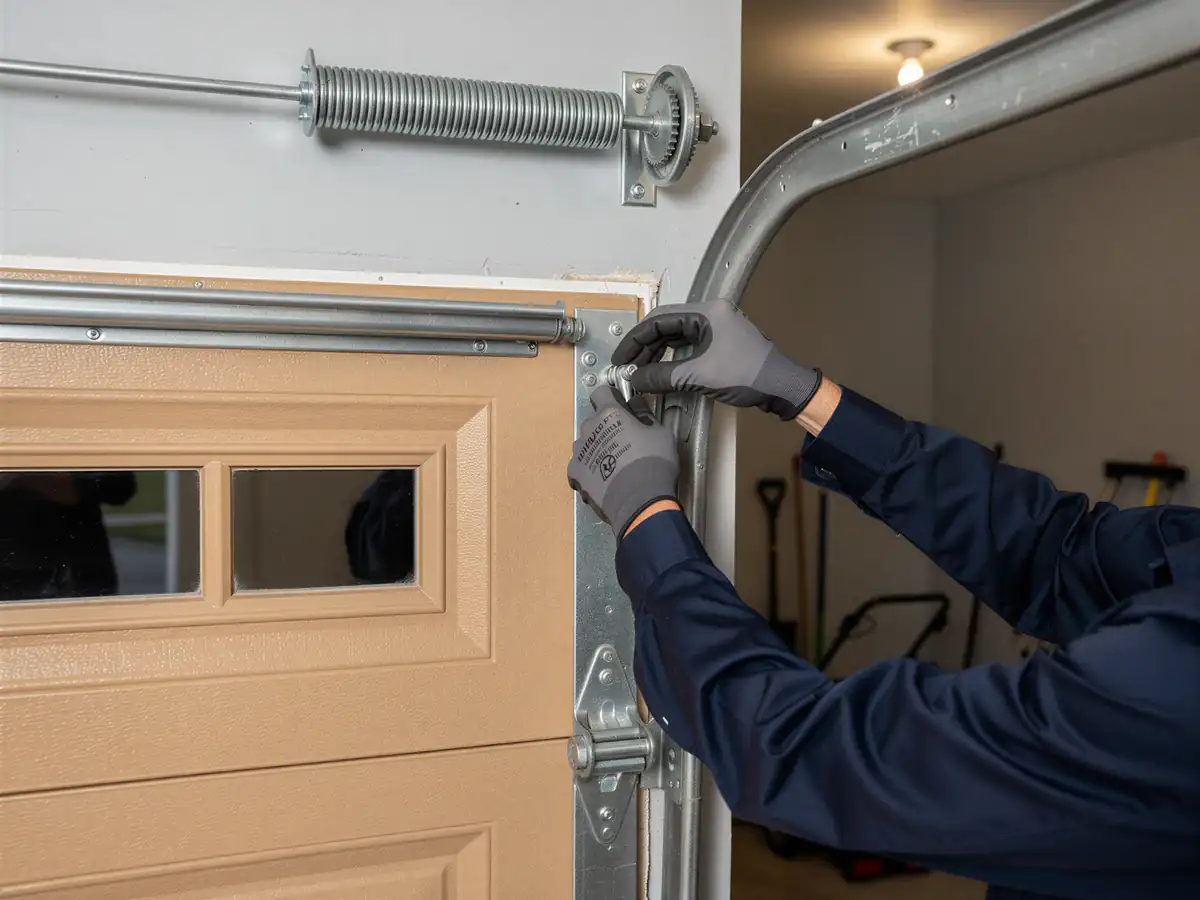
A roller swap means removing the old rollers from their hinge brackets, checking the hinges themselves for stretched or oval holes, and setting new rollers into track that's been checked for straightness first. We check every roller on the door, not just the noisy one, because if one roller wore out from age, the rest are usually close behind on the same timeline.
We look at the stem length and wheel size to match what the track and hinge actually need - garage doors from the 1980s and 90s building era in this area often used slightly different stem lengths than what's sold off the shelf today, so getting the match right matters for how the door rides afterward.
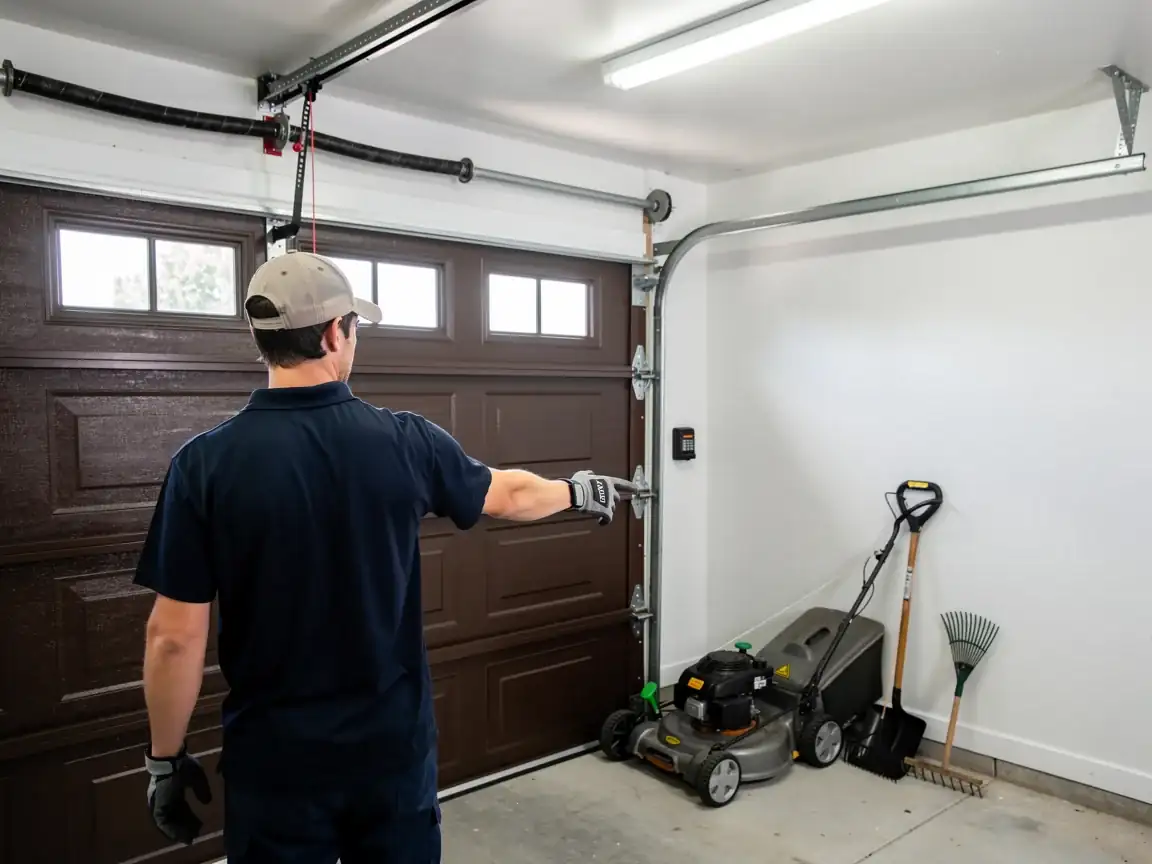
After the new rollers are in, we run the door through a full cycle and check for smooth, quiet travel top to bottom, and we check that the door isn't binding against the stop molding or dragging on one side. If we find the track itself is bent or the hinges are stretched beyond what a roller swap can fix, we'll say so before doing any work rather than replacing rollers into a track that's going to chew through them again in a year.