Older vs Newer Streets
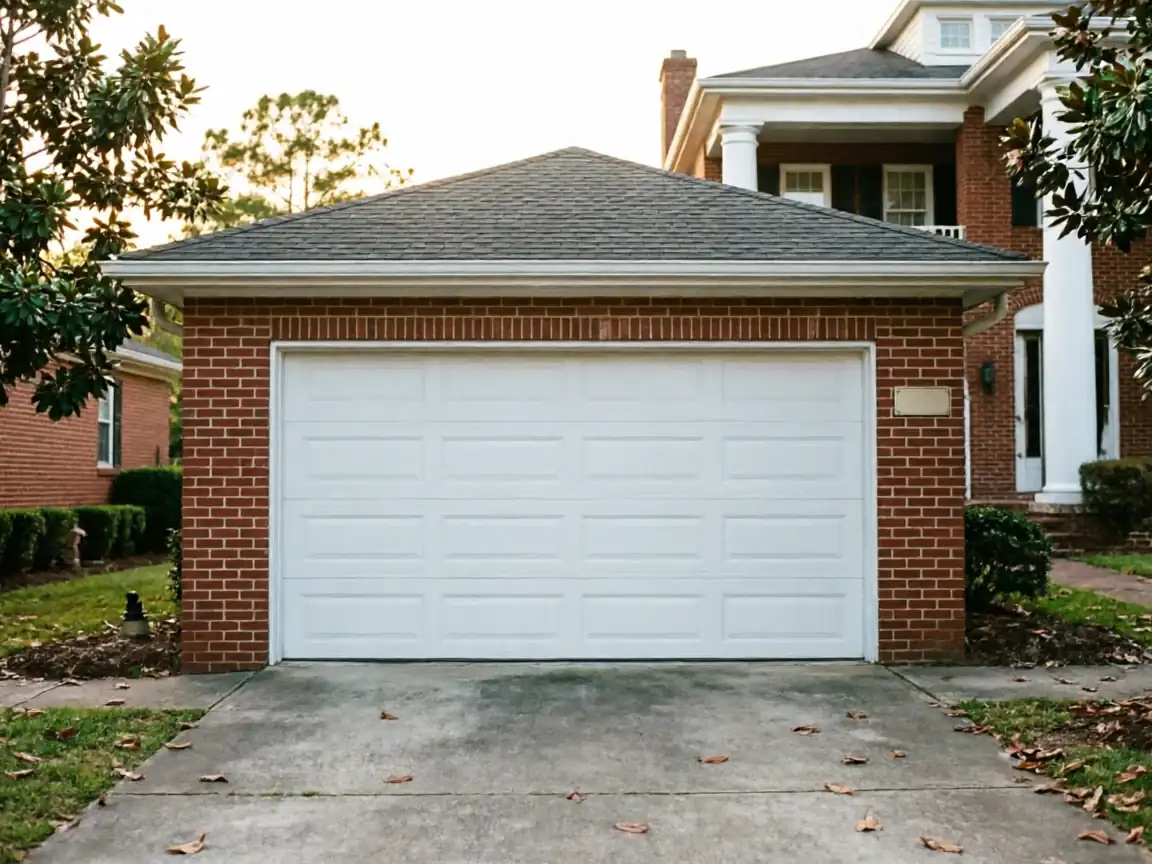
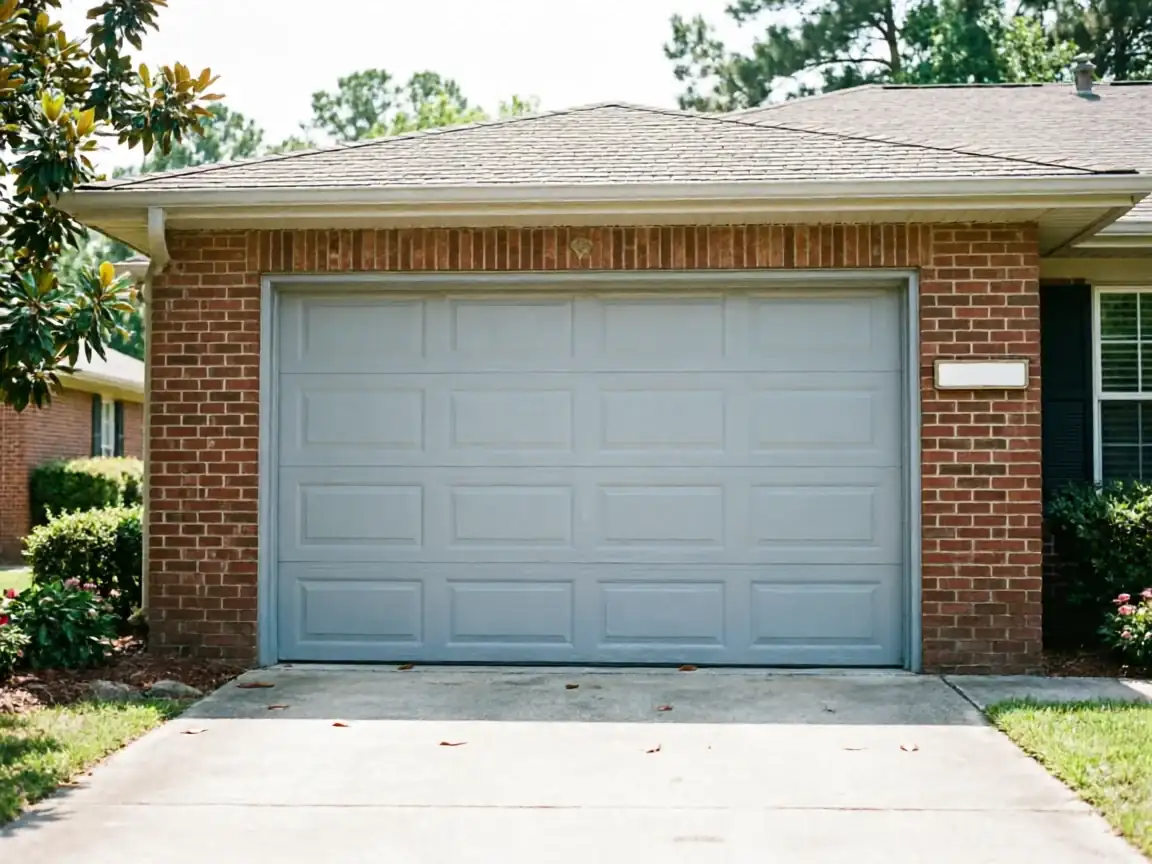
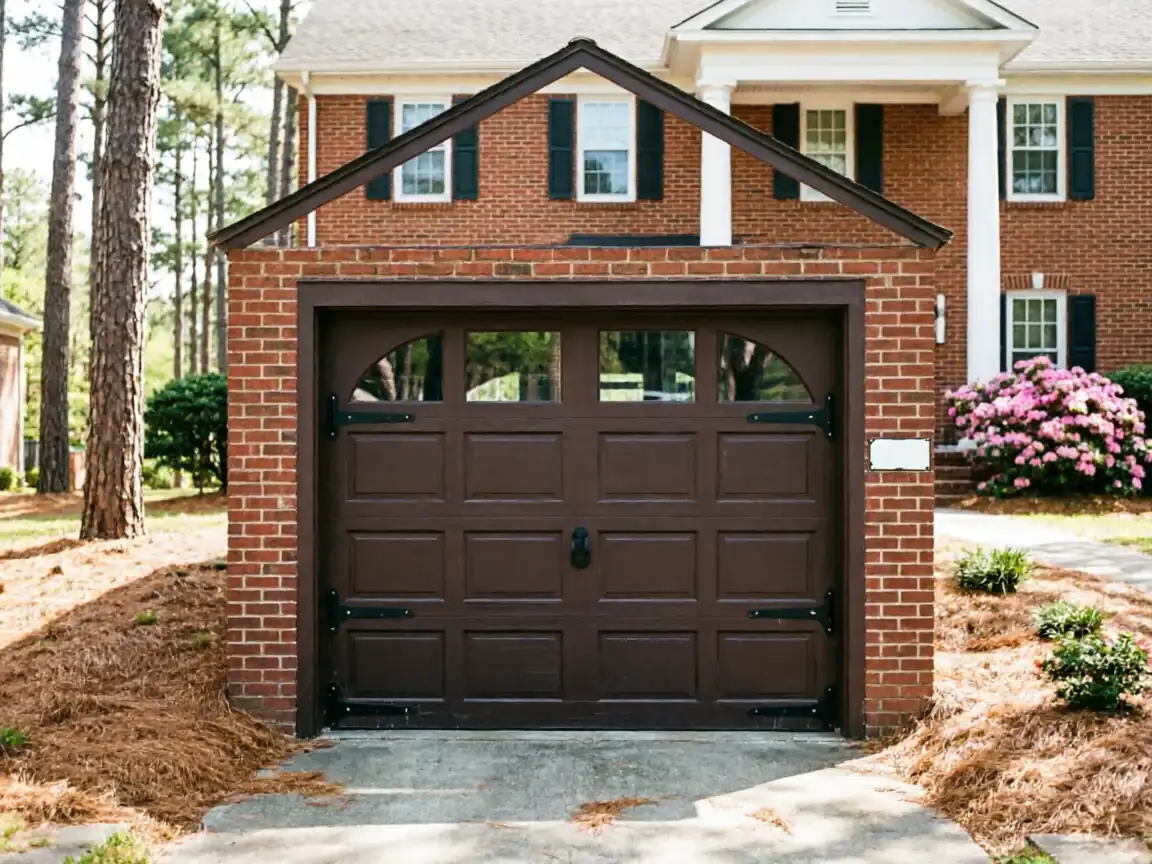
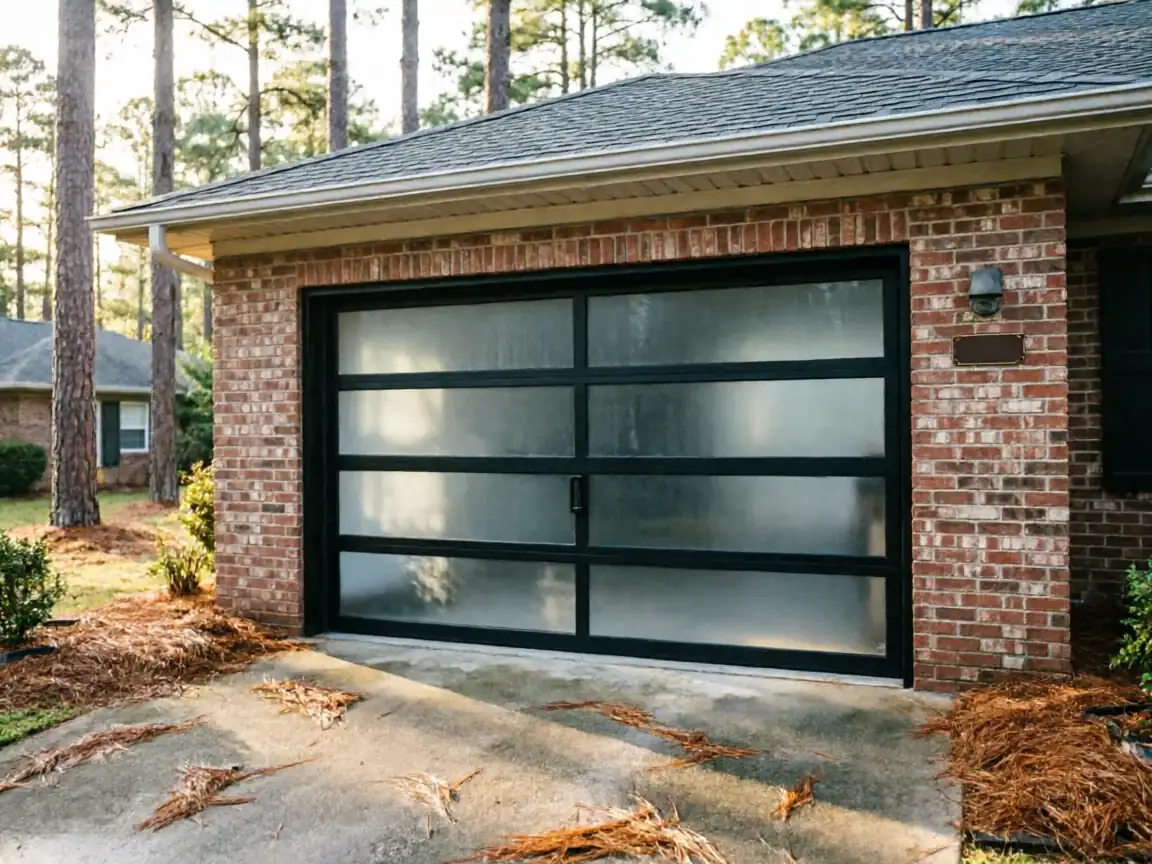
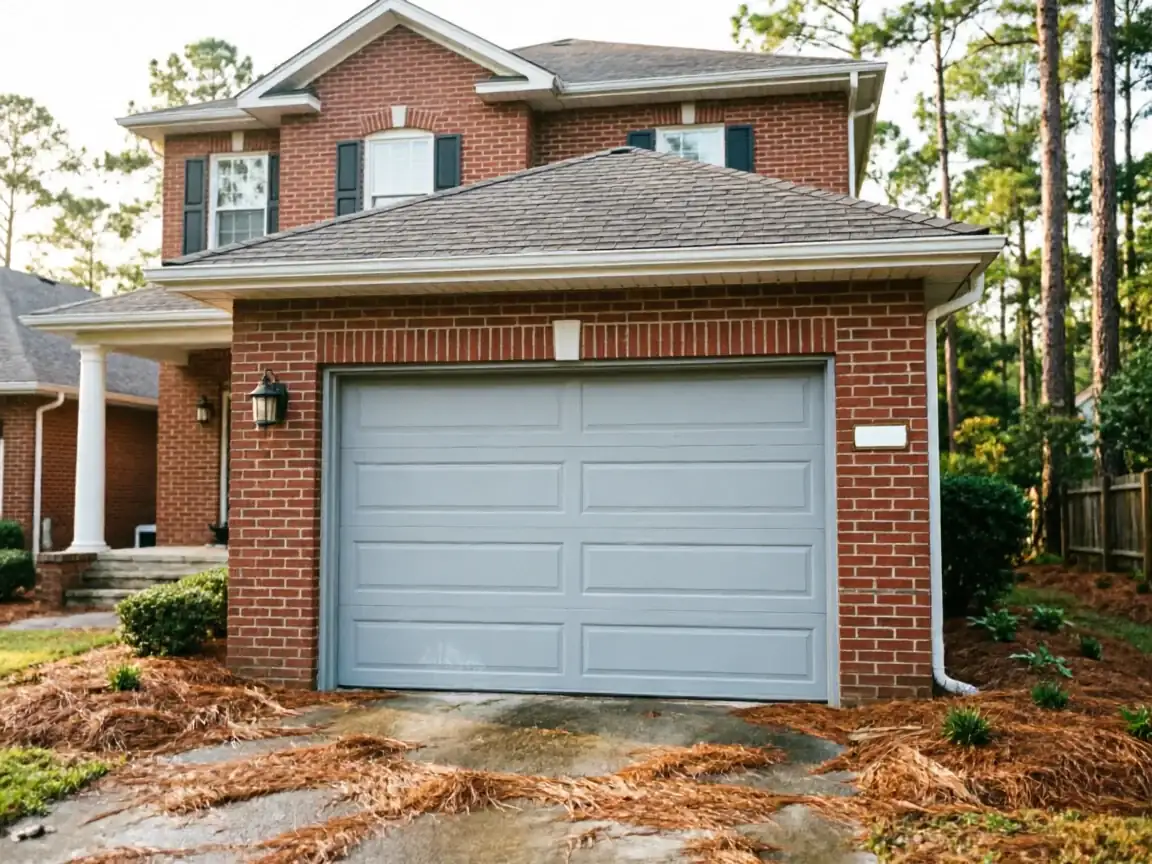
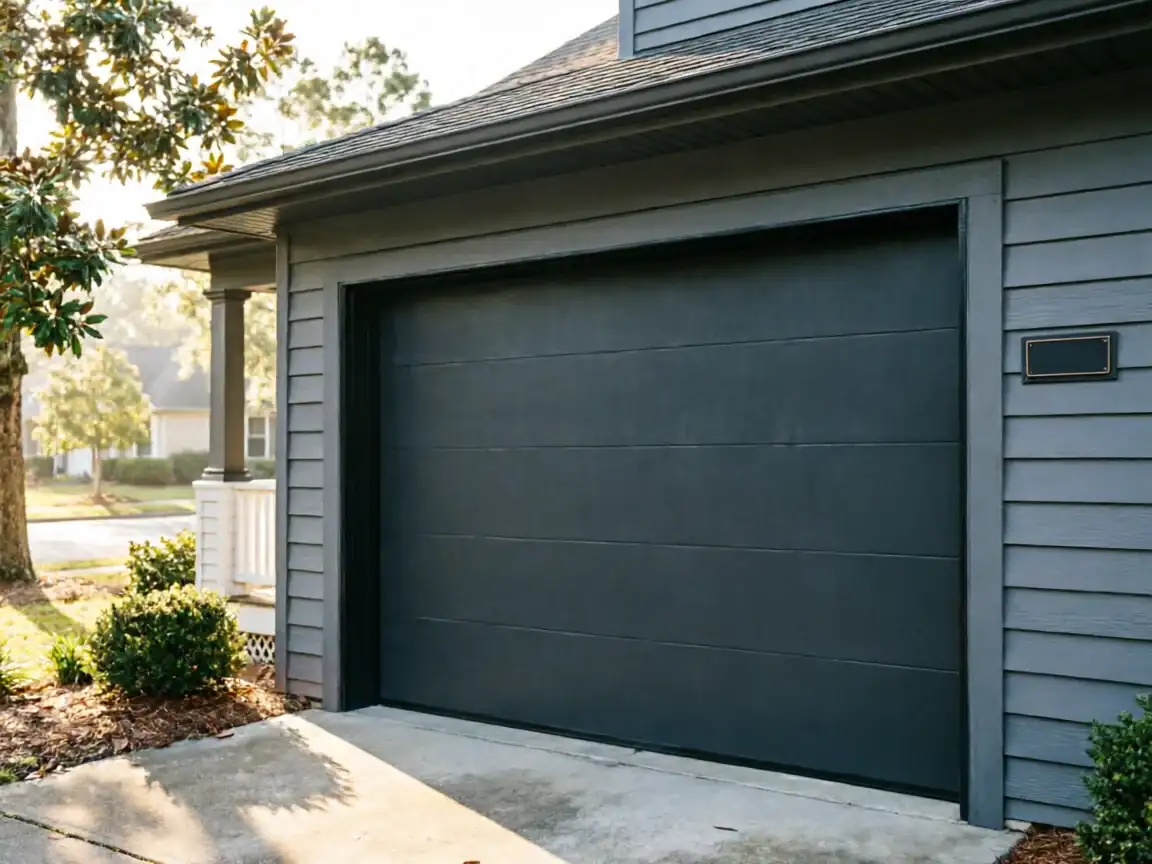
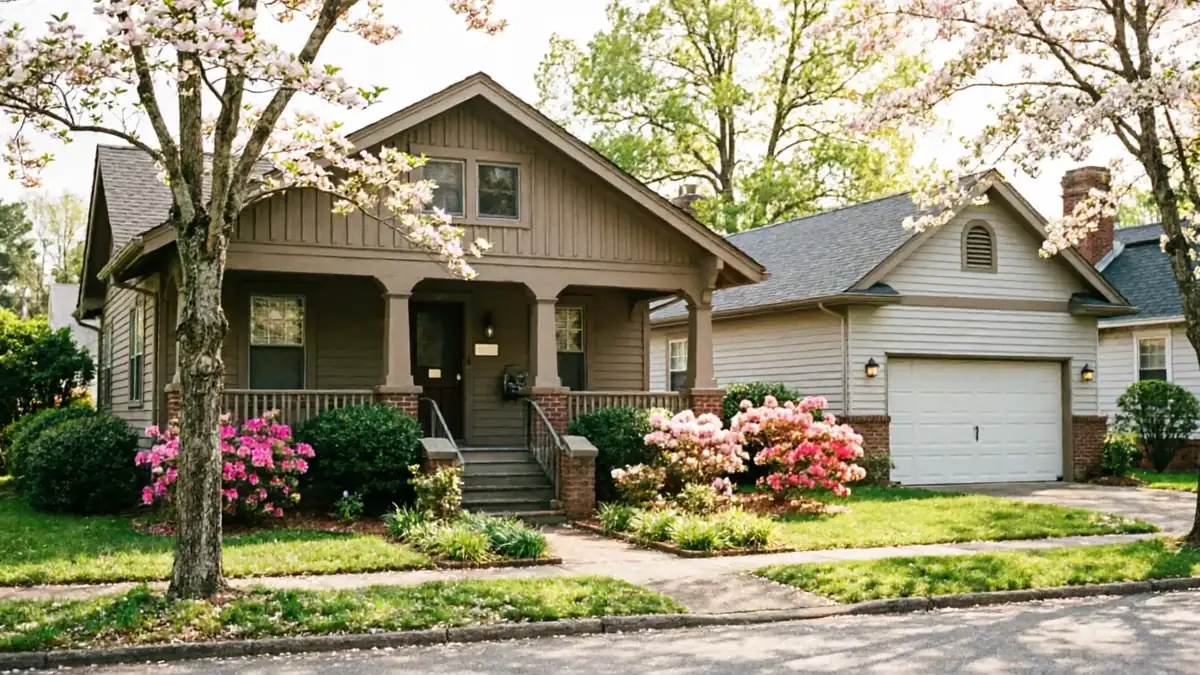
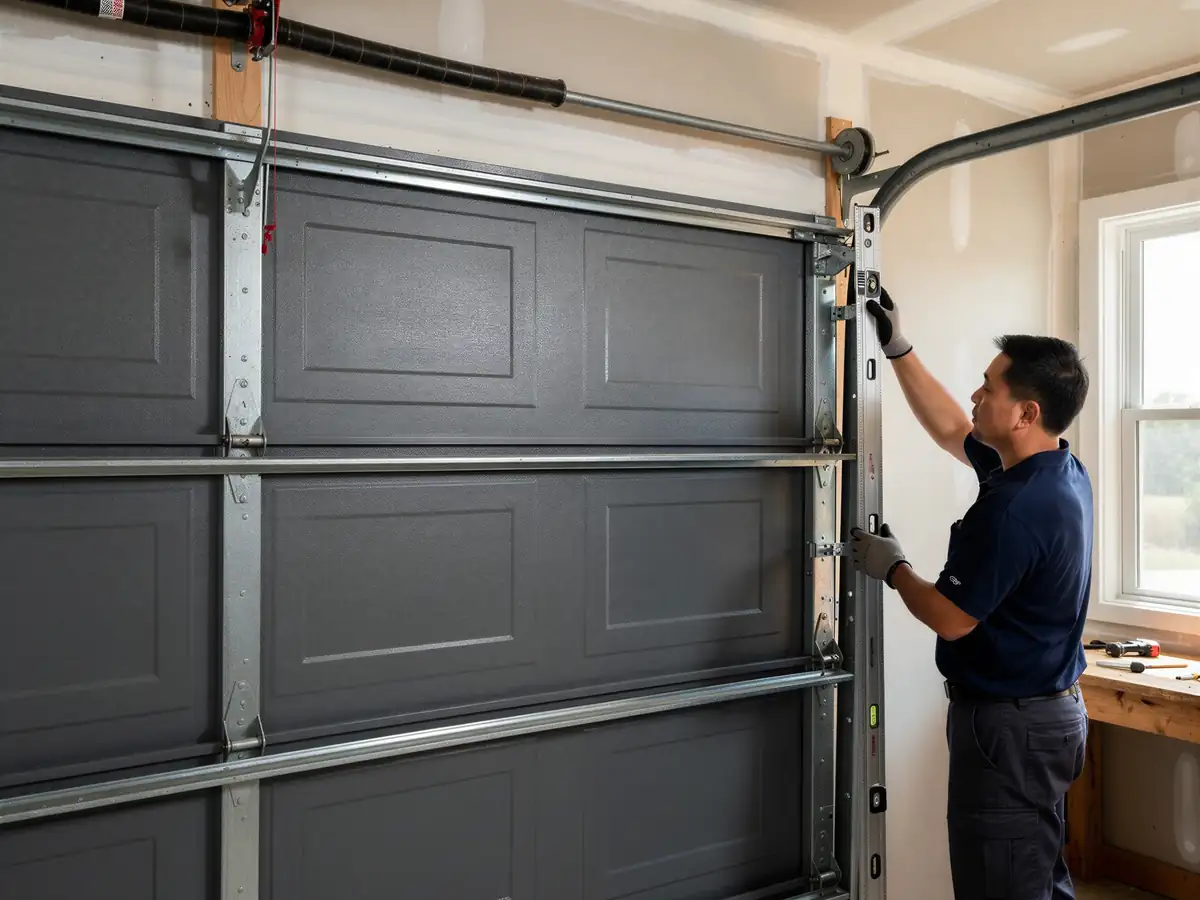
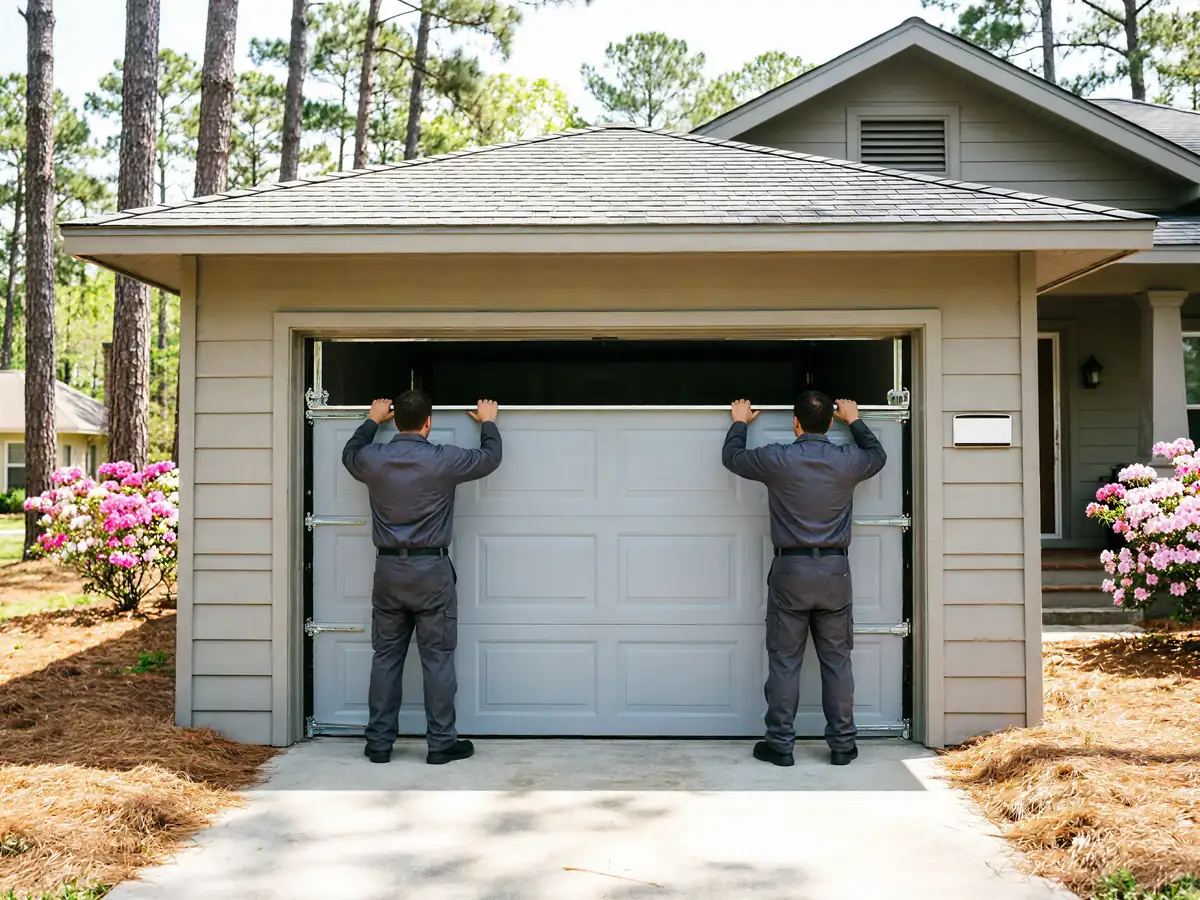
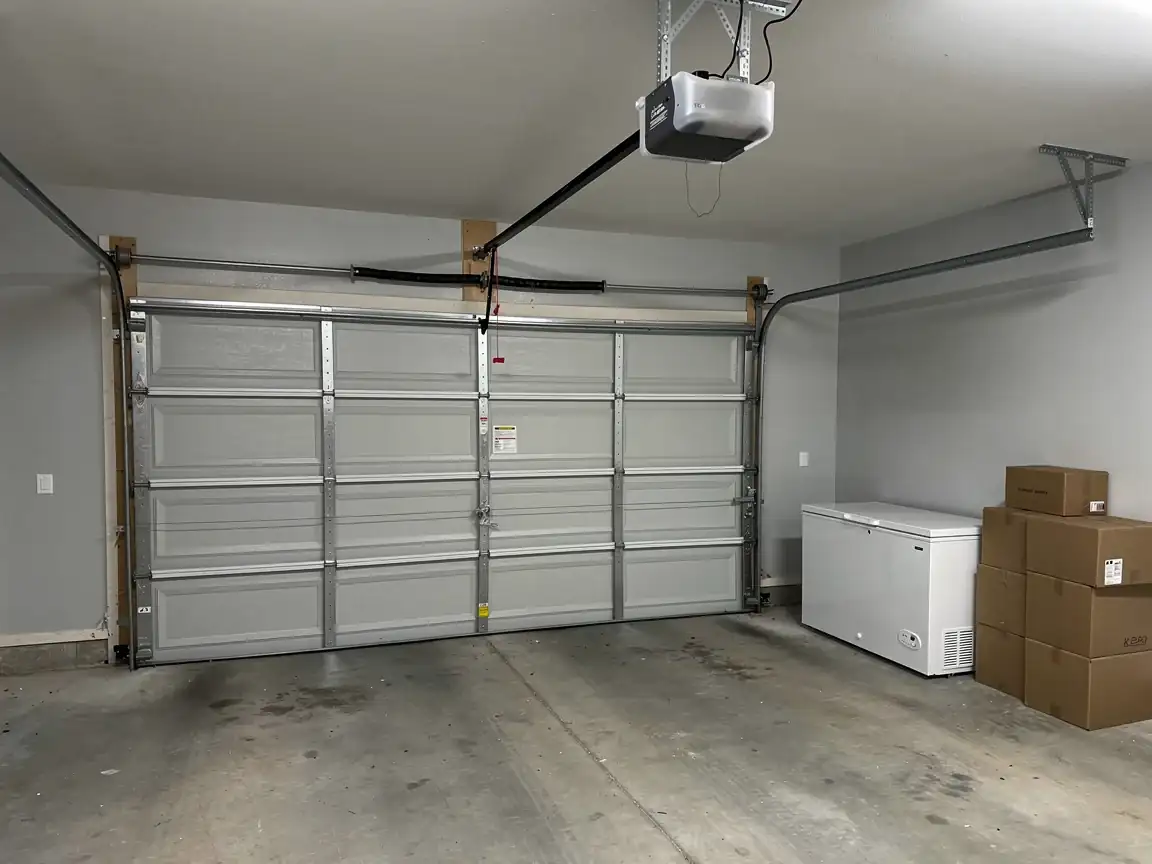
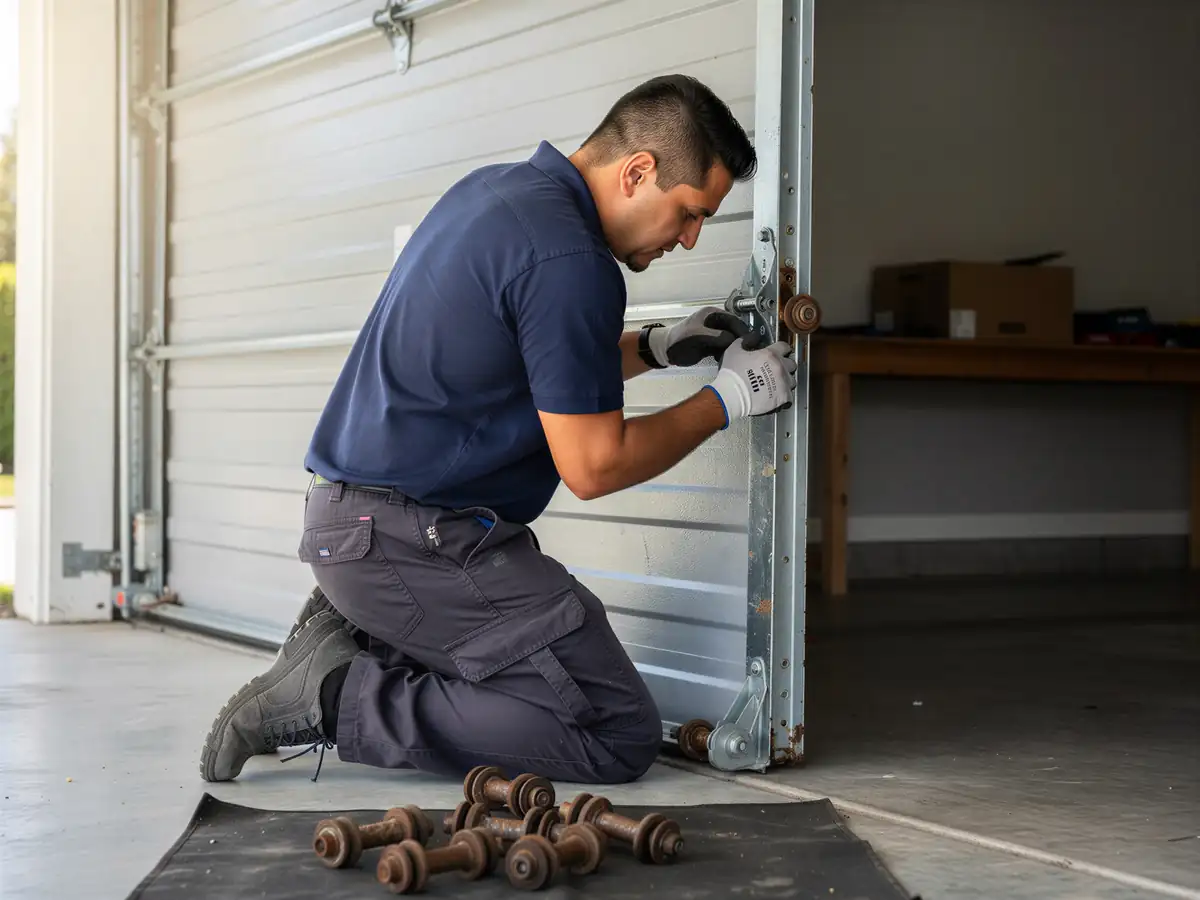
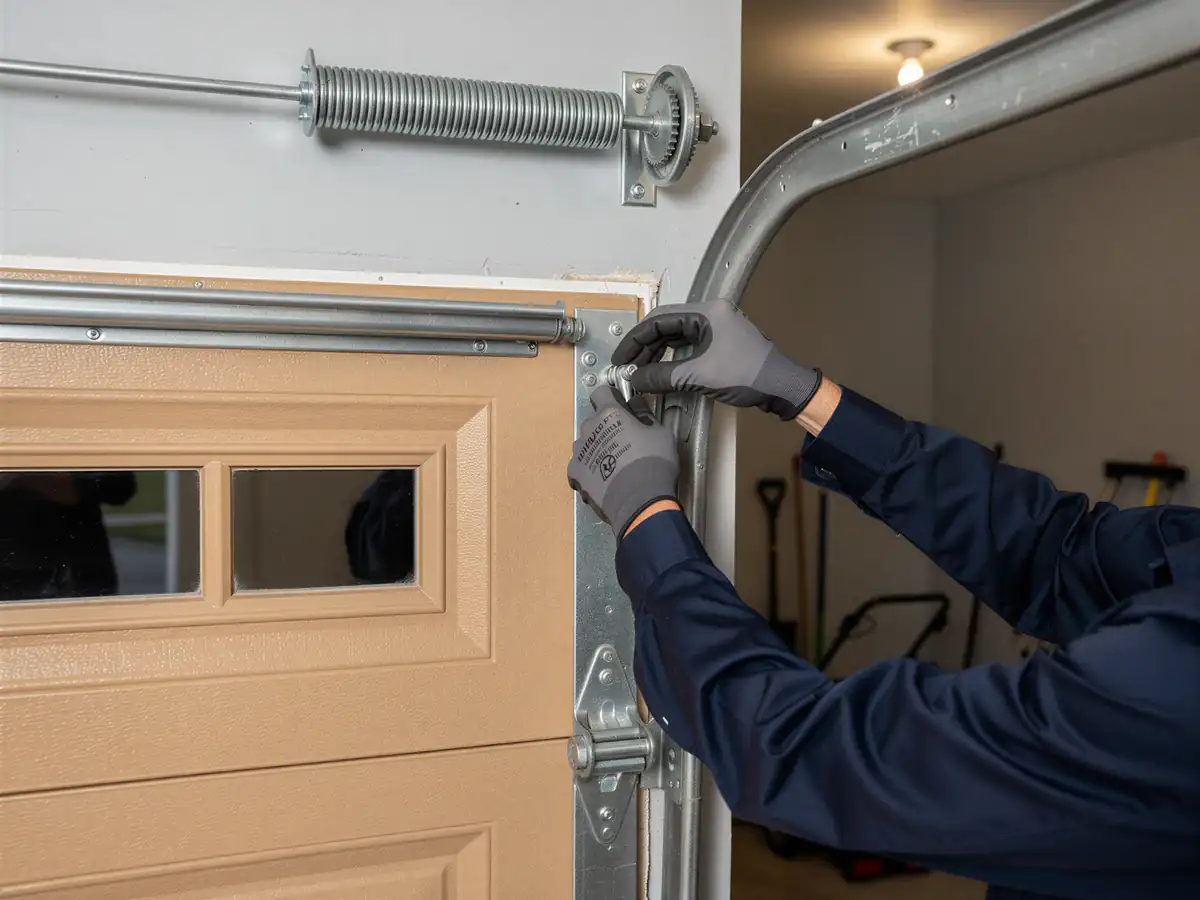
Belmont's housing stock centers on a median build year of 1998, which puts it well ahead of the wider service area, where the median sits at 1983 and the range runs from 1967 to 2011. That gap matters more than it sounds like it should. A door installed in 1998 is almost always a steel sectional on a standard extension or torsion setup with a chain or belt-drive opener from that era - parts that are still common, still stocked, still fixable without a hunt. Compare that to the older pockets elsewhere in the area, built closer to the 1967 end, where you're more likely to find a one-piece door or hardware that's been swapped out piecemeal over 25-plus years. Belmont isn't one of those older pockets. Most of what we see here is late-90s stock, meaning the springs, tracks, and openers are a known quantity rather than a guessing game. That doesn't mean every house is the same - a street built in a later infill phase can still run 10-15 years newer than its neighbors - but as a baseline, Belmont skews newer than the area median, and the repair calls reflect it.
Getting Here
Belmont sits about 8 miles from our shop in Gastonia, which is a short run, not a special trip. We're not based in Belmont and don't claim a depot or a standing crew there - we drive out from Gastonia for every call, same as we do for Ranlo at 4 miles or Dallas at 5. Eight miles doesn't change how we price or schedule a job; it's just the distance on the map. If you're calling about a spring that let go overnight or an opener that stopped answering the remote, we're coming from the same place we always do.
This Area's Housing
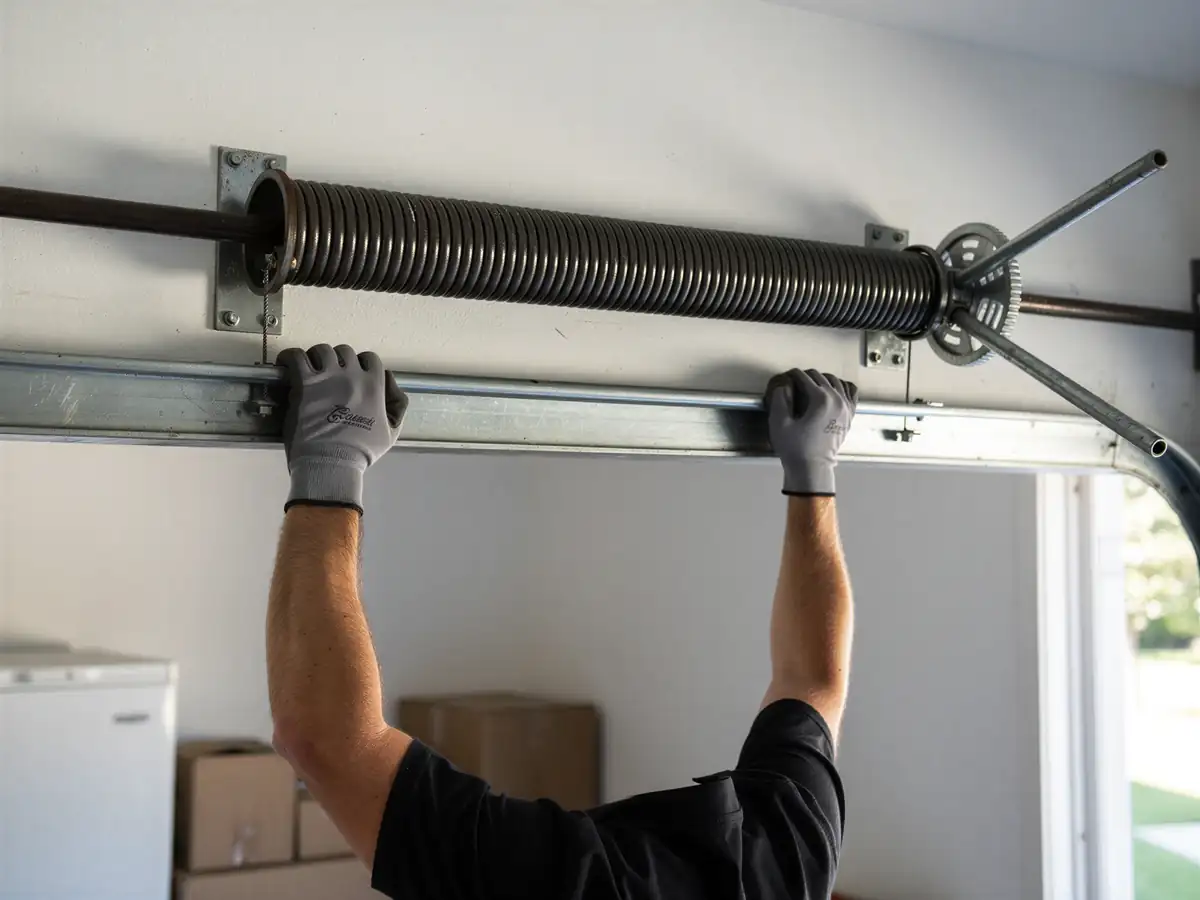
Belmont has roughly 6,289 households, smaller than the area-wide count of 43,773 households and 20,806 owner-occupied houses, and it runs a median household income of $86,442, noticeably above the area median of $59,583. That income level shows up in the calls more than people expect - Belmont owners more often ask for full opener replacement with battery backup or a new insulated door rather than a patch job on the old one, because the budget is there to do it once. The area sits in a cold-moderate climate band, which isn't the harshest around but is enough that a worn weatherstrip or a door that's lost its seal will cost you on the heating bill all winter. None of this changes the basics of how a torsion spring or a track works - it just shapes which fix people choose when we lay out the options.