What the Repair Takes
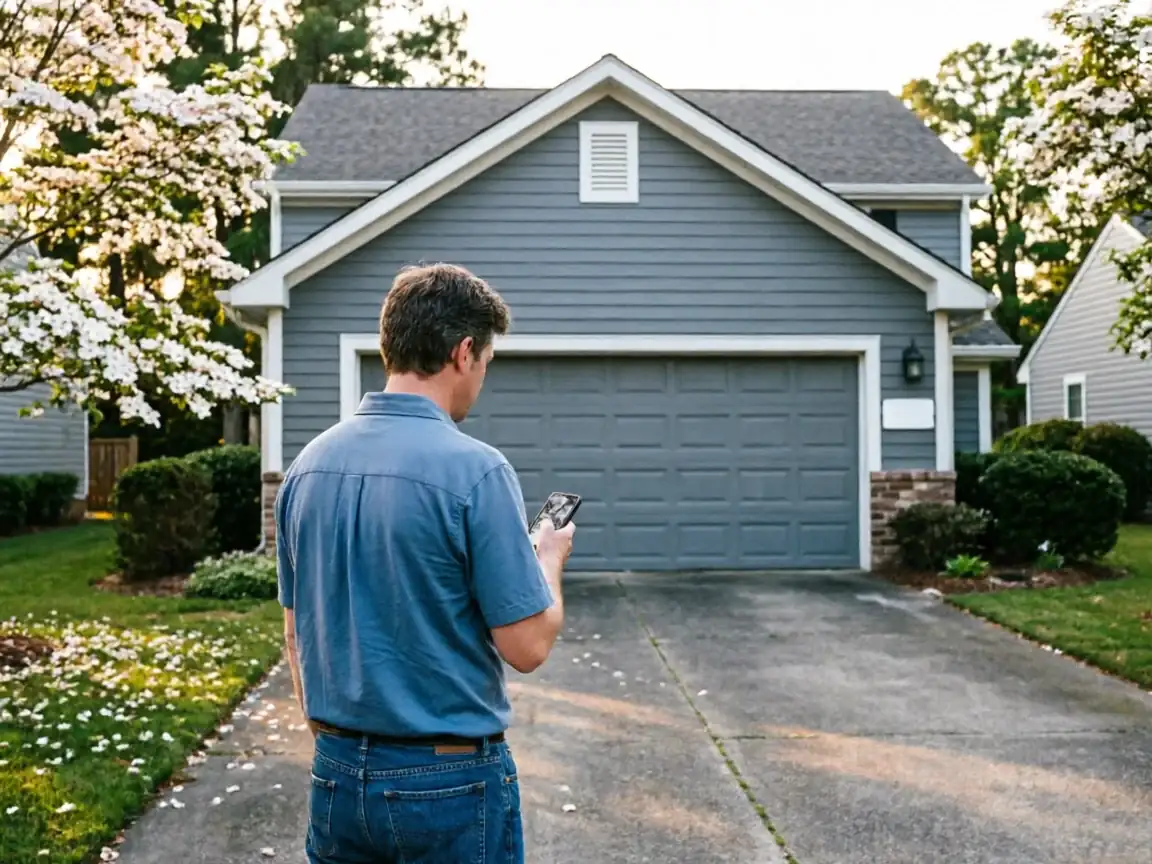
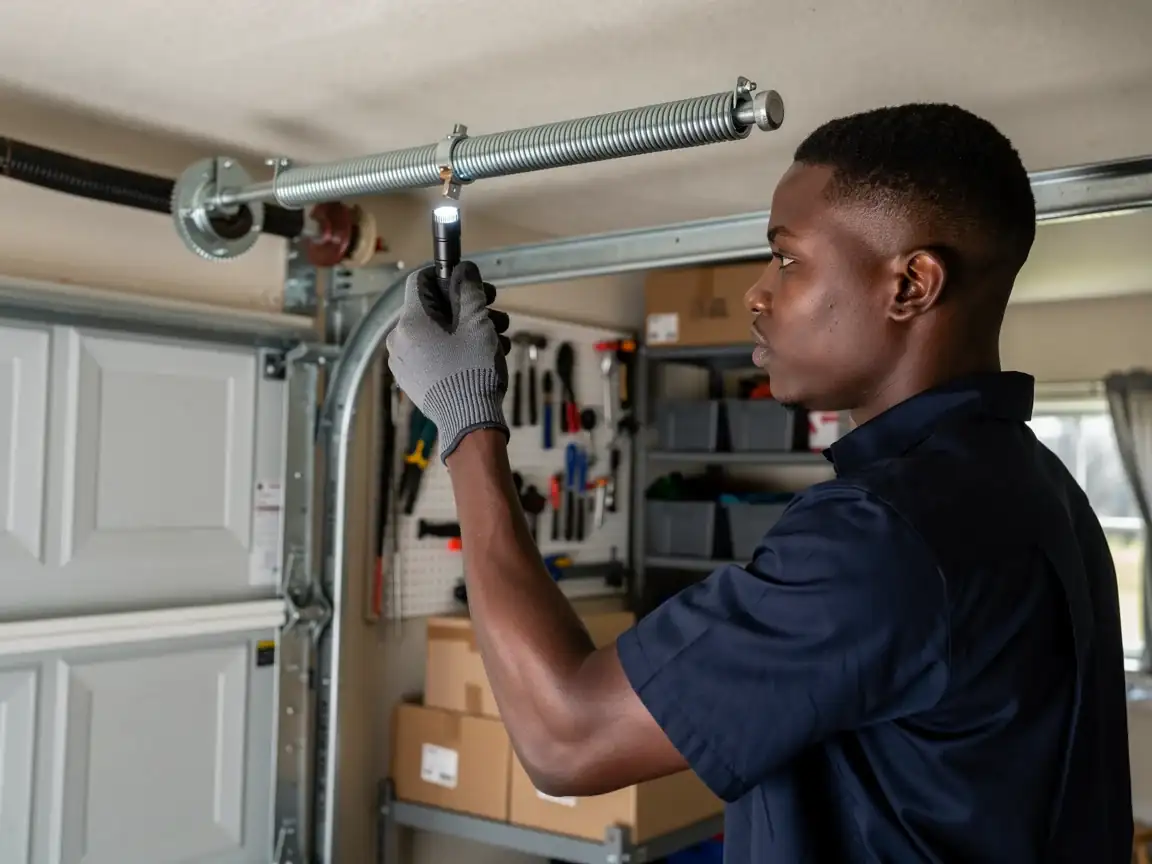
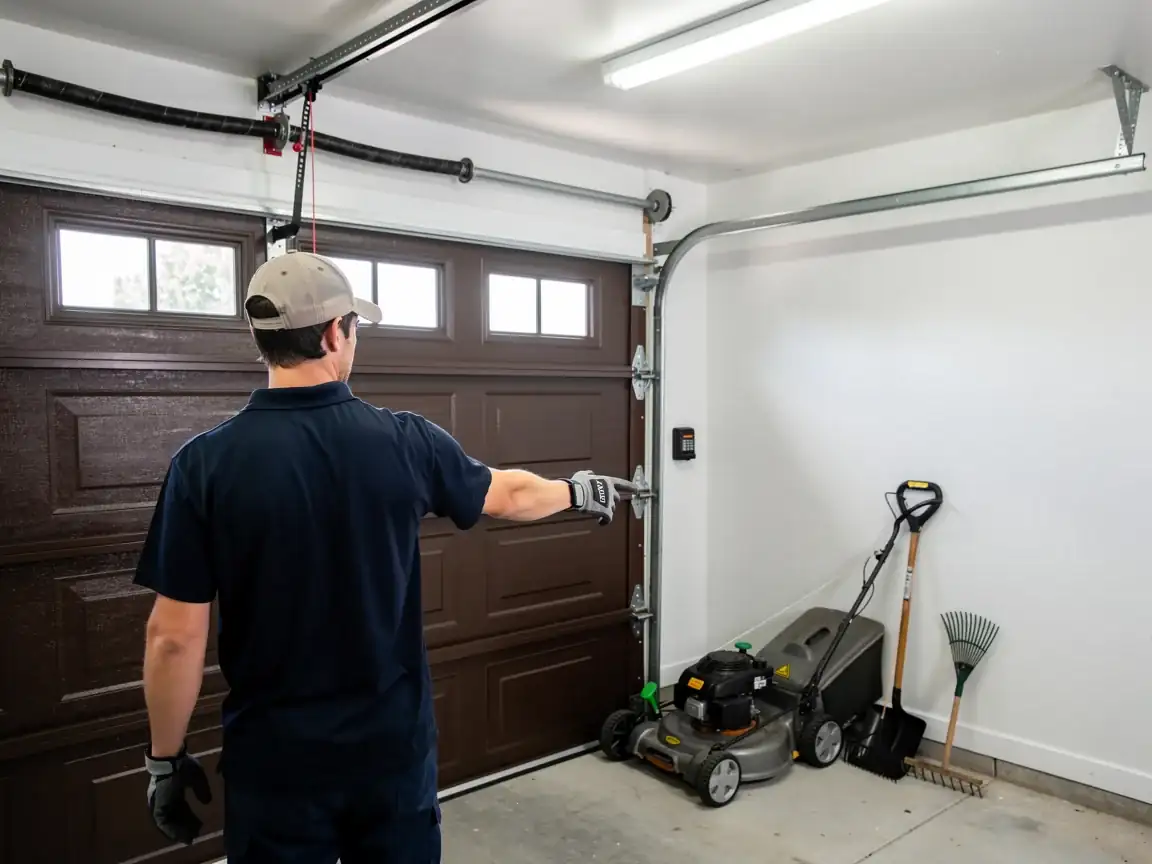
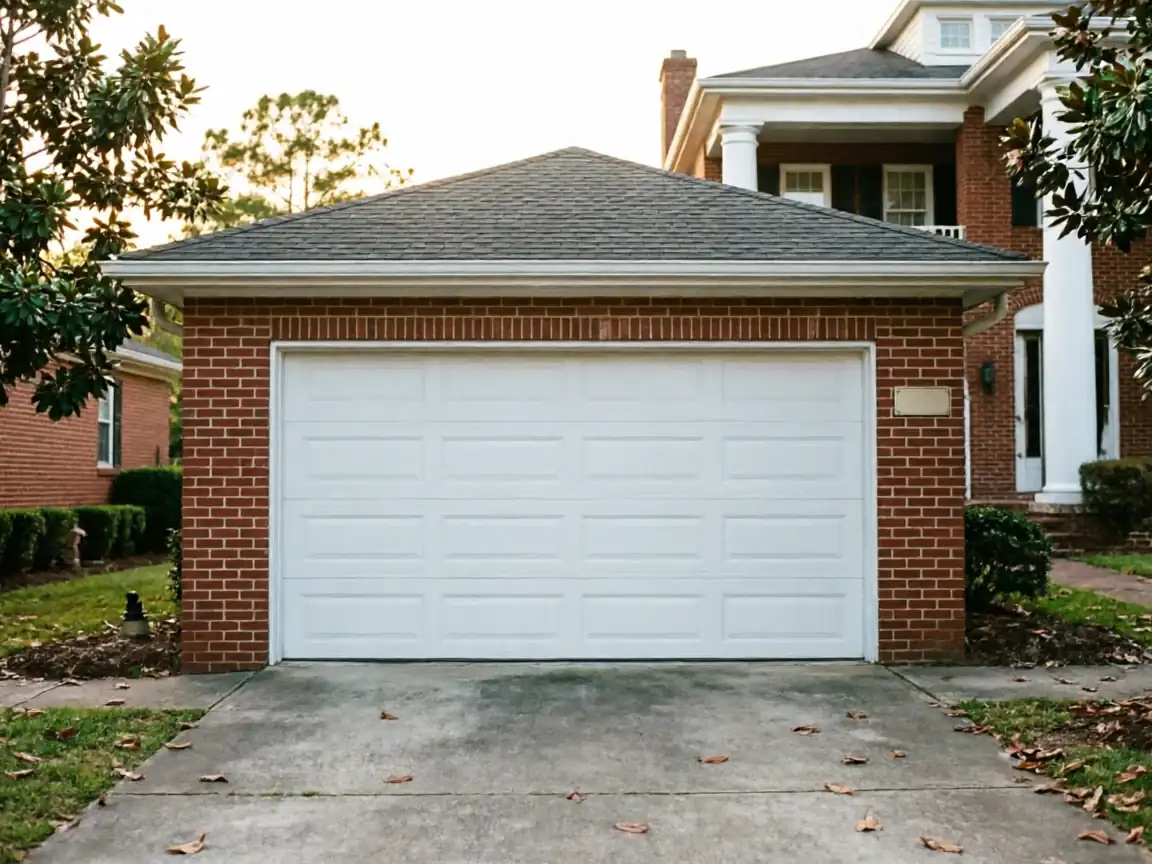
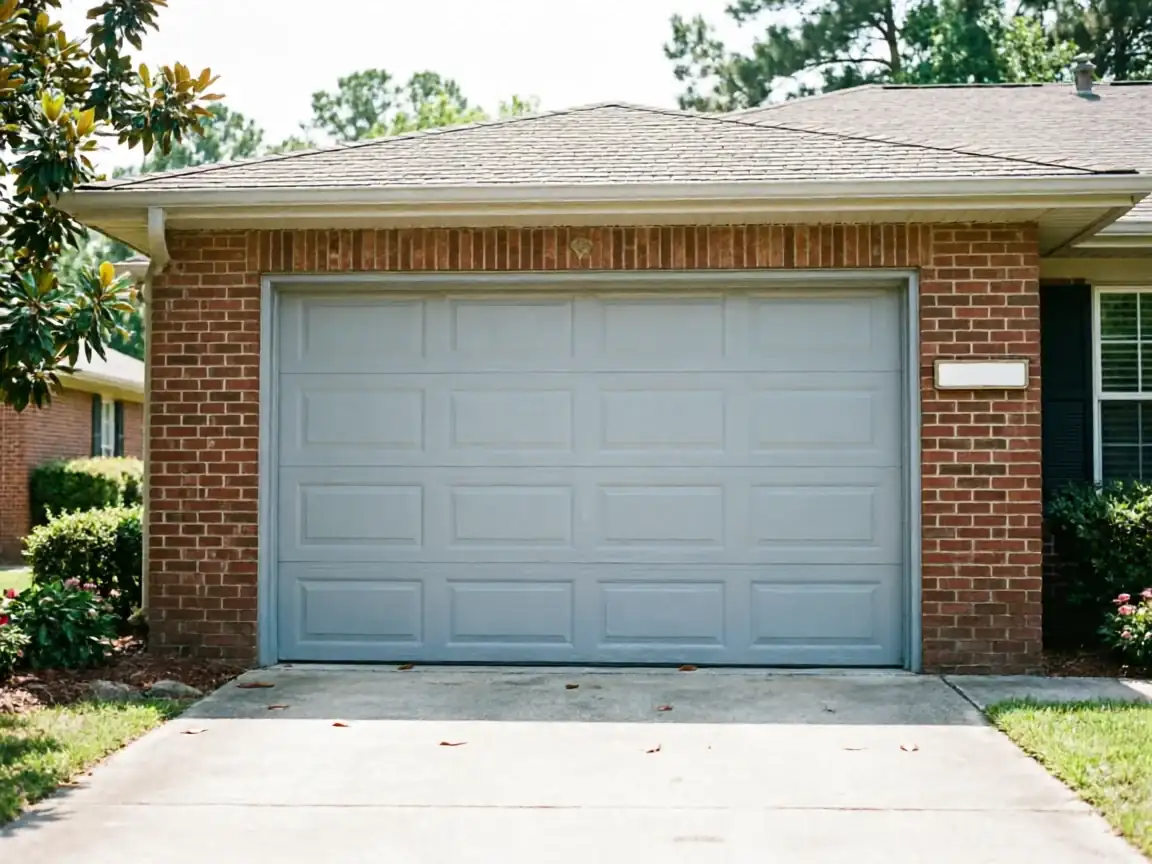
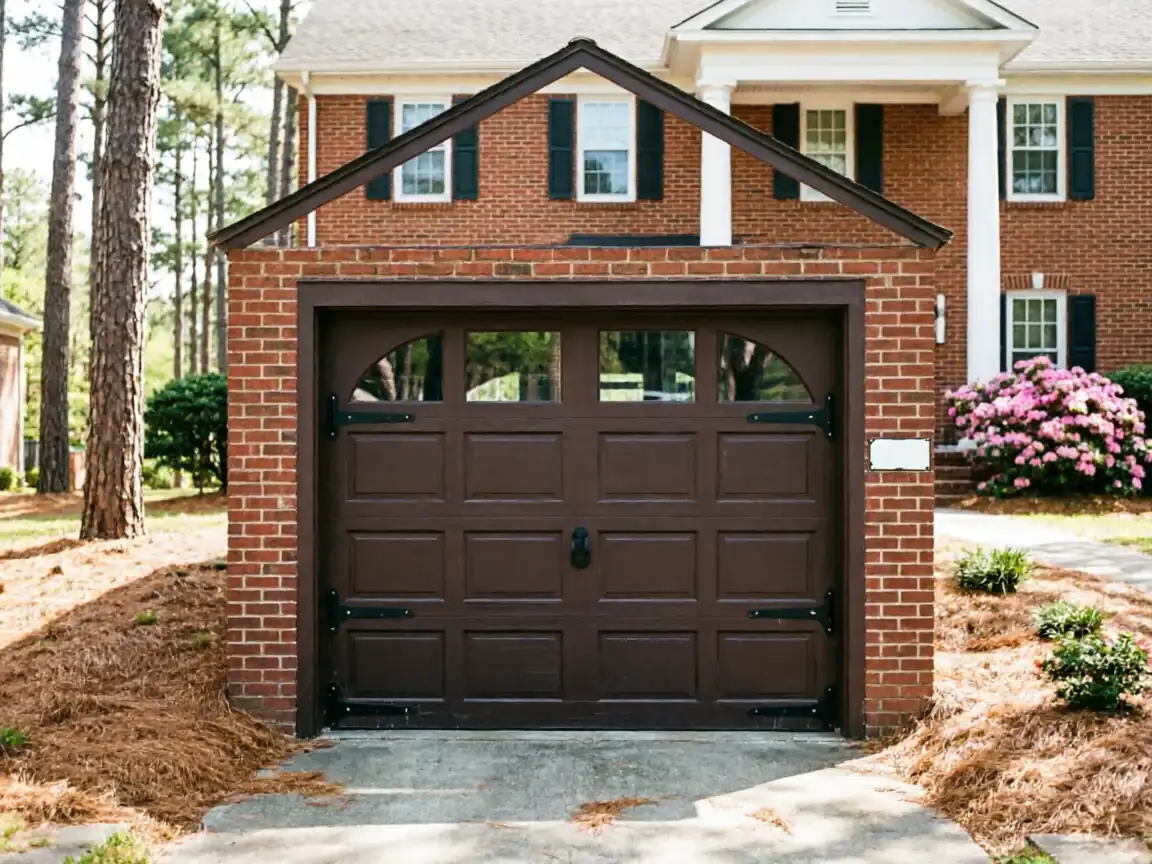
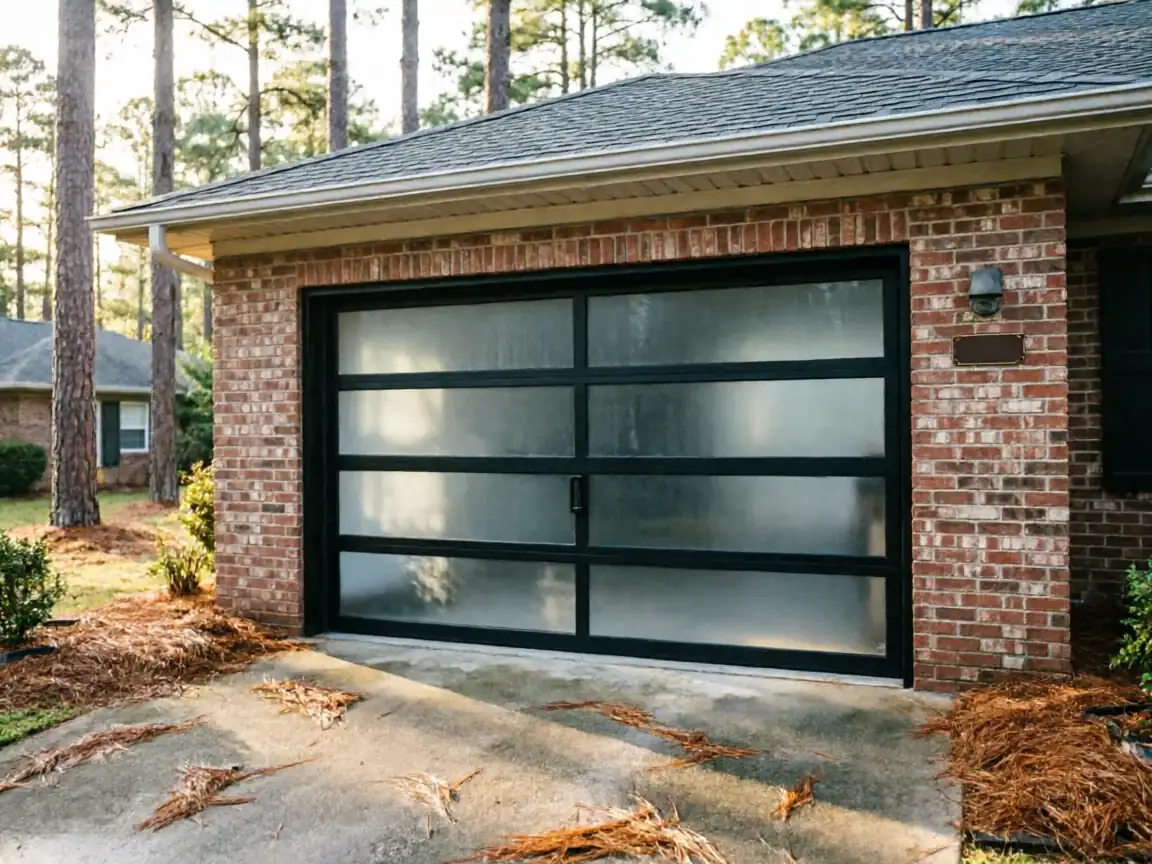
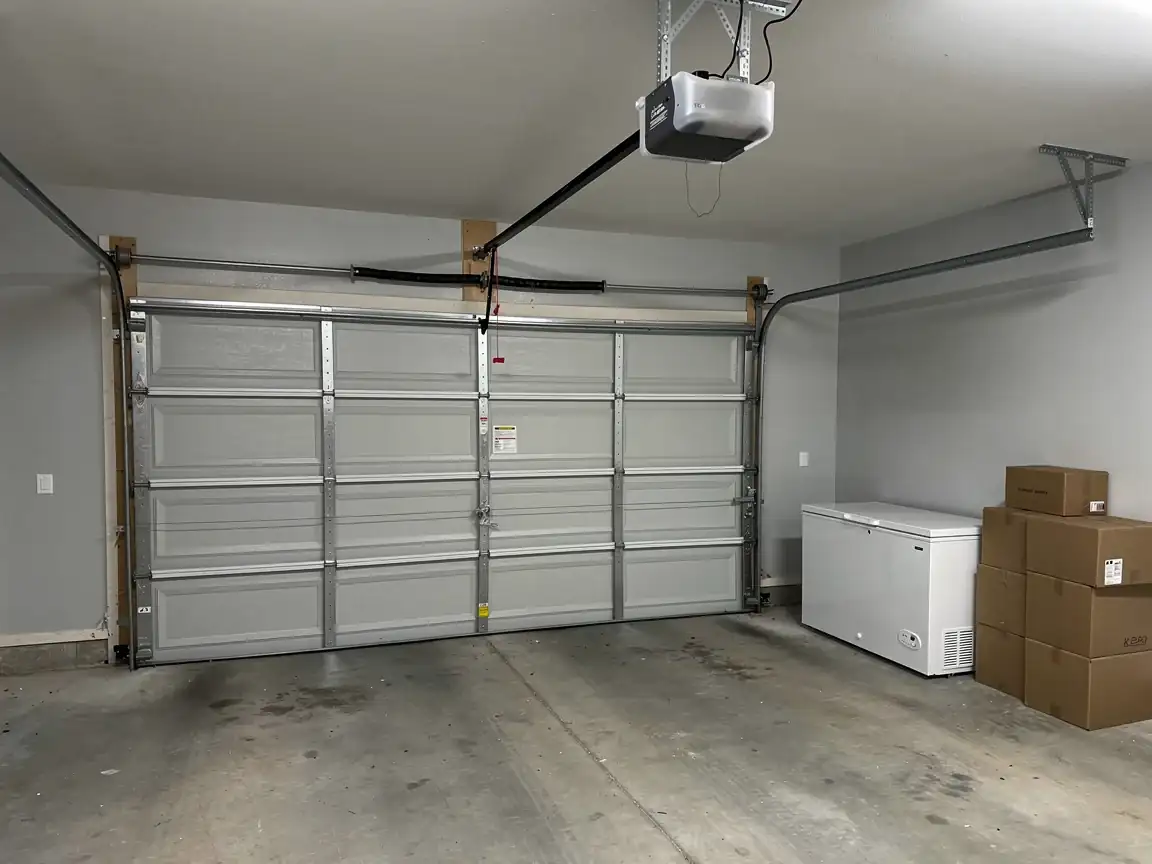
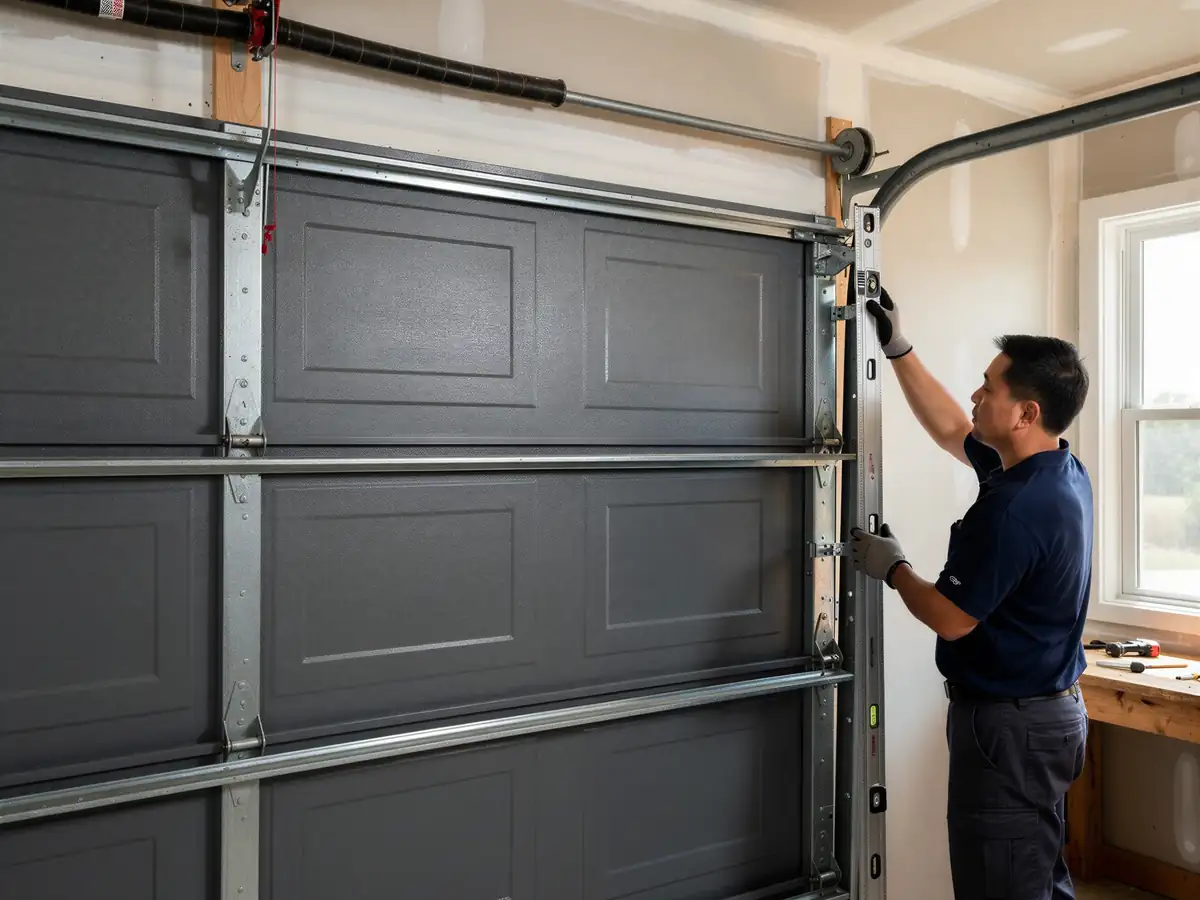
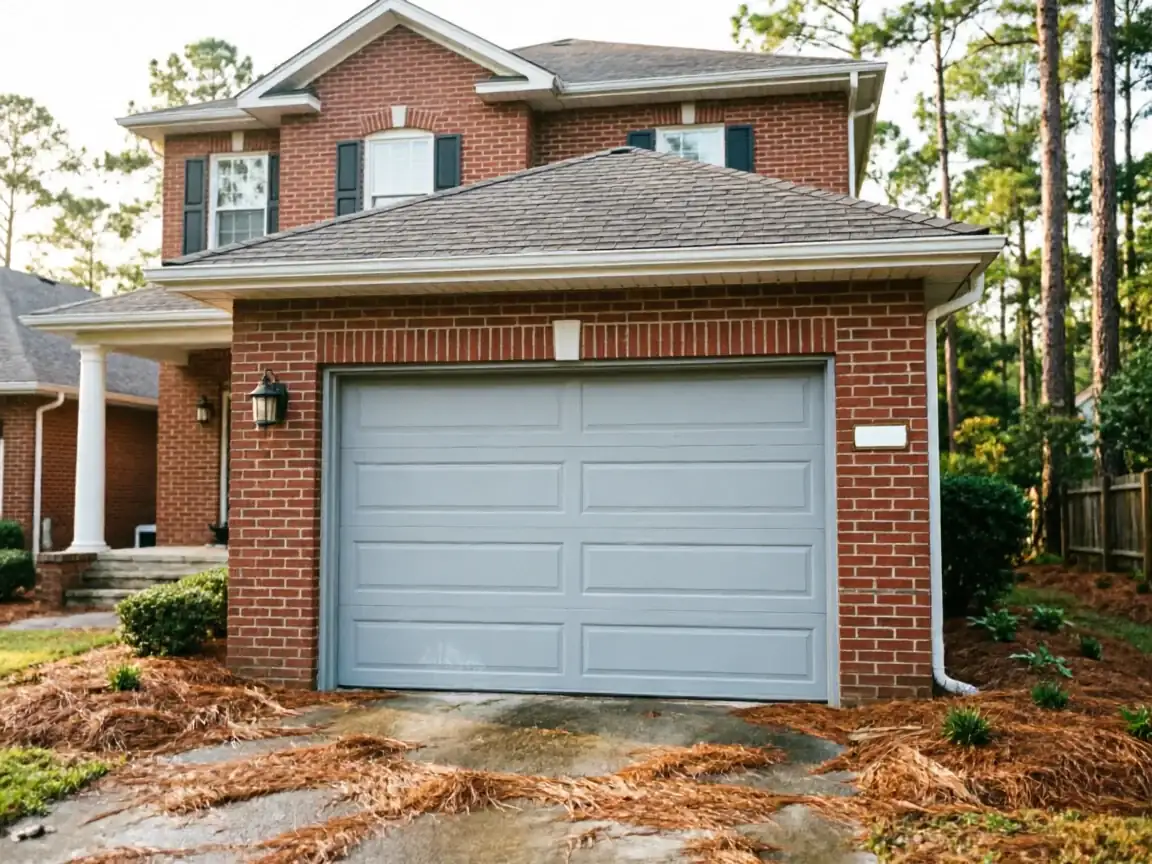
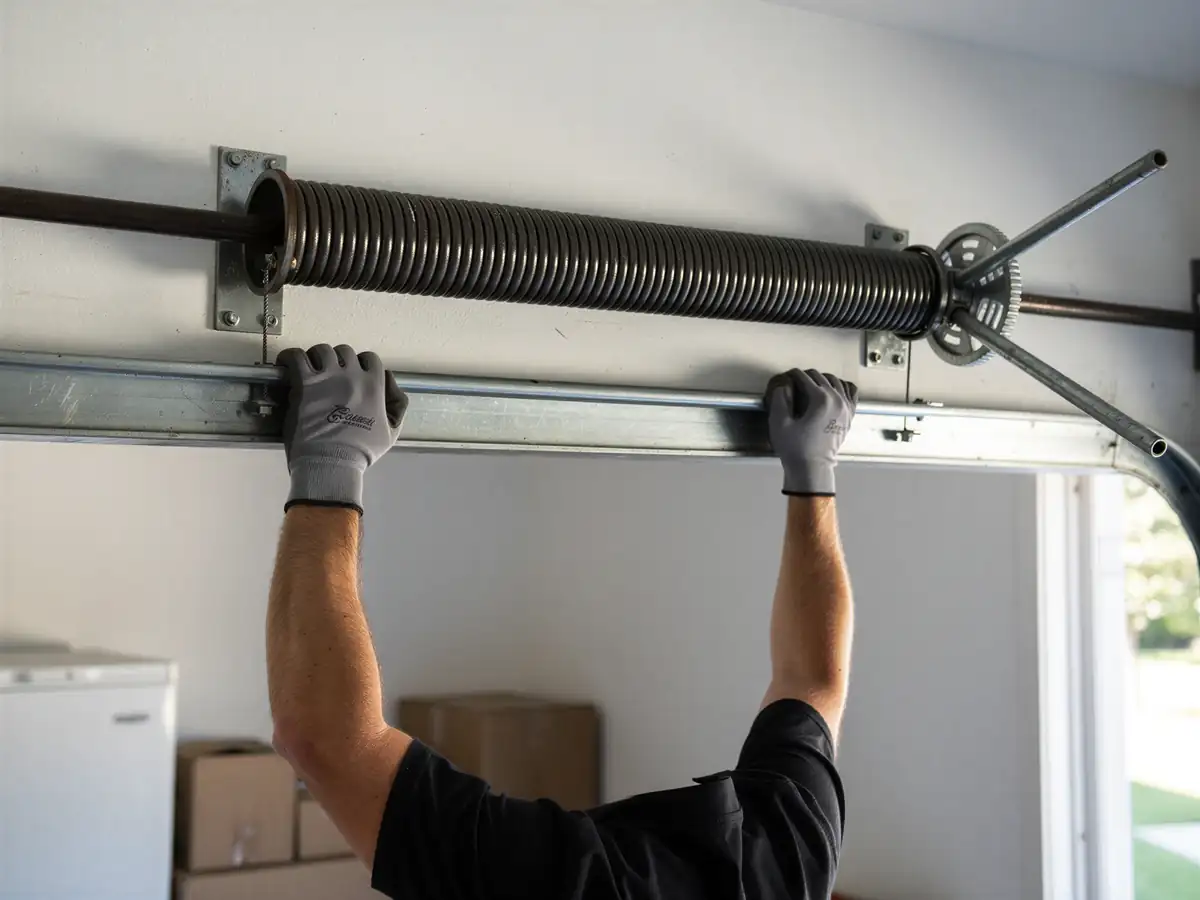
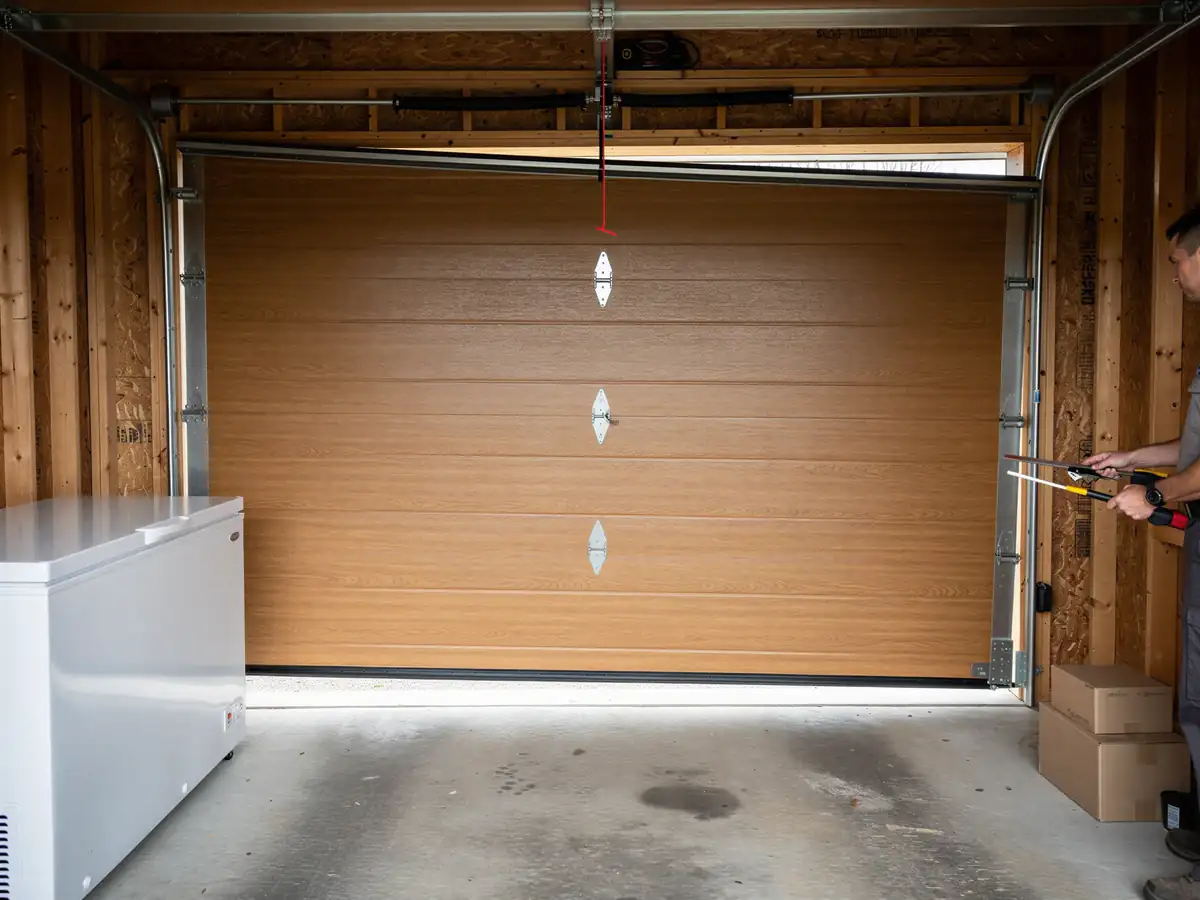
Cramerton sits about 6 miles from Gastonia, and the houses here skew newer than most of the rest of the service area - the typical build year lands around 2001, versus a median closer to 1983 across the broader coverage zone. That matters for maintenance because a lot of these garage doors have never had a full hardware swap. The torsion spring bolted on at construction, the opener installed with the house, the original steel track - a good share of that is likely still doing its job today, just with twenty-some years of cycles on it. A maintenance visit on a house like this isn't about replacing worn-out parts from decades of use. It's about catching the first signs that factory-grade hardware is reaching the end of its rated cycle count - a spring that's starting to sag unevenly, a chain drive that's gotten noisy, rollers that were fine for the first fifteen years and are now chipping. We check spring tension, lubricate track and hinges, inspect cables and the bottom bracket, and test the opener's force and reversal settings. On a 2001-era door, that last check matters - older openers weren't always built with the safety sensors standard today.
What Causes It Around Here
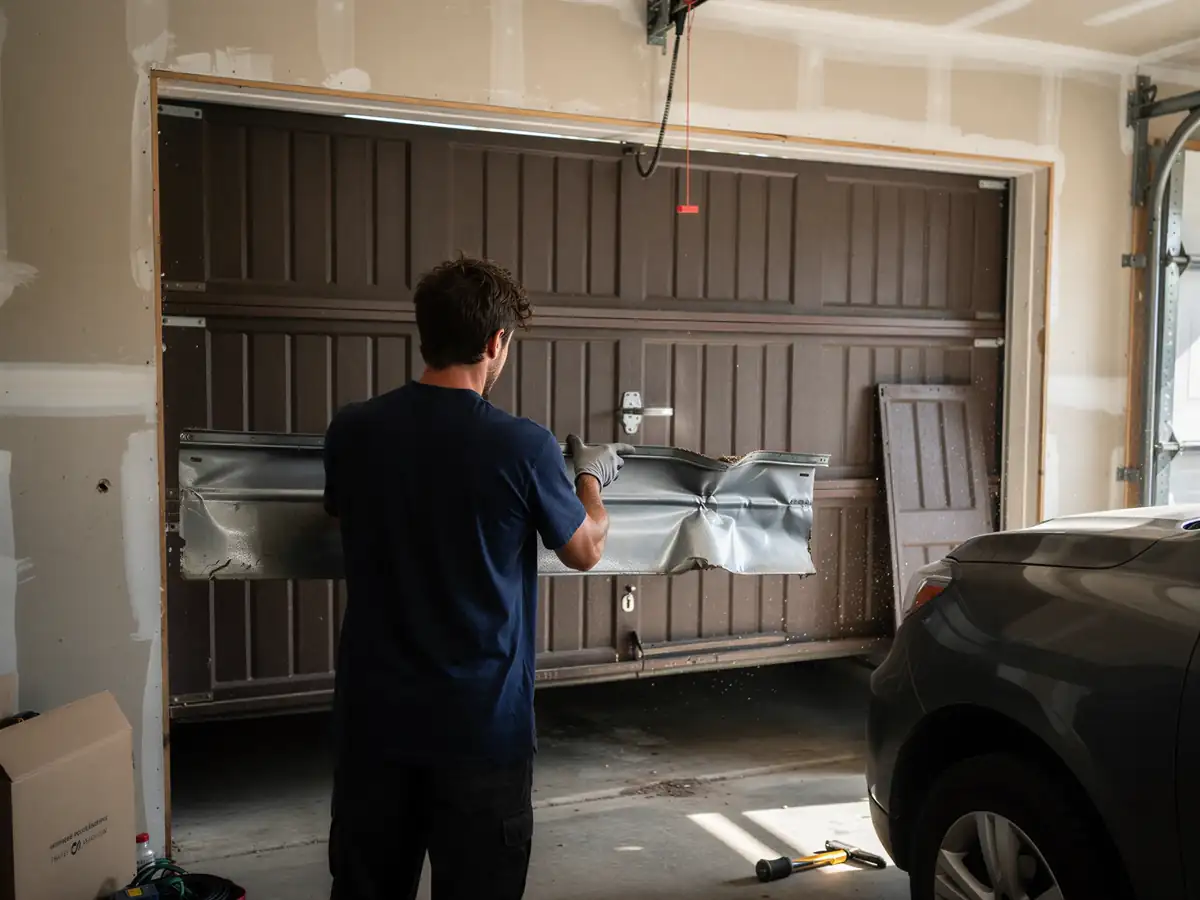
The service area overall falls in a cold-moderate climate band, and that's as true in Cramerton as anywhere else in the coverage zone - temperature swings through the year stress steel springs and metal track regardless of when the house was built. But the specific failure pattern here is different from the older pockets of the service area. Where 1950s and 60s housing stock means original one-piece doors and side-mounted hardware that's long overdue for replacement, Cramerton's early-2000s stock means sectional doors on standard torsion systems that are usually sound but due for their first real service. The most common issue we see on houses from this era isn't failure - it's neglect. Nobody's touched the lubrication since the builder's crew left, and the door has been running dry for two decades. That shows up as noise first, then as a roller or hinge that wears out faster than it should have.
Booking a Visit
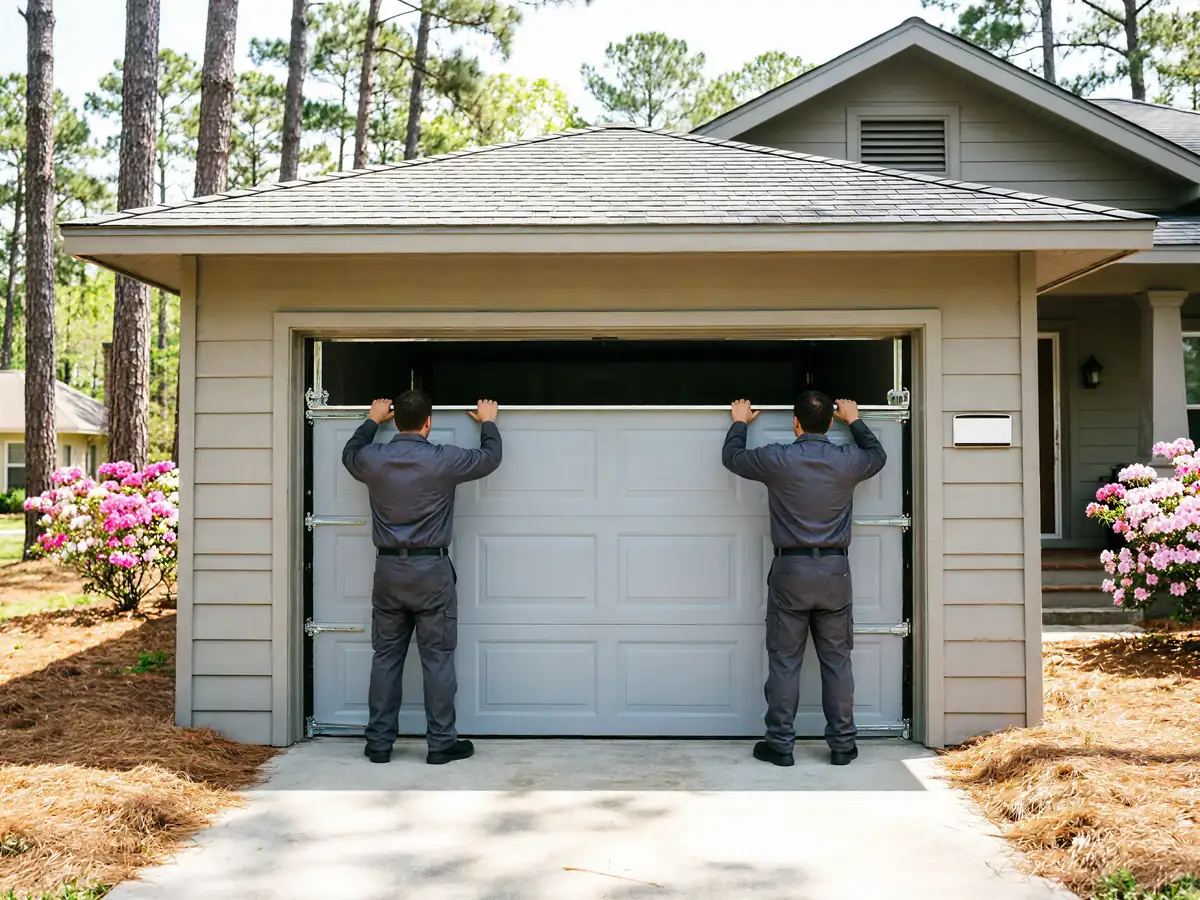
We travel out from Gastonia to cover Cramerton, so there's no local branch here - just a truck that comes to you. When you book, tell us the rough age of the house if you know it; for most homes in this area that's going to be somewhere in the early 2000s, and that shapes what we load before we leave the shop. A maintenance visit covers the spring, track, cables, rollers, and opener - we go through all of it and tell you what's fine, what's close to needing attention, and what needs it now. You can see the areas we cover from Gastonia, including Cramerton, on our coverage page.
The DIY Question
Lubricating hinges and rollers with a garage-door-specific spray is a reasonable homeowner job, and on a door that's been dry for twenty years, it'll make an immediate difference in noise. Tightening visible hardware bolts is fine too. What's not a DIY job on a house this age is anything involving the torsion spring - it's under real load, and a spring that's been on the door since a 2001 build has had two decades of cycles on it, which is exactly when they let go. If your opener is the original unit and it's starting to struggle, replacing it outright is often the better call than chasing a repair on parts that may not be available anymore. For general maintenance guidance across the rest of what we handle, see our main maintenance page for the Gastonia area.