What the Repair Takes
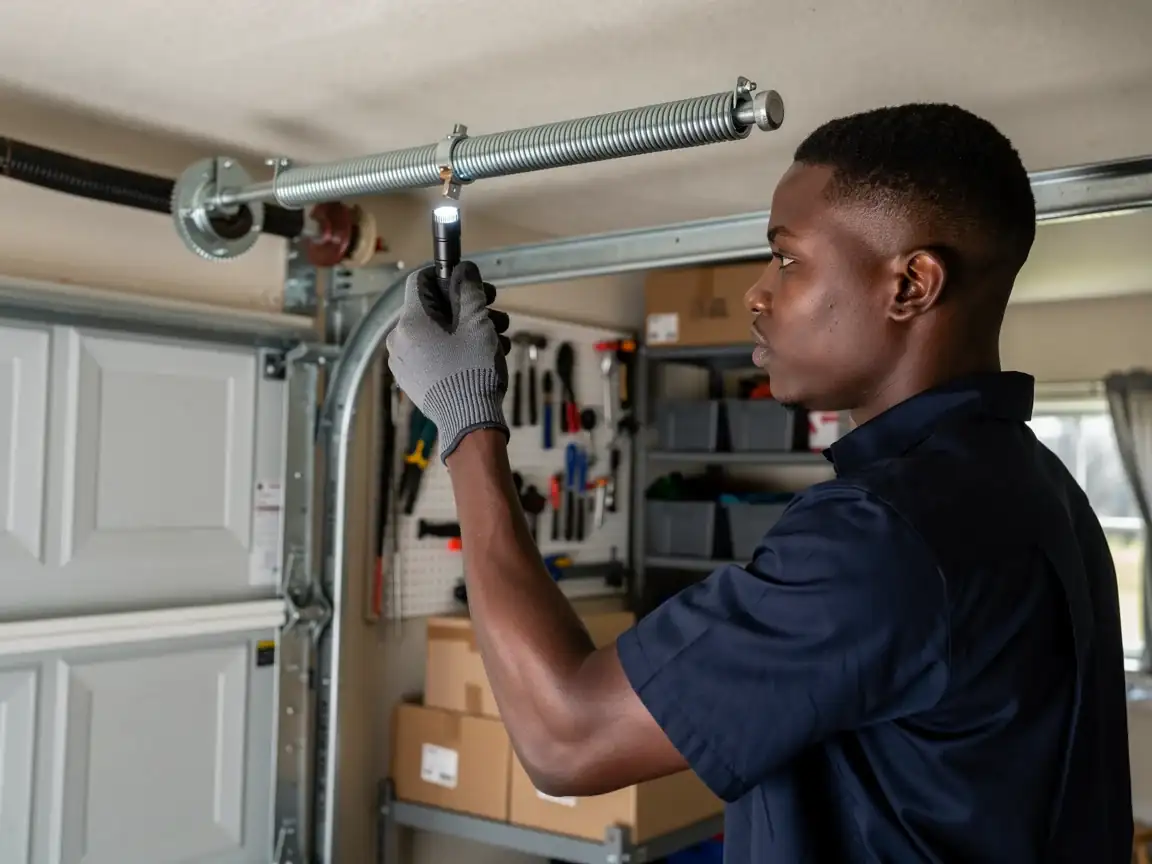
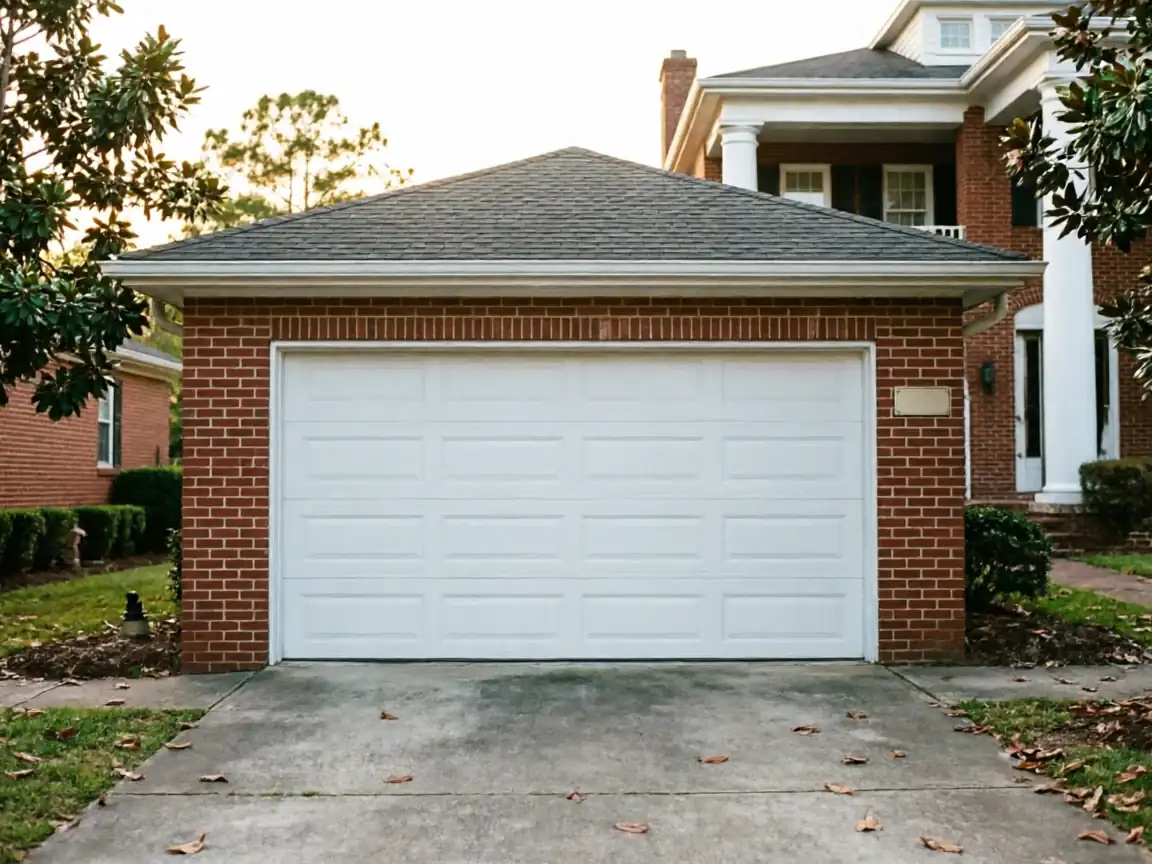
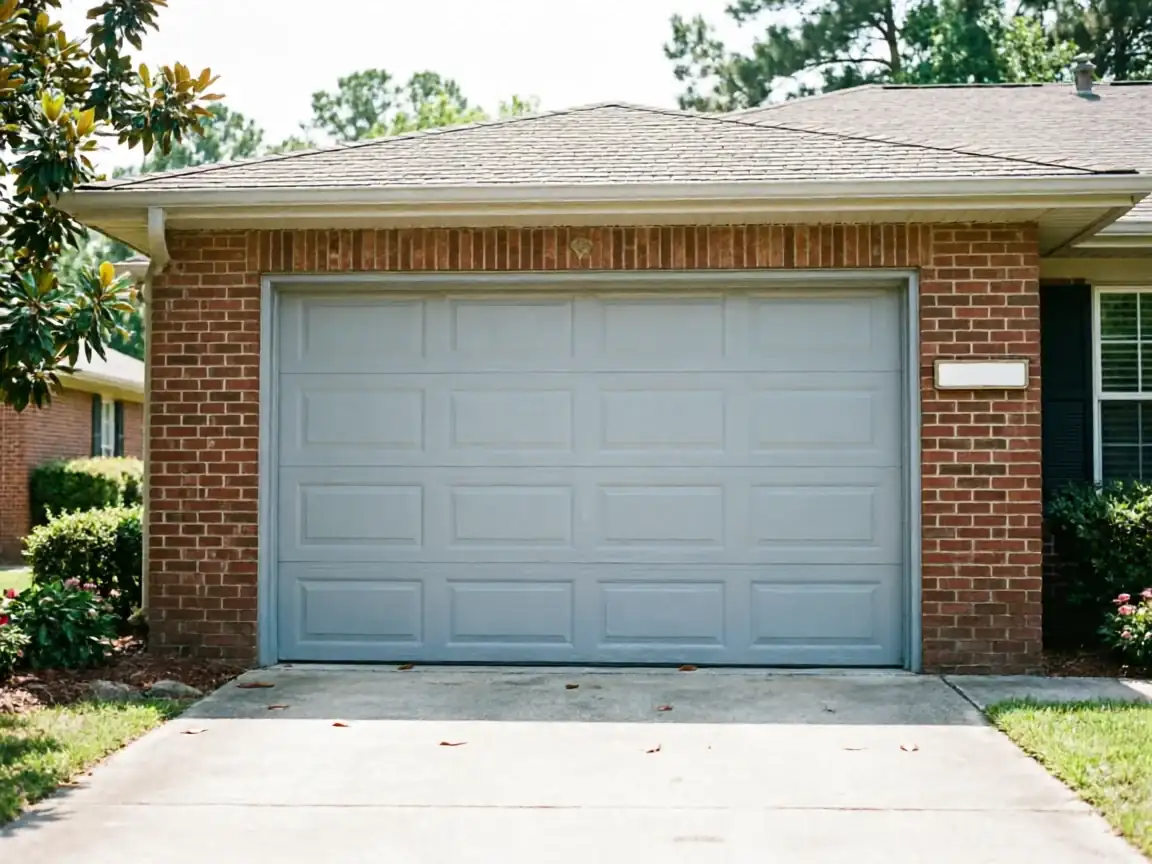
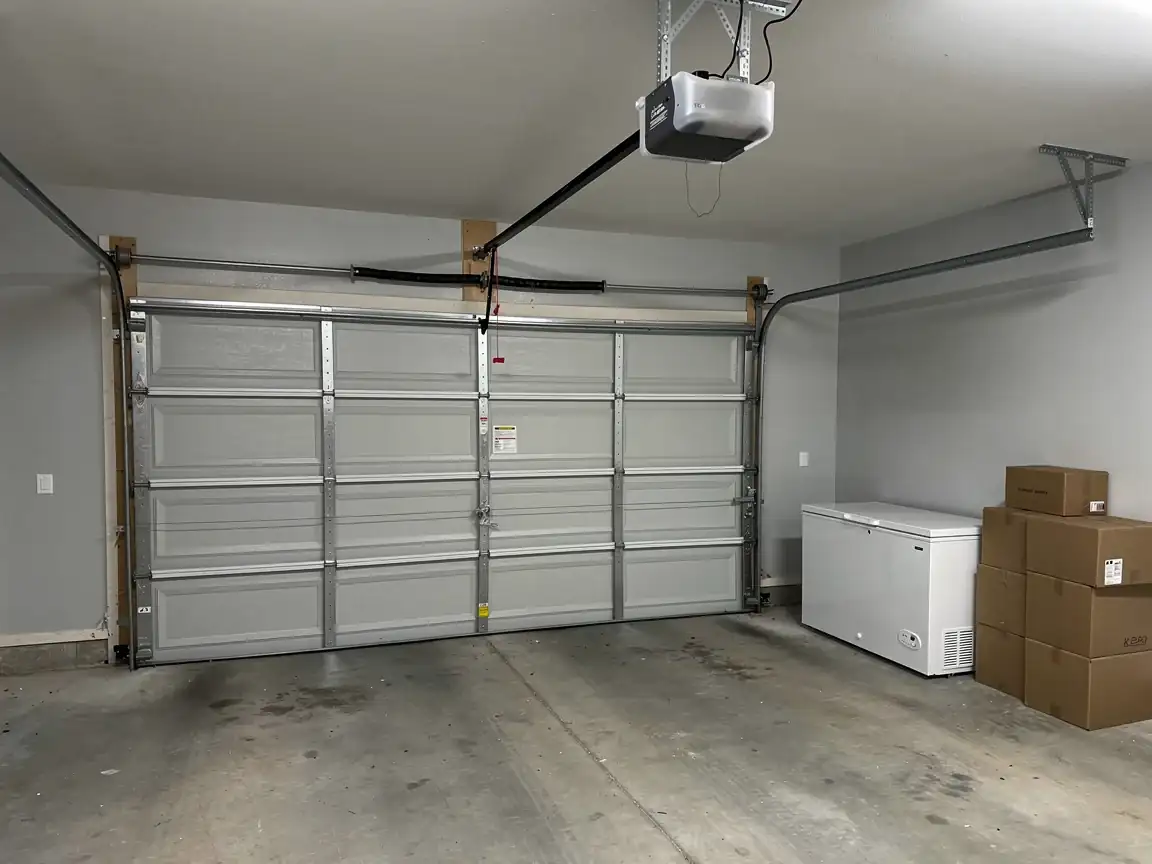
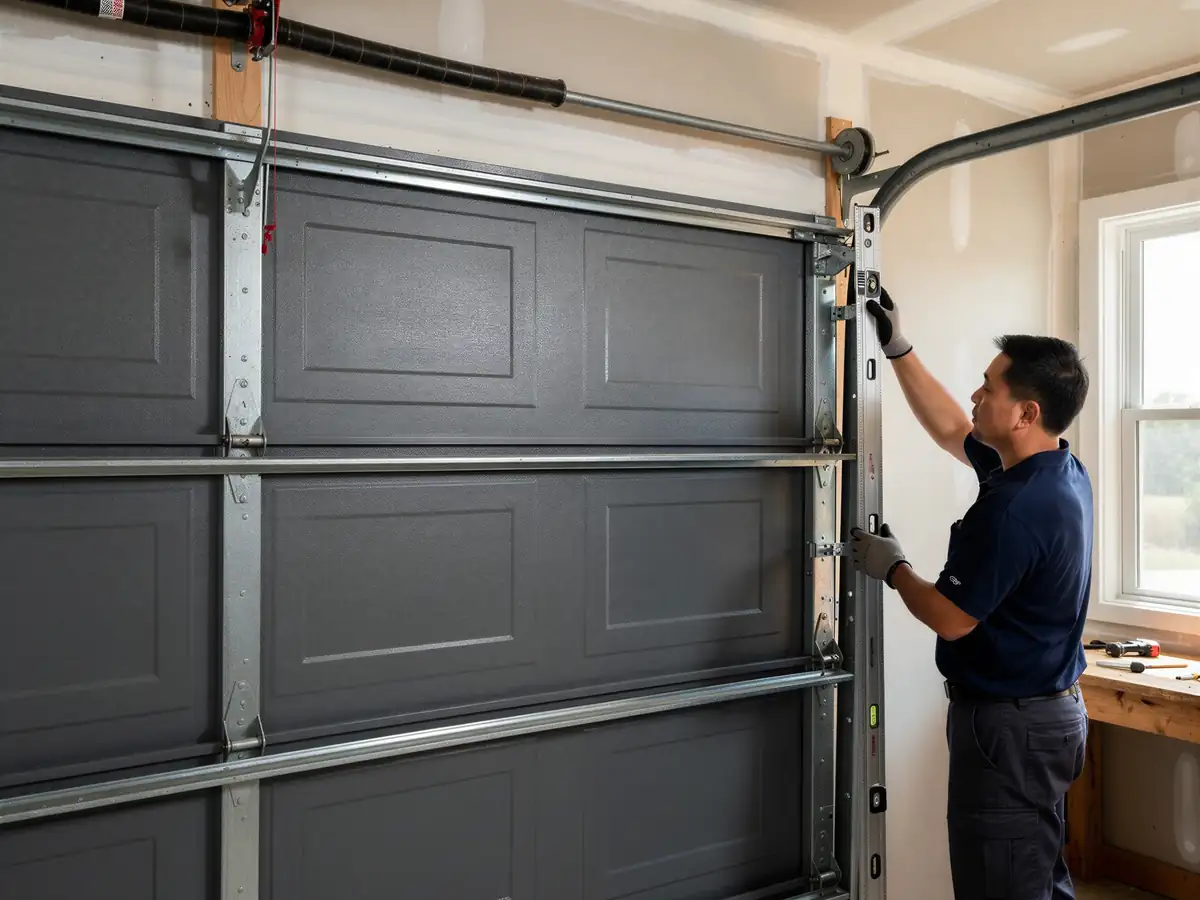
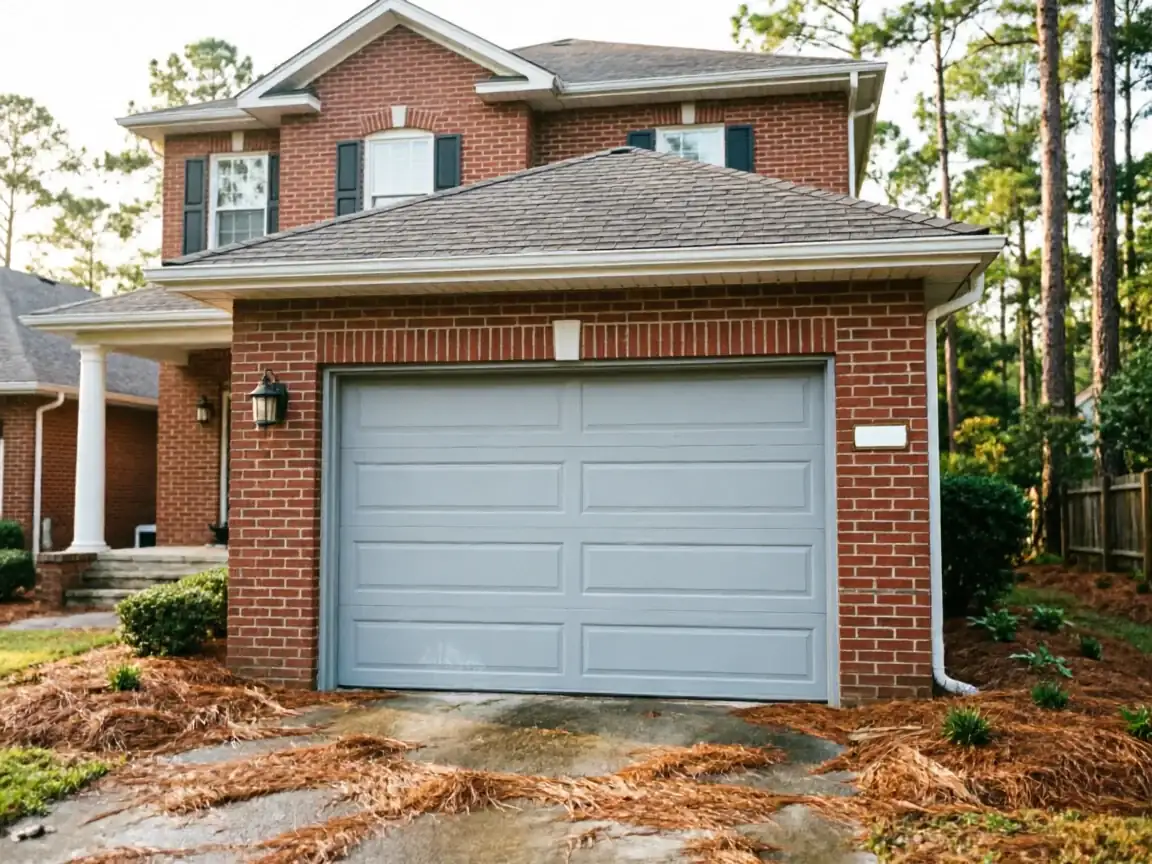
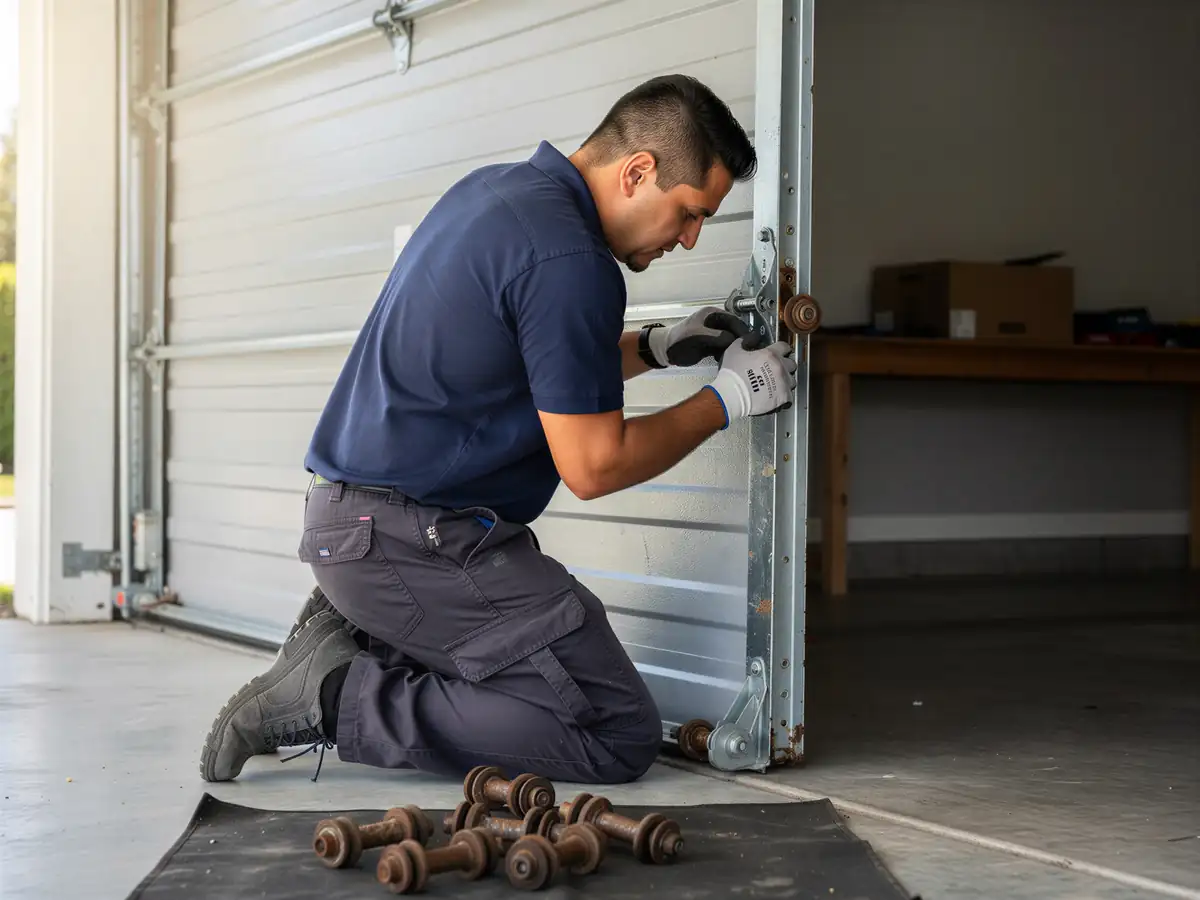
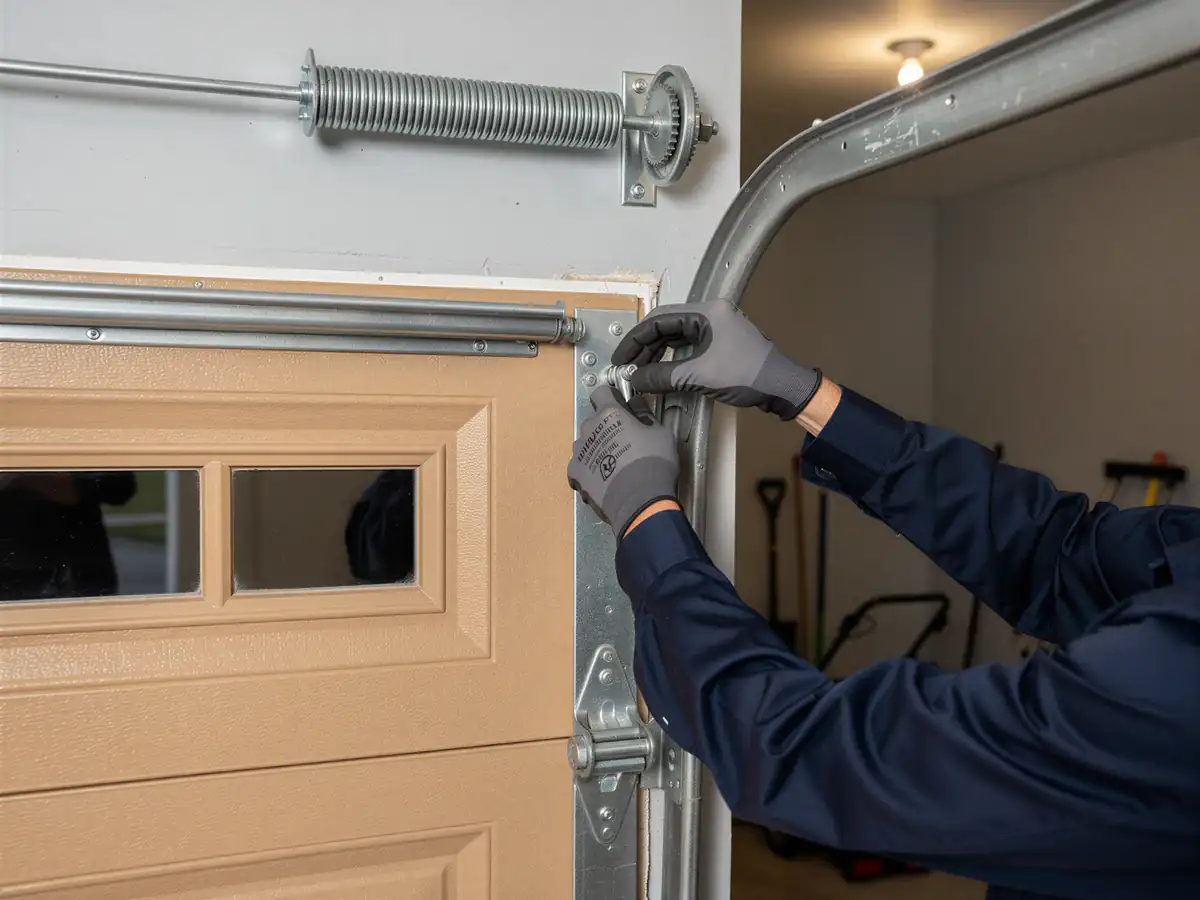
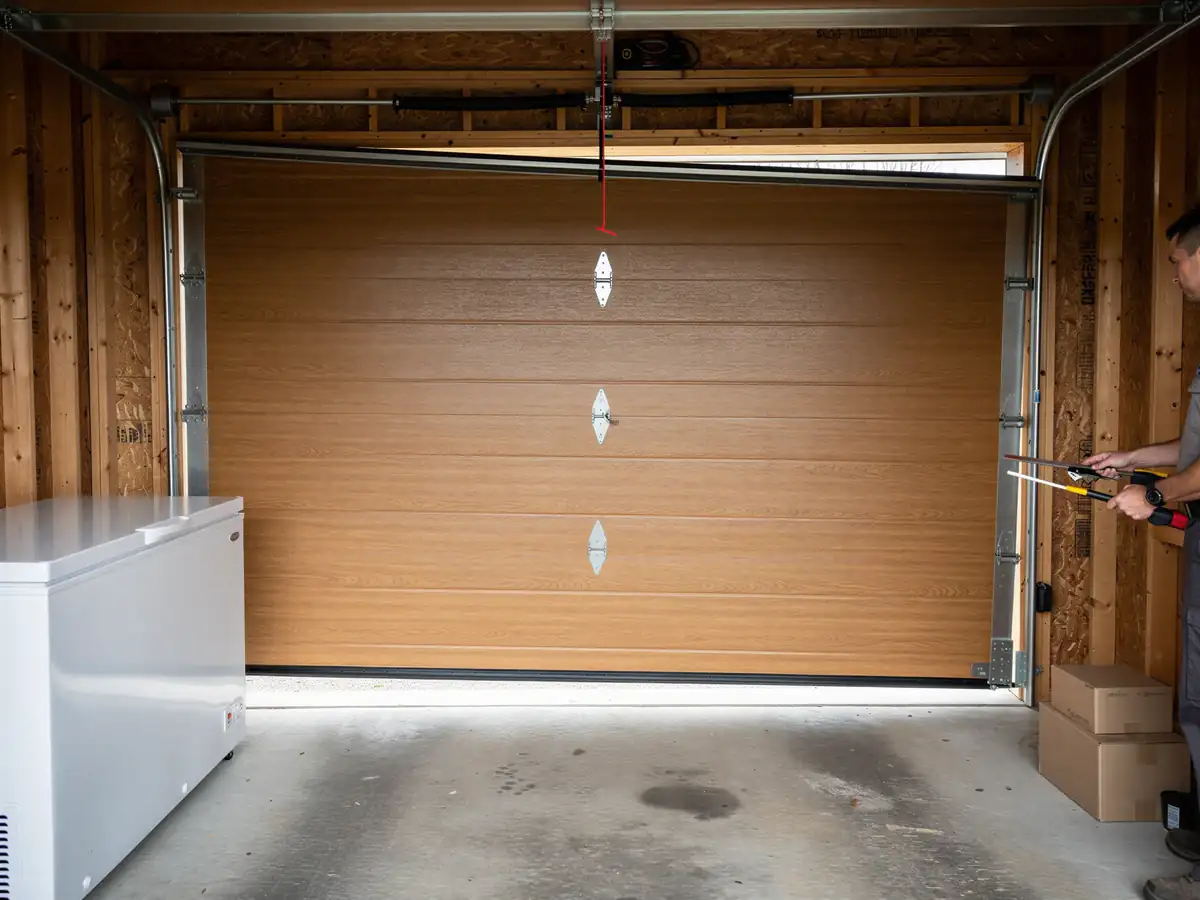
Most garages in Cramerton went up well after the subdivisions on the older side of Gastonia County, with the median home here dating to around 2001. That means the typical door isn't the narrow single-car steel slab you find on a 1960s ranch - it's a wider two-car sectional, usually builder-grade steel, hung on roller tracks that were installed to a tighter tolerance than older hardware but with thinner gauge panels. When a door like that jumps its track, the fix isn't a quick shove back into place. We check the track alignment at both jambs, inspect the rollers for wear grooves, and look at whether the cable drum or the bottom bracket took the hit, because a wider two-car door puts more lateral load on the track than a single ever did. On a newer build the track itself is usually still true - the problem is almost always a bent section, a stripped roller, or a bracket that's worked loose from the stud over time.
What Causes It Around Here
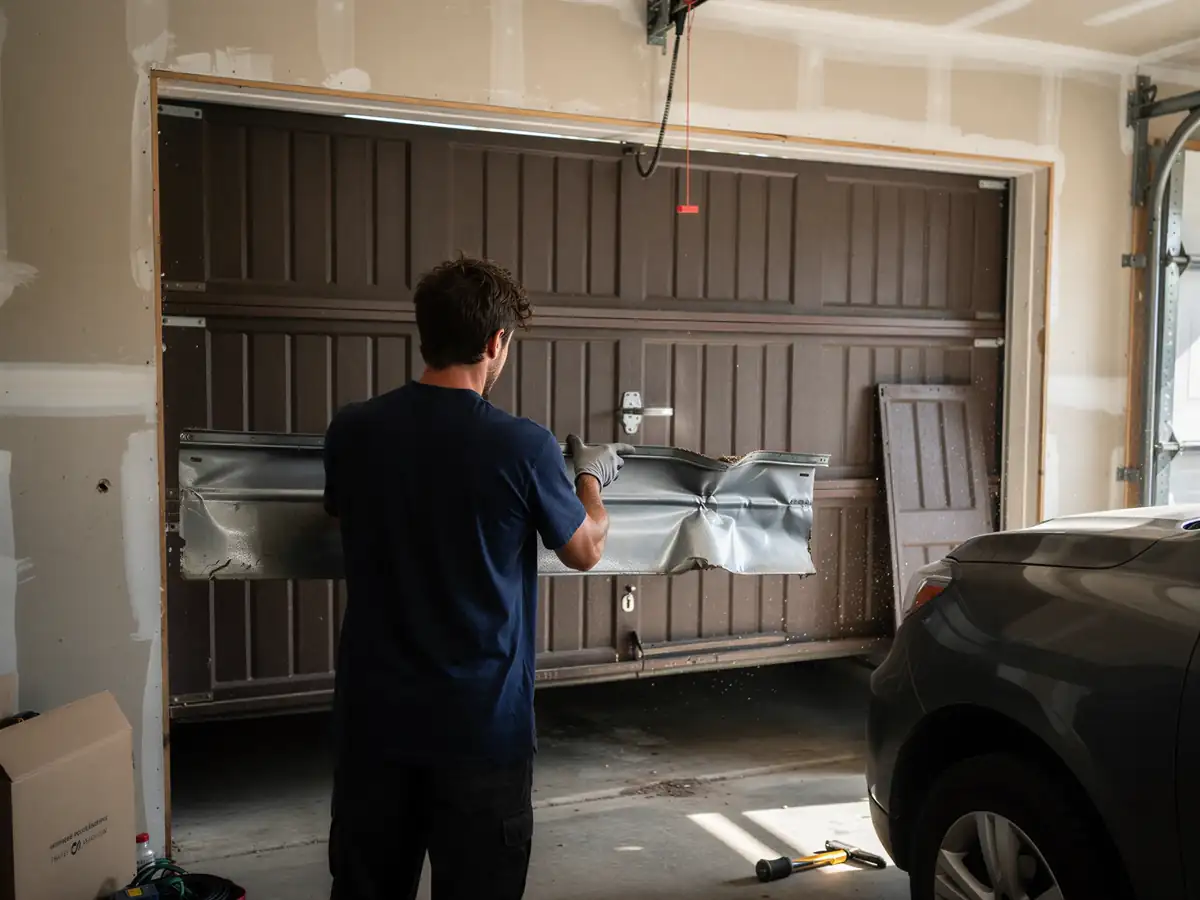
The service area sits in a cold-moderate climate band, and Cramerton's newer housing stock means most of these doors have seen fifteen to twenty winters of freeze-thaw cycling on their track hardware, not fifty. That's a shorter runway than the older stock elsewhere in the county, but it's not nothing - galvanized track brackets still loosen, and the wider spans on two-car doors flex more under wind load than a single door does. We also see off-track calls here tied to something simpler: a car bumper or a basketball clipping the bottom panel on a door that's wider than the driveway clearance homeowners expect. On an older narrow door that kind of hit barely moves the track. On a Cramerton-width two-car door, it can walk a roller clean out of the rail.
Booking a Visit
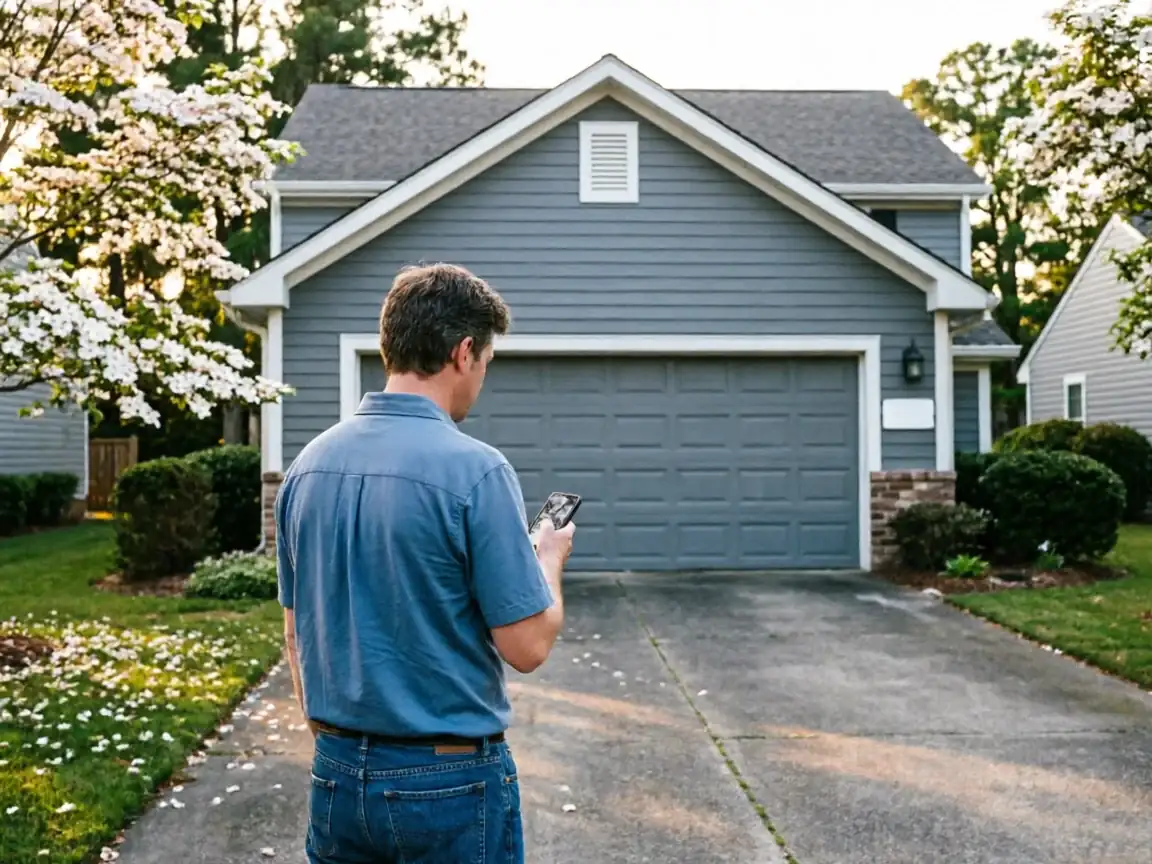
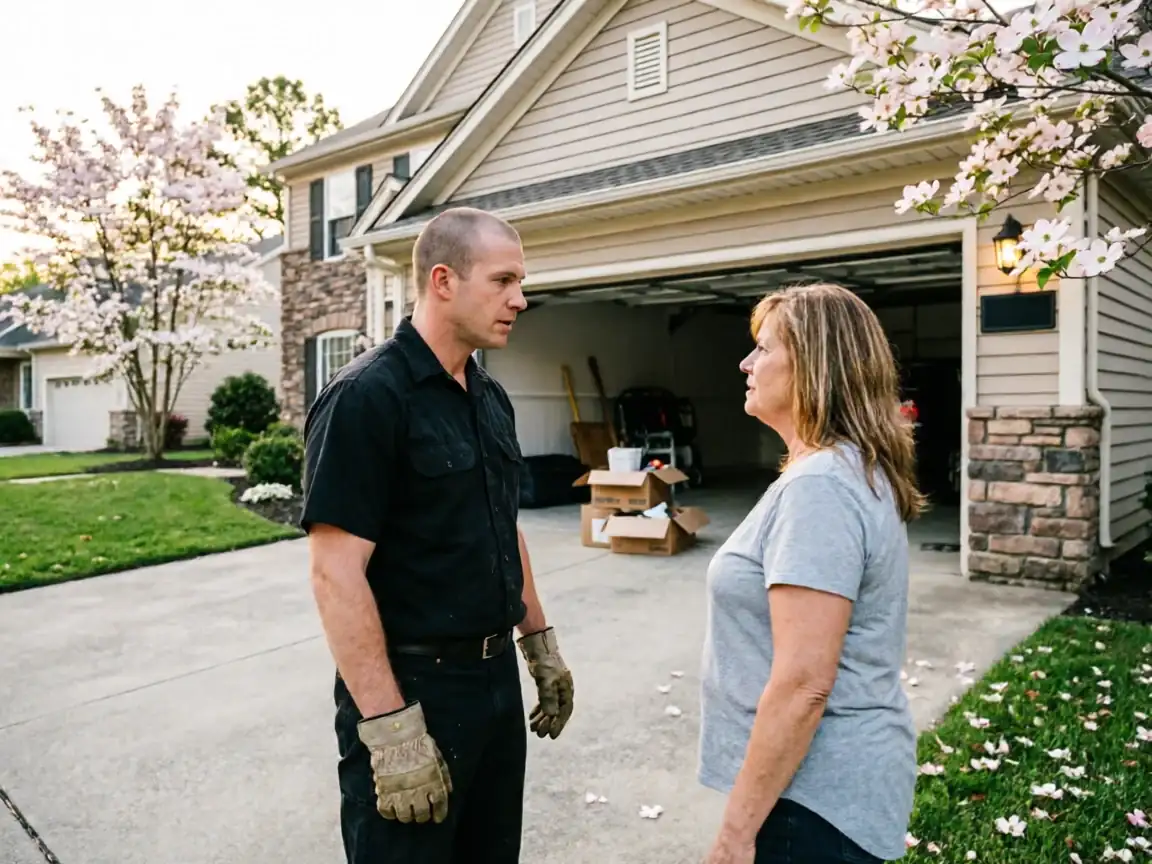
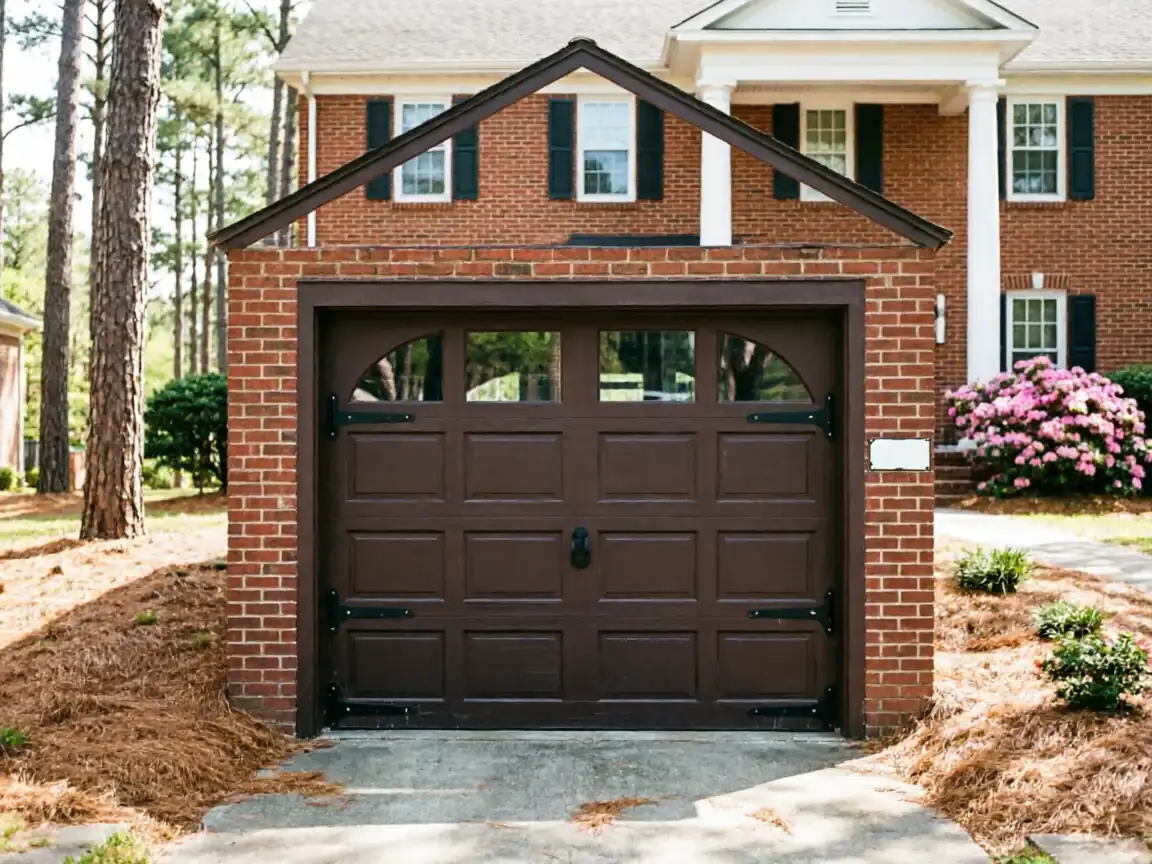
We run out of Gastonia, about 6 miles from Cramerton, so when you call we're scheduling the drive, not dispatching from a local depot. Tell us whether the door is a double or single, roughly how old the house is, and whether the opener still runs the motor against a stuck door - that last part matters, because running an opener against an off-track door is how a repair job turns into a replacement job. We'll ask enough to bring the right rollers and bracket stock the first time.
The DIY Question
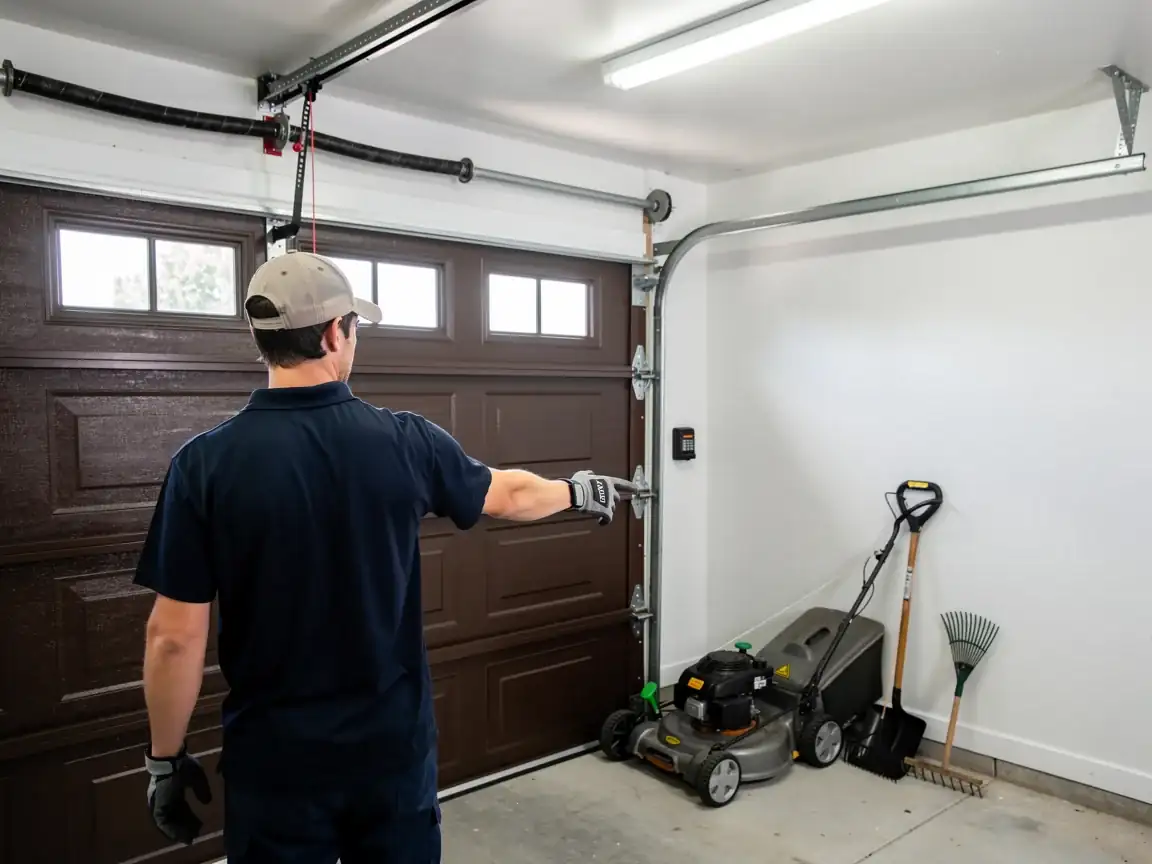
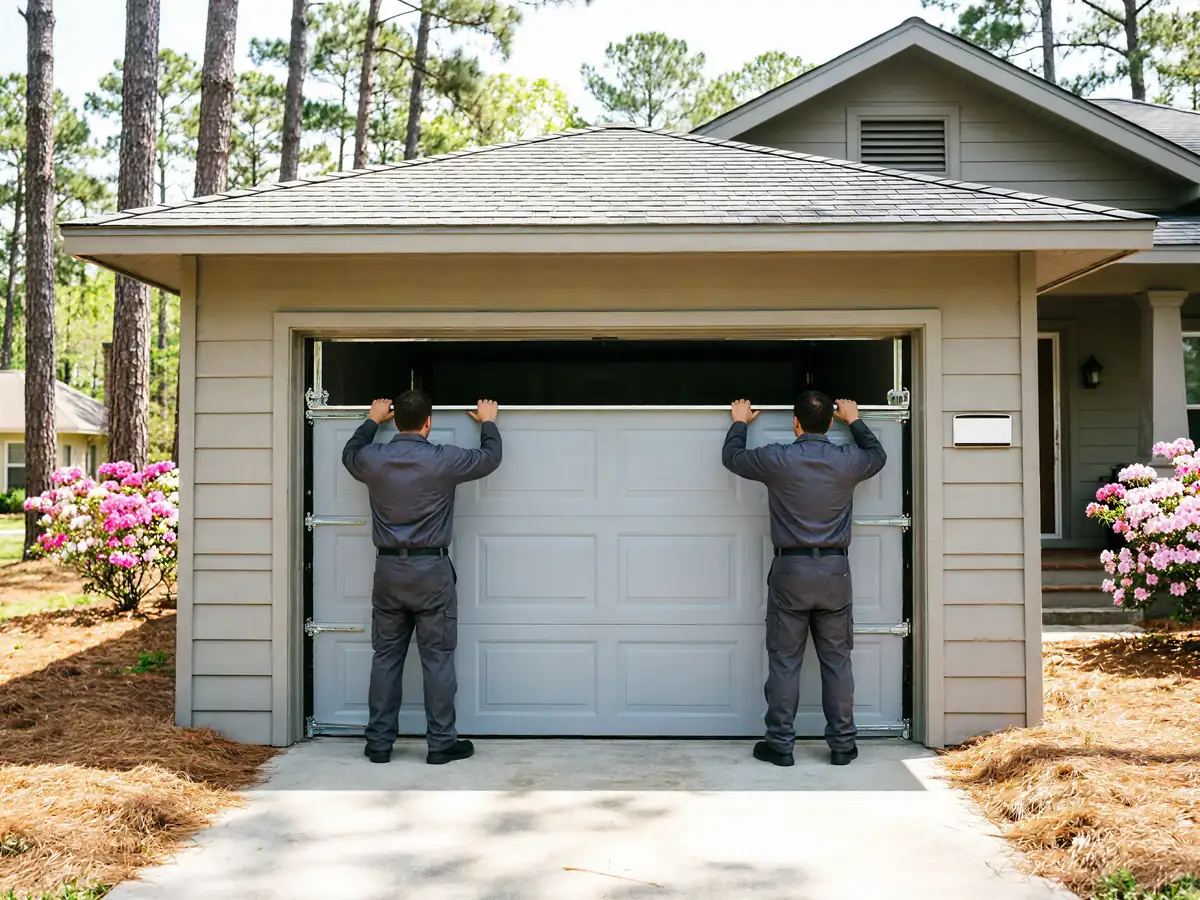
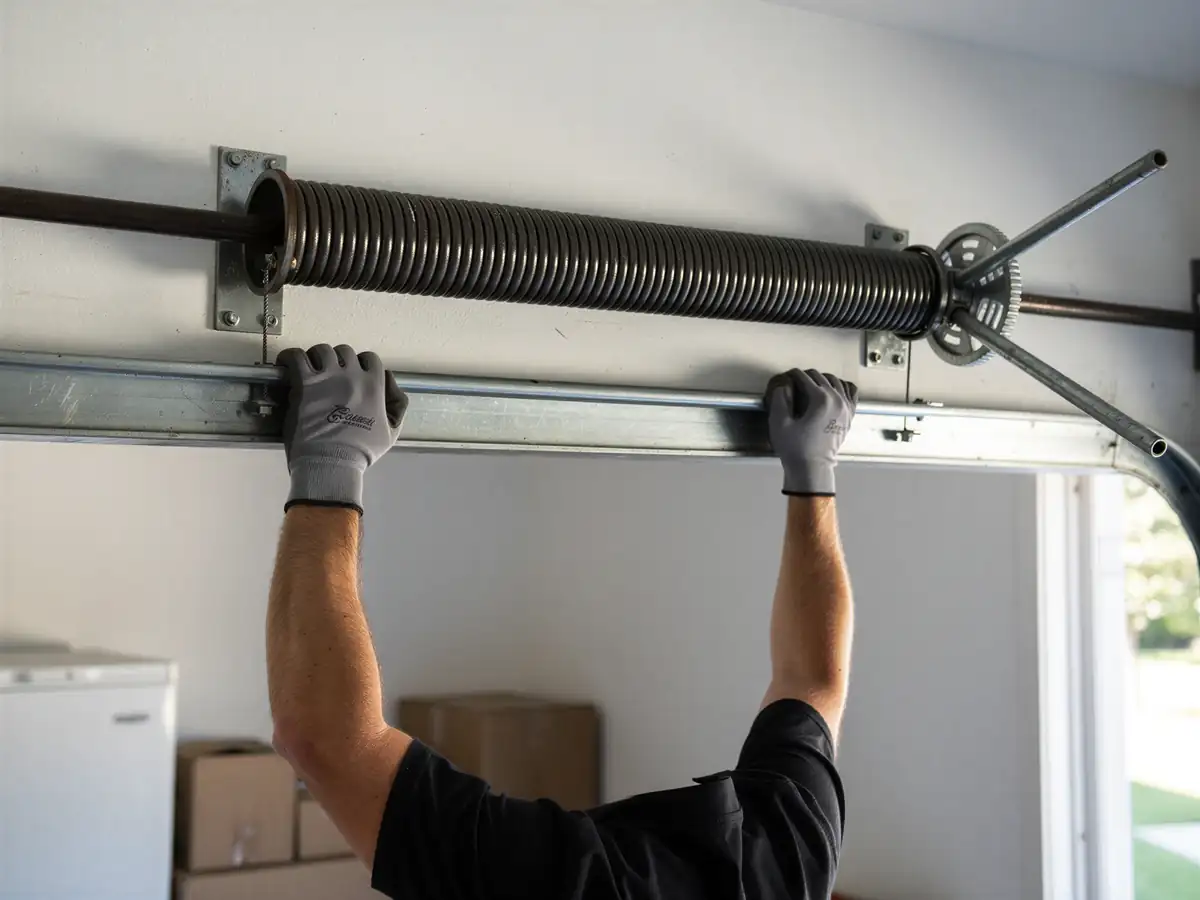
A door that's only hopped one roller out of the track on a newer, well-aligned system is sometimes something a careful homeowner can walk back in by hand, with the opener unplugged and the door supported. But on a wider two-car door, the panel is heavier and the spring tension is higher, and if the cable has come off the drum as part of the same incident, that's not a DIY fix - a loaded torsion or extension spring letting go under load can break fingers. Our honest read: if the door moved more than an inch or two off the track, or if you hear the cable slack, stop and call. The repair itself usually runs well under an hour once we're on site; the risk of doing it wrong isn't worth the hour you'd save.