What You Are Seeing
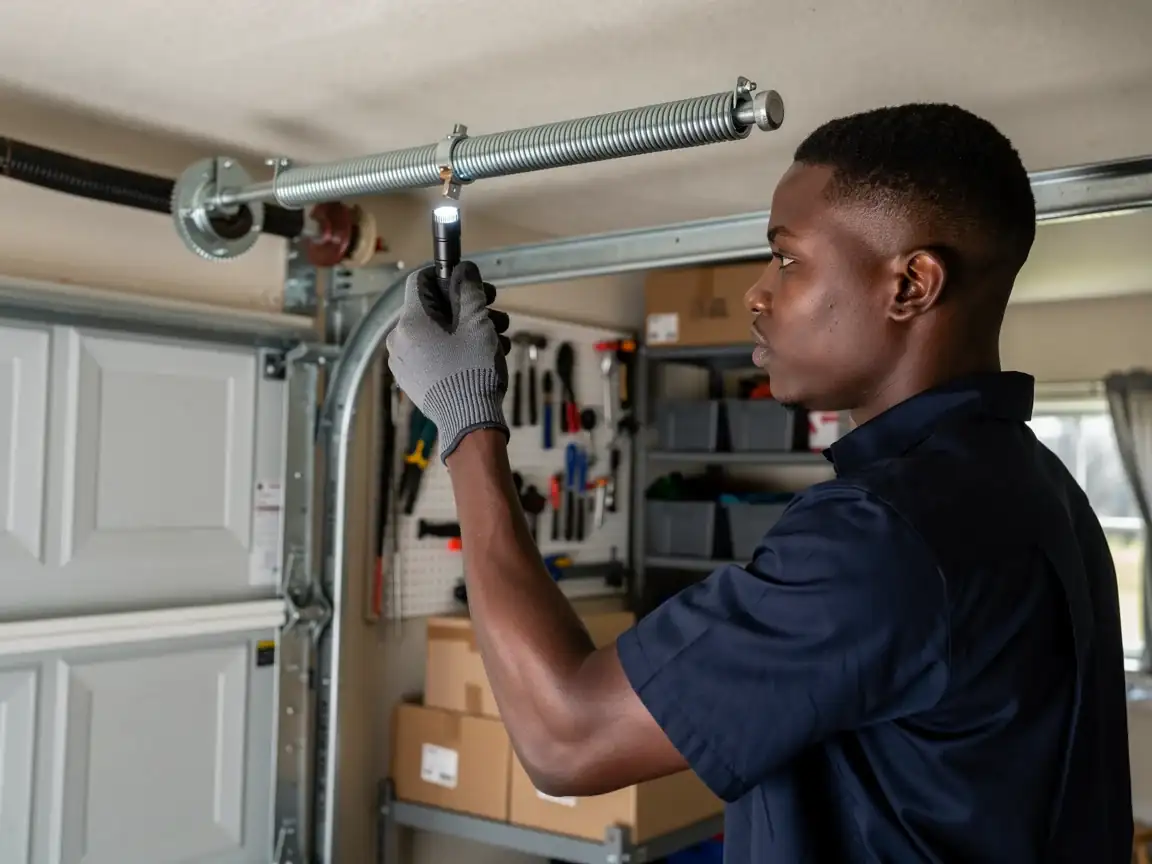
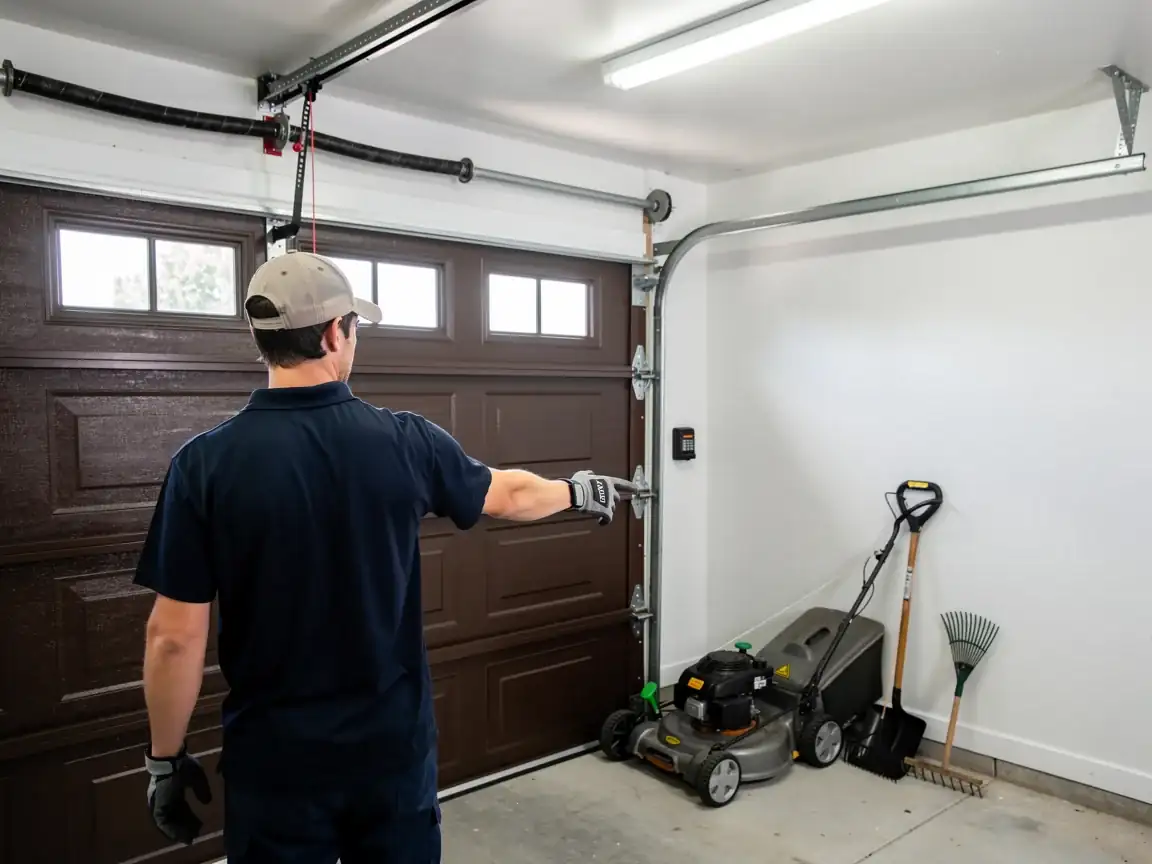
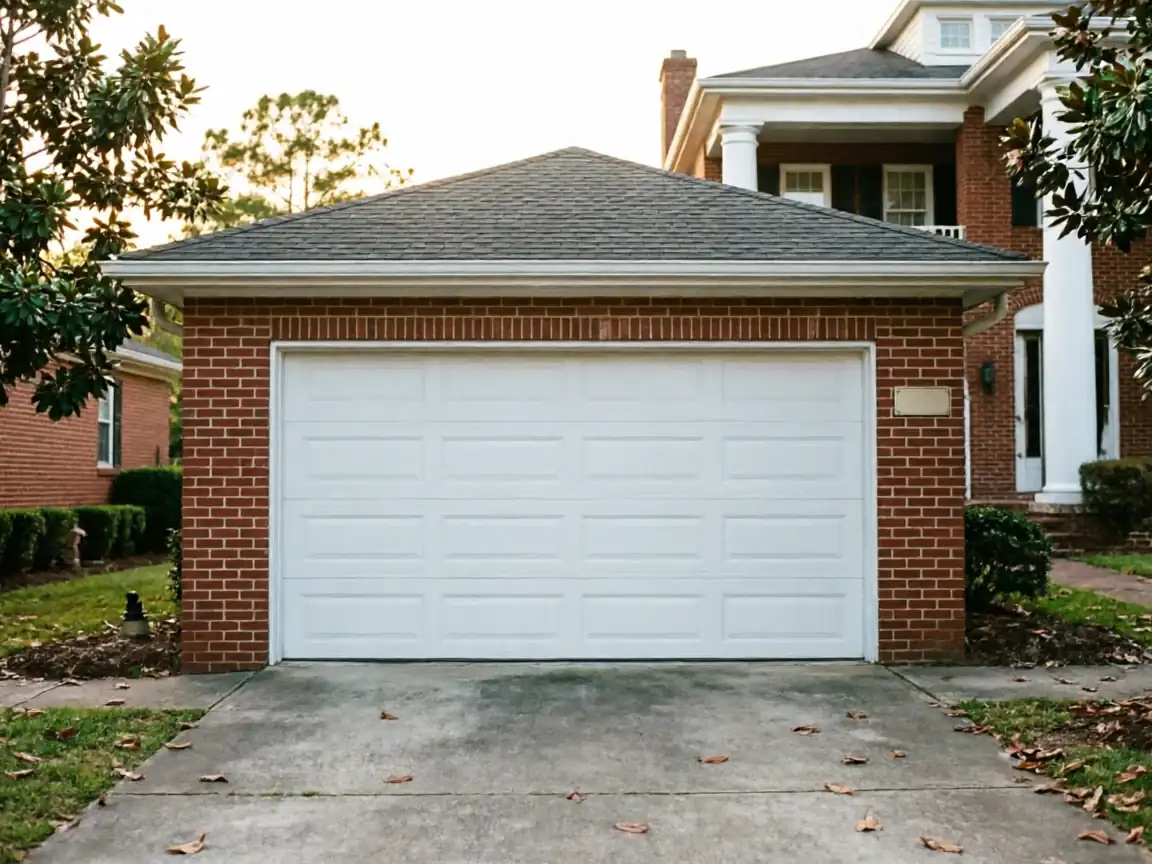
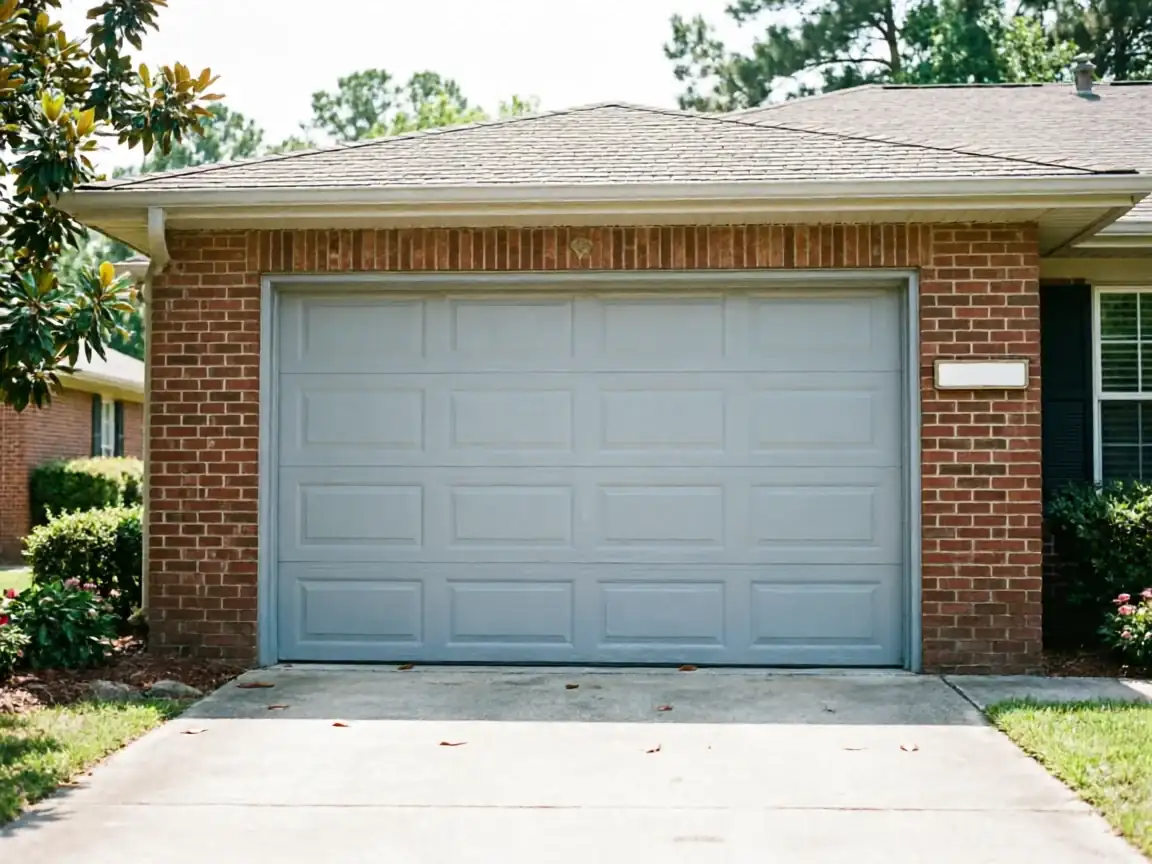
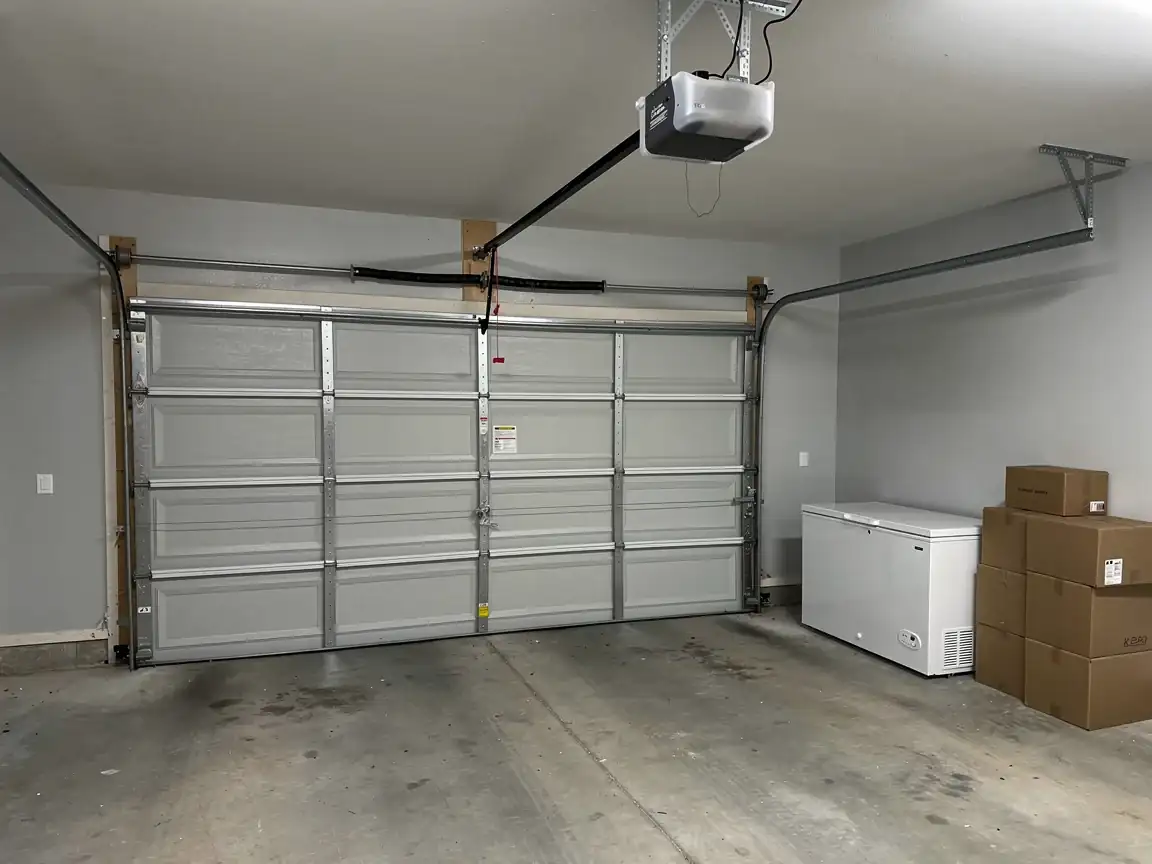
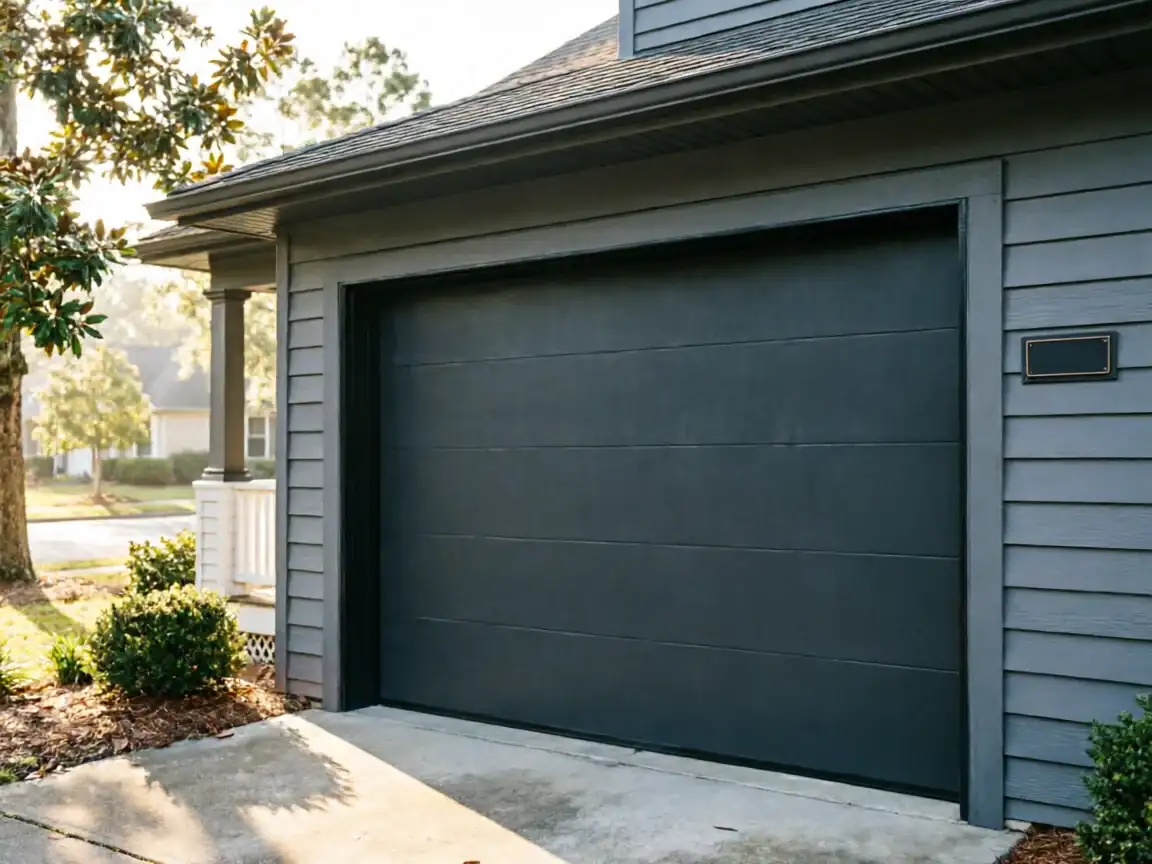
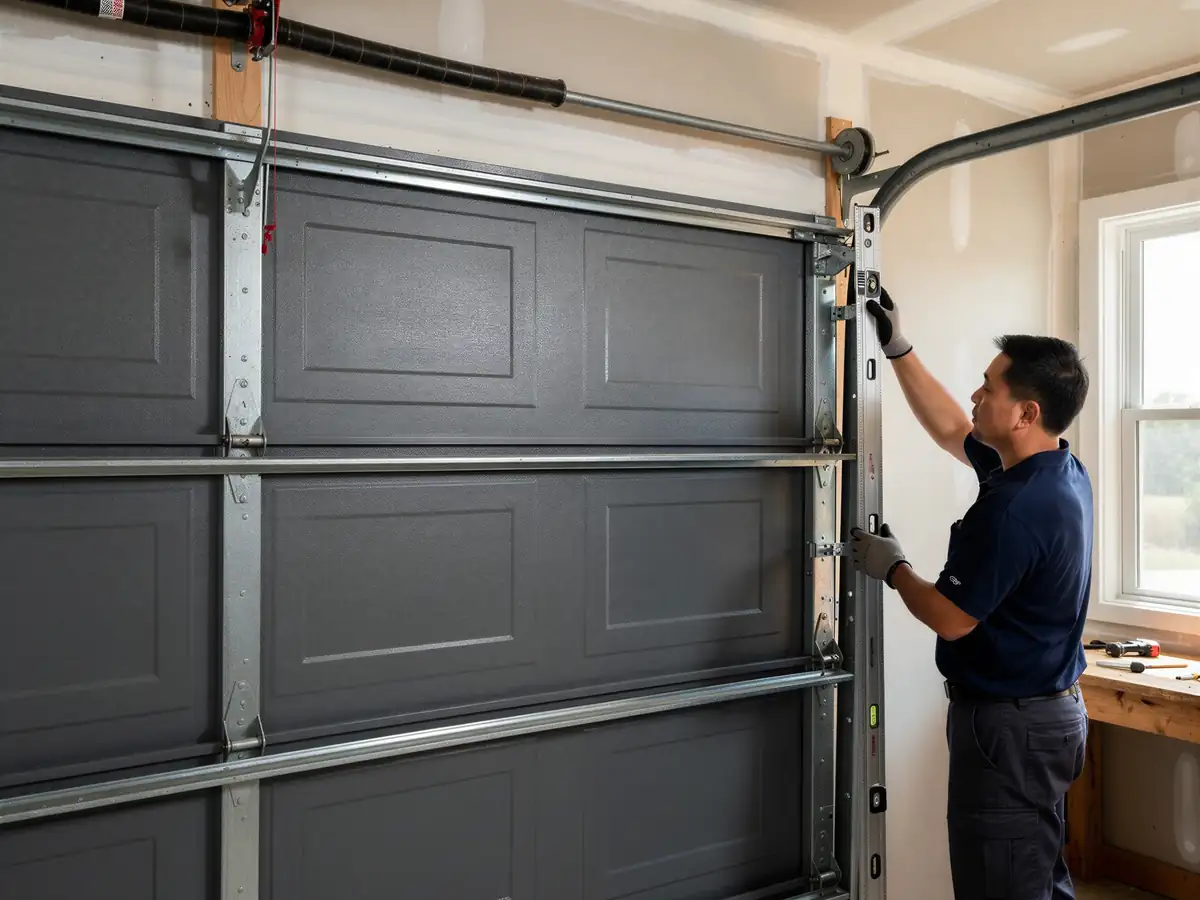
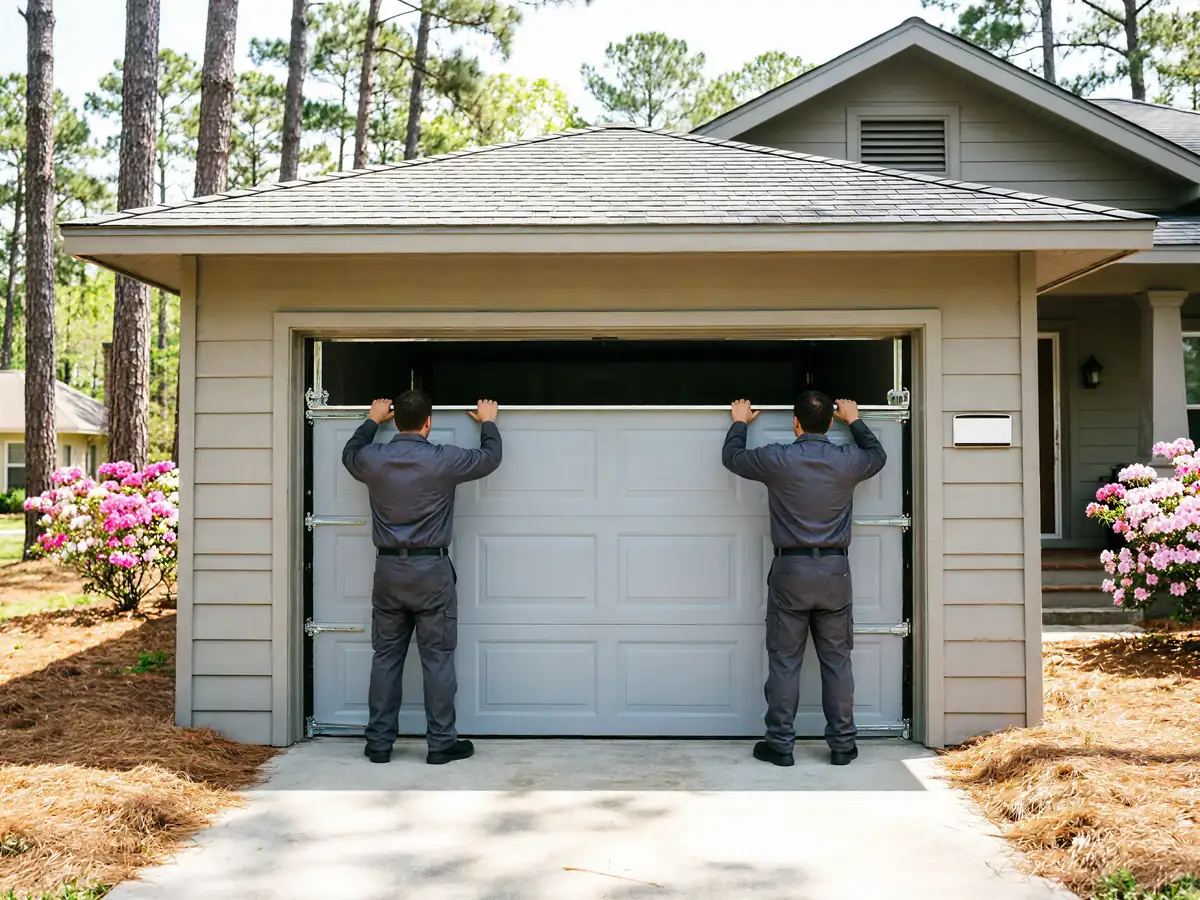
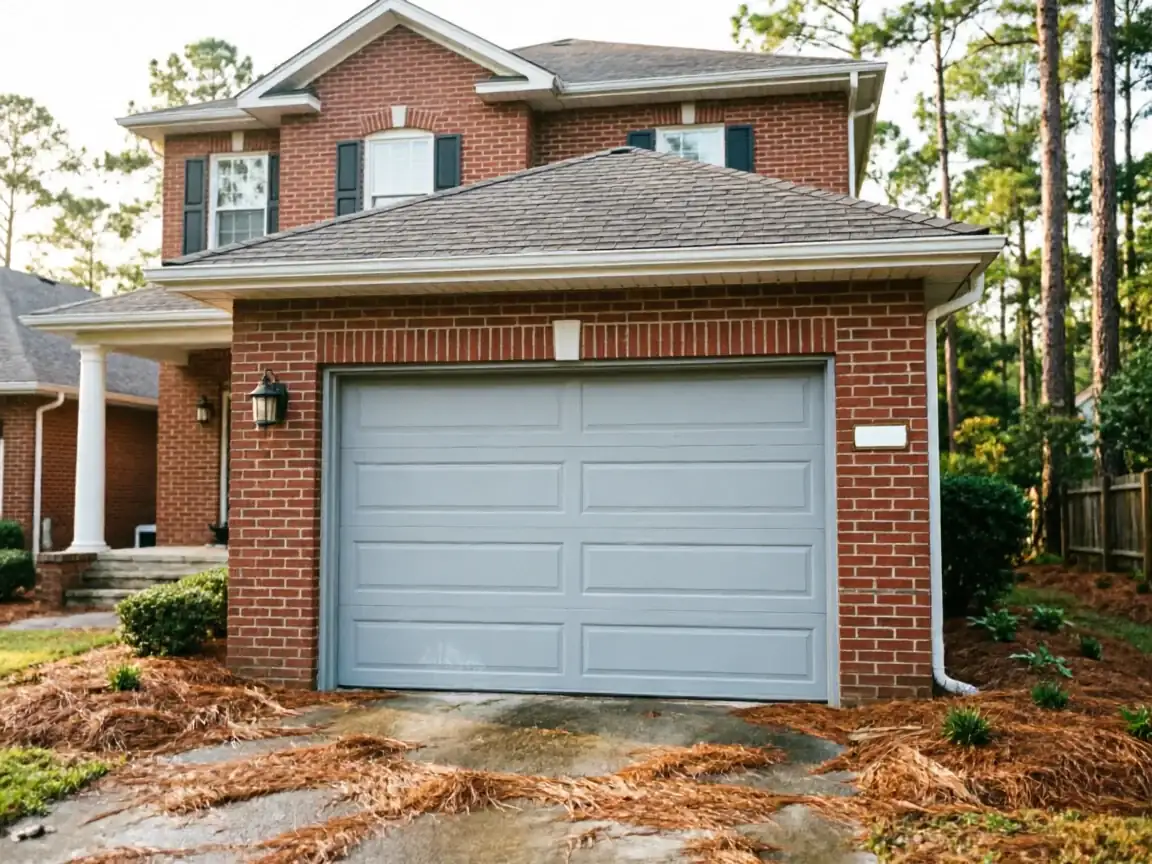
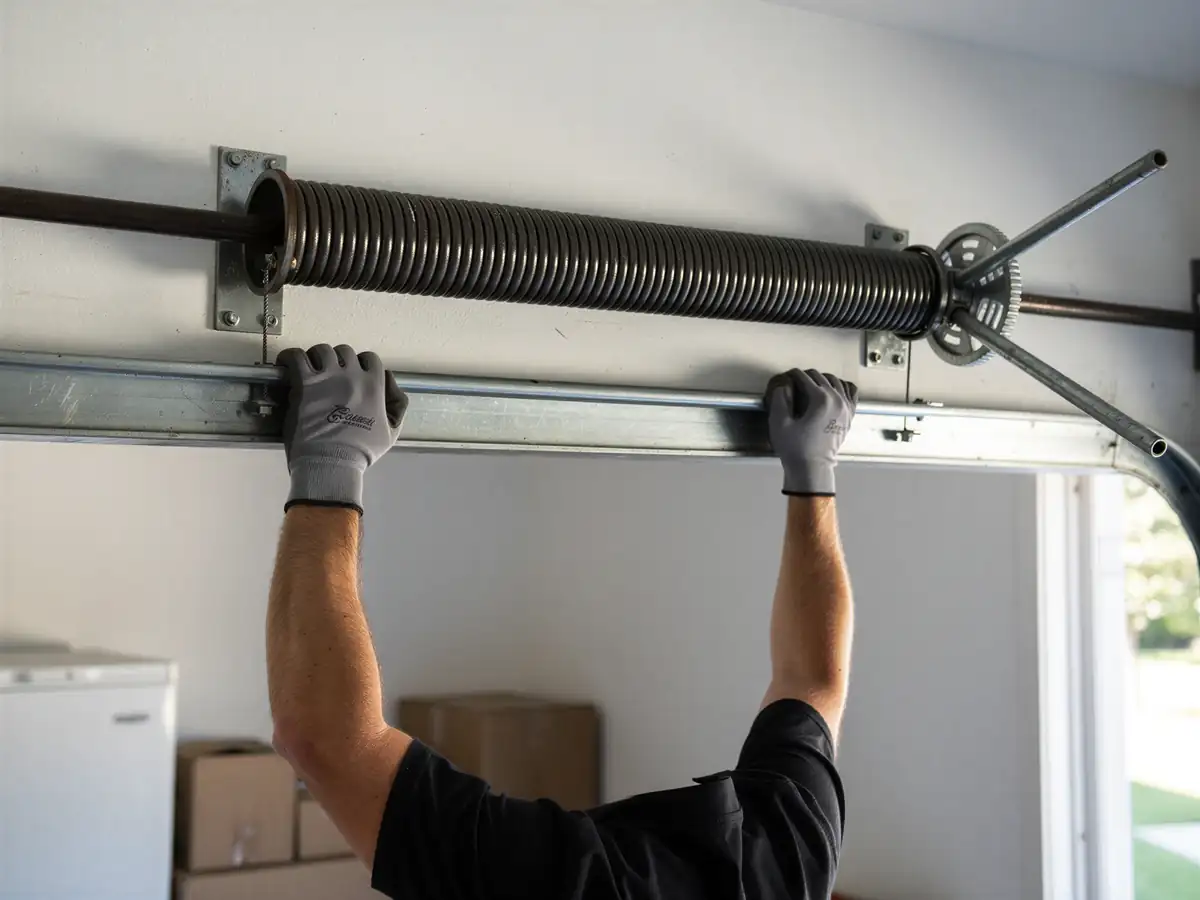
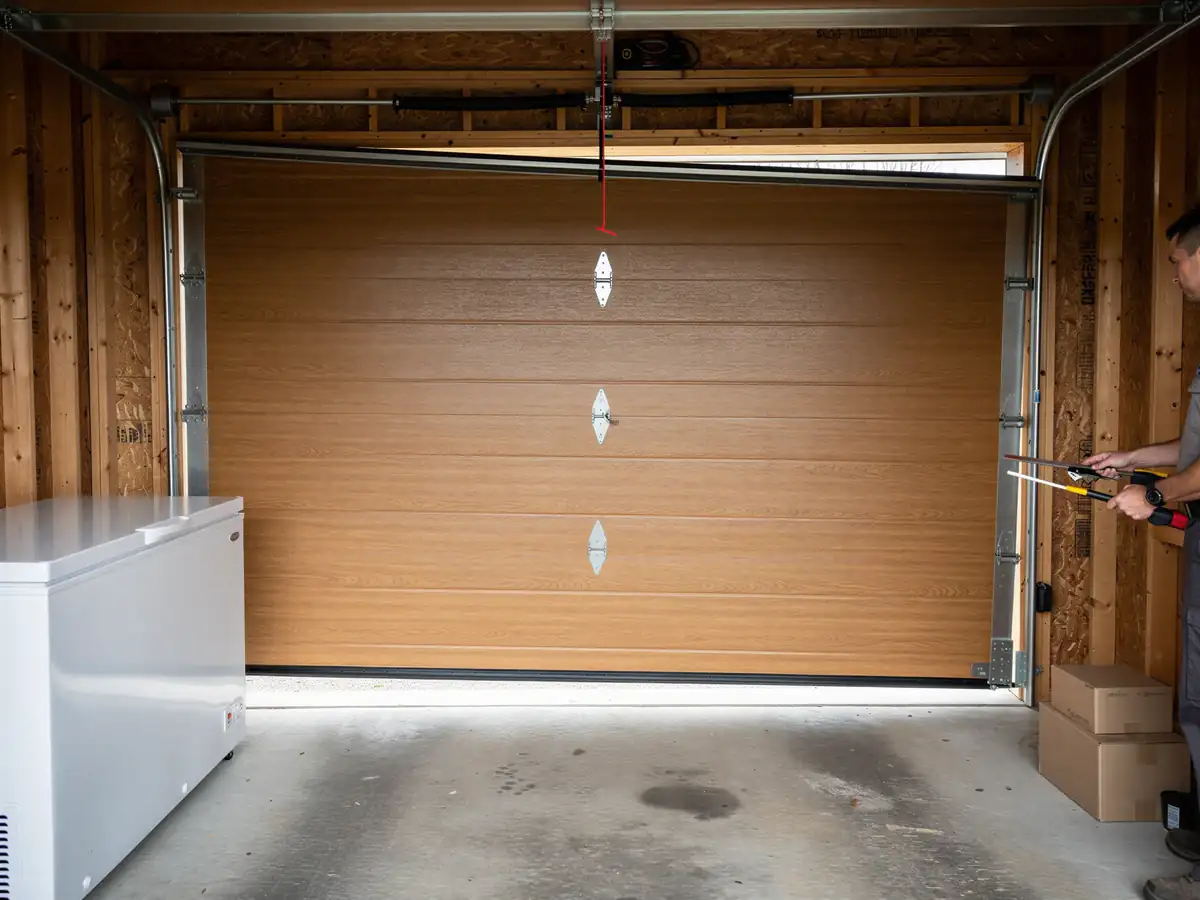
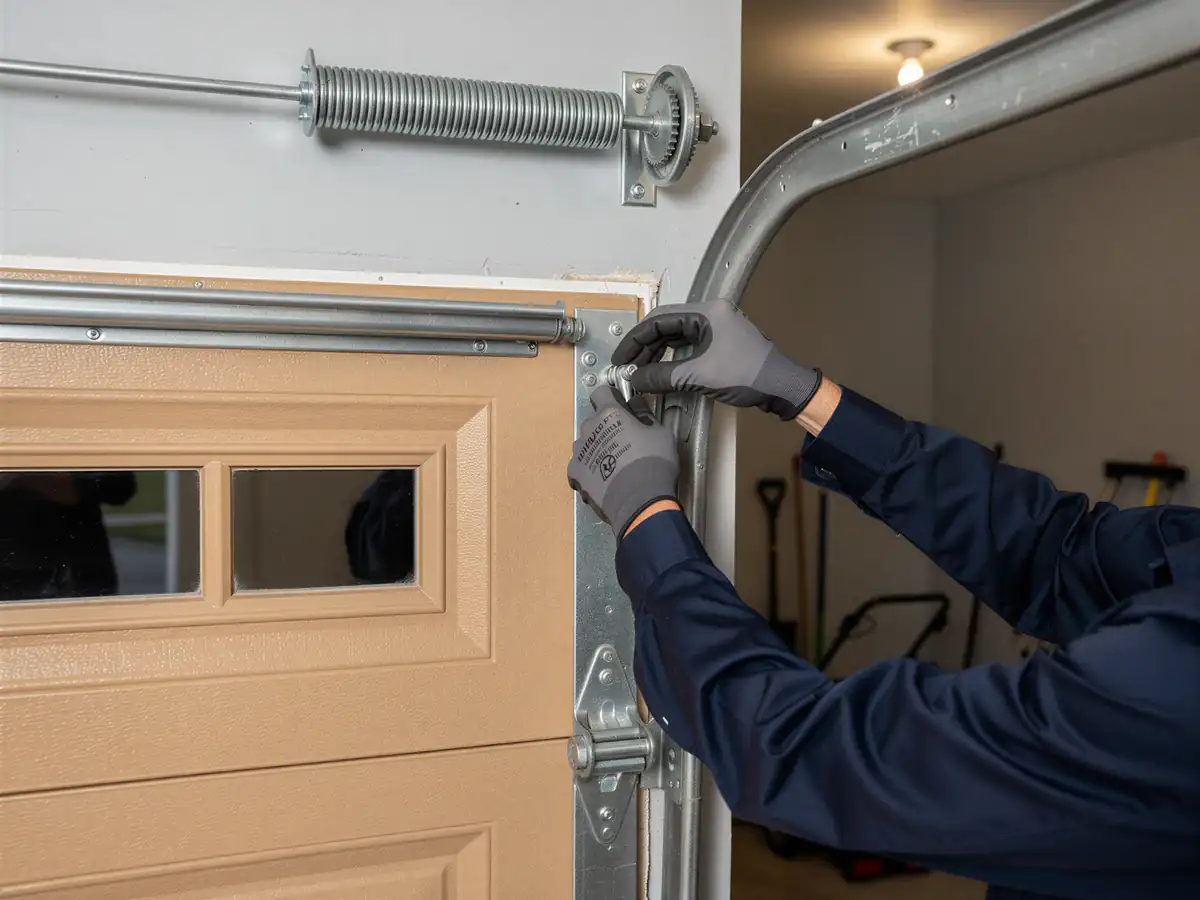
Most houses in Kings Mountain went up around 1975, which puts the typical garage door and opener setup squarely in the pre-sectional-hardware era that was standard at the time: steel doors on extension springs rather than torsion bars, single-hinge rollers, and openers that, if original, have long since been replaced at least once. If your door still has the stamped-steel look with horizontal ribbing and a center-mounted lift cable, that's consistent with a door from that build window, not a retrofit. The symptoms we get called out for here track that age: frayed extension spring cables, worn pulley sheaves, and track brackets that have loosened after decades of seasonal expansion. None of this means the door is on its last run. It means the maintenance checklist has to look at different wear points than it would on a door from 2005. We check the extension spring coils for stretch and rust, the cable condition at the pulley, and whether the track is still square to the frame, because on a door this age those are the parts that fail first, not the opener logic board.
The Complications
Kings Mountain sits in the same cold-moderate climate band as the rest of the service area, which means freeze-thaw cycling works on metal fatigue year over year rather than one bad storm doing the damage. On a door built around 1975, that cycling has had roughly fifty years to work on galvanized hardware that wasn't rated for today's cycle counts. We also see a income profile here that runs lower than the wider service area average, which in practice means more owners are maintaining a door for another five or ten years rather than replacing it outright, and that changes what we recommend first. A tune-up that tightens hardware and re-lubricates rollers costs a fraction of a new installation, and on a door this old it's often the right first move rather than an automatic push toward replacement. The complication is that extension spring systems on older steel doors don't give much warning before a cable snaps. There's no slow sag the way a torsion spring shows wear. That's the main reason we don't recommend skipping a scheduled check on a door this age, even if it still looks fine from the driveway.
The Cost of This Job
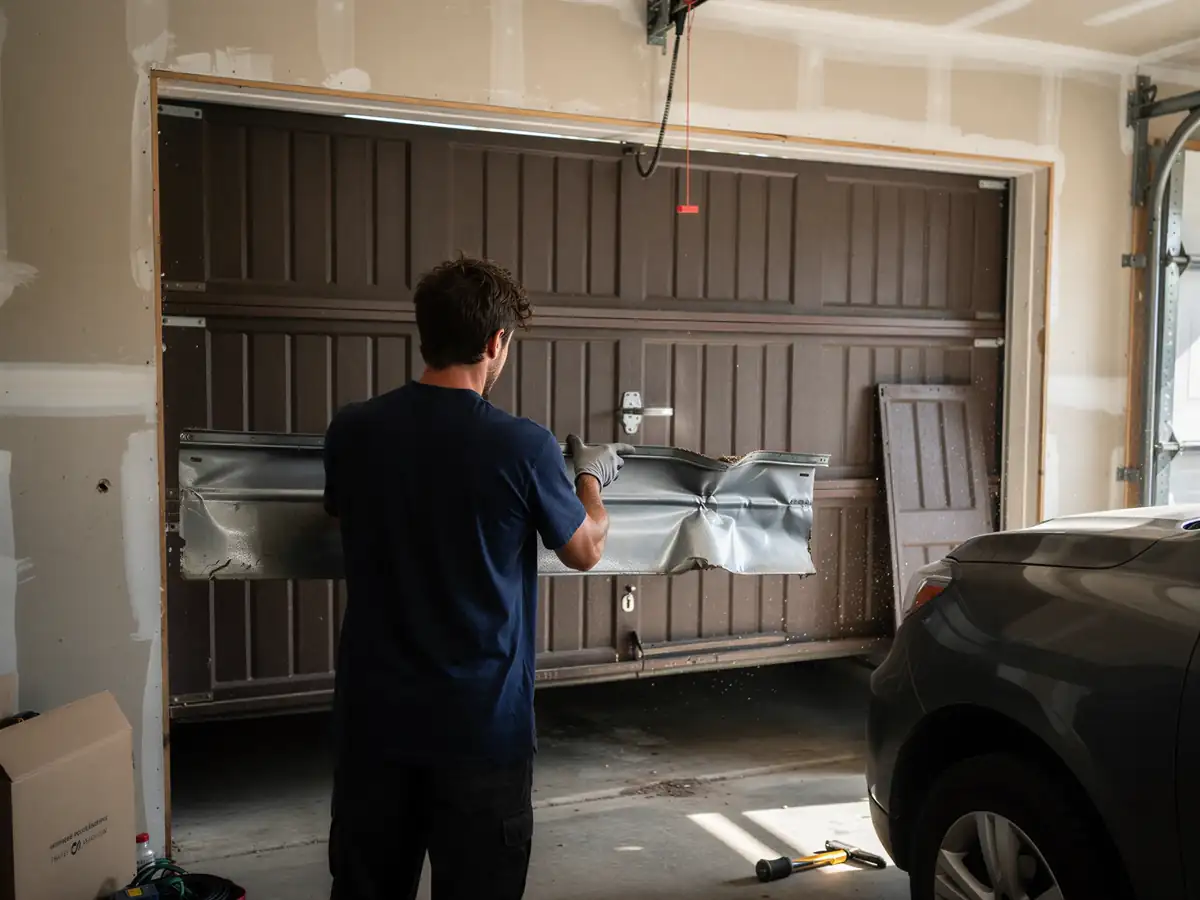
We don't have a published price list to quote here, and giving you a number without seeing the door would be guessing, which isn't something we do. What we can tell you is how the age of the door affects the job: on hardware from the 1970s, a maintenance visit sometimes turns into a parts conversation, because an extension spring or pulley that's seized or rusted through isn't a lubrication fix. Our household income figures for Kings Mountain run below the broader service-area median, and that's part of why we try to separate the tune-up cost from any parts replacement up front, rather than bundling them into one number before we've looked at the door. If a part needs ordering, that adds a visit rather than extending the first one.
The DIY Question
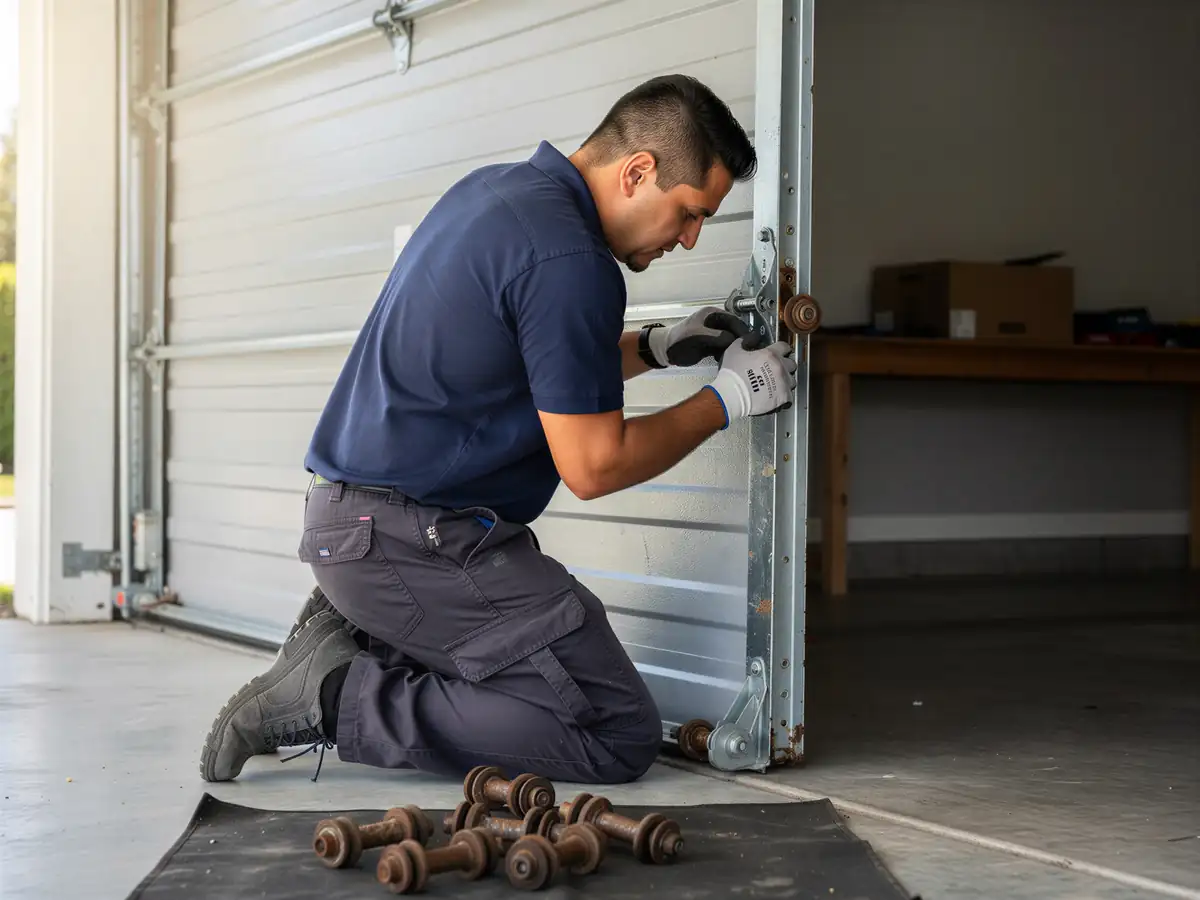
Lubricating hinges and rollers with a garage-door-rated lubricant, and visually checking that the track bolts haven't backed out, is reasonable to do yourself on any door. Where we draw the line is the extension springs themselves. On a door built around 1975, those springs have been under tension for decades, and an owner adjusting or replacing one without the right bar and clamps is a known way to get hurt, not a minor risk. We also don't recommend DIY work on the cable or pulley system on a door this age, because what looks like a simple fray can mean the cable is seated wrong at the drum, and you won't see that from the ground. If your door is sticking, slow to close, or making a new grinding sound, that's worth a call before it's worth a wrench.