What You Are Seeing
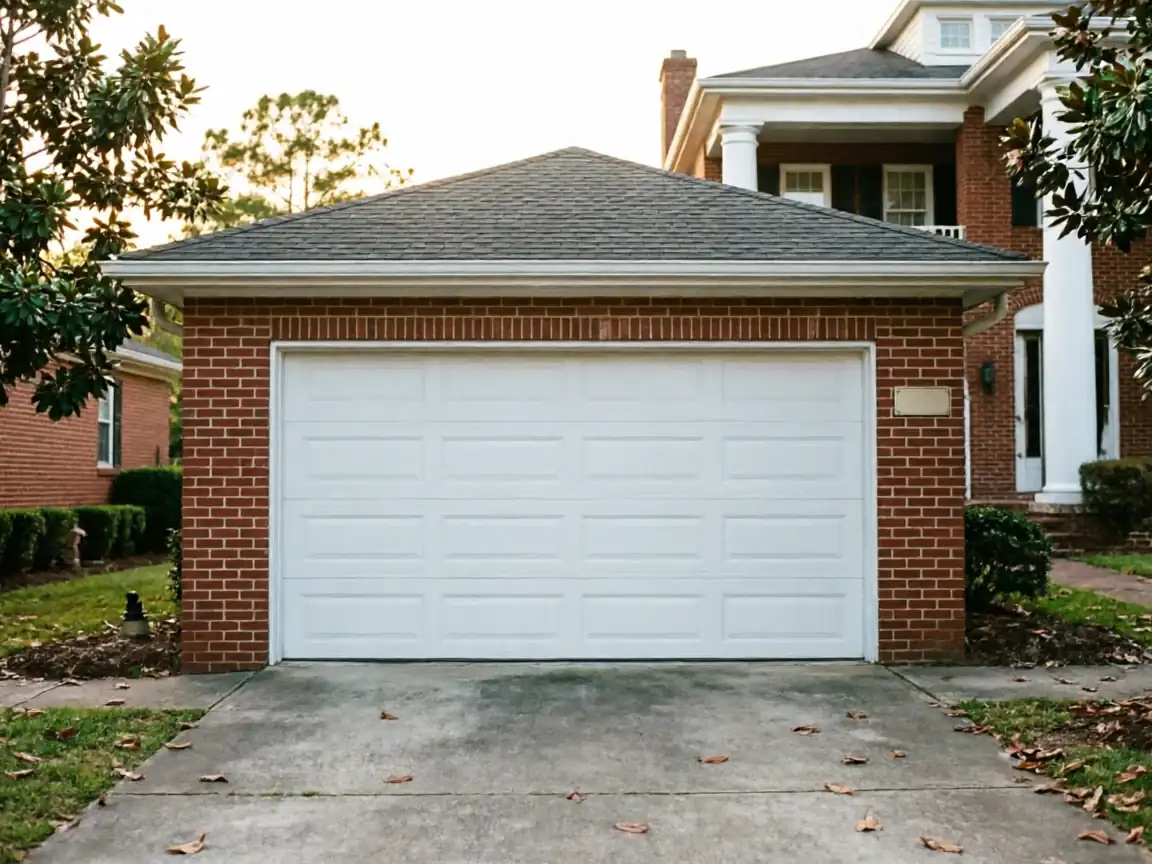
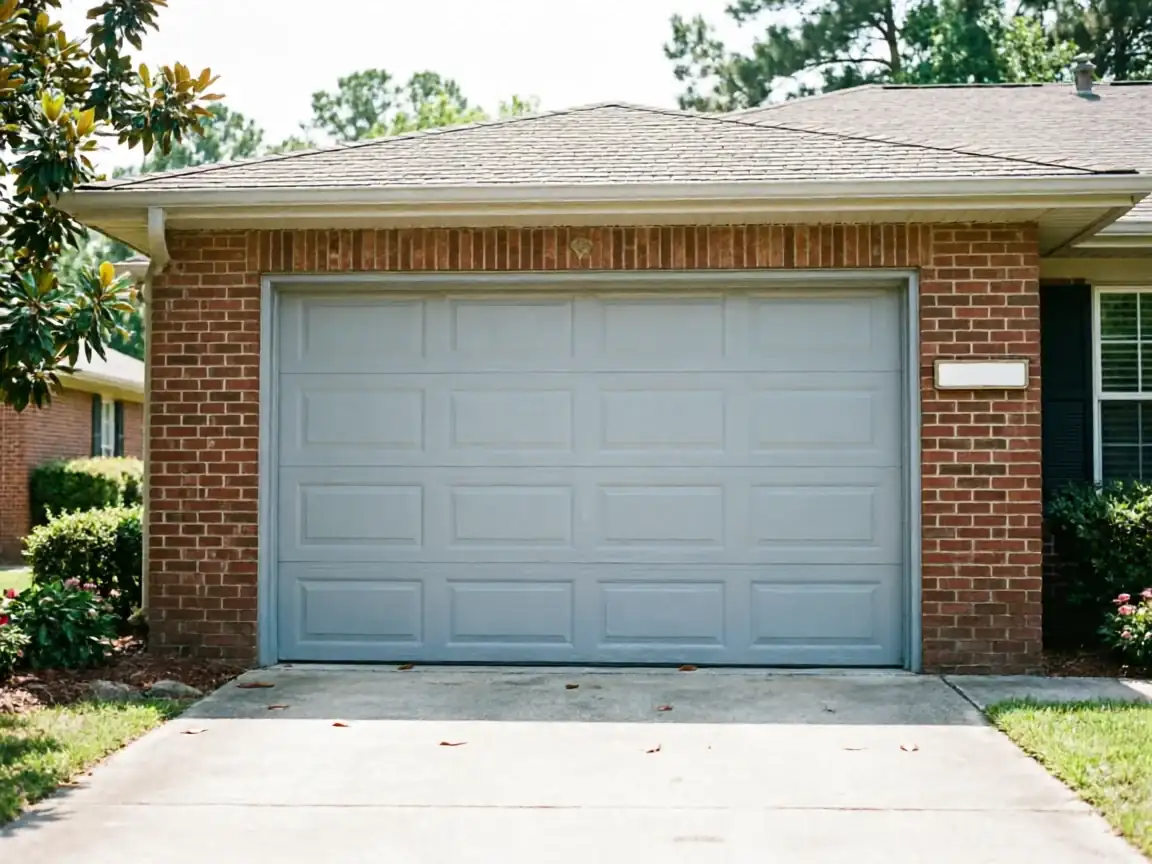
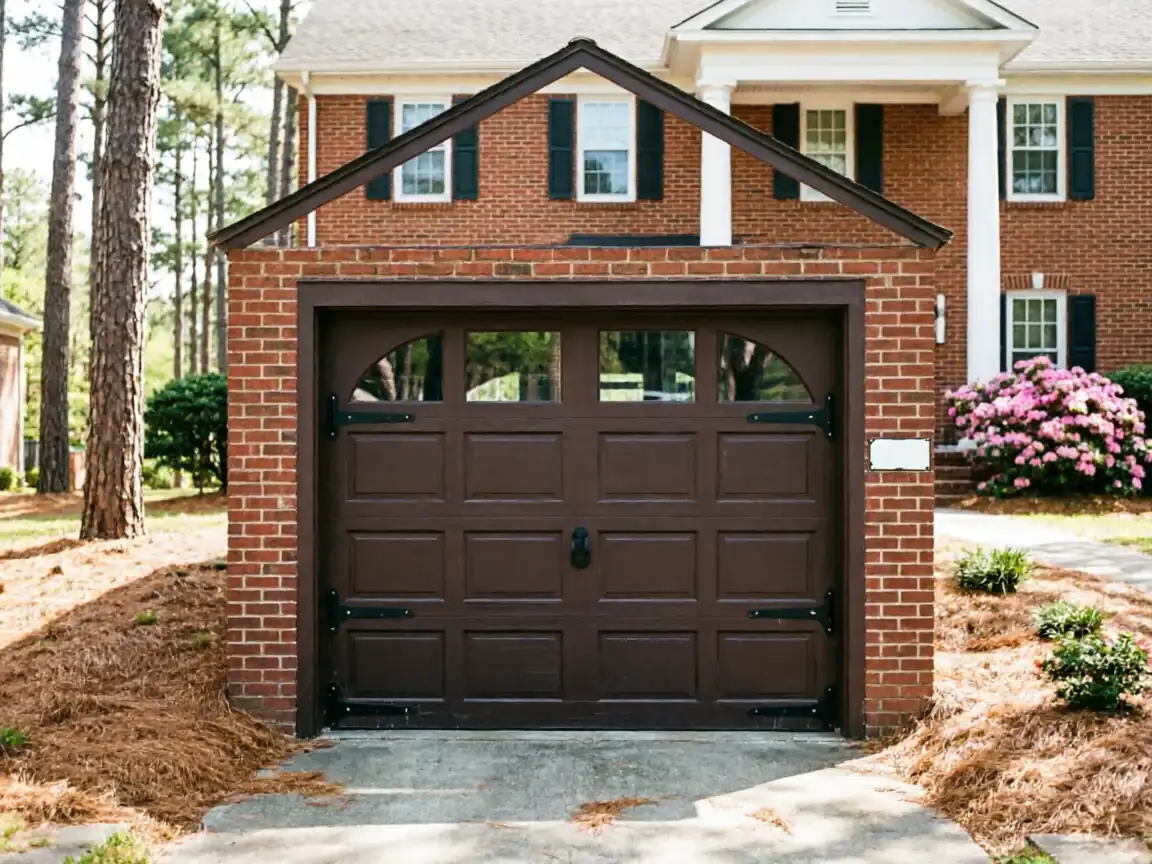
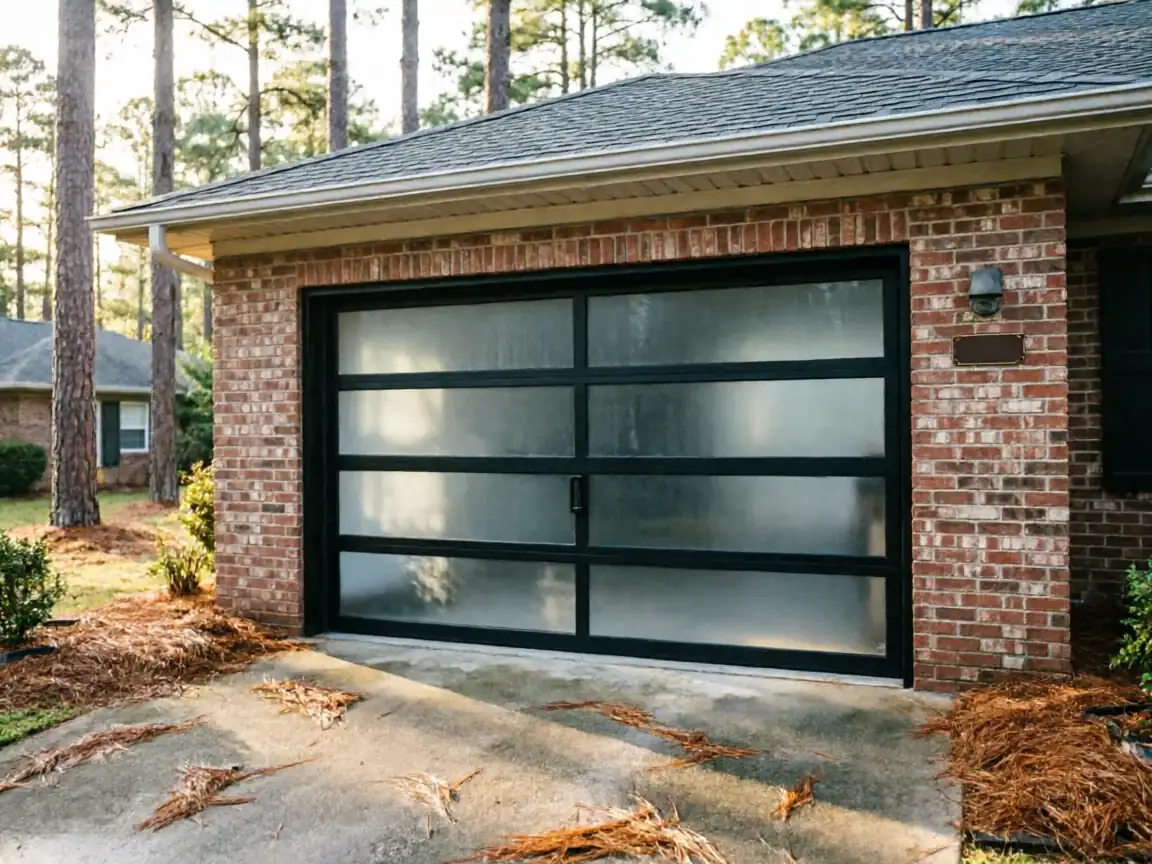
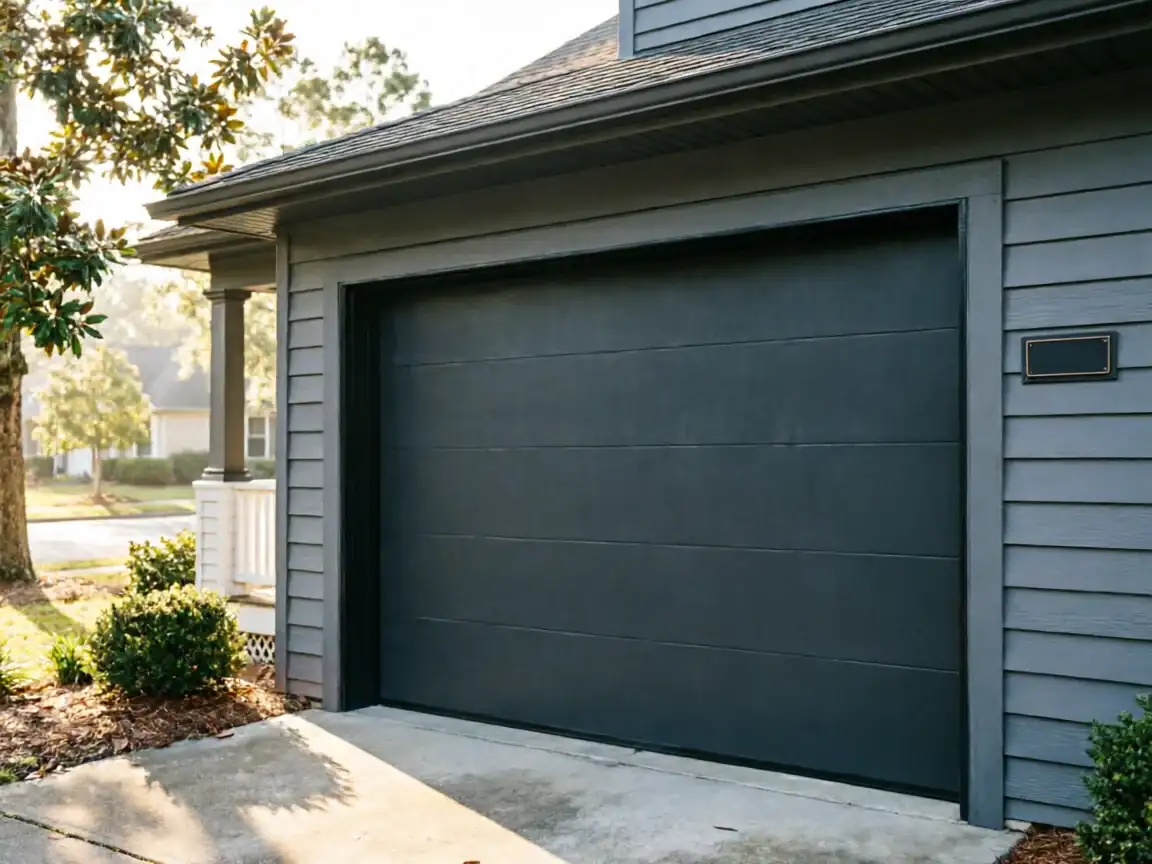
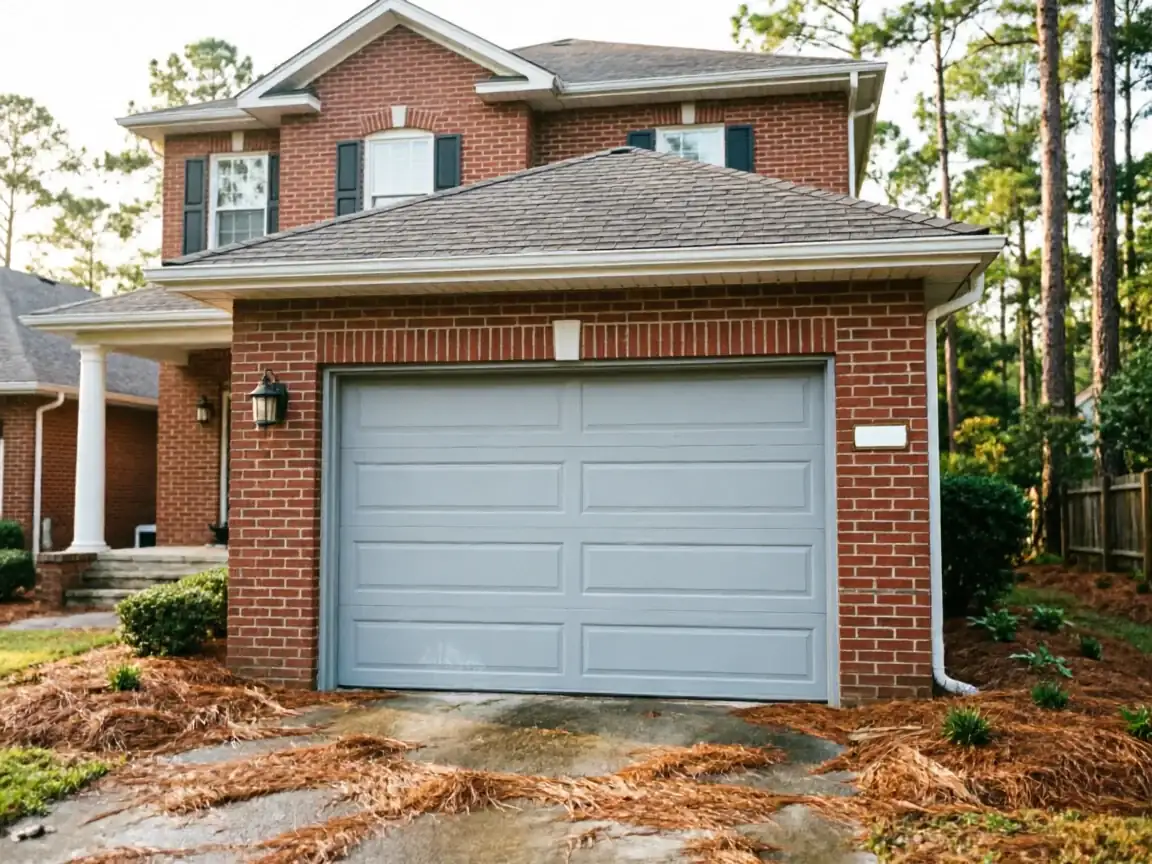
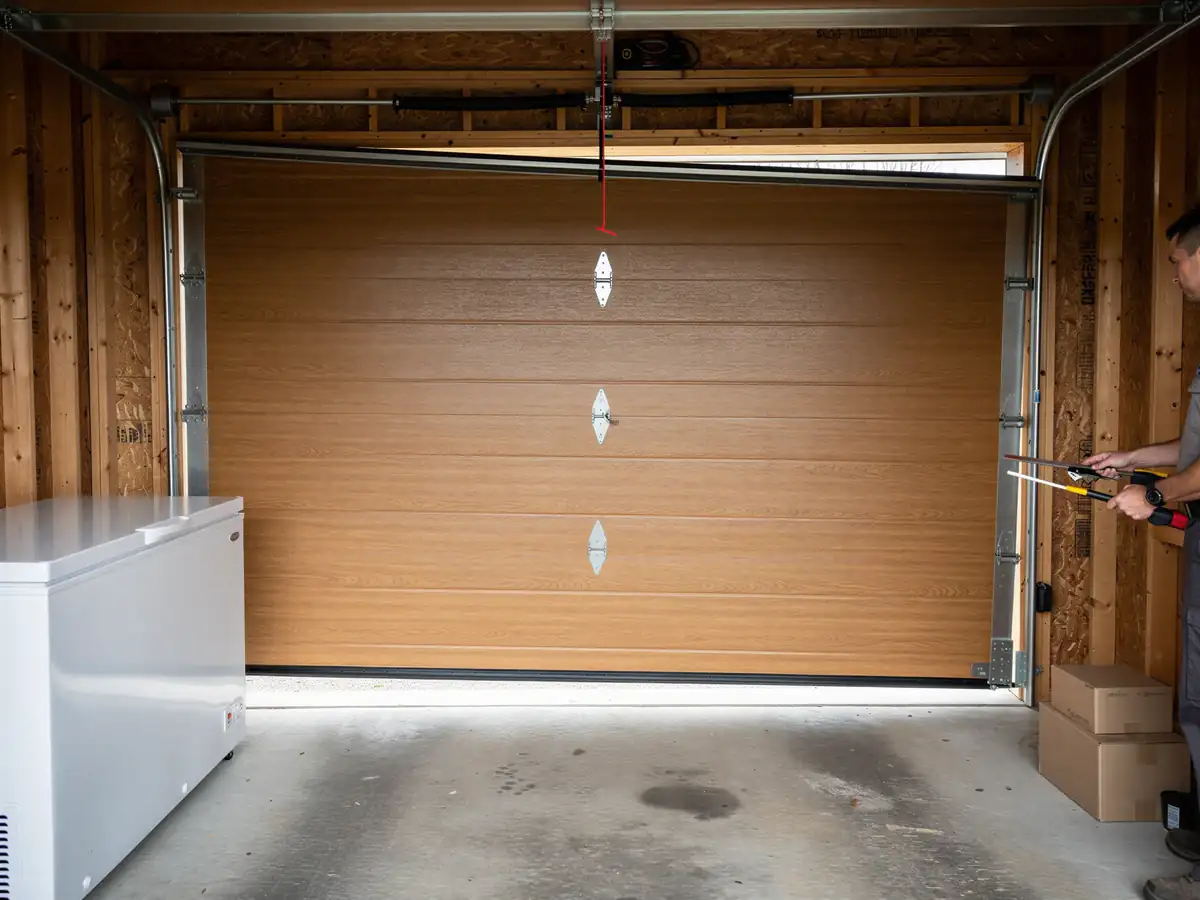
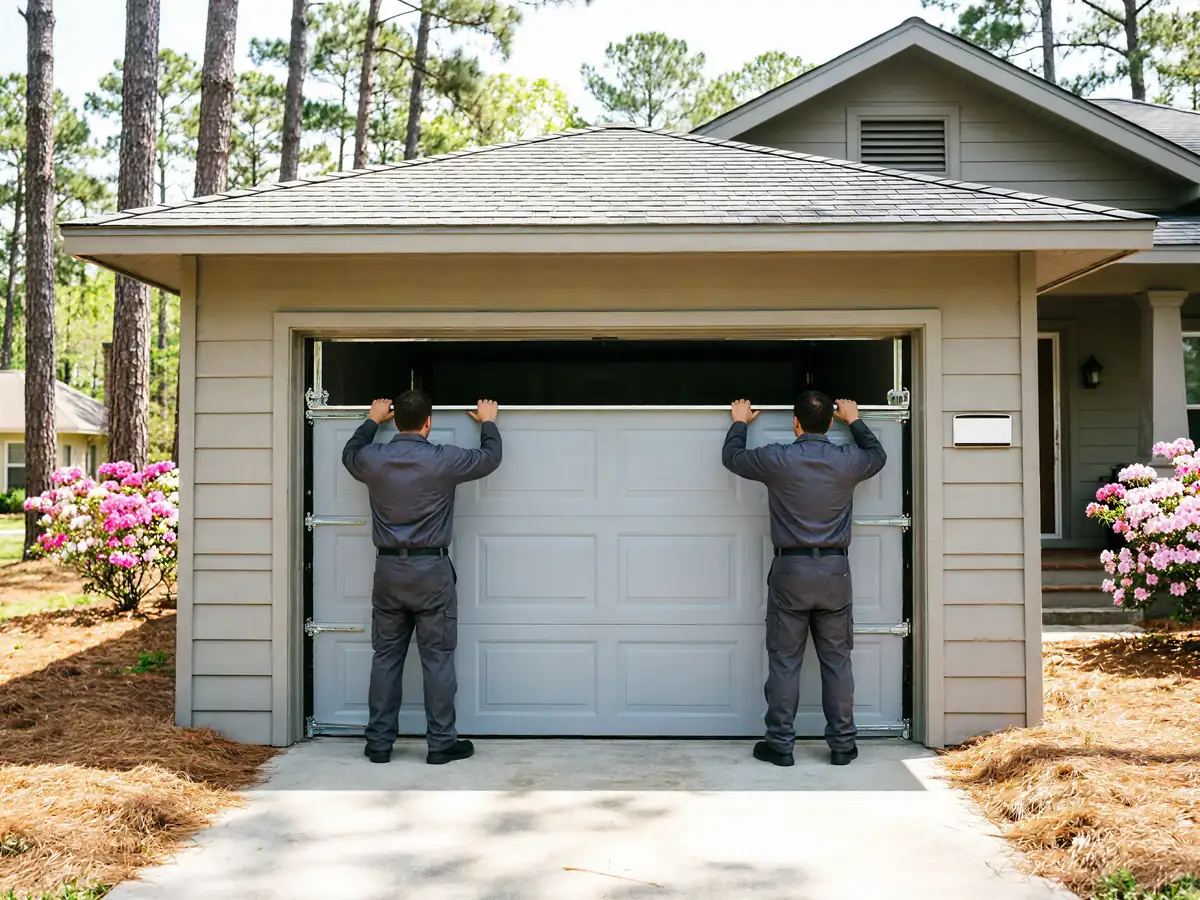
Most garages in Kings Mountain went up around 1975, which puts the original door itself at the center of the story before you even get to what's wrong with it. These are single-layer steel panels, stamped flat or with a shallow ribbed pattern, hung without any foam backing because that wasn't standard practice yet. A single-car opening usually runs 8 or 9 feet wide; the two-car garages that came with the larger lots from that building wave run 16 feet, often on a door that's never been swapped since the house was framed.
Across the wider Gastonia service area, houses span 1967 through 2011 with a median build year of 1983, and most of that stock clusters in the 1980s and 90s. Kings Mountain sits a few years ahead of that curve, which matters: a door from 1975 predates even the early improvements that showed up in later-70s and 80s models, like better weatherstrip channels and heavier end stiles. If your door still has the thin, slightly wavy steel look and a seam down the middle of each panel, that's original hardware doing its original job, 50 years in.
What you're not seeing, usually, is insulation. An uninsulated steel door in a climate that runs cold winters loses heat fast and sweats on the inside face in damp weather - something worth knowing before you decide what to replace it with.
The Complications
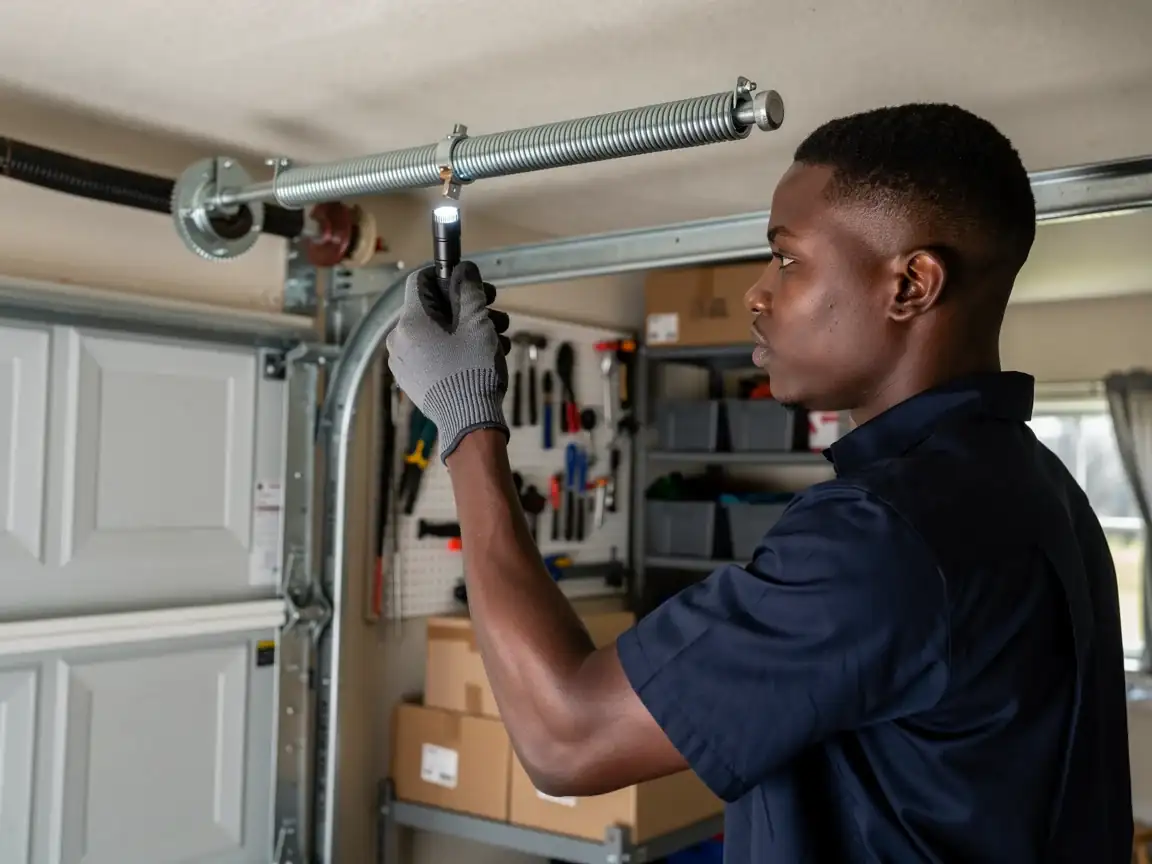
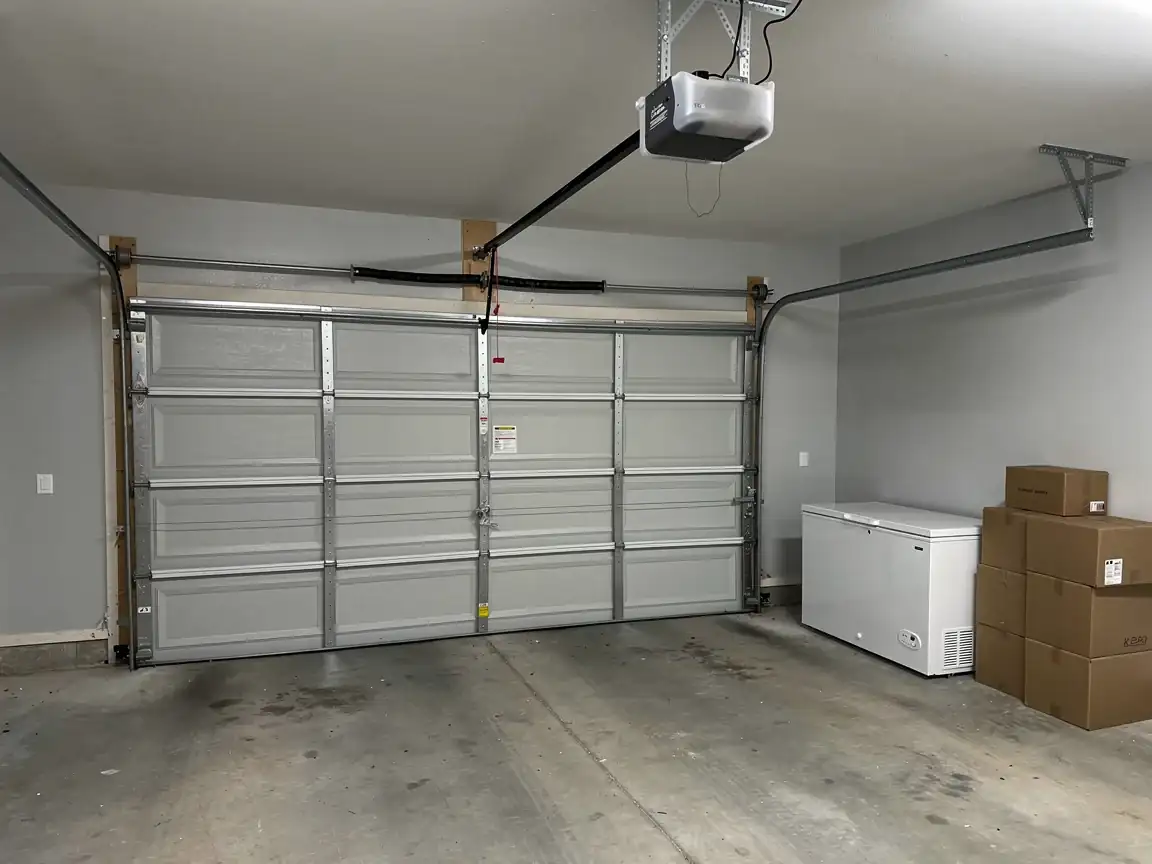
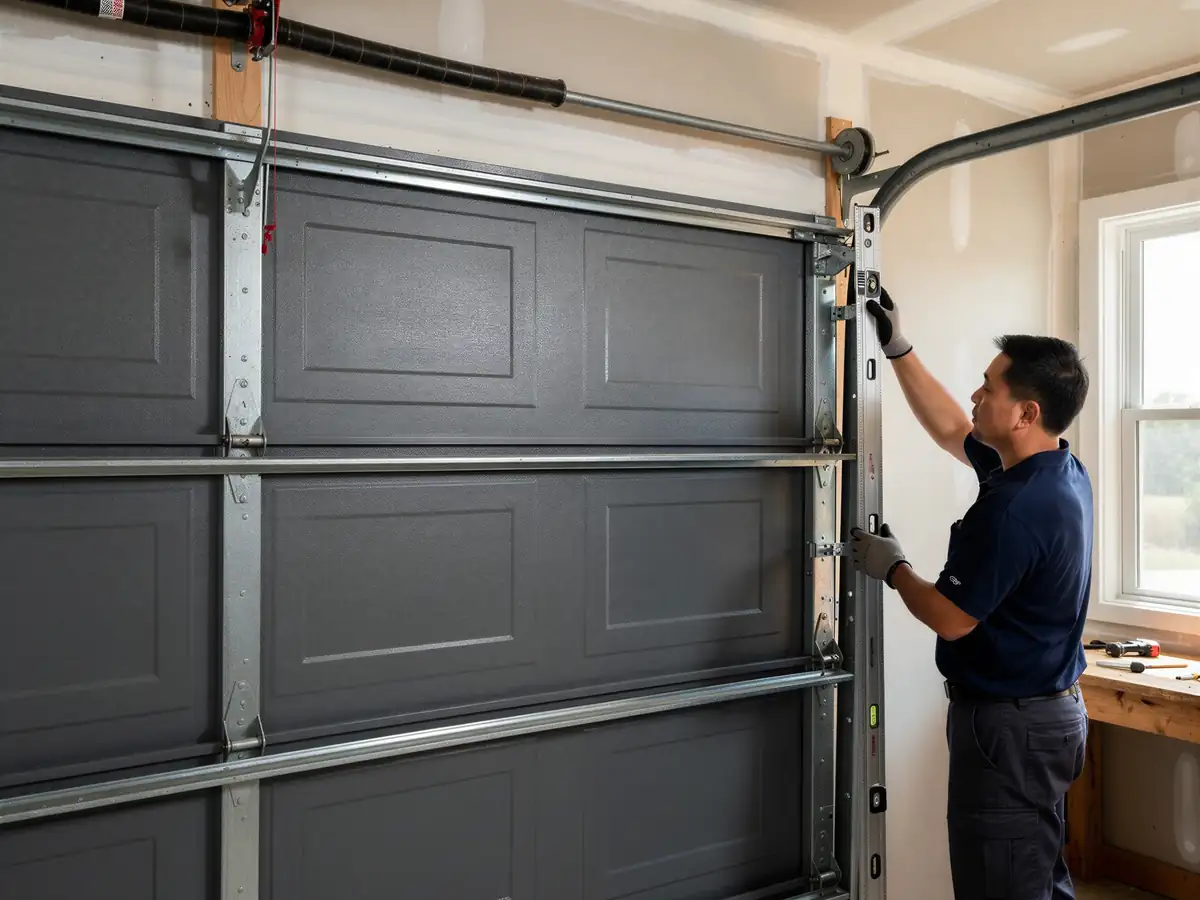
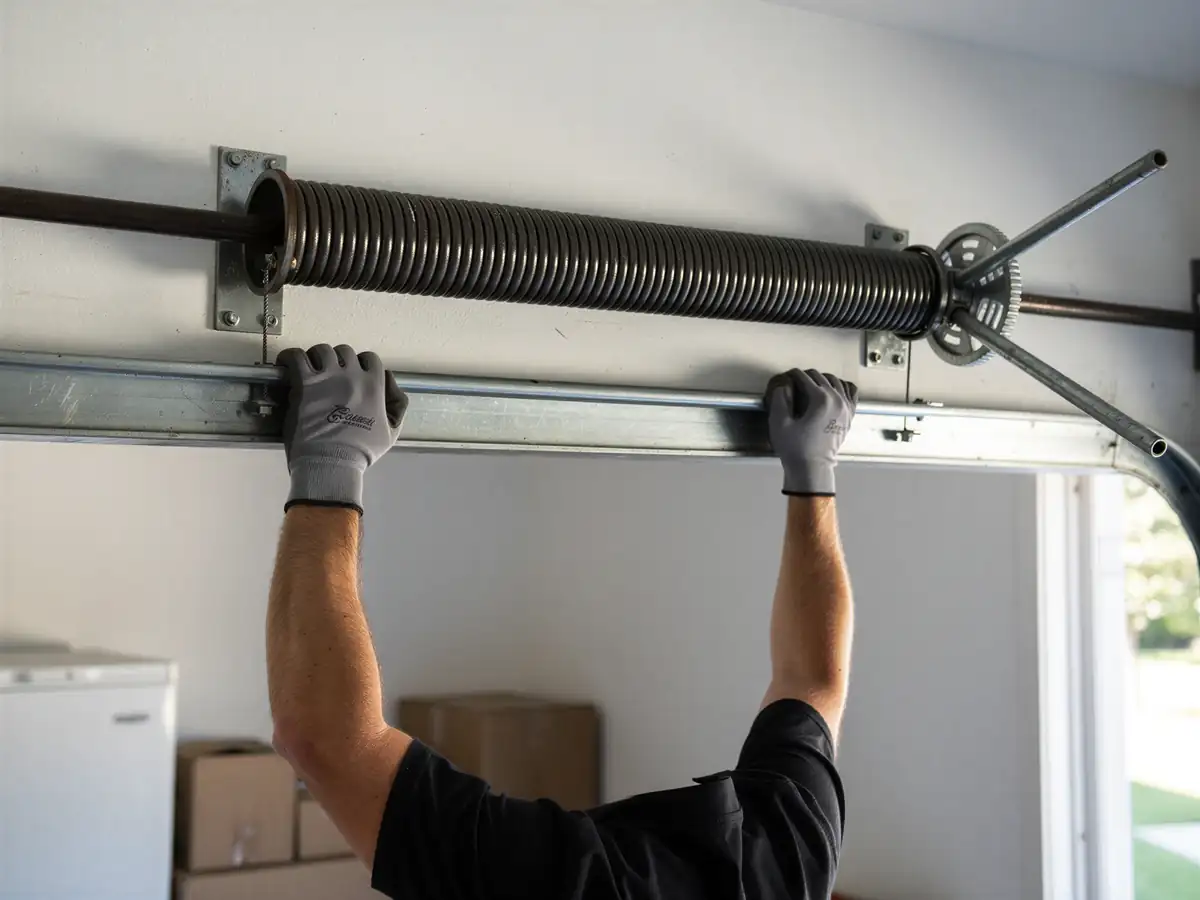
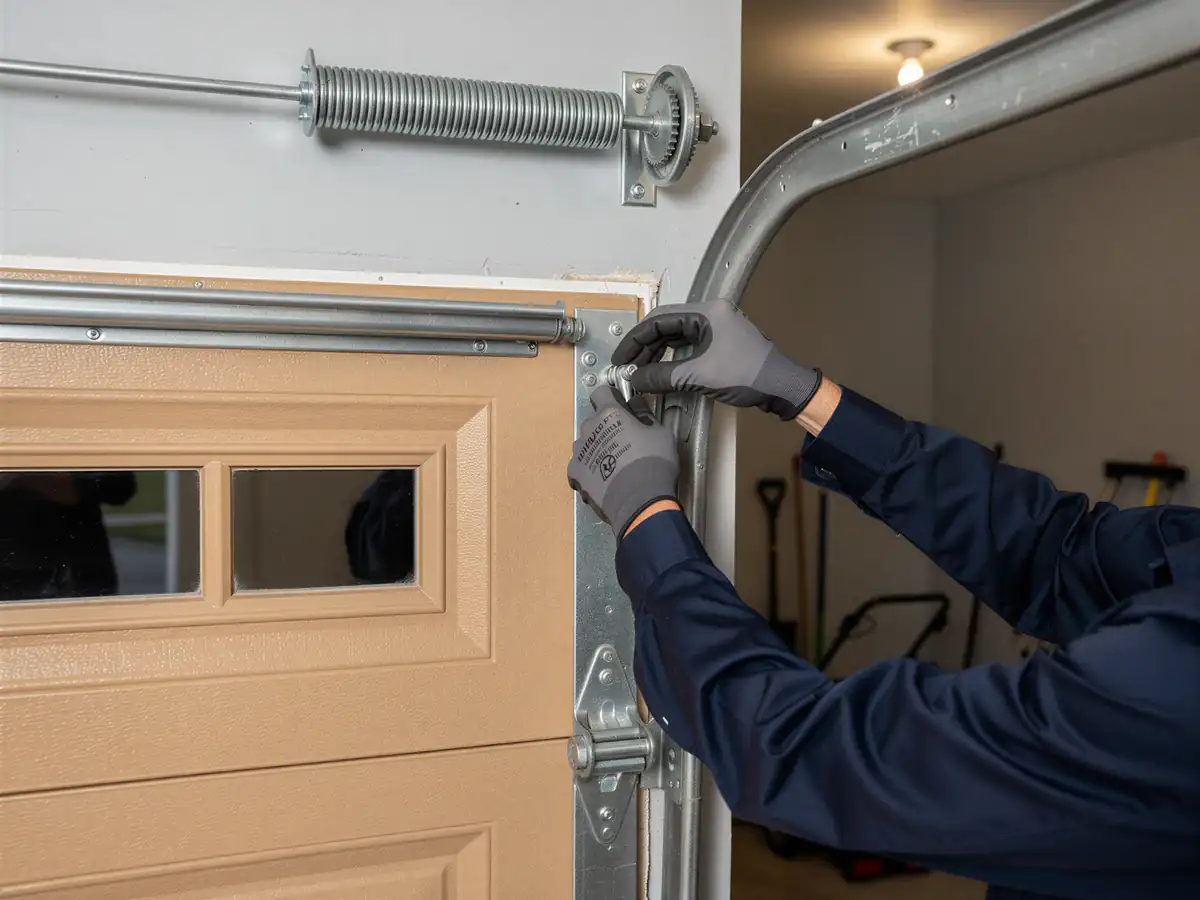
A door this old wasn't engineered for the opener loads modern installers work with. The track spacing, the drum size, even the spring cable length were all sized for a lighter, non-insulated panel - swap in a heavier insulated door on the same hardware and the springs will be wrong before the first winter is out. That's not a scare story, it's just how torsion systems are sized: the spring has to match the door's weight, not the opening.
The other complication is the frame itself. Houses built in the mid-1970s around Kings Mountain often used jamb lumber sized to the thinner original door, and a new door - especially anything with added insulation thickness - can need shimming or a new stop to seal right. We check this before quoting, not after the door's hanging crooked.
Cold-climate weatherstrip is worth mentioning here too. The area sits in a moderate cold band, enough that a poorly sealed bottom seal or worn-out side weatherstrip shows up as a draft line across the garage floor, not just a comfort complaint. If the garage shares a wall with living space, that gap matters more than it looks like it should.
None of this is complicated to fix. It just has to be looked at honestly instead of assumed away.
Booking a Visit
Kings Mountain is about 9 miles from our Gastonia base
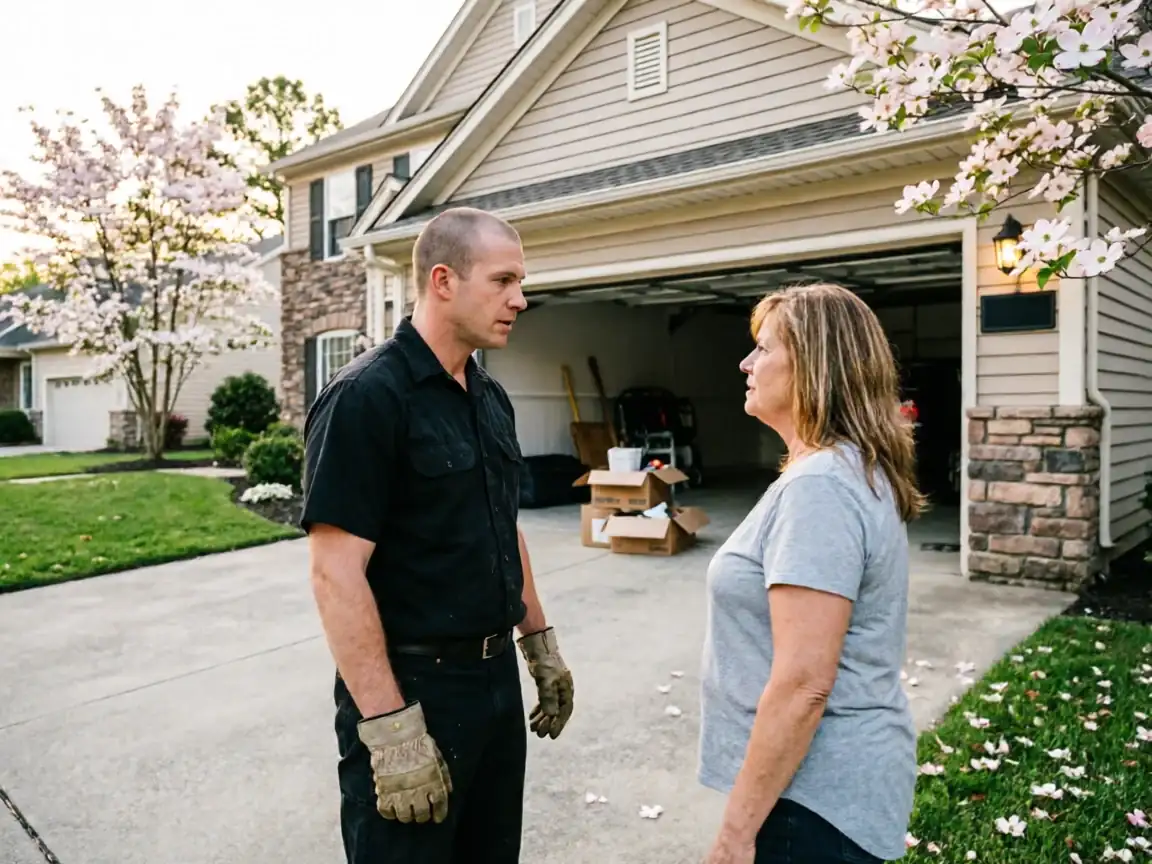
And we don't keep a separate yard or crew stationed out here - the truck comes from Gastonia for every job. That's worth saying plainly: there's no local depot, so we're not going to promise a same-hour window the way a shop based in town might. What we can do is schedule the drive and the install together so you're not paying for two trips.
- 9 miles
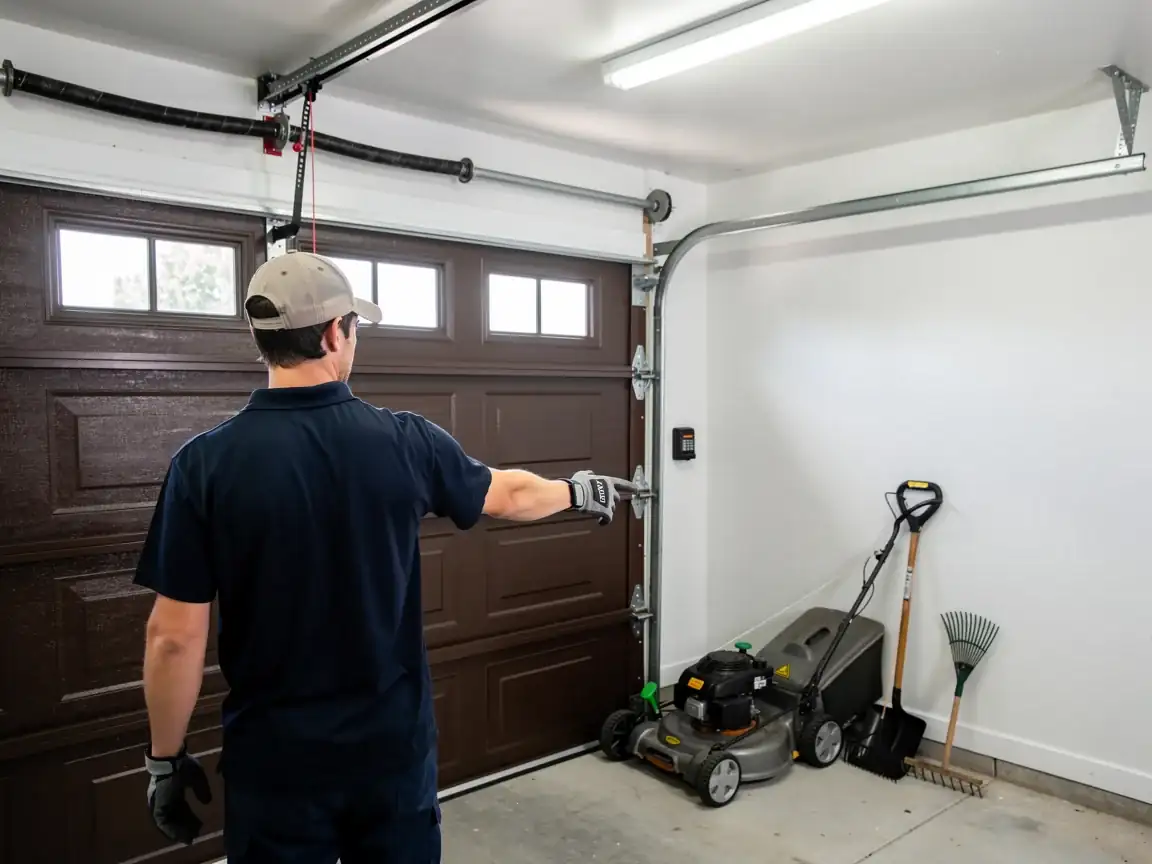
We measure the opening, check the jamb and track condition
And talk through door styles before anything gets ordered - not after. For a house from this era, that conversation usually includes whether the existing track and opener can carry a heavier insulated door or whether those need replacing too. Better to know that at the estimate than at the install.
You can see which areas around Gastonia we cover, including Kings Mountain
On our coverage page.
The Cost of This Job
We don't have a flat number to hand you here because door weight, track condition, and whether the opener survives the swap all move the final price, and we're not going to invent a figure to fill space. What we can tell you is how we think about it for a town like this one: median household income in Kings Mountain runs around $45,507, lower than some of the surrounding service area, so we try to walk through a basic steel door option alongside anything higher-end rather than just quoting the premium line first.
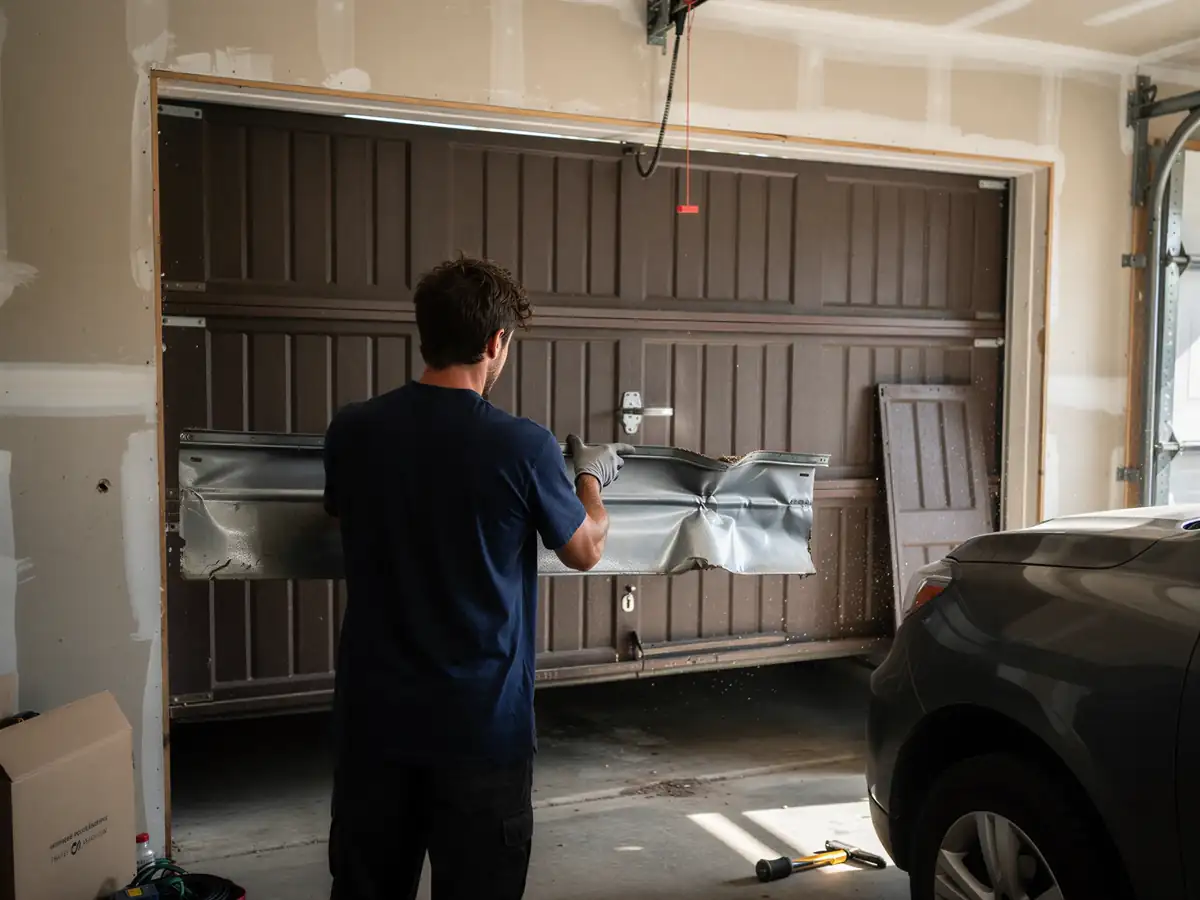
The honest trade-off on a 1975 garage is usually between patching what's there - new weatherstrip, a seal kit, maybe a panel swap if only one section is dented - and replacing the whole door. If the track and springs are original and already due, a full replacement often costs less over five years than a string of hardware repairs on a 50-year-old door. If the door's structurally sound and just drafty, sealing it up can be the smarter spend. We'll tell you which situation you're in before we tell you what it costs.
The DIY Question
Swapping panels or adjusting a track yourself is reasonable work for a handy homeowner. Replacing the whole door is not, mainly because of what's wound inside the spring. A torsion spring on a door this size is under enough tension to break bones if it's unwound wrong, and a door from 1975 has had five decades to develop rust or metal fatigue nobody can see from the garage floor. That's the one place we'd tell you flatly: don't.
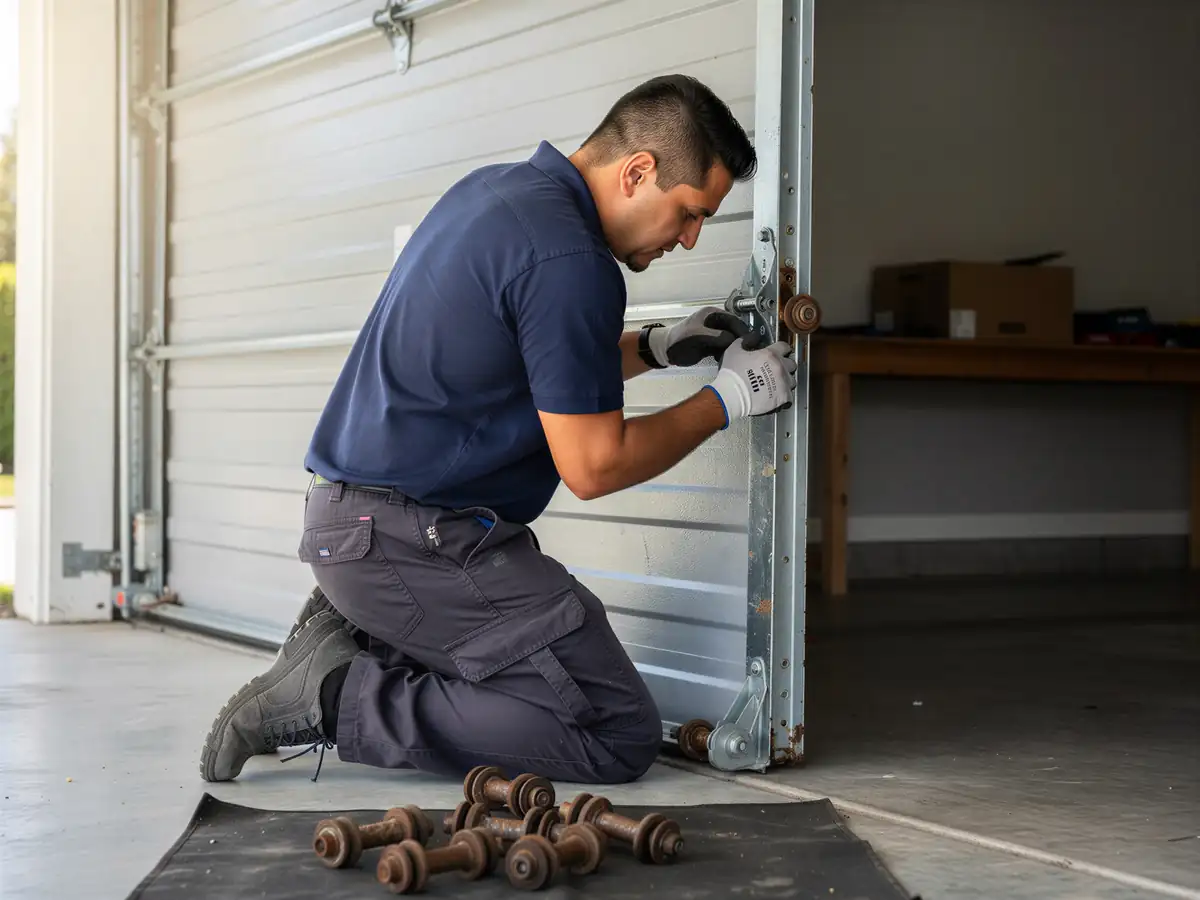
Where DIY makes sense is the small stuff - lubricating rollers and hinges, checking the bottom seal for cracking, tightening loose hardware on the track brackets. None of that touches the spring system and all of it extends the life of whatever door you end up with, old or new.
If you're set on doing the install yourself, at least have someone check the spring sizing and track alignment against the new door's weight before you run the opener for the first time. A mismatch there doesn't always fail right away - it fails six months in, usually on a cold morning.