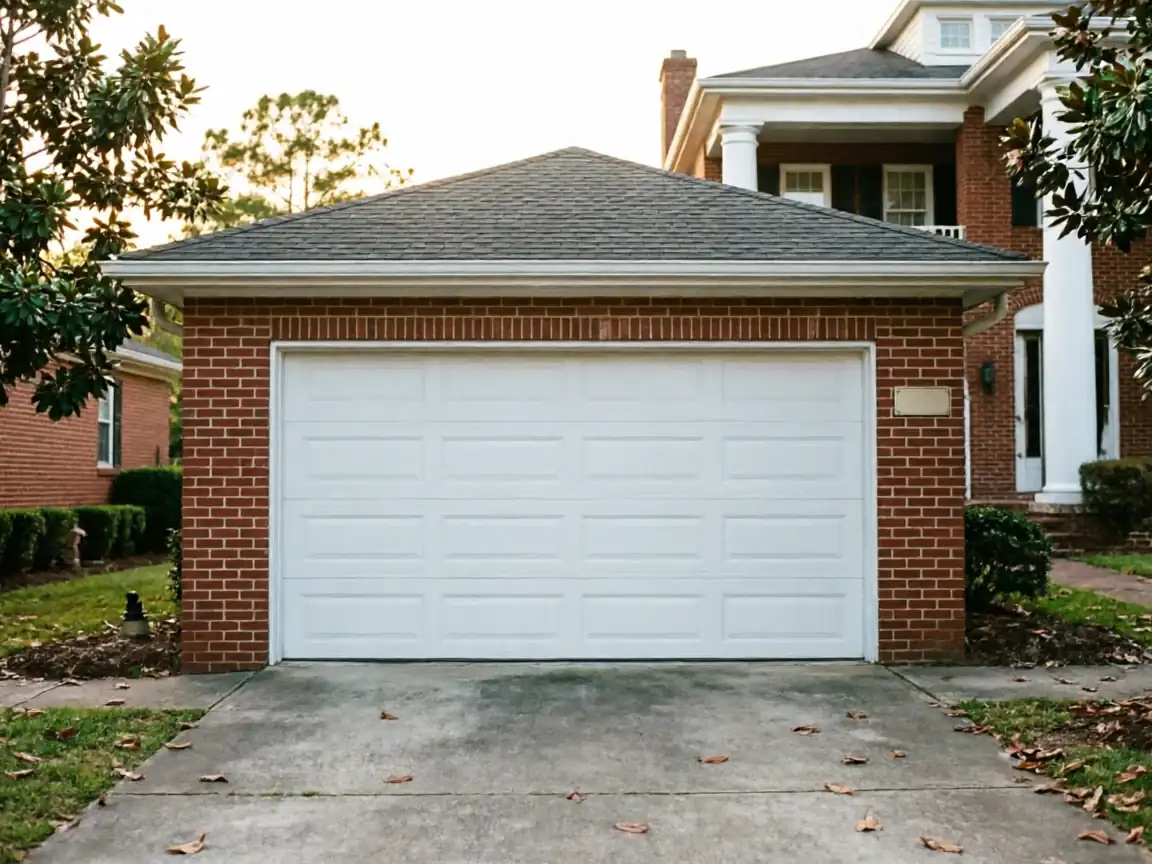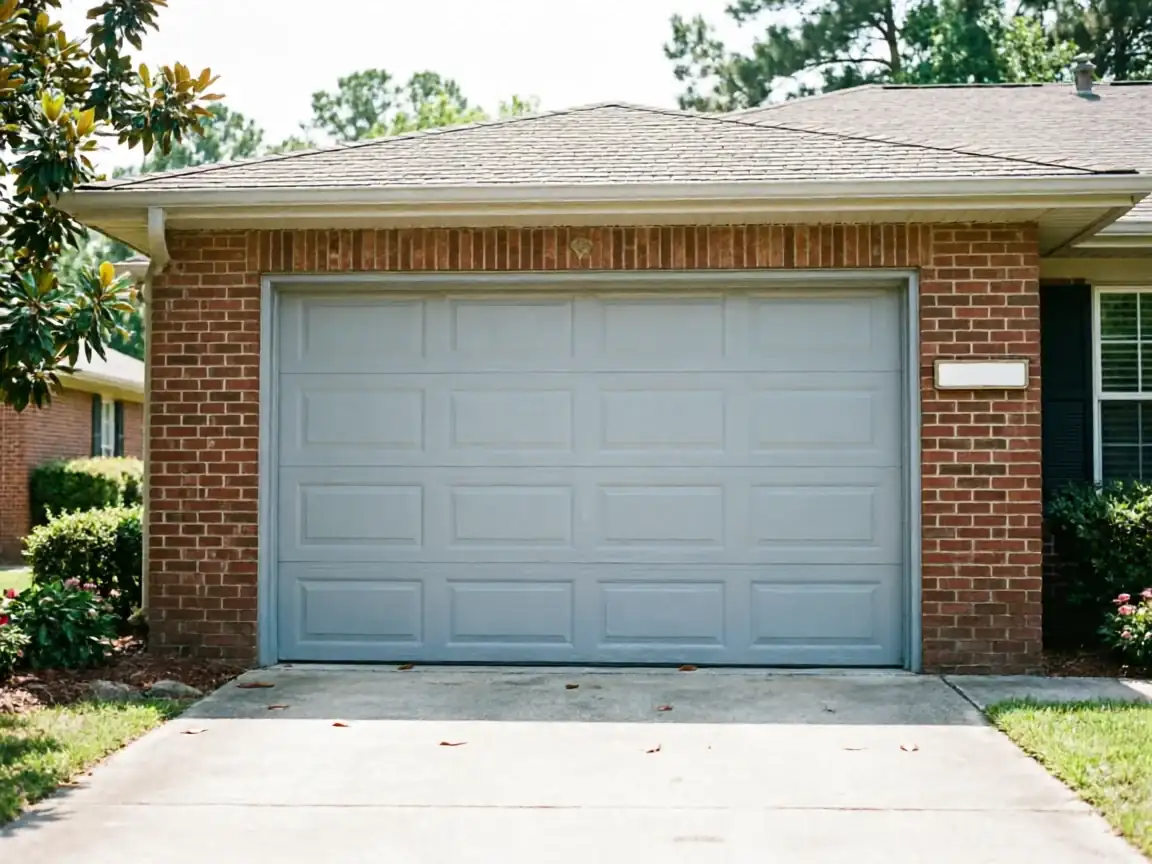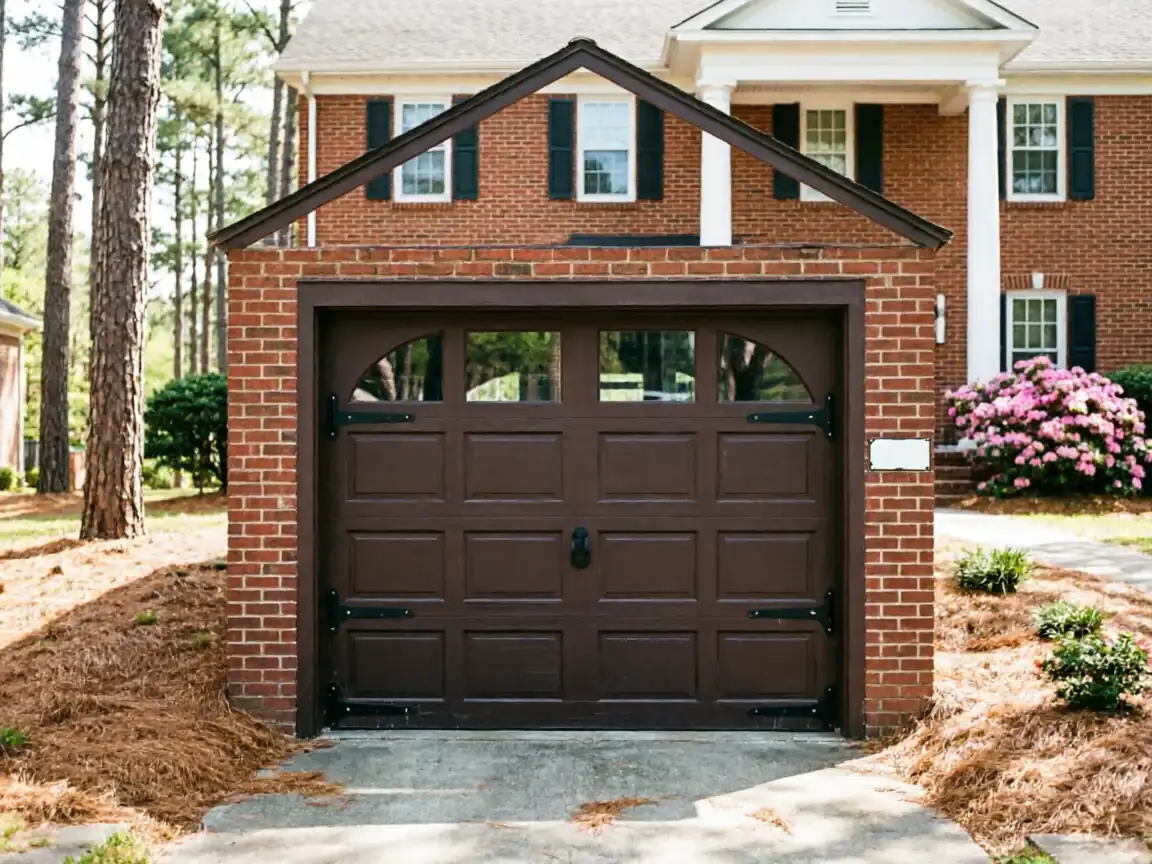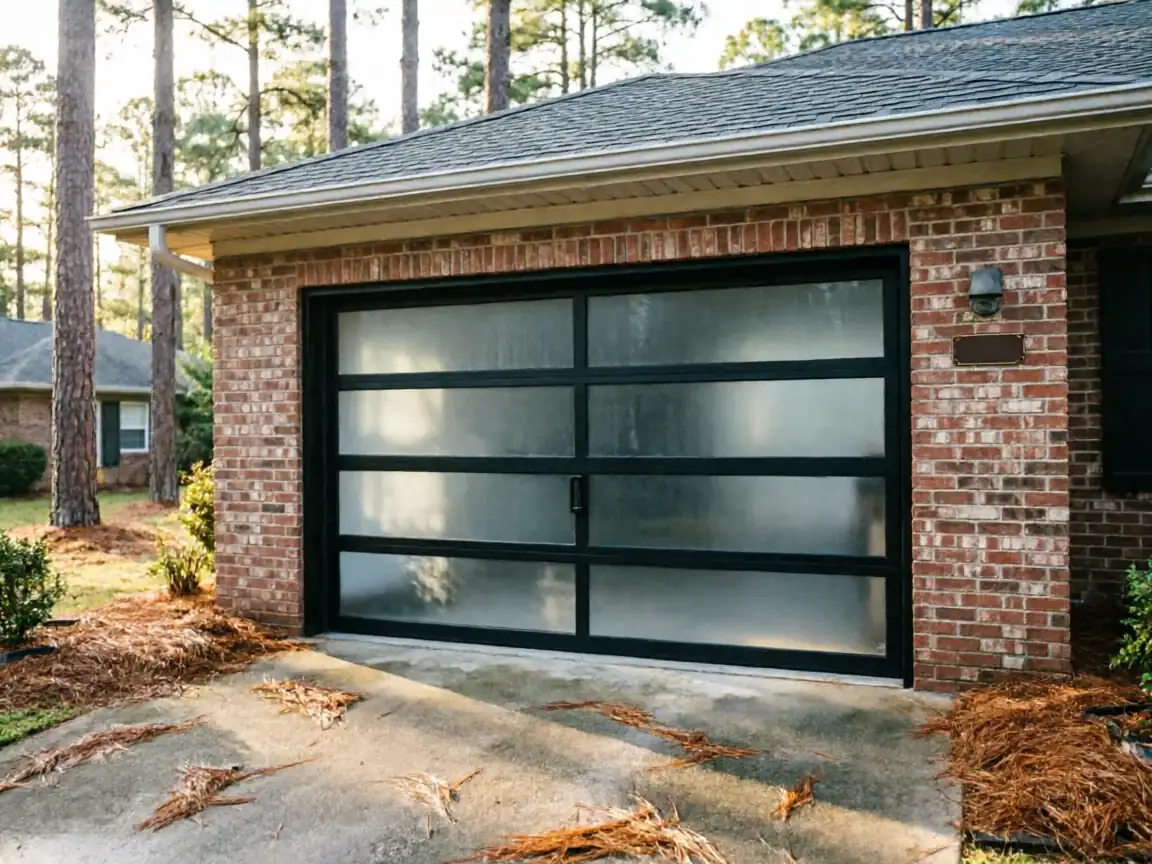
What You Are Seeing
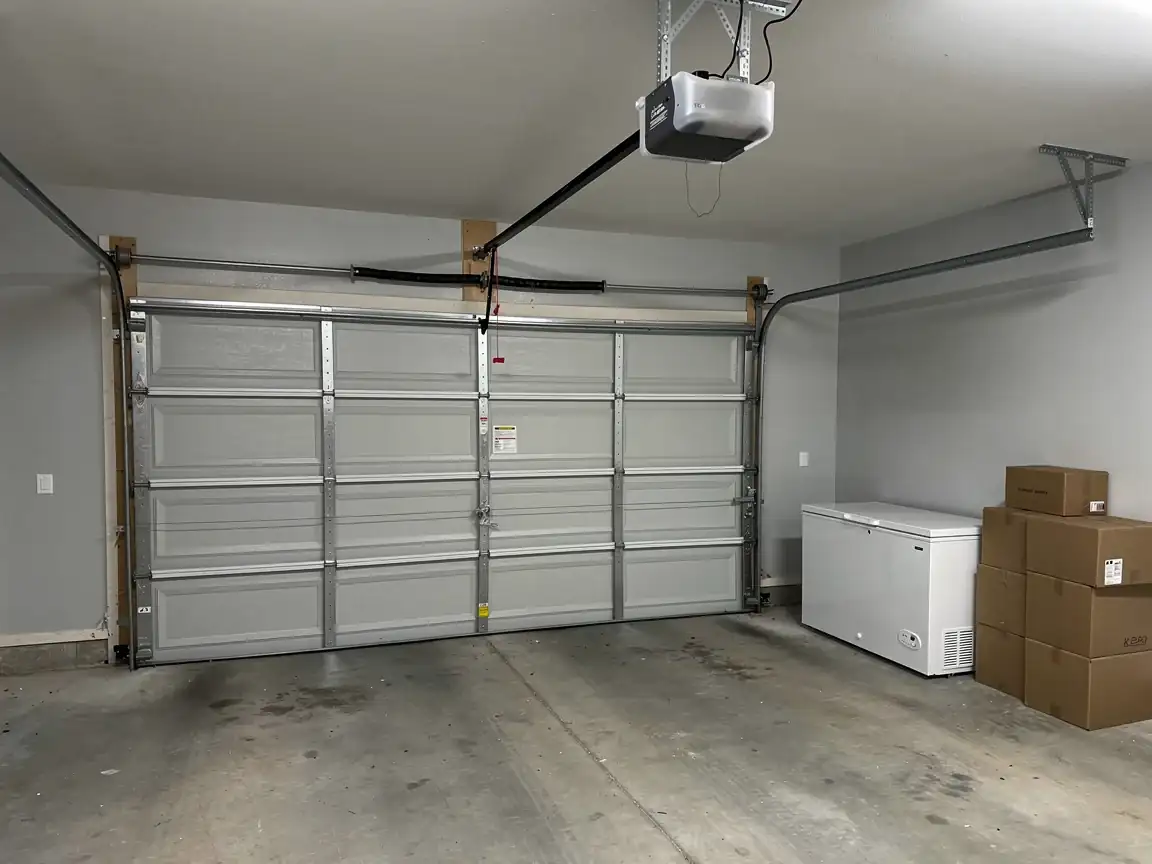
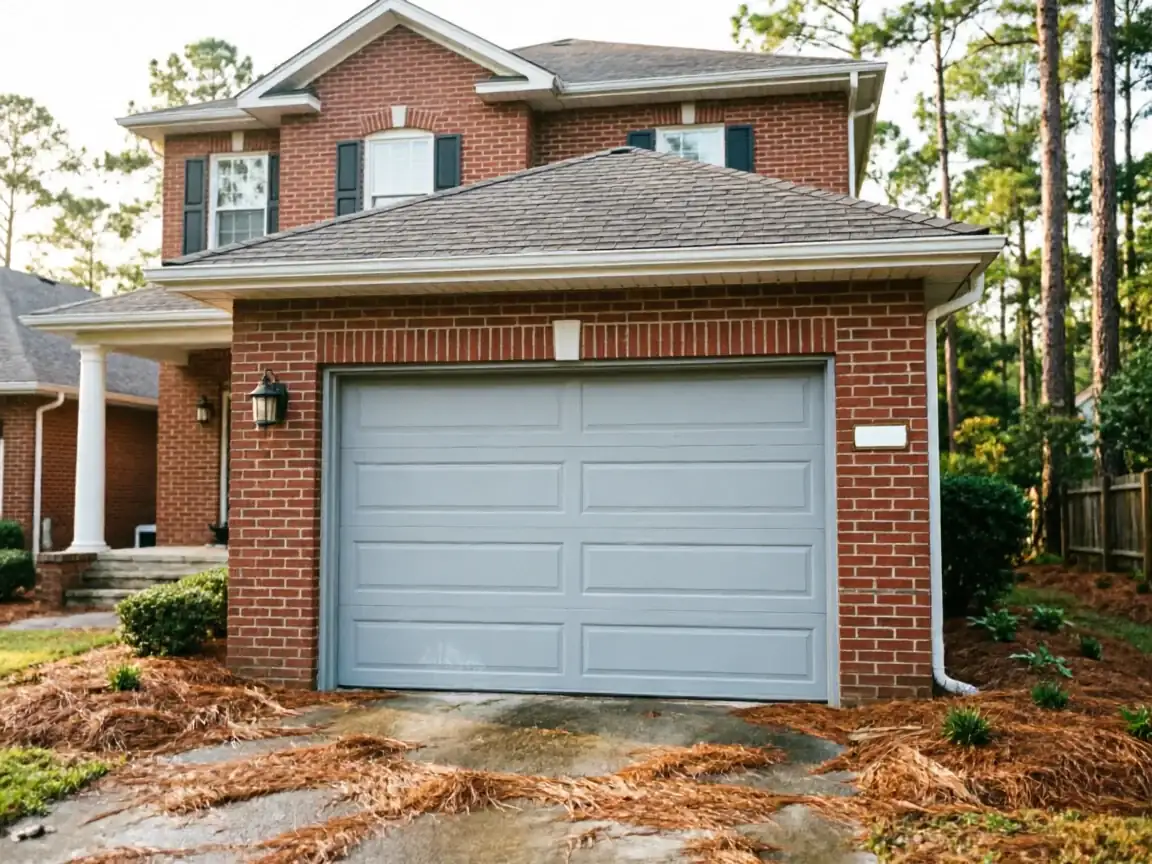
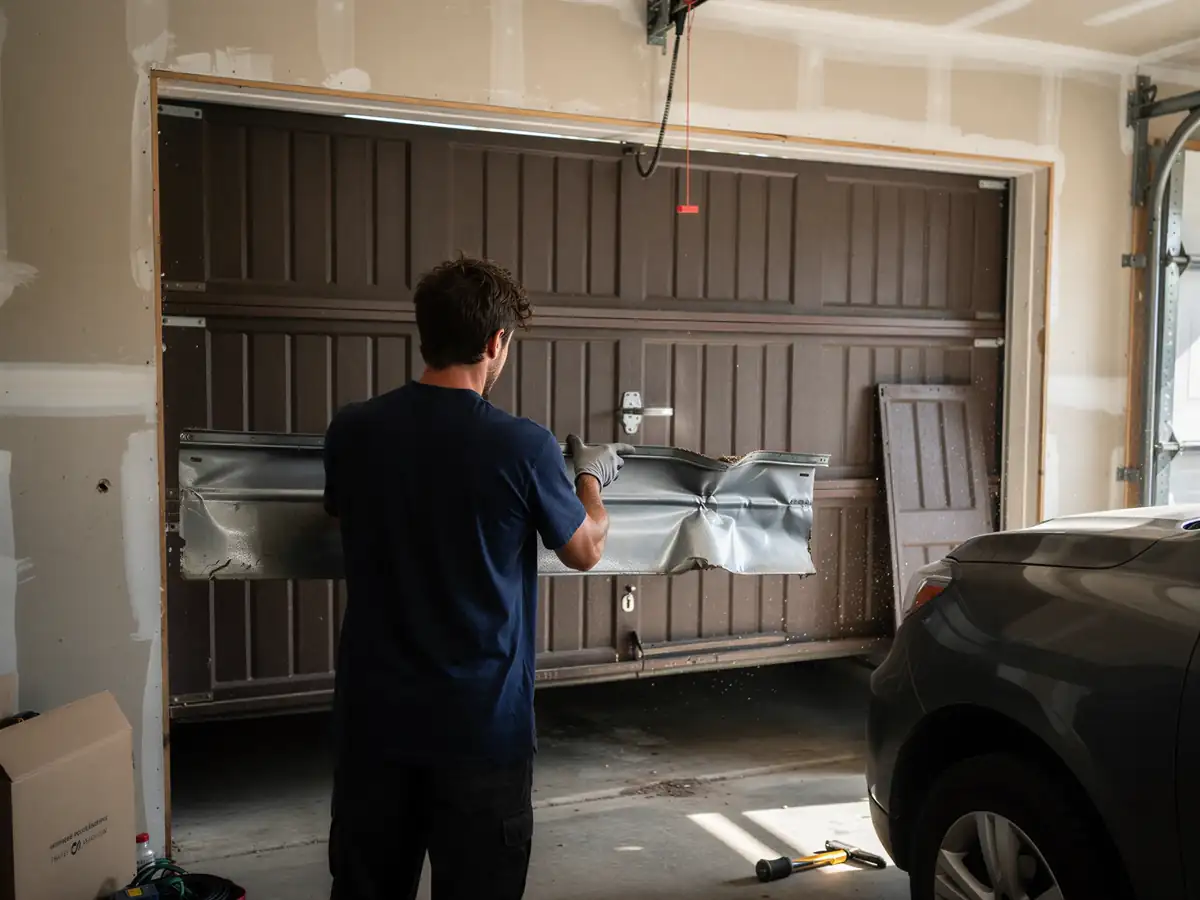
Kings Mountain is a small piece of the territory we cover out of Gastonia, with about 4,408 households spread across town. That's a tight base, and it means the panel calls we get here aren't high-volume - most weeks it's one or two doors, not a dozen. What ties the calls together is the age of the housing stock. The typical Kings Mountain home went up around 1975, ahead of the 1967-2011 range that covers the wider service area, where the median year built lands closer to 1983. That gap matters for panel work. A 1975 door is more likely to still carry its original steel skin, thinner gauge, little to no insulation, with narrower panel sections than what ships today. When one section dents from a mower, a trailer hitch, or just years of weather, matching it to a current-production panel width is rarely a straight swap off the shelf. We bring options, but we tell you up front when an exact match isn't realistic and a full door makes more sense than chasing one panel.
The Complications
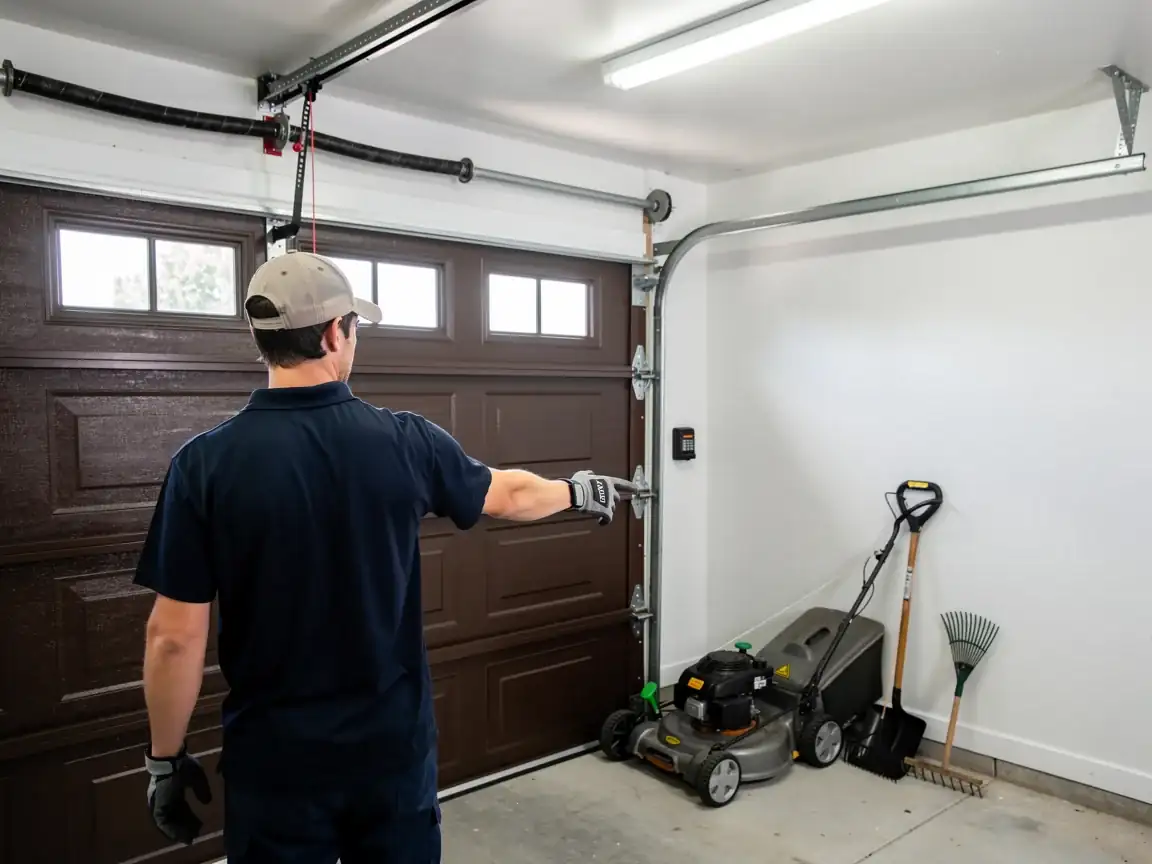
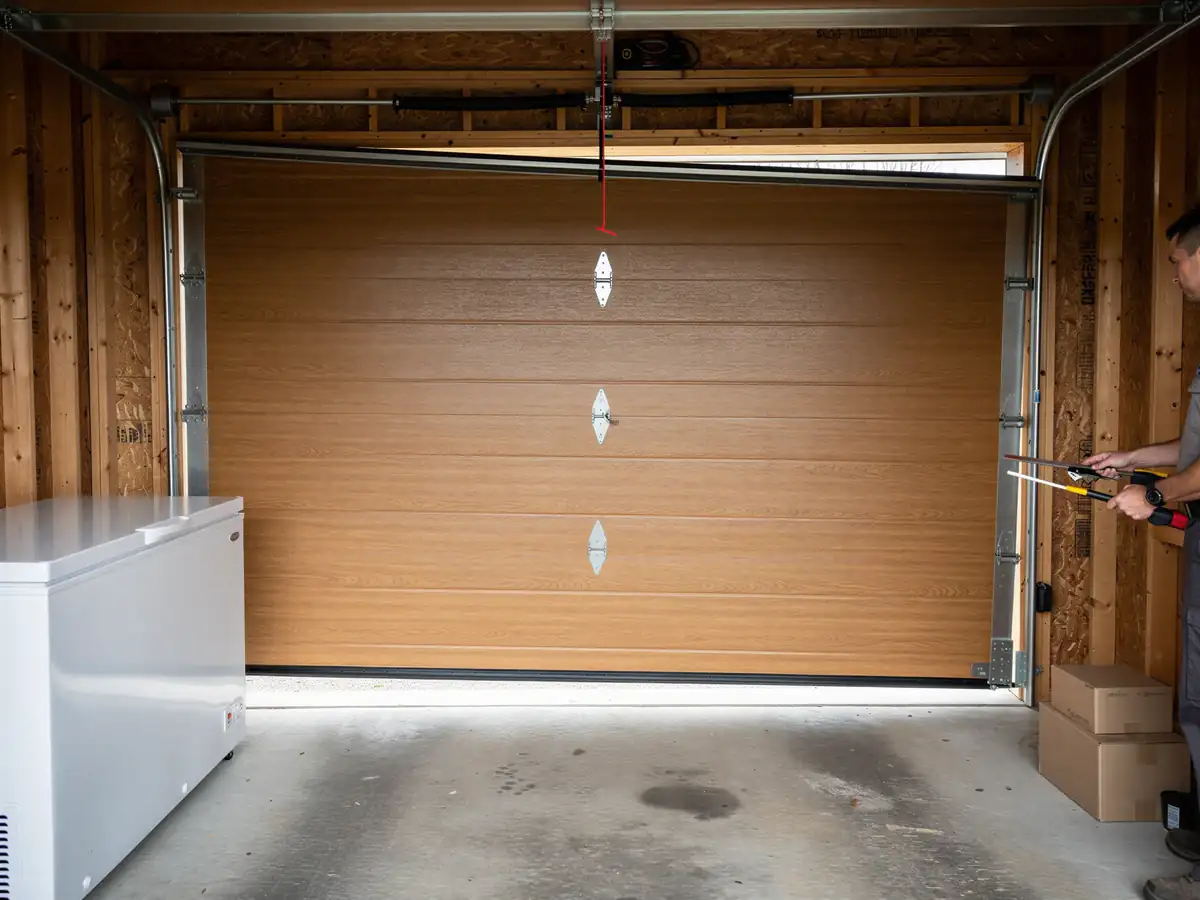
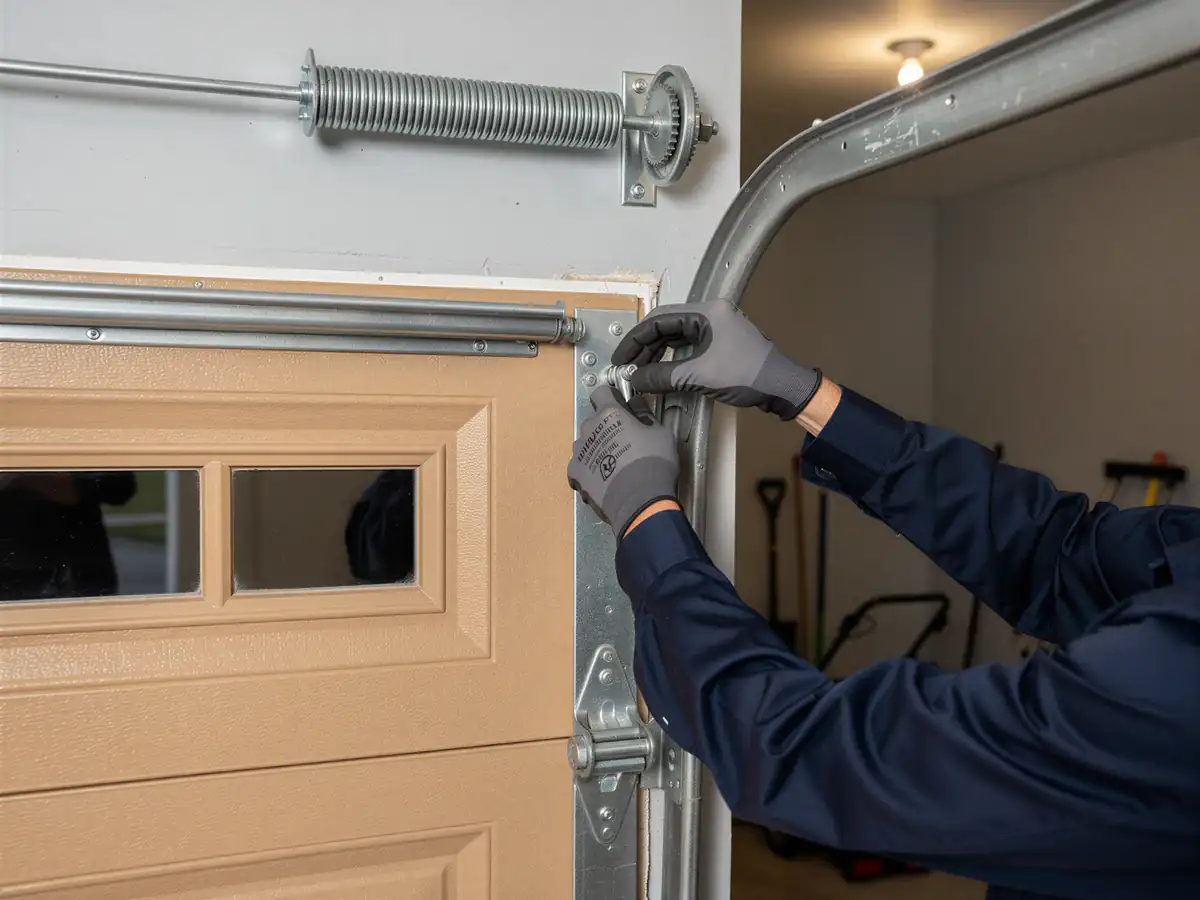
Two things complicate panel replacement on a house this age. First, hardware. A 1975 door usually runs on track and spring sizing that doesn't match what a big-box replacement panel is built for, so a panel ordered to "fit a 16-foot door" can still bind on original rollers or hinges that were never standard sizes to begin with. Second, climate. This area sits in a cold-moderate band, which means steel panels take freeze-thaw cycling at the bottom section every winter - that's usually where rust starts, right along the weather seal, long before the rest of the door shows wear. On an older door, that bottom panel is often rusted through while the upper sections are fine, which is actually good news: it narrows the job to one section instead of the whole door. The complication is finding a panel that matches the embossing and color of sections that have faded for decades. We won't pretend every color is still in production - some aren't, and we'll say so before we quote the job.
The Cost of This Job
We can't quote a number here without seeing the door, so we won't invent one. What we can tell you is how the decision tends to shake out locally. Kings Mountain's median household income sits at $45,507, noticeably below the $59,583 median across the wider service area. In practice, that shows up as more homeowners asking for a single matched panel instead of a full door replacement - it's the cheaper path when the rest of the door is sound. The tradeoff is time: a discontinued color or an obsolete embossing pattern can mean a longer wait on special order than a stock panel, and sometimes the honest answer is that a close-enough match costs less than chasing an exact one. We'll lay out both options and the price difference between them before you commit to either.
The DIY Question
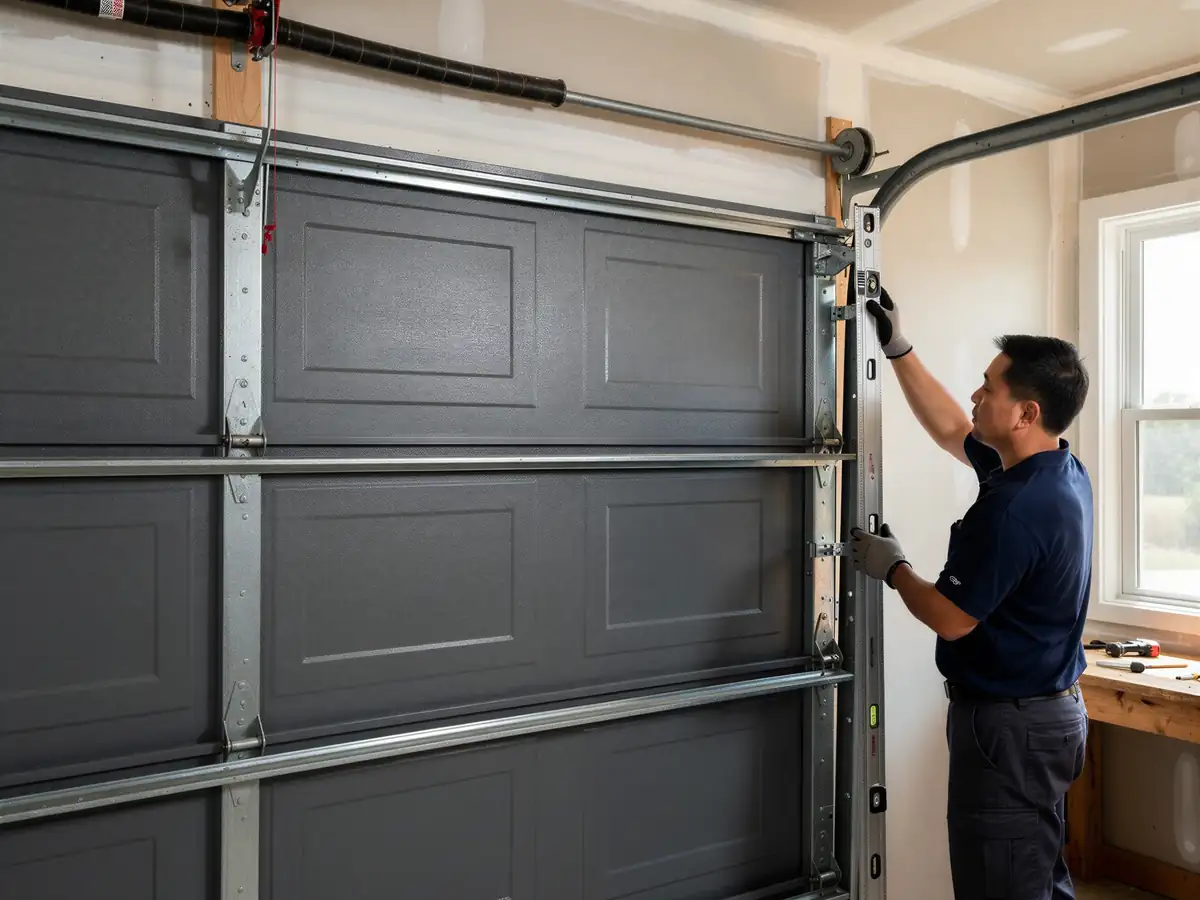
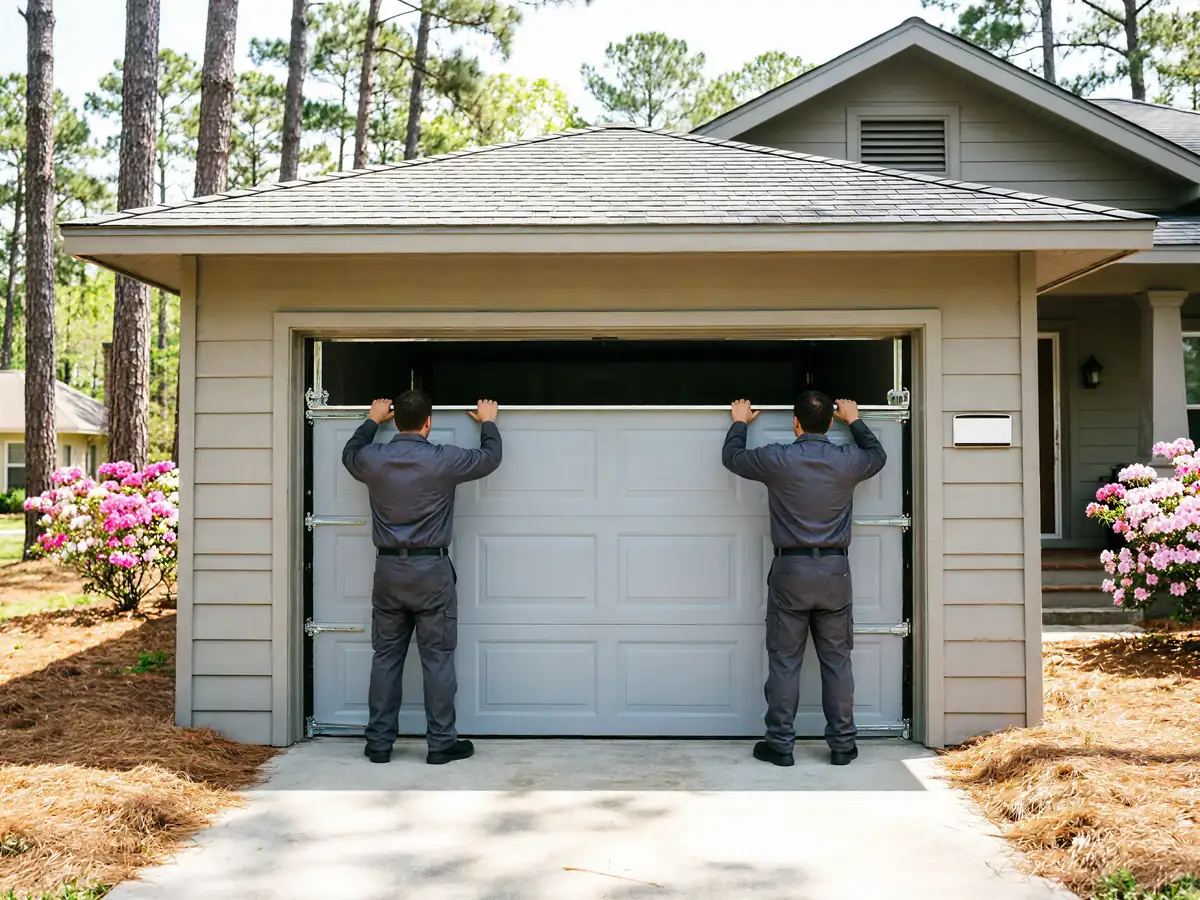
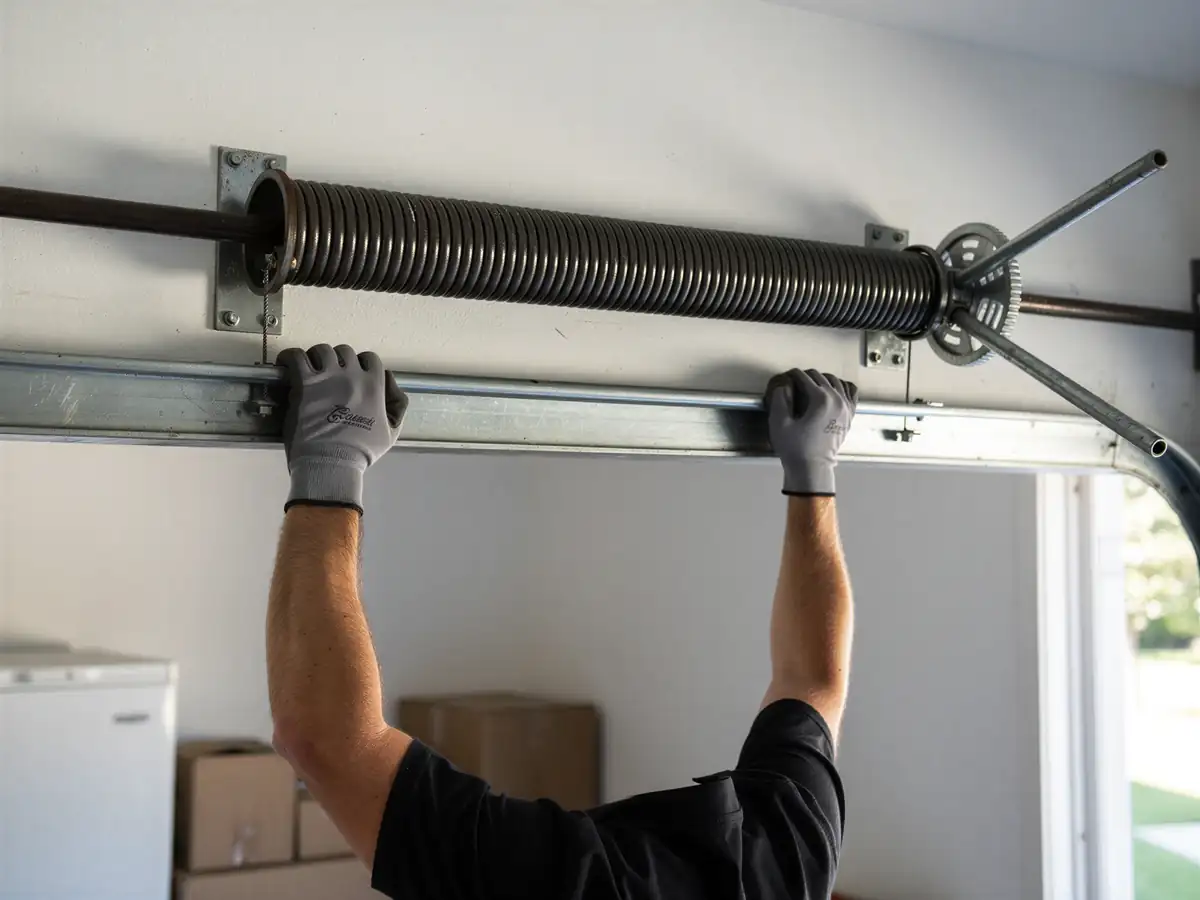
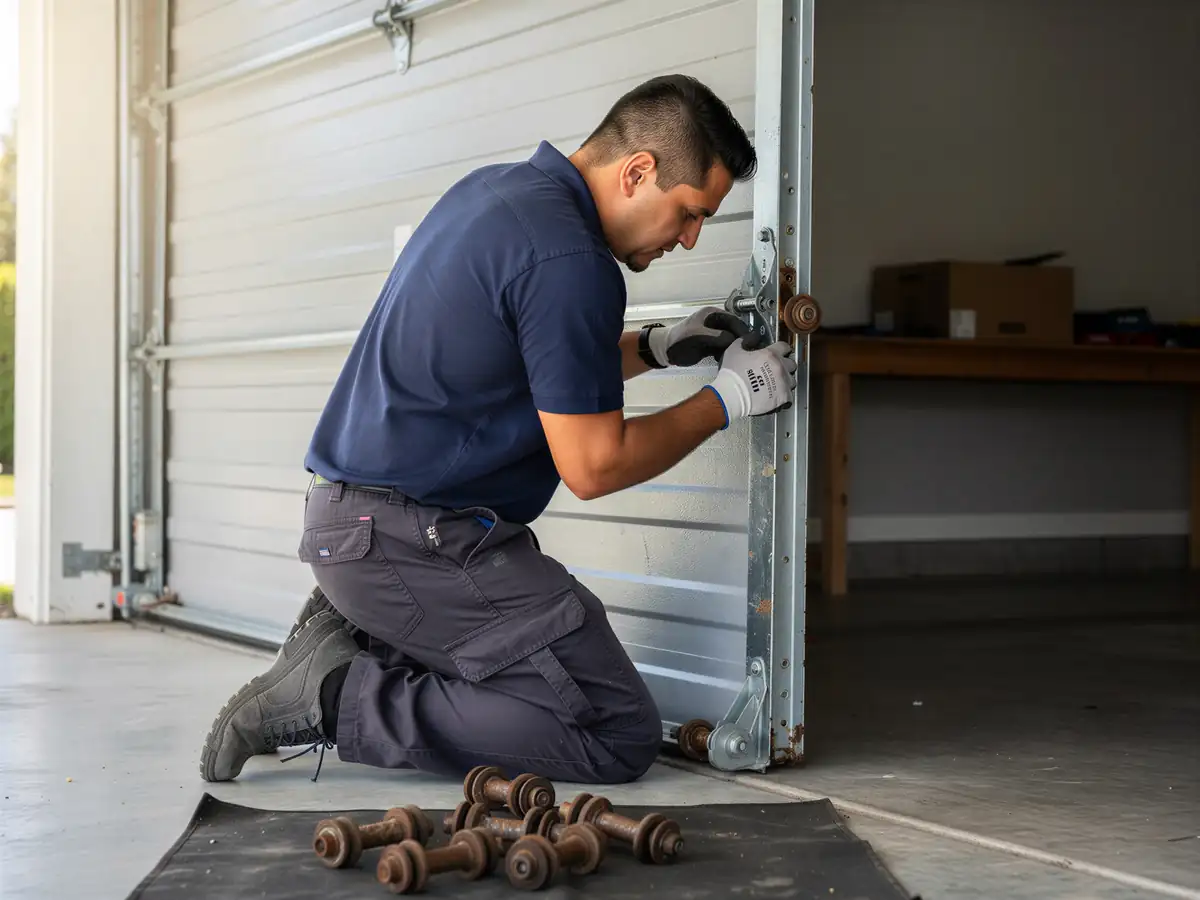
A garage door panel looks like a one-person job - pull the old one, bolt in the new one - and on some doors it nearly is. The part that trips people up is that panels aren't independent pieces. They're bolted to the sections above and below them, under spring tension from the rest of the door, and pulling the wrong bolts on a door that's still under torsion load can let a section drop or a cable jump its drum. If you're swapping a single bottom panel on a door that's otherwise sound and you've got the right clamps to hold tension, it's doable. If the door is original from 1975 and the hardware, track, and panel widths no longer match anything current, that's where we'd tell you to stop and call rather than force a part that doesn't fit - forcing it usually costs more to fix than the panel would have in the first place.