Time on the Job
Mount Holly has about 7,274 households, which is a fraction of the roughly 43,773 across our whole coverage area. That matters because it's not a town with its own garage door shop on every corner - it's a place we drive to, about 11 miles out from Gastonia. There's no branch or depot here, just a truck that comes when you call, loaded for whatever the job turns out to be once we're looking at the actual door.
A town this size doesn't generate the call volume of a bigger market, so the work tends to be spread across a narrower set of housing types built around the same years. That's actually useful - it means our crew sees the same spring sizes, the same opener models, and the same failure points often enough to know what's likely before the truck is even in the driveway. We still check everything on site; a size doesn't replace a look at the hardware.
What Causes It Around Here
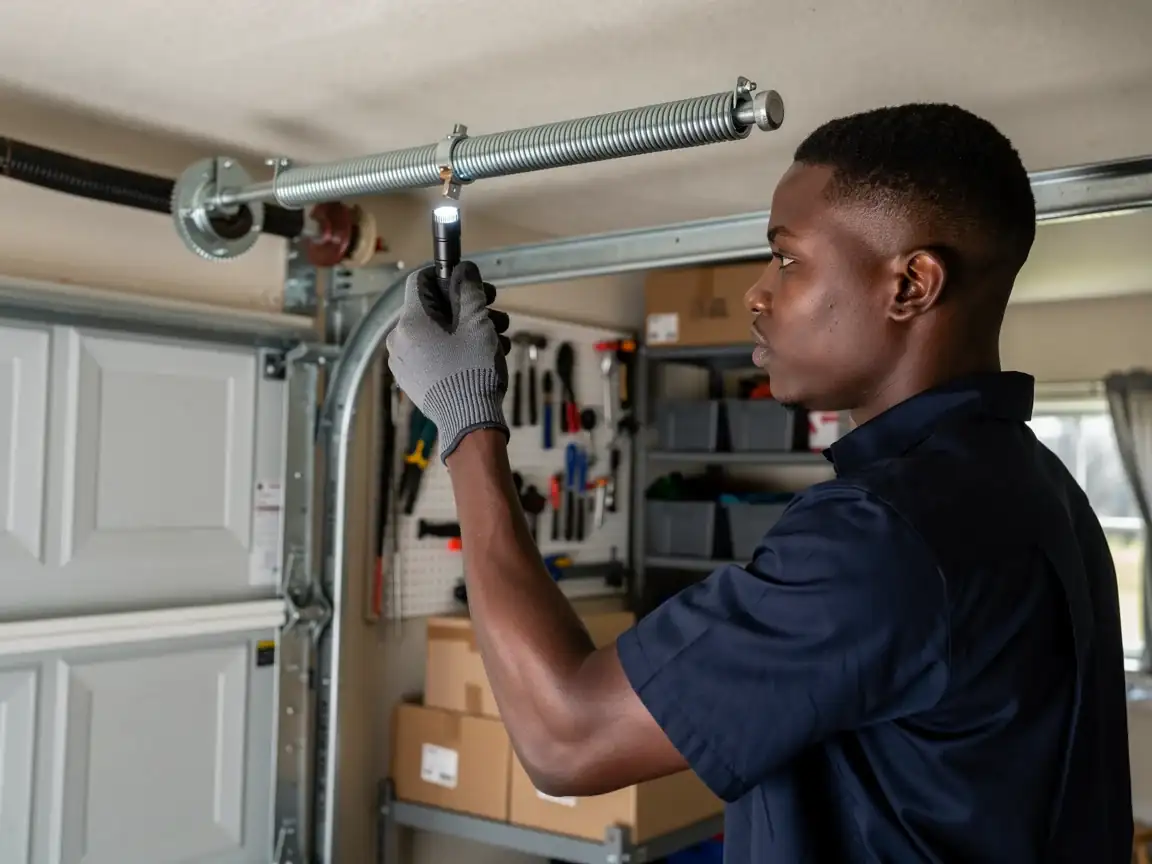
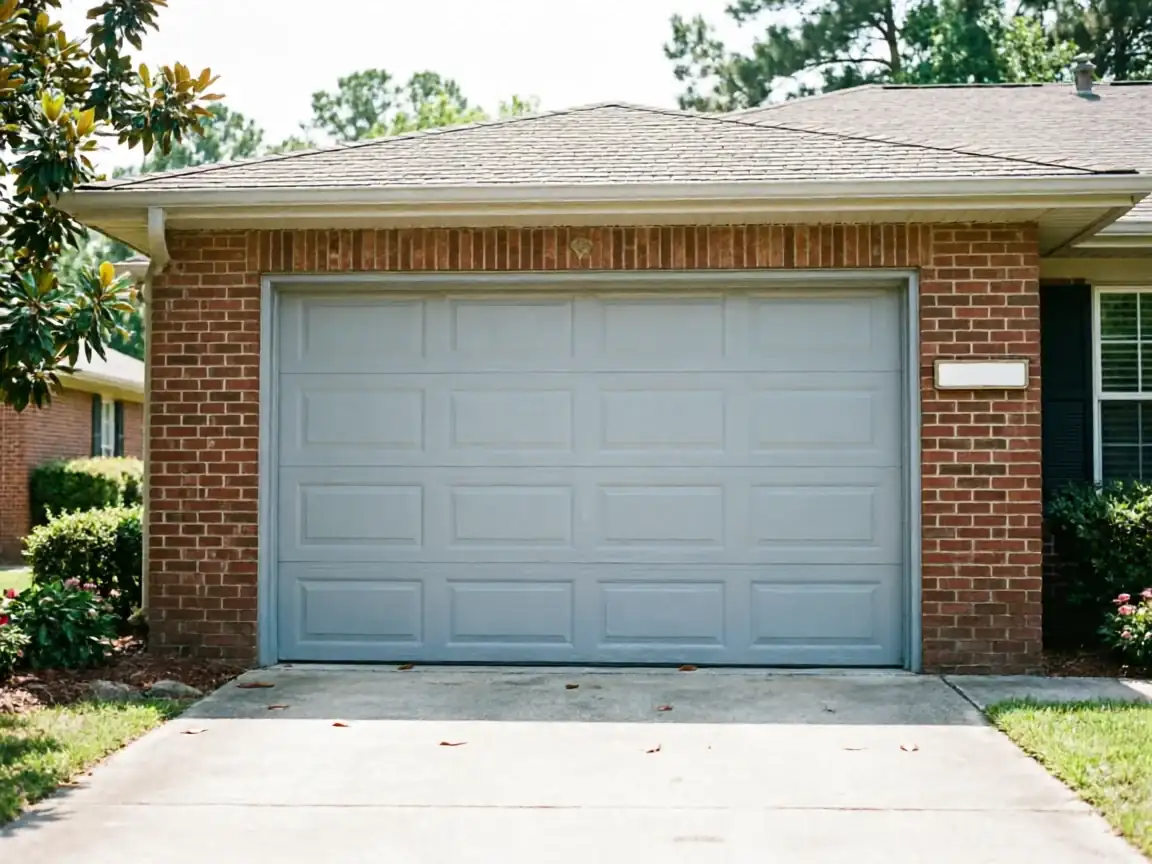
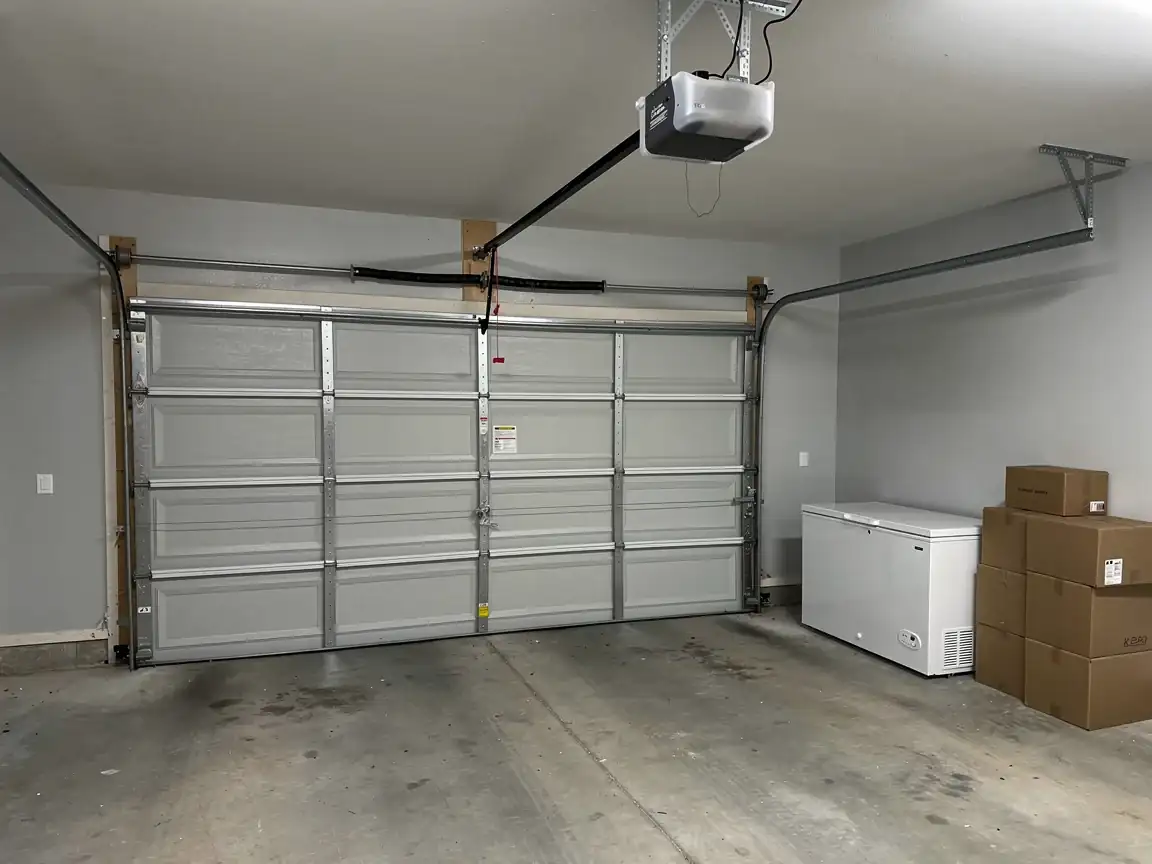
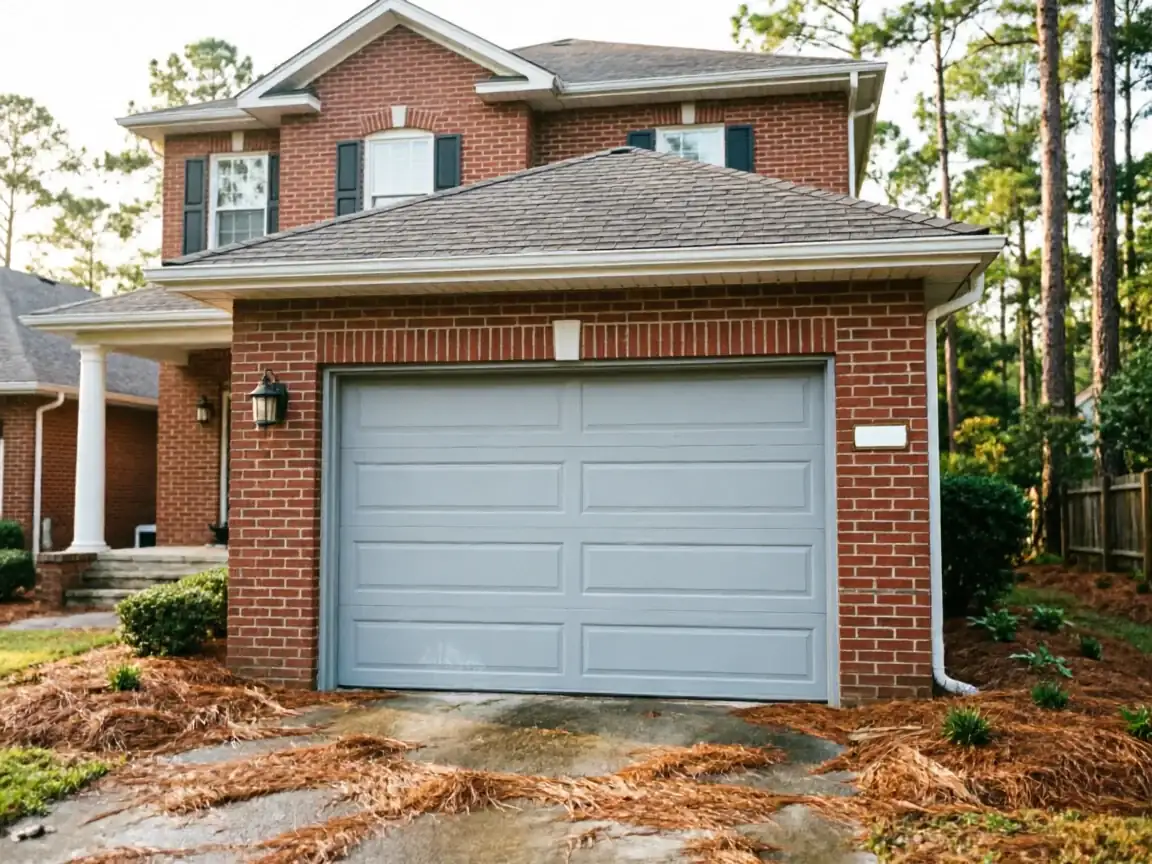
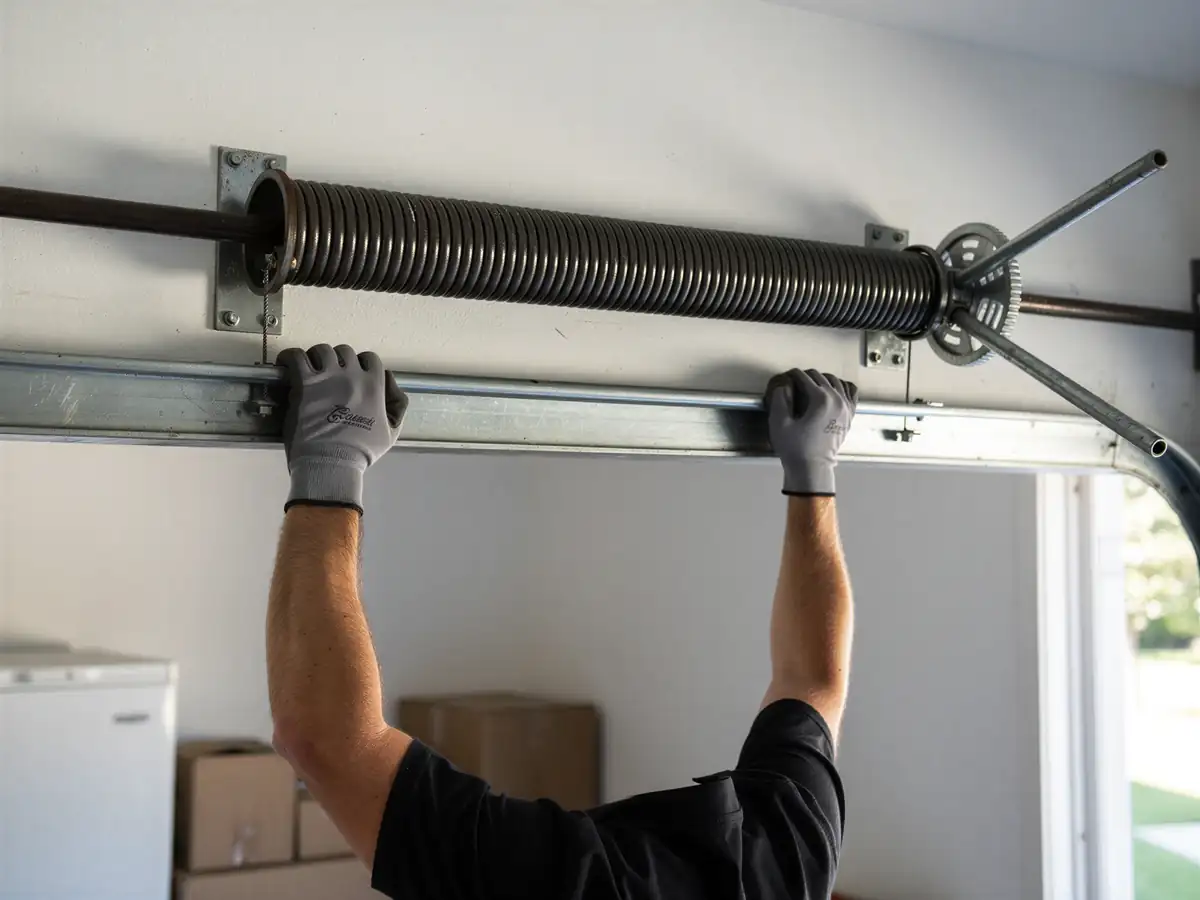
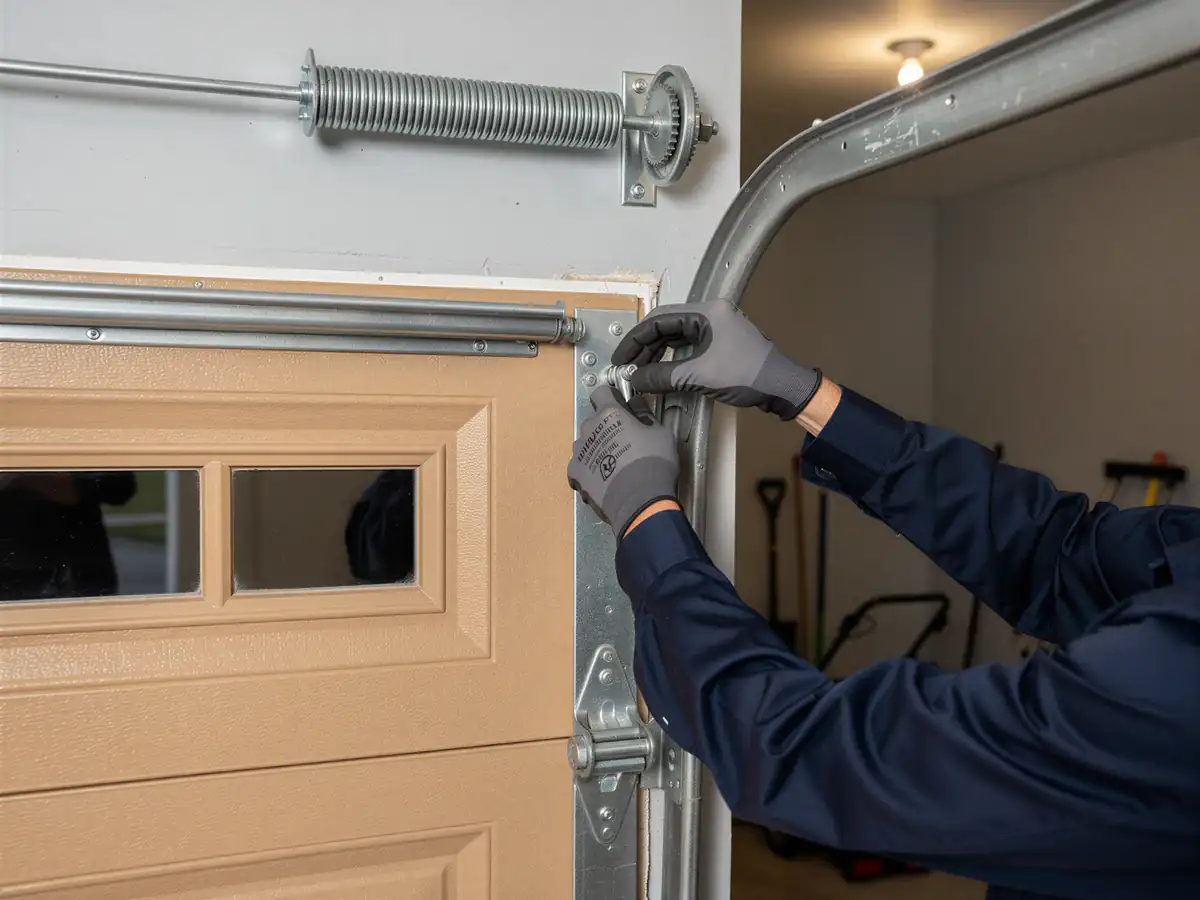
Housing in Mount Holly runs newer than a lot of what we see elsewhere in the service area - median year built is around 1997, compared to the service-area median of 1983. That puts most Mount Holly garage doors on steel torsion systems rather than the older side-mounted extension setups you find in houses from the 60s and 70s. The doors themselves are usually holding up fine at this age; what fails first is the spring, which has a duty cycle regardless of how new the house is, and the opener's drive gear or logic board, which wears out around the same age whether the door is from 1983 or 1997.
The region sits in a cold-moderate climate band, and winter temperature swings stiffen lubricant and metal just enough to turn a marginal spring or a slightly misaligned track into the day it finally lets go. We get more of those calls in the cold months than in summer, which lines up with what you'd expect from a torsion spring working harder against stiffer coils.
Parts We Carry
Because the housing stock here clusters around the same twenty-to-thirty-year window, the springs, cables, and opener gear kits we carry on the truck cover most of what Mount Holly calls for
Torsion springs sized for a standard double door, rollers, bottom brackets, and the belt and chain drive parts for openers from that era are the ones that move fastest.
What we don't always have on the truck is anything tied to a specific door model or a part no longer made
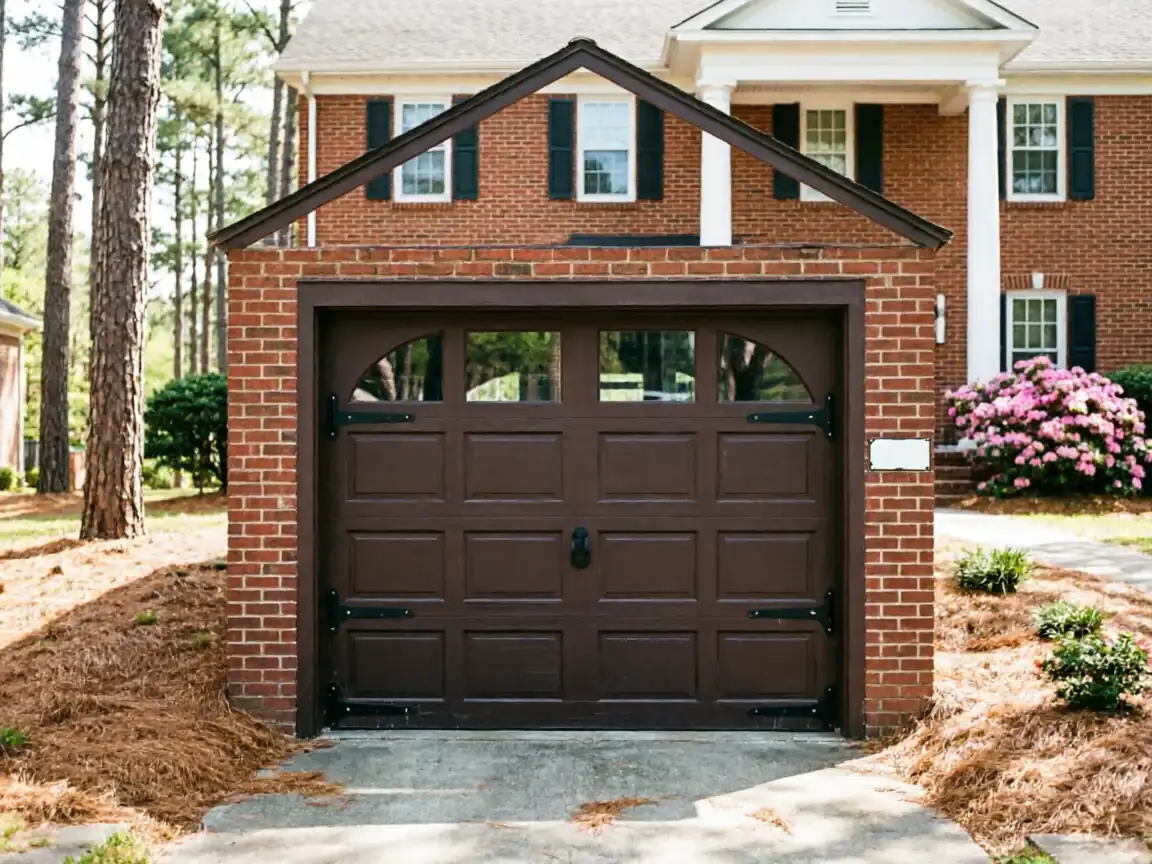
Some openers and panel styles from the 1990s and early 2000s are out of production, and getting an exact match can mean a short wait on a special order rather than a same-visit fix. We'll tell you straight if that's the situation instead of jury-rigging something that won't hold.
The DIY Question
A torsion spring under tension can break a hand or worse, and that doesn't change because your house was built in 1997 instead of 1950 - newer hardware is not safer hardware to work on without the right bars and clamps. If a spring has snapped, that's not a weekend project; it's a call.
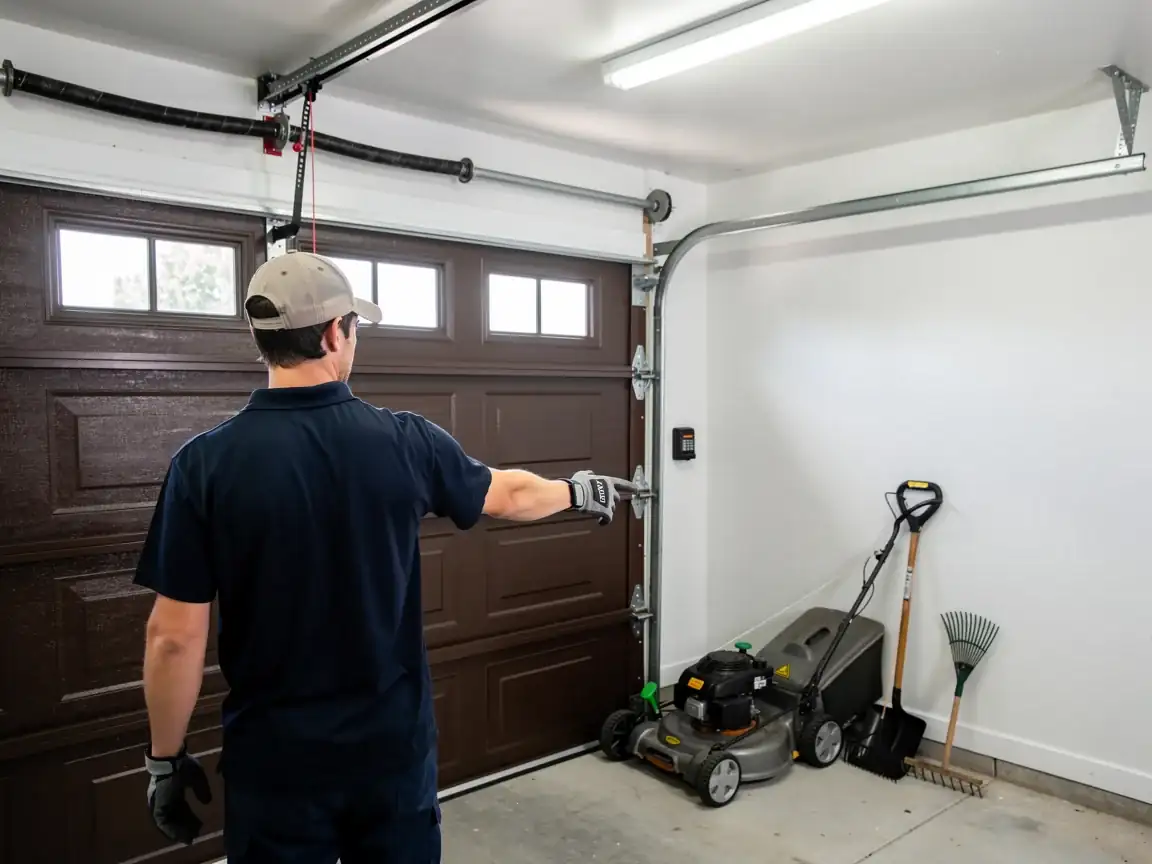
There are smaller things worth doing yourself first: check that the opener's safety sensors aren't knocked out of alignment, listen for a grinding gear versus a loose chain, and make sure nothing is binding in the track before you assume the whole unit is shot. With household incomes in Mount Holly running higher than the service-area median - around $75,928 versus $59,583 - we sometimes see people reach straight for a full opener replacement when a sensor realignment or a worn roller is the actual fix. We'd rather tell you it's a $40 part than sell you a door you don't need.