Time on the Job
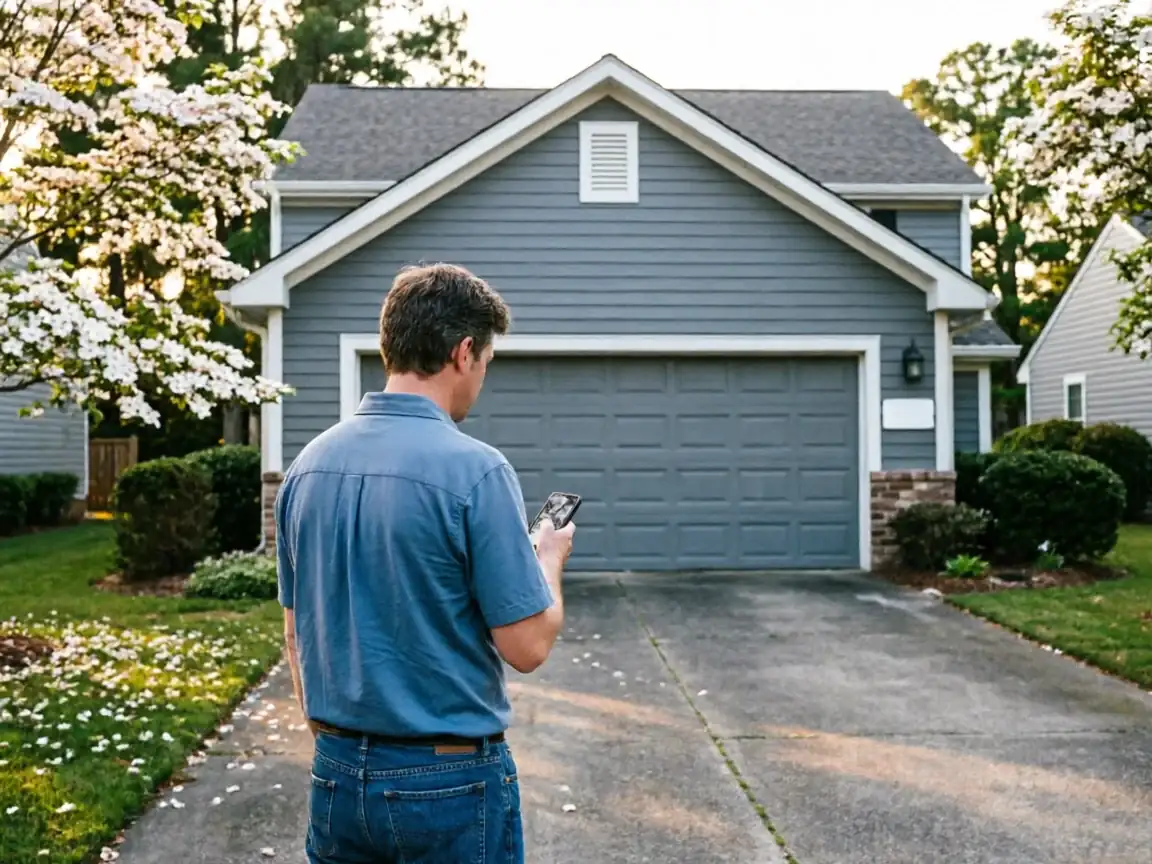
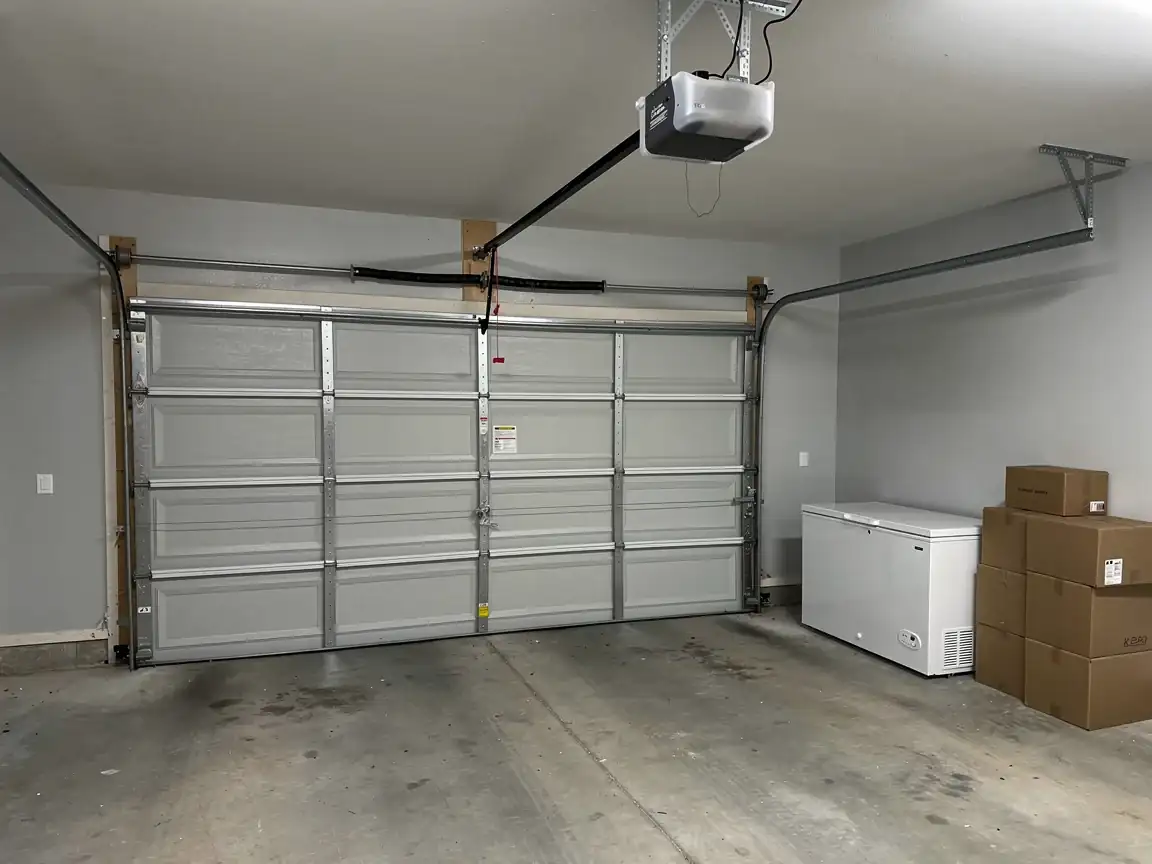
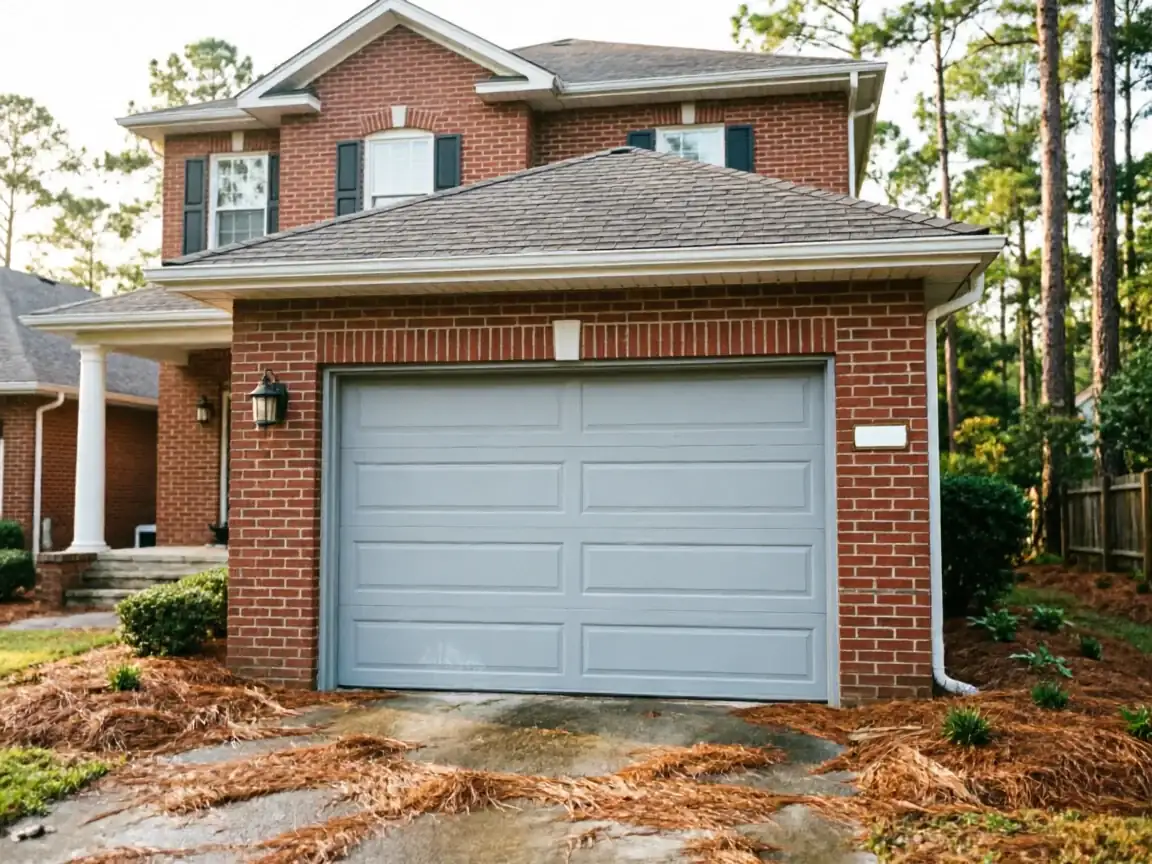
The call we get most from Mount Holly isn't a door that won't open at all - it's one that's getting loud, jerky, or slow to close, which is usually the sign that original parts from the house's construction are wearing out, not failing outright. Mount Holly's housing stock centers on 1997, newer than the median build year of 1983 across the wider Gastonia service area. That matters because a door built in the mid-to-late 90s came with galvanized torsion springs rated for a set number of open-close cycles, and most of those springs are now 25-plus years into a job they were built to do for maybe 10,000 cycles. If your door has never had a spring replaced and your house went up around that time, you're not looking at a hypothetical - you're looking at a part near the end of its rated life. We drive the 11 miles out from Gastonia for exactly this kind of job, and it's rarely urgent until the day it is.
What Causes It Around Here
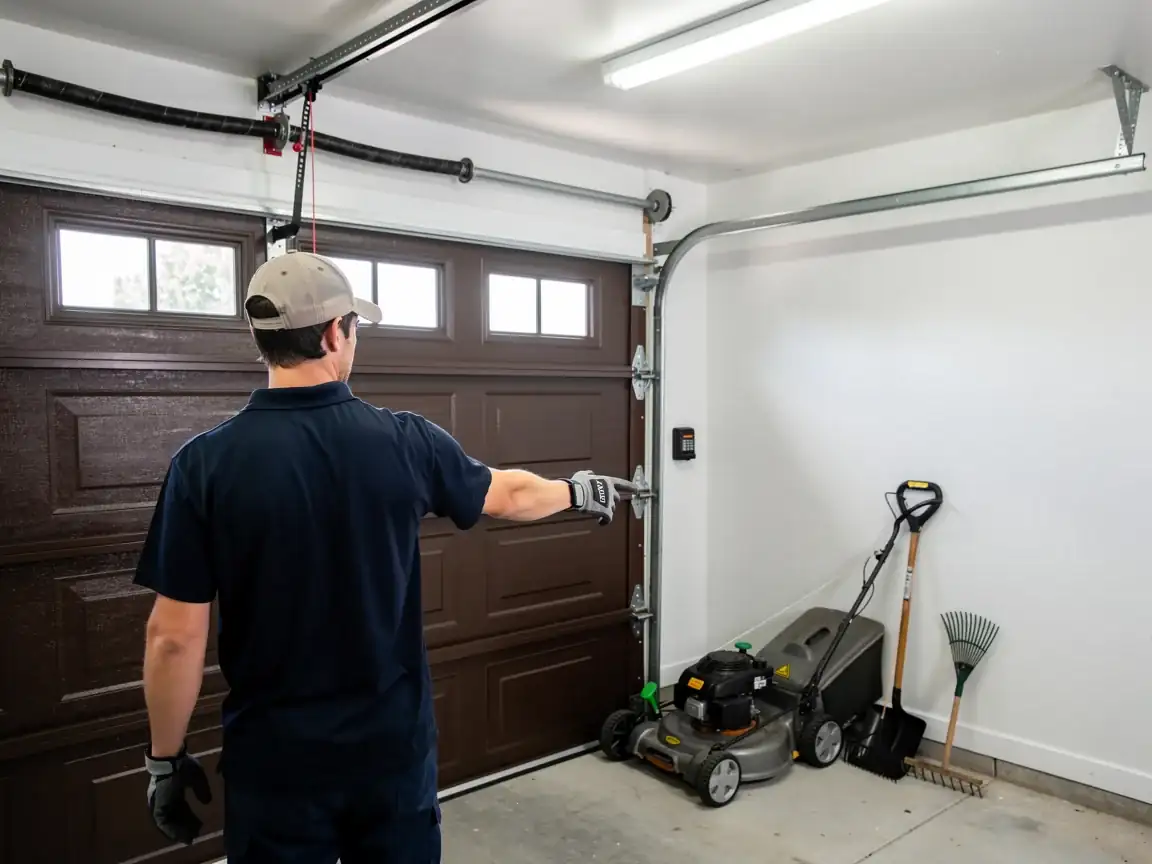
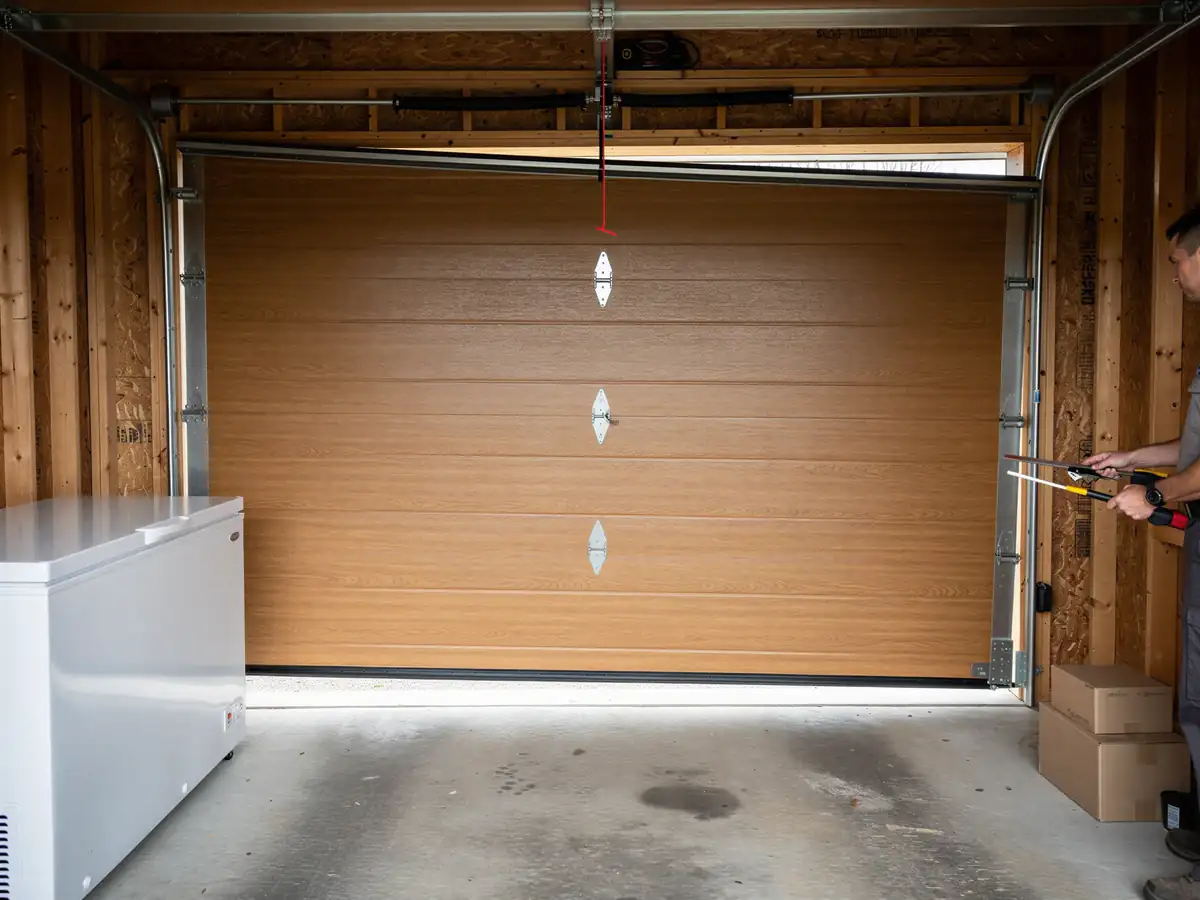
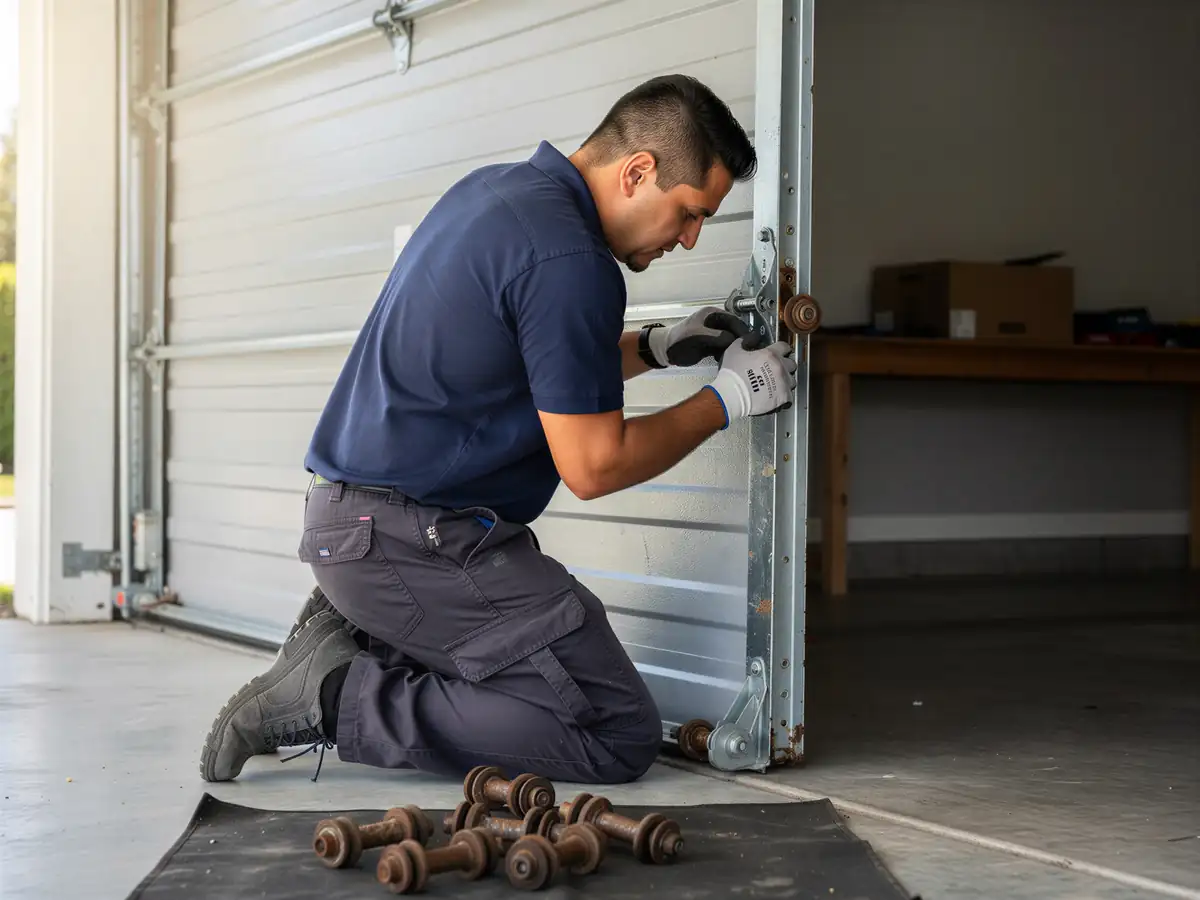
A door built in 1997 almost always came with steel rollers or early nylon rollers, neither of which holds up as well as the sealed-bearing nylon rollers sold today. Twenty-five-plus years of use wears the roller stems and the track edges together, which is where that grinding or popping sound comes from. The climate here is cold-moderate - not harsh, but enough freeze-thaw cycling through the winter to stiffen grease on springs and hinges and make a slightly worn part complain louder in January than it does in July. We also see original chain-drive openers from that era with worn drive gears; the motor still runs fine, but the gear that moves the chain has stripped teeth, so the door hesitates or reverses for no obvious reason. None of this is damage from one bad event - it's cumulative wear on original equipment that was never meant to last three decades.
The DIY Question
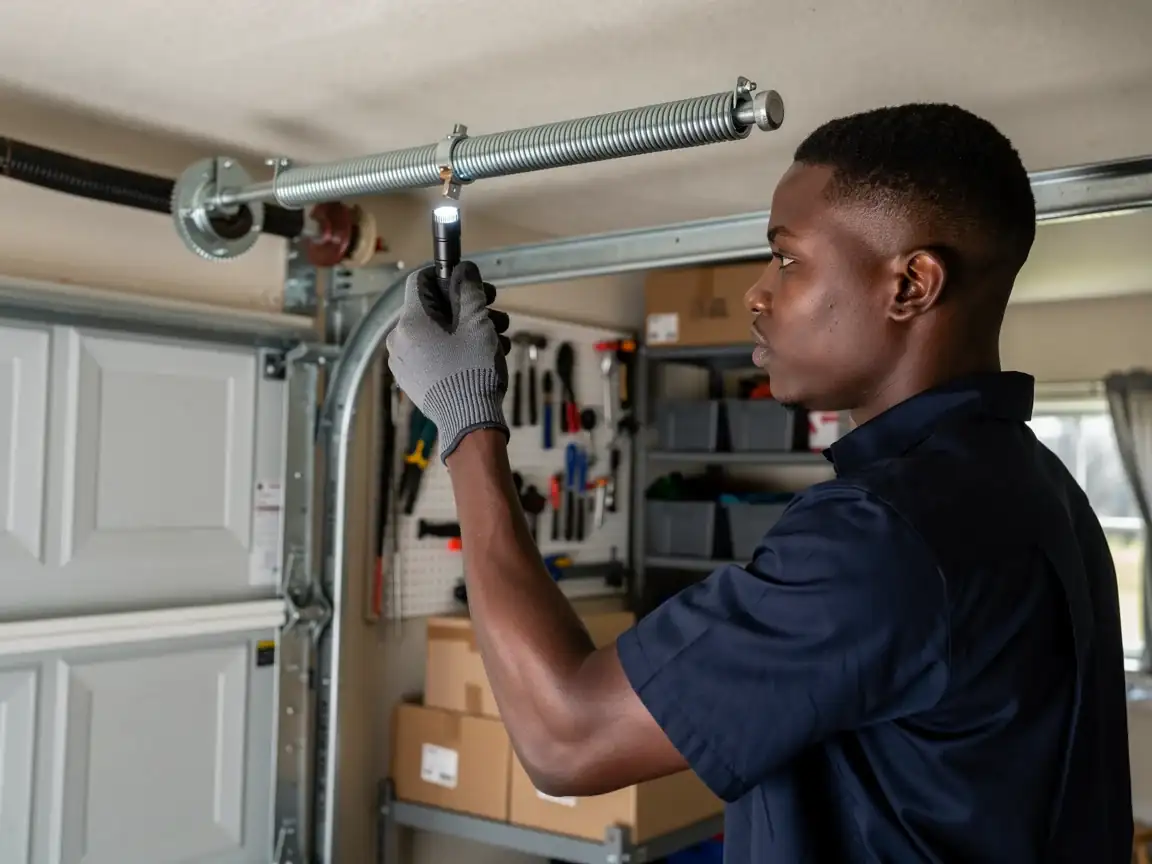
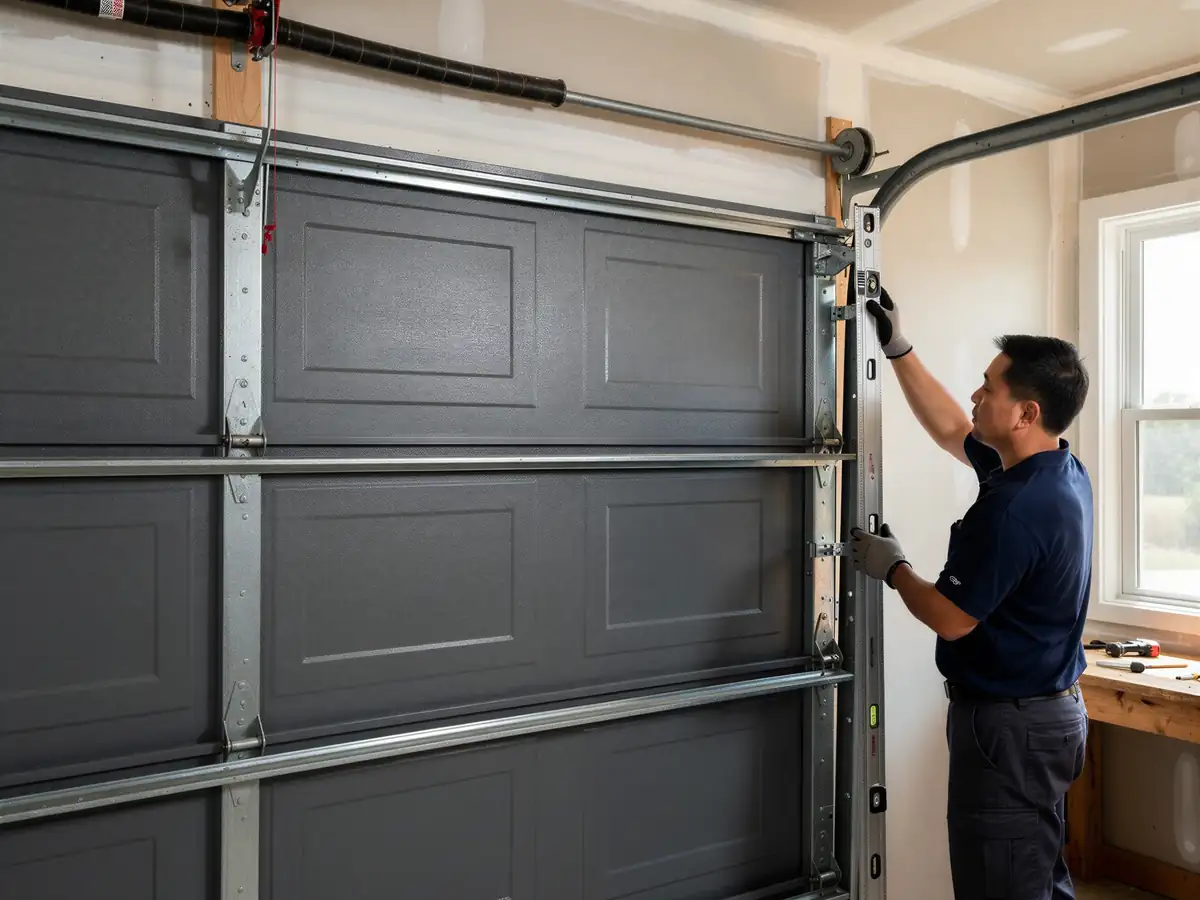
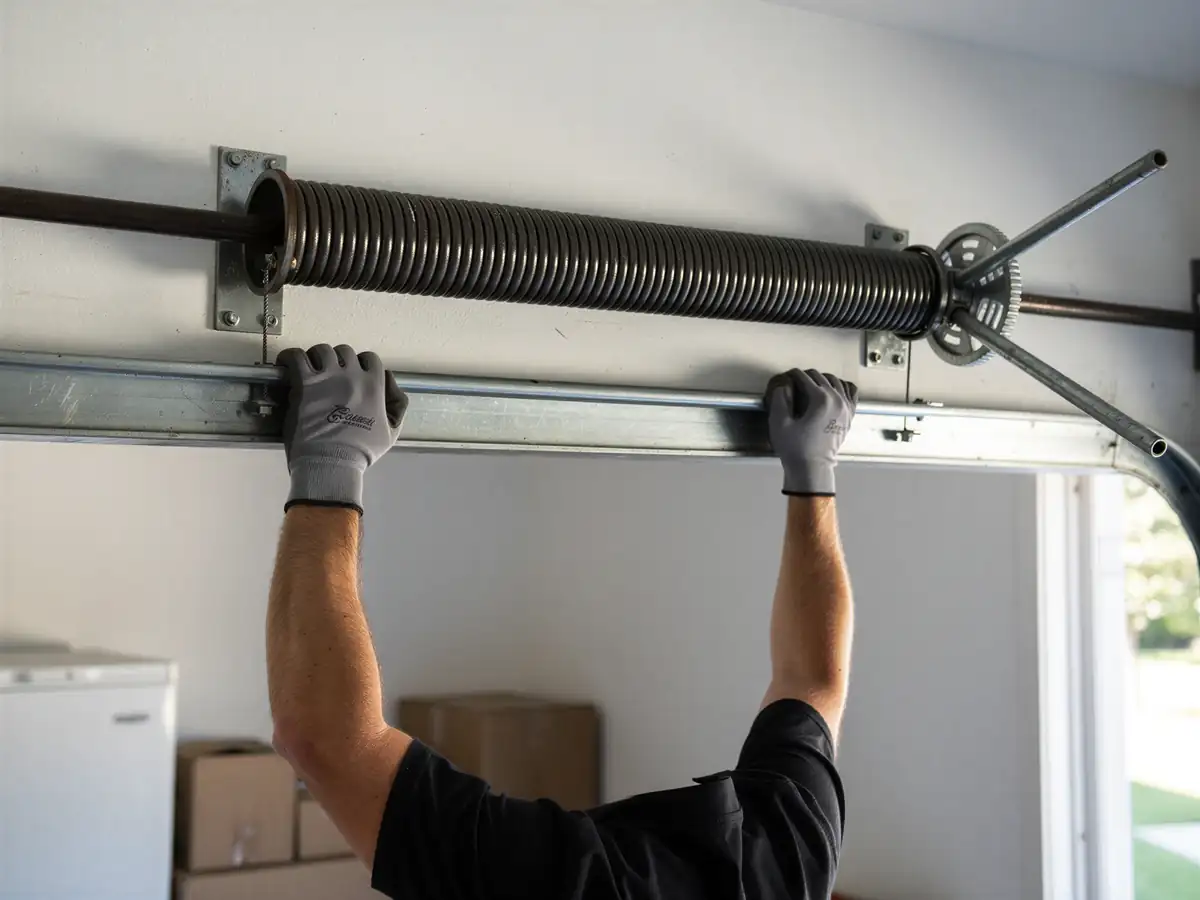
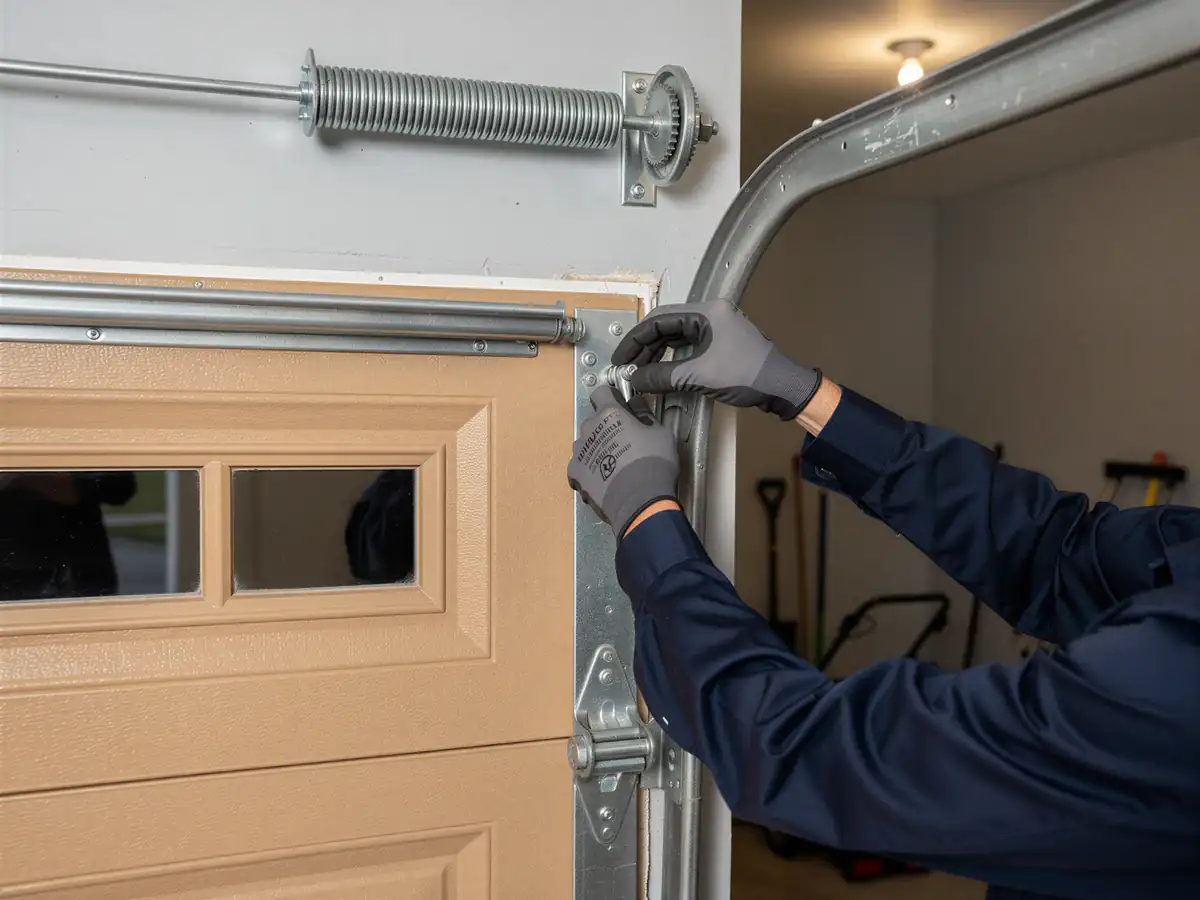
Lubricating hinges and rollers, checking the auto-reverse by setting a 2x4 under the door, and tightening loose bolts on the track brackets are all fair game for a homeowner with a stepladder and some patience. What isn't worth doing yourself is anything involving the torsion spring itself - the spring on a standard double door is wound under enough tension to cause real injury, and on a 1997-era door you're also dealing with a quarter-century of rust and fatigue on the winding cone, which makes it less predictable than a new part. If the household income in this area ($75,928 median) makes a full opener swap feel like overkill for a door that's otherwise sound, that instinct is usually right - a spring and roller service costs a fraction of replacement and gets most of these doors running quiet again.