Time on the Job
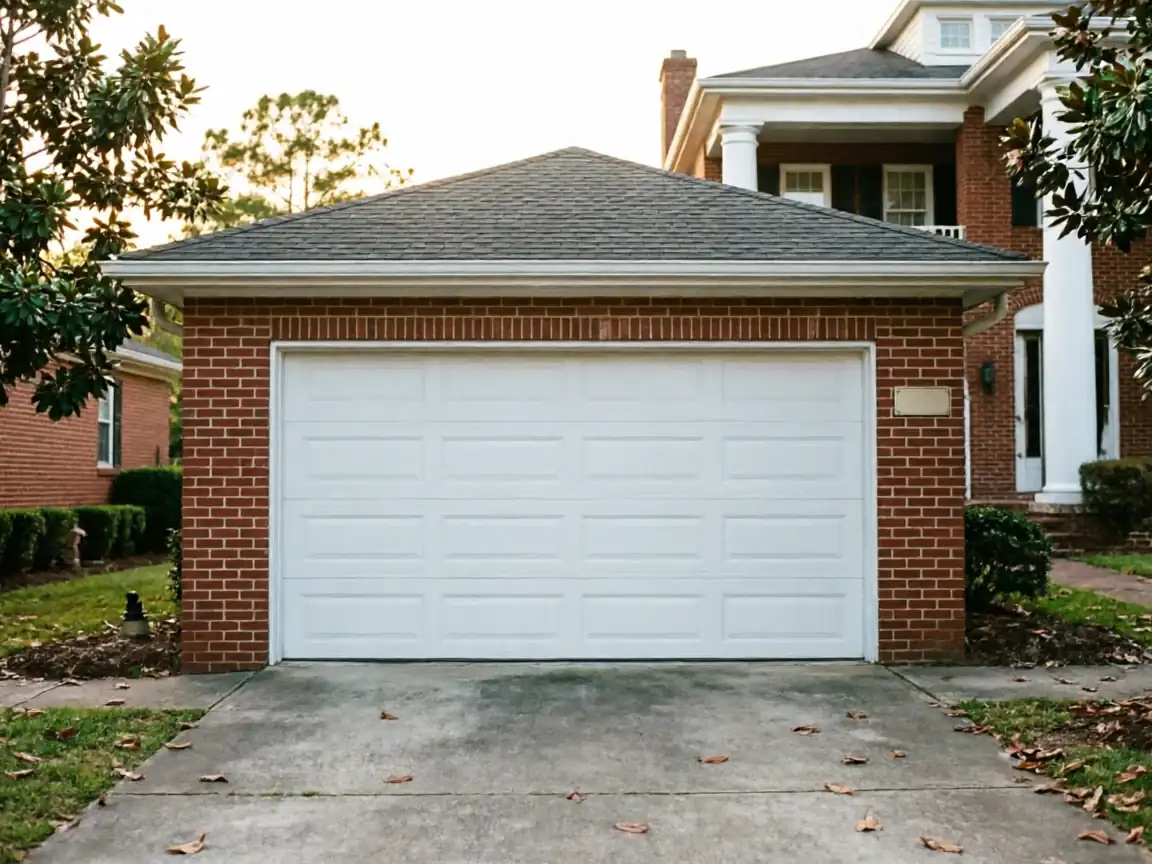
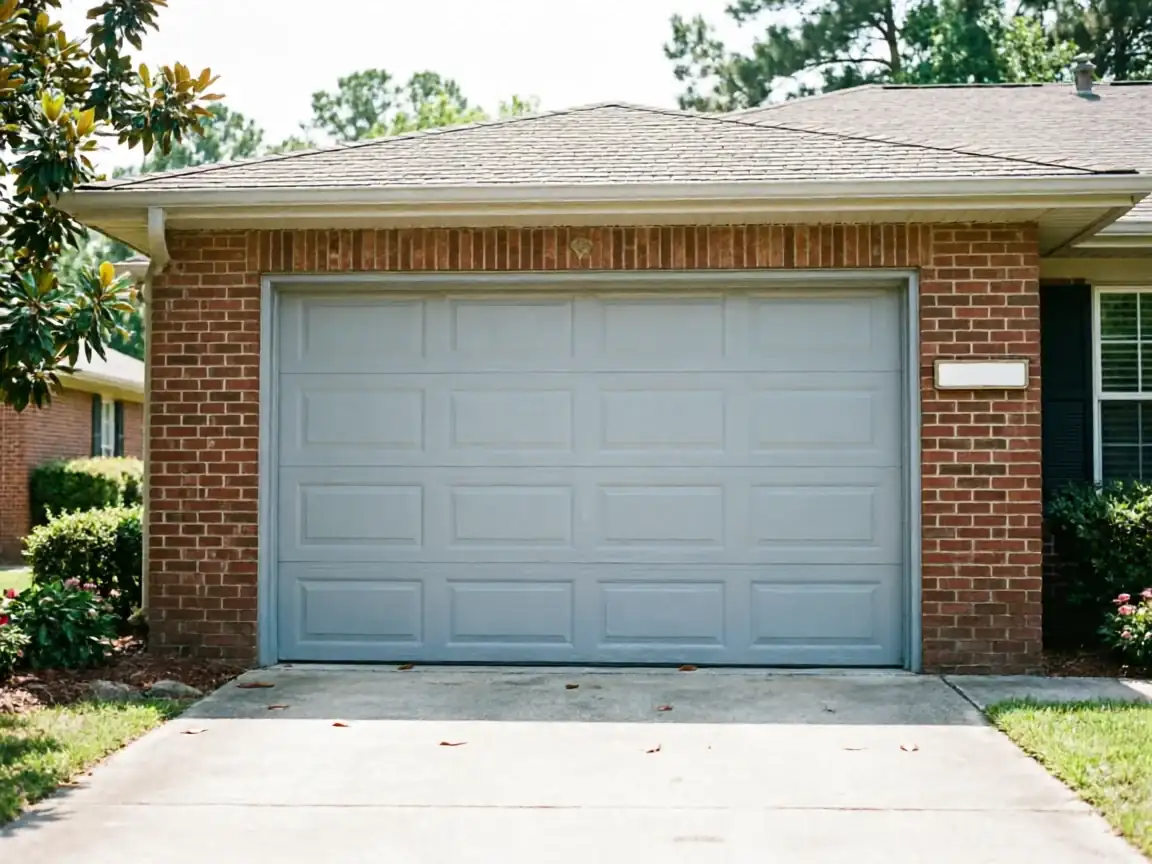
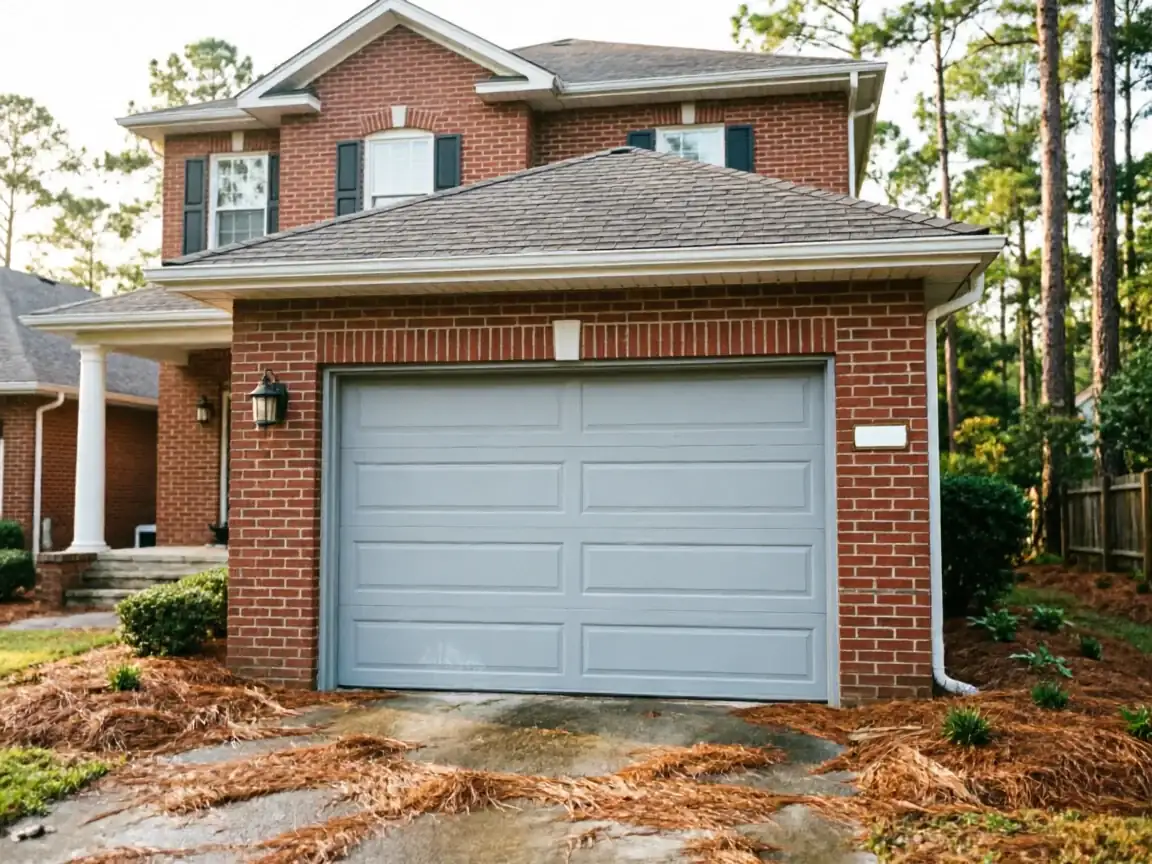
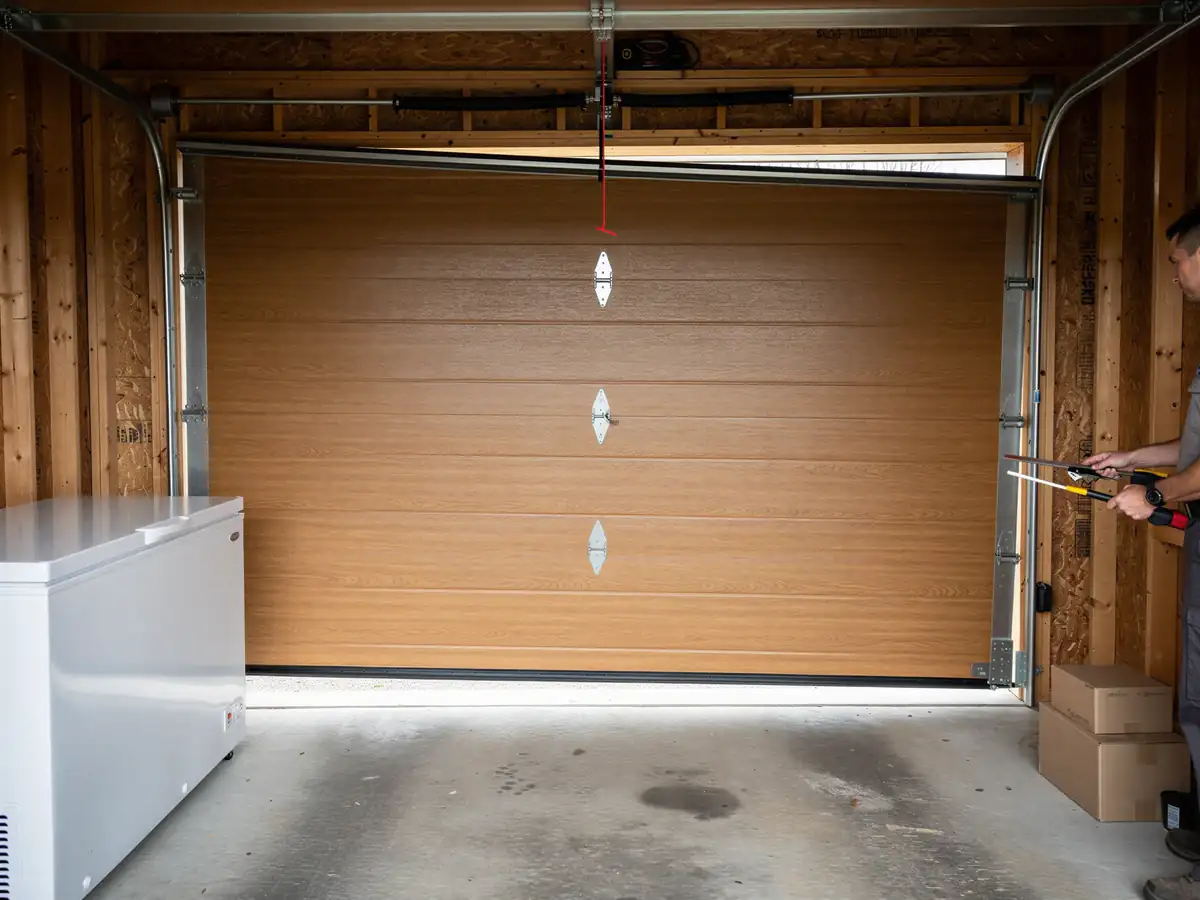
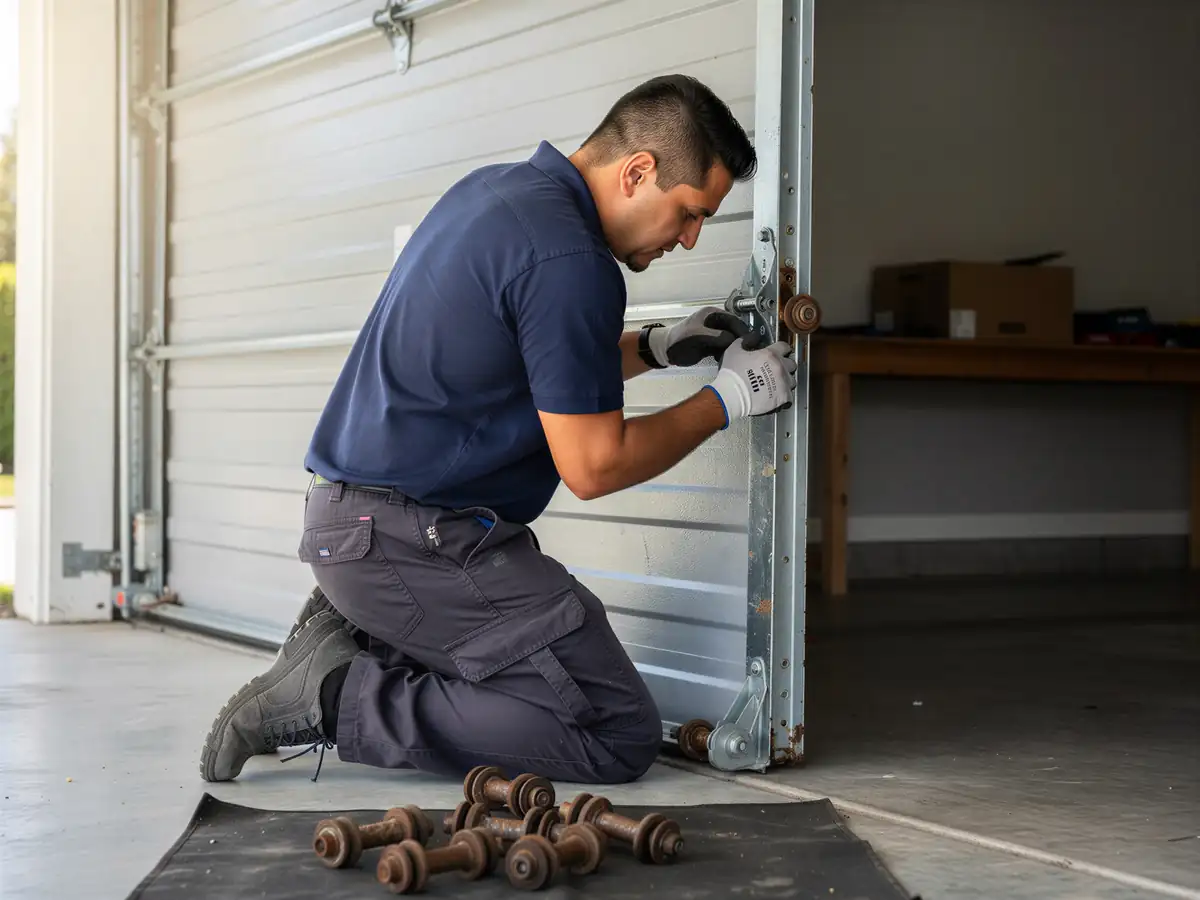
Mount Holly's housing stock centers on 1997, a good decade and a half newer than the median build year across the rest of our coverage area, which sits around 1983. That matters for rollers because builder-grade steel rollers with open bearings were still the standard spec on doors going up in the late 1990s, before nylon rollers became the common upgrade. Fifteen to twenty-five years on those stock steel rollers is normal, and a lot of Mount Holly doors are right in that window now. A roller swap on a door of this age is usually a controlled job: the track is straight, the hinges aren't bent from years of a dragging roller, and we're not fighting rust-seized hardware from a 1960s install. We travel out from Gastonia, about 11 miles, and a straightforward roller job doesn't need a second trip once we've got the door open and sized up what's riding in the track. We won't pretend every call is that clean, but on housing this age, most are.
What Causes It Around Here
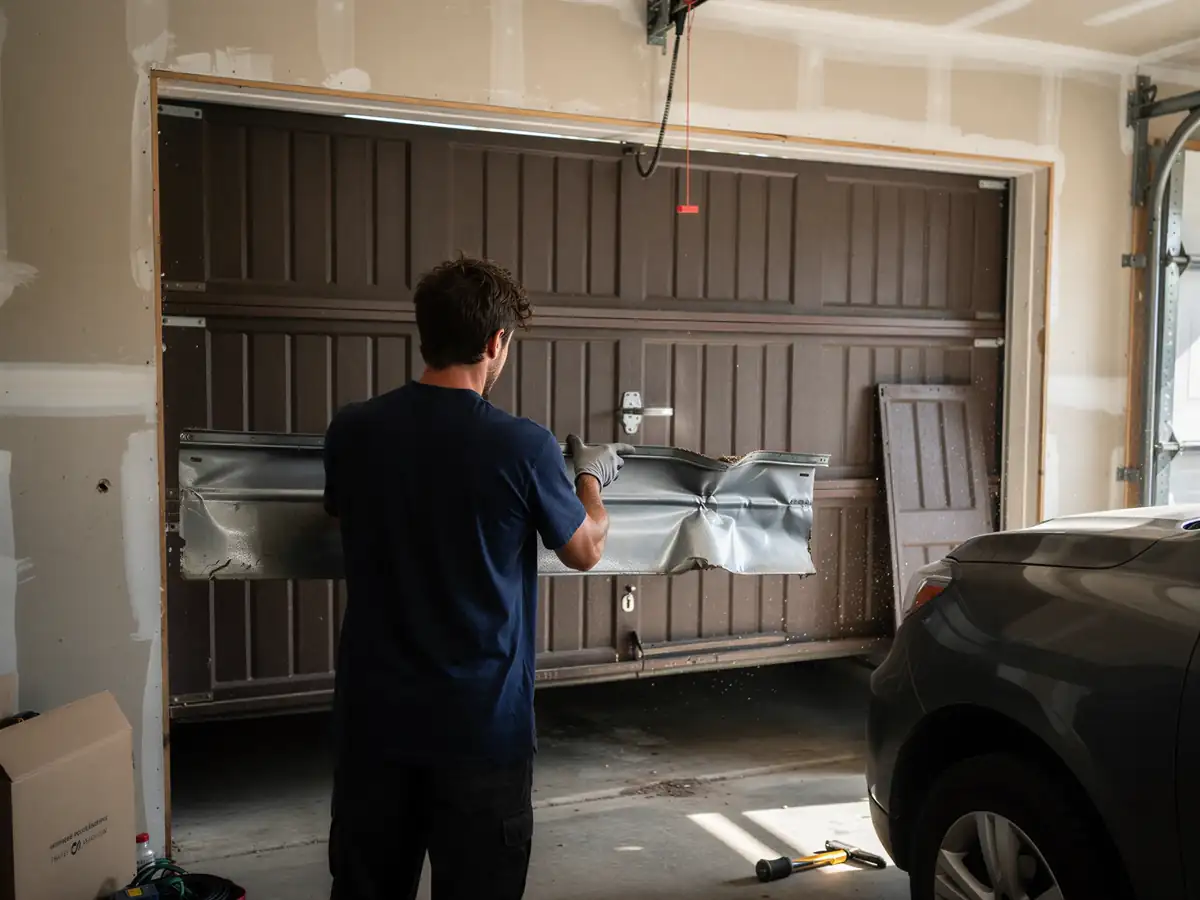
The failure pattern here tracks the build era more than anything else. Steel rollers with open bearings wear from the inside - the bearing dries out, the roller starts to flat-spot, and the door gets loud and jerky going up. In our climate band, which runs cold and sees real seasonal swings rather than steady mild weather, that bearing grease stiffens up in winter and the roller binds slightly every cold morning, accelerating the wear. On a door built around 1997, that's the single most common roller complaint we hear from this side of the coverage area. Mount Holly runs a higher median household income than the broader service area - $75,928 against $59,583 - and a chunk of those owners open and close a two-car door twice a day rather than babying a single-car door, which adds cycles faster than houses with lighter daily use. None of that means Mount Holly doors fail more often. It means when they do fail, it's almost always a worn roller and bent track section, not the spring, and not a rotted-out wood panel from an older build.
The DIY Question
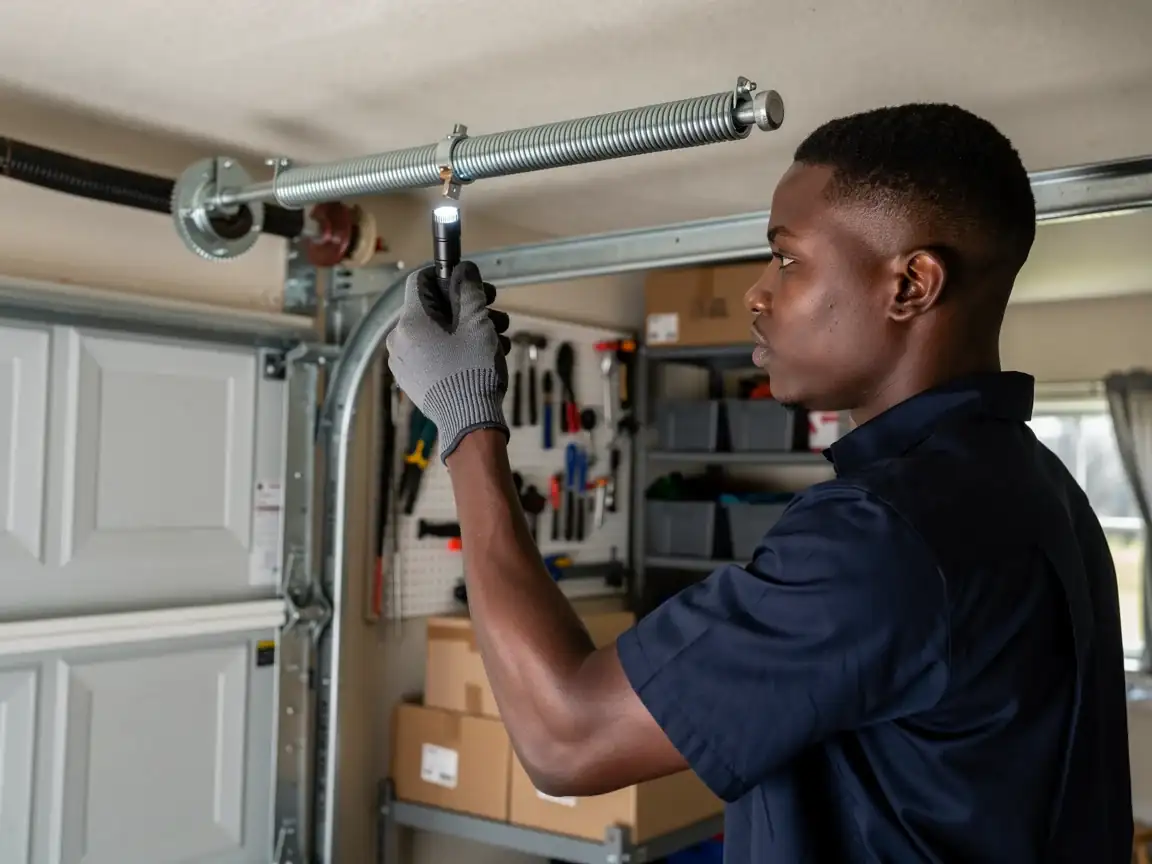
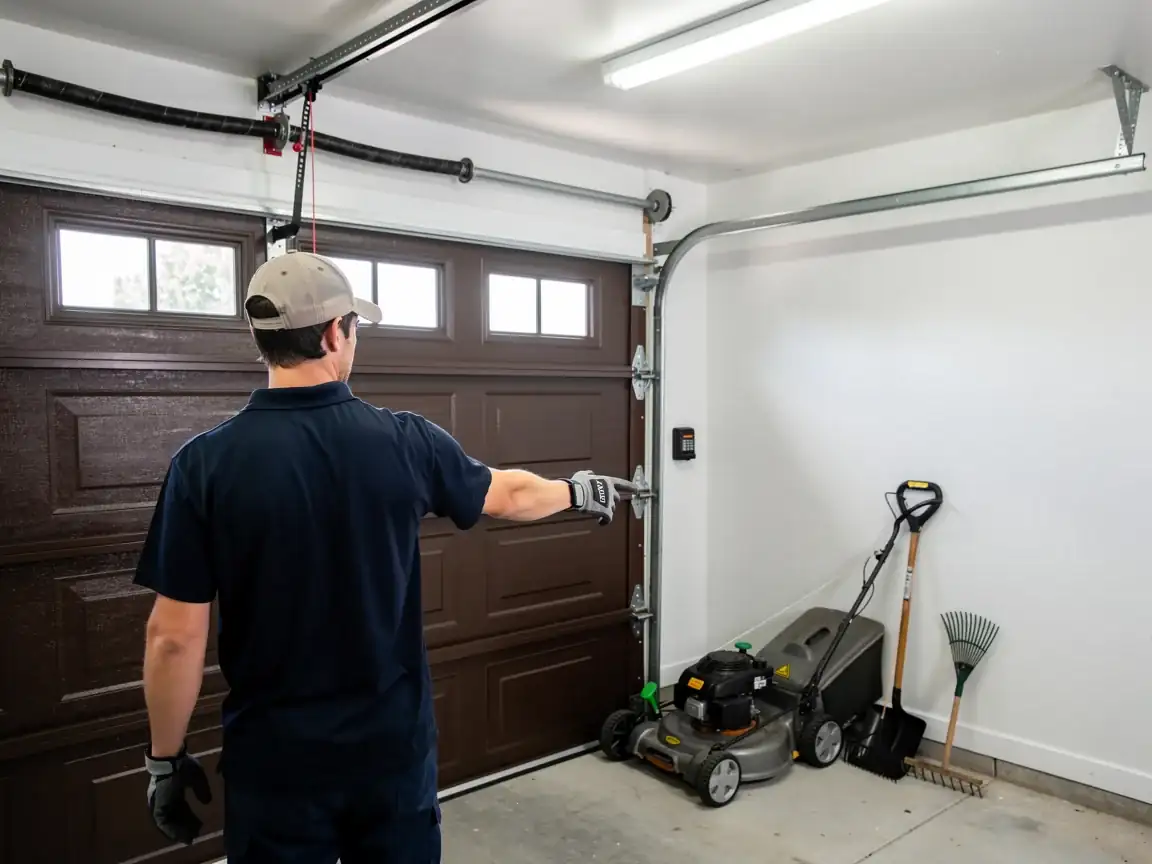
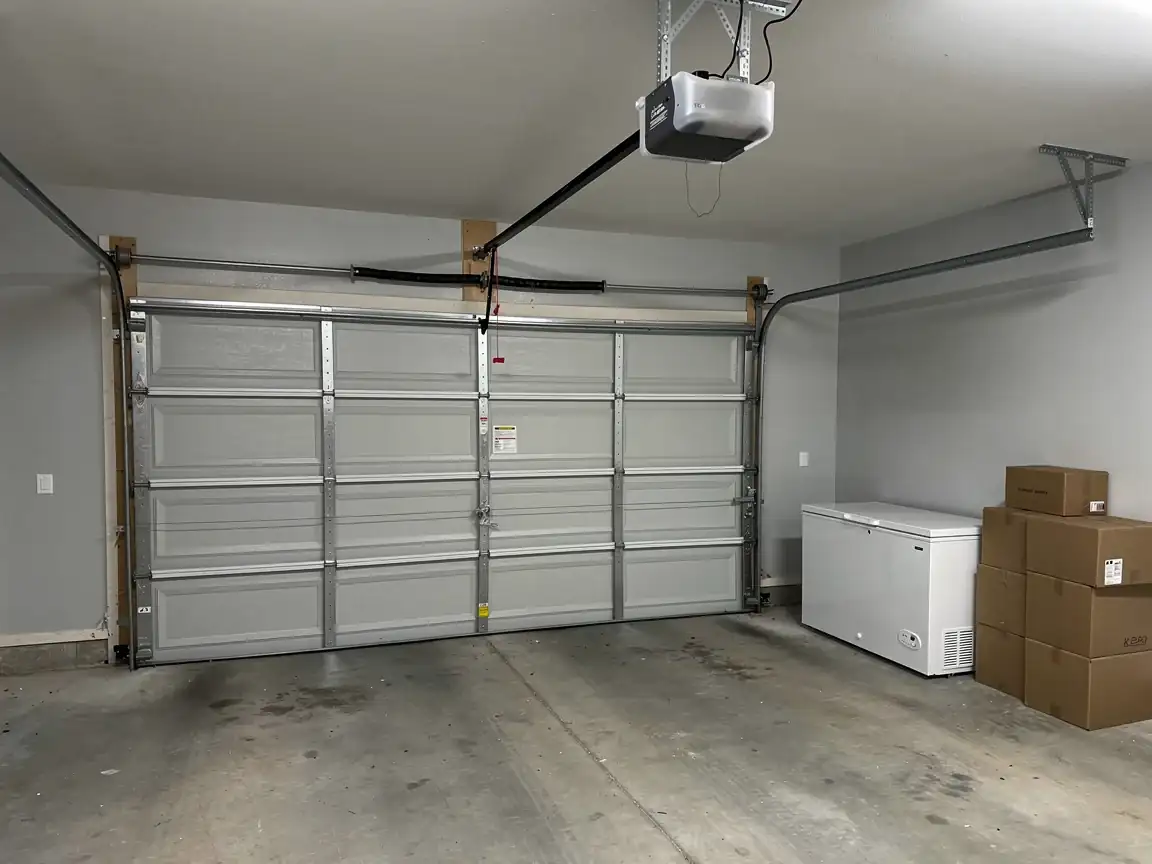
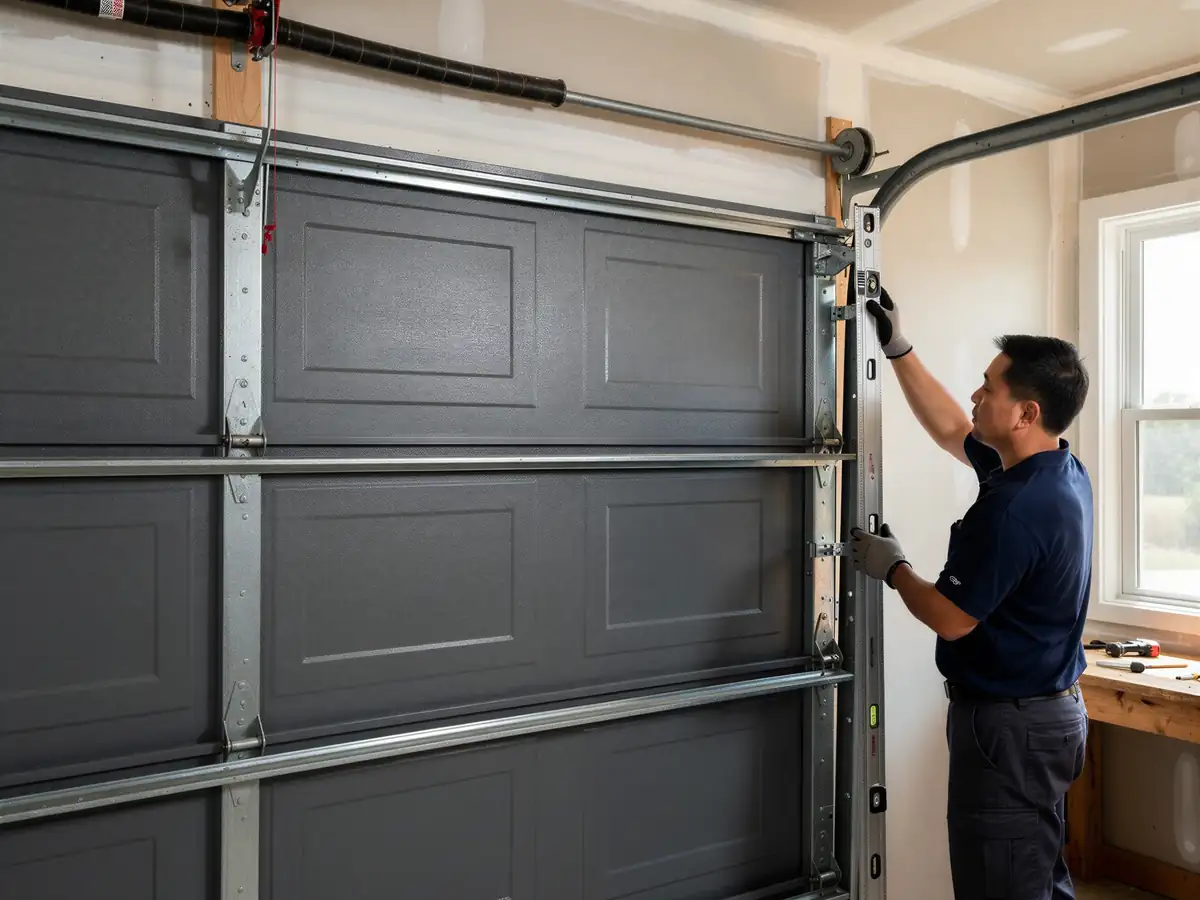
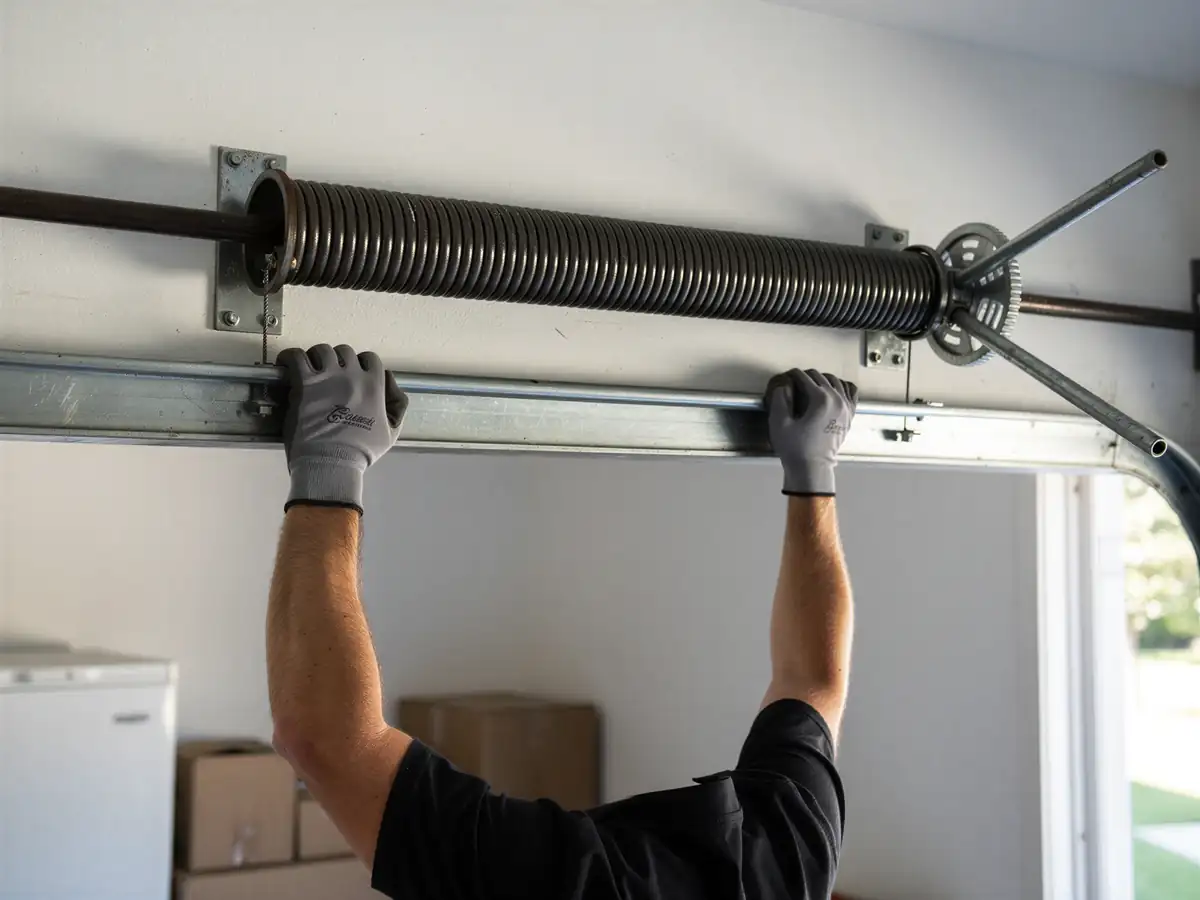
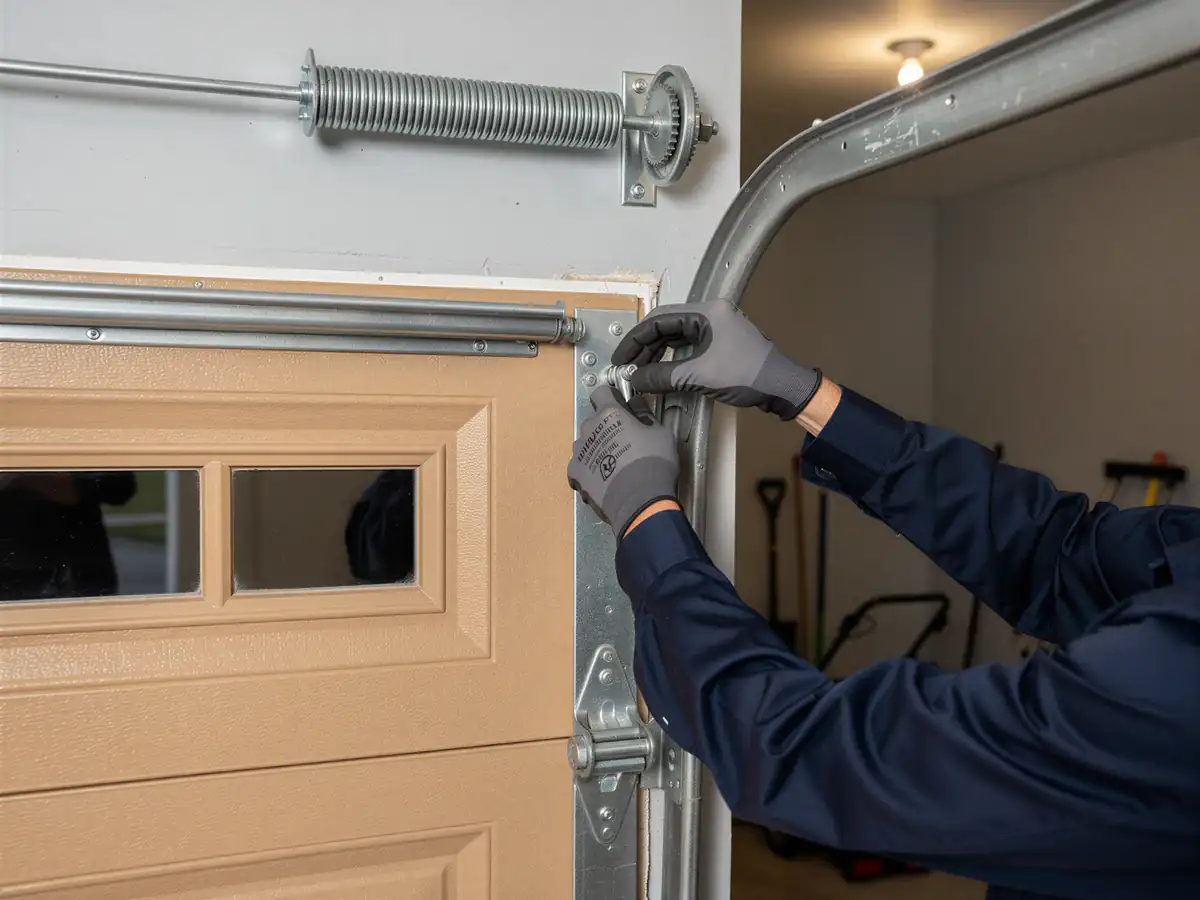
Swapping a single roller on a door that's already open and off-tension is within reach for a patient homeowner with the right tools. The part most people get wrong is the top rollers on a door still under spring tension - working near a loaded torsion spring to pull a hinge is where DIY roller jobs turn into trips to urgent care, not where we're trying to scare anyone off a legitimate repair. If more than two or three rollers on one side are shot, or the track has any visible bow where the rollers have been riding rough for a while, that's worth having someone look at the whole assembly rather than swapping parts one at a time. We'd rather tell a Mount Holly homeowner to do the easy ones themselves and call us for the tensioned side than have them learn the hard way.