The DIY Question
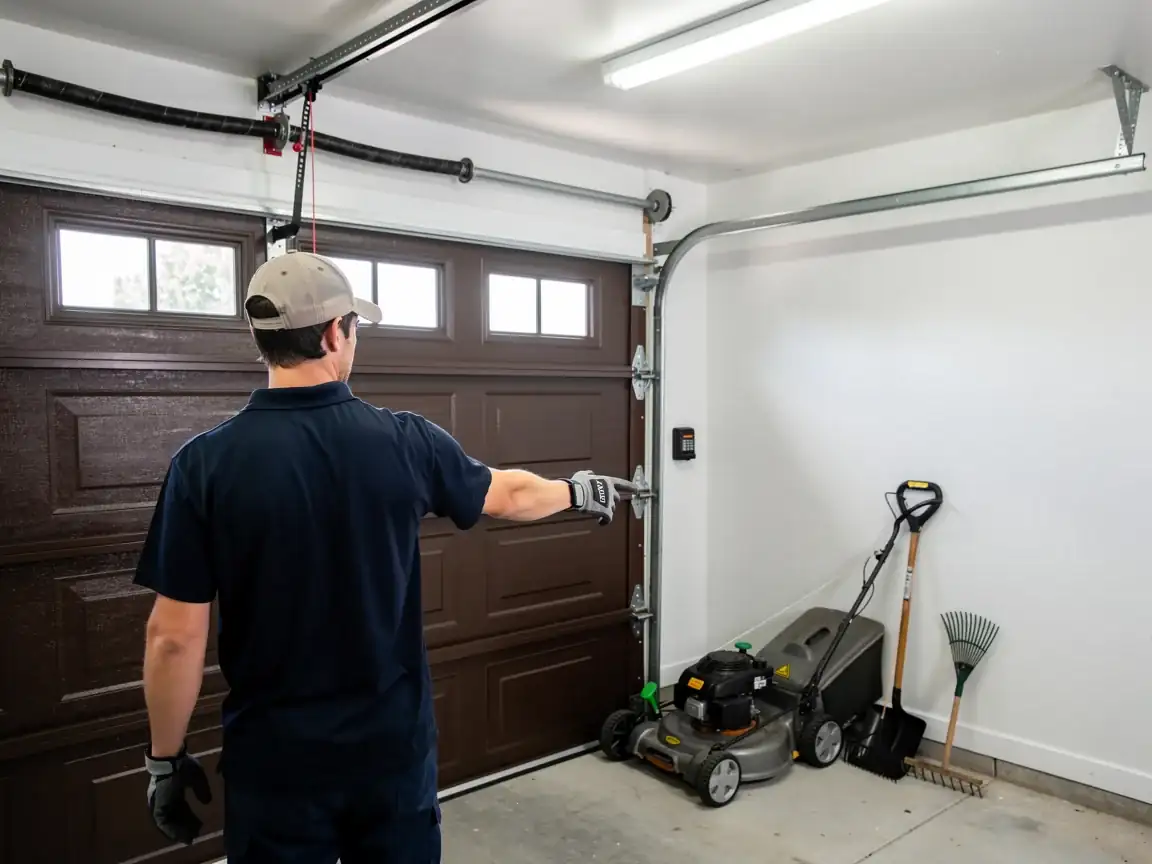
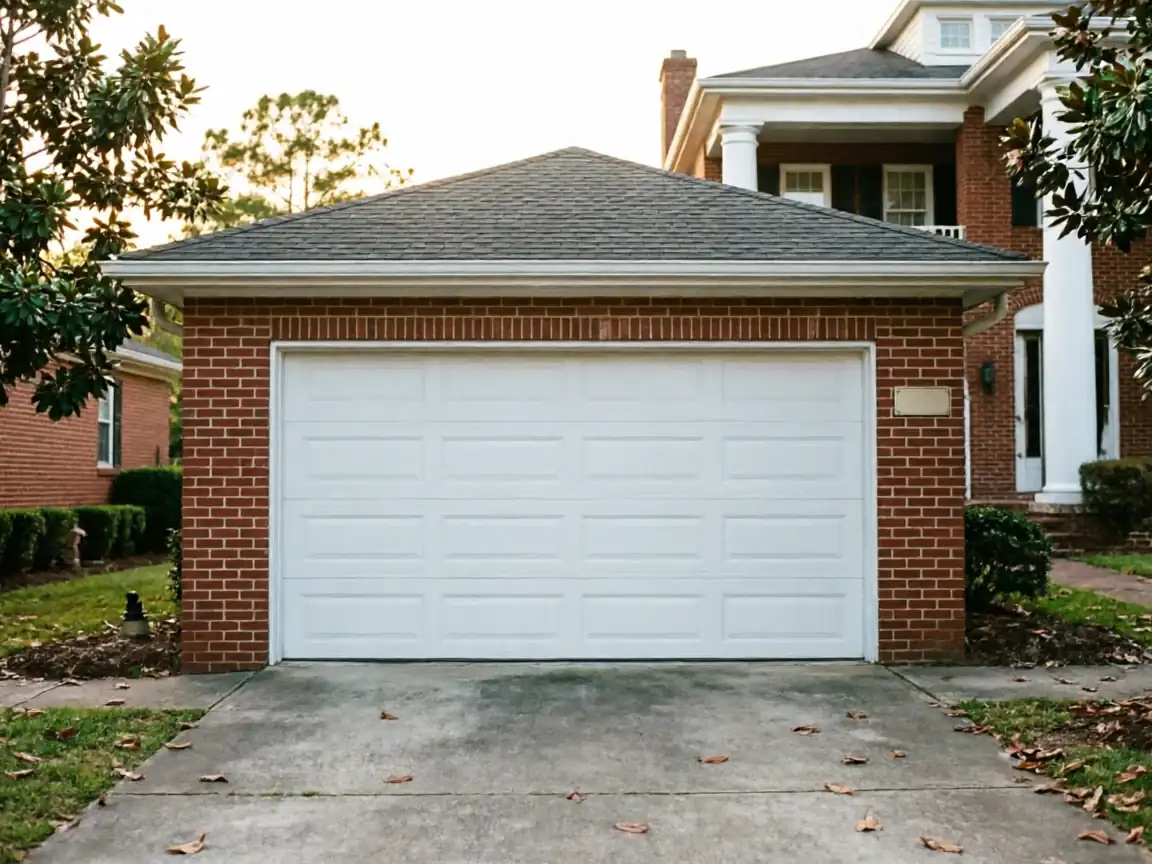
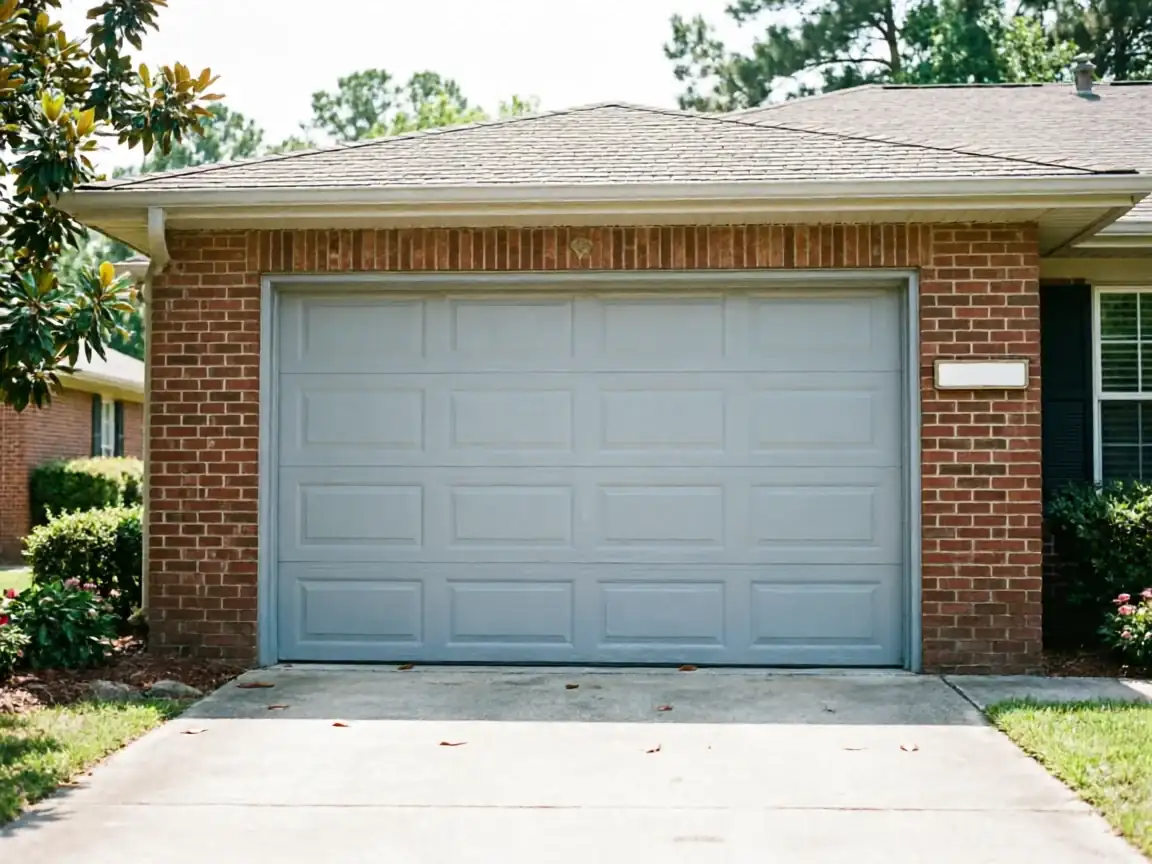
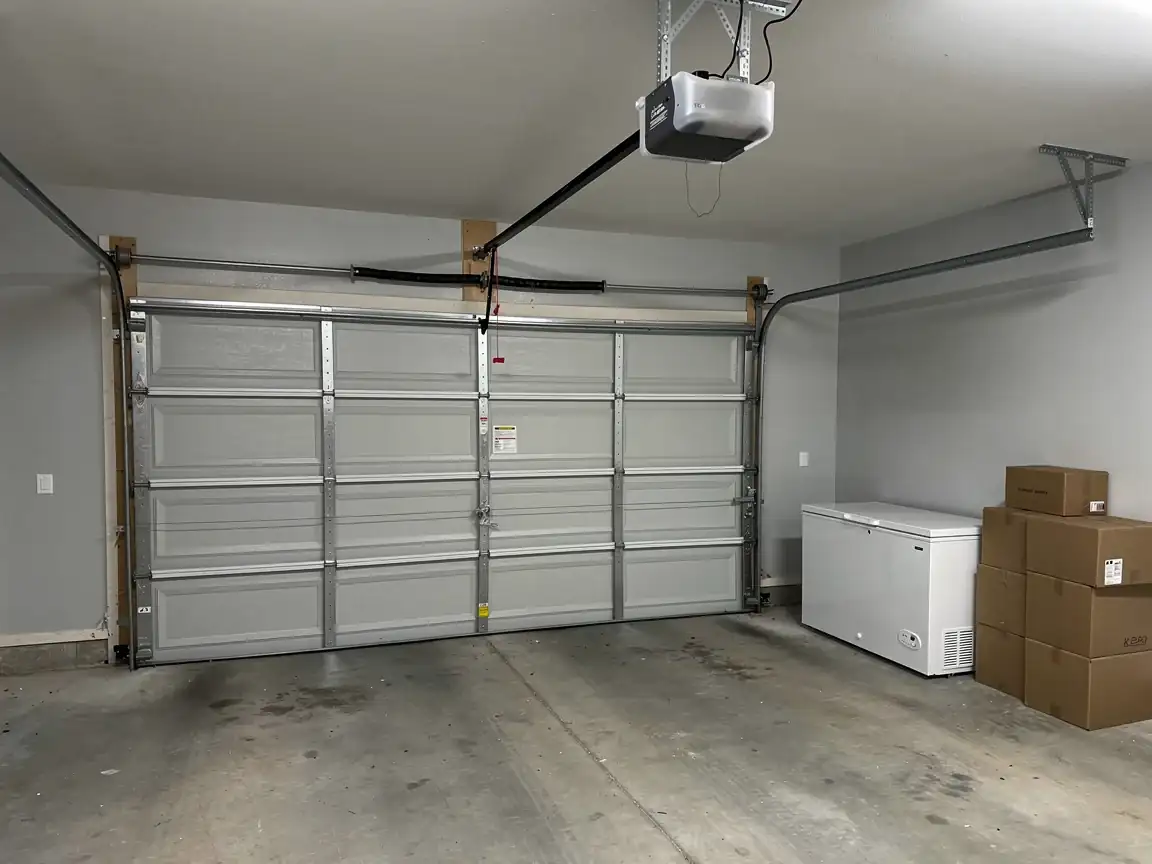
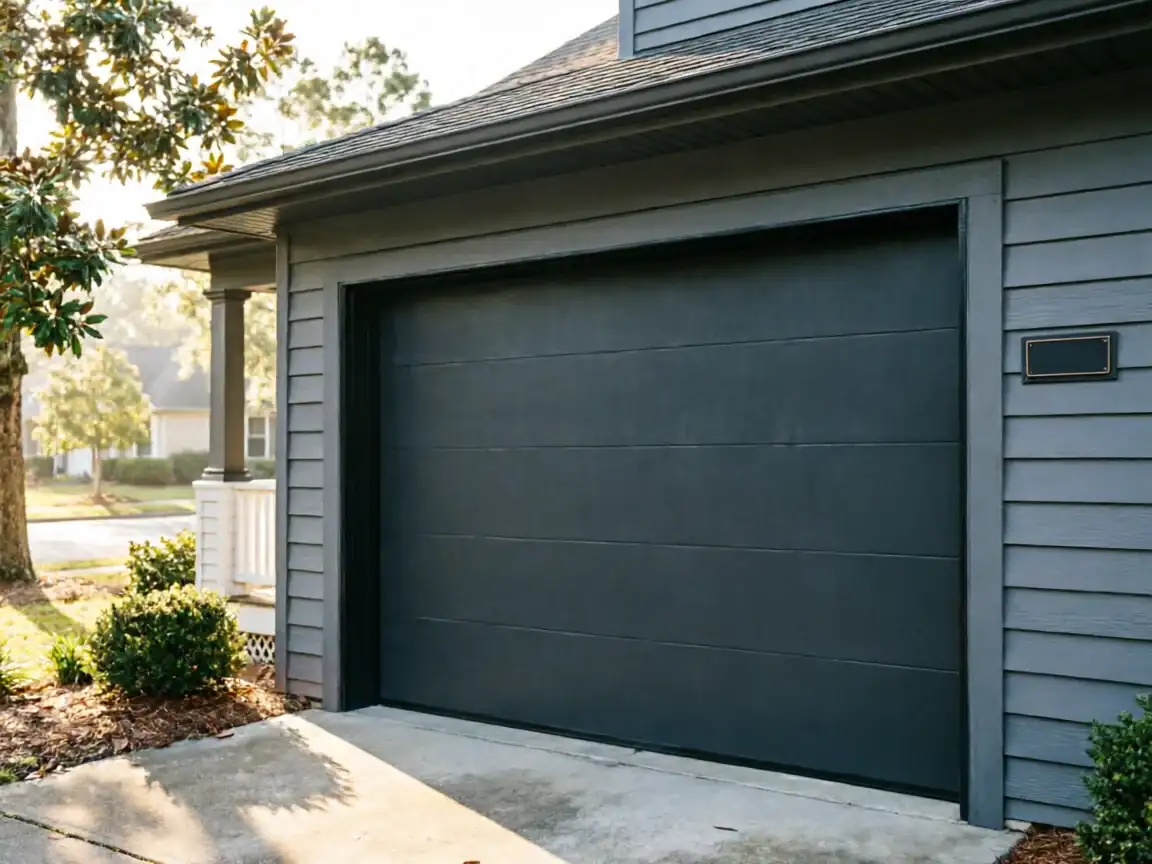
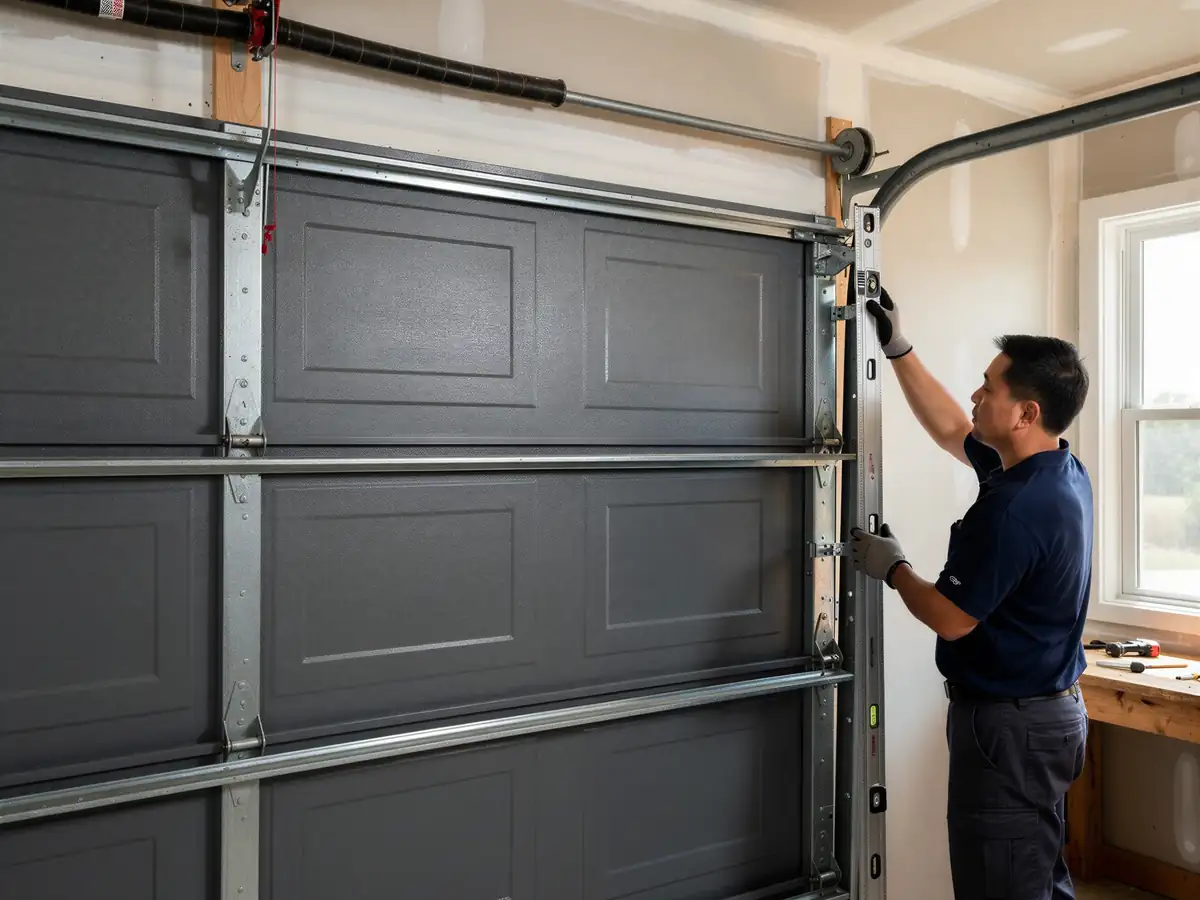
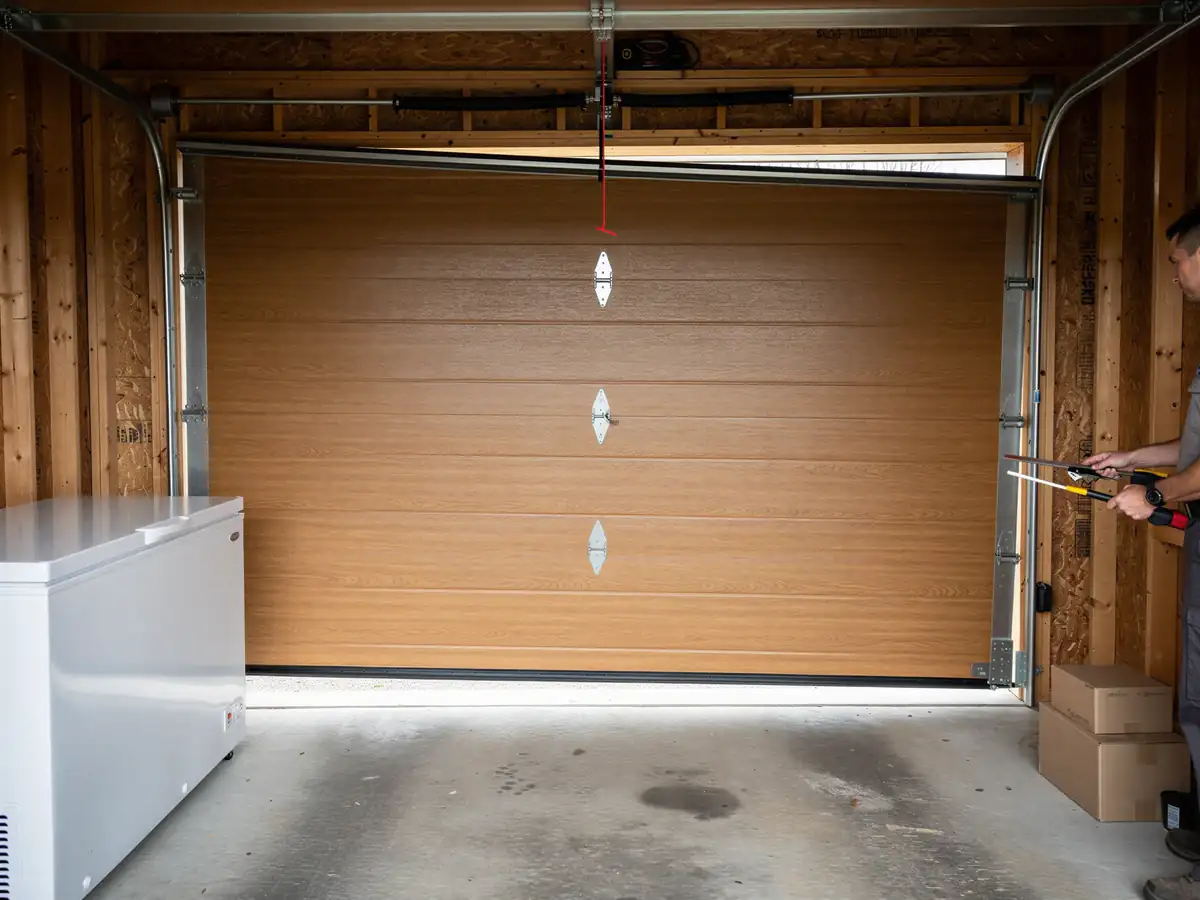
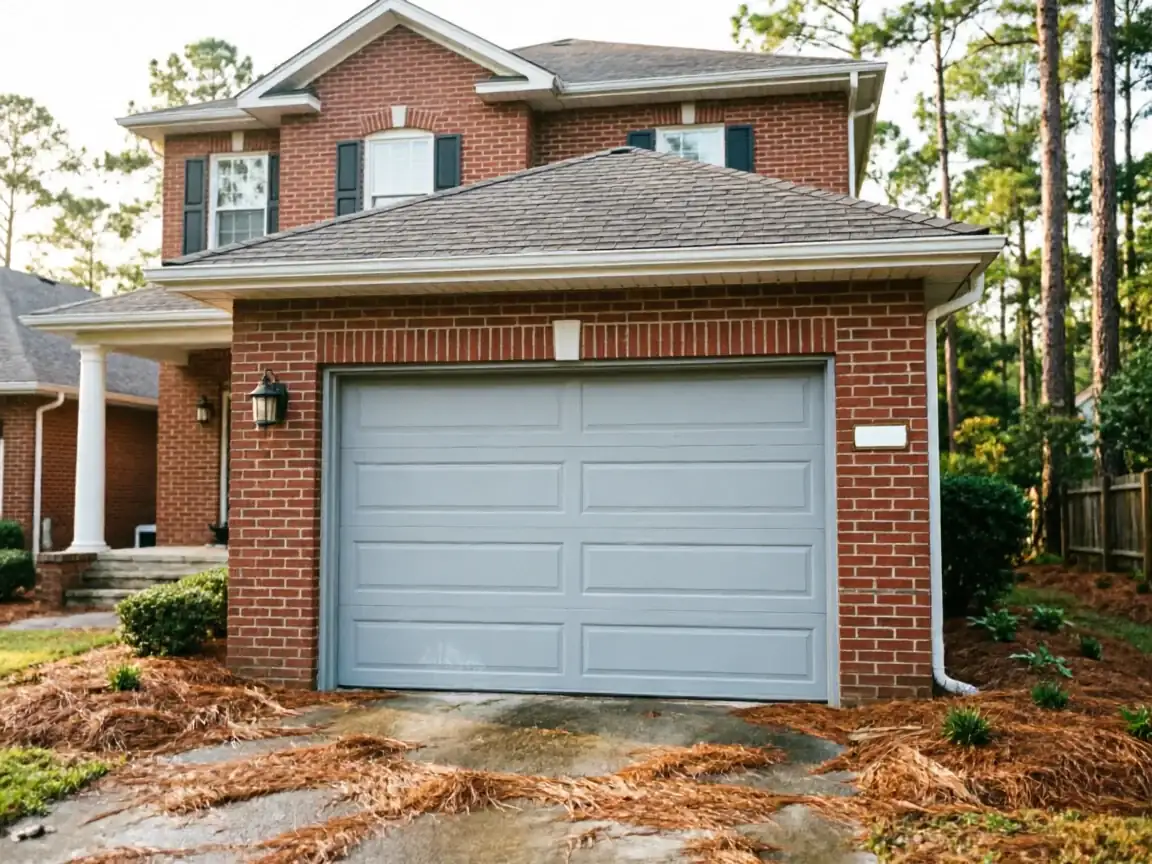
Most garage doors in Dallas are steel sectional doors, hung in the mid-to-late 1990s when the bulk of this town's housing went up. That means a 16-by-7 double or a 9-by-7 single, galvanized panels, torsion spring on a center shaft over the header rather than the older side-mount extension setup. These are decent doors. They were built to a standard spec, not a custom one, and the hardware behind them is the same torsion-and-cable system you'll find on most doors from that era anywhere in the Piedmont.
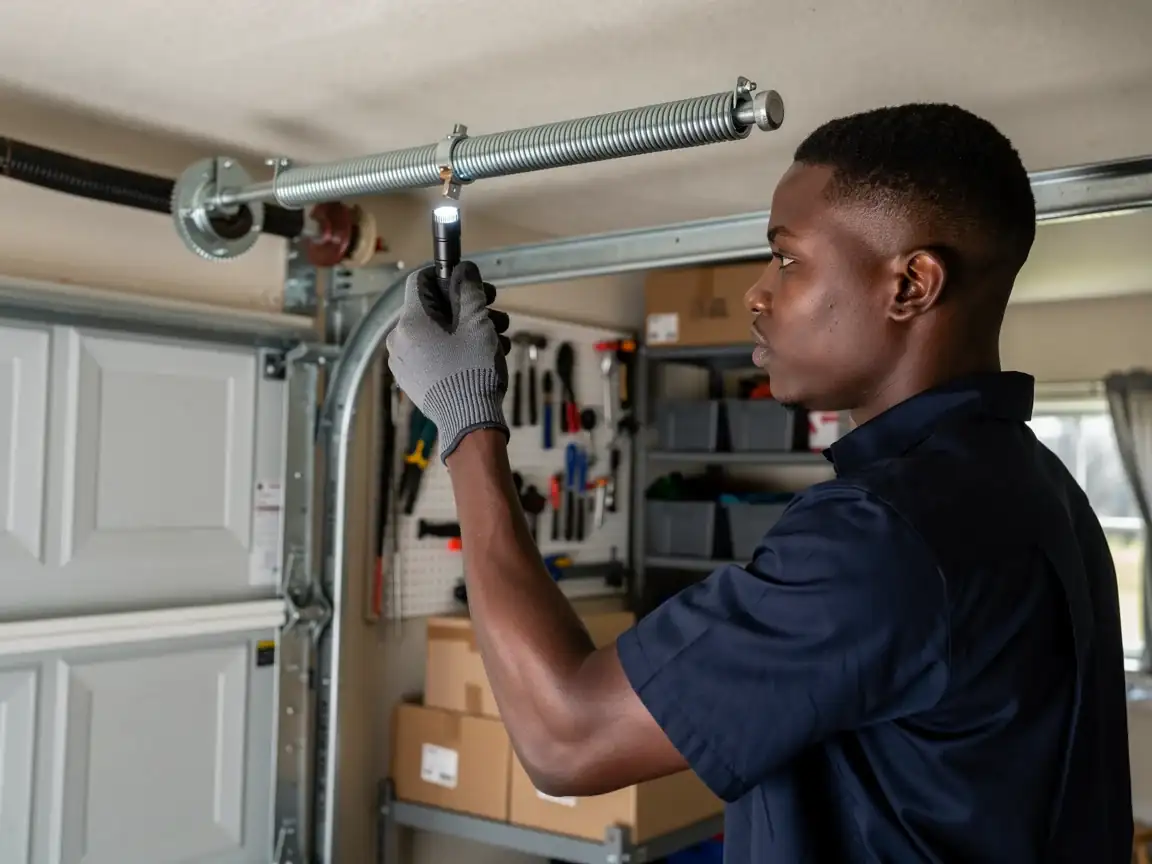
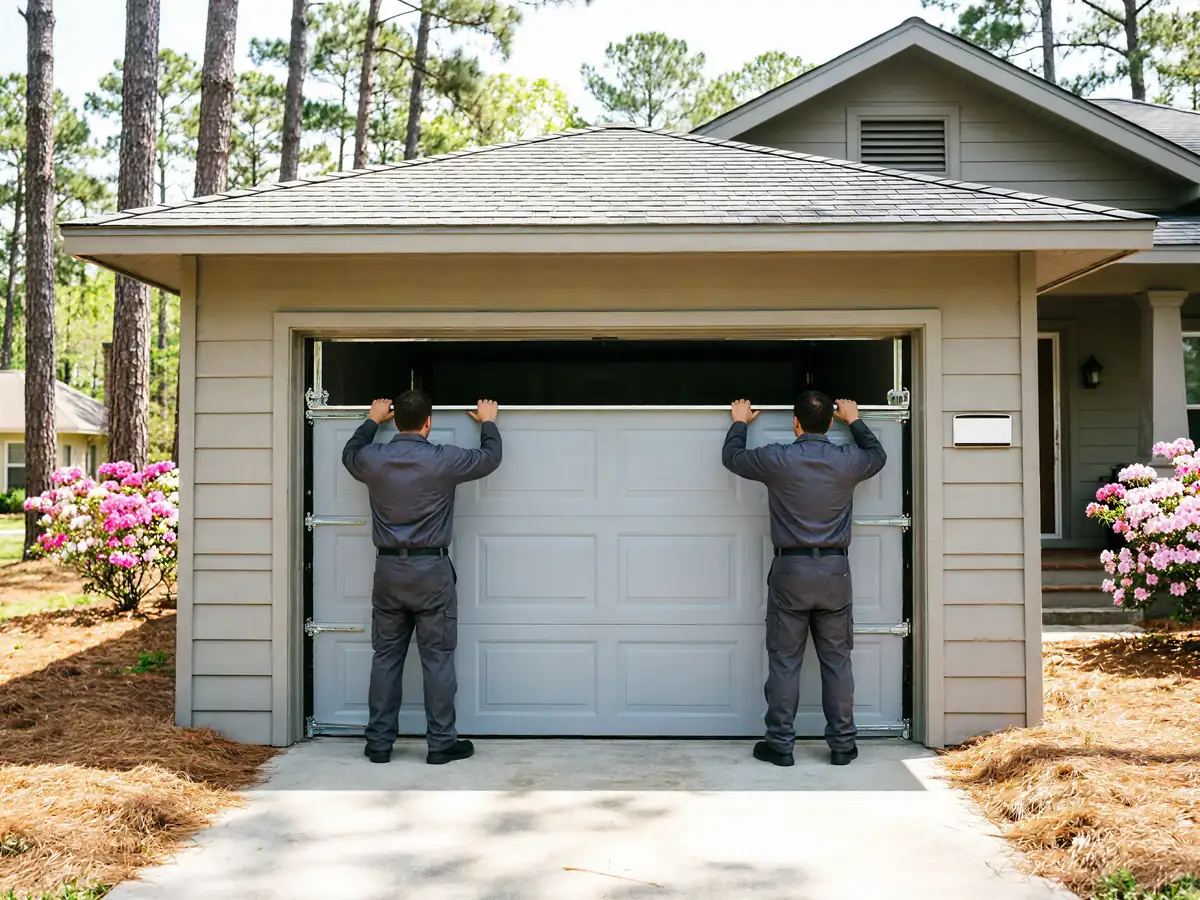
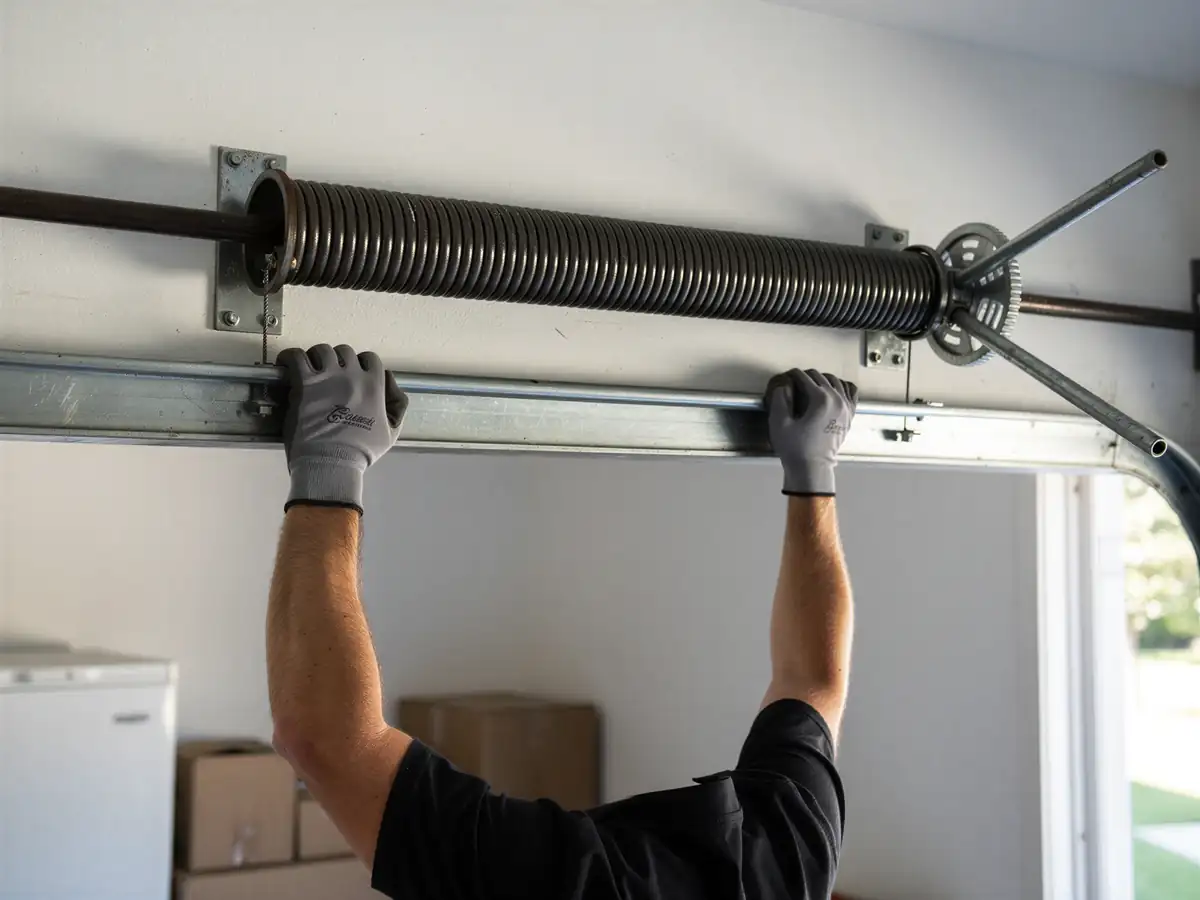
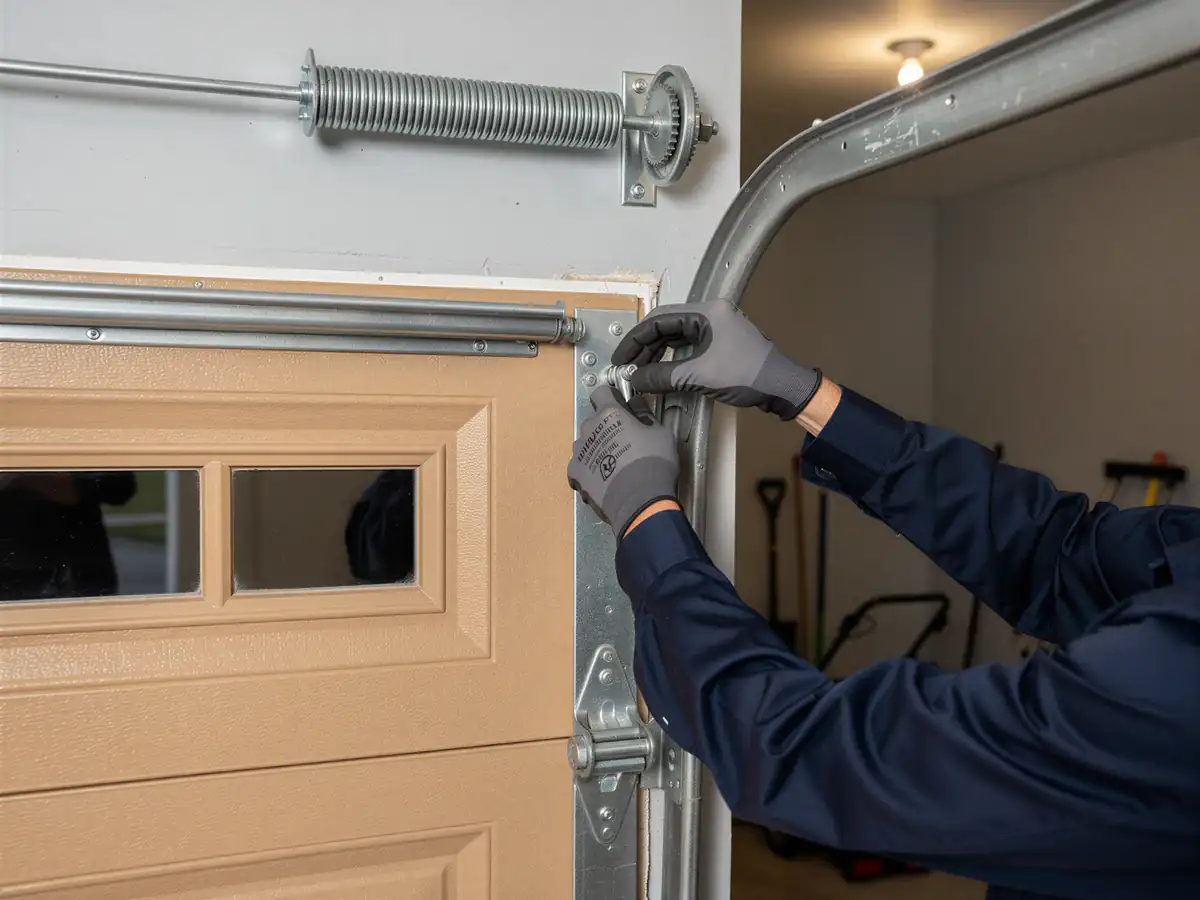
That's the part that matters for the DIY question. A torsion spring is wound under real tension - enough that an amateur adjustment can put someone in the ER. Swapping a broken torsion spring, re-tensioning one that's lost lift, or pulling a bent track back into line is not a weekend job with a socket set. Lubricating hinges, tightening loose bolts, clearing the photo-eye sensors, and testing the auto-reverse - those are fine for a homeowner to handle. Springs, cables, and anything involving the torsion shaft itself is where we'd tell you to call it in. We're honest about that limit because the injuries we see from people trying it themselves are not worth the money saved.
What You Are Seeing
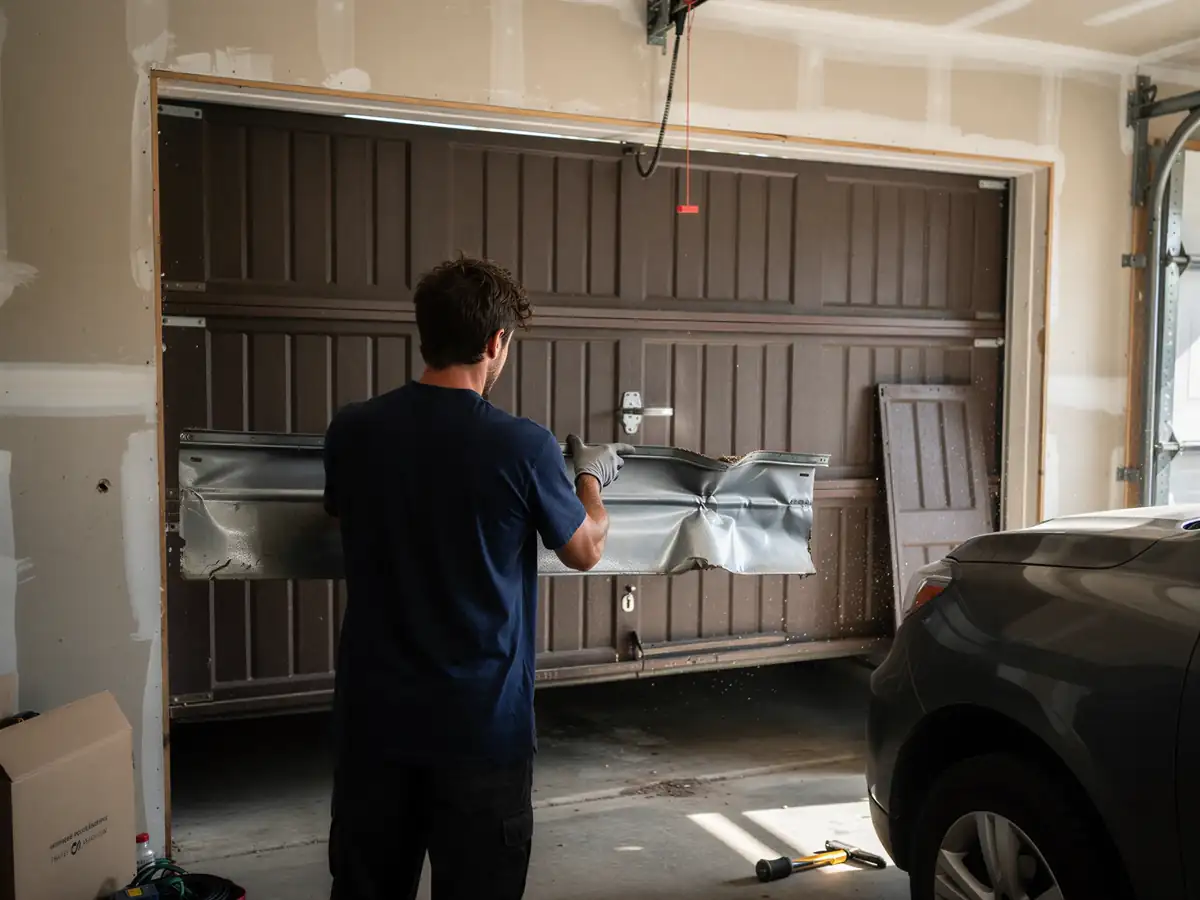
With a median build year around 1997, most Dallas garage doors are now between 25 and 30 years old, and that age shows up in specific ways. The torsion spring is usually the first big failure - springs are rated in cycles, not years, and a spring installed when the house was built is well past the point where most of its peers have already let go. You'll hear it as a loud bang in the garage, often first thing on a cold morning, and the door won't lift or lifts only partway before the opener strains.
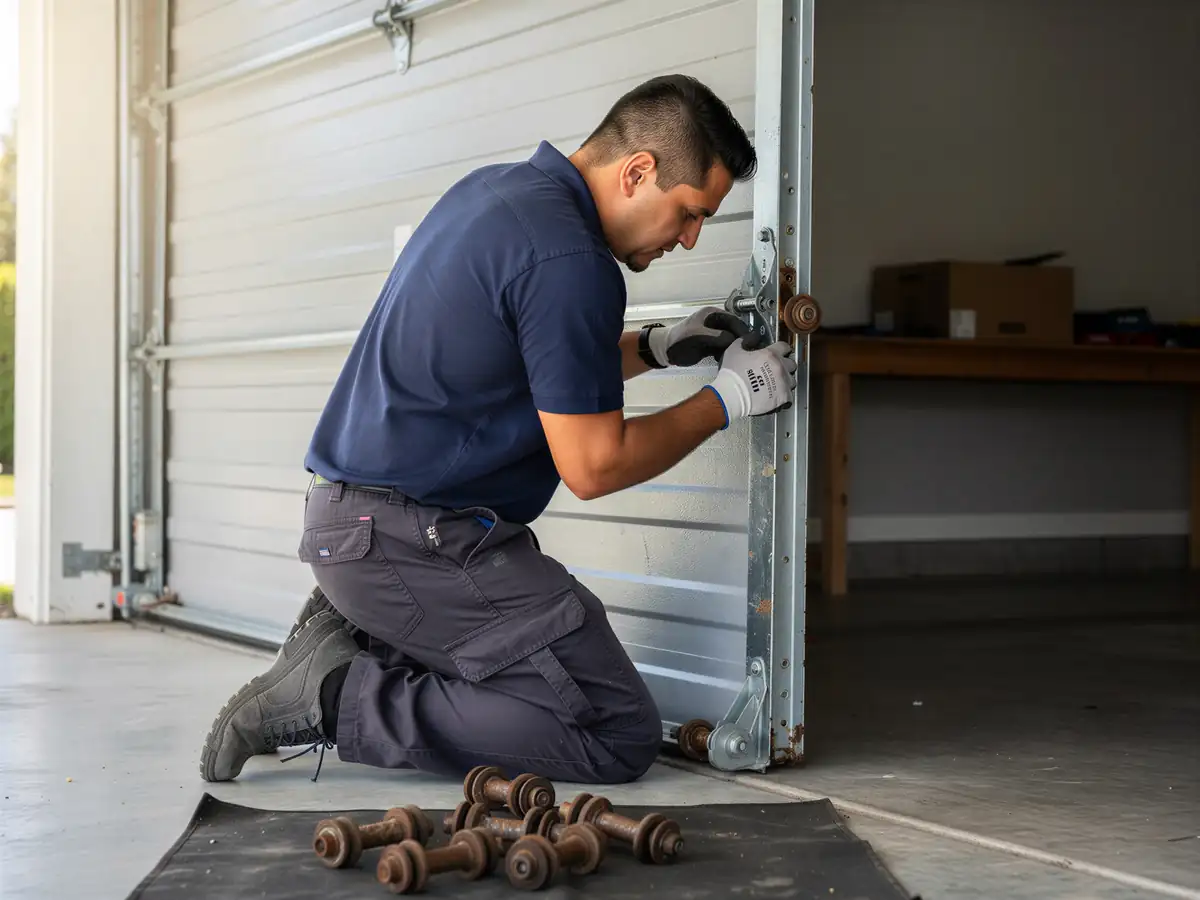
Second most common: the opener itself. A chain-drive unit from the late 90s or early 2000s is reaching the end of its working life - the gear inside the motor head wears, the drive chain stretches, and the remote range drops before the unit quits outright. Third: rollers. Original steel rollers on 25-year-old track are usually dry, pitted, and noisy, even if the door still opens fine. None of these are unusual for a house this age - they're just due.
What Causes It Around Here
The region sits in a cold-moderate climate band
Which means winter mornings bring real temperature swings even if they're not brutal by northern standards. Steel contracts in the cold, grease stiffens, and a spring already near the end of its cycle life is more likely to fail on a 30-degree morning than a mild one. That's why so many of these calls cluster in winter rather than summer.
The other driver is simply math
A torsion spring on a standard double door is rated for a set number of open-close cycles, and a house built in 1997 has had roughly 28 years of daily use - two trips a day, sometimes more with multiple drivers. Do that arithmetic and most original springs here are on borrowed time, if they haven't already been replaced once. Openers follow the same curve, just a few years behind the spring. None of this is a Dallas-specific defect - it's what happens to a 1990s door that's been worked every day since.
- 28 years
The Complications
We run out of Gastonia, about 5 miles from Dallas, so there's no separate branch or depot here - just a short drive. That's rarely an issue for scheduling, but it does mean we're not sitting on-site with a stocked van outside your driveway; we load based on what the call tells us, which is why giving us the door's age and symptoms up front saves a second trip.
Parts are the real complication. A door from 1997 may still use an opener model that's been discontinued, and matching a replacement spring exactly to a 25-year-old torsion shaft sometimes means measuring wire gauge and coil length on-site rather than guessing from a chart. With roughly 2,137 households in Dallas and a median income near $57,755, we see a steady mix of repair-it jobs and full door replacements - and sometimes a repair isn't worth it once the drum, track, and opener are all original and all tired at once. We'll tell you straight which side of that line your door is on.