The DIY Question
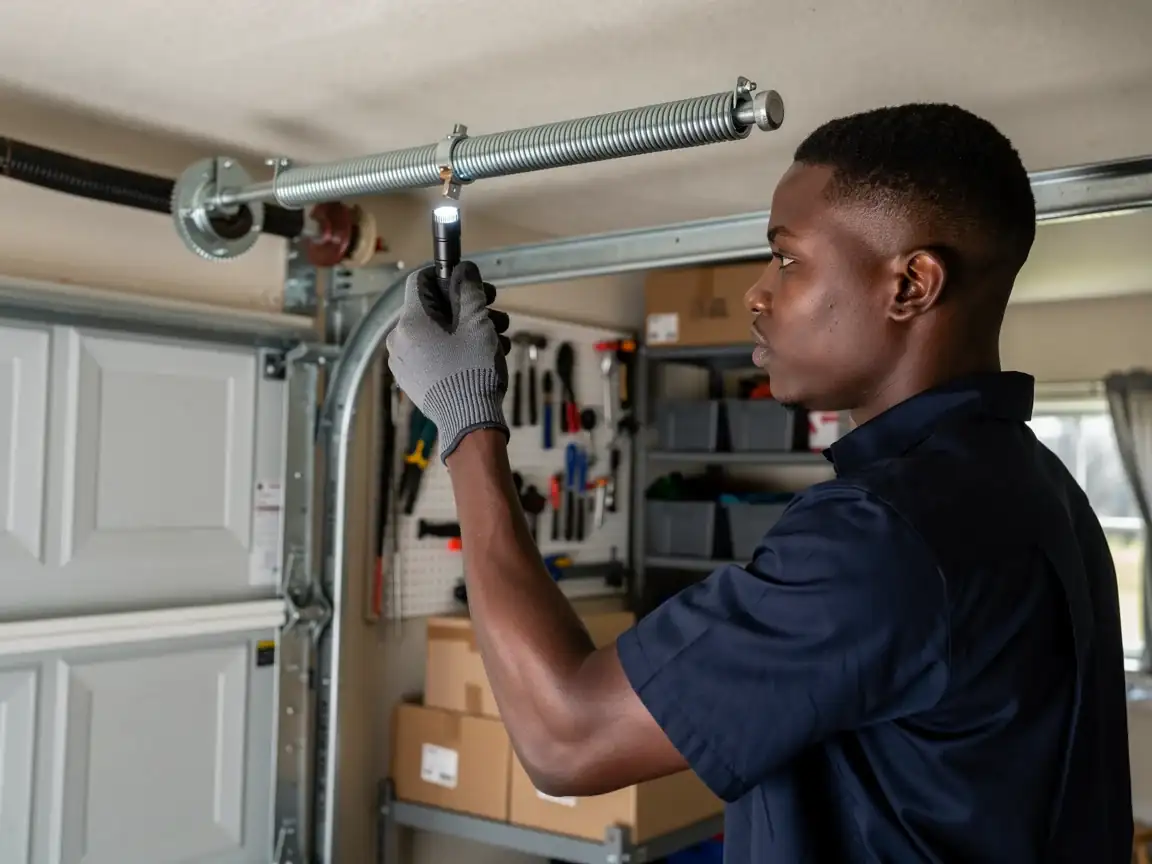
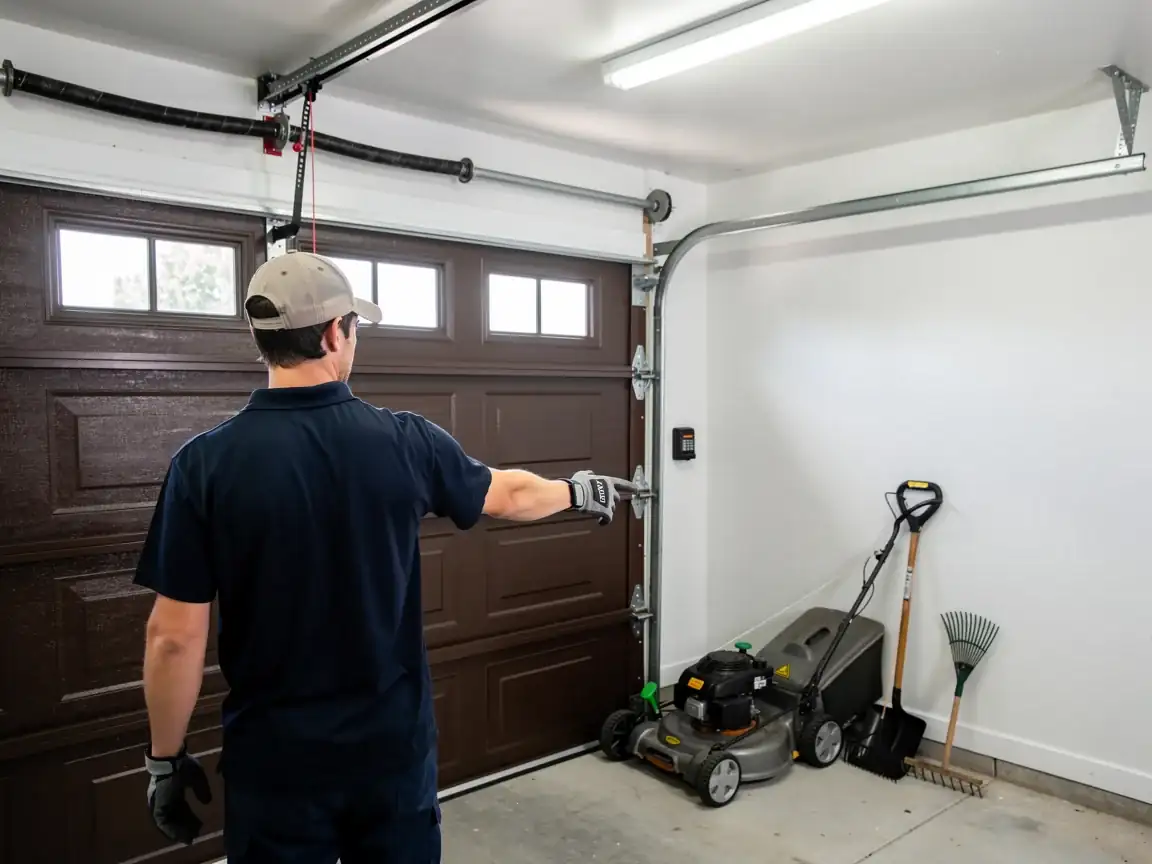
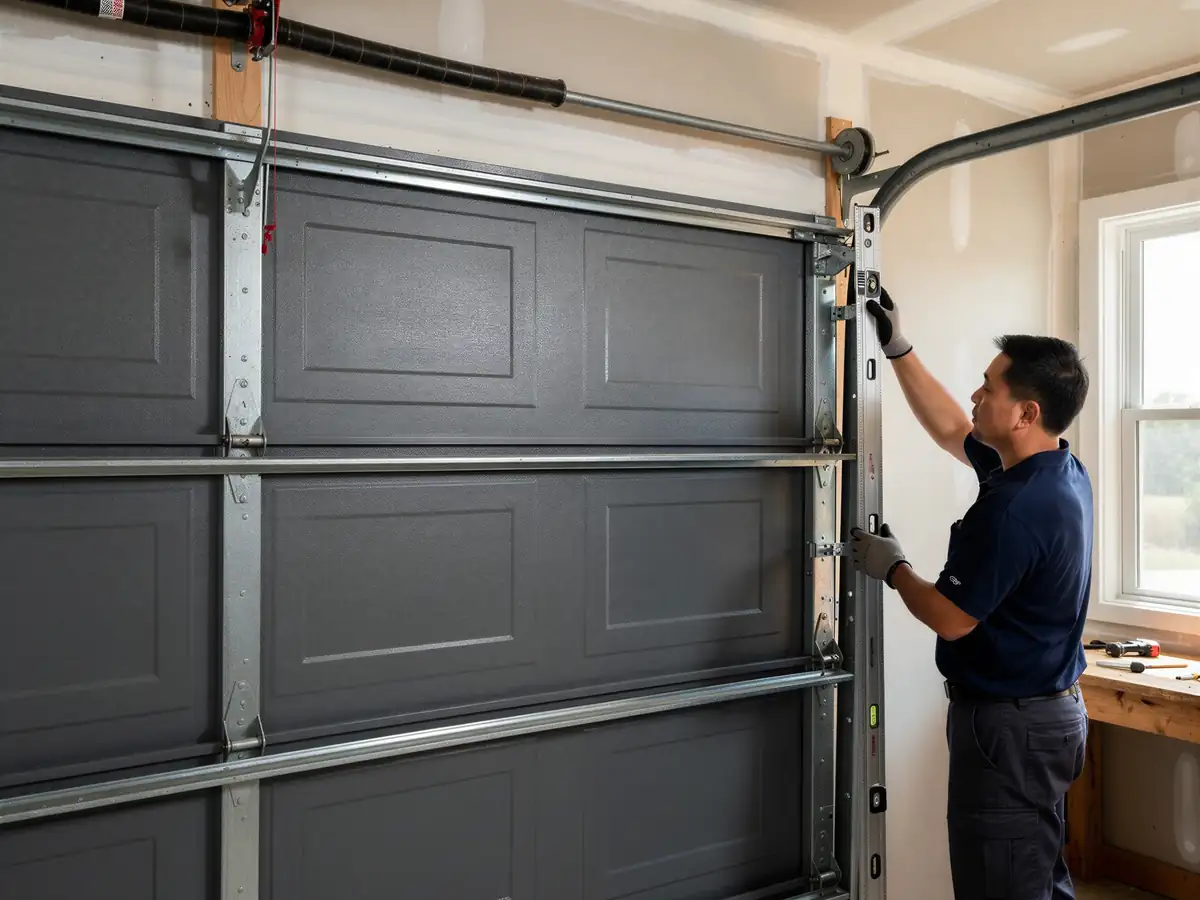
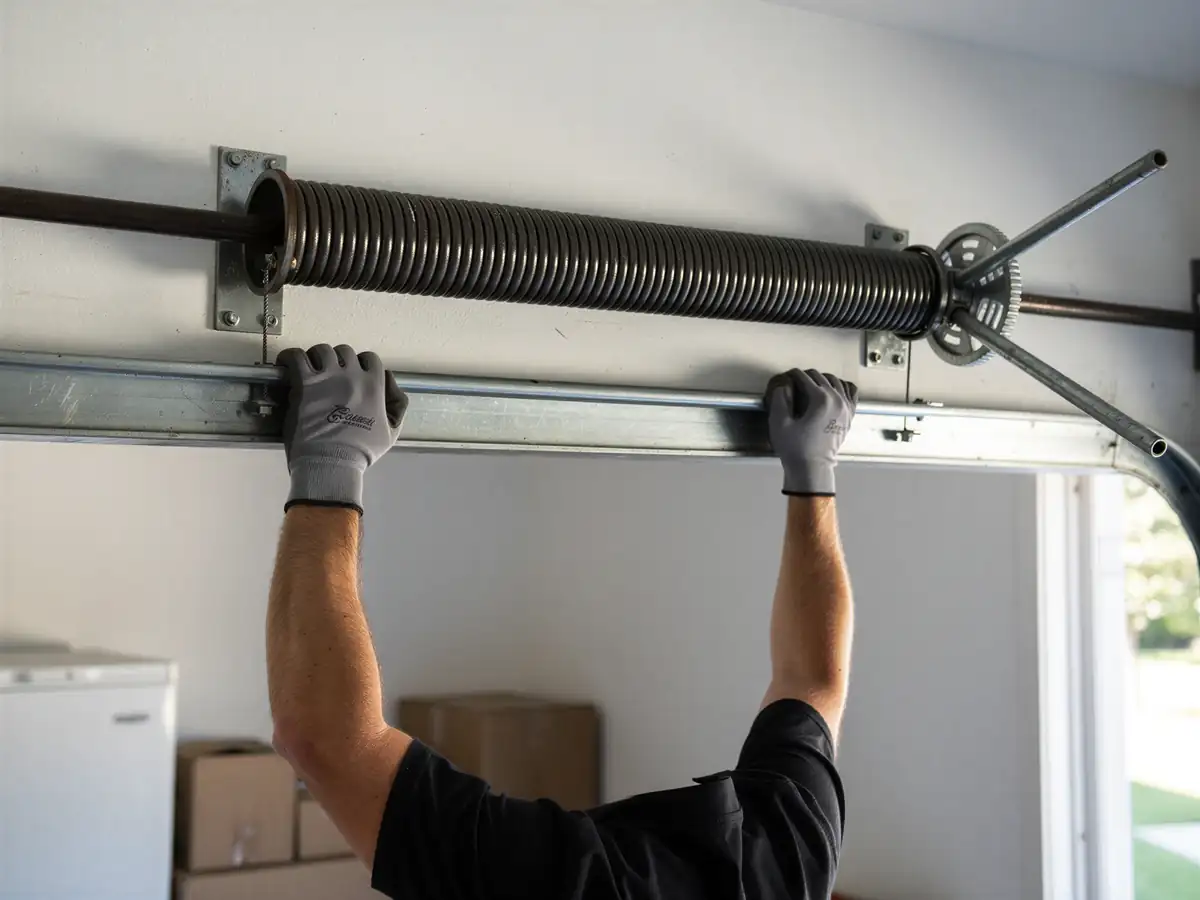
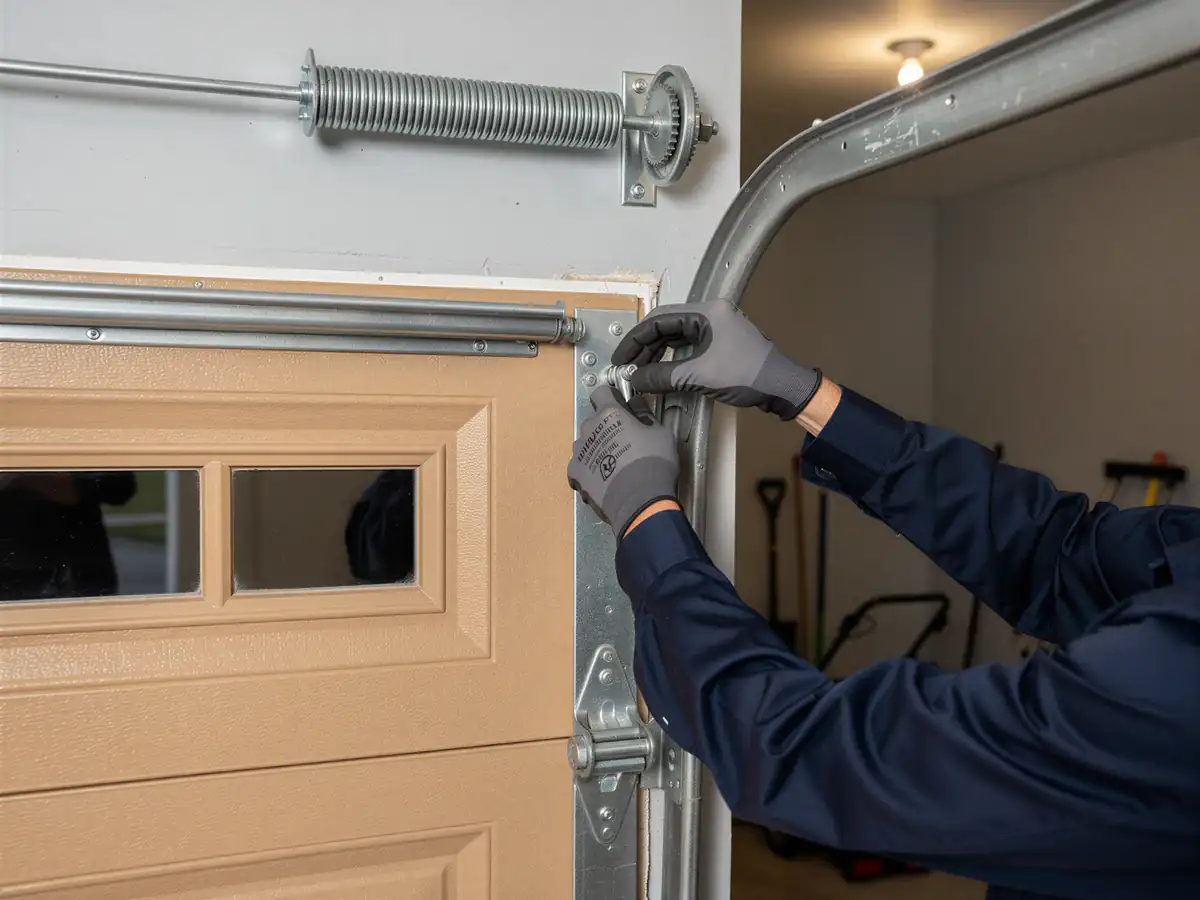
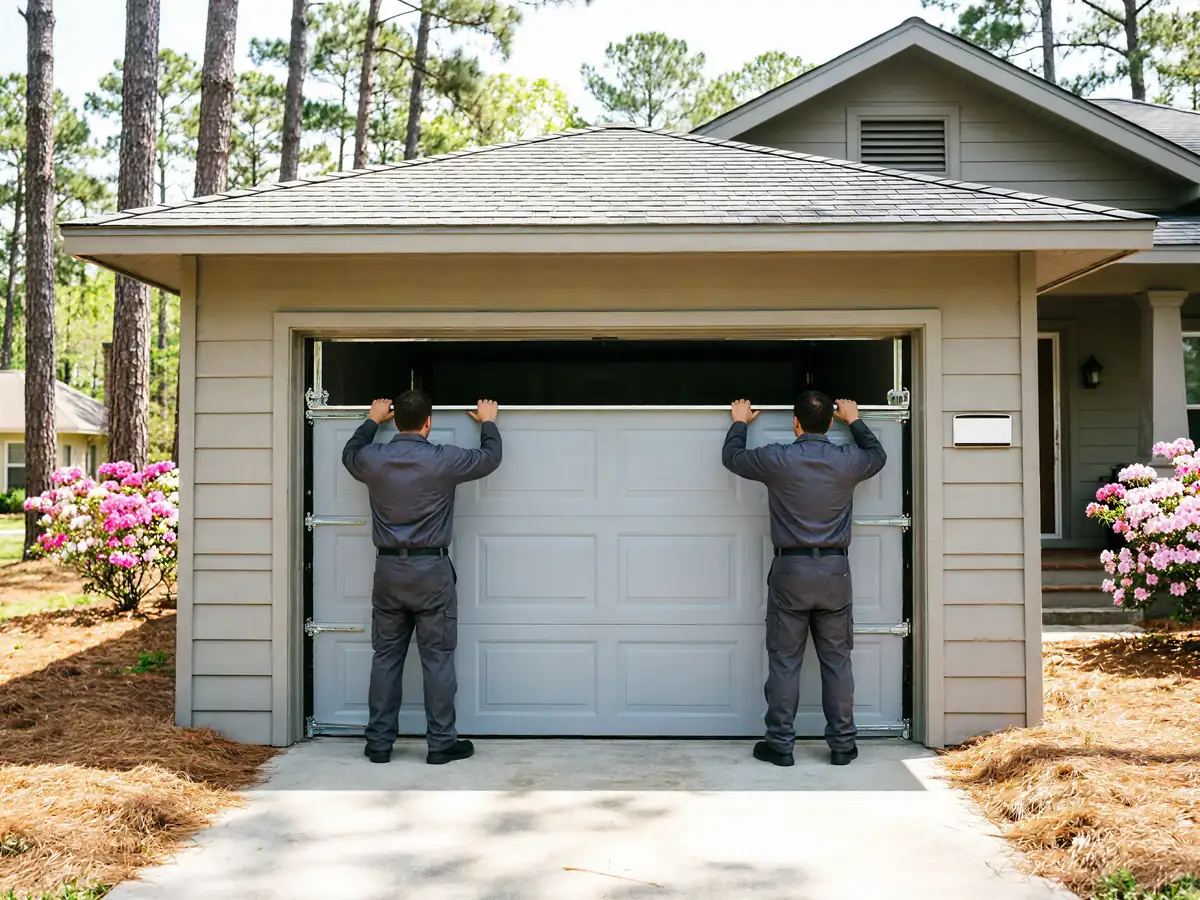
If your house in Dallas was built anywhere near the 1997 mark that's typical for this town, the door hanging on it right now is probably the original builder-grade unit that came with the house. Swapping that door yourself for a new one is a different job than fixing a spring or a sensor. You're dealing with a full section replacement, track realignment, and in most cases a torsion spring system sized to a door that's heavier or lighter than what's there now. Get the spring weight wrong and the door either won't stay open or it slams down with enough force to bend a track. A new install also means rehanging the opener bracket, re-squaring the jambs if the old door ever got knocked loose, and testing the balance before anything gets bolted to the ceiling. None of that is impossible for a careful homeowner with the right tools, but it's not a weekend-with-a-drill project either, and a door that's out of balance by even a few pounds will wear out a brand-new opener in a year or two. If you're set on doing it yourself, at minimum have someone who's hung a torsion system before check your spring math before you lift the door into place.
What You Are Seeing
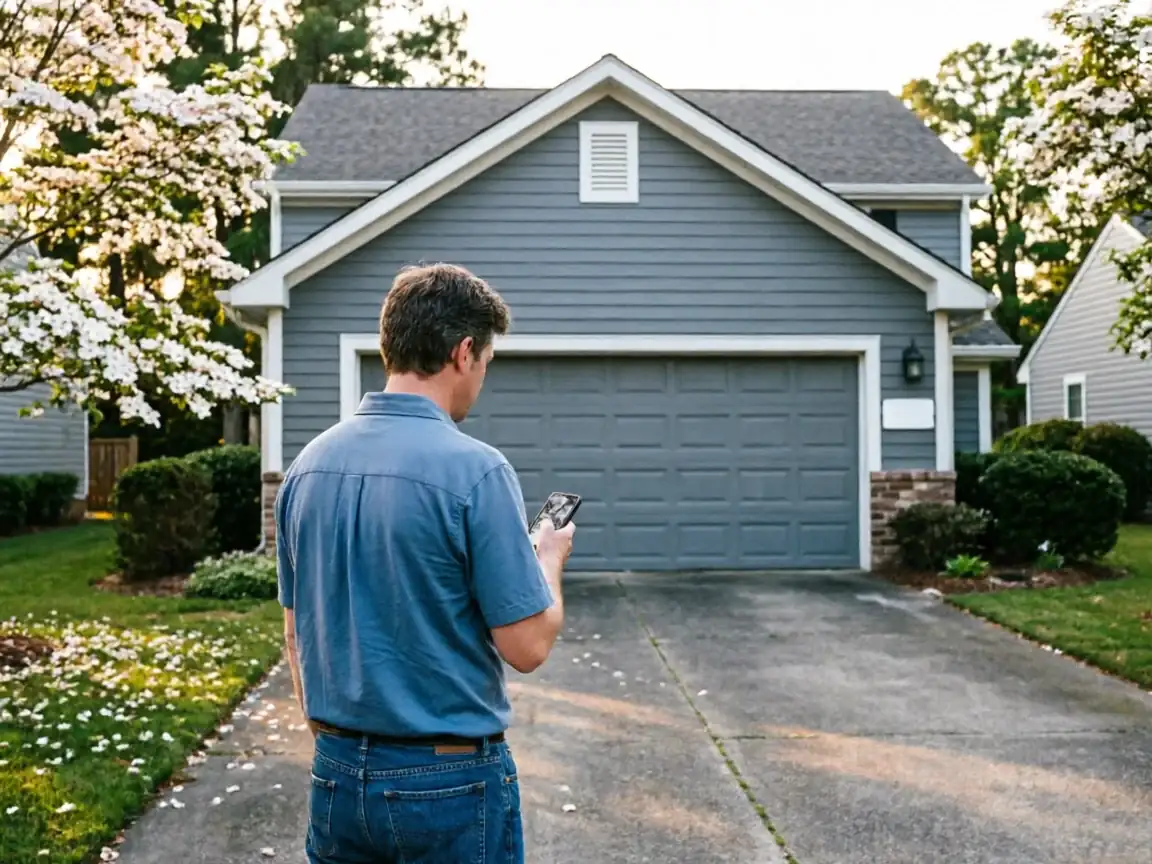
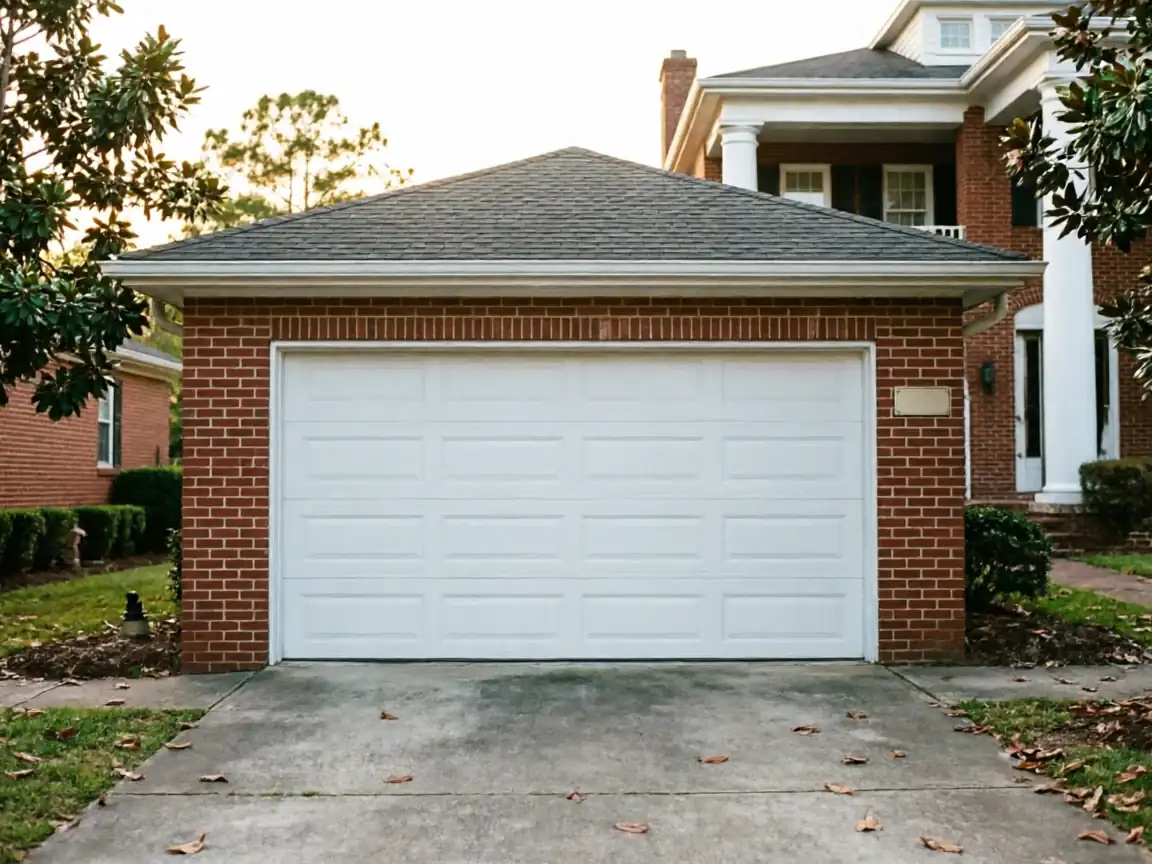
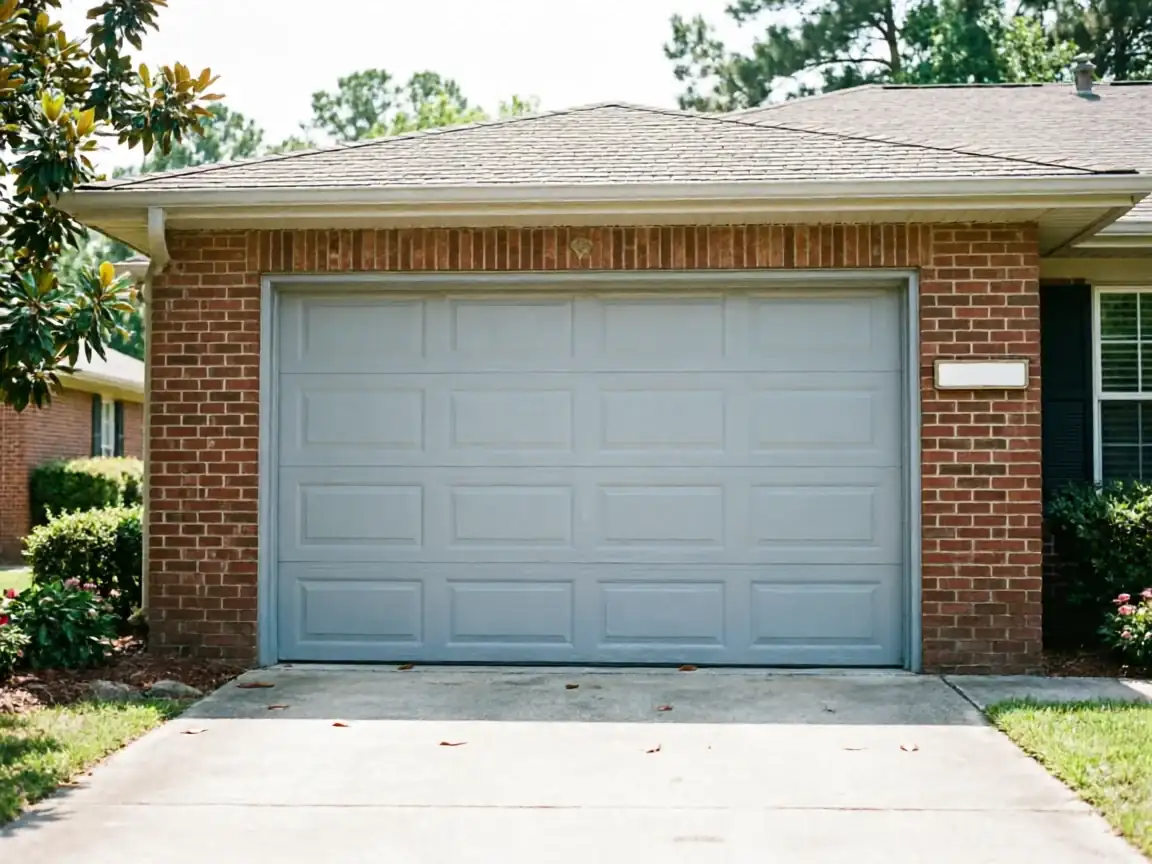
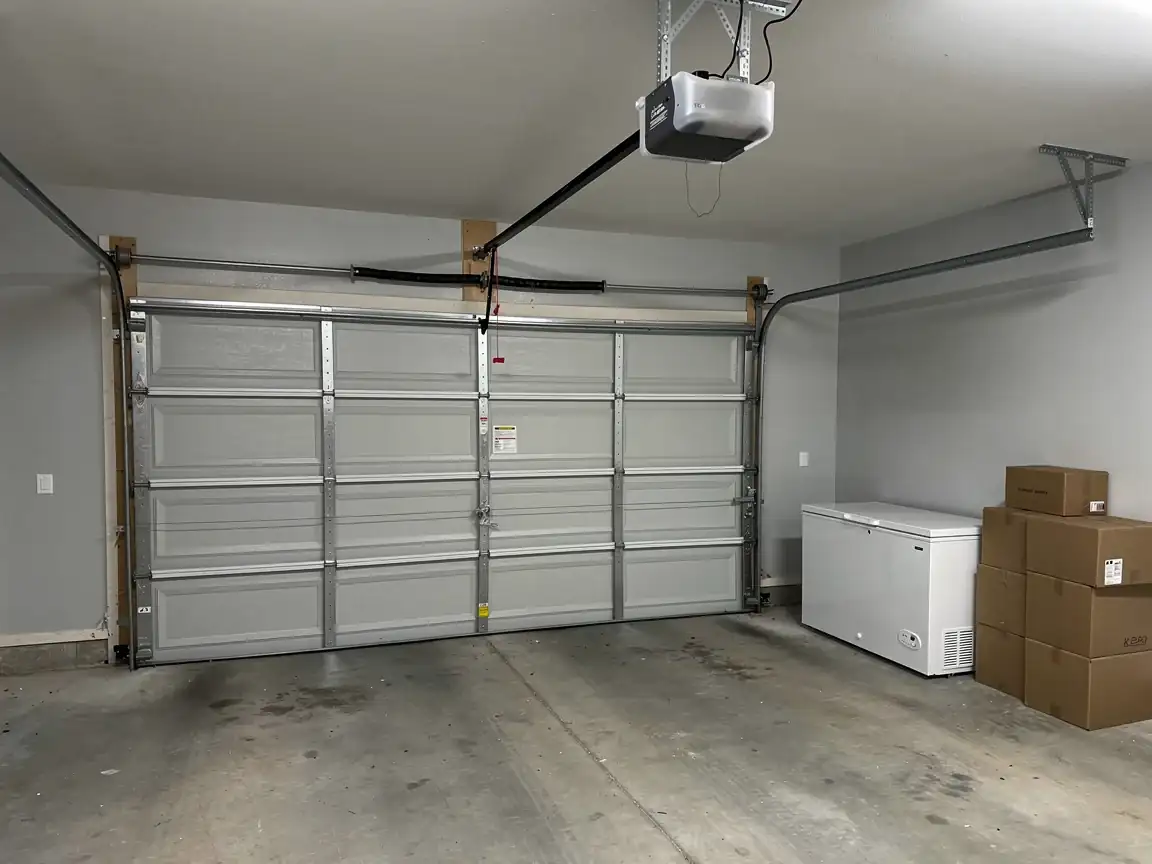
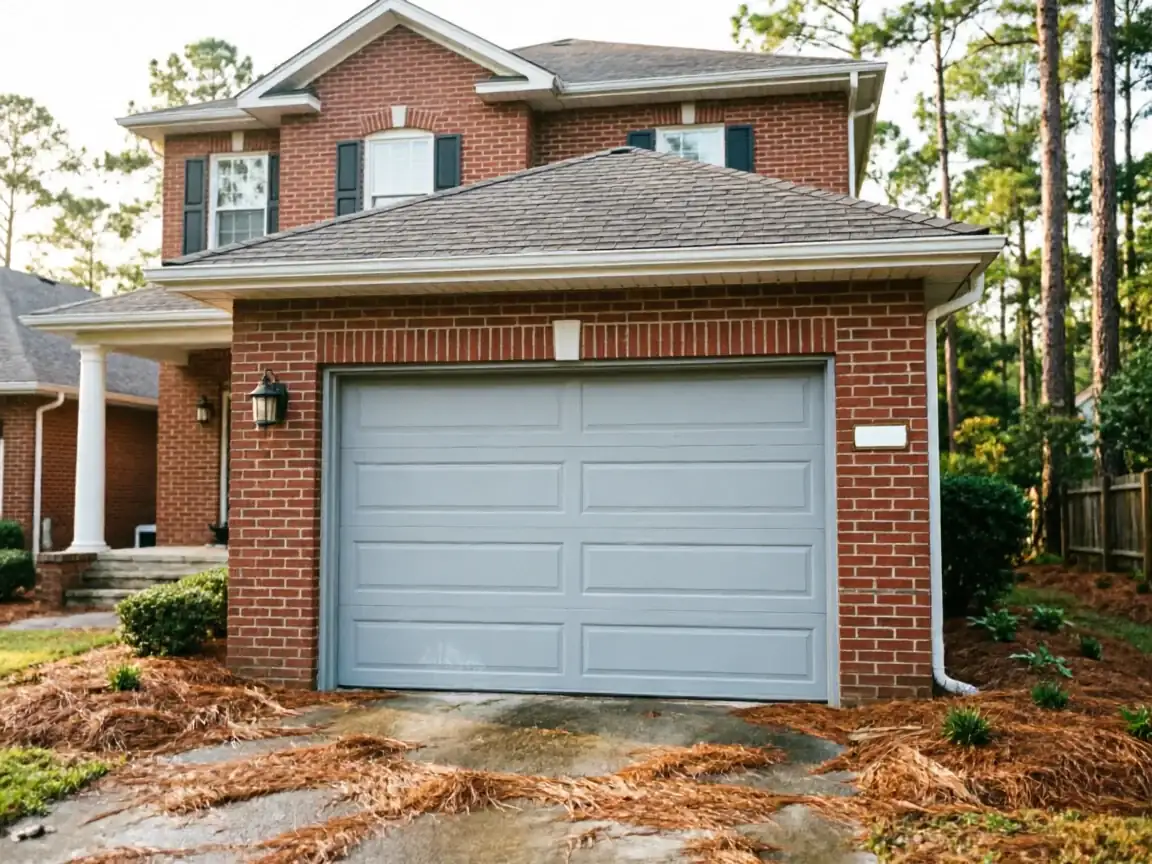
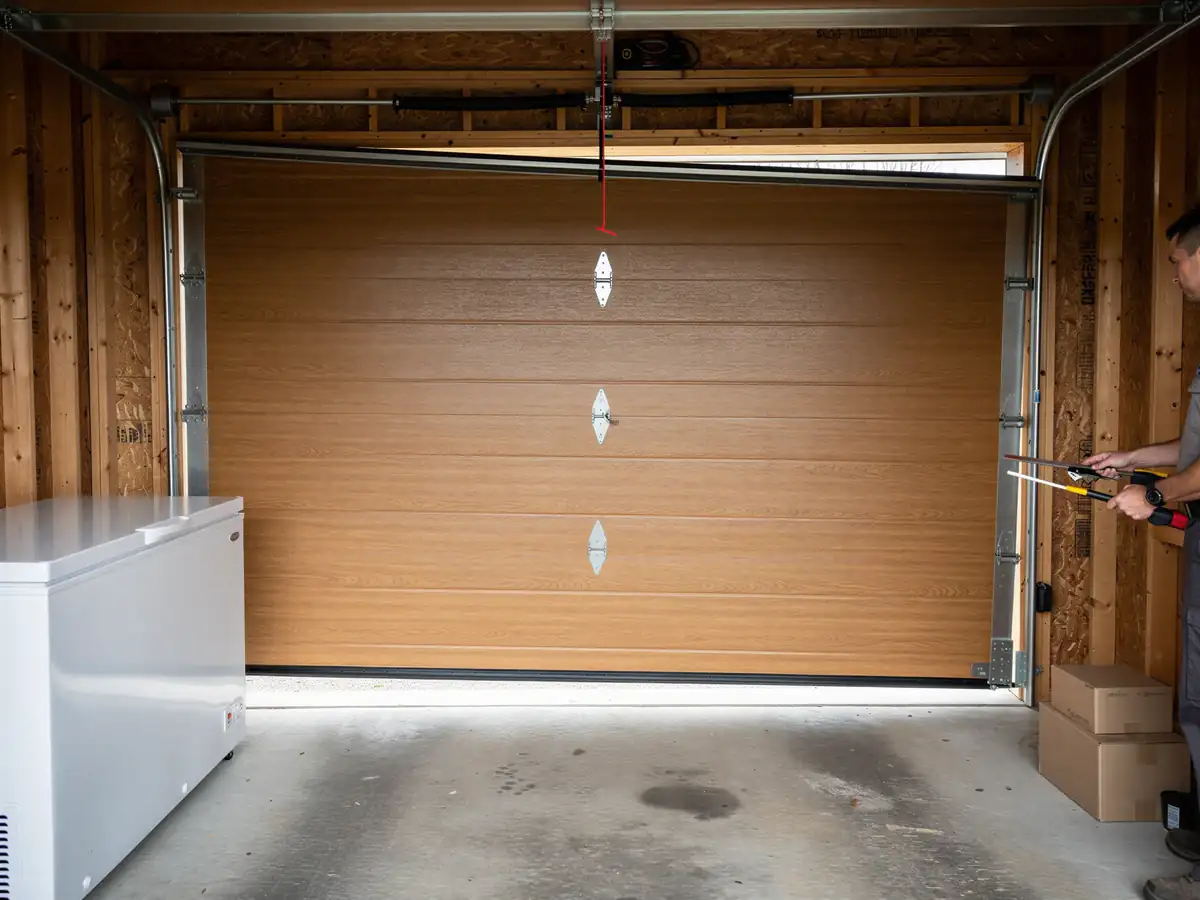
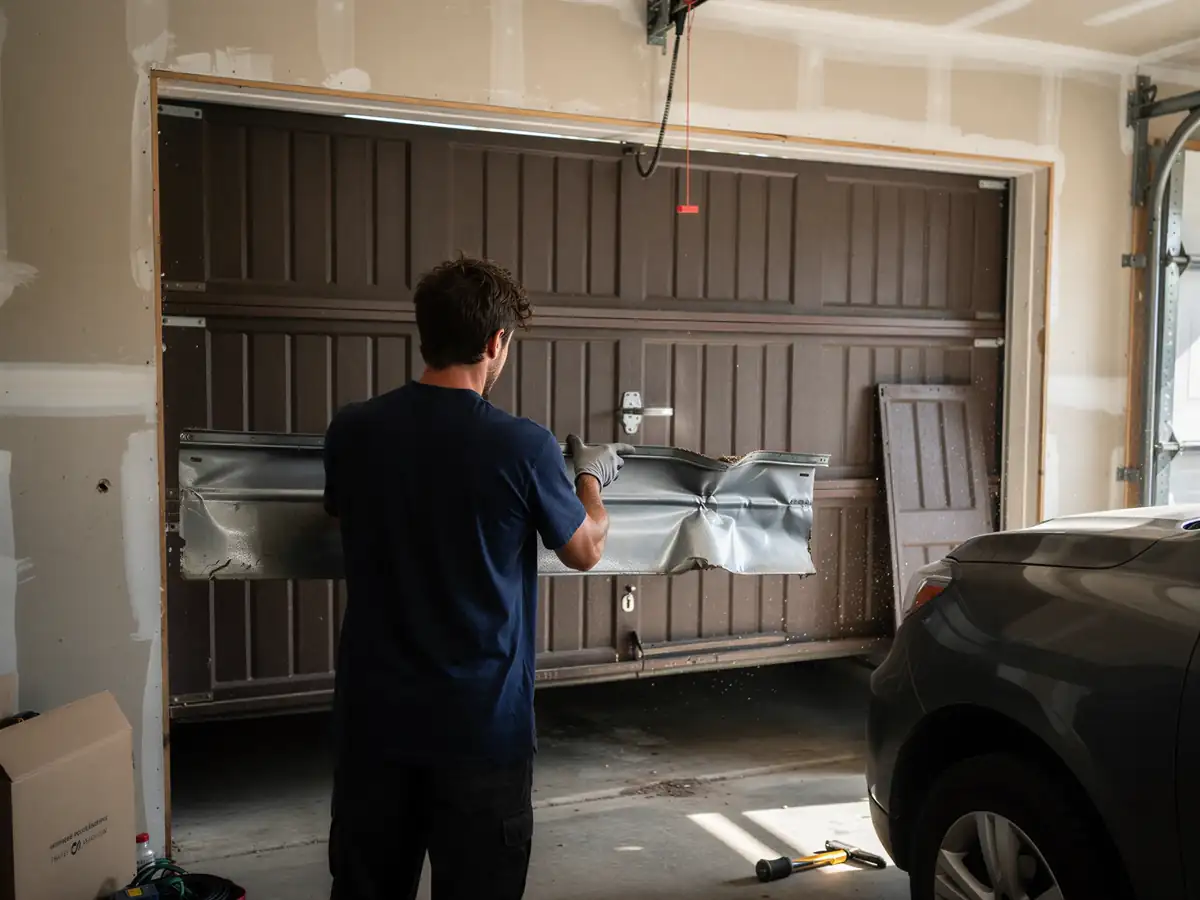
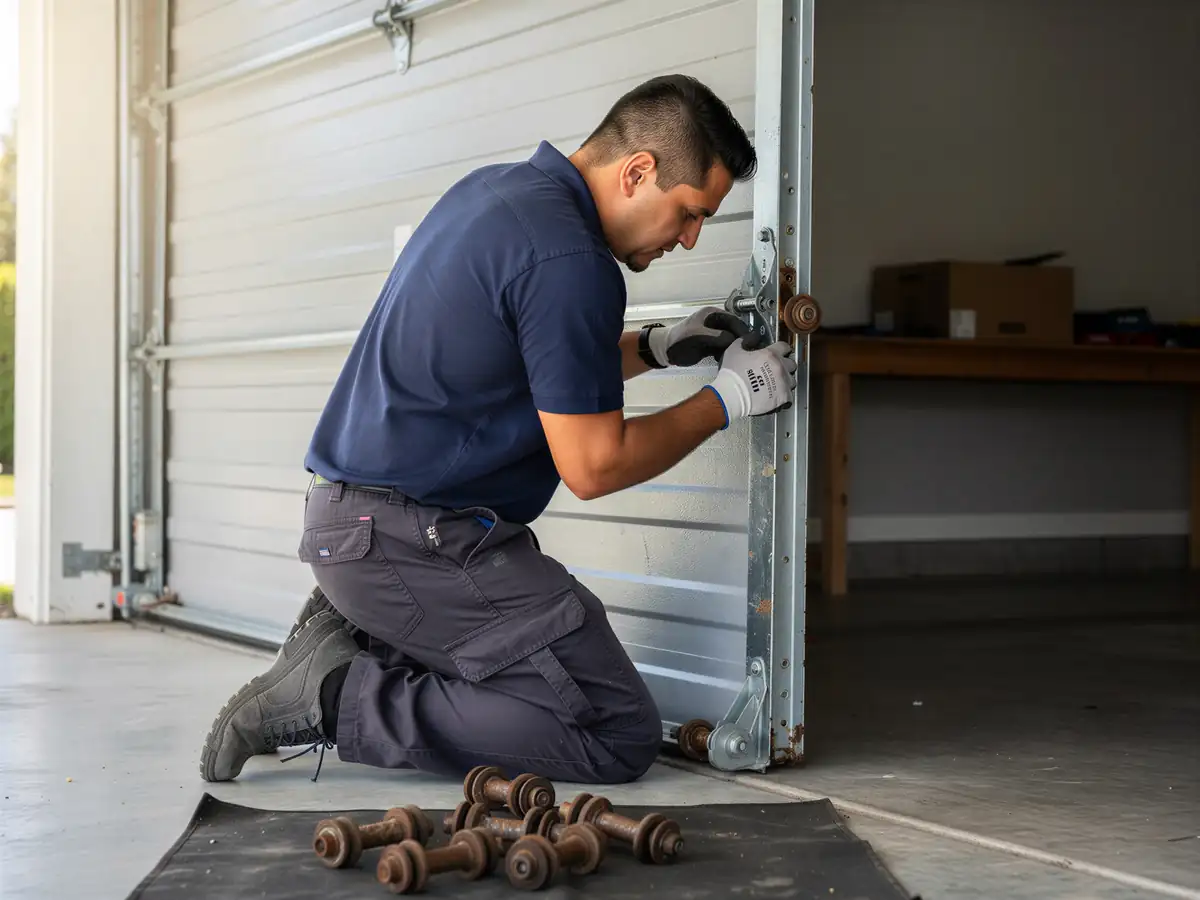
With roughly 2,137 households in Dallas and a build era centered on the late 1990s, the doors we see coming off these houses are almost always single-layer steel, non-insulated, with the narrow panel styling that was standard for that period. Builders in that era rarely spec'd anything heavier, because insulation wasn't the selling point it is now. What you're seeing after 25-plus years is usually rust starting at the bottom panel seam, a sag across the top section from sun exposure, and an opener that still runs on a chain drive with none of the modern safety sensors homeowners expect today. The hardware itself - hinges, rollers, the track - often still works fine, which is why a lot of these jobs end up being door-and-opener replacements rather than full-system teardowns. Median household income here runs around $57,755, which is part of why most owners we talk to in Dallas want a door that looks like an upgrade without jumping to the premium insulated lines - a mid-grade steel door with a modern opener covers most of what's actually failing.
The Complications
Dallas sits about 5 miles from our Gastonia base, which isn't far, but it does mean we're not working out of a local depot - every install here is a scheduled trip, not a drop-in. That's worth knowing if you're planning around a specific day. The other complication is sizing: because so much of the housing stock here dates to the same late-1990s window, a lot of garages share the same rough opening, but not all of them share the same header clearance or ceiling height for a modern opener bracket, so we still measure on site rather than quoting off the house's age alone. One honest limit - if your current opener is more than a few years newer than the door itself, we'll tell you straight that replacing just the door and keeping the opener is sometimes the better call, even though a full matched system is what we'd recommend if both are original. We'd rather size the job to what your garage actually needs than sell the bigger ticket by default.