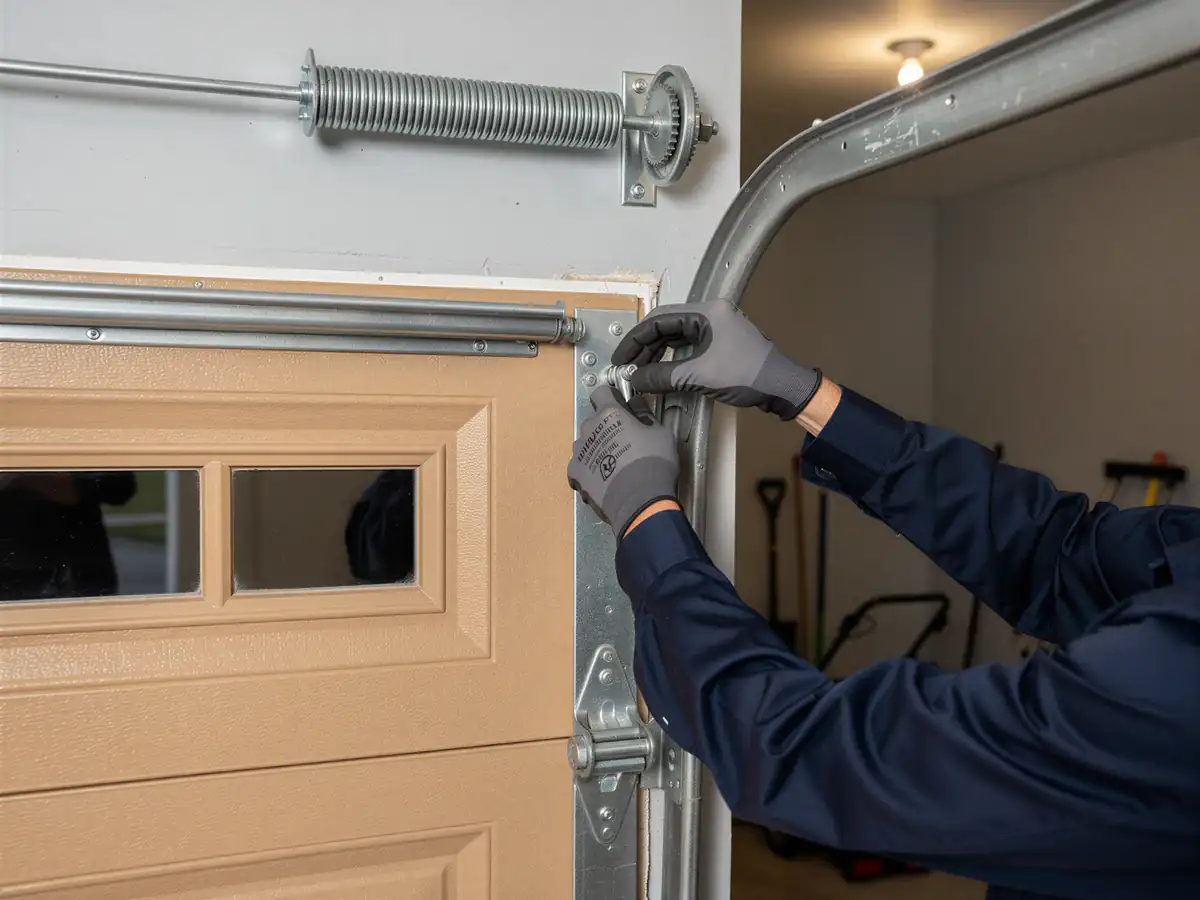
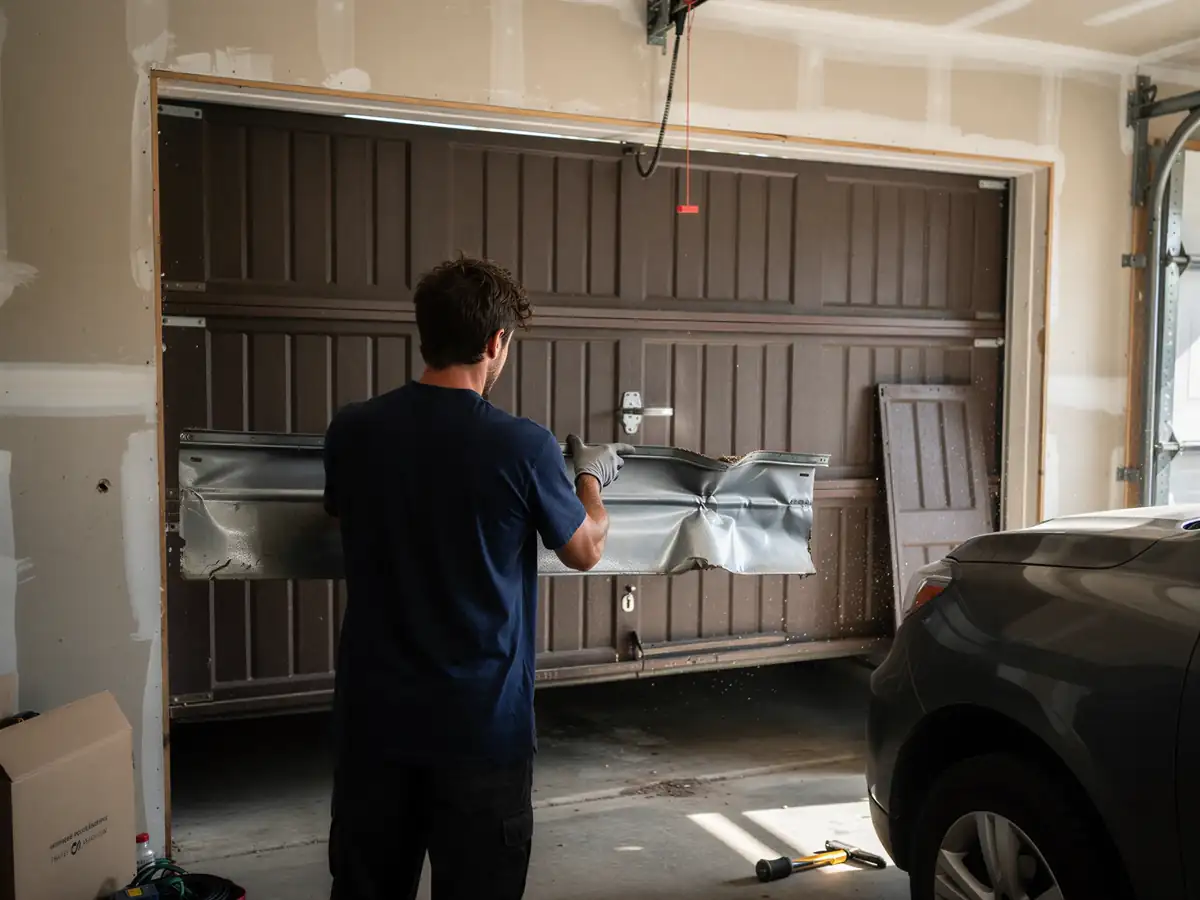
The DIY Question
Start with the number that actually decides this: median household income in Dallas sits at $57,755. At that budget, a full door replacement competes hard against a lot of other things a house needs that year, so the question worth asking first isn't "replace or repair" in the abstract - it's whether the damage is one panel or the whole section.
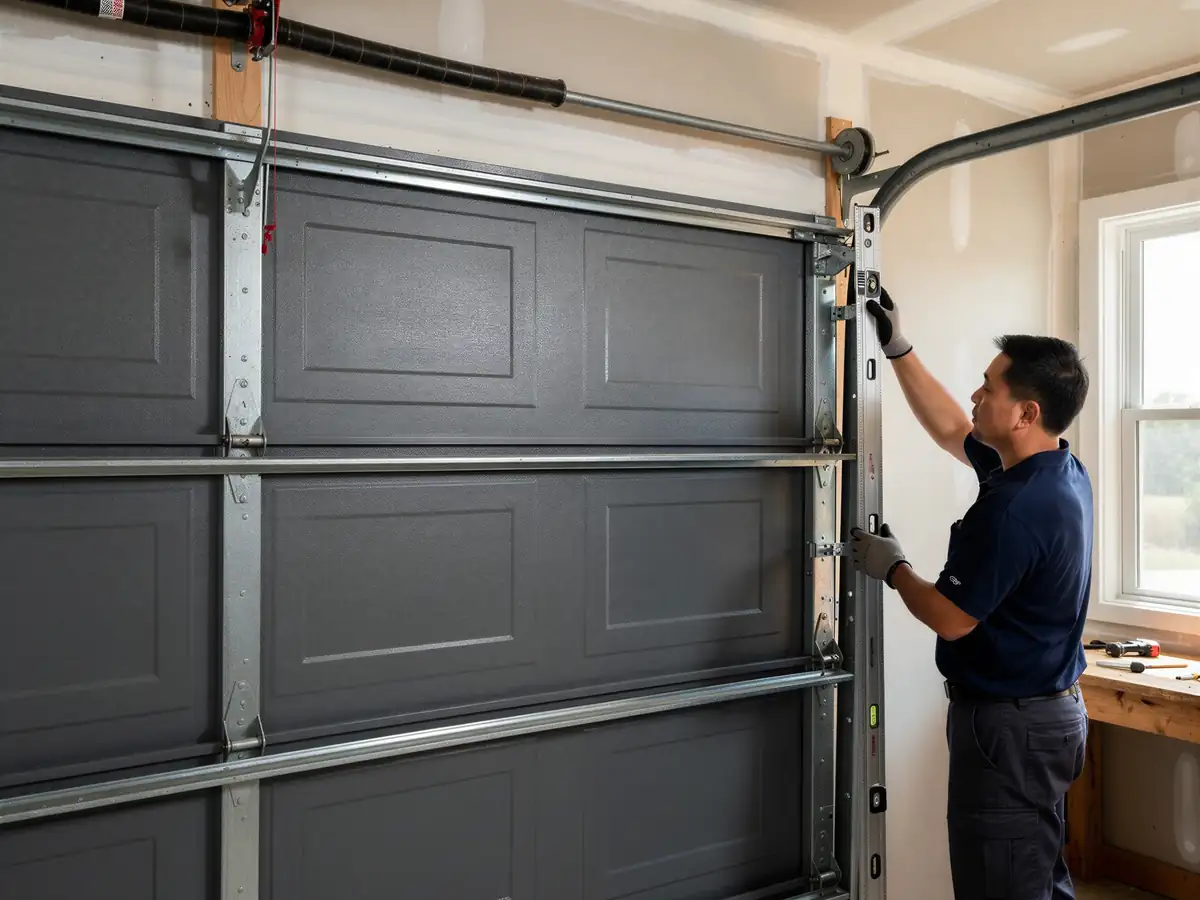
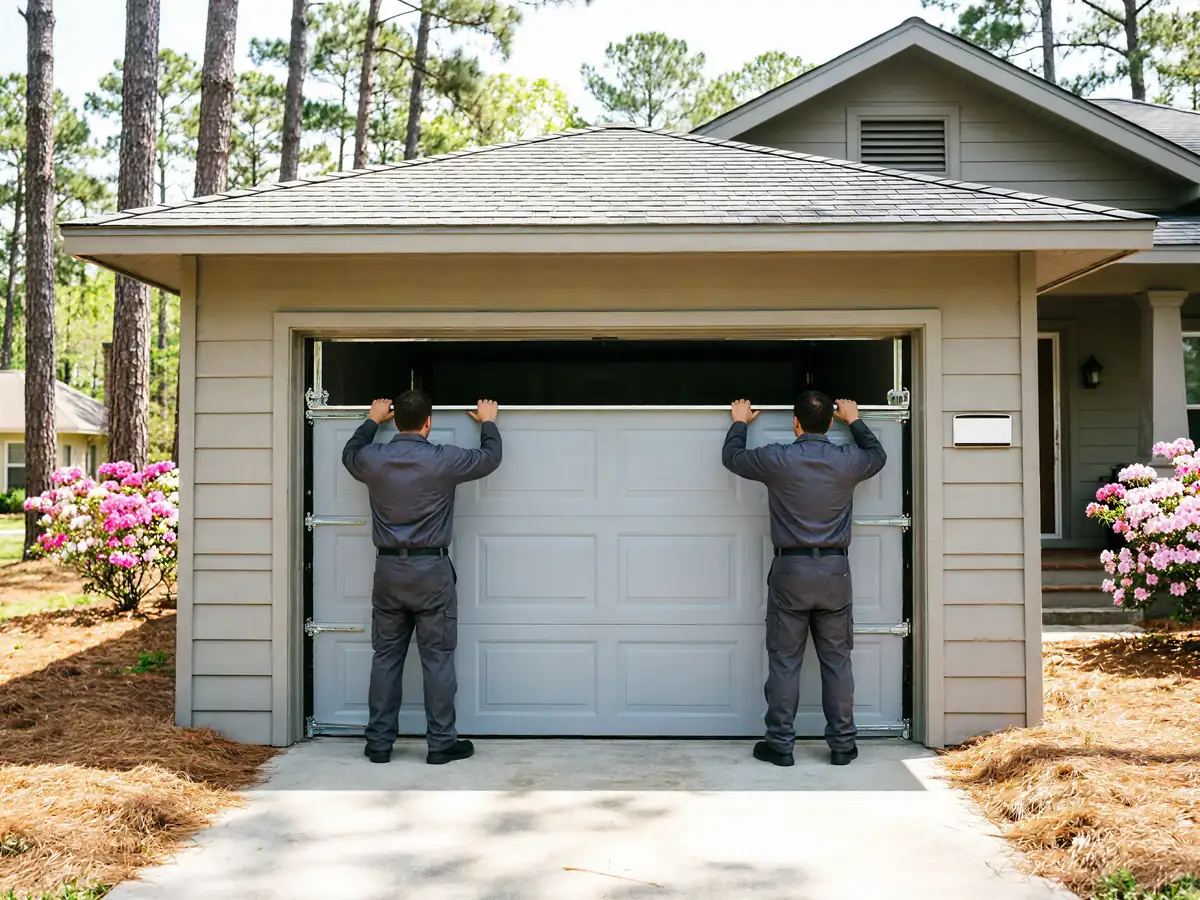
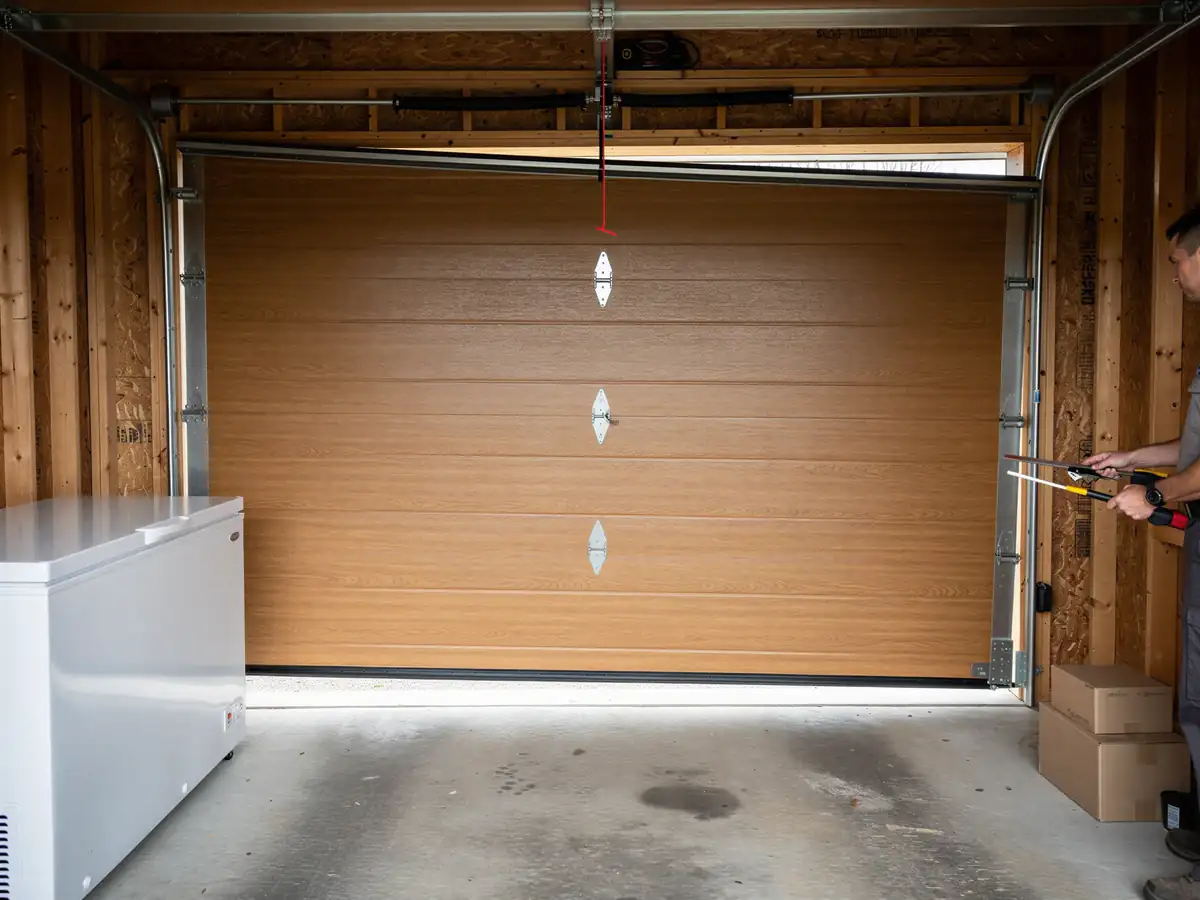
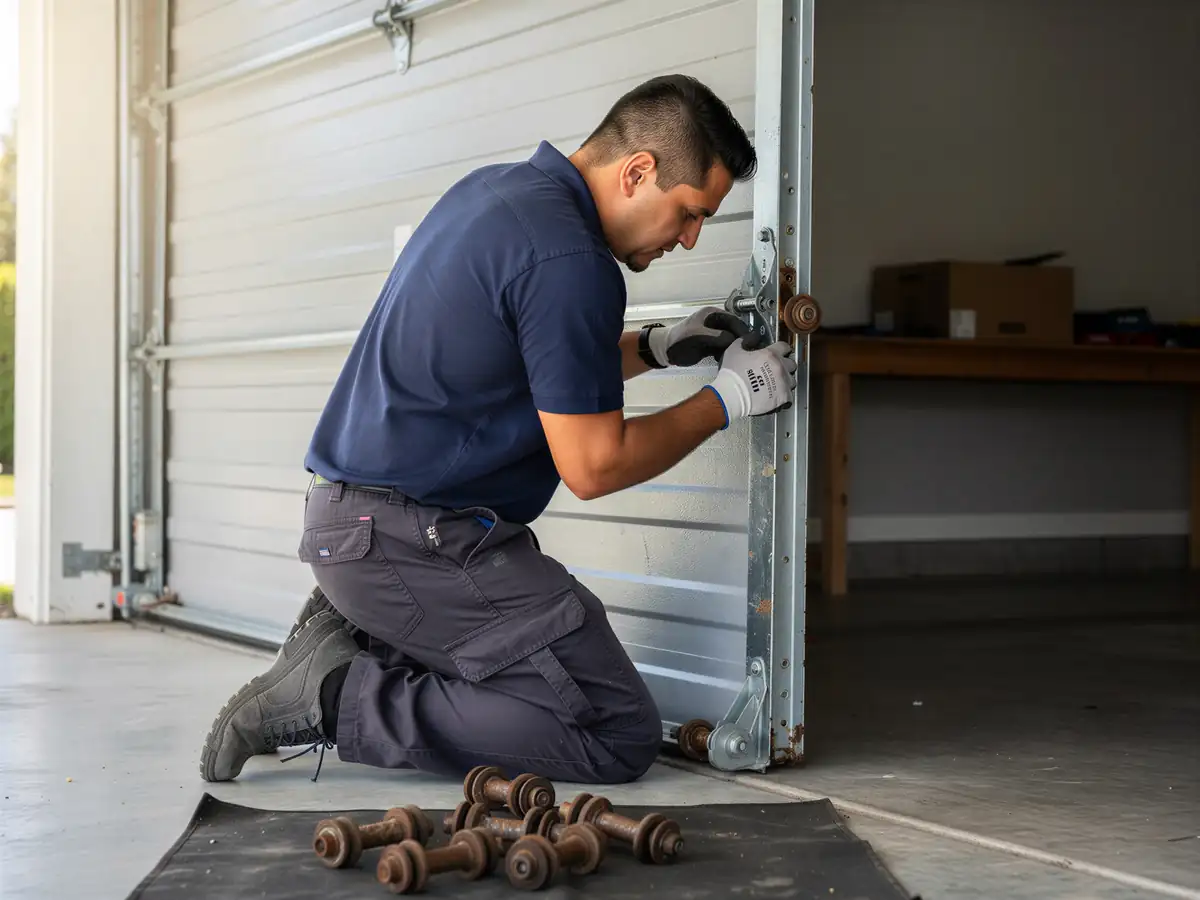
A single dented or cracked panel on a door that still tracks straight, still has good springs, and still closes flush is almost always a panel-only job. You don't pay for a new opener, new track, or new hardware to fix one bent section. Where the math flips is when the door is older than the panel damage suggests, or when the panel you need isn't made anymore and the whole door has to come out to get a profile that matches.
We won't talk you into a full door because it's a bigger ticket. If a panel swap gets your door closing flush and sealing right, that's the job. If the frame's racked or the track's bent from the same impact that cracked the panel, that's a different conversation, and we'll tell you so before we quote anything.
What You Are Seeing
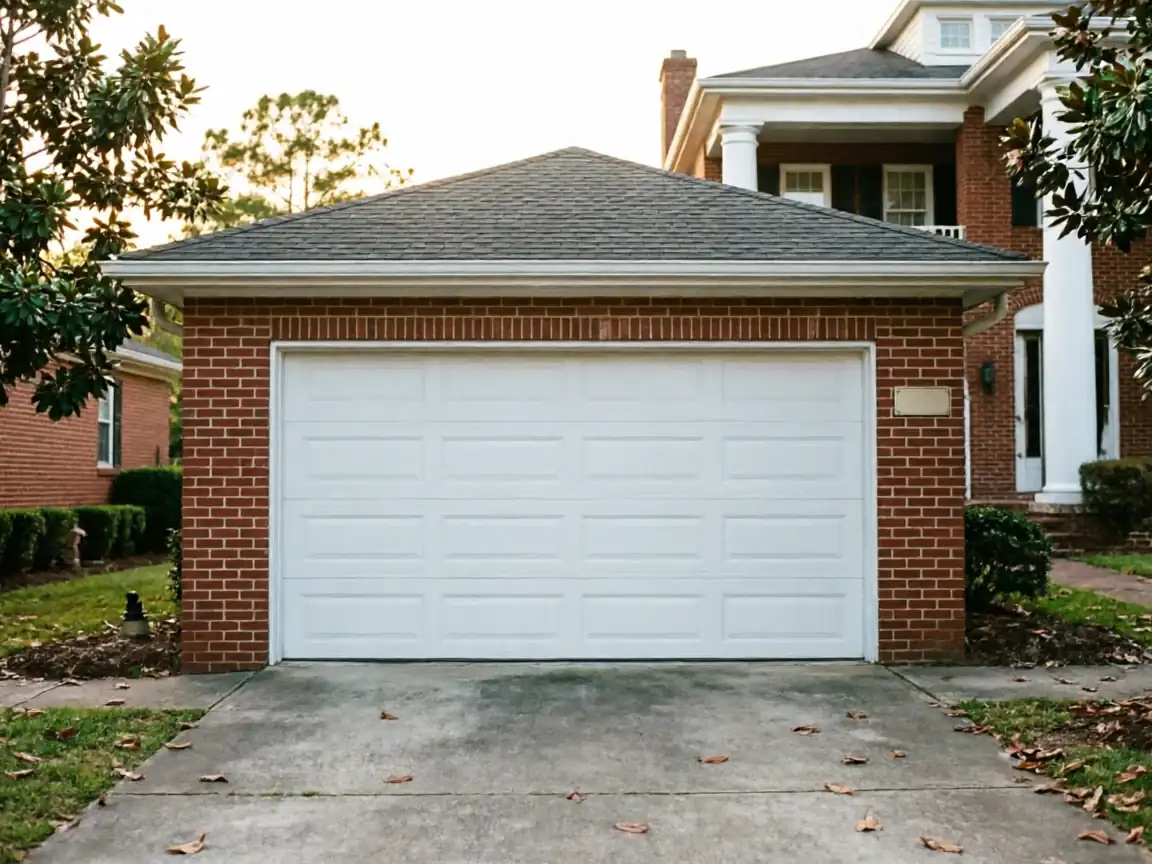
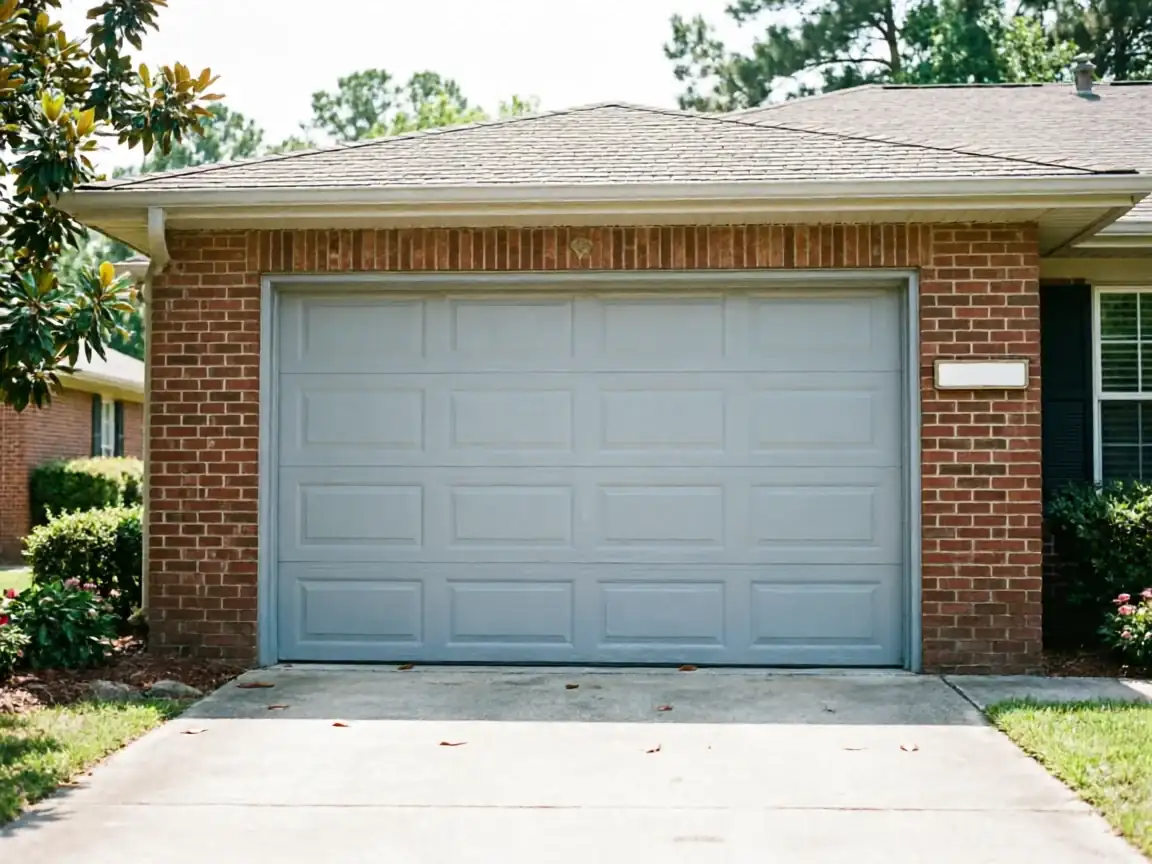
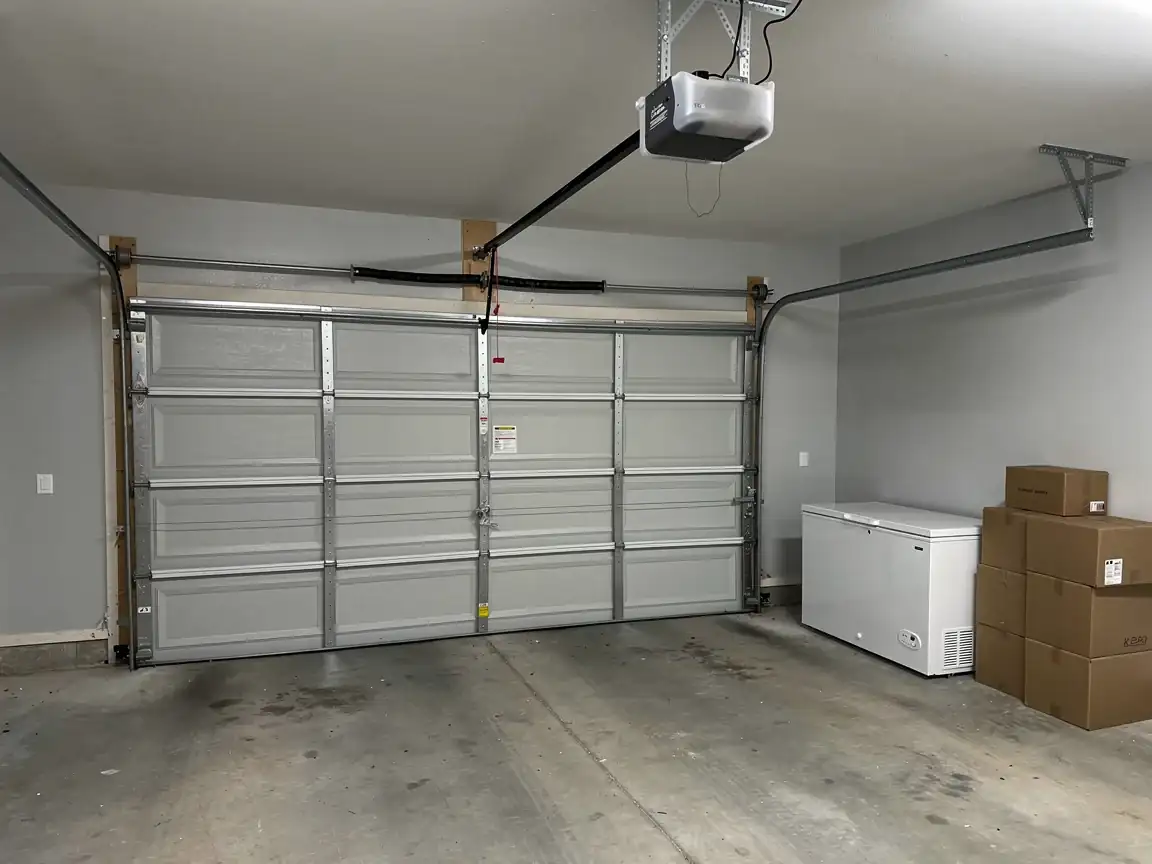
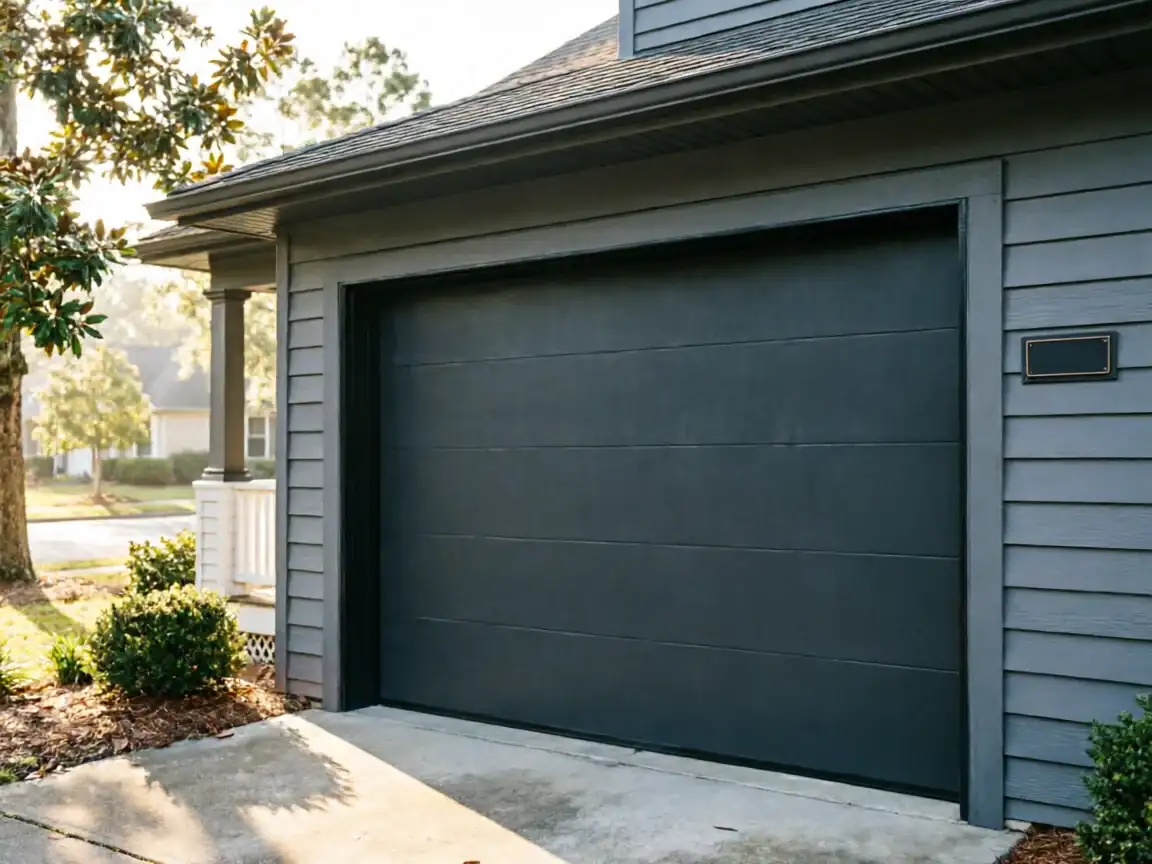
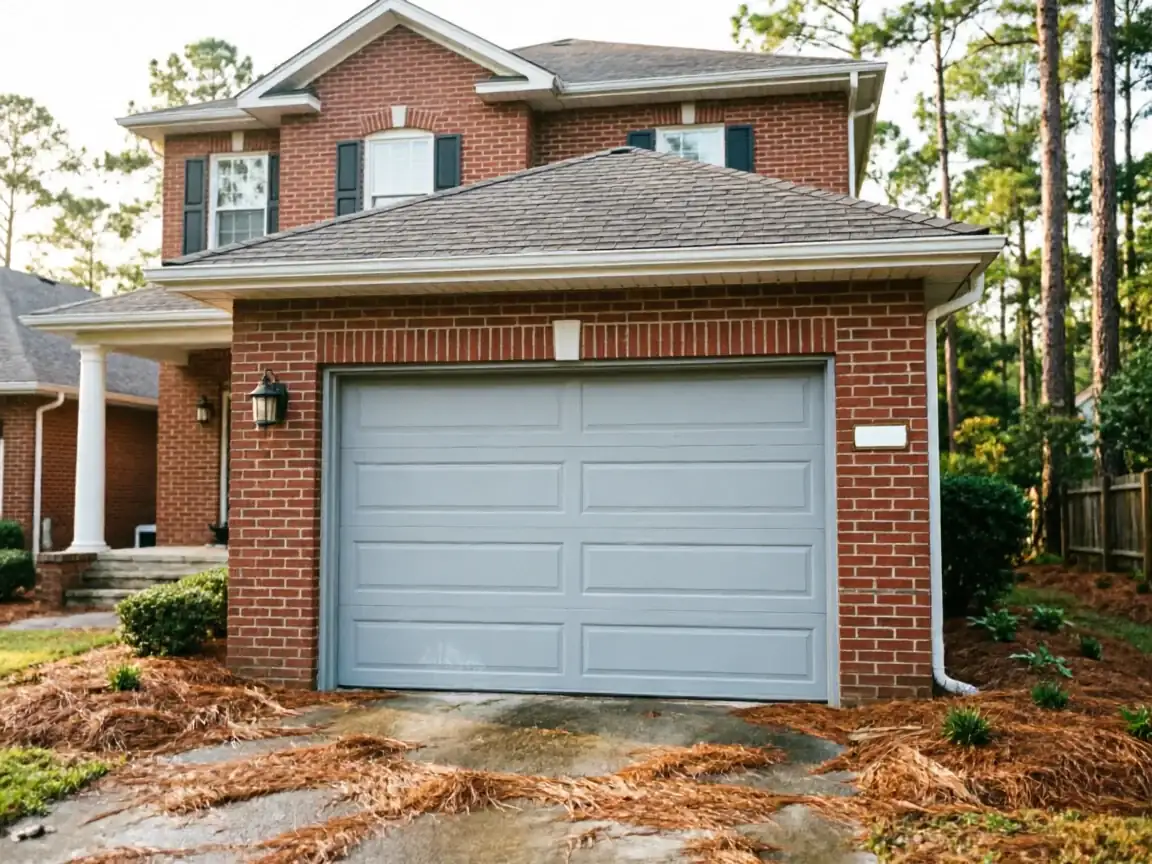
Dallas has a median build year of 1997, newer than the wider service area, where the median runs closer to 1983. That matters for panel work because doors from the late '90s are almost all steel sectional doors with polystyrene or polyurethane backing, not the older wood or single-layer steel you'll find on houses built before 1980.
On a house from this era, the damage you're usually looking at is a cracked or buckled panel face, a bowed bottom section from a car bumper or a slammed-into basketball, or a popped seam where the foam backing has separated from the steel skin after years of expansion and contraction. The panel profile and the track hardware from 1997-era doors are common enough that matching a replacement panel is usually doable, though we always confirm the exact profile before we order, not after.
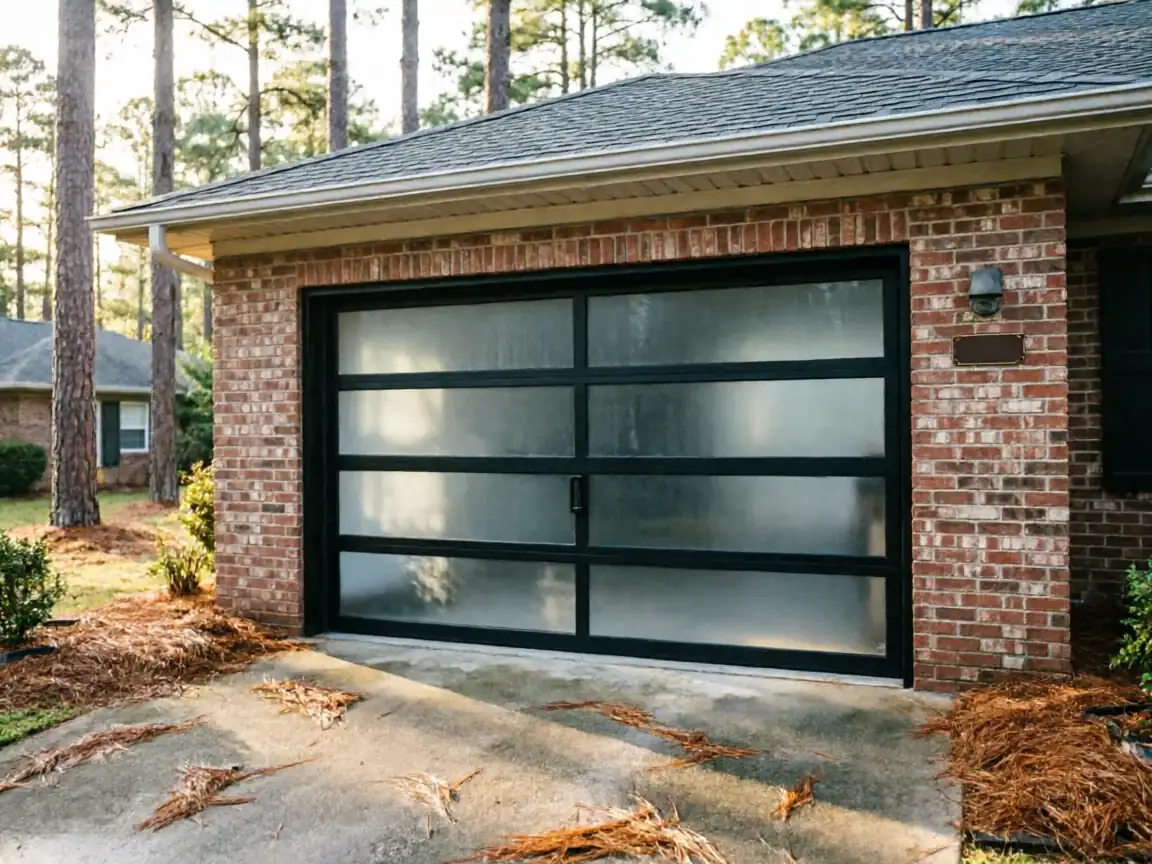
What you're less likely to see here, compared to older homes in the area, is the kind of warped single-layer steel panel that shows up on doors from the '60s and '70s. Those need a different kind of fix, and often a different supplier entirely.
What Causes It Around Here
This area sits in a cold-moderate climate band
And that's the quiet cause behind a lot of panel failures that look like impact damage but aren't. A panel with insulating foam backing expands and contracts with the swing between a cold morning and an afternoon that's 20 degrees warmer. Do that enough winters in a row and the bond between the steel skin and the foam core weakens at the seams first.
Once that bond starts to go, the panel flexes more than it should under normal use
A hand pushing it down, a gust of wind against a closed door, a kid leaning a bike against it. What would've been a non-event on a sound panel becomes a crack or a buckle on one that's already fatigued.
True impact damage still happens
And when it does it's usually obvious - a dent with a clear point of contact, bent trim, sometimes a bent track rail too. The cold-swing fatigue version is less obvious. It shows up as a seam that's slightly open, a panel that looks fine from six feet away but flexes under a palm, or a corner that's started to separate from the one next to it.
The Complications
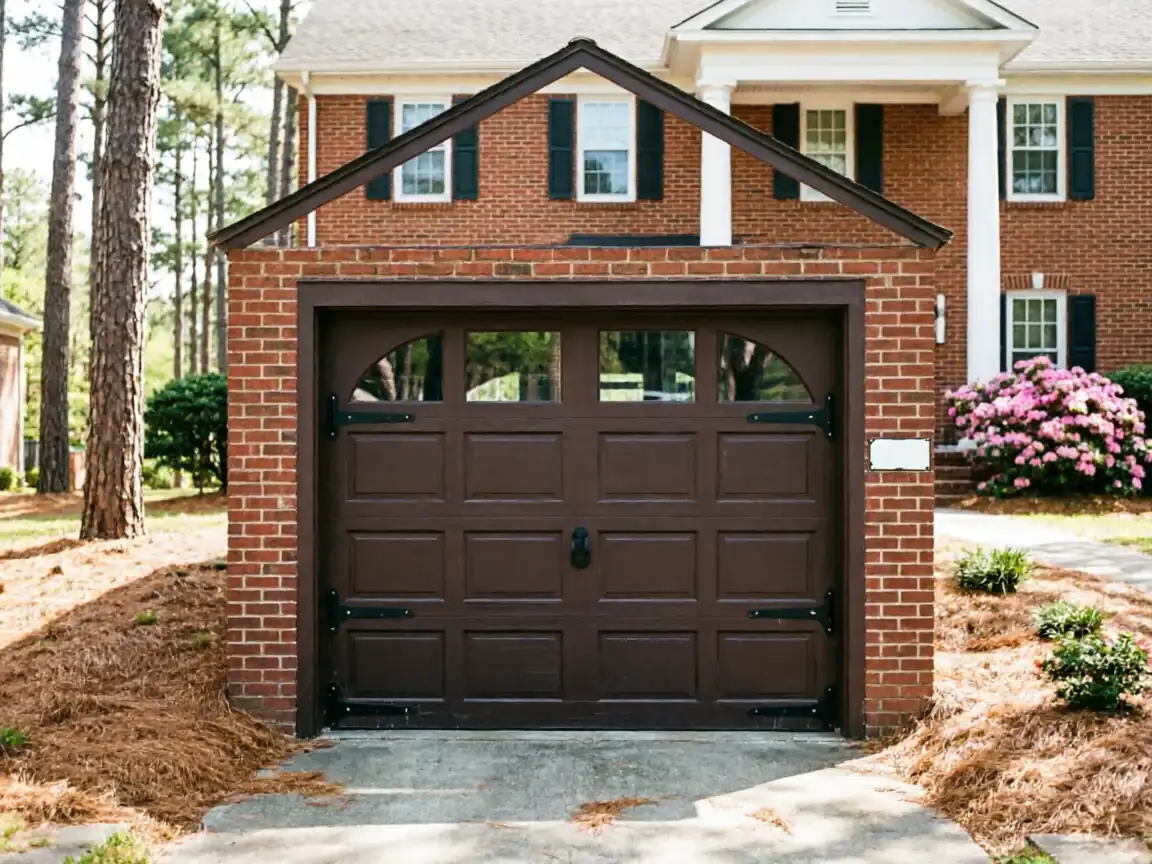
We drive out the 5 miles from Gastonia for this work, which means there's no local branch to run back to if a panel doesn't match on the first try. We confirm the exact panel profile, color, and window layout before ordering, not after the truck's already on site, because a mismatched panel on an otherwise clean door looks worse than the damage did.
With around 2,137 households in Dallas, compared to roughly 43,773 across the full service area, the panel styles here are common enough that we're not usually chasing something rare - but "usually" isn't "always," and that's the honest limit on this job. If your door is an off-brand or a style that's been discontinued, lead time on a matching panel can run longer than the repair itself, and sometimes a full door replacement ends up being the faster and more sensible call even when the budget argument said otherwise.
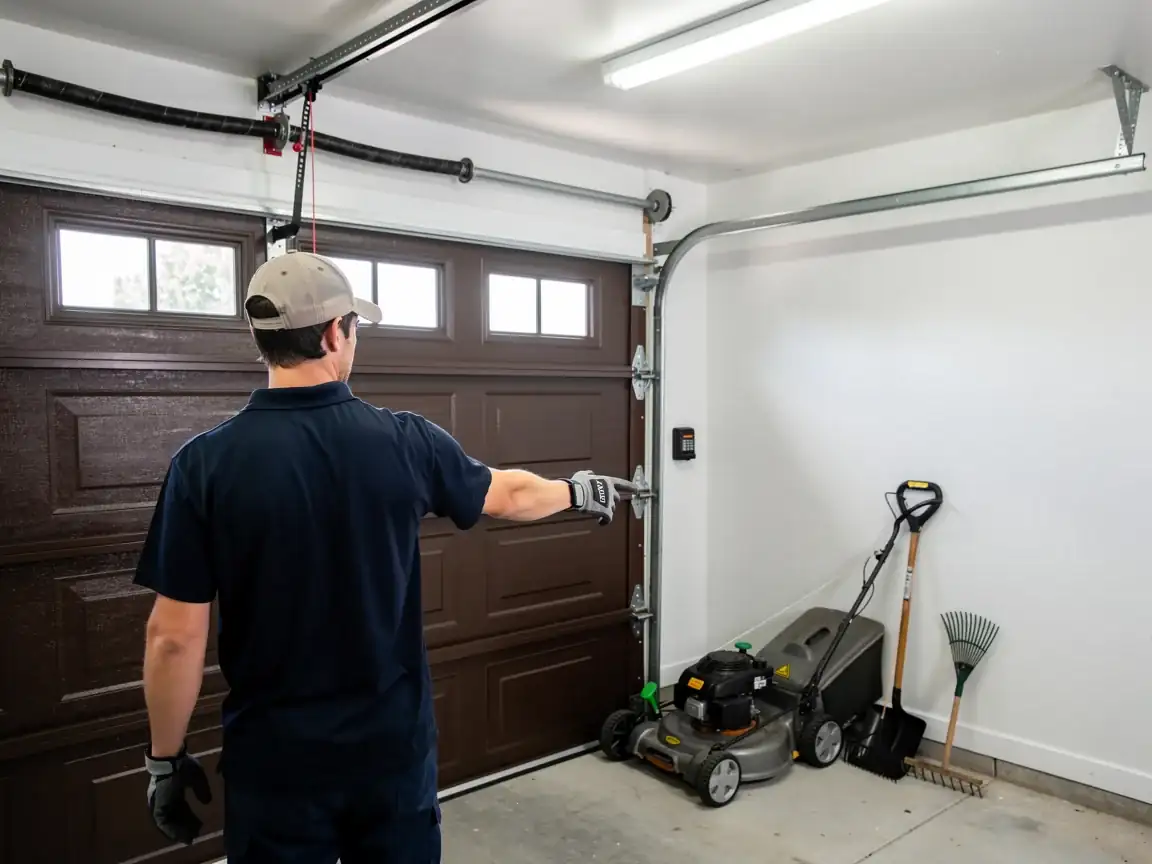
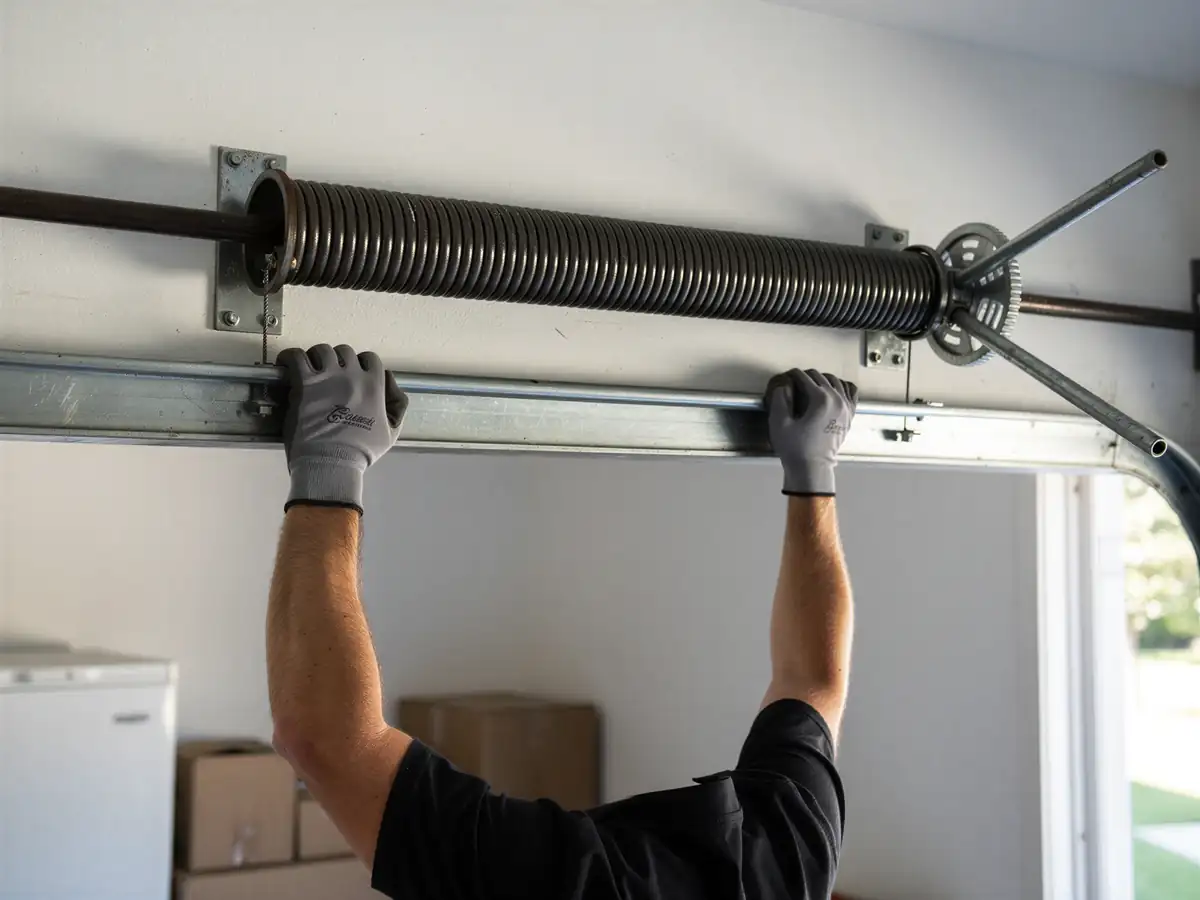
The other complication is structural, not cosmetic: if the same impact that cracked the panel also bent the track or knocked the door out of square, panel replacement alone won't fix it. We check that before quoting, not after installing a panel that still won't close right.