The DIY Question
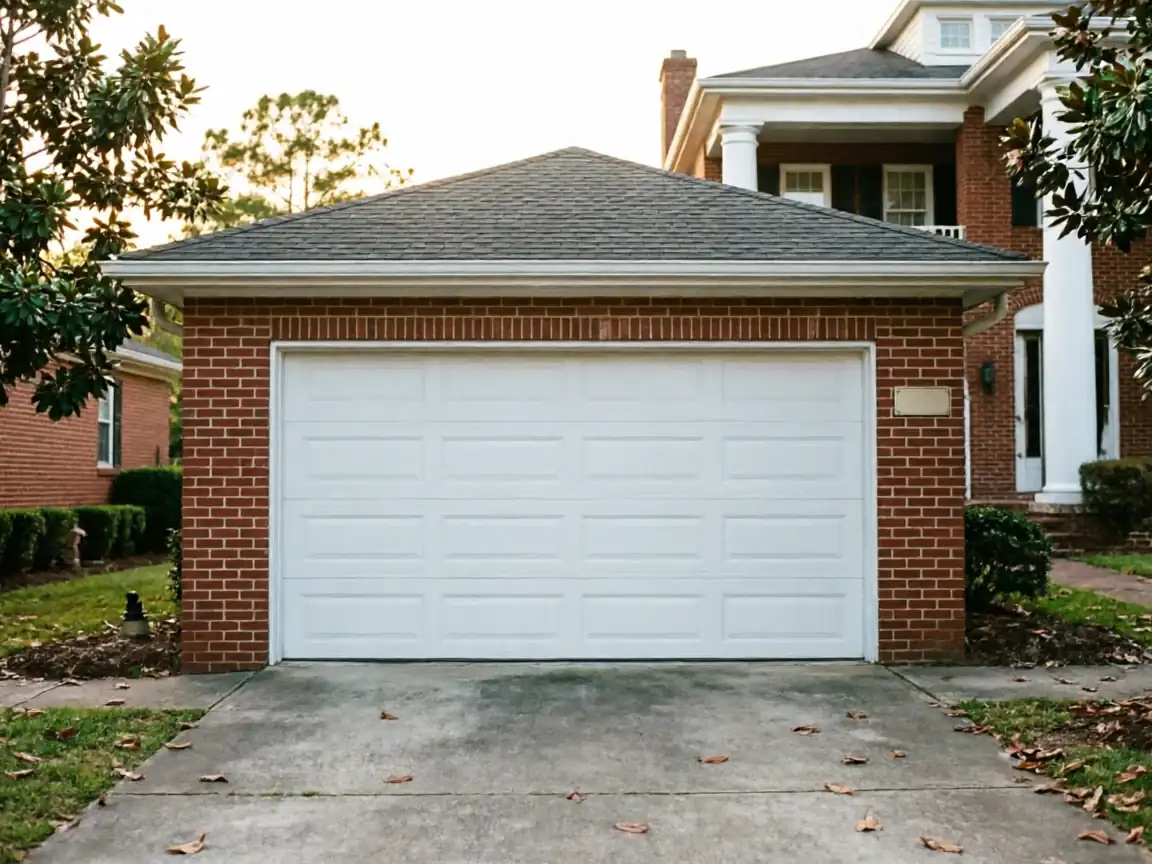
Dallas sits about 5 miles from Gastonia, and the housing stock here runs newer than the area median. Across the wider Gastonia service area, homes were built anywhere from 1967 to 2011 with a median around 1983. Dallas skews later than that, closer to 1997. That ten-to-fifteen year gap matters more than it sounds like it should, because it usually means a different track gauge and a different roller stem size than what you'll find on the older doors closer to the city center.
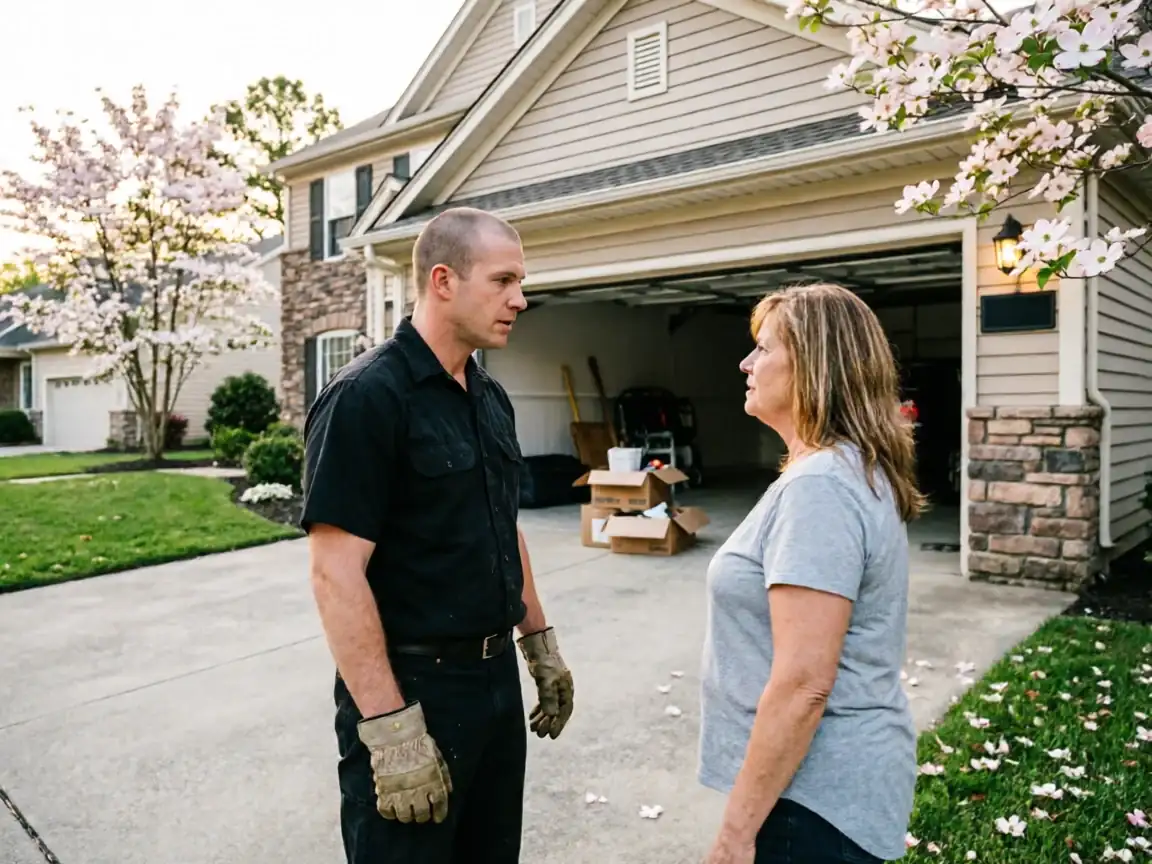
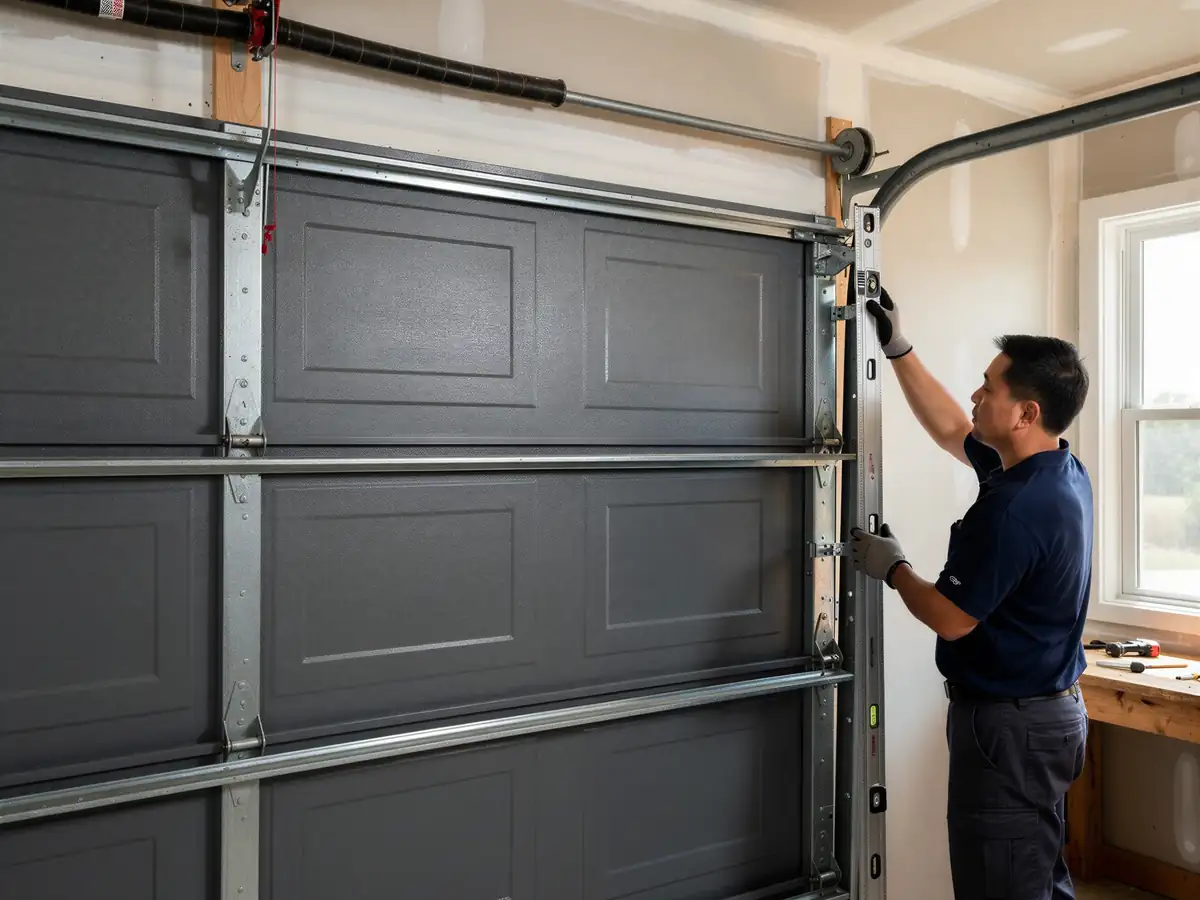
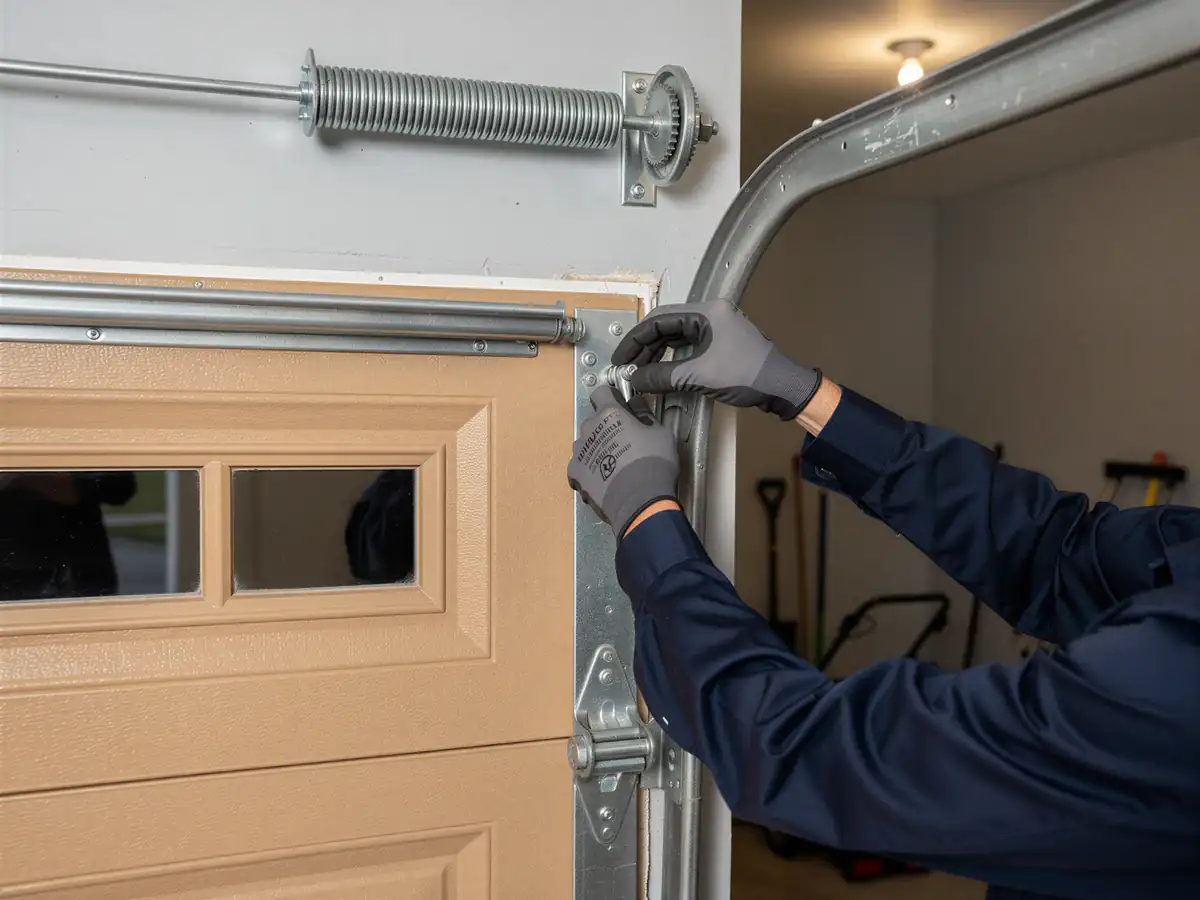
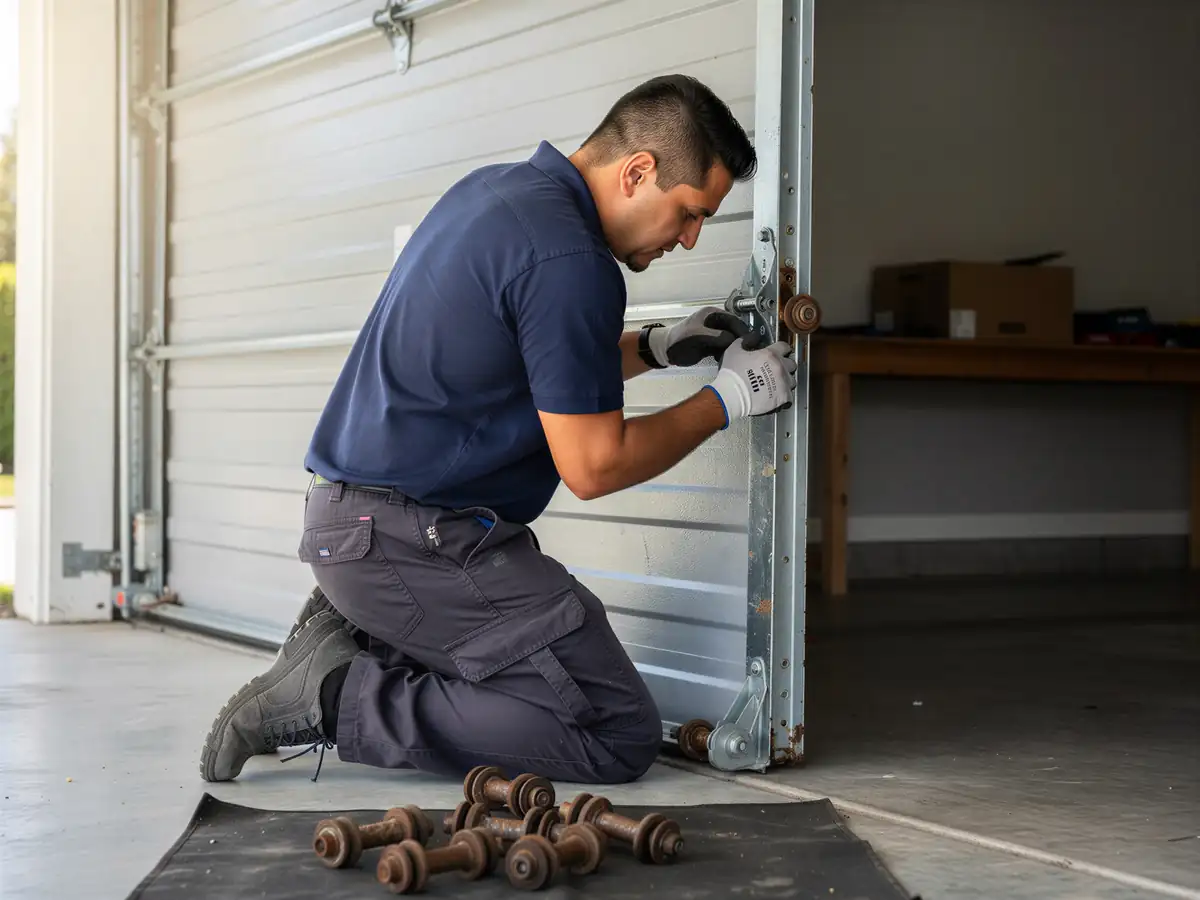
Can you swap a roller yourself? If it's a single roller on a door that still tracks straight and the spring is intact, a careful homeowner with the right stem size and a clamp on the track can do it. What trips people up on newer builds like these is matching the stem diameter and length to the hinge - get it wrong and the roller binds in the track within a season. If more than two rollers are worn, or the door is sagging on one side, that's a sign the track itself has shifted and a roller swap alone won't fix it. At that point you're better off having someone look at the whole assembly before you spend money twice.
What You Are Seeing
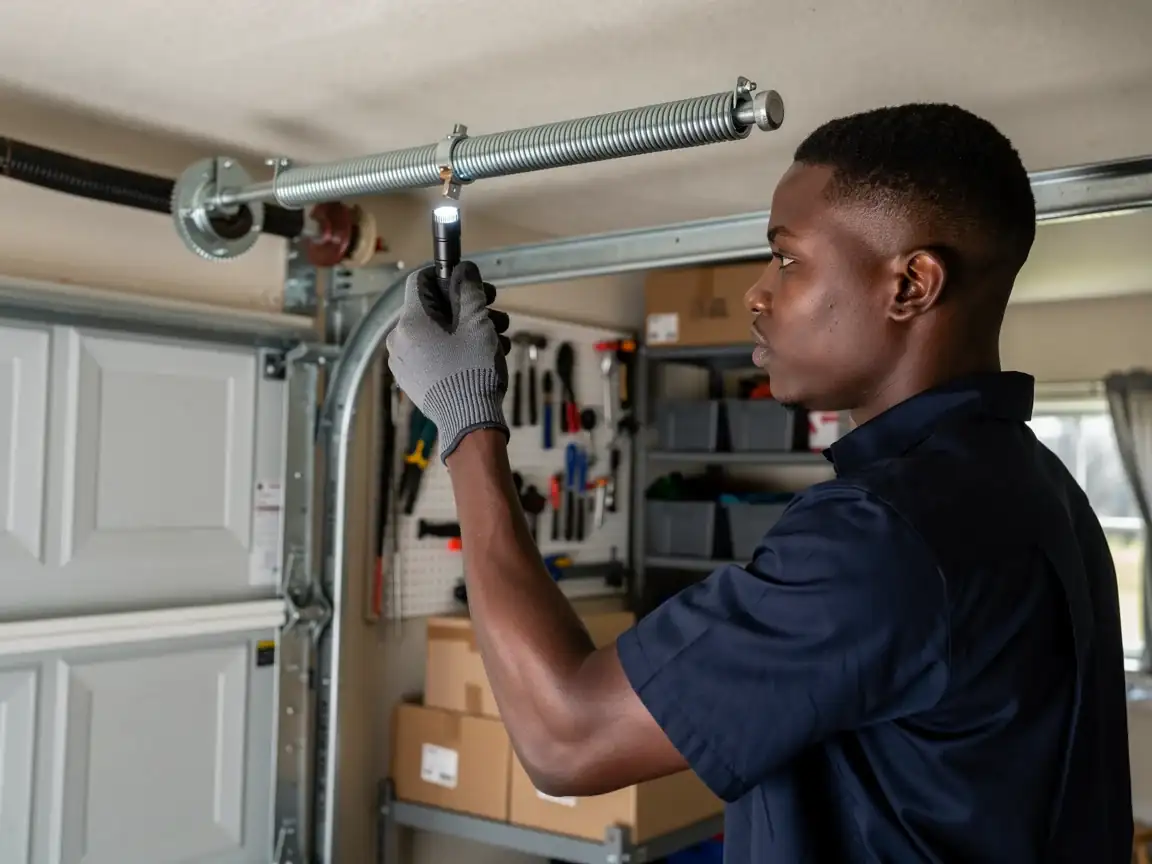
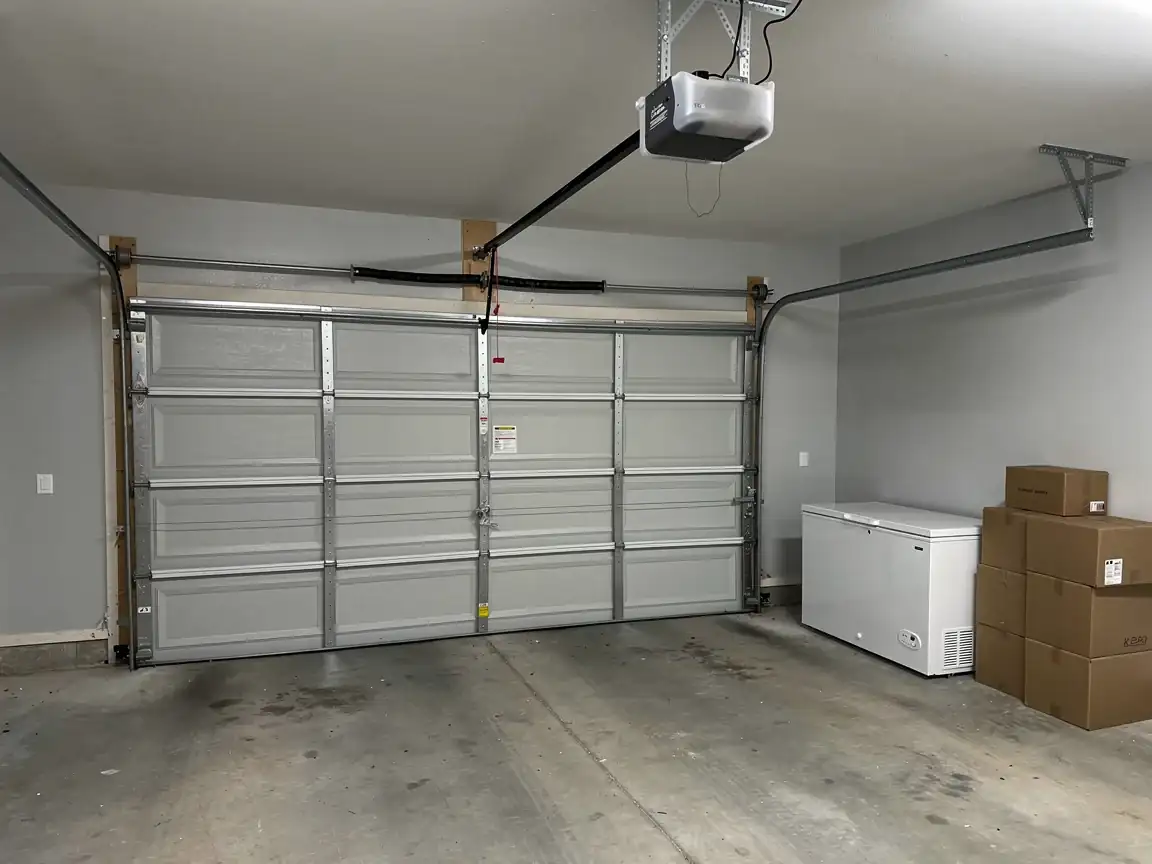
On a 1990s-era door, the rollers are usually nylon on a steel stem, sized for a track gauge that's a little different from what went into houses built in the '60s and '70s. If you're hearing a rhythmic thump as the door moves, or seeing a roller that's visibly flat-spotted or cracked on one side, that's wear, not damage from an impact. Chipped or split nylon rollers are the most common failure on doors this age - the plastic gets brittle over the years and starts shedding small chips you'll find on the floor of the track.
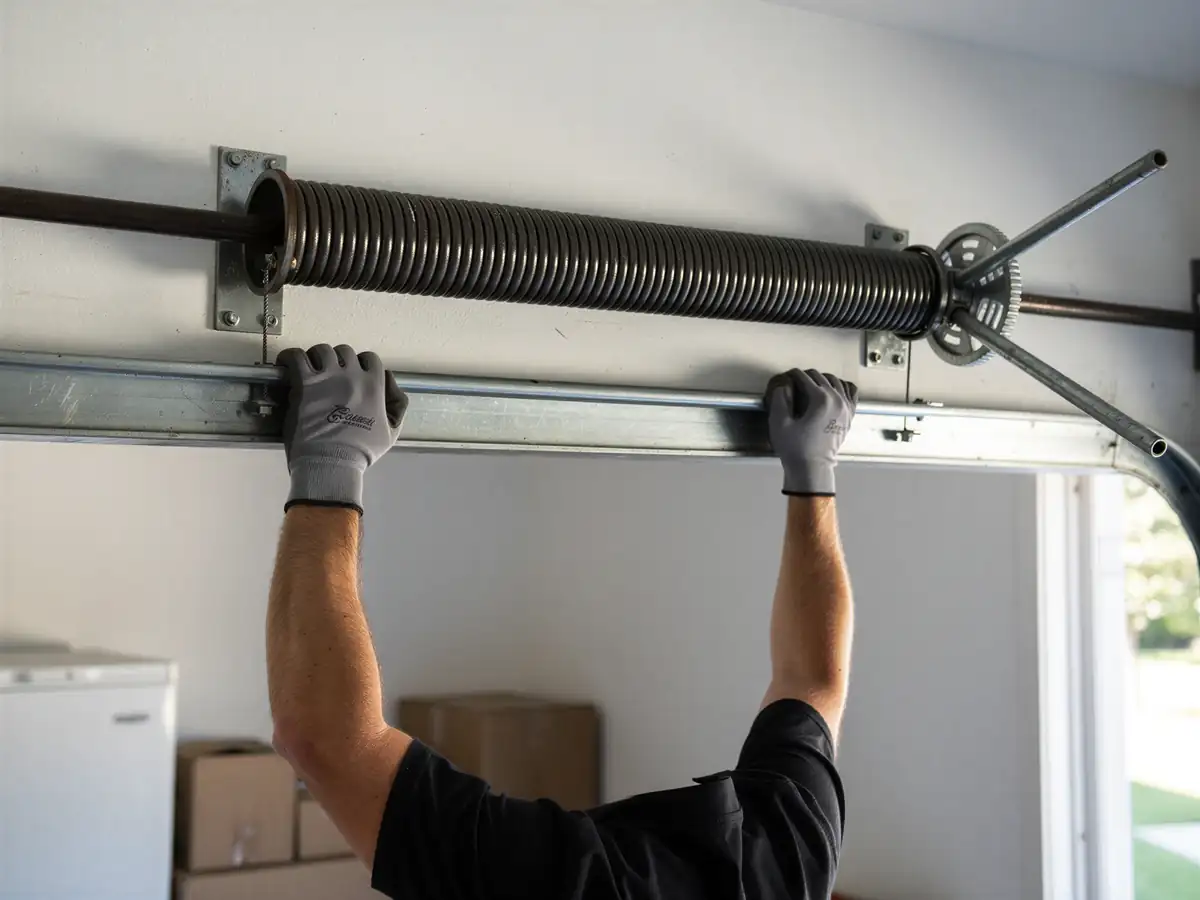
A roller that's worn unevenly on one side of the door usually means the opener-side spring is carrying more load than it should, which puts extra stress on that track. You'll also want to check whether the rollers are the sealed-bearing kind or the open type - open-bearing rollers on a door this age have usually lost most of their lubrication and will wear out faster than a sealed roller replacement would. None of this is an emergency repair; it's wear you can plan around once you notice it.
What Causes It Around Here
This area sits in a cold-moderate climate band
Which means winter temperature swings that stiffen nylon rollers and make them more prone to cracking, especially on doors that get opened and closed daily through the colder months. A roller that's fine in July can start chipping by February simply because the plastic contracts and loses flexibility.
Income and household data for the area give a rough sense of how doors here get used
The service area has about 43,773 households and 20,806 owner-occupied houses, with median household income around $59,583. Dallas itself is smaller, with roughly 2,137 households and a median income near $57,755, which tracks close to the area median. That matters less for the fault itself and more for the kind of fix that makes sense: most owners here are replacing rollers on a working door rather than buying a new one, which is the right call as long as the track and springs are sound.
- 43,773 households
- 20,806 owner-occupied
- $59,583 median household income
The Complications
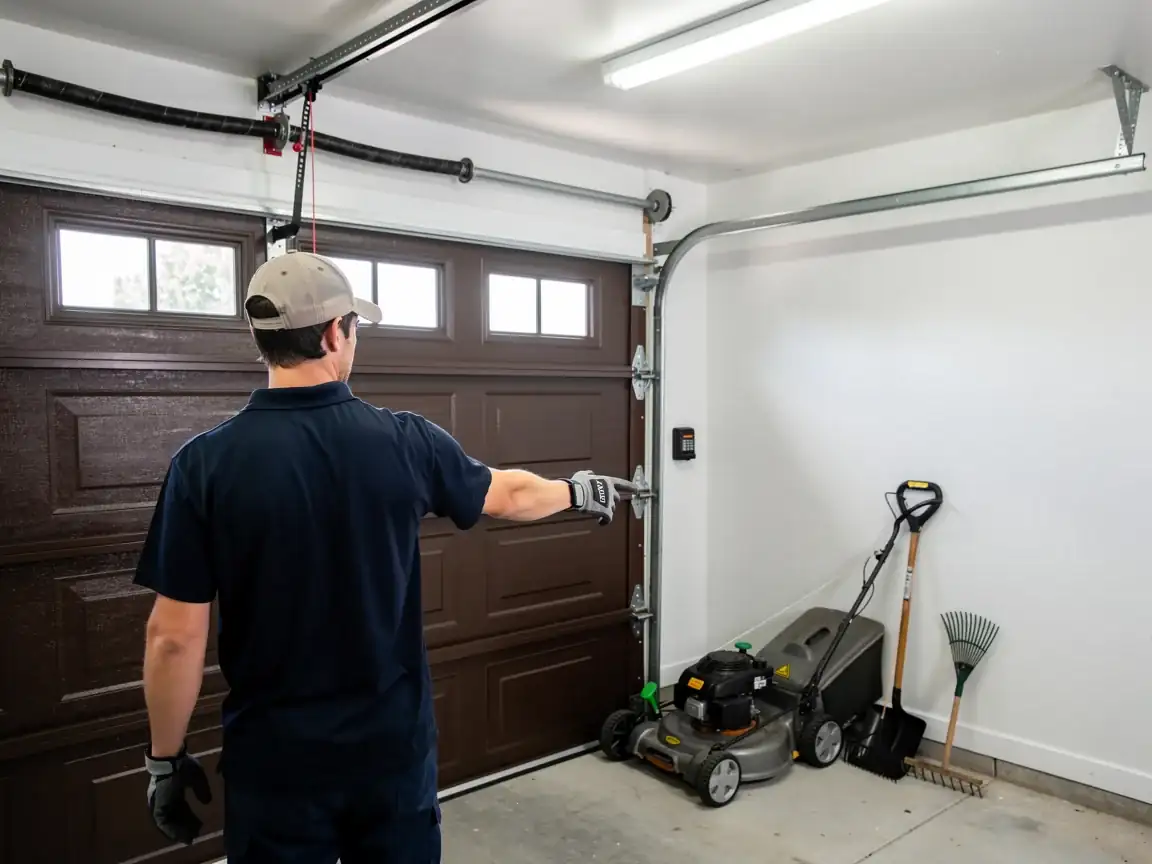
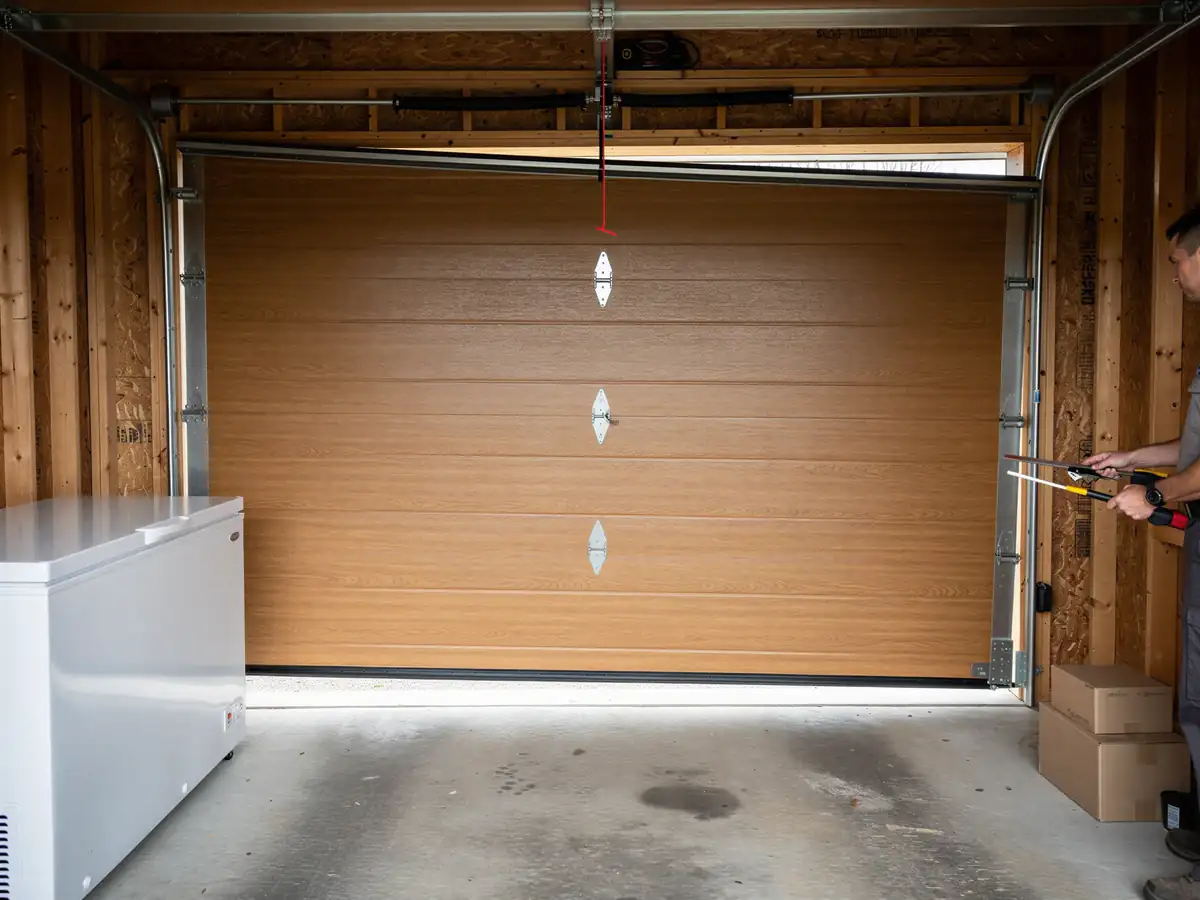
The complication on newer doors like the ones common in Dallas isn't usually the roller - it's whatever caused it to wear unevenly in the first place. If one side of the track has a slight bow or the door isn't balanced correctly, a fresh set of rollers will wear the same way again within a year or two. We check balance and track alignment before swapping rollers for that reason; it's a wasted trip otherwise.
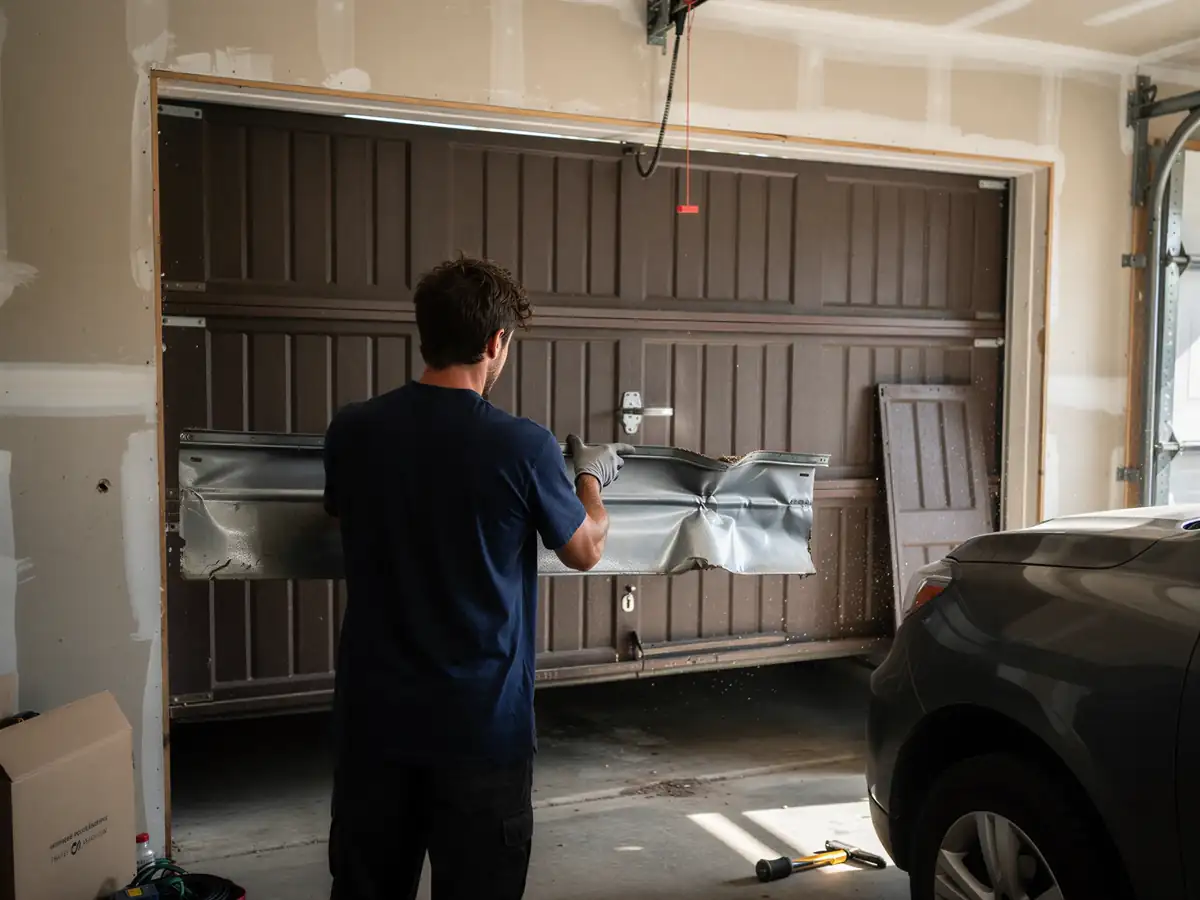
One honest limitation: if the rollers have chipped badly enough to let the door jump the track, or the track itself is bent, roller replacement on its own won't solve it. That's a track repair or a partial hardware job, not a ten-minute roller swap. We'll tell you straight if that's what we're looking at rather than selling rollers that won't hold. Parts availability is rarely an issue for standard nylon or sealed-bearing rollers, so most jobs here get done in a single visit once we're on site from Gastonia.