The DIY Question
Dallas is a five-mile run from our shop in Gastonia, which is close enough that a maintenance call doesn't turn into half a day of windshield time. That matters for how we schedule these visits - we can get a truck out without stacking a dozen other stops around it, so a routine tune-up doesn't get treated like an afterthought squeezed between bigger jobs.
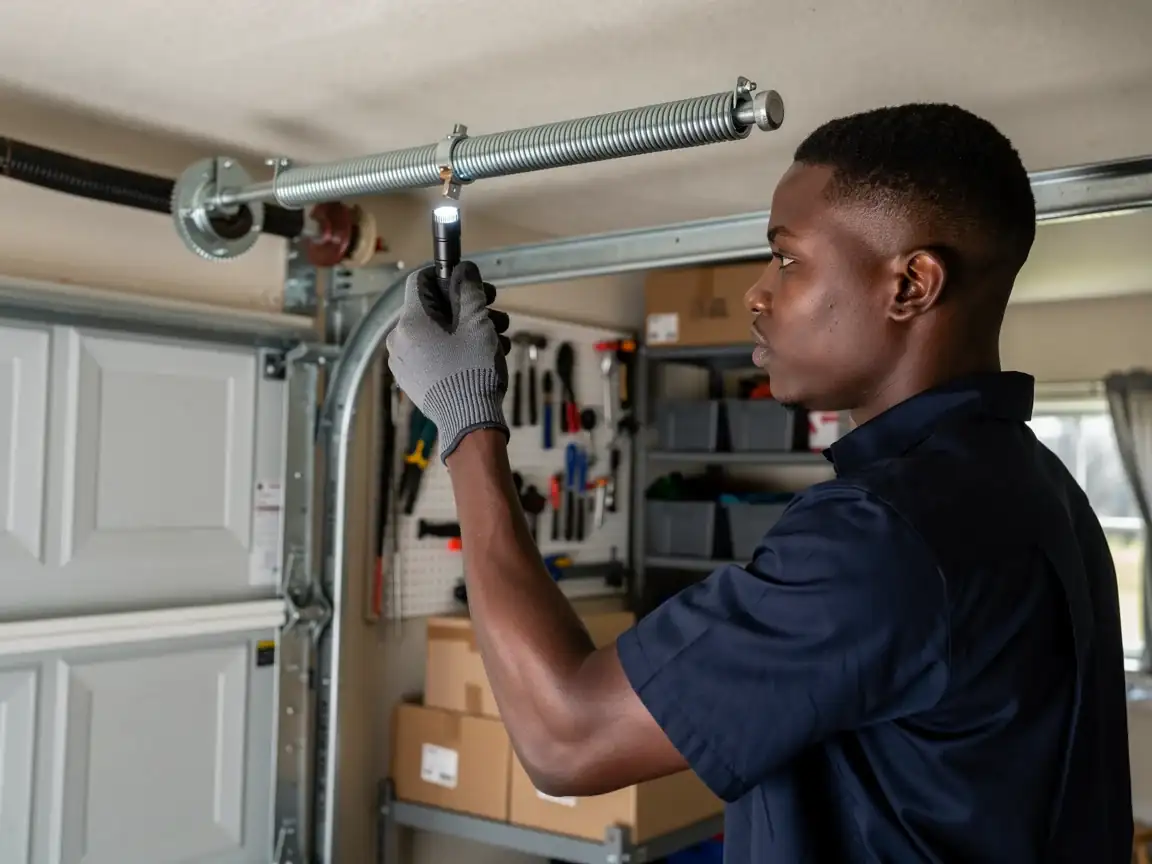
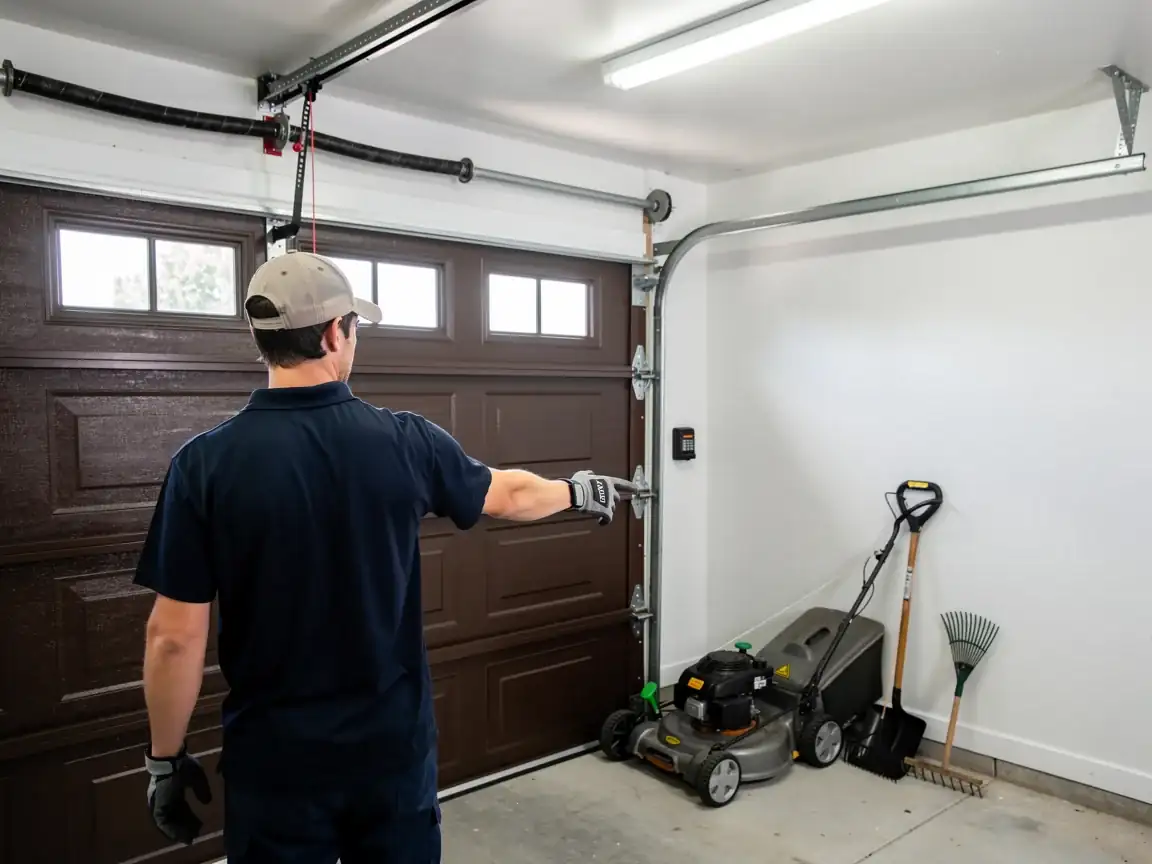
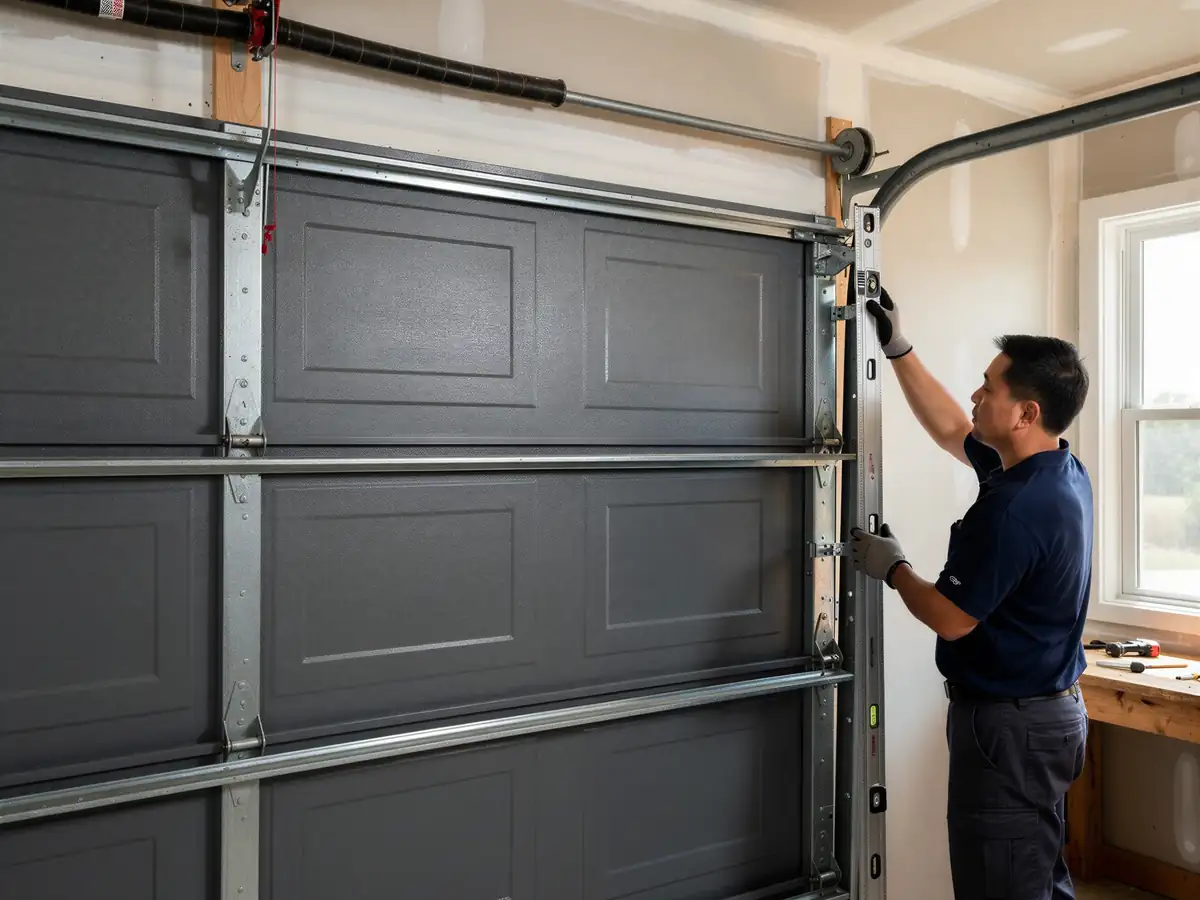
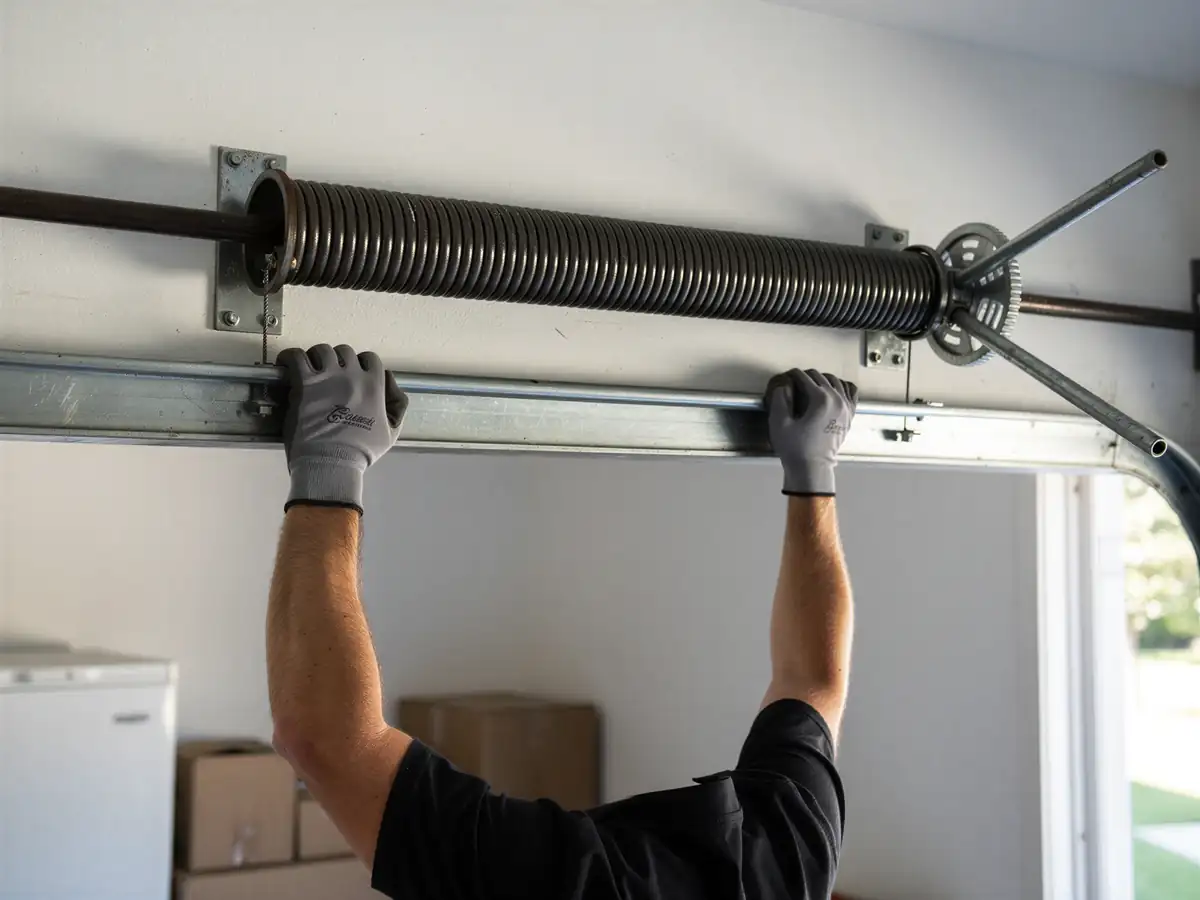
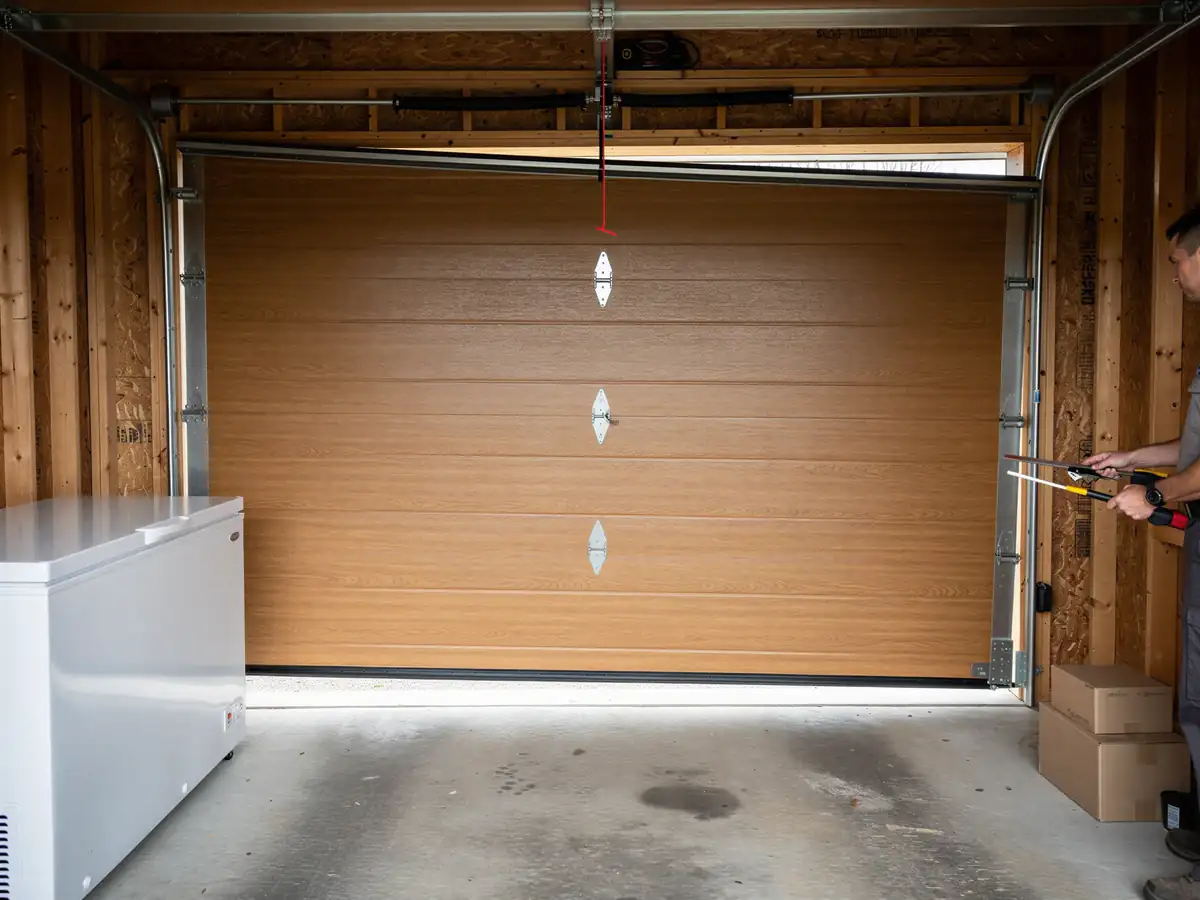
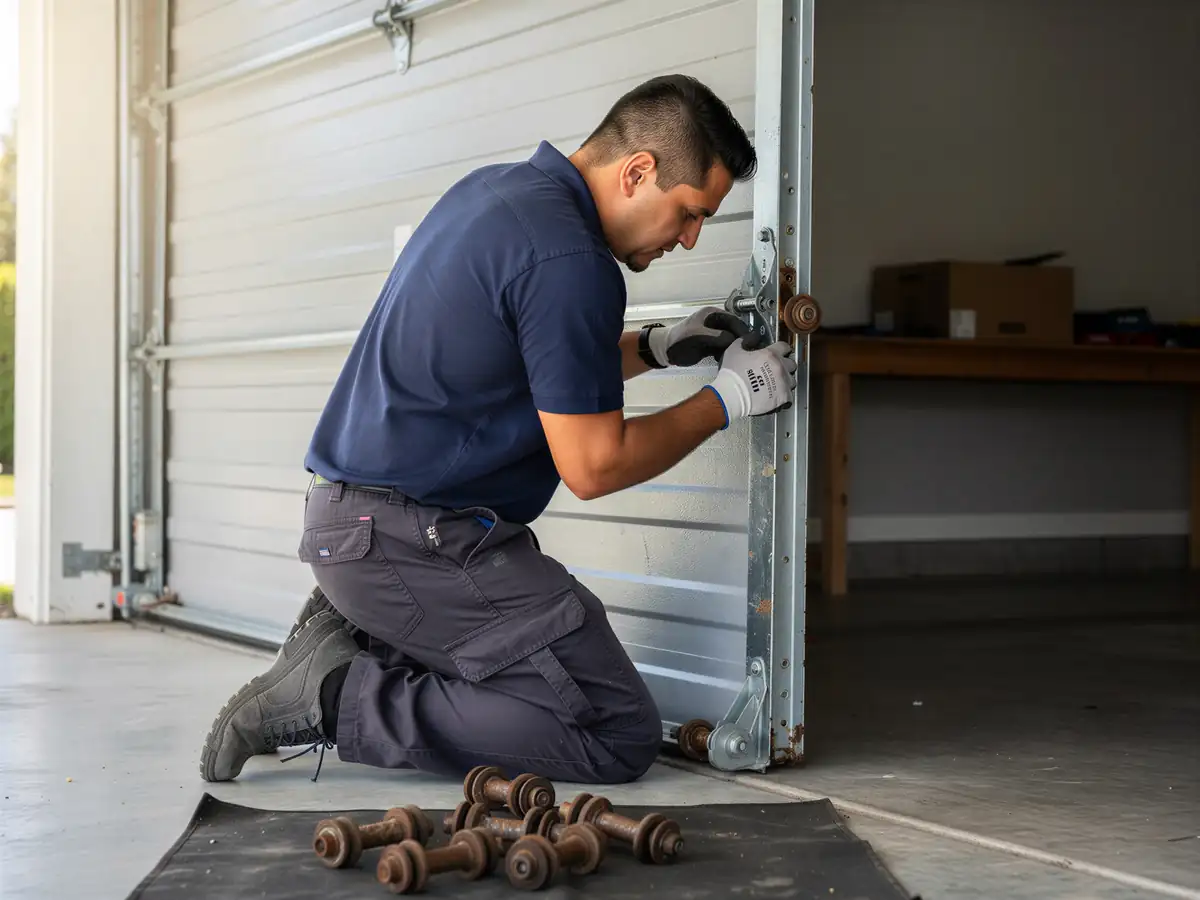
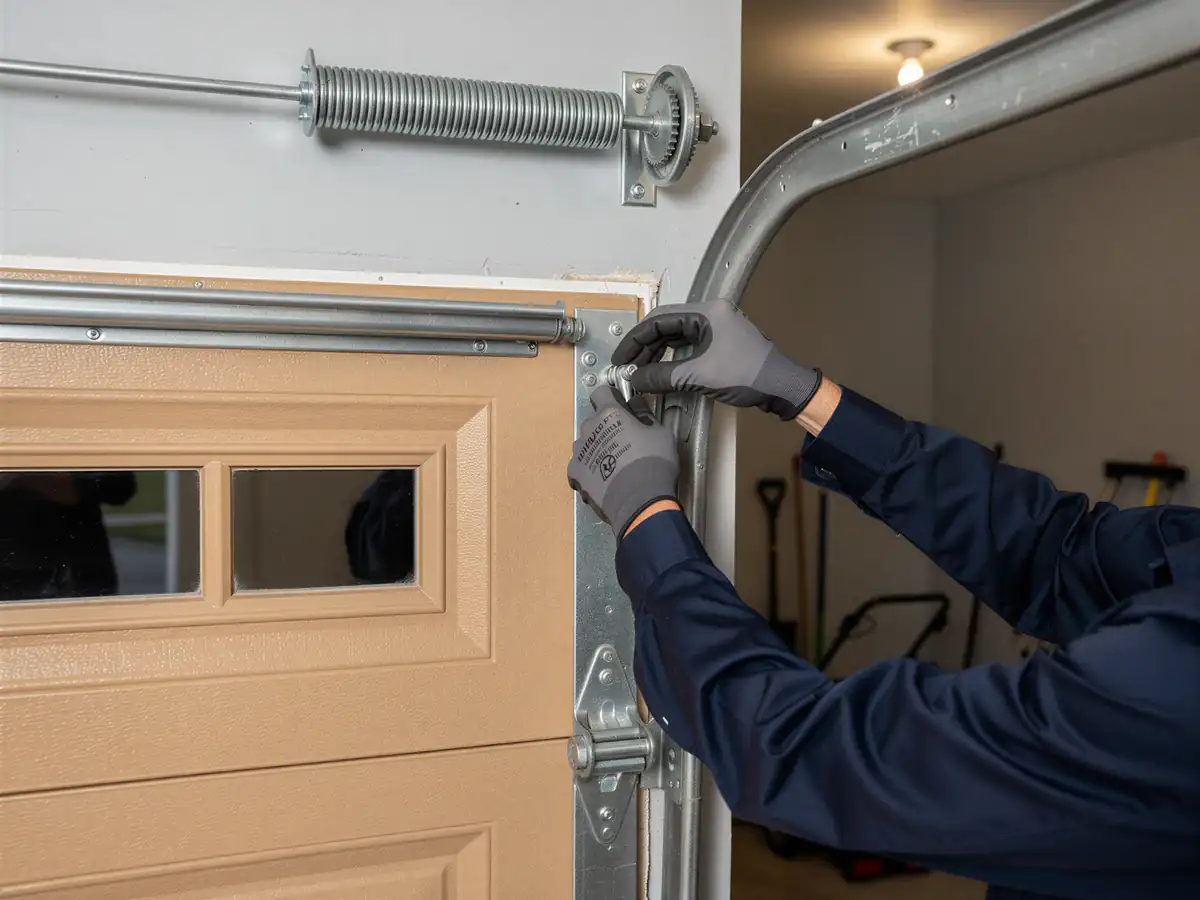
That said, plenty of what keeps a door running is stuff you can do yourself between visits: wipe the tracks, check that the door isn't dragging on one side, listen for new grinding or popping sounds. What you shouldn't do yourself is touch the torsion spring or mess with the cable drums - that's where the stored energy lives, and it's not worth a trip to the ER to save a service call.
The honest limit here: we don't do same-day emergency response in Dallas the way a company with a depot in town might promise. We're coming from Gastonia. For a scheduled maintenance visit that's a non-issue. For a door that's fallen off its track at 9pm, it means you're waiting on us like everyone else on the route that day.
What You Are Seeing
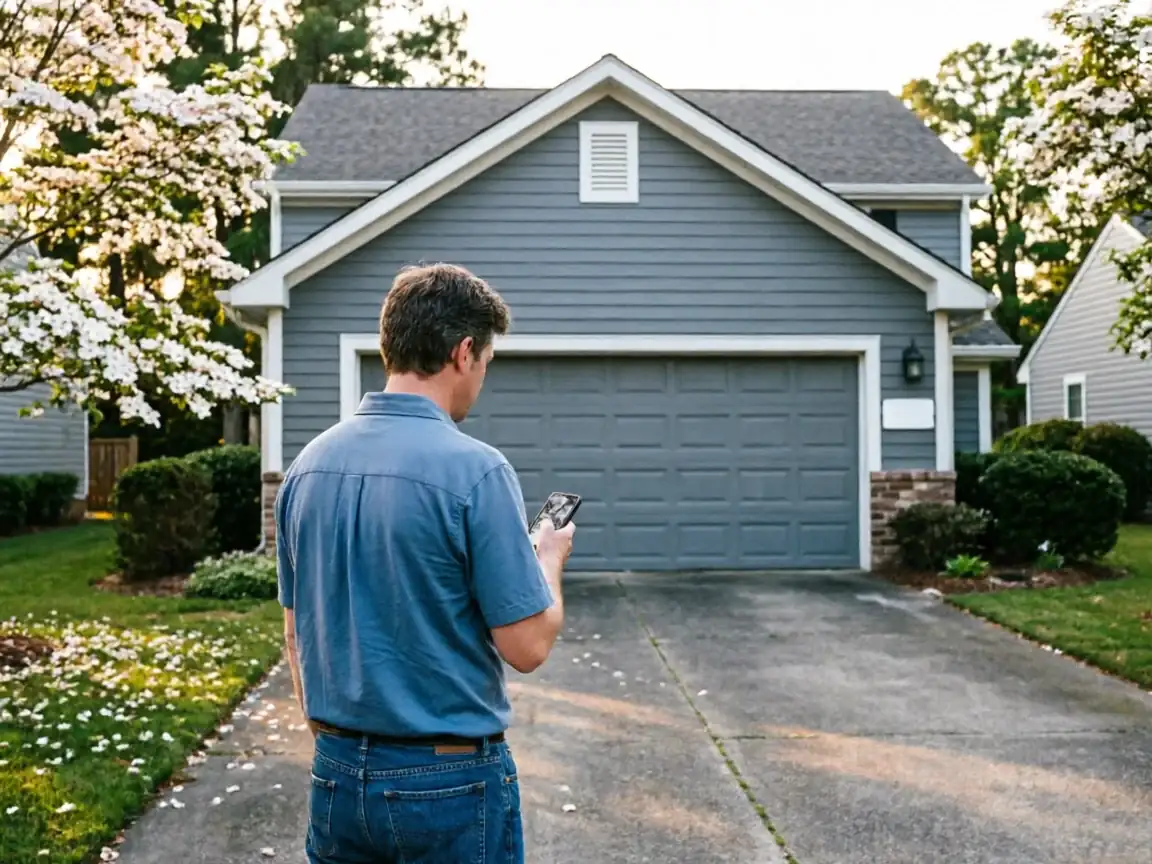
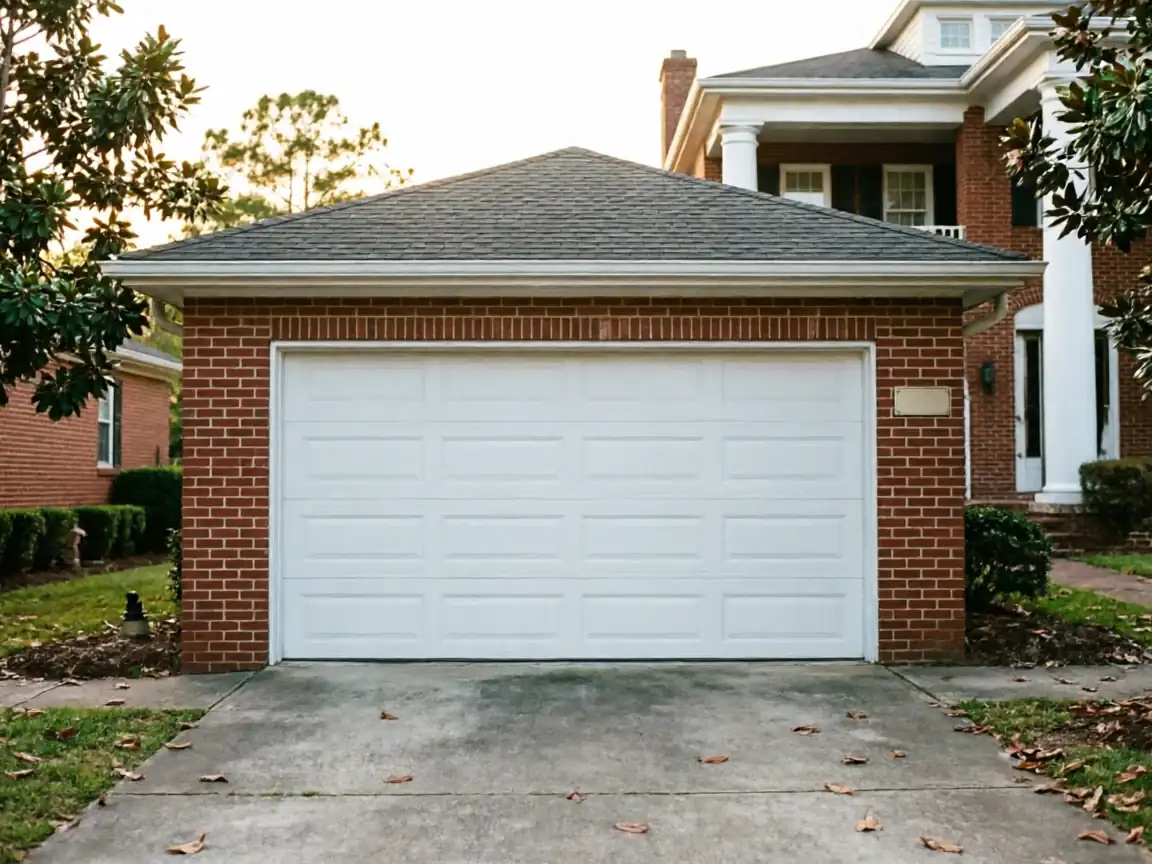
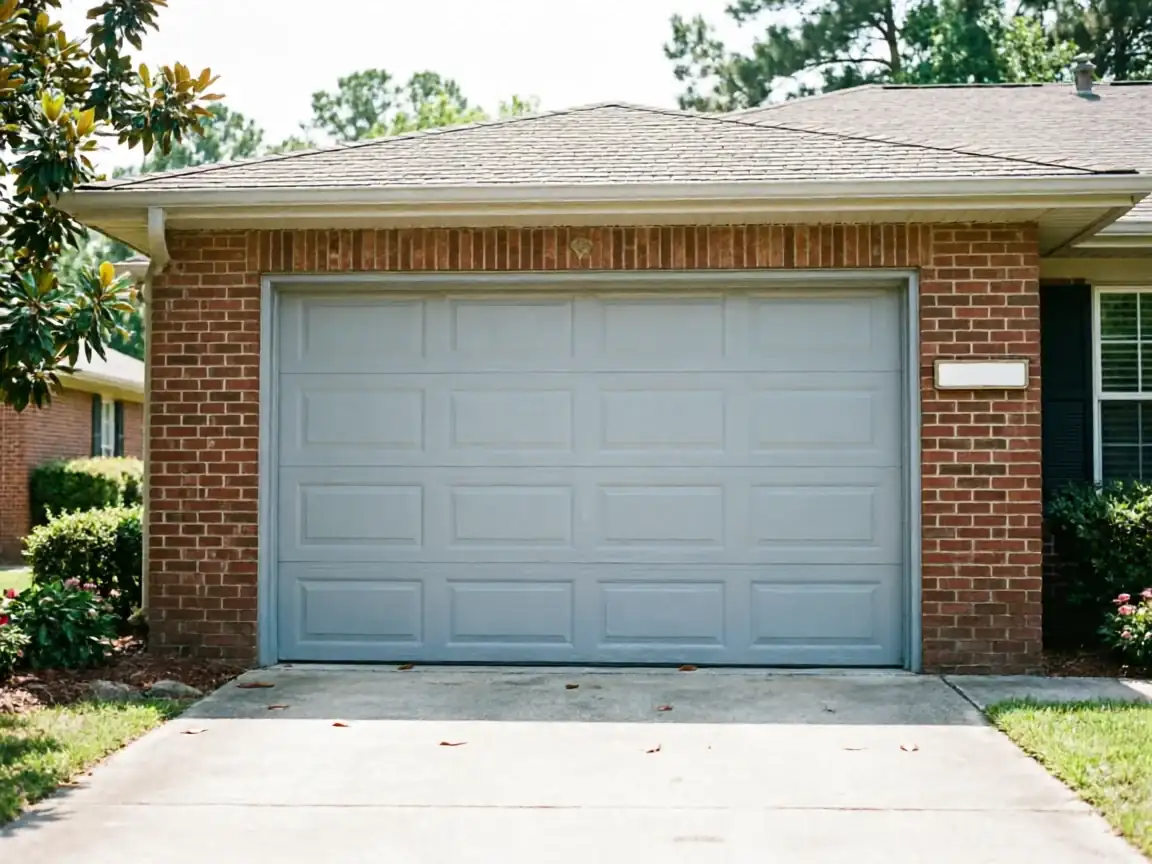
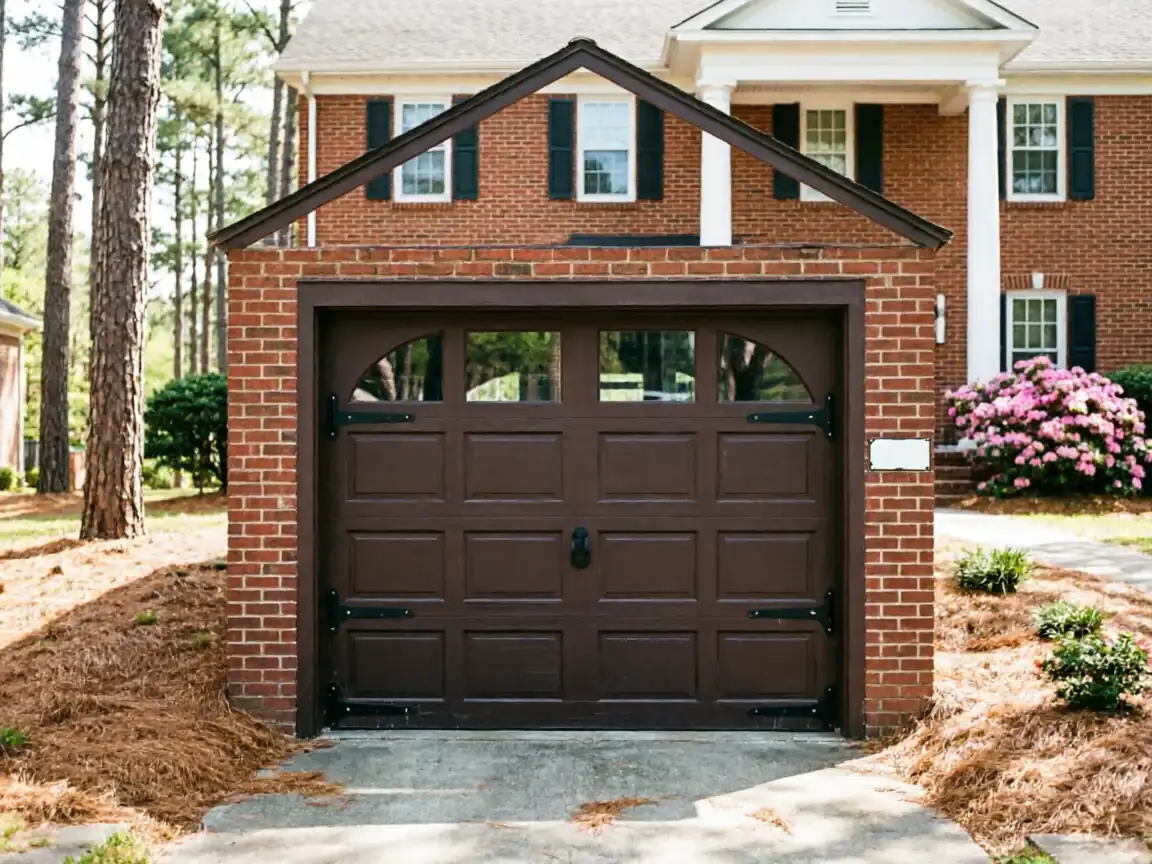
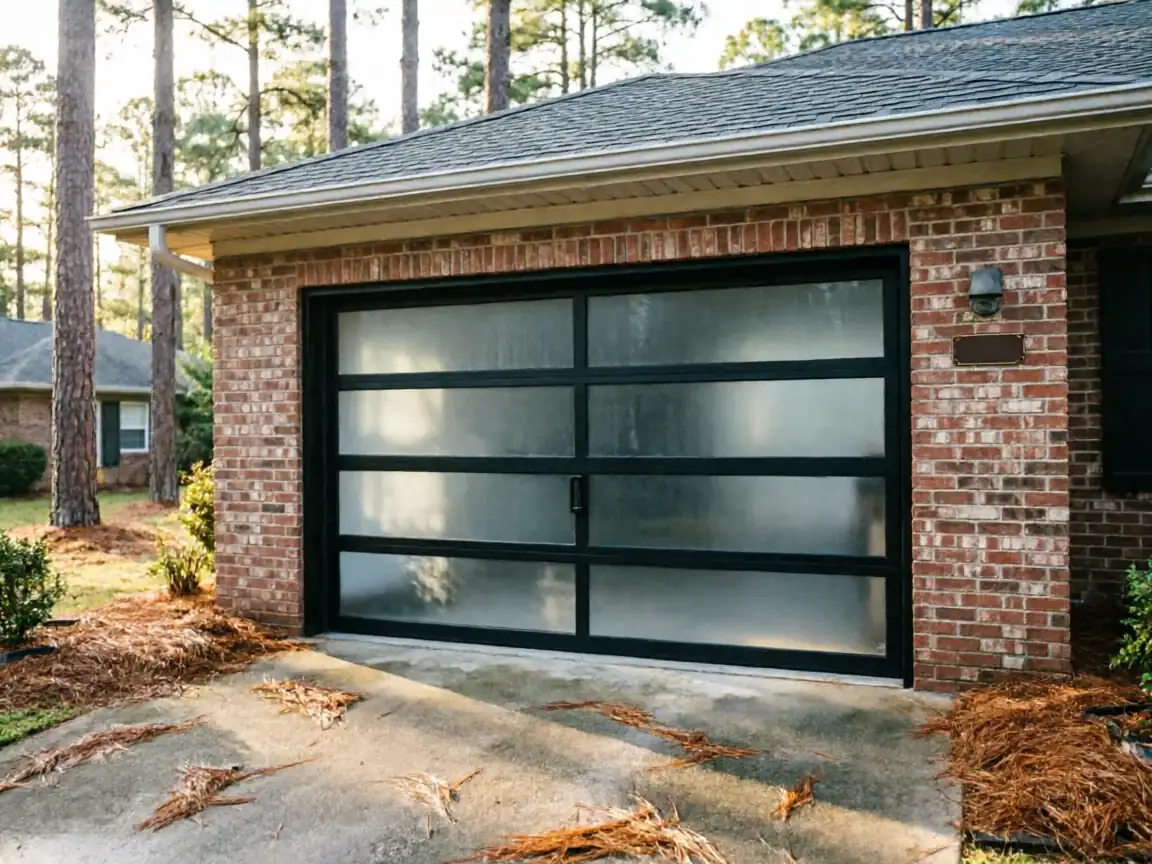
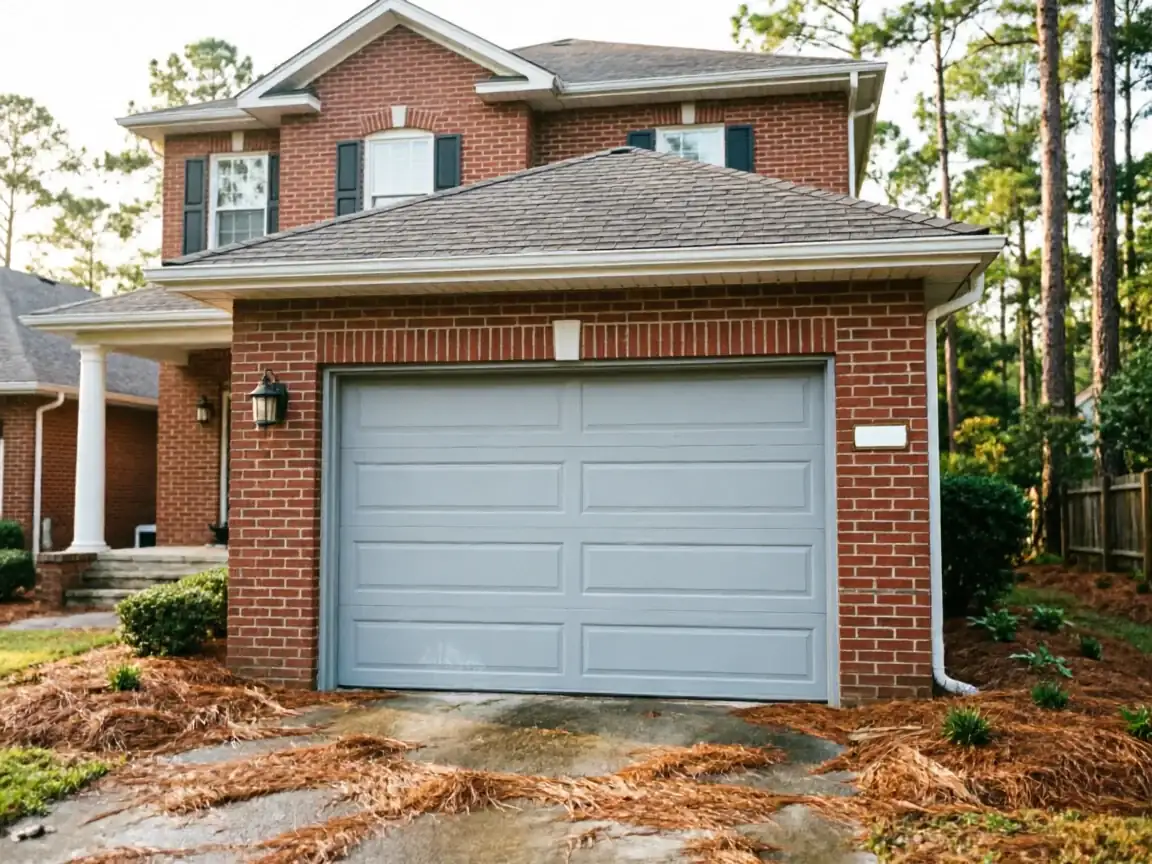
Dallas is a bit younger than the broader service area overall - the median house here dates to around 1997, while a lot of the surrounding 17 named areas skew toward late-70s through 90s construction. That later build date means most Dallas garage doors are second or third owners of their hardware, not original 1983-vintage equipment, and the openers are more likely chain or belt-drive units from the 2000s than the older screw-drive models we still see elsewhere.
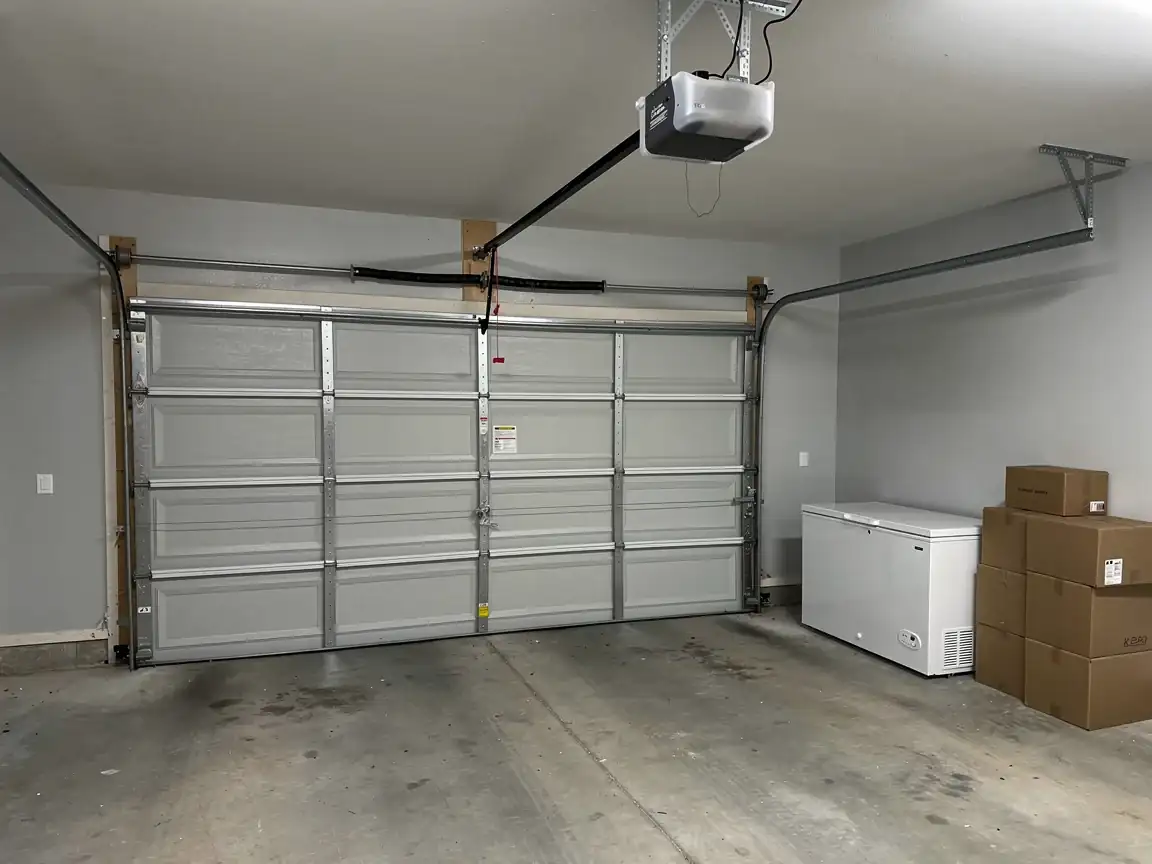
What that translates to on a maintenance call: springs that are closer to end-of-life by wear rather than by age, nylon rollers that have gone brittle rather than steel rollers that have simply rusted, and opener logic boards that are old enough to be flaky but not old enough to need full replacement. The 2,137 households here are mostly working with doors installed in a fairly tight construction window, so when one issue shows up, we usually see it across a run of houses on the same visit schedule rather than as an isolated fluke.
What Causes It Around Here
The whole service area sits in a cold-moderate climate band
And that cuts both ways on a door built in the late 90s. Temperature swings between a humid summer and a handful of hard freezes each winter work metal fatigue into springs faster than a mild, flat climate would - the coil expands and contracts enough times a year that a spring rated for a certain number of cycles gets there sooner than the sticker suggests.
In a 1997-era build, that shows up first in the torsion spring and in the weatherstripping at the bottom panel
Which on a door this age has usually hardened and started letting in drafts rather than sealing them. We also see opener sensor alignment drift more in this housing stock than in older stock, simply because photo-eye safety sensors became standard right around when a lot of these doors went in, and a slightly shifted bracket is enough to throw a false reading.
We don't see much foundation-settling damage to tracks here the way we do on much older housing stock
That's one advantage of a newer build.
The Complications
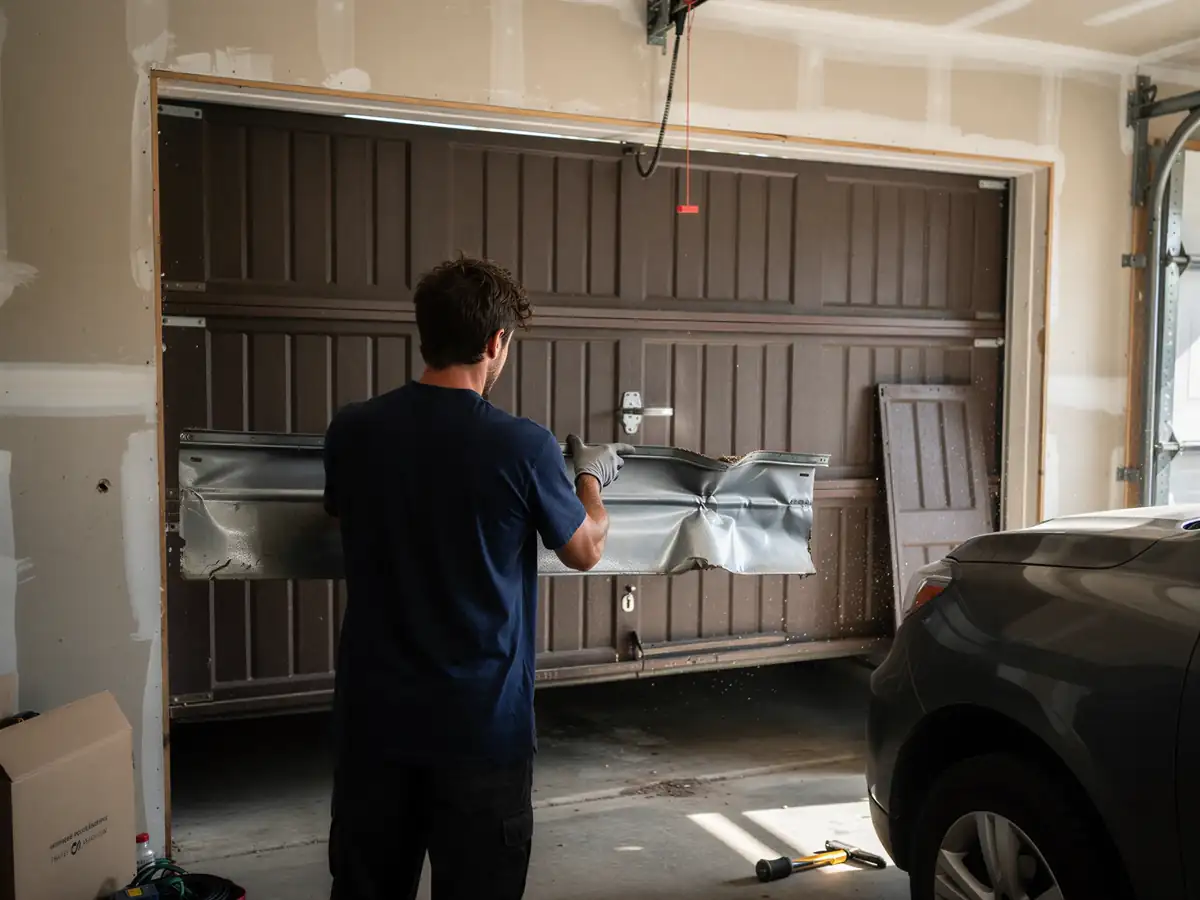
A maintenance visit in Dallas runs into one practical snag more than anything else: parts availability for doors from this exact build window. The late-90s to early-2000s opener models are old enough that some circuit boards and remote-pairing modules are getting hard to source, but not old enough to be treated as vintage with aftermarket reproductions readily made. If a board's dead, we're sometimes waiting on a part rather than fixing it on the spot.
Median household income in the broader service area runs just under $60,000, and Dallas tracks close to that at $57,755, which is worth mentioning because it shapes the maintenance-versus-replace conversation. On a 1997-era door with a failing opener board, replacing the opener outright is often cheaper over five years than chasing discontinued parts - we'll tell you that straight rather than bill you for a repair that won't hold.
The other complication is simply distance-driven scheduling: because we're routing from Gastonia, we batch Dallas visits when we can, so there's sometimes a day or two of lead time on a non-urgent tune-up that a town with its own branch wouldn't have.