The DIY Question
At a median household income of $58,701, most Cherryville homeowners are weighing a repair bill against a grocery bill, not treating a garage door as a line item they can shrug off. That's the right instinct, and it's also why the repair-or-replace line matters more here than in a newer, wealthier pocket of the service area.
A cheap fix on a 1970s door can cost you twice: once for the part, once again a year later when the next original-era component fails. On the other hand, a full door-and-opener swap on a house that only needs one spring is money that didn't need to leave your pocket. We'll tell you straight which side of that line your job falls on before we start, not after.
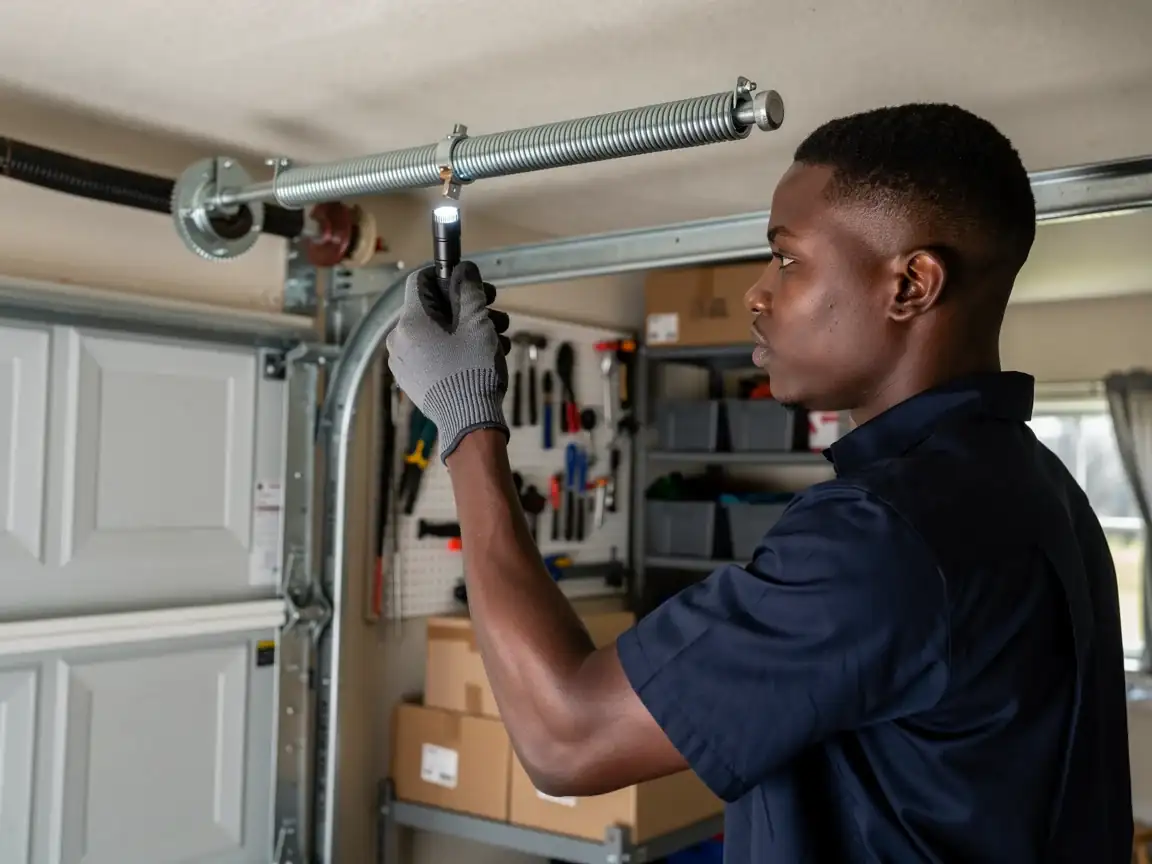
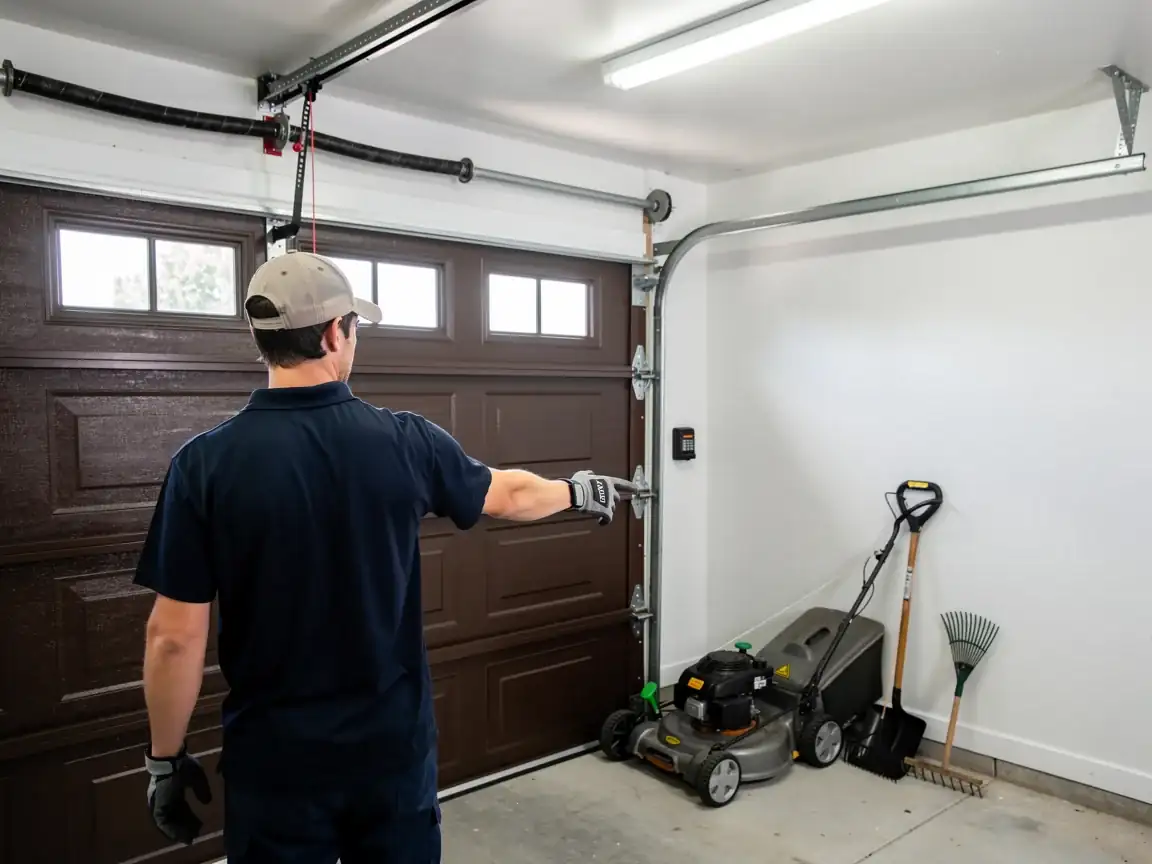
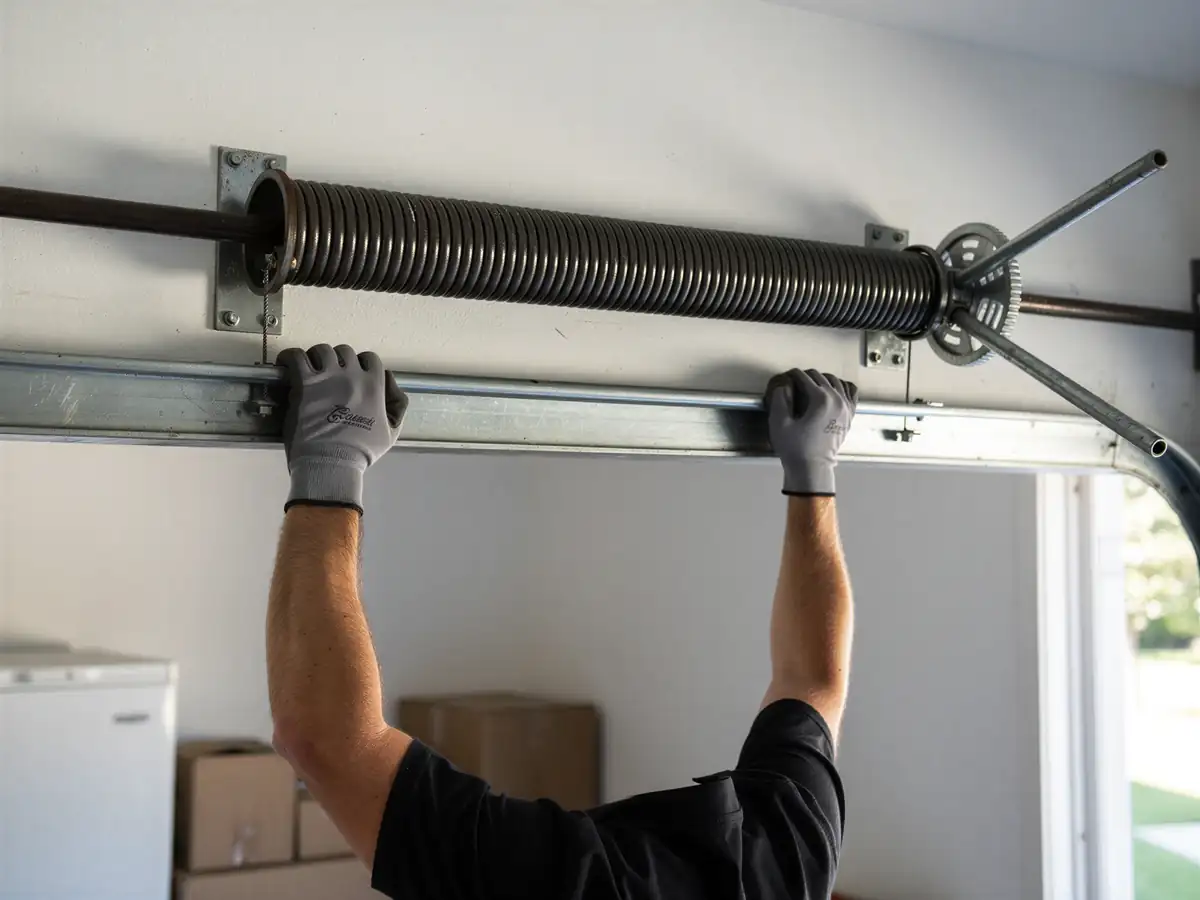
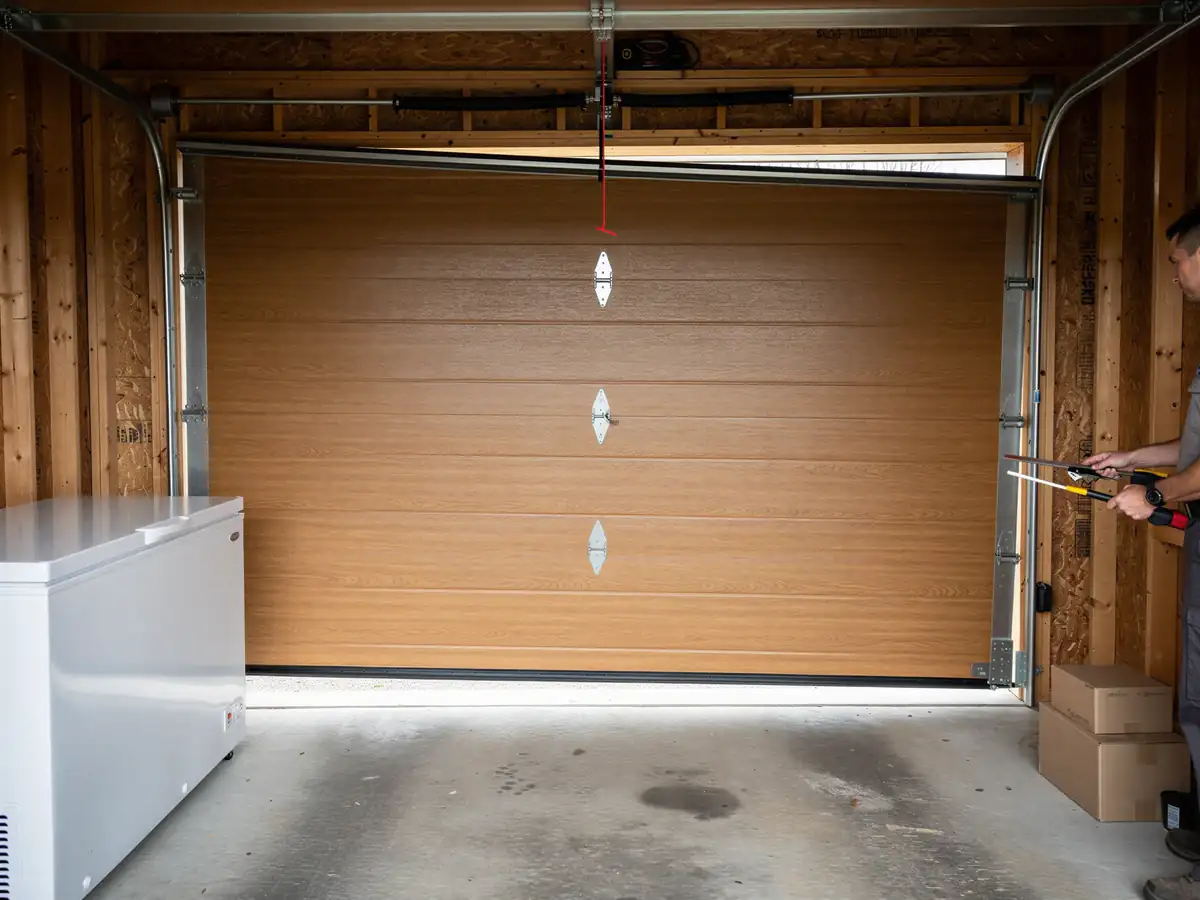
What you can safely do yourself: tighten loose hardware, clear the track of debris, and test the auto-reverse safety feature. What you shouldn't: touch a torsion spring under tension, or pull a panel off hinges you don't recognize. That's not us protecting billable hours - that's a spring under 200 lbs of load that can break a wrist.
What the Repair Takes
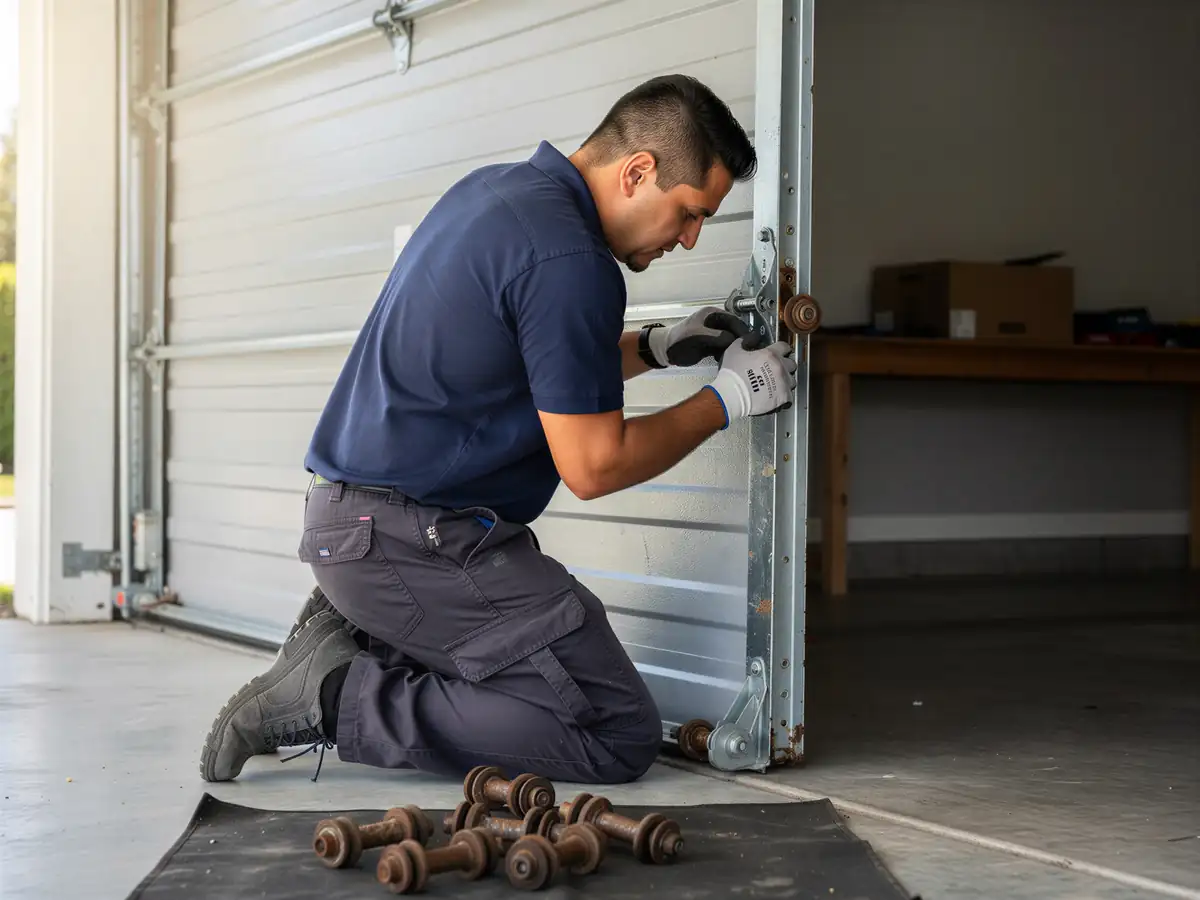
Cherryville is about 14 miles out from Gastonia, so a service call here is a planned trip, not a drive around the block. We bring the truck stocked for what a house of this area's age typically needs - standard torsion springs, steel rollers, common opener parts - so most jobs close in one visit.
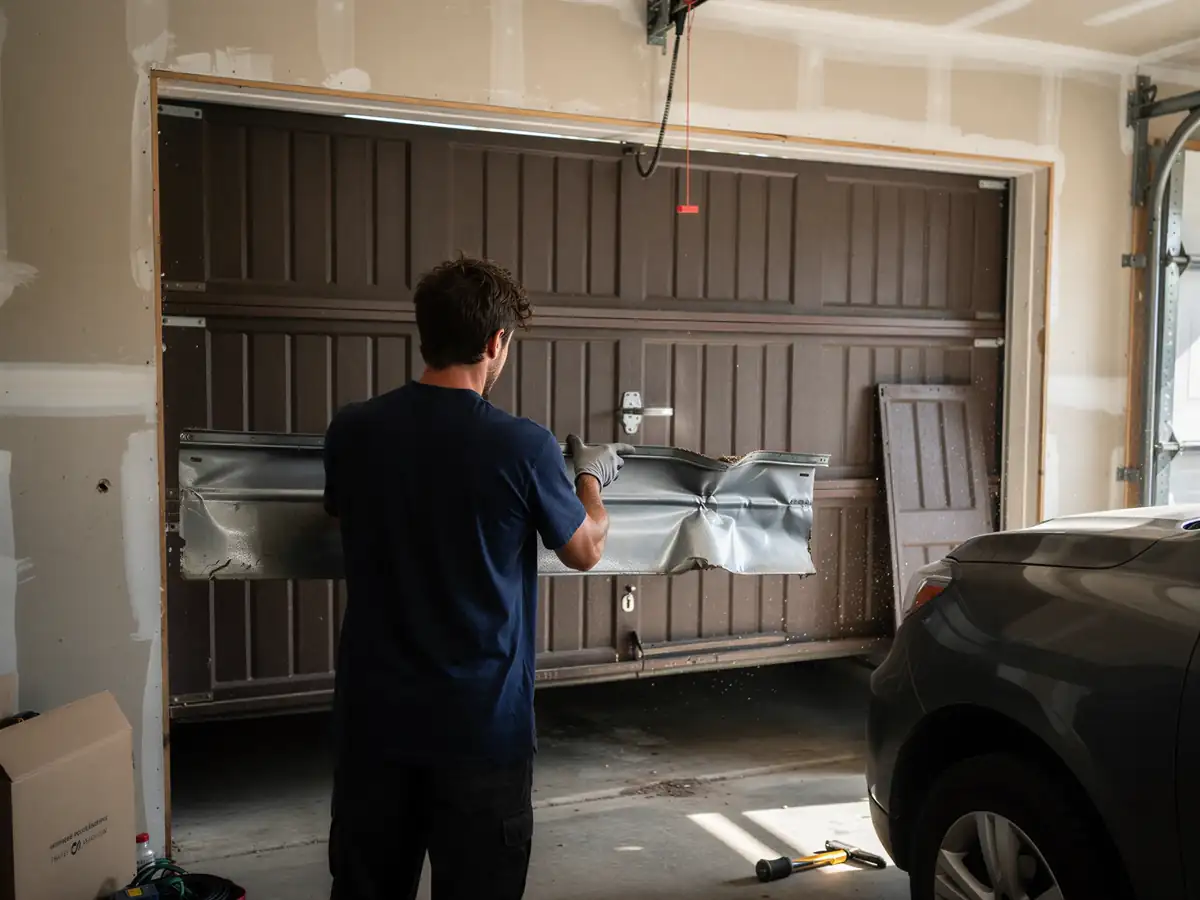
What slows a job down is parts that don't exist on the shelf anymore: a track width that stopped being made, a wood panel door with no steel replacement option, an opener drive system nobody's manufactured in twenty years. When we hit that wall, we tell you, and we give you the honest choice between a patched repair and a clean swap to current hardware.
What You Are Seeing
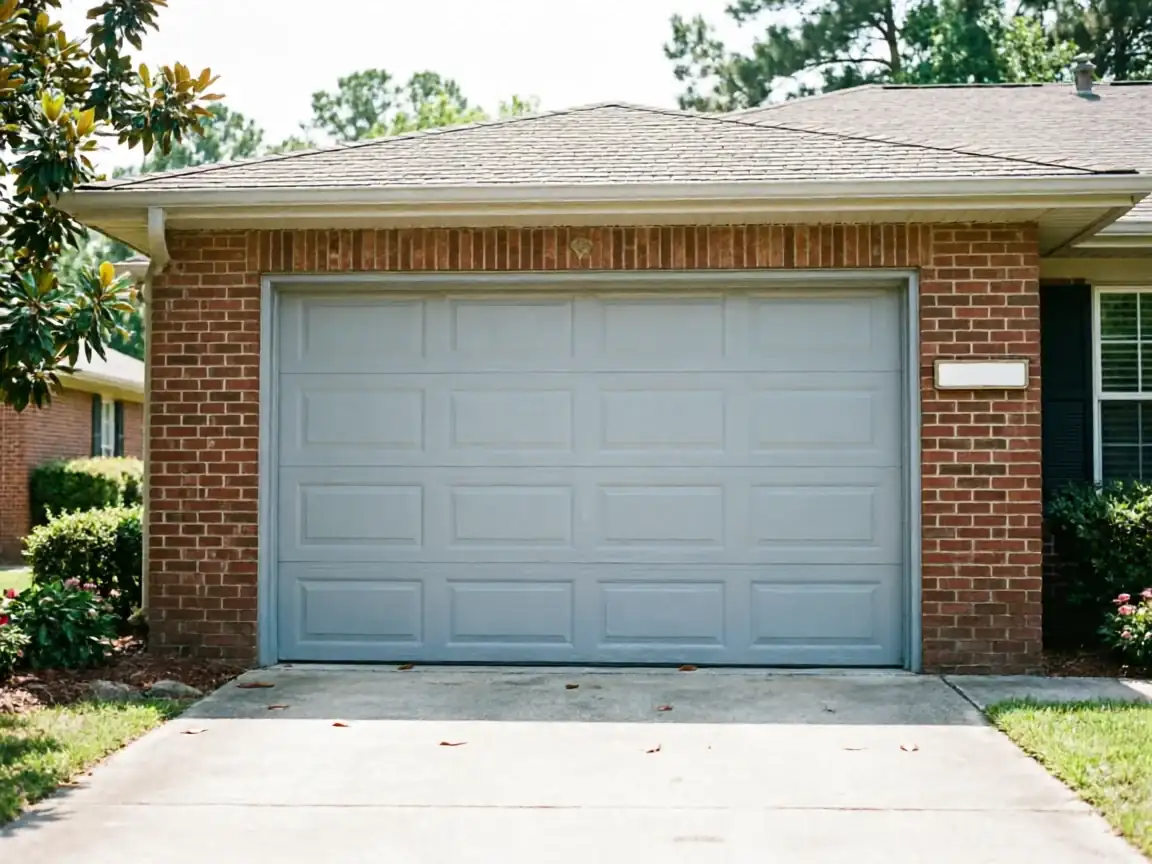
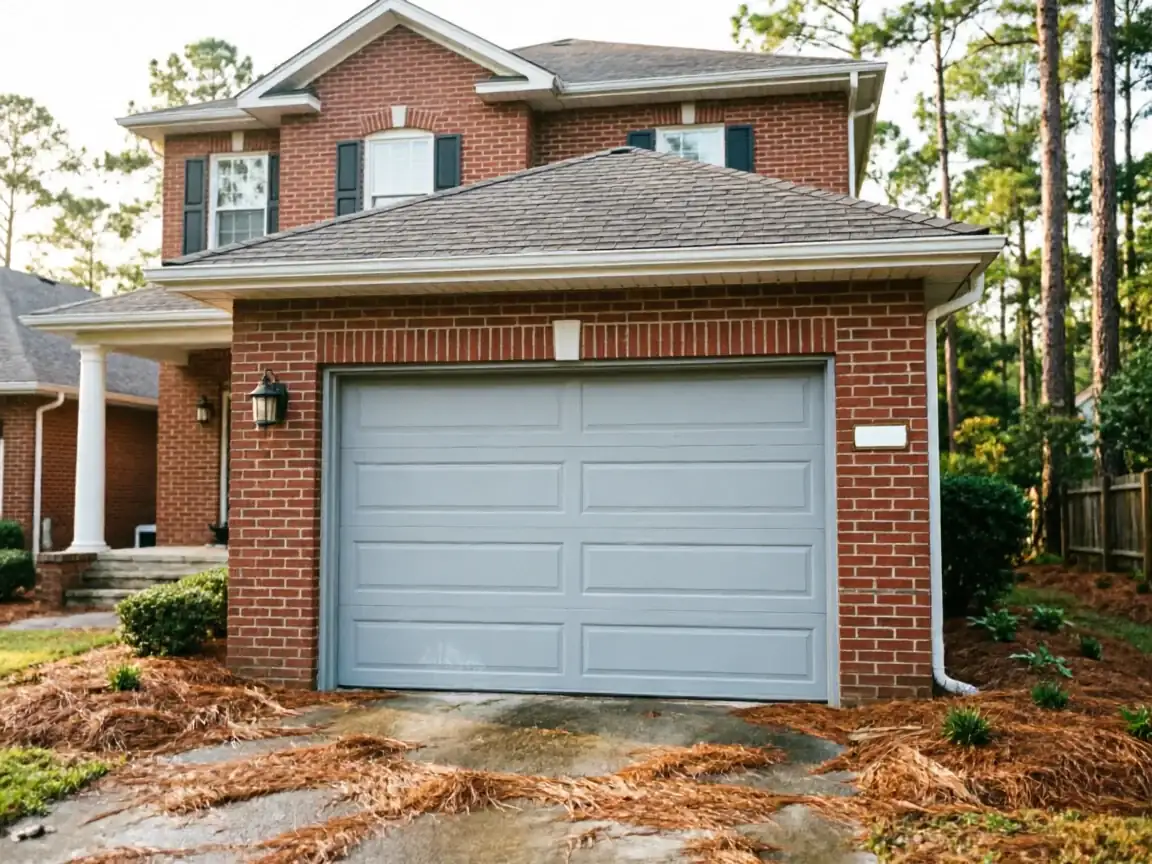
With a median year built of 1970, a lot of Cherryville garage doors are either original or one generation removed from original
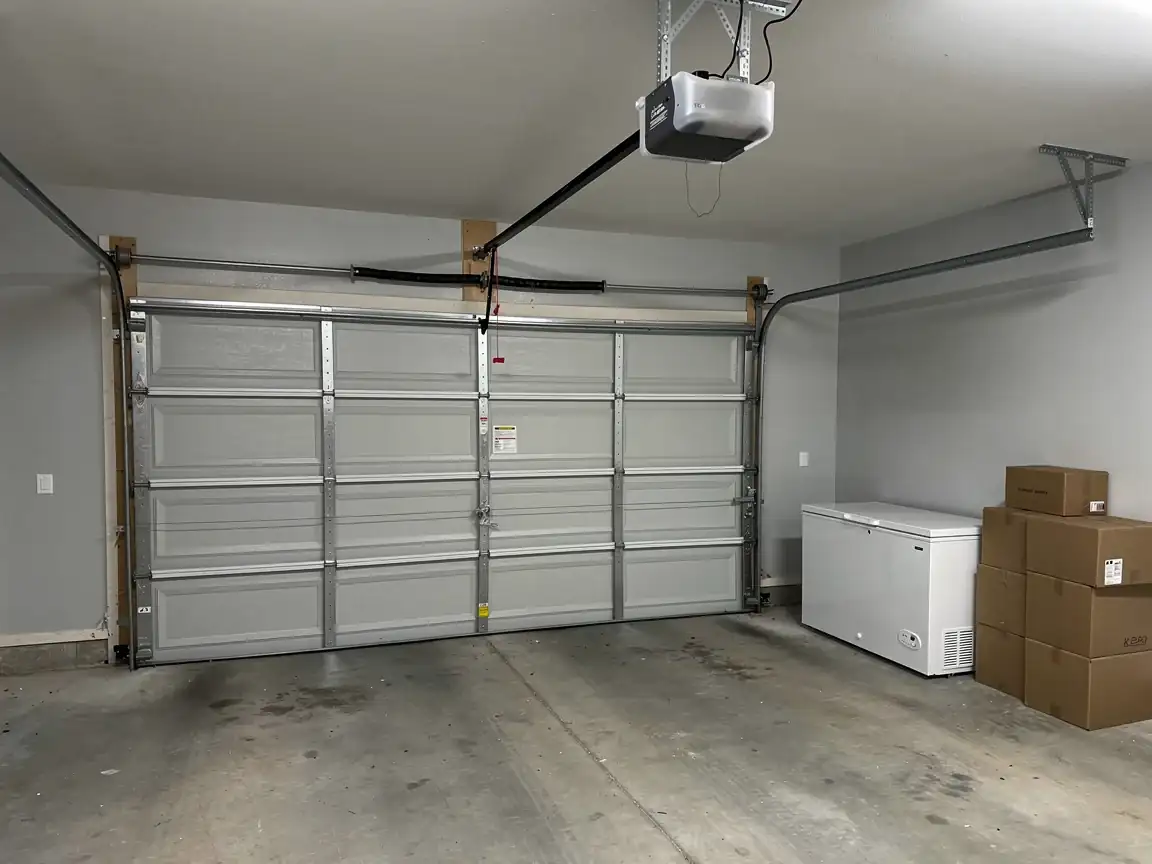
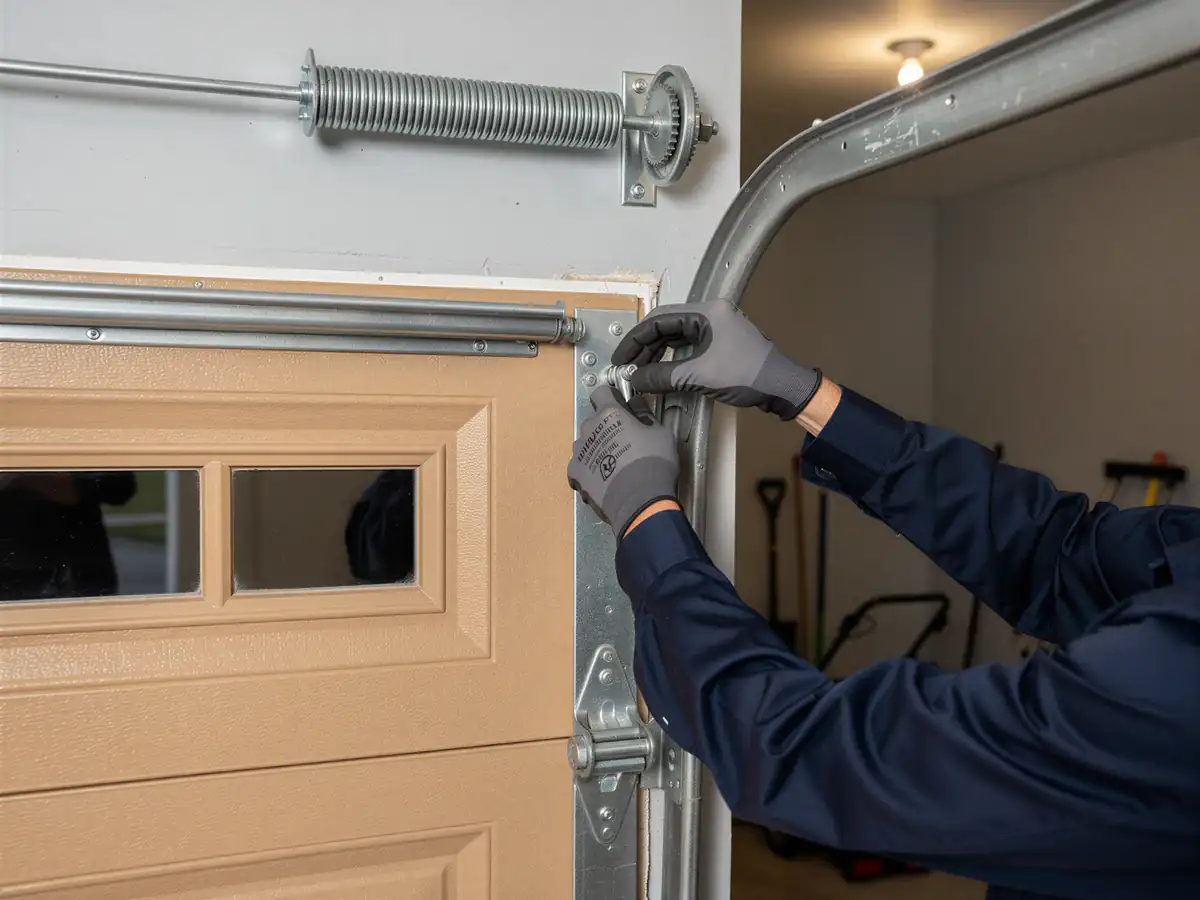
That means single-layer steel panels without insulation, extension springs mounted along the horizontal tracks instead of a torsion bar over the opening, and openers that may predate the safety-reversal standards built into everything sold today.
If your door slams the last foot of travel instead of settling
That's often worn extension spring cable guides from this era, not a modern defect. If the door is heavy to lift by hand even with the opener disconnected, you're likely looking at a spring that's lost tension - common on hardware this age, since springs are rated for a cycle count, not a calendar.
The Cost of This Job
Because Cherryville's median income sits at $58,701, we try to be specific rather than vague about what a job will run before we quote it: the age of the door changes the math more than the brand does. A 1970s-era single door with original extension springs is usually a straightforward repair. A door that's been patched more than once, or an opener with a drive system no longer stocked, starts pushing toward replacement math.
We won't quote a number here that isn't tied to your actual door - too much depends on spring size, panel condition, and whether the track is bent or just dirty. What we will say: on a house built in this era, full replacement of door plus opener is sometimes cheaper over five years than a string of patch repairs on parts nobody makes anymore.
What Causes It Around Here
The service area overall runs from houses built as early as 1967 through ones finished in 2011, with the heaviest concentration going up through the 1980s and 90s. Cherryville's housing, at a median year of 1970, sits on the older edge of that range - which means more of its doors are carrying original hardware than the newer subdivisions closer to Gastonia.
The region sits in a moderate cold climate band, not the deep-freeze conditions that crack steel outright, but enough seasonal temperature swing to stiffen grease in old rollers and make worn cables more likely to slip under the cold-season's first heavy lift. Combine 50-plus-year-old torsion or extension hardware with that seasonal swing, and spring failure in the colder months is the single most common call we get from houses this age.
Time on the Job
A standard spring or roller job on a Cherryville house usually runs the length of a normal service call
Nothing about the drive or the hardware stretches that out on its own. What extends a job is parts sourcing: if your door is original to a 1970 build and the track or spring size is a discontinued dimension, we may need a second trip once the part's in hand rather than carrying every obsolete size on the truck.
We're upfront when that happens
It's not common, but on hardware this old it's not rare either, and we'd rather tell you a job needs a return visit than force a part that doesn't fit.