The DIY Question
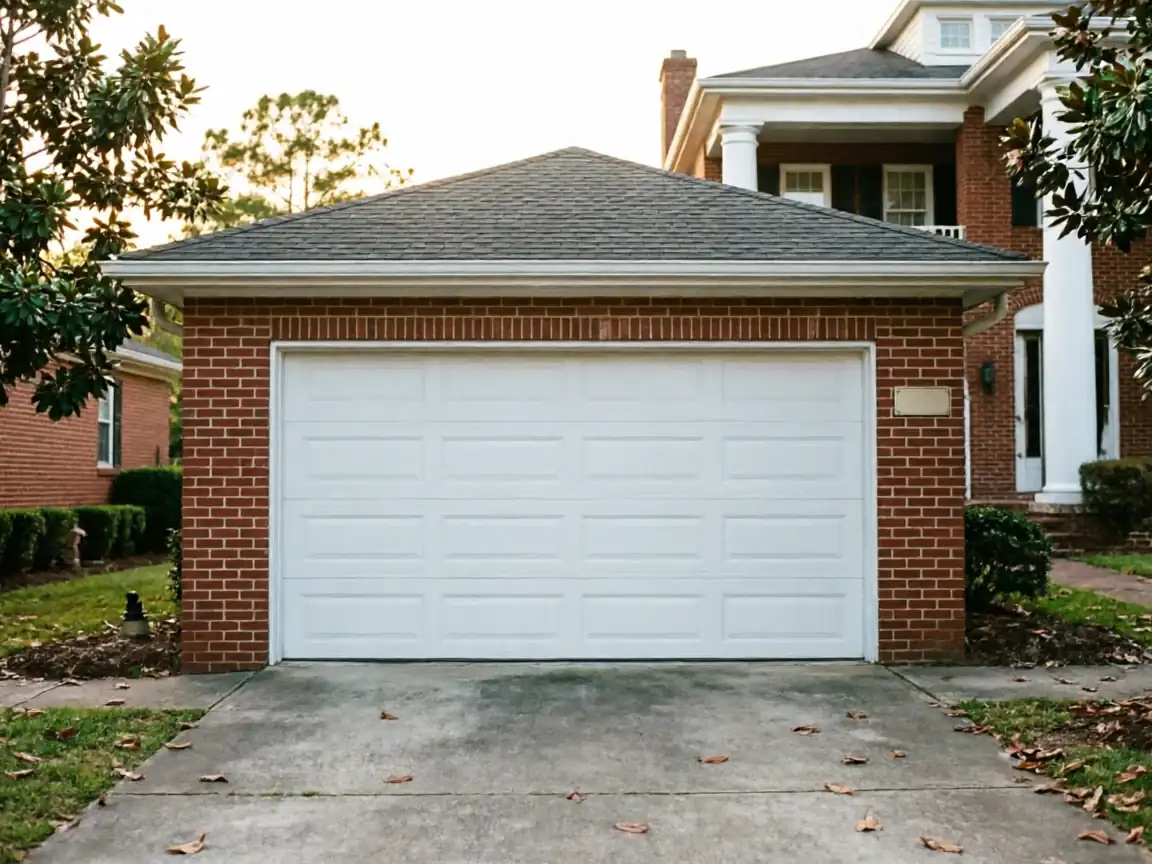
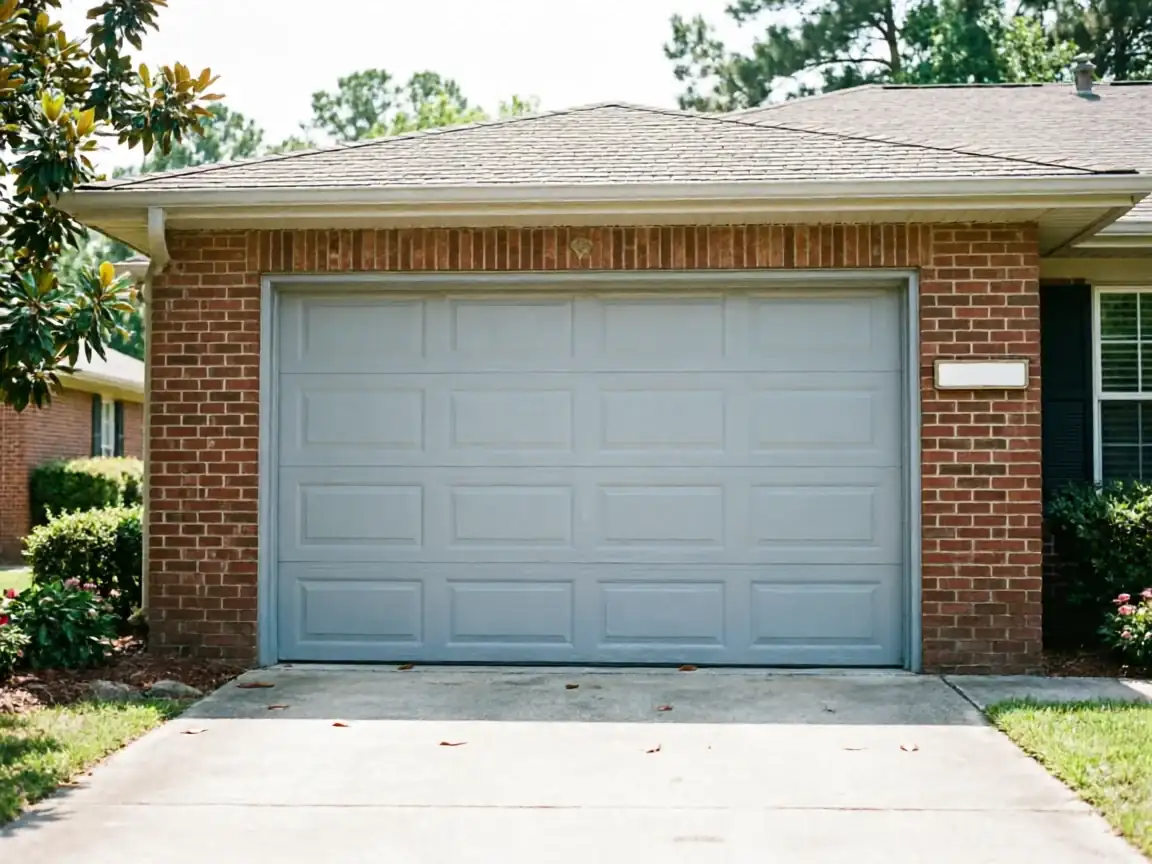
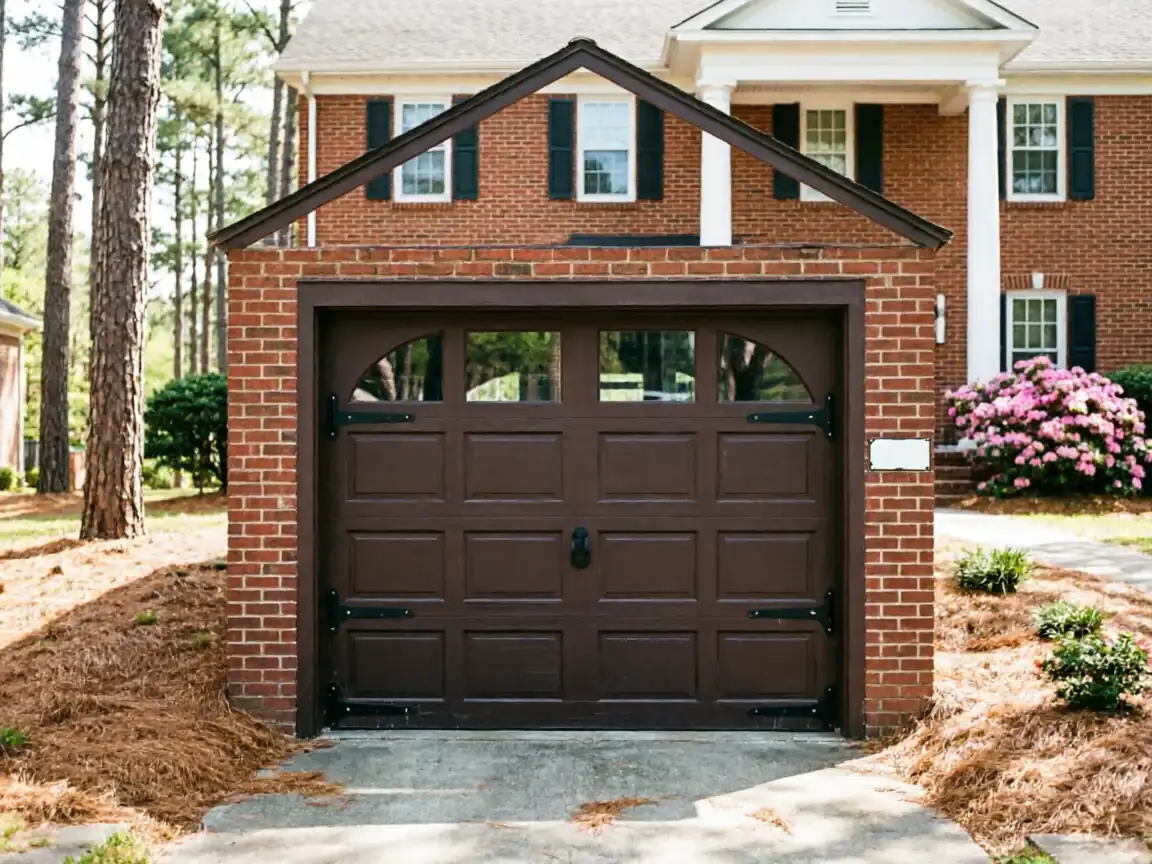
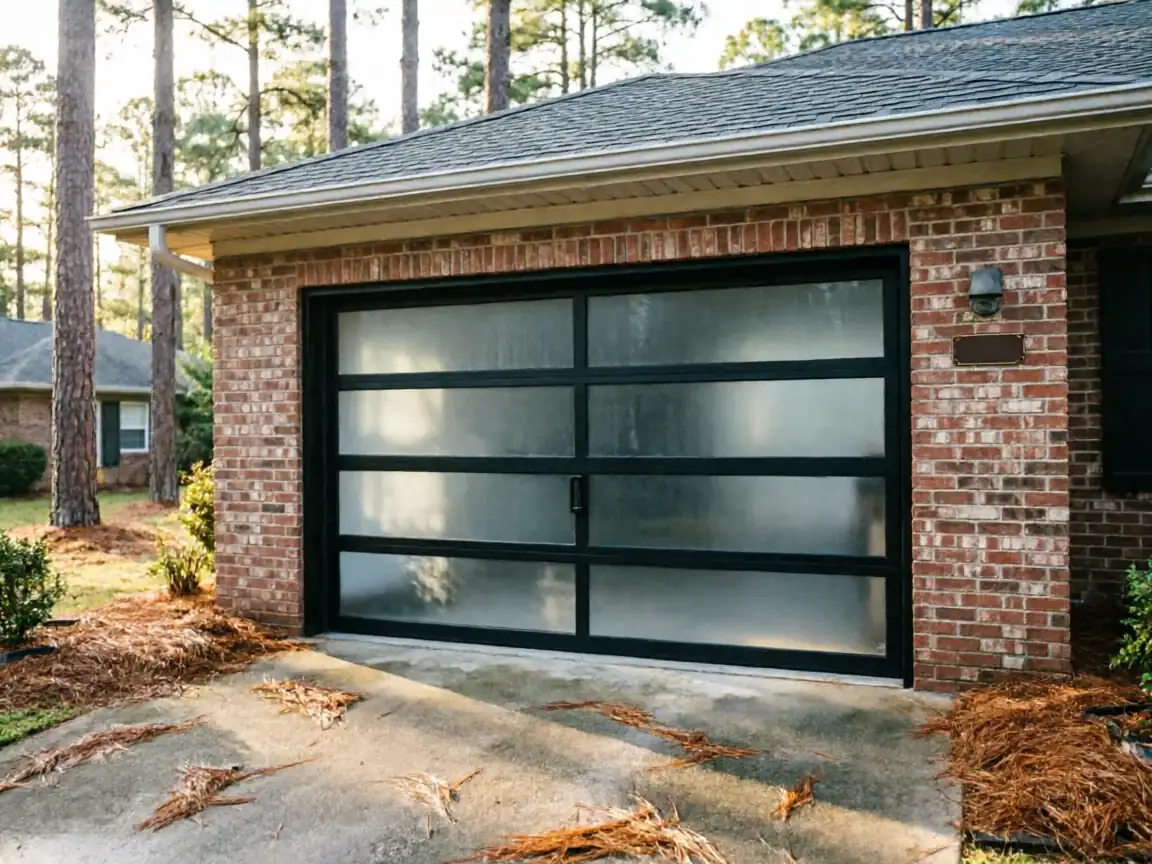
If your house in Cherryville is one of the many built around 1970, swapping in a new door yourself is harder than the kit at the big box store makes it look. Openings from that era often run narrower or shorter than what current stock doors assume, and the track hardware bolted to the jamb may not match anything sold new. You can hang a door panel on your own on a weekend. Getting the spring tension right on a torsion system, squaring an opening that has settled over fifty-plus years, and making sure the new door actually clears your low headroom is a different job. We've seen owners get a door up and operating, then find out six months later the opener is straining because the balance was never set right. If you want to do the demo and prep yourself to save a trip, that's fine - have us check the opening and hardware before you buy a door, not after.
What the Repair Takes
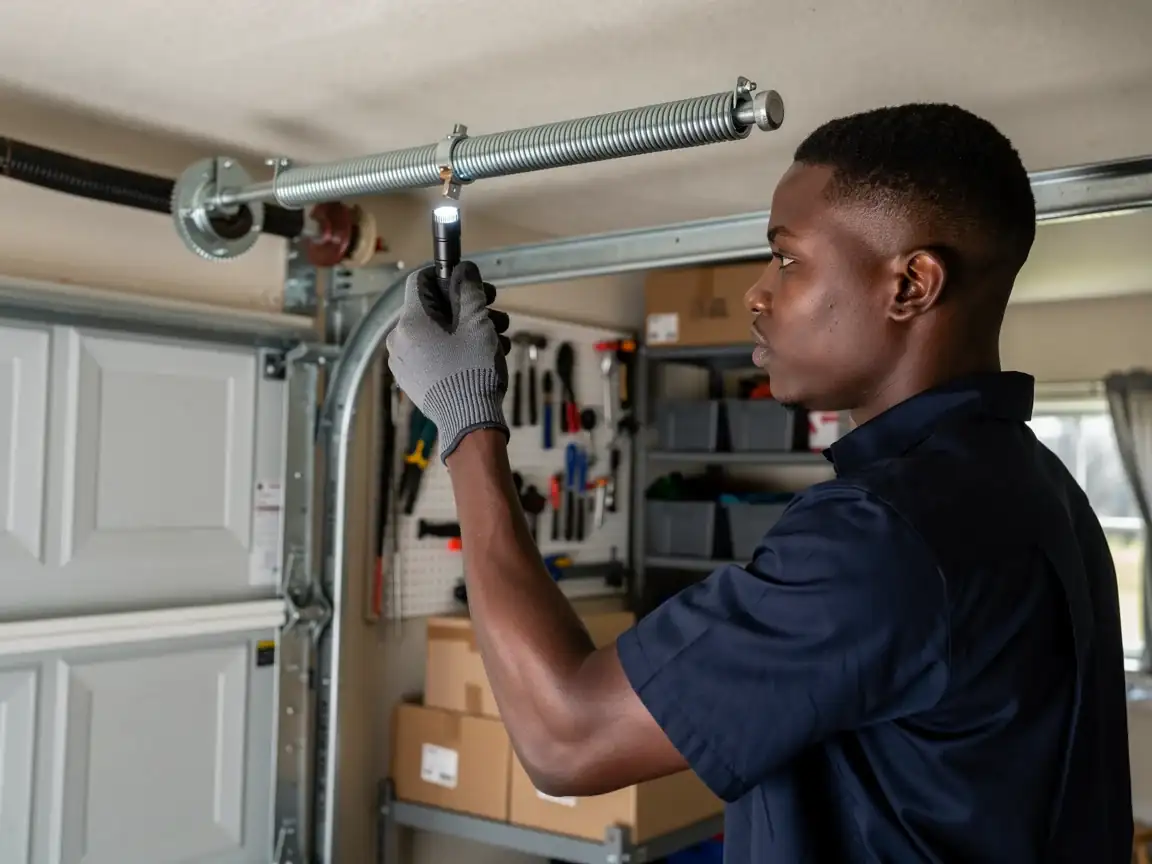
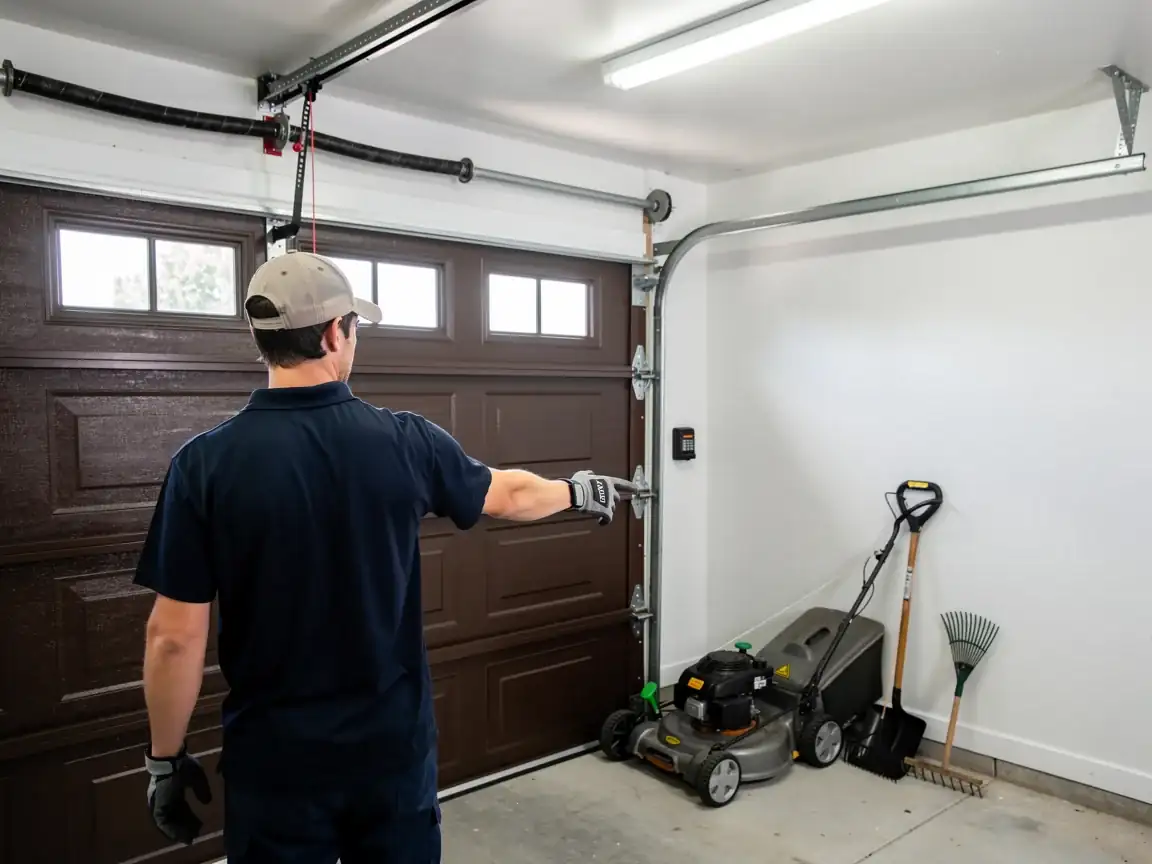
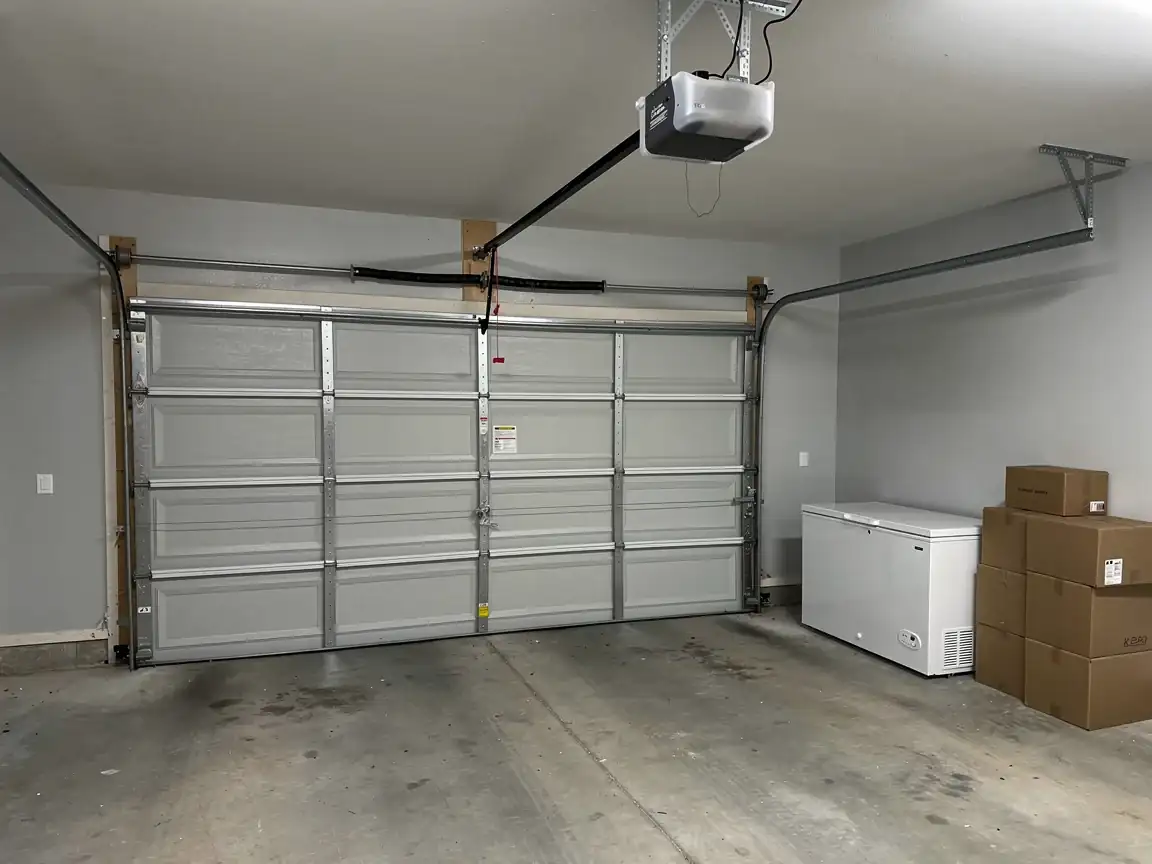
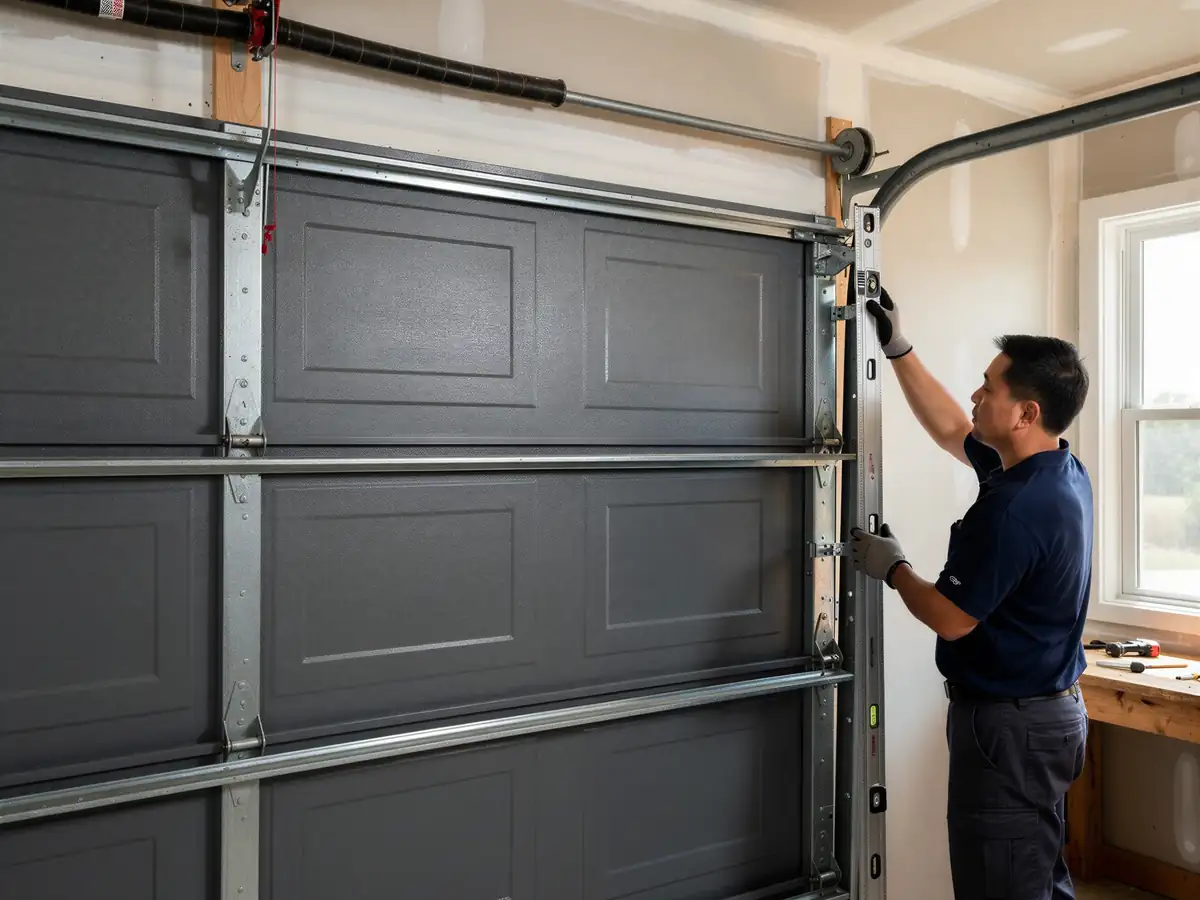
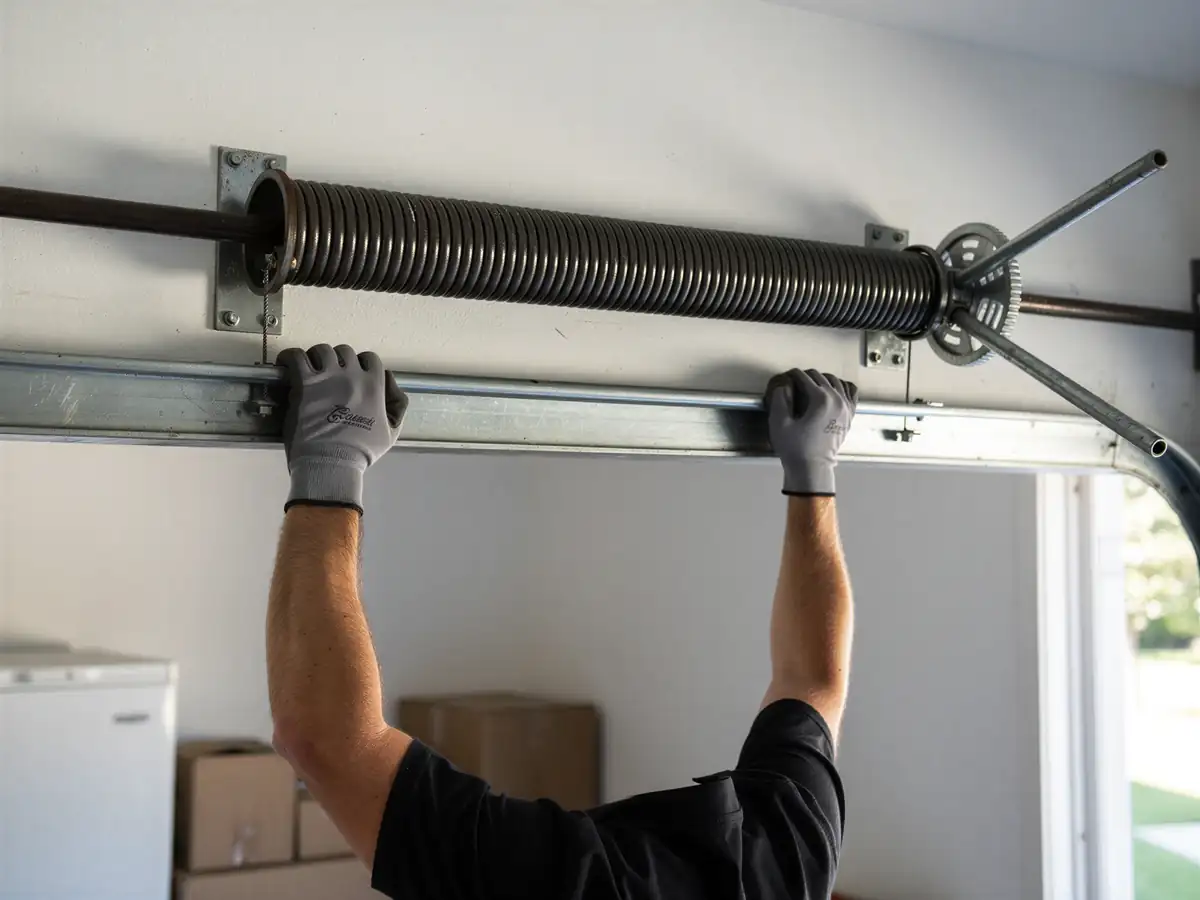
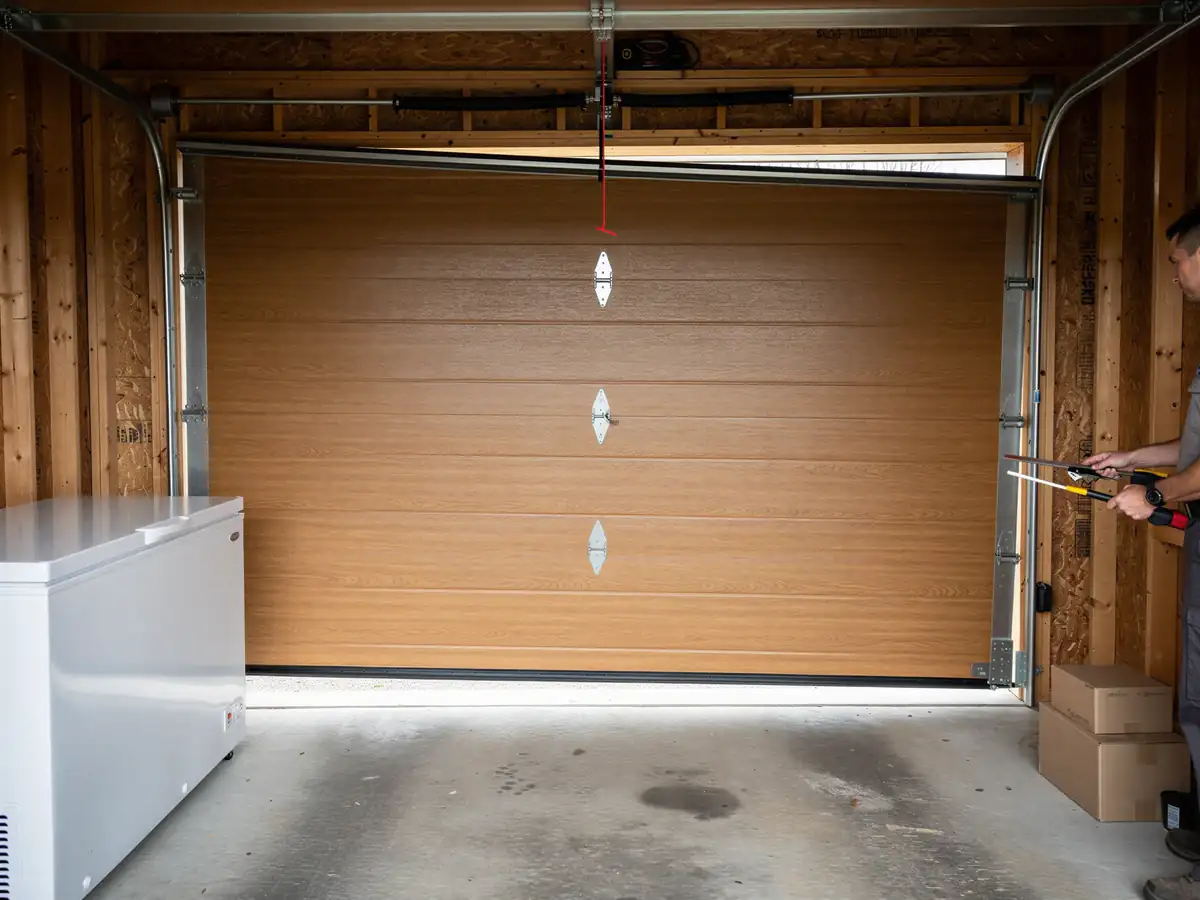
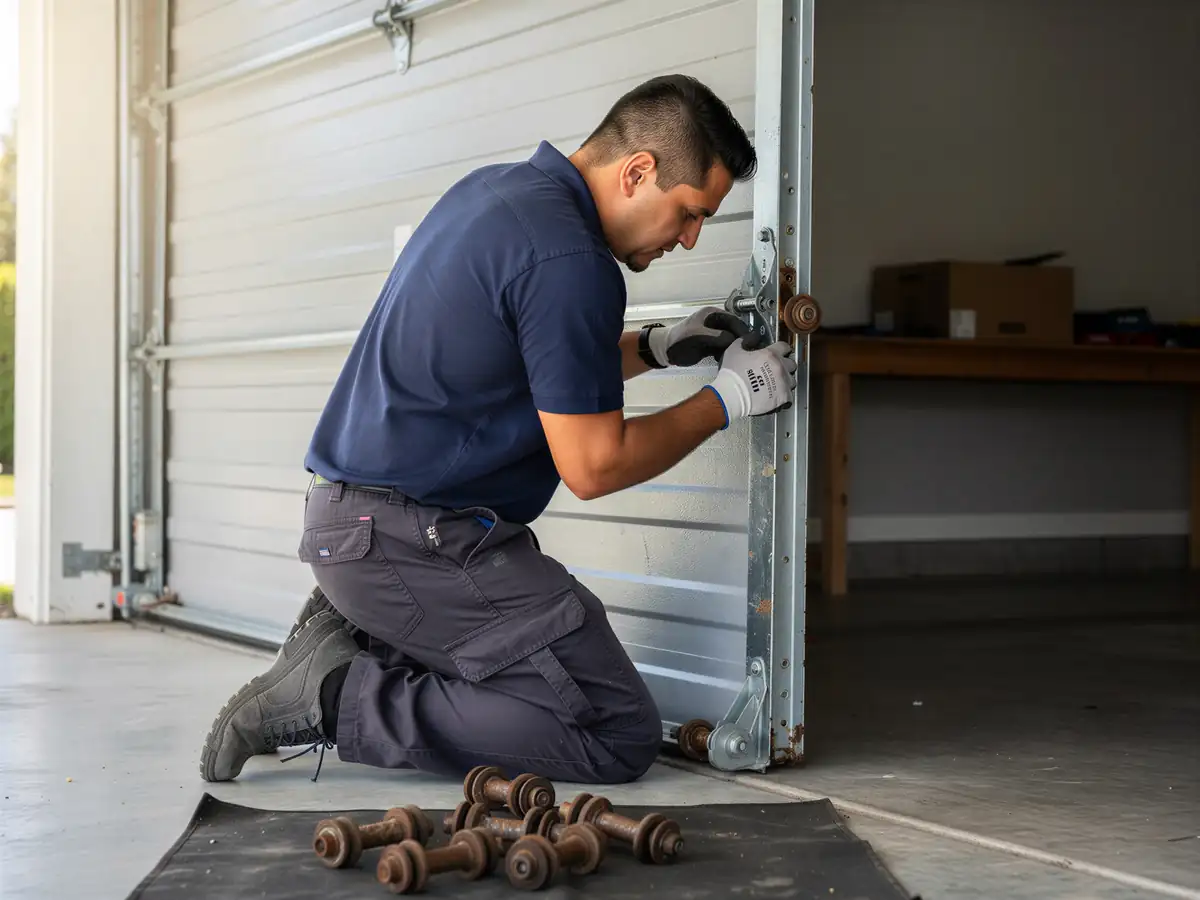
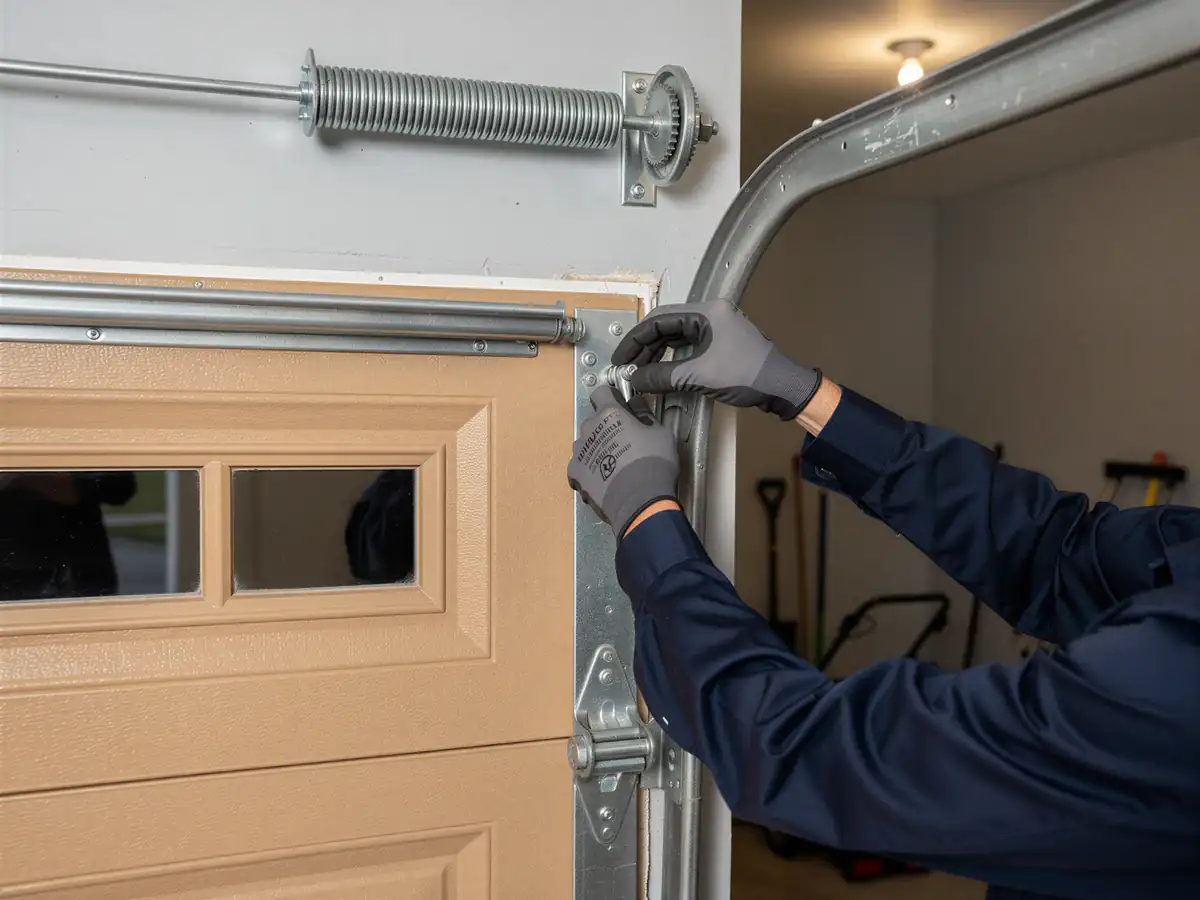
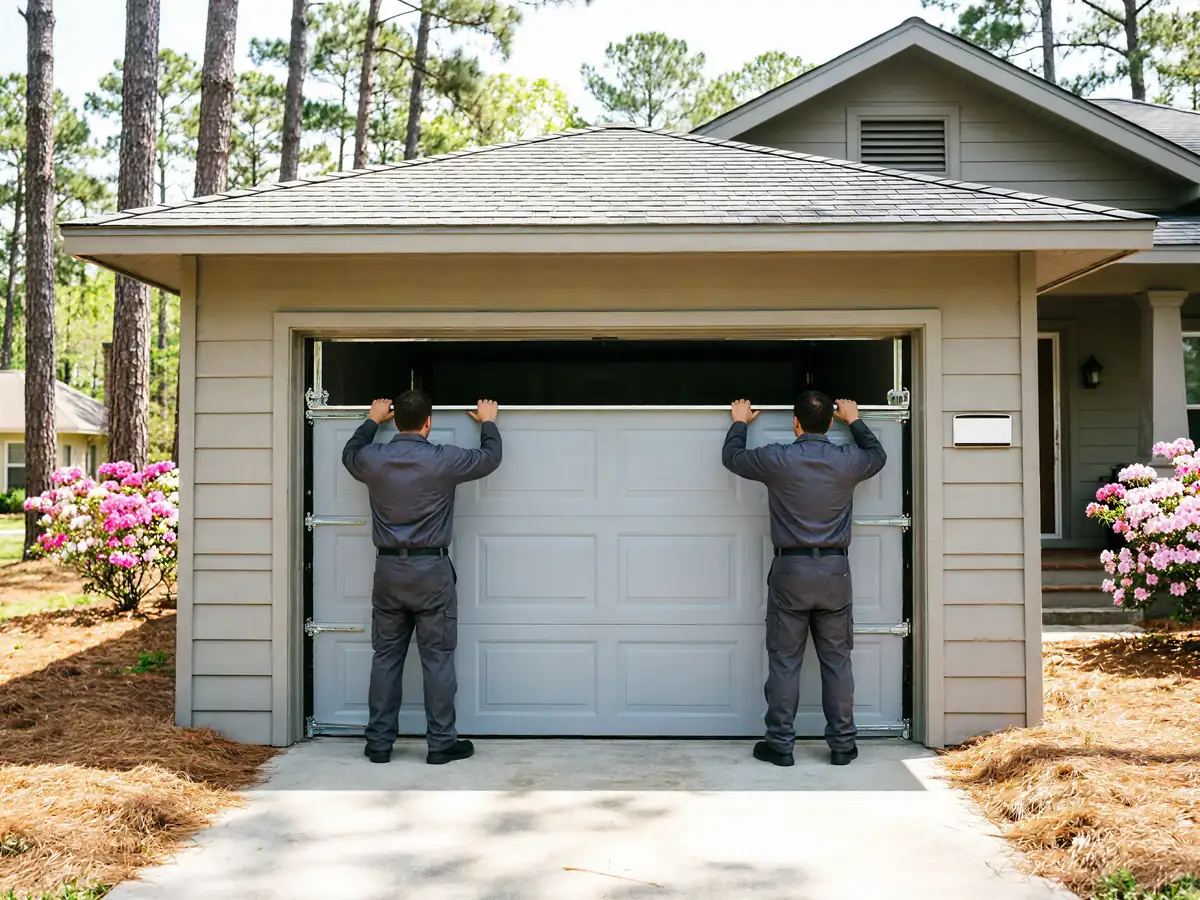
A full install on a Cherryville house usually starts with pulling the old door and its track off the jamb, then checking the opening itself - framing, headroom, and whether the existing jamb is square enough to mount new track without shimming the whole way up. Houses built near 1970 sometimes have less headroom than what a standard torsion spring setup wants, which means a low-headroom kit instead of the stock hardware. We set new track, mount the spring system sized to the door's actual weight, hang the panels, and balance it so the opener isn't doing the lifting on its own. One honest limit: if your opening is an odd size, or the low-headroom kit isn't something we have on the truck that day, the job can take two visits instead of one - we're driving the 14 miles out from Gastonia either way, so we'd rather measure first than make a second trip because we guessed.
The Cost of This Job
We don't have a flat number to quote here - the cost depends on the door size, whether you need a low-headroom spring kit for an older opening, insulation level, and whether the opener gets replaced along with the door. What we can tell you is what drives the number up or down on a Cherryville job specifically: a standard double door with stock hardware is the simplest case, while a narrower or shorter 1970s-era opening that needs custom track or a low-headroom kit adds to both material cost and labor time. Household incomes in this area run close to $58,701 a year, and most owners we talk to want the real number before they commit, not a range that gets padded once we're on site. We'll measure your opening and give you a written number before any work starts, not an estimate over the phone.
What Causes It Around Here
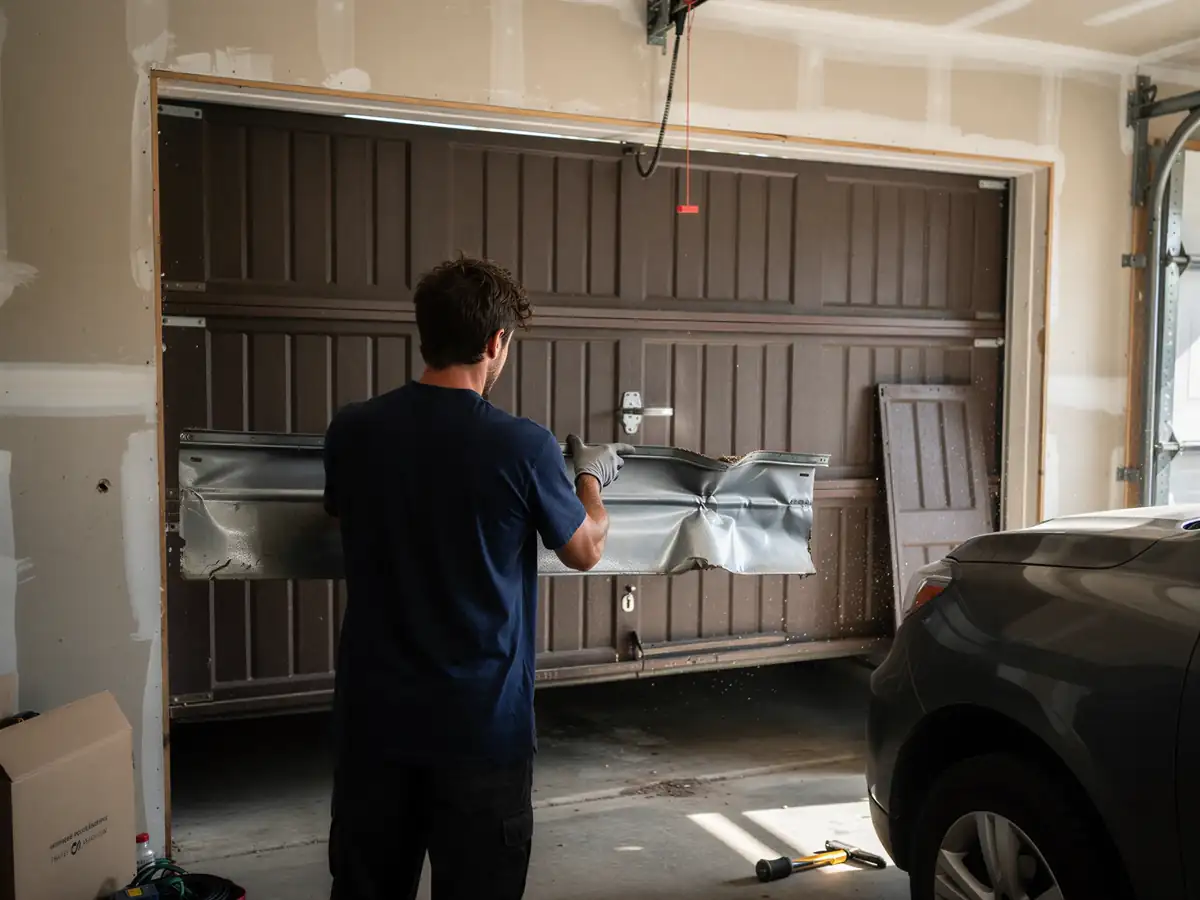
This part of North Carolina sits in a cold-moderate climate band - real winter cold, humid summers, and enough temperature swing year to year to work metal hardware loose and let wood jambs shift slightly with the seasons. On a door that's been in place since the house was built around 1970, that cycle adds up: springs fatigue, cable ends fray, and steel panels along the bottom pick up rust where snow or rain sits against them. It's not one bad storm that does it - it's fifty winters of expansion and contraction on hardware that was never meant to last that long. That's the main reason replacement, not another repair, tends to make sense once a door from that era starts failing.