The DIY Question
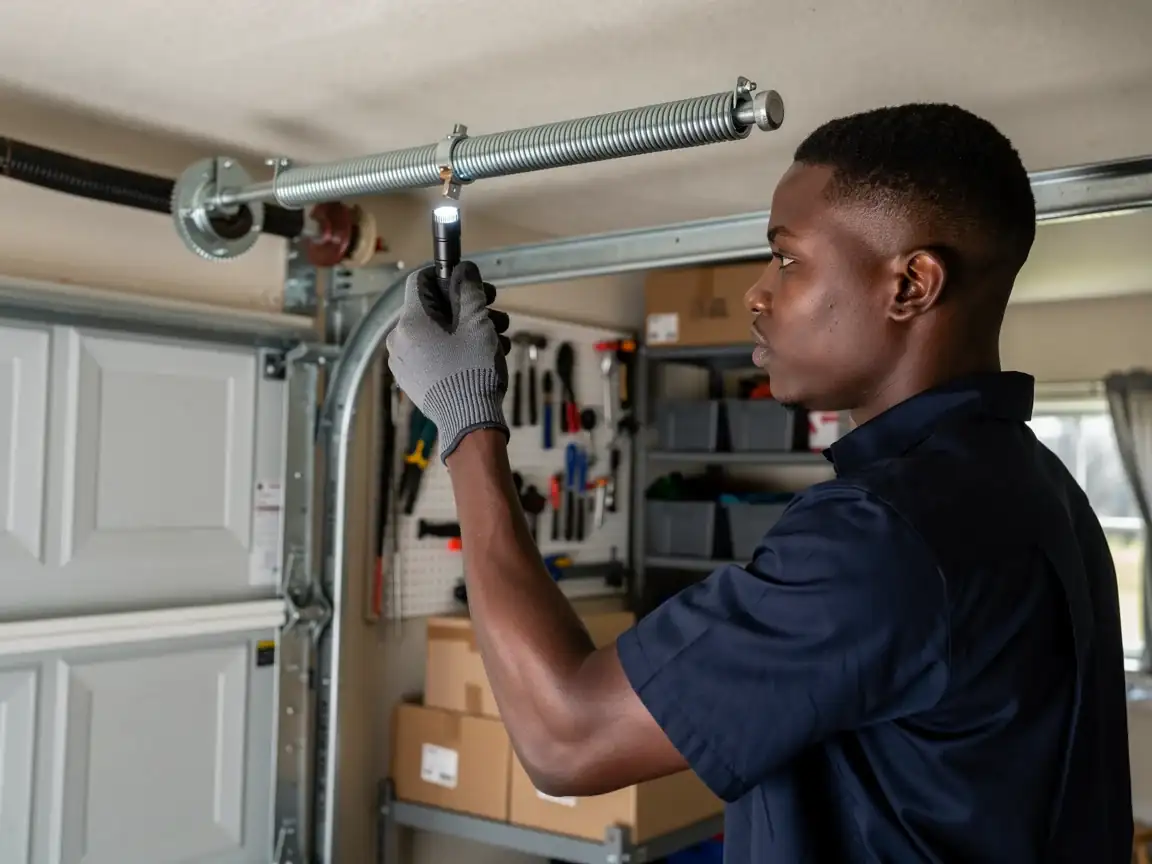
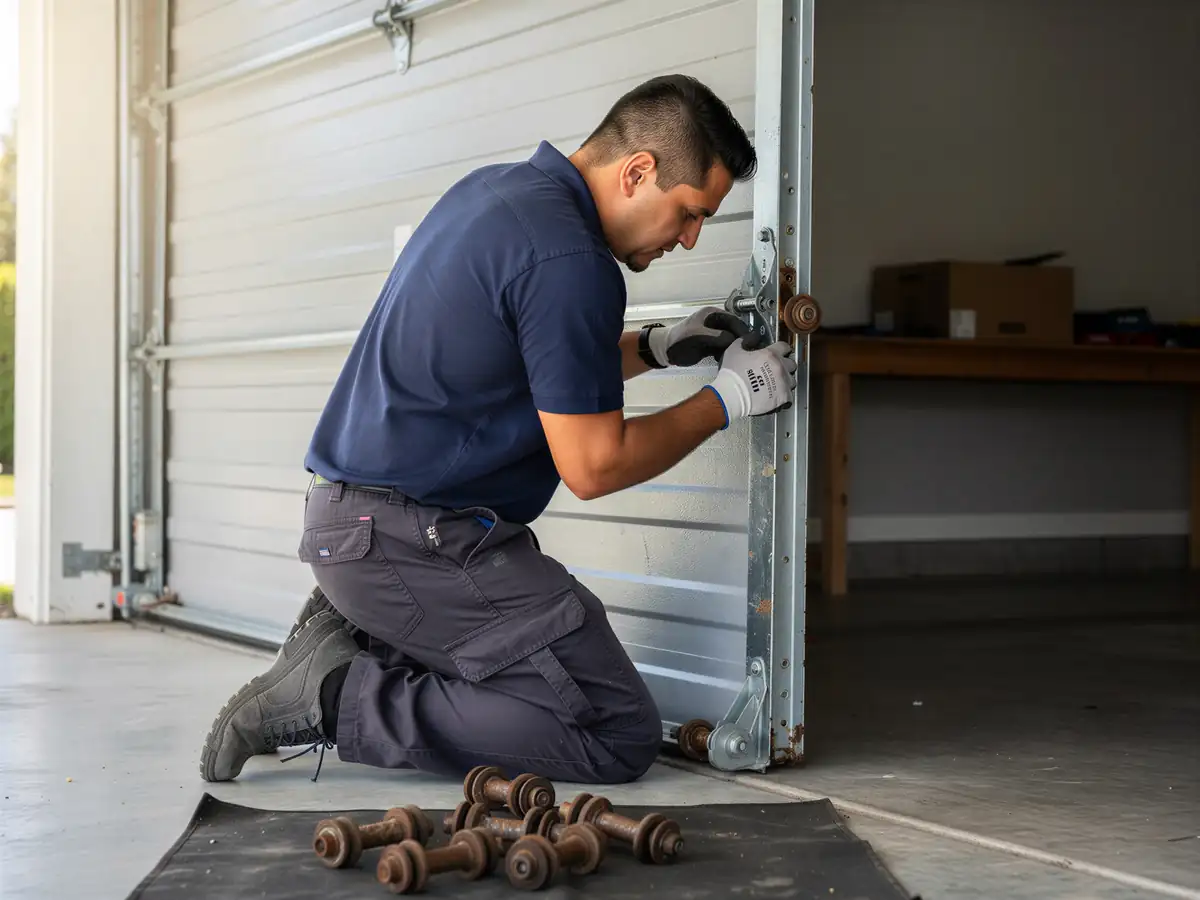
A lot of Cherryville doors are original enough, or close to it, that the rollers still riding in the track are the galvanized steel kind that came standard when the house was built around 1970. Swapping a steel roller for a nylon one is within reach for a homeowner who's comfortable on a ladder and has unplugged the opener first - it's a hex wrench, a bit of patience with the roller stem, and knowing which rollers carry the door's weight at the bottom bracket versus which ones just ride the curve at the top.
Where it stops being a weekend job: if the roller has seized in a bent track, or if the cable on that side has started to fray, you're no longer replacing a part - you're diagnosing why it failed. On a door that's roughly fifty years old, a seized roller is often a symptom of a track that's shifted slightly out of plumb over the decades, and forcing a new roller into a track like that just buys you another failure in six months. That's the point to call rather than push through it.
What the Repair Takes
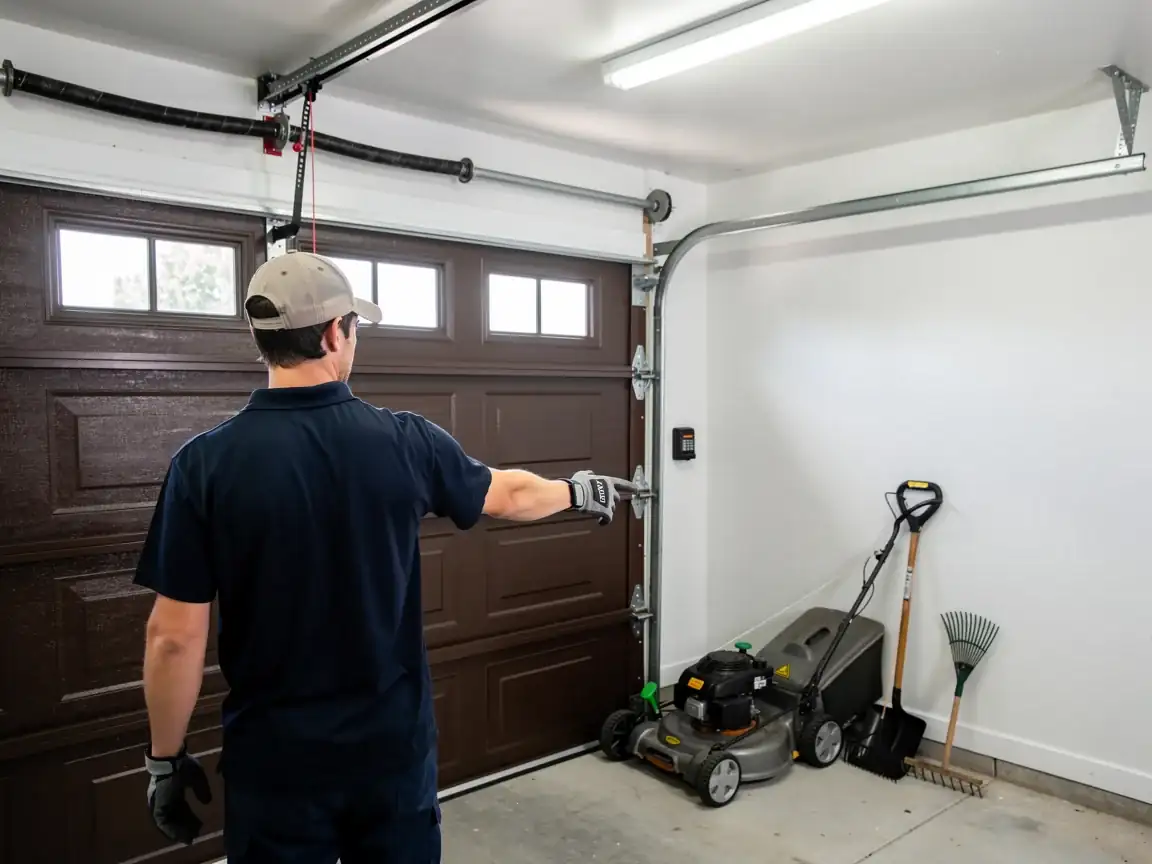
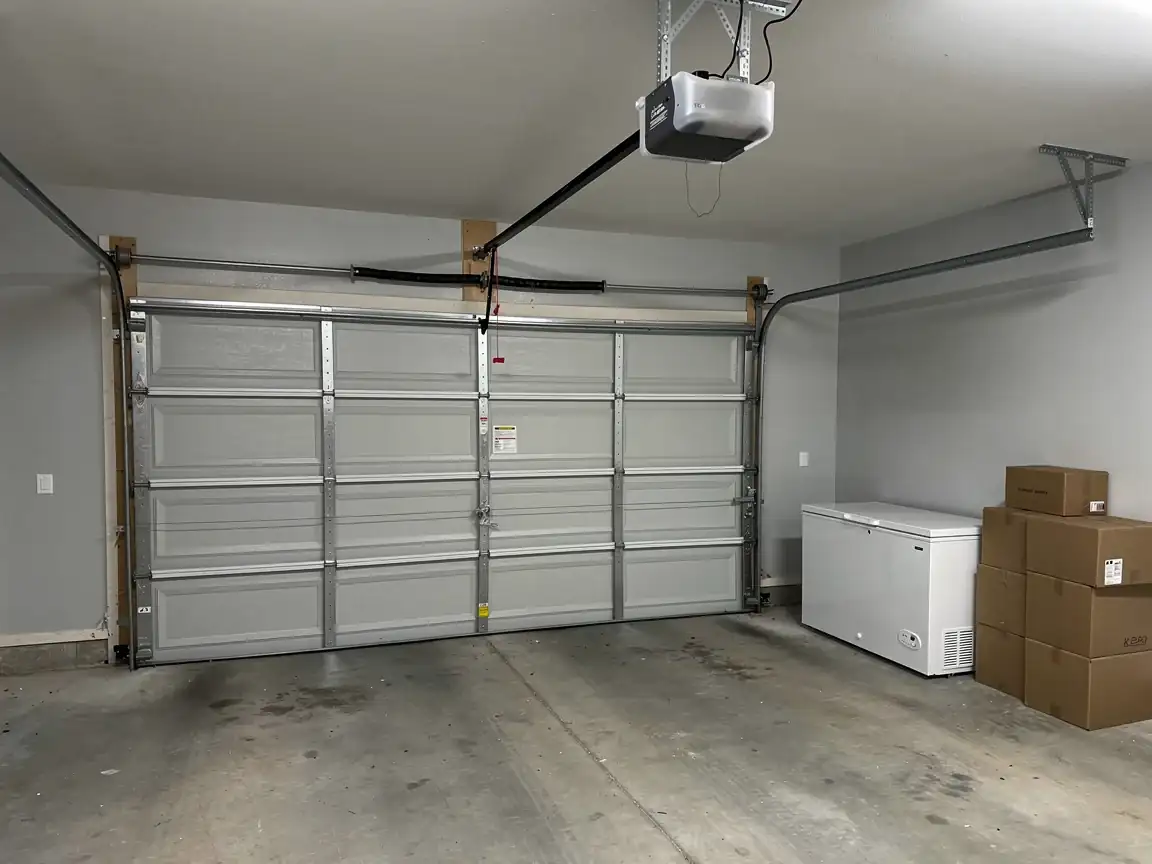
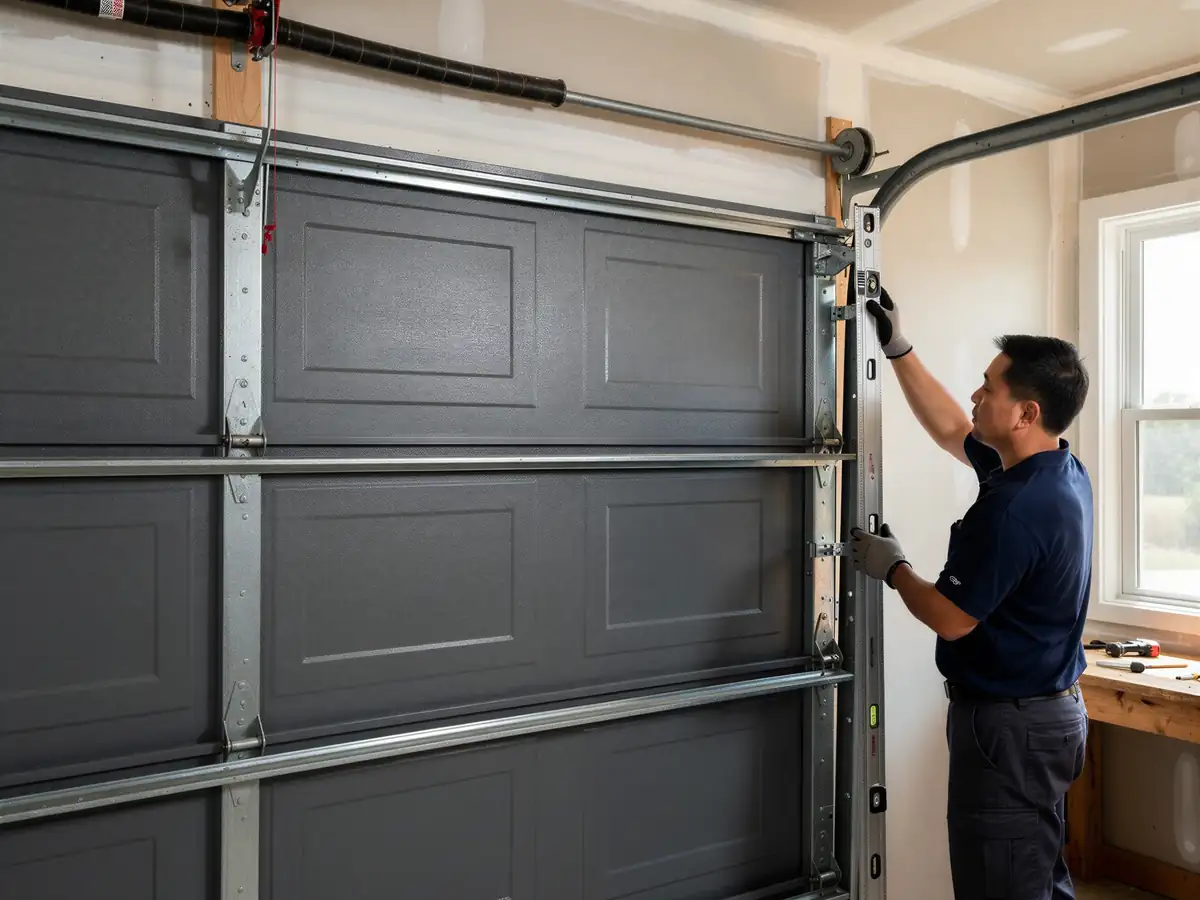
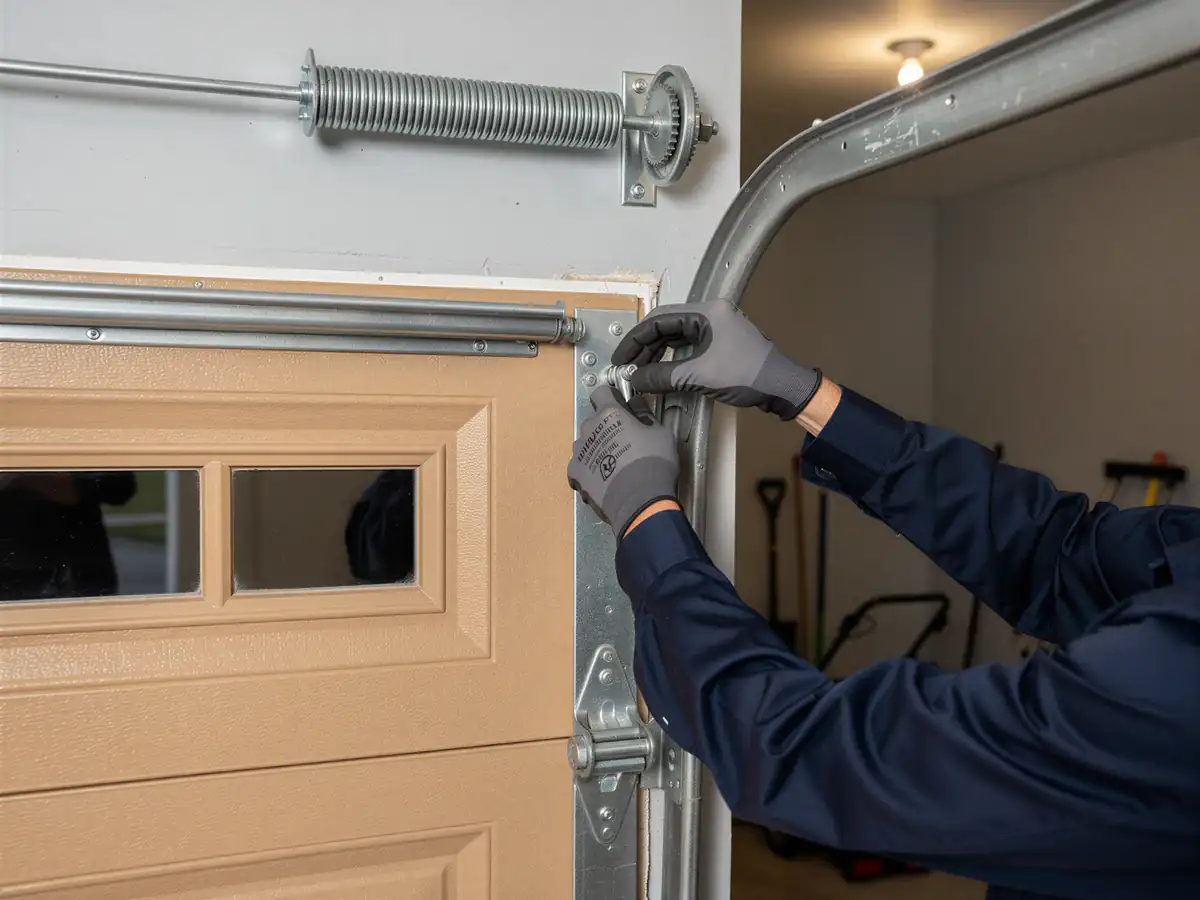
Most of the rollers we pull in Cherryville are the original 2-inch or 7-ball steel stem rollers, sometimes with the stem itself worn into an oval shape from decades of riding the same curve. Replacement means backing out the roller brackets one at a time, working from the bottom up so the door stays supported, and checking the track gauge as you go - on a door this old, the track has usually seen enough minor impacts that one or two sections need a gentle re-set, not just new rollers dropped in.
We carry both steel and nylon replacement rollers on the truck, since we're coming from Gastonia and don't keep a parts counter in Cherryville itself. For most houses here, nylon rollers with sealed bearings are the upgrade worth making - quieter, and they don't wear the track the way fifty-year-old steel has.
What You Are Seeing
The usual complaint is noise
A grinding or clunking as the door moves, worse at the top or bottom of travel where the curve in the track is tightest. On a door built around 1970, that grinding is almost always a worn roller bearing or a stem that's bent just enough to bind. You'll also see a roller that's visibly flattened on one side, or one that's missing its bearing cover entirely after years of exposure.
A door that jumps or shudders partway through its cycle, rather than moving smoothly
Usually means one roller has failed enough to drop out of the track momentarily. That's worth addressing before it becomes a roller that comes out of the track completely and jams the door open or shut.
The Cost of This Job
We don't post a flat number for roller replacement here because it depends on how many rollers need swapping and whether the track needs adjustment alongside it - a full set of ten rollers on a double door costs more than spot-replacing two or three on a single door. What we can say is that houses in this area, where median household income runs around $58,701, tend to ask us to replace rollers in sets rather than one at a time, since the rest of the set is usually close behind in wear once one has failed.
What Causes It Around Here
With roughly 2,418 households in Cherryville and most of the housing dating to around 1970, the rollers wearing out now are largely original equipment - steel rollers were standard on doors from that era, and fifty years of use is a long run for any bearing. The regional climate here runs cold-moderate, which means winter temperature swings that stiffen old grease in a steel roller's bearing and make the grinding worse in the colder months before it eases up again in spring.
We don't see a lot of coastal-style corrosion out here, but we do see rollers that have simply outlasted their expected life and are shedding bearing balls or cracking at the stem. That's wear, not damage, and it's the most common reason we get called out.