The DIY Question
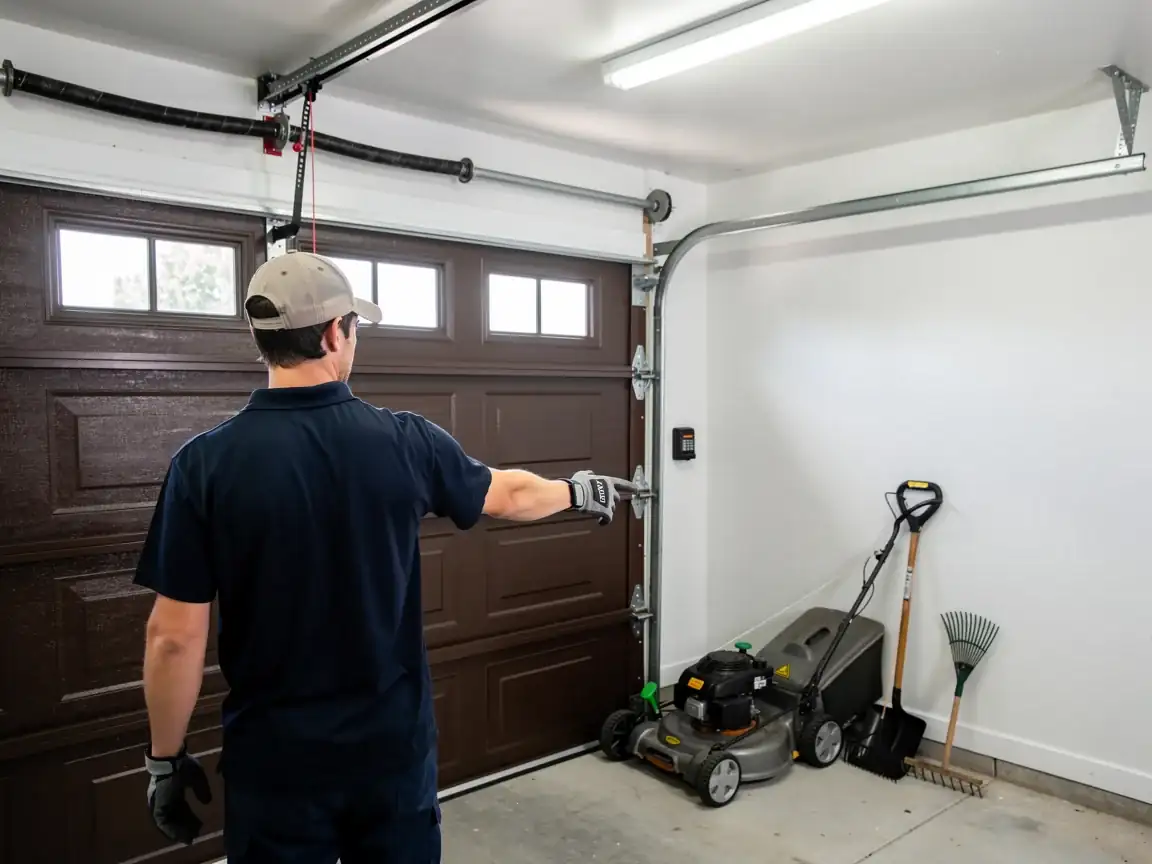
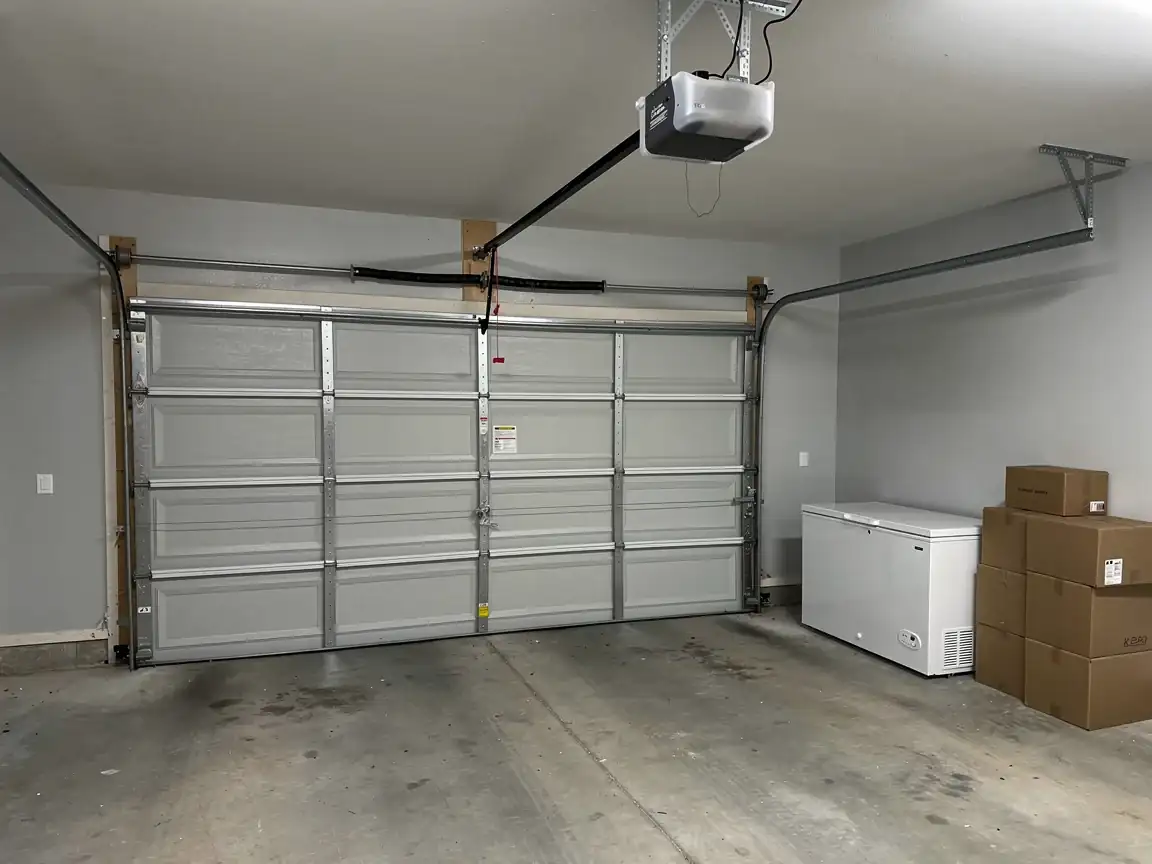
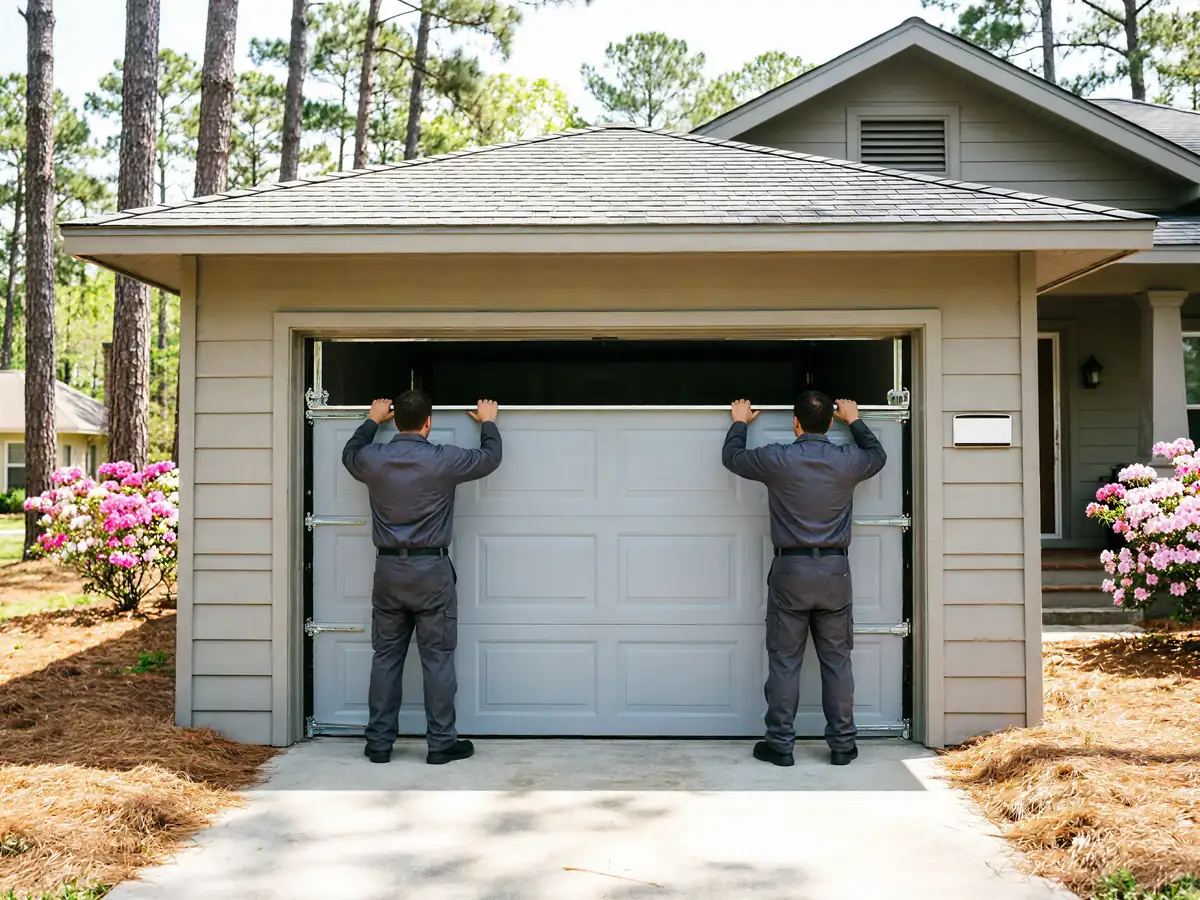
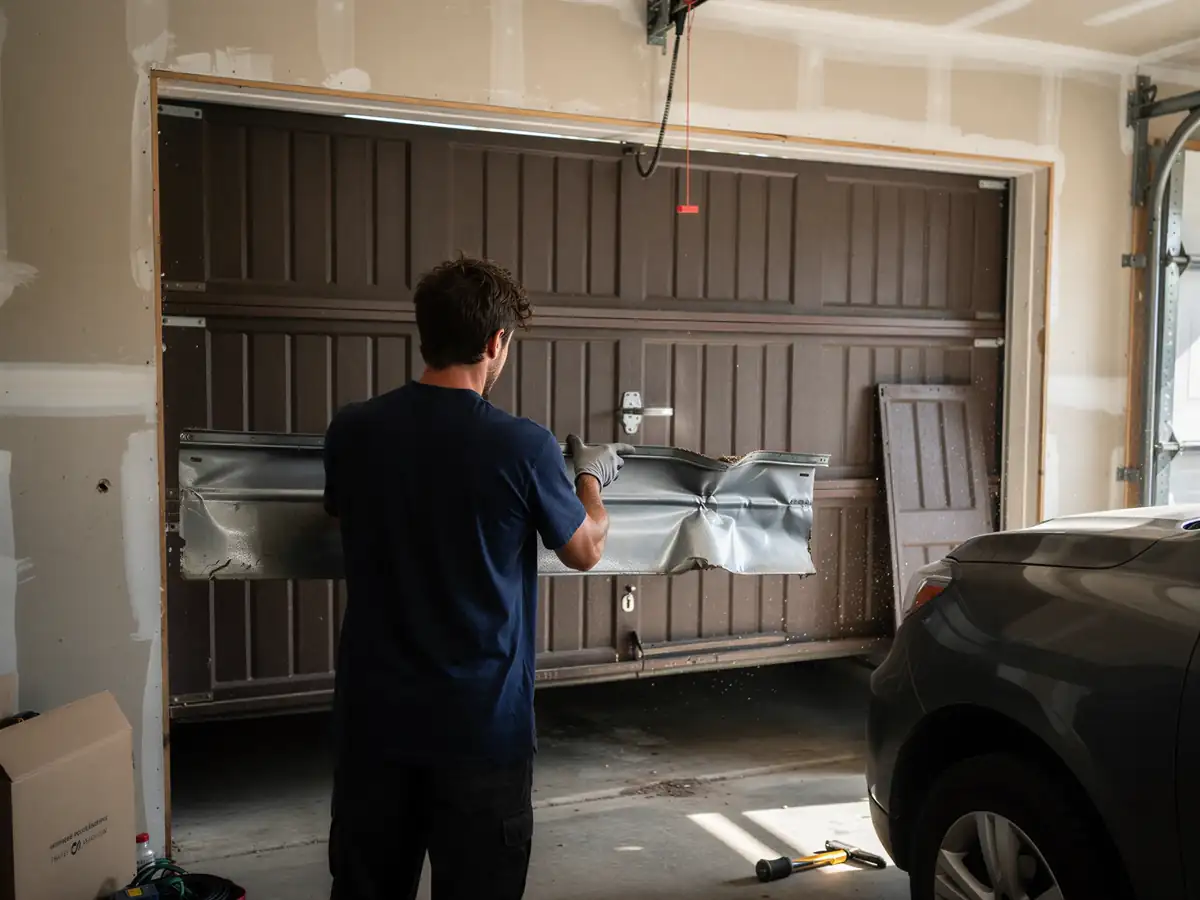
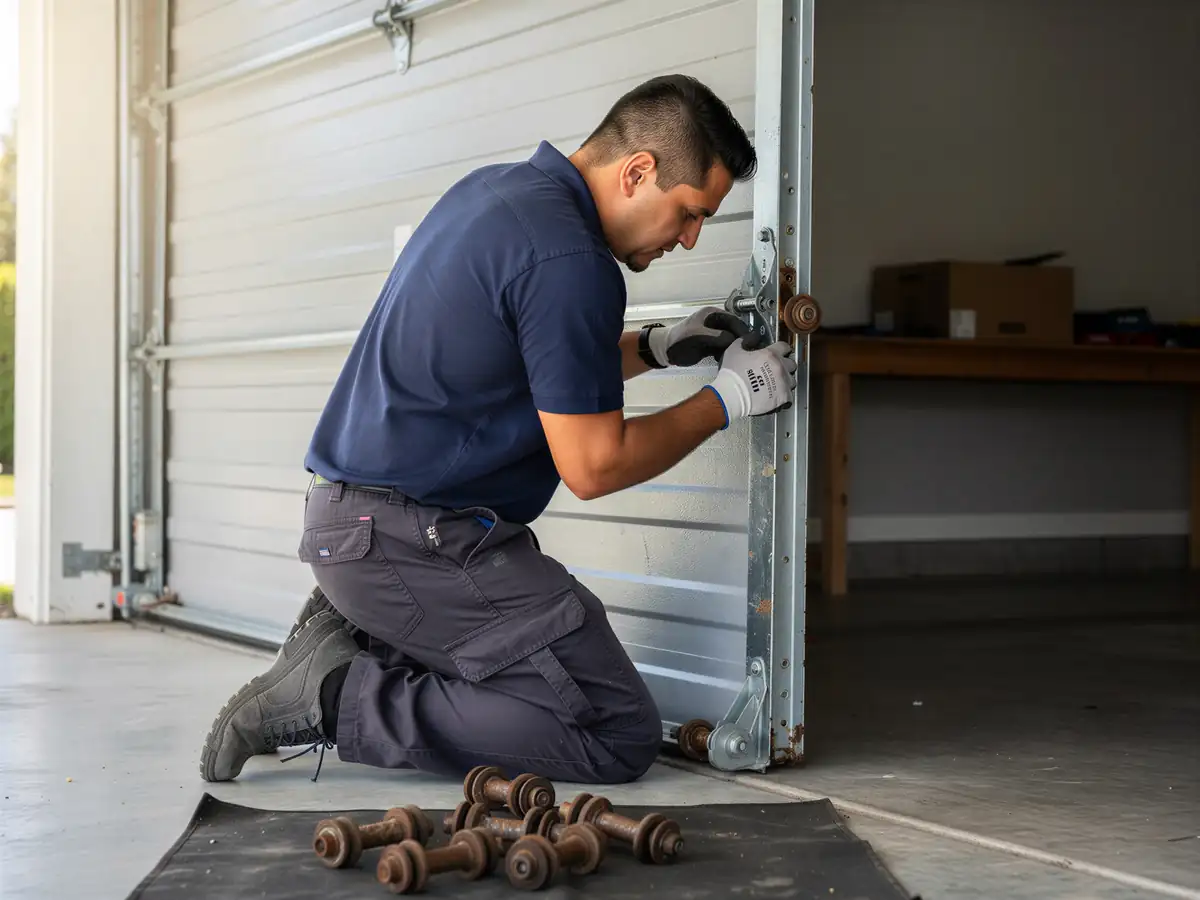
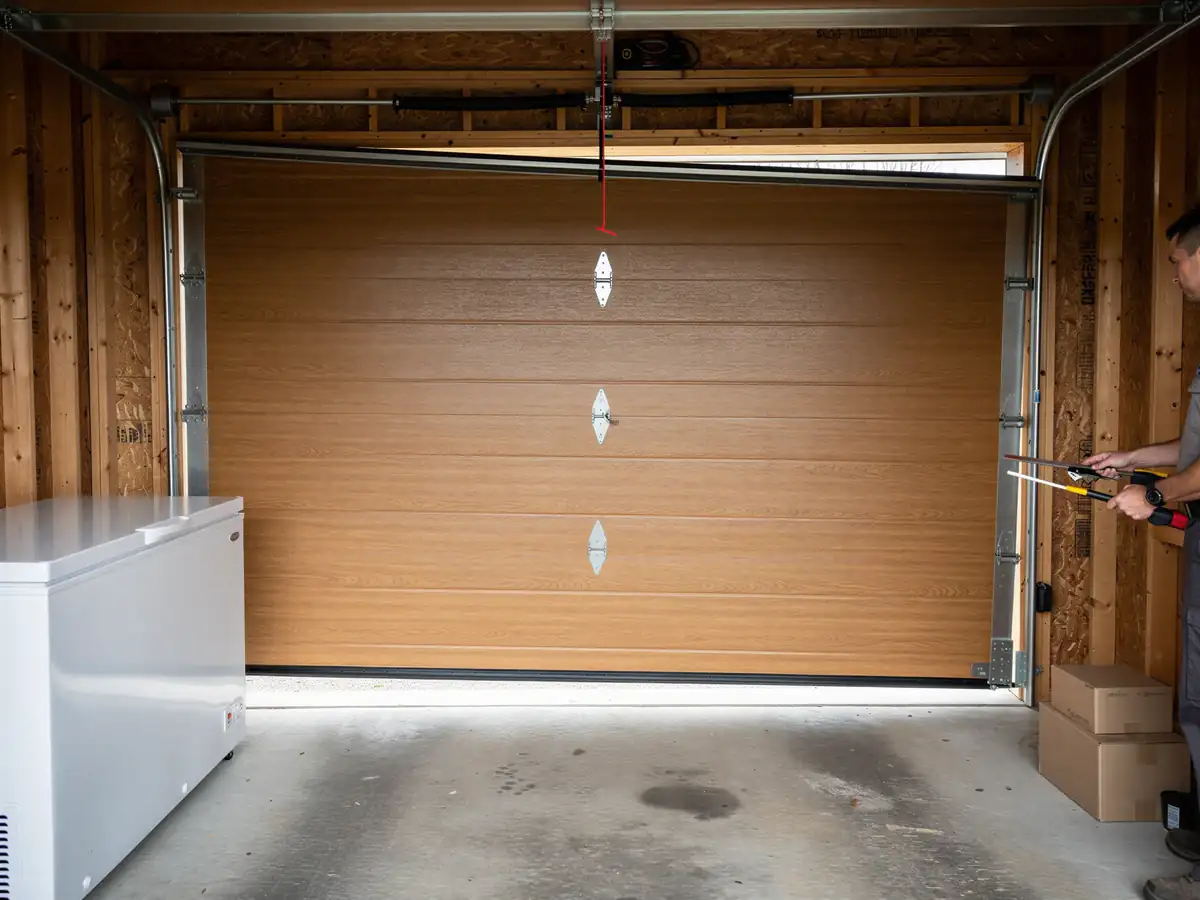
A lot of Cherryville houses went up around 1970, and on plenty of those, the track hardware bolted in back then has never been swapped out. That matters for an off-track door, because the brackets holding a 50-year-old track aren't always the brackets you'd buy today, and the mounting holes in the jamb have had decades to work loose. Pushing a door back onto bent or worn track yourself is one of the few garage door jobs that genuinely isn't worth the risk - a door under spring tension can jump the track again, or come down, while you're under it. If a roller has simply popped out of a track that's otherwise straight, you can sometimes walk the door back on by hand with the opener disconnected. If the track itself is bent, bowed, or pulling away from the wall, that's a call, not a project. We'll tell you straight if it's a five-minute fix - we're not going to run up a bill reinstalling a door that was never actually a repair job.
What the Repair Takes
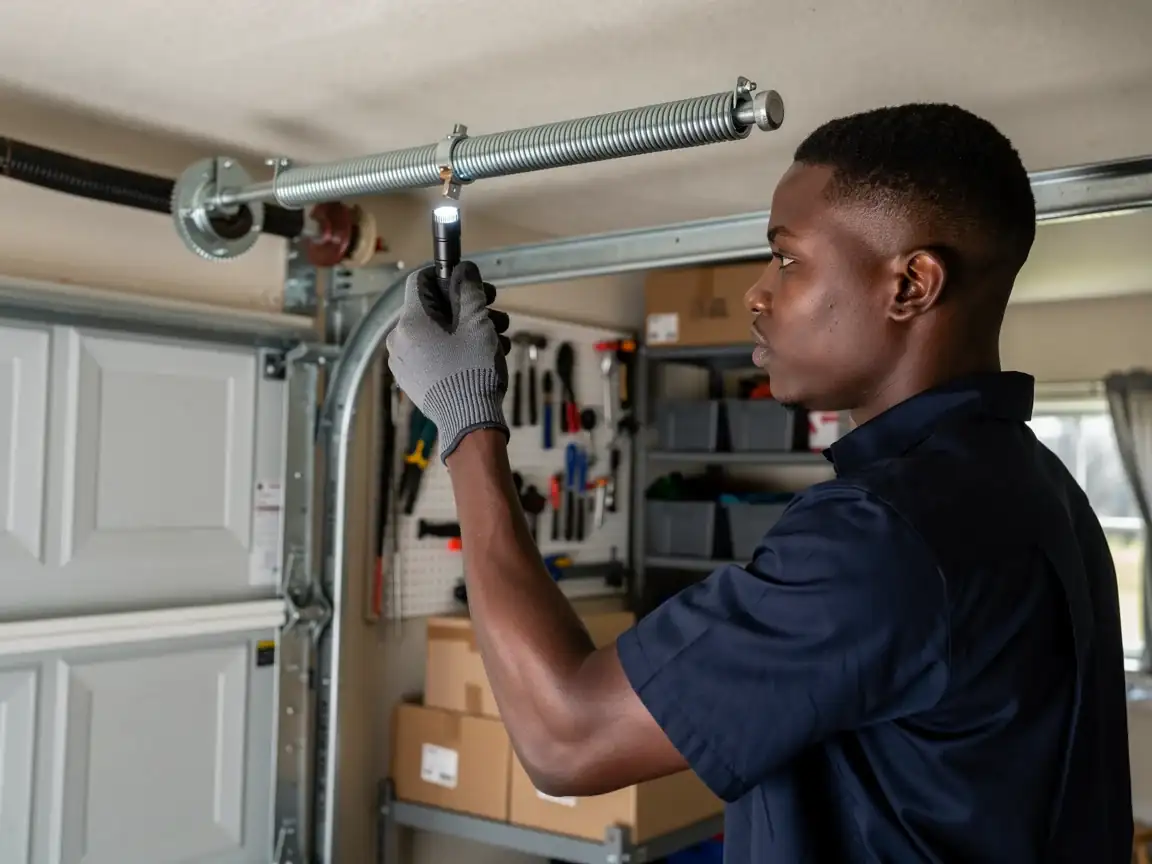
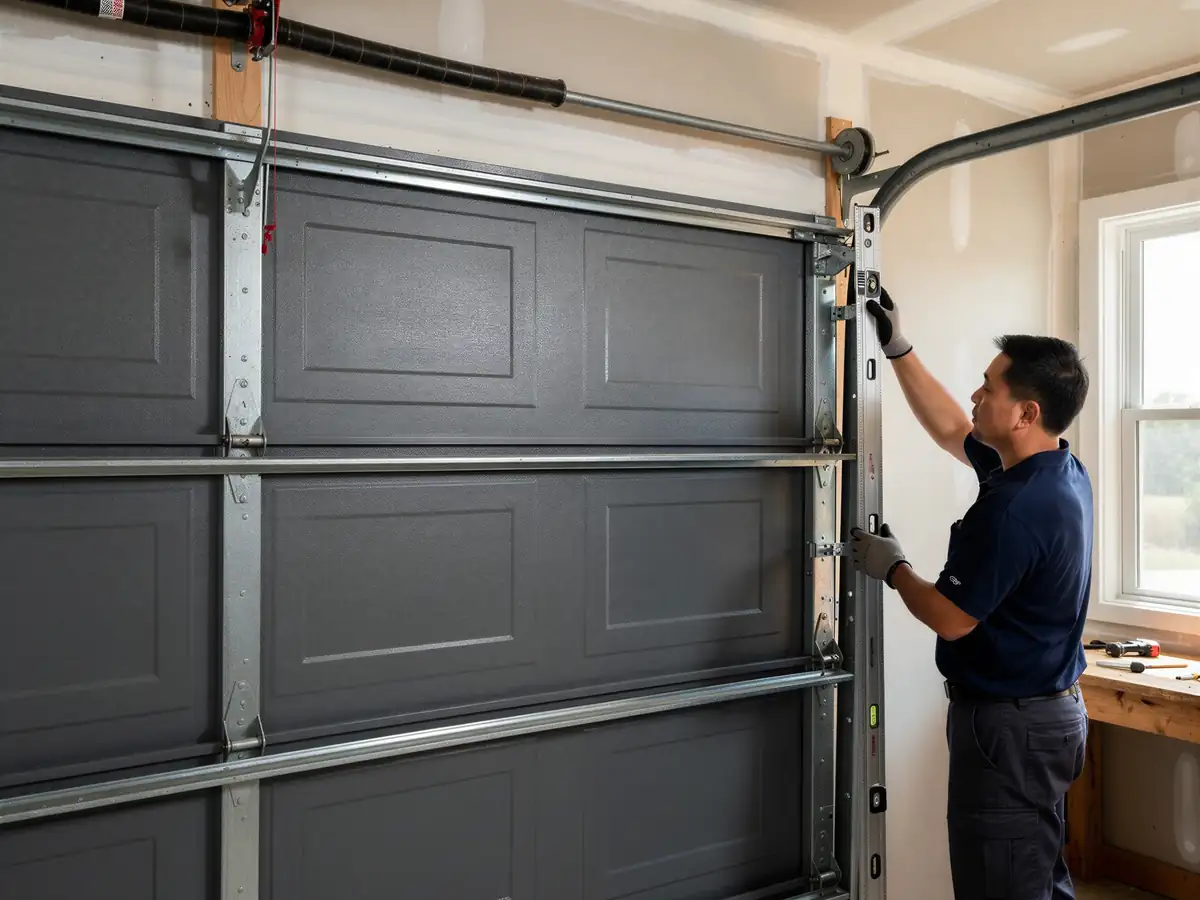
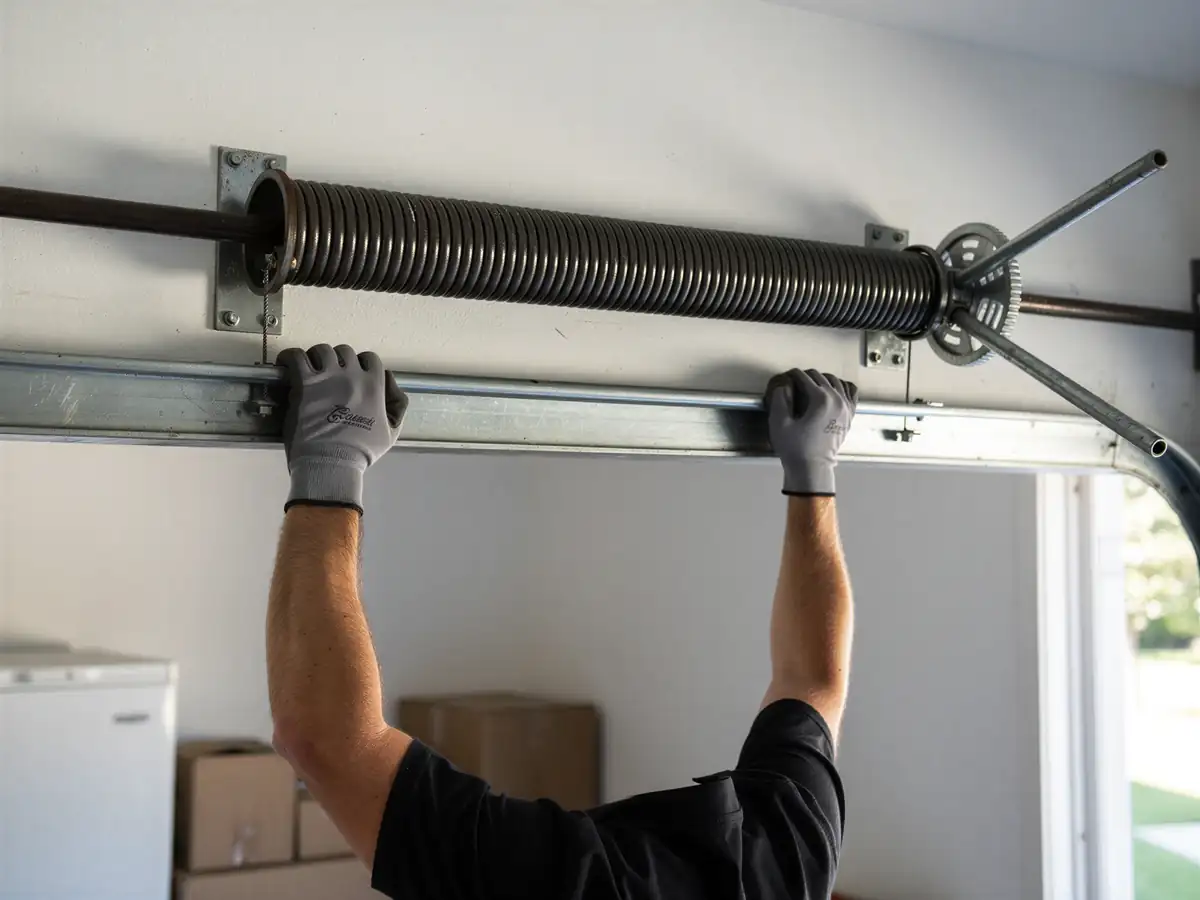
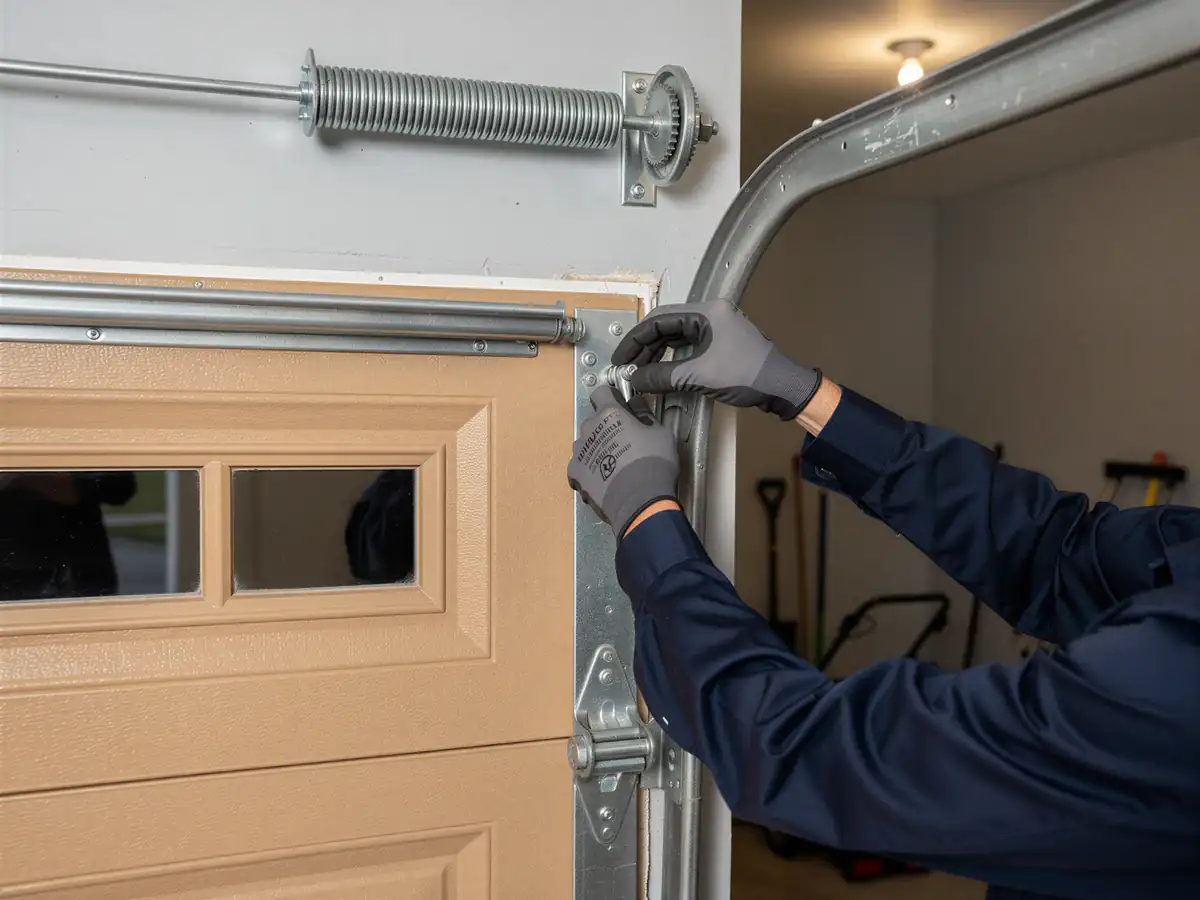
Getting a door back on track starts with figuring out why it left in the first place - a bent track, a broken roller, a loose bracket, or a cable that's jumped the drum. On original 1970-era hardware, we're often dealing with track gauge and bracket spacing that doesn't quite match what's sold now, so a straight swap isn't always possible without reworking the mounting. Once the cause is found, the fix is usually re-hanging the track true, replacing the roller or bracket that failed, and running the door through a full cycle to check it tracks clean before we leave. If the track is too bent to true back up, or the jamb it's bolted to has rotted or shifted, replacing that section of track is cheaper in the long run than fighting it twice.
The Cost of This Job
We don't post a flat number for off-track repairs because the spread is wide - a door that popped one roller costs a lot less to fix than one where the track bent and the bracket pulled out of the jamb. What we can tell you is that houses built around 1970, which covers a good share of Cherryville, are the ones most likely to need a bracket or section of track replaced rather than just reset, since the original hardware has had fifty-some years to fatigue. We'll look at the door, tell you what's actually wrong, and quote the job before any work starts - not after.
What Causes It Around Here
The region sits in a cold, moderate climate band, and that freeze-thaw cycle through winter is hard on anything metal that's been flexing for decades - track brackets loosen, screws back out of wood jambs that have swelled and shrunk a hundred times over. On a house built close to 1970, that's a long run of seasonal movement on hardware nobody's touched. Add in a door that's slightly out of square to begin with, or an opener that's been fighting a misaligned track for months without anyone noticing, and a popped roller is the result, not the cause. We see it most on doors that haven't had the track bolts checked in years - which, on original hardware, is most of them.