The DIY Question
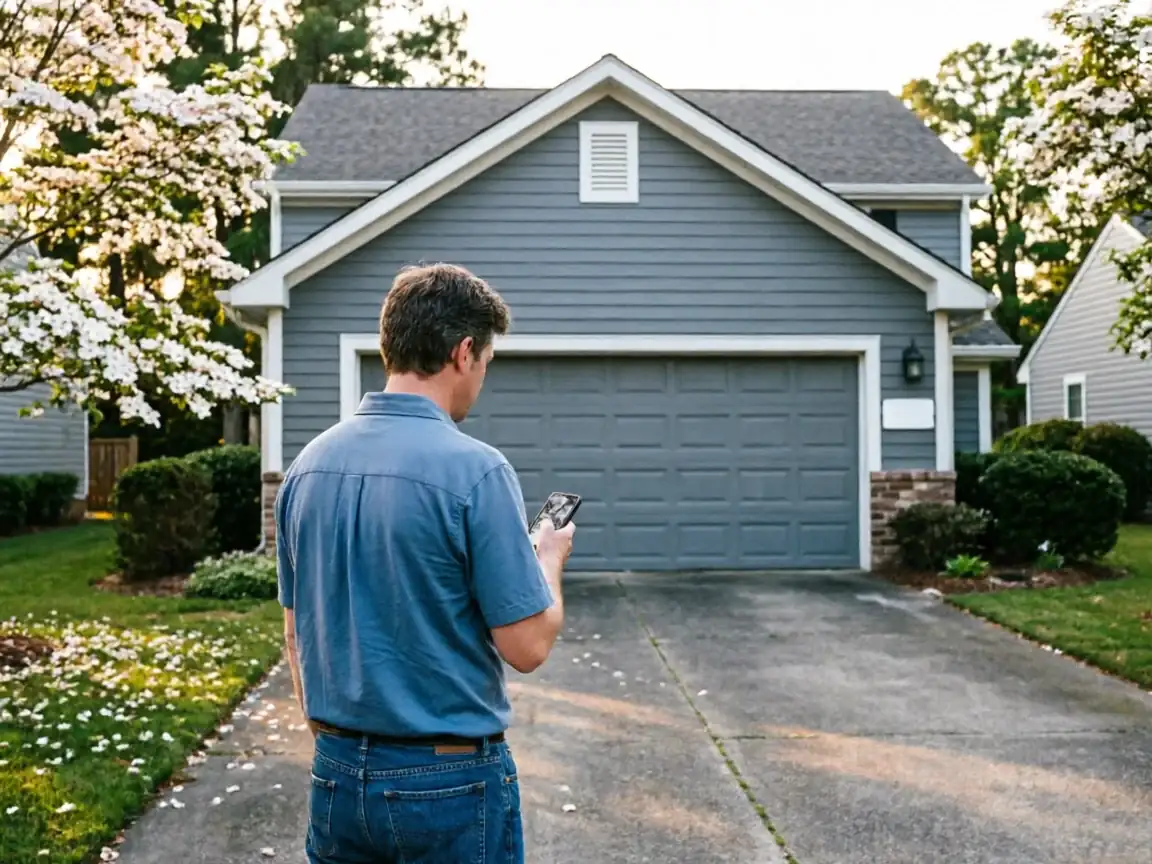
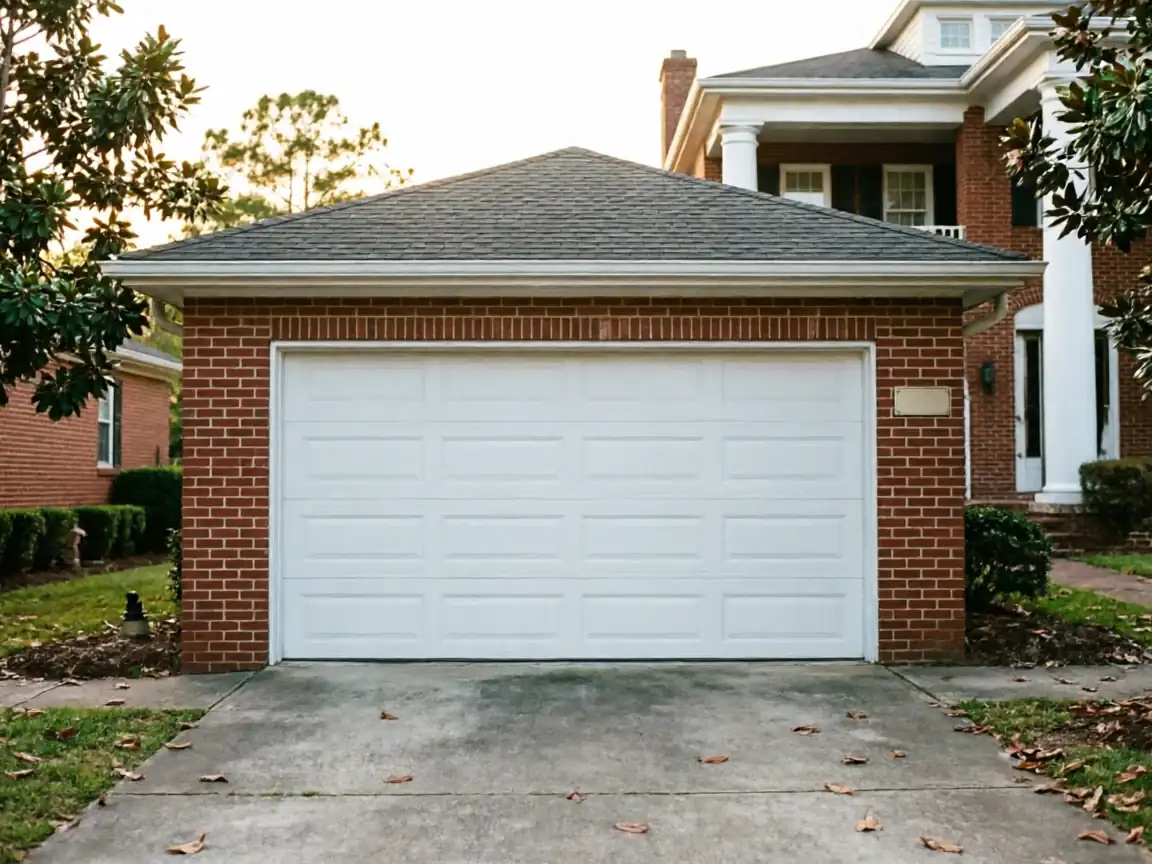
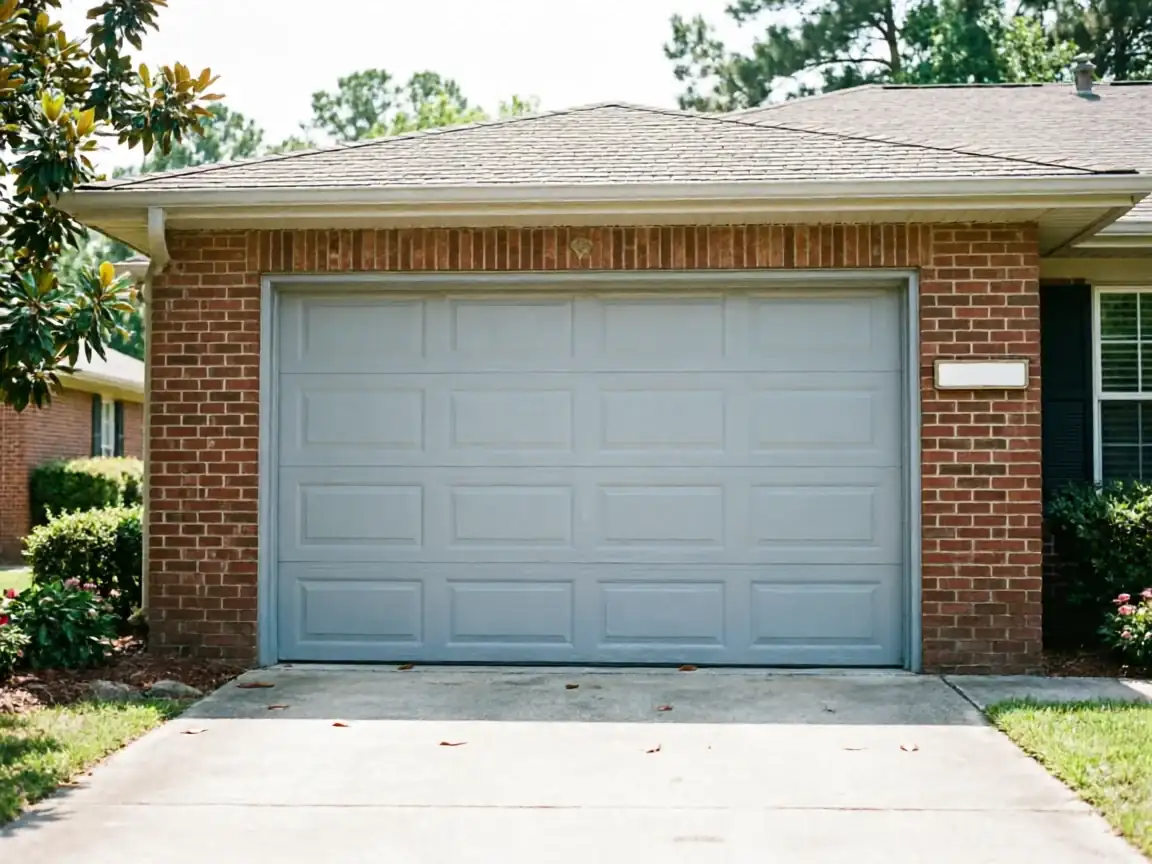
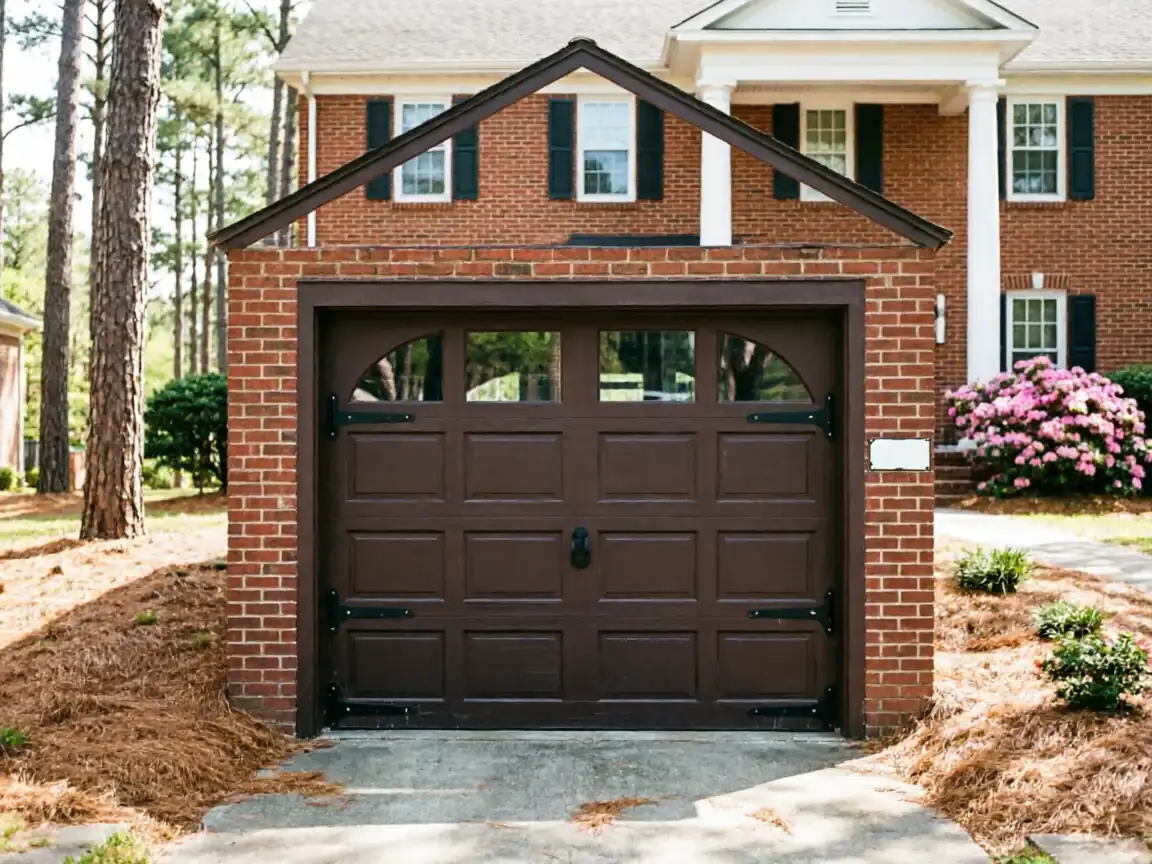
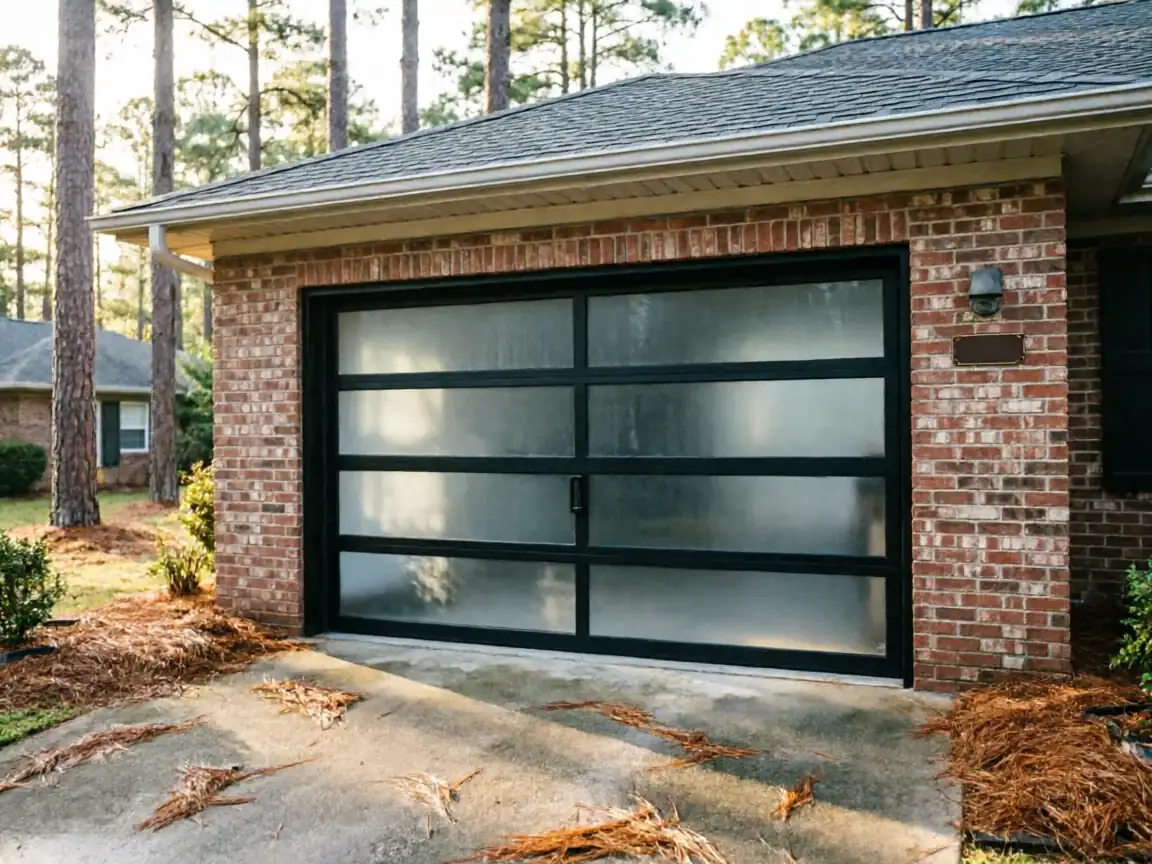
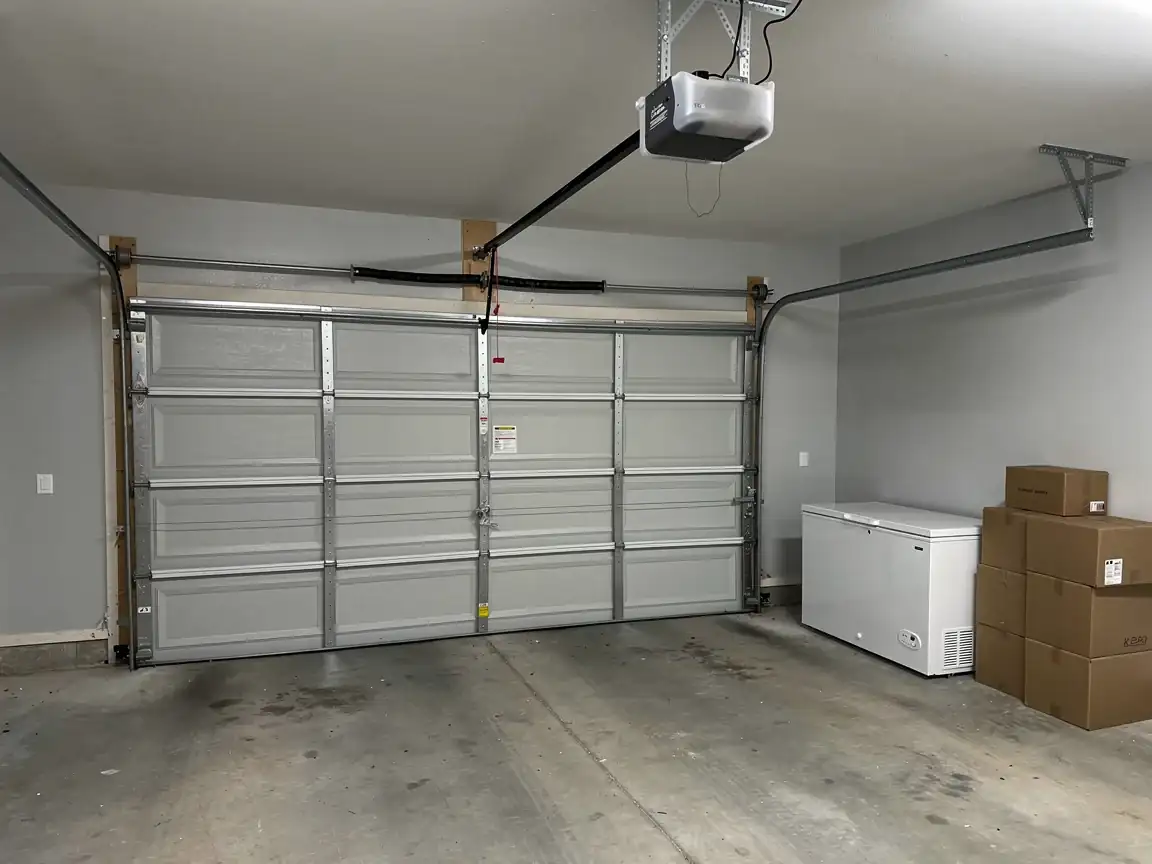
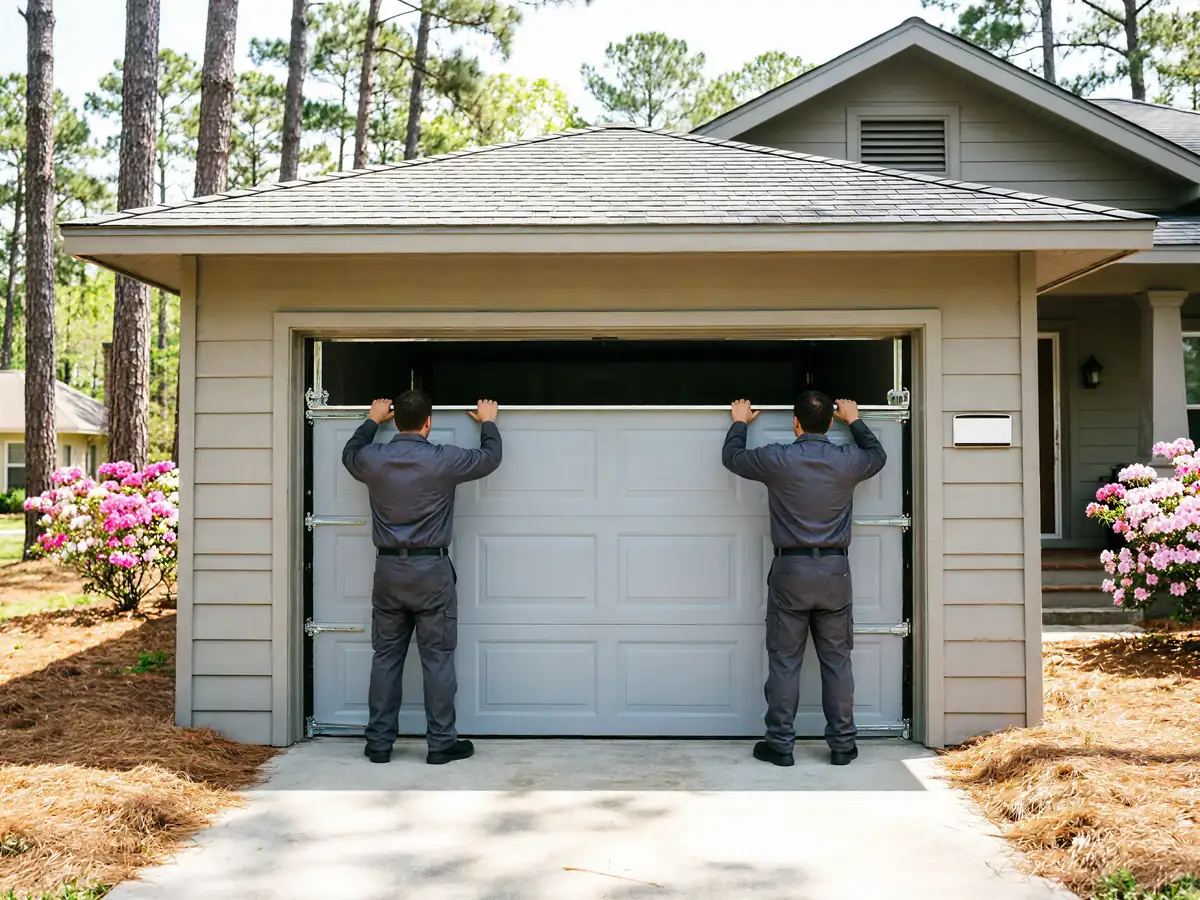
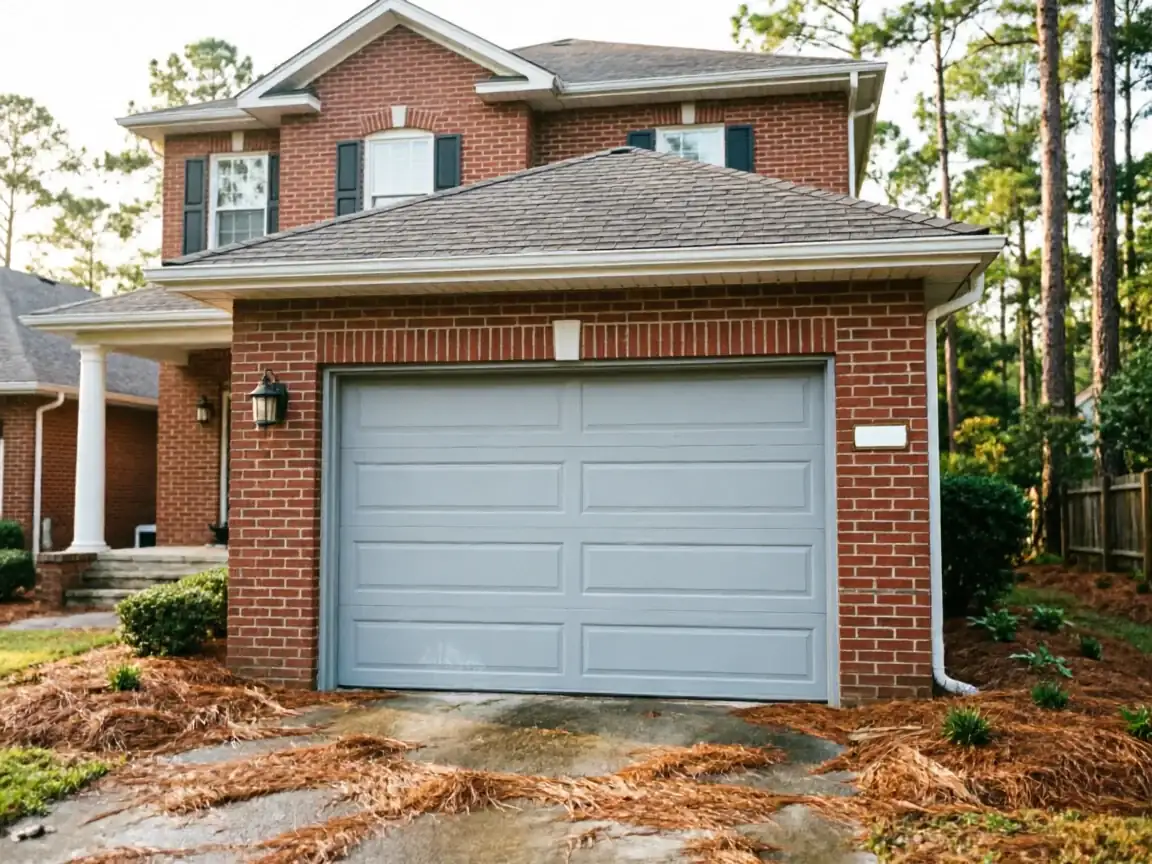
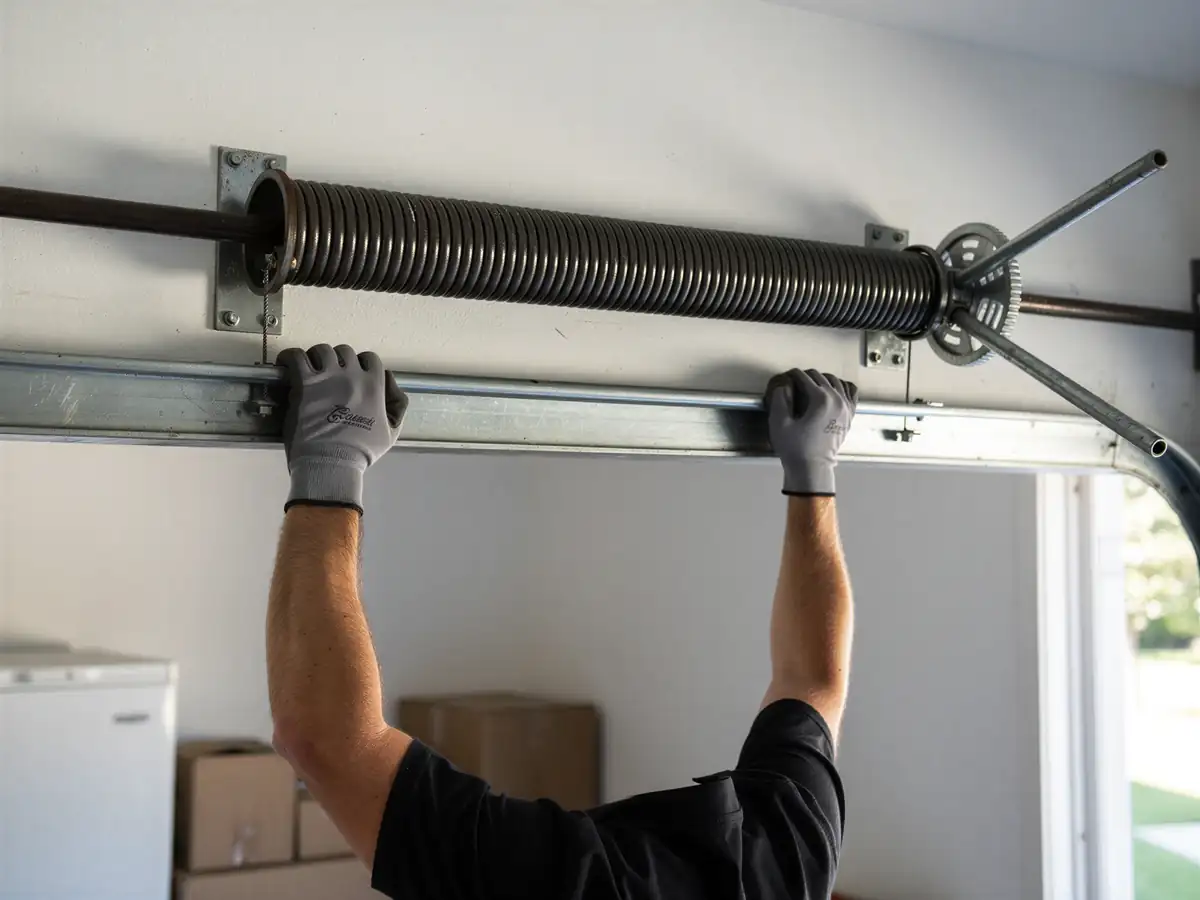
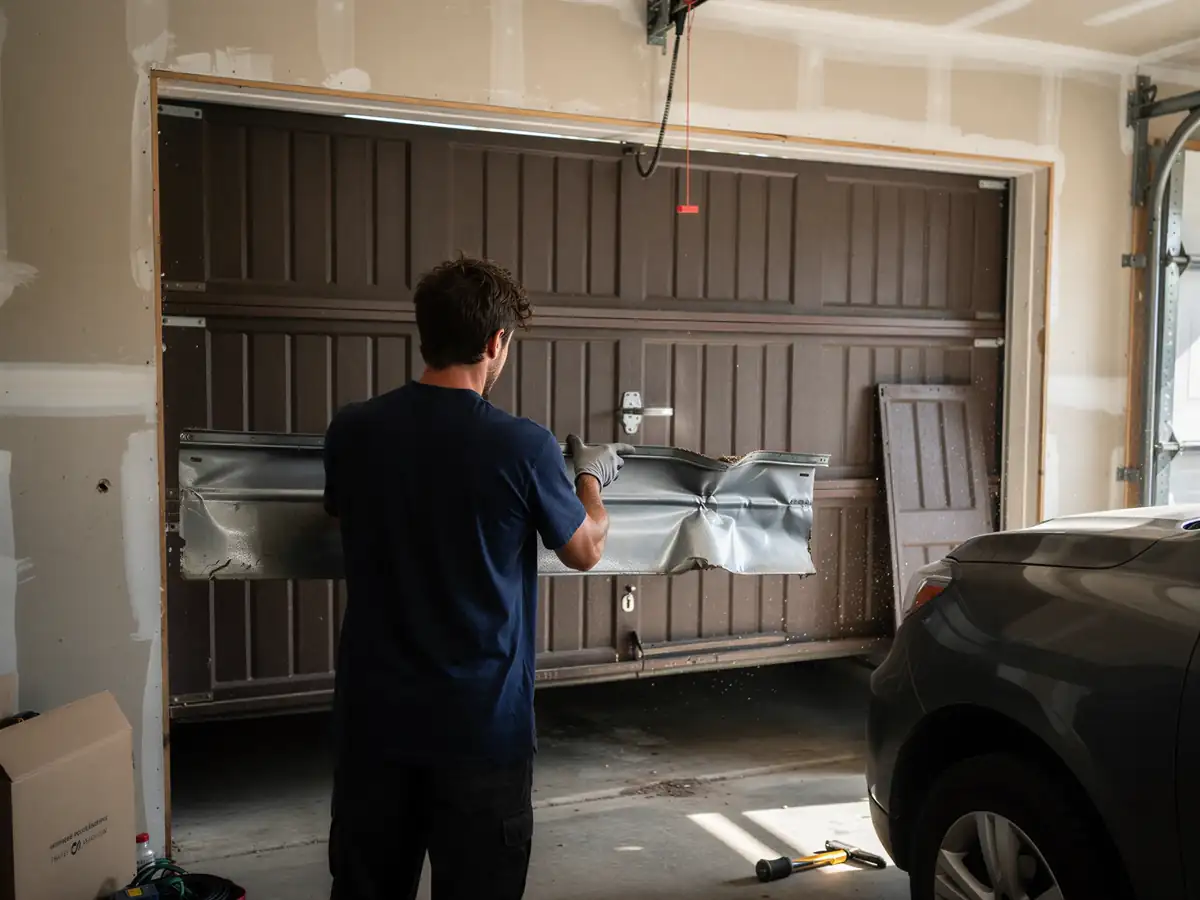
A lot of Cherryville's garage doors date to around 1970, the median year a house here went up. That's steel sectional country - raised-panel steel doors, usually a single 16x7 two-car door or a pair of 9x7 single doors, bolted to tracks that have been repainted more than once. Swapping one dented panel on a door that old sounds simple until you're staring at a section that doesn't match anything sold today. The width, the panel ribbing, the hinge spacing - all of it can be slightly off from current stock sizes. If you've got clamps, a ladder, and patience, you can pull a damaged section yourself. What trips people up is reattaching the panel square to a track that's shifted over fifty-plus years, and reconnecting torsion cable tension safely. That part isn't a DIY move. If the door still opens and closes true on the other sections, a panel swap is worth attempting. If the track itself is bent, replacing the whole door usually costs less than people expect once you add up parts and labor for a patch job.
What the Repair Takes
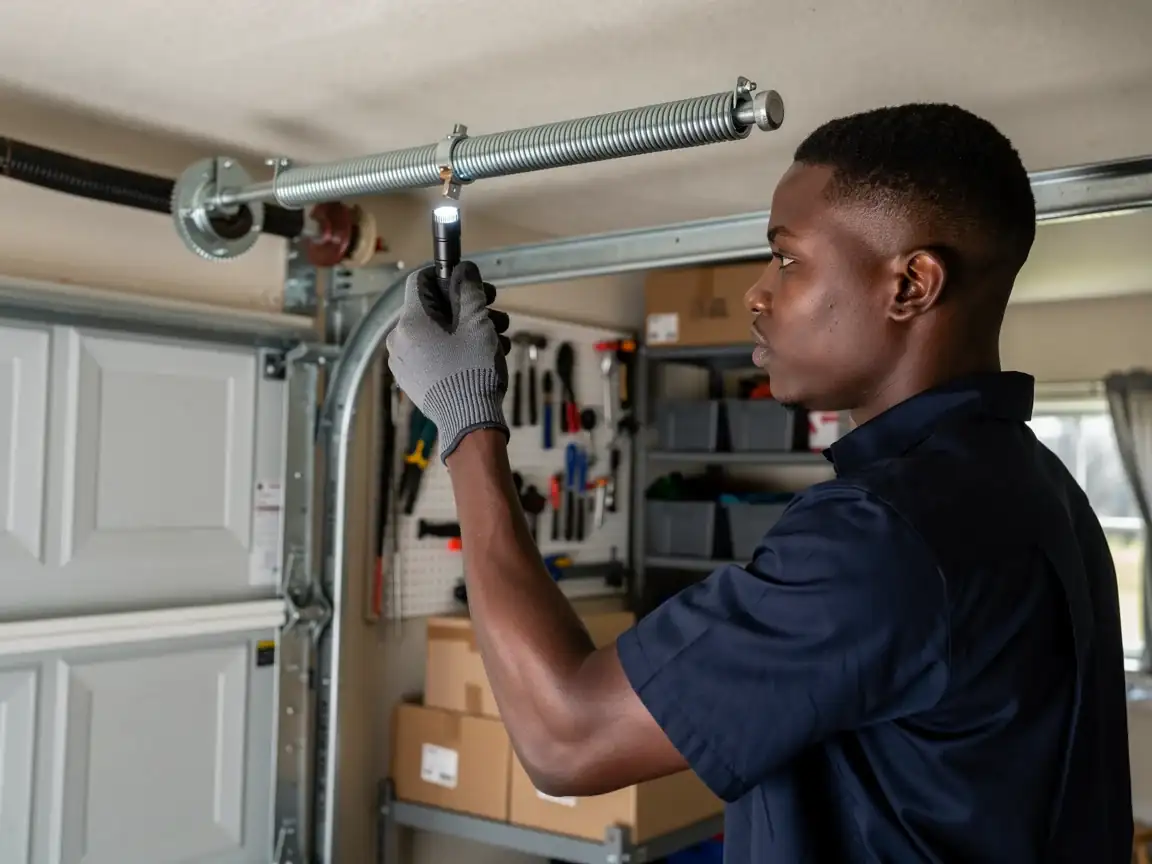
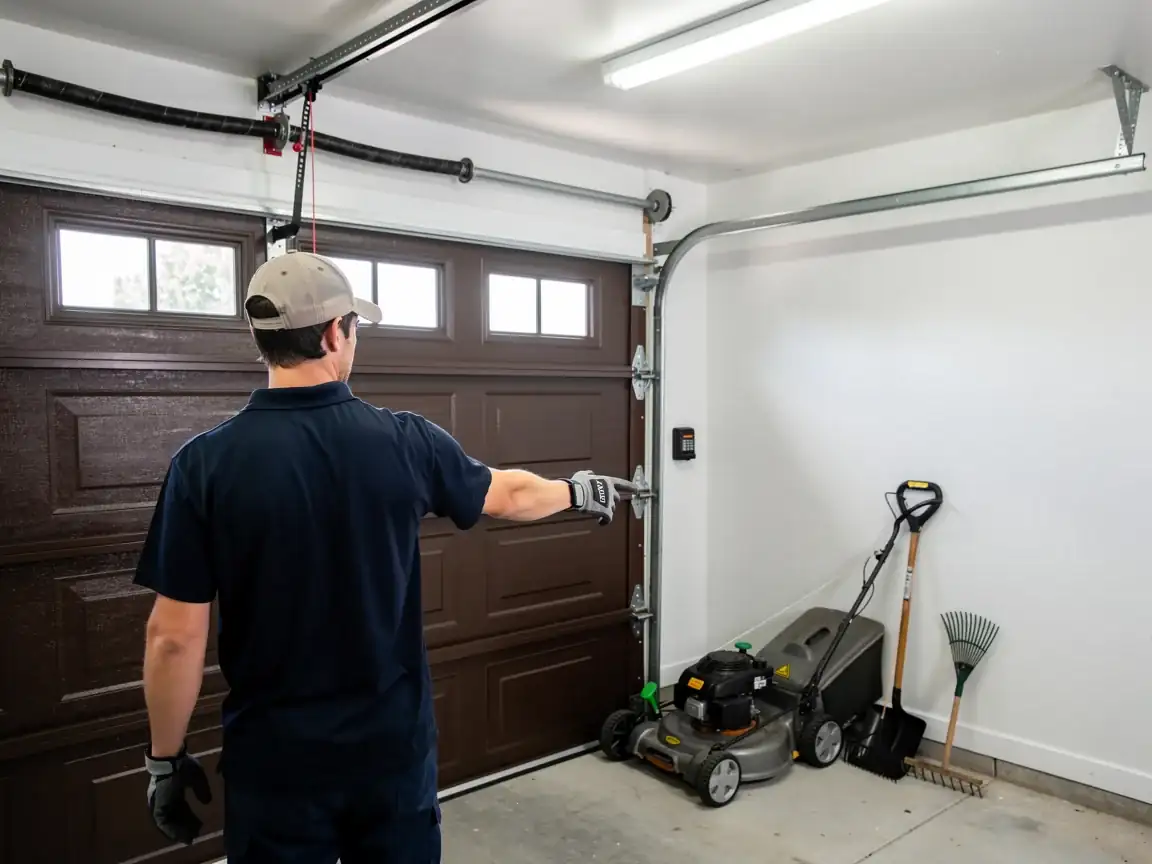
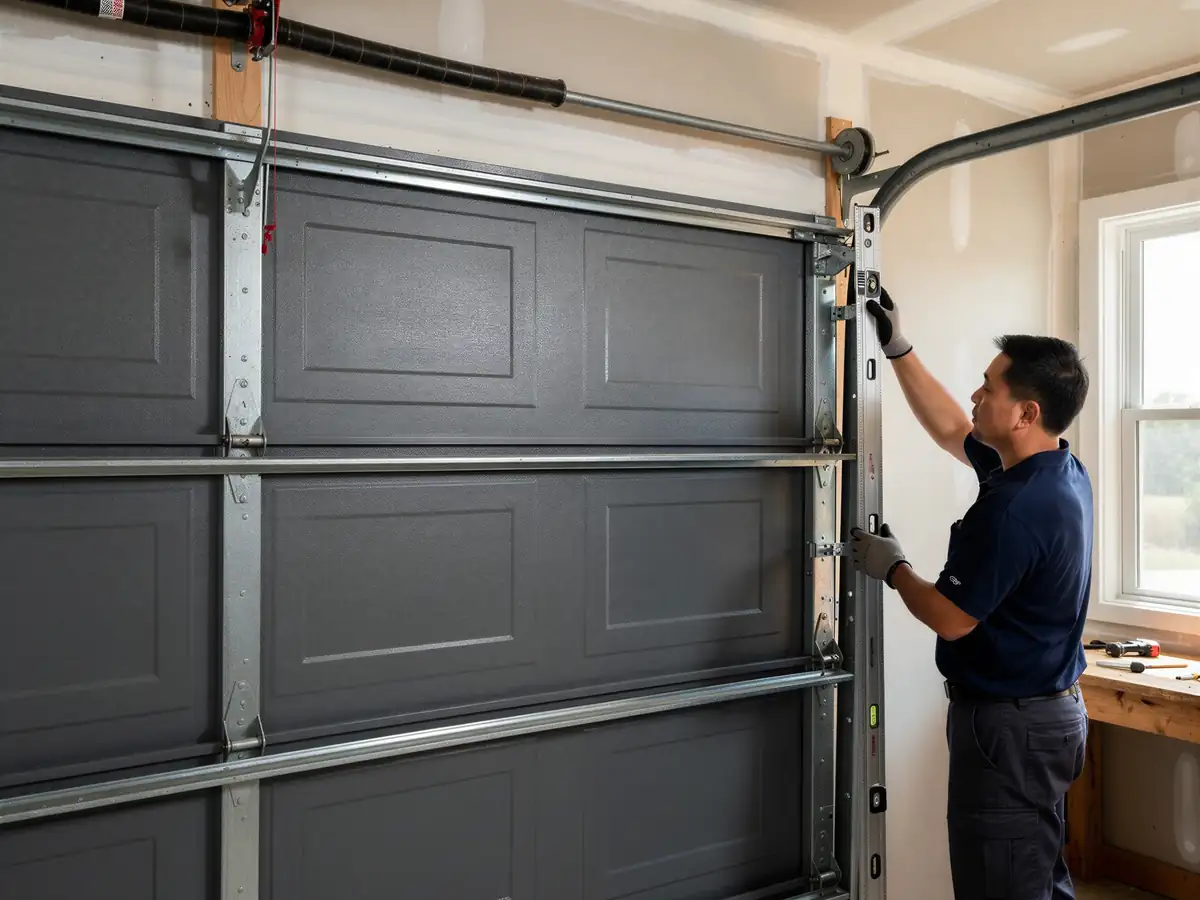
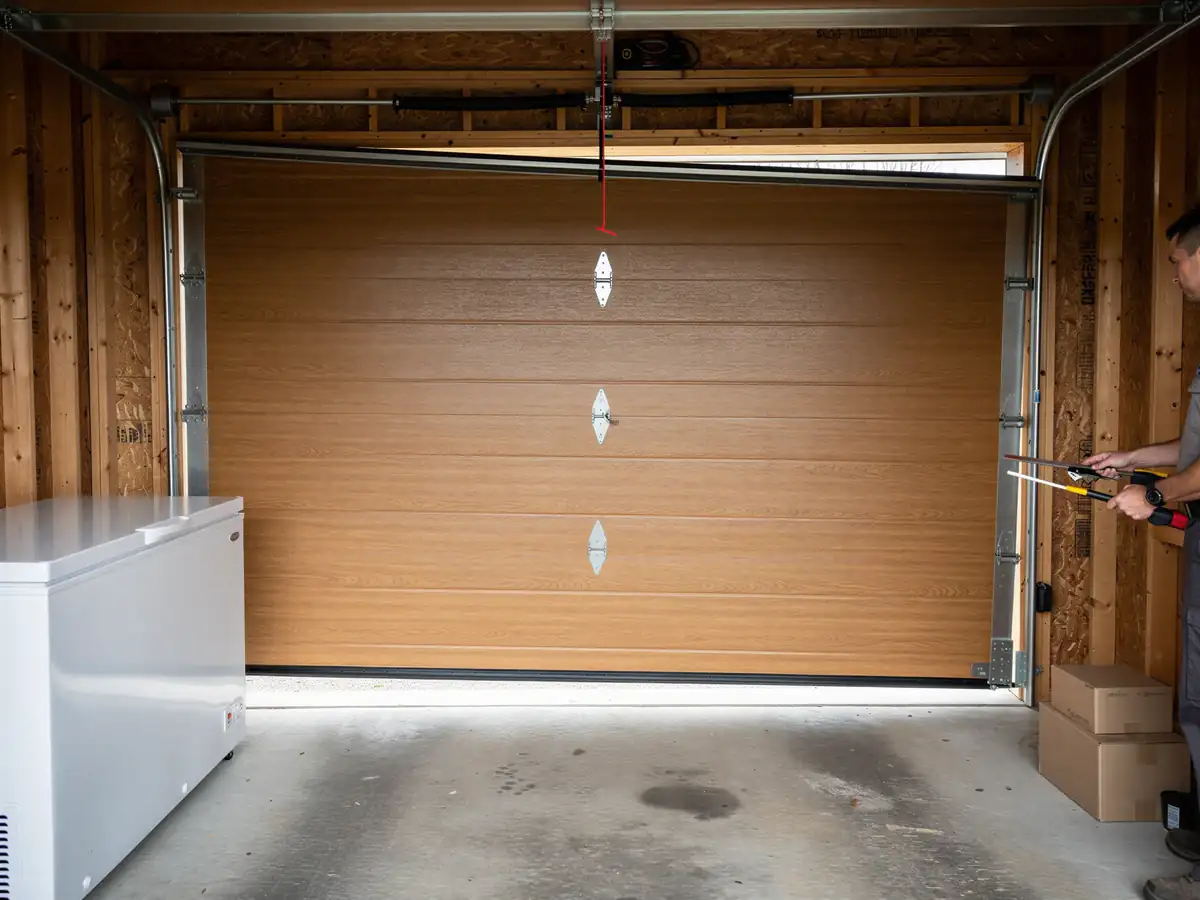
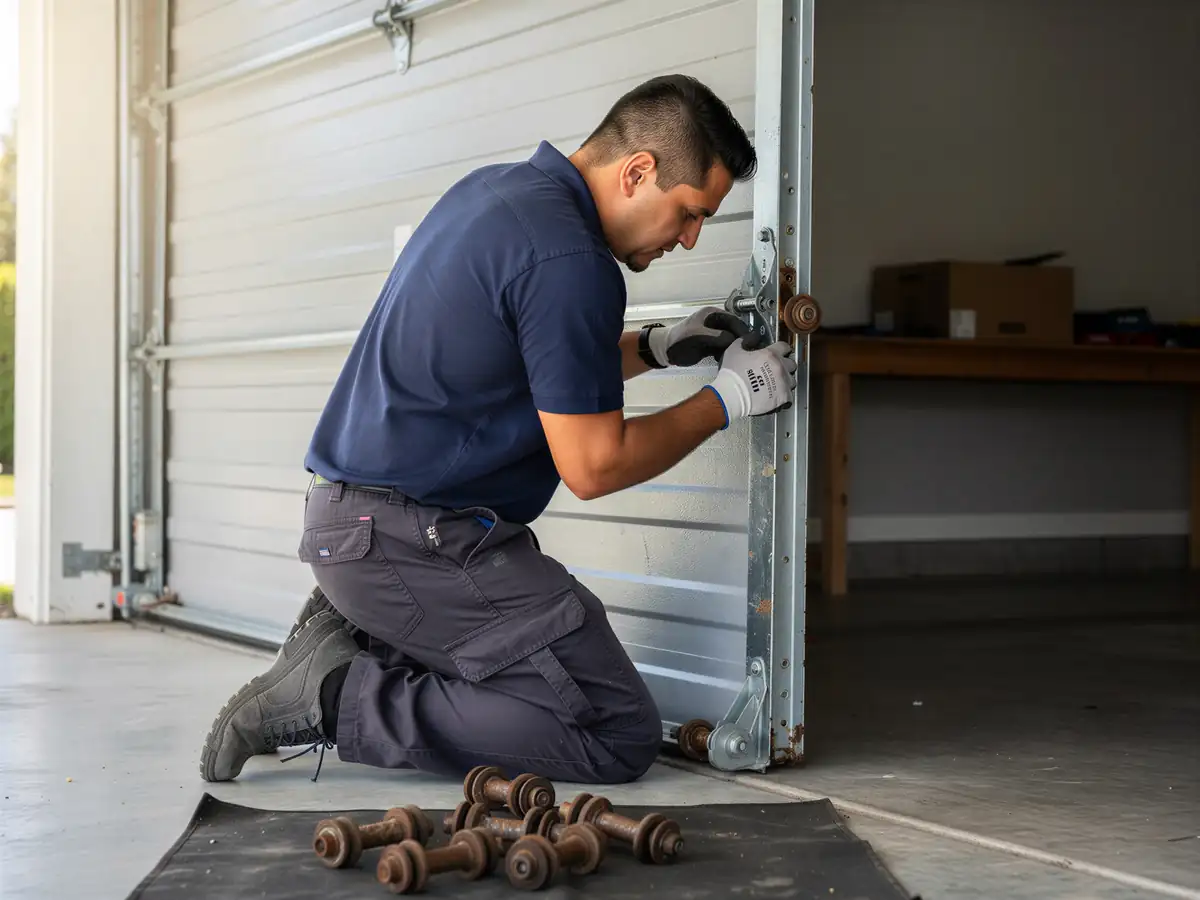
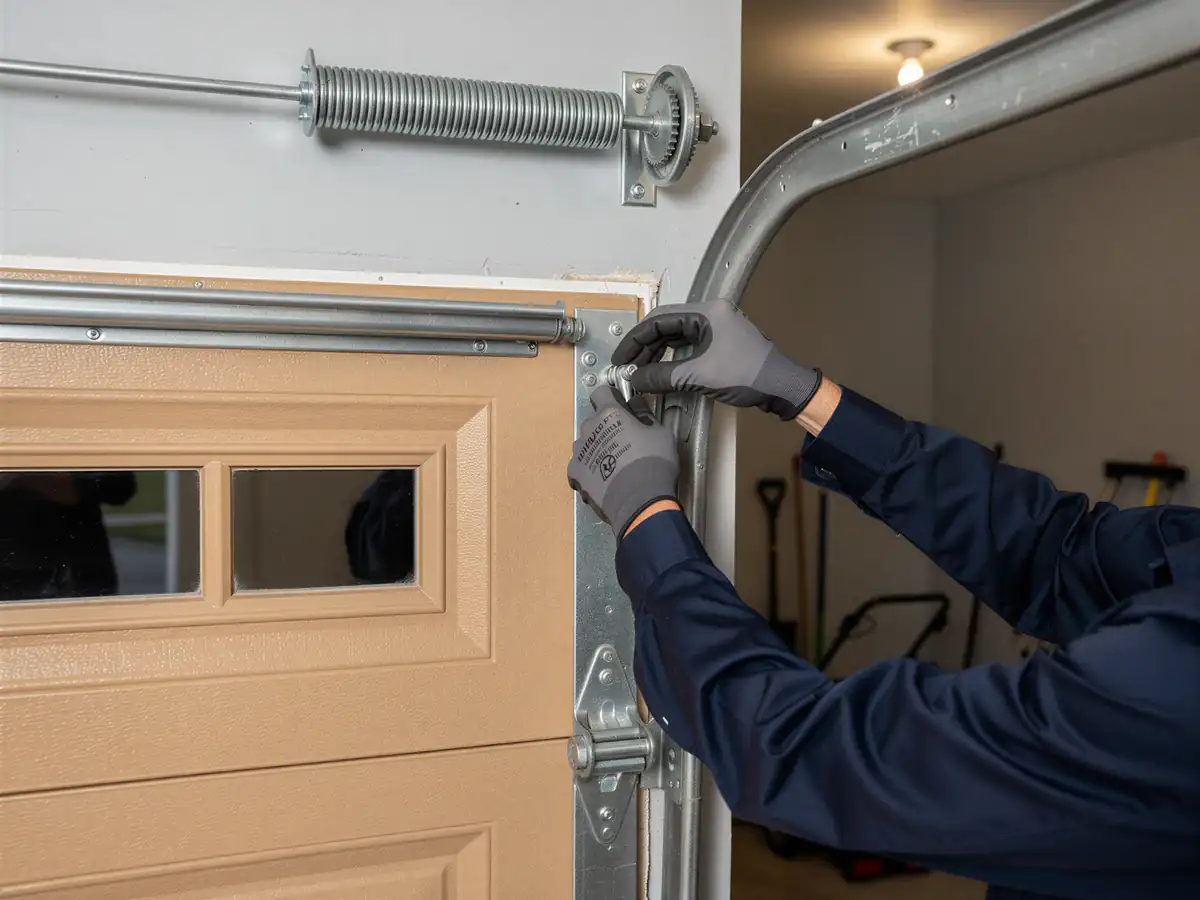
Matching an existing panel means measuring the door's width, section height, and the embossing pattern before we order anything. A 1970-built house with its original steel door is the easiest case - we pull the section, measure against stock sizes, and order a color-matched panel if the finish is still a common shade. Older doors with custom or discontinued profiles sometimes mean a longer wait on parts, since nobody keeps every panel pattern from fifty years ago in a warehouse. We also check the hinges and rollers that bolted to the damaged section - on a door this age, they're often as worn as the panel itself, and replacing just the dent without touching worn hardware means the new section fights the rest of the door. Jobs with no structural damage to the track usually wrap in one visit. If the frame's bent or the opener's end-of-life, we'll say so before ordering parts nobody needs.
The Cost of This Job
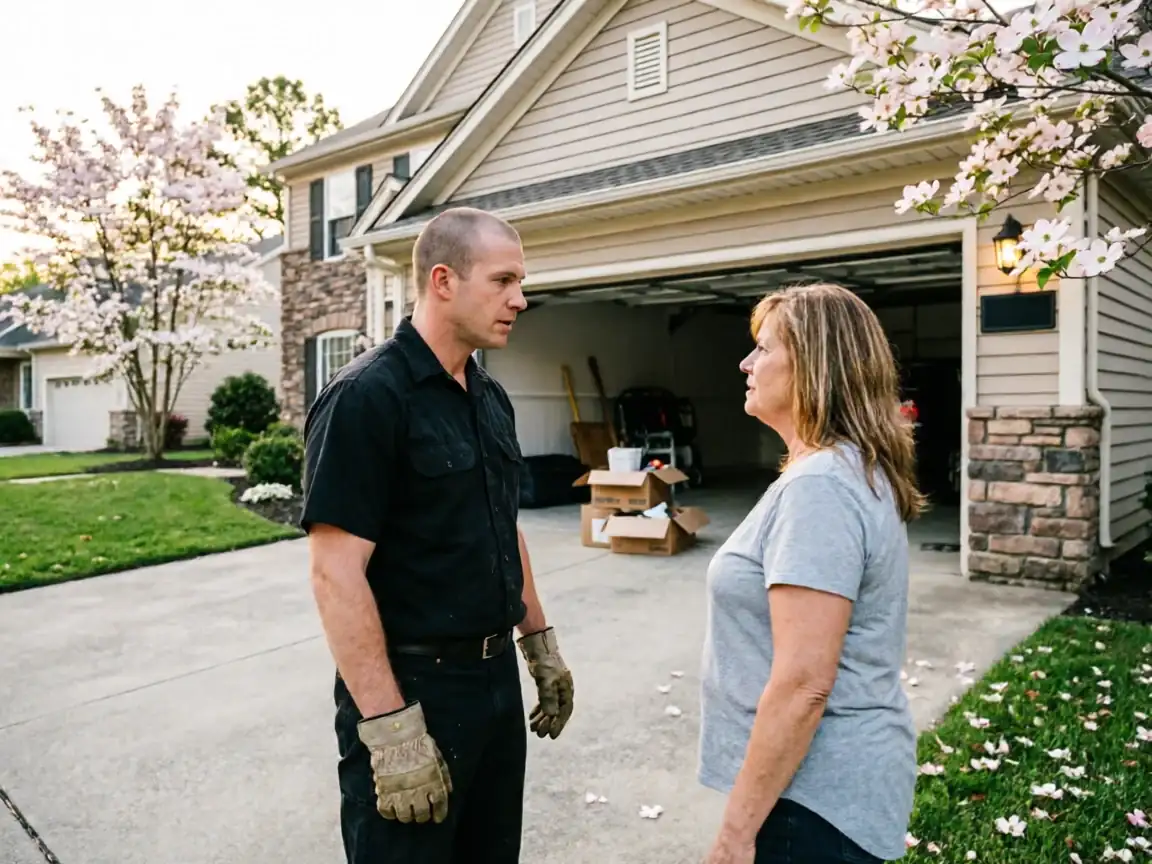
Cherryville's median household income runs just under $58,701, noticeably below the wider Gastonia-area figure, and that matters for how we scope a repair. On a door with original 1970s steel panels, we'll often recommend a single-section replacement over a full door swap if the rest of the sections are sound - it's the cheaper path and it holds up fine structurally. Where it stops making sense is a door with two or more damaged sections, or hardware that's failing alongside the panel; at that point a full door replacement often costs less over time than chasing parts for a fifty-year-old profile one section at a time. We'll give you both numbers before any work starts, not after.
What Causes It Around Here
Cherryville sits about 14 miles from our Gastonia base, and the housing stock out this way skews older than a lot of what we see closer in - the 1970 median build year means more original steel doors still in service, not yet swapped for the insulated models common on newer builds. Those older panels were made thinner than what's sold today, so a glancing hit that would barely mark a modern door leaves a visible crease in a 1970s-spec one. Add a cold, moderate climate with freeze-thaw cycles each winter, and the steel contracts and expands enough over the decades to loosen seams that were tight when the door went in. With 2,418 households in the area, it's a small enough market that panel sizes from this era aren't something local suppliers keep stacked on a shelf - we order to match, not off a rack.