Parts We Carry
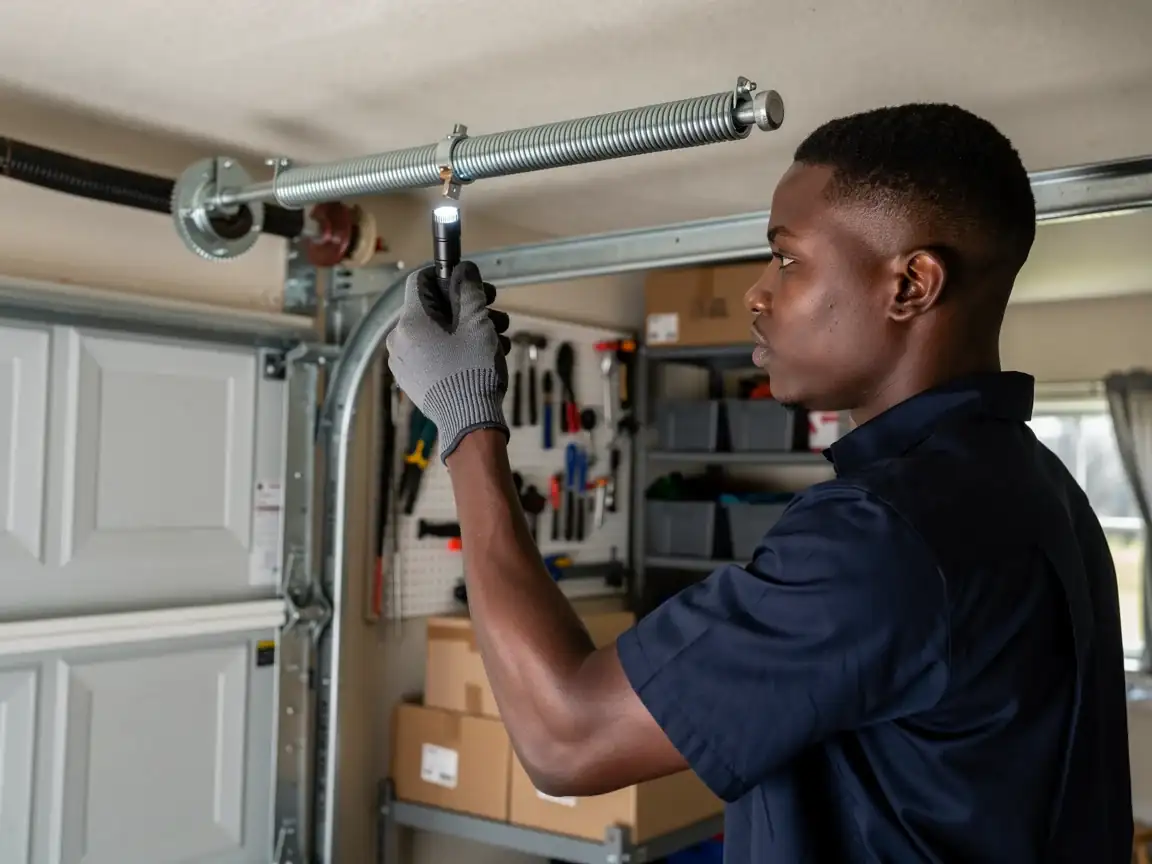
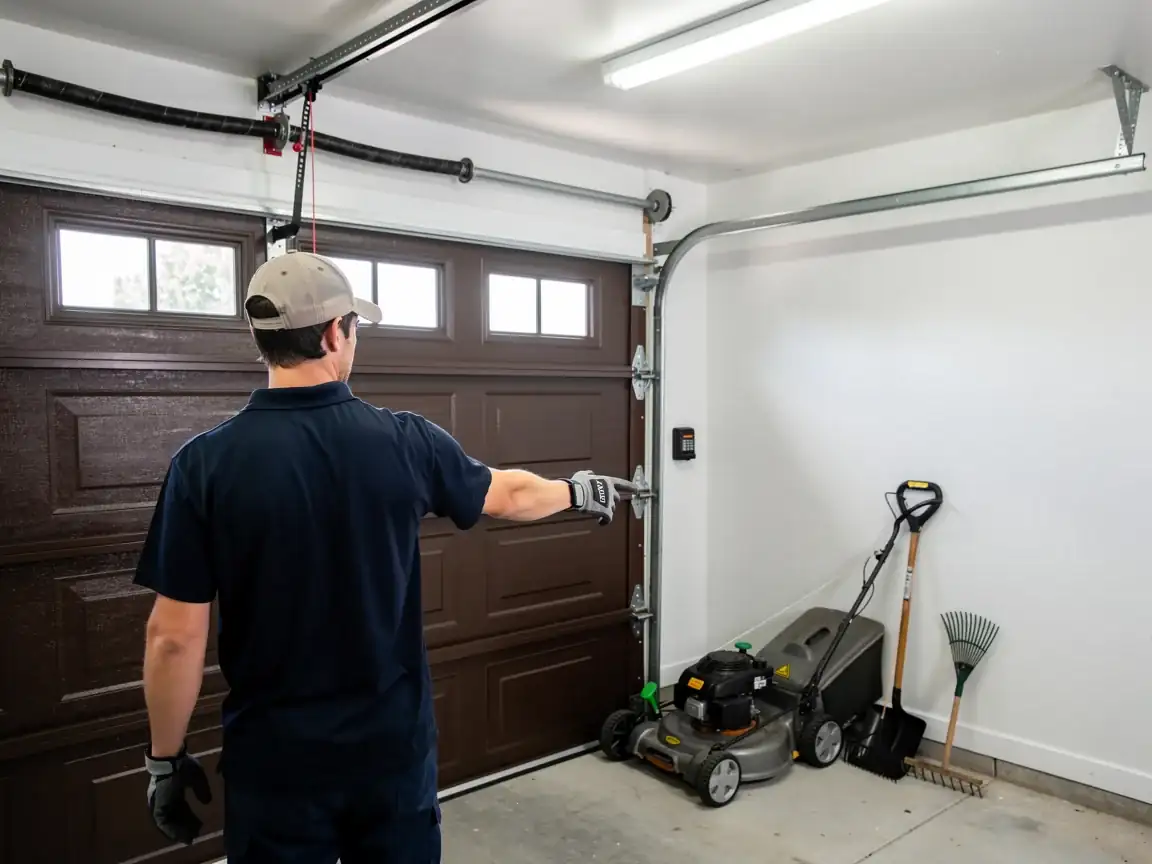
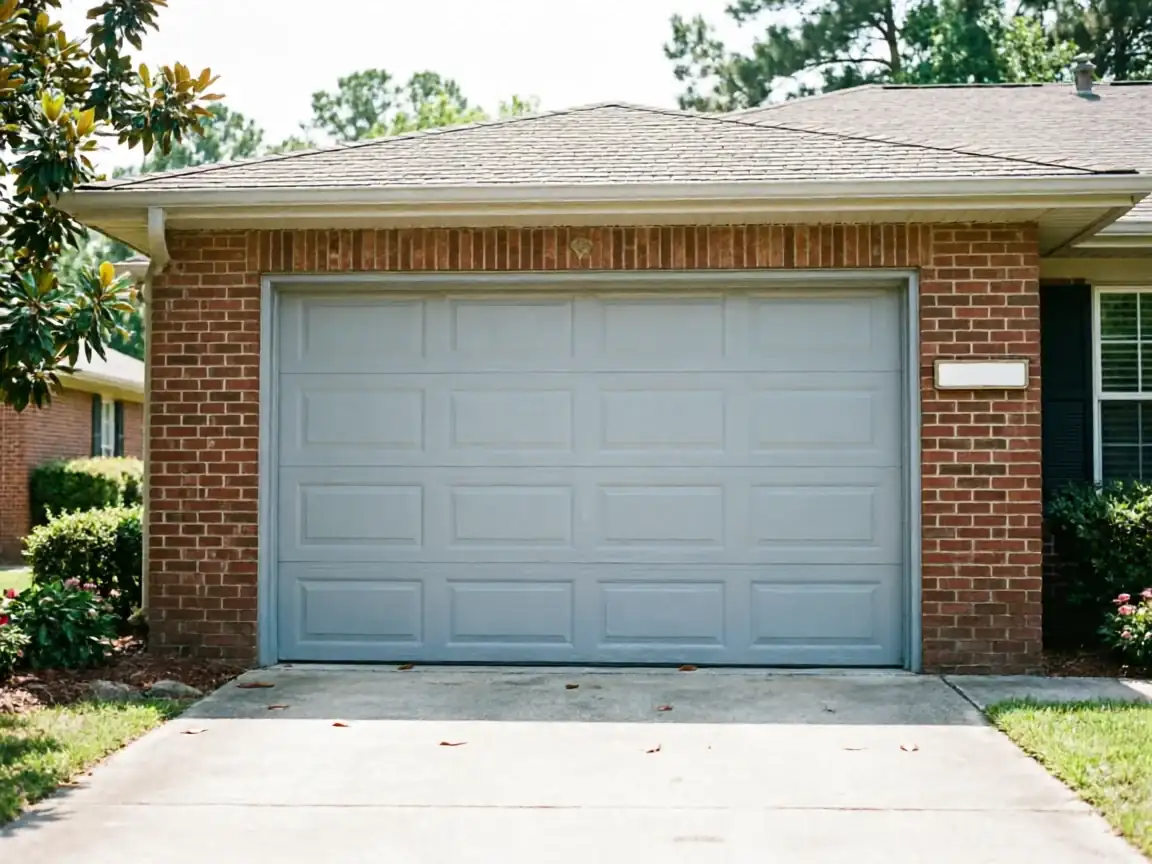
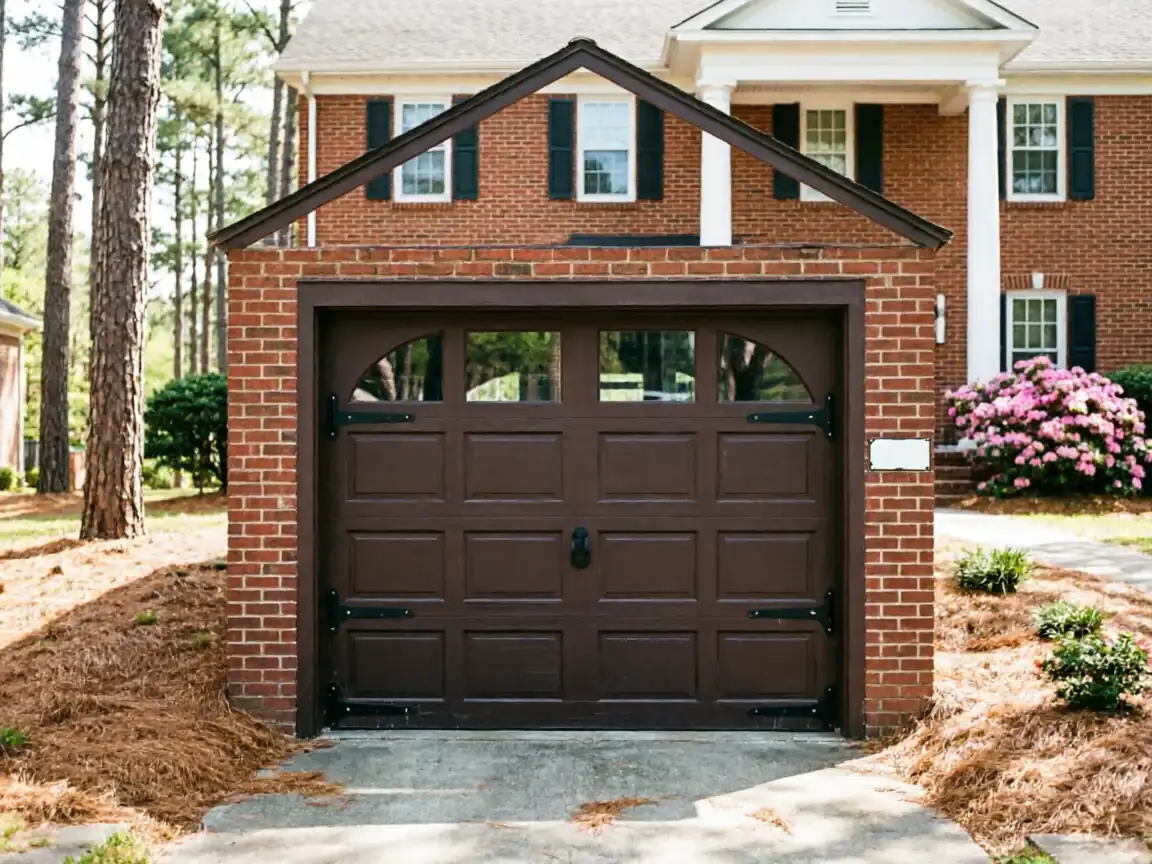
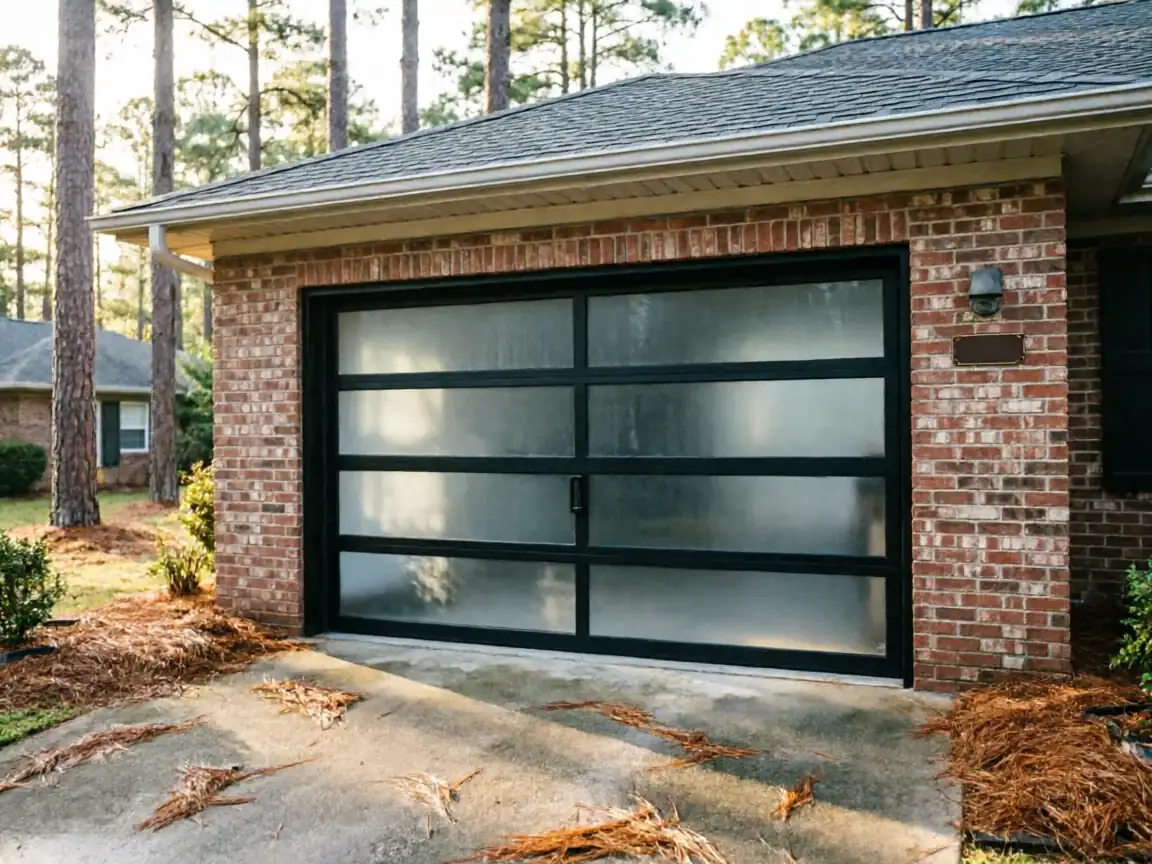
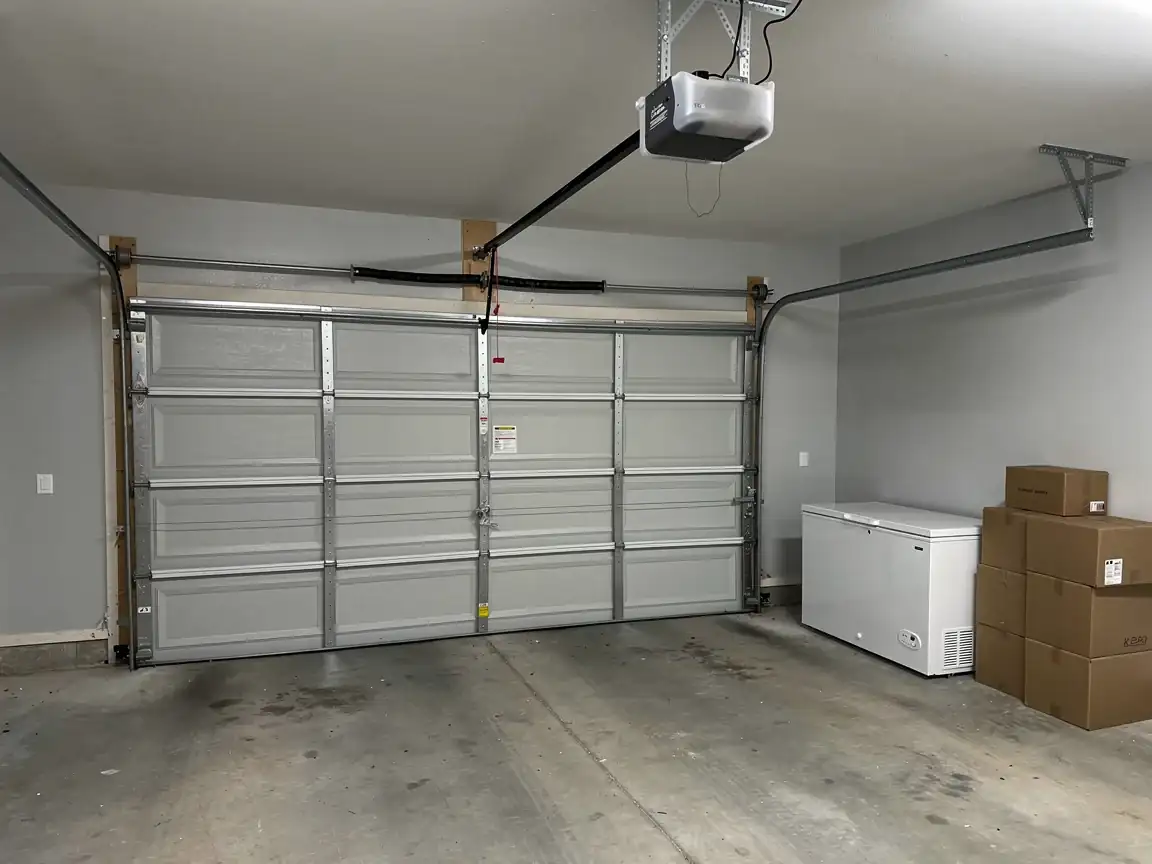
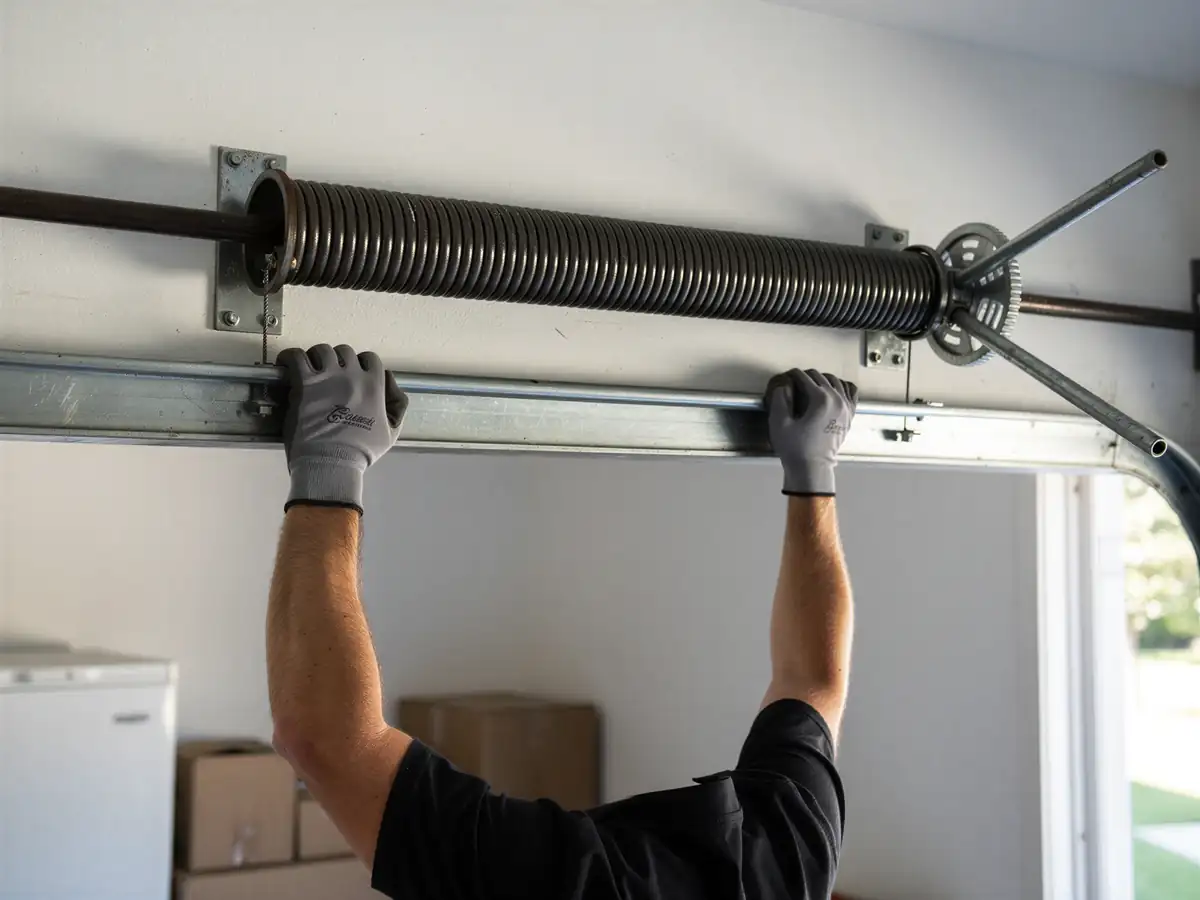
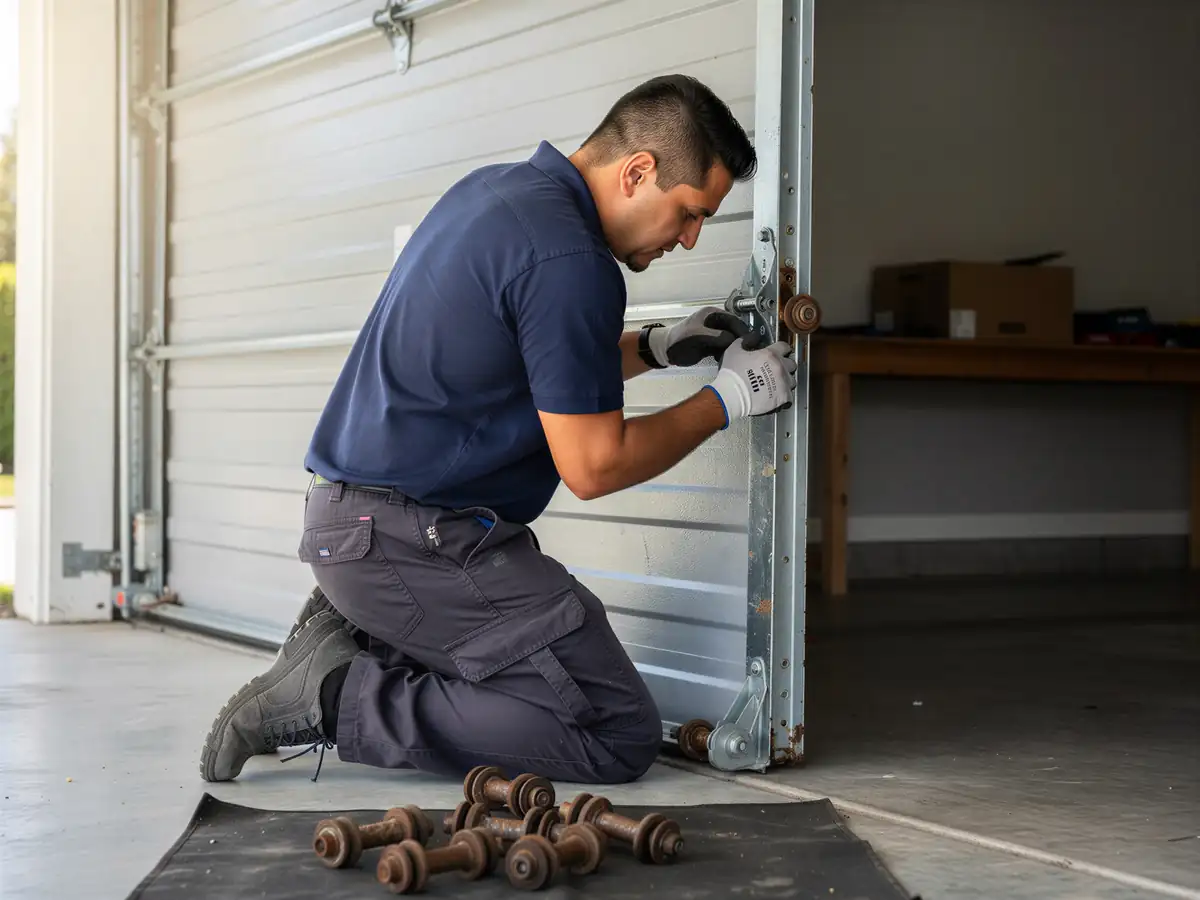
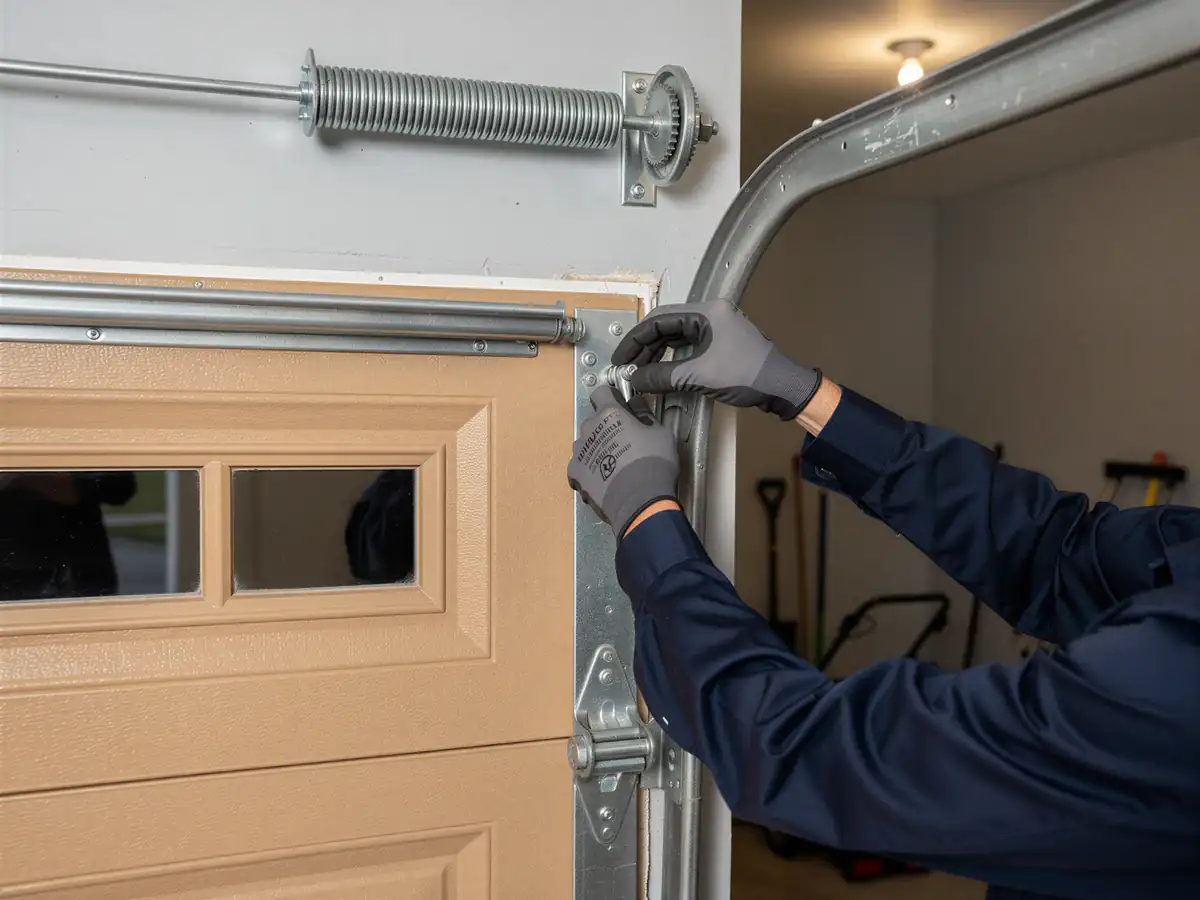
Stanley's housing stock centers on 1977, which puts a good share of the town's garage doors a few years ahead of the broader service area's 1983 median. That gap matters more than it sounds. A door and opener installed in the late 1970s is often on its second or third opener already, but the original track and hinges can still be hanging there, worn thin and slightly bent from decades of use. We carry torsion springs sized for both the older galvanized-shaft setups common in homes from that era and the newer steel doors that have replaced them section by section over the years. We also stock standard rollers, cables, and hinges that fit the older 7-foot and 16-foot openings still common on single and double garages built before 1980. What we don't carry on the truck is anything custom-sized or a specialty low-headroom kit - those get special-ordered, and we'll tell you that up front rather than make you wait at the curb while we guess.
The Cost of This Job
Stanley's median household income sits at $71,333, noticeably higher than the $59,583 median across the wider service area we cover from Gastonia. That doesn't change what a spring or opener costs on the shelf, but it does shape the kind of job we see more of out here: full opener upgrades and two-car door replacements rather than just patch repairs to keep a door limping along. A broken spring on a standard double door costs less to fix than to leave broken, since the opener will burn itself out trying to lift the door without spring tension within a week or two. We'll give you a number before we touch anything, and if a repair doesn't make sense next to a replacement - say, a door with rust through the bottom panel - we'll say so instead of running up a bill on a door that needs to come off anyway.
What Causes It Around Here
A door built around 1977 has usually had one full opener swap and maybe a spring replacement by now, but the track alignment and jamb hardware are often original. Over 40-plus years, wood jambs shift slightly, and a track that was square when installed can be a quarter-inch off today - enough to cause a roller to bind or a cable to jump its drum. Gastonia's service area sits in a cold-moderate climate band, which means these older torsion springs go through real seasonal cycling: the metal contracts in winter cold and expands again as it warms, and that repeated flex is what eventually snaps a spring that's been quietly weakening for a decade. Houses from the late '70s and early '80s also tend to have single-layer steel doors without foam insulation, which means more panel flex in wind and more dents from basketballs and errant car doors over the years.
The Complications
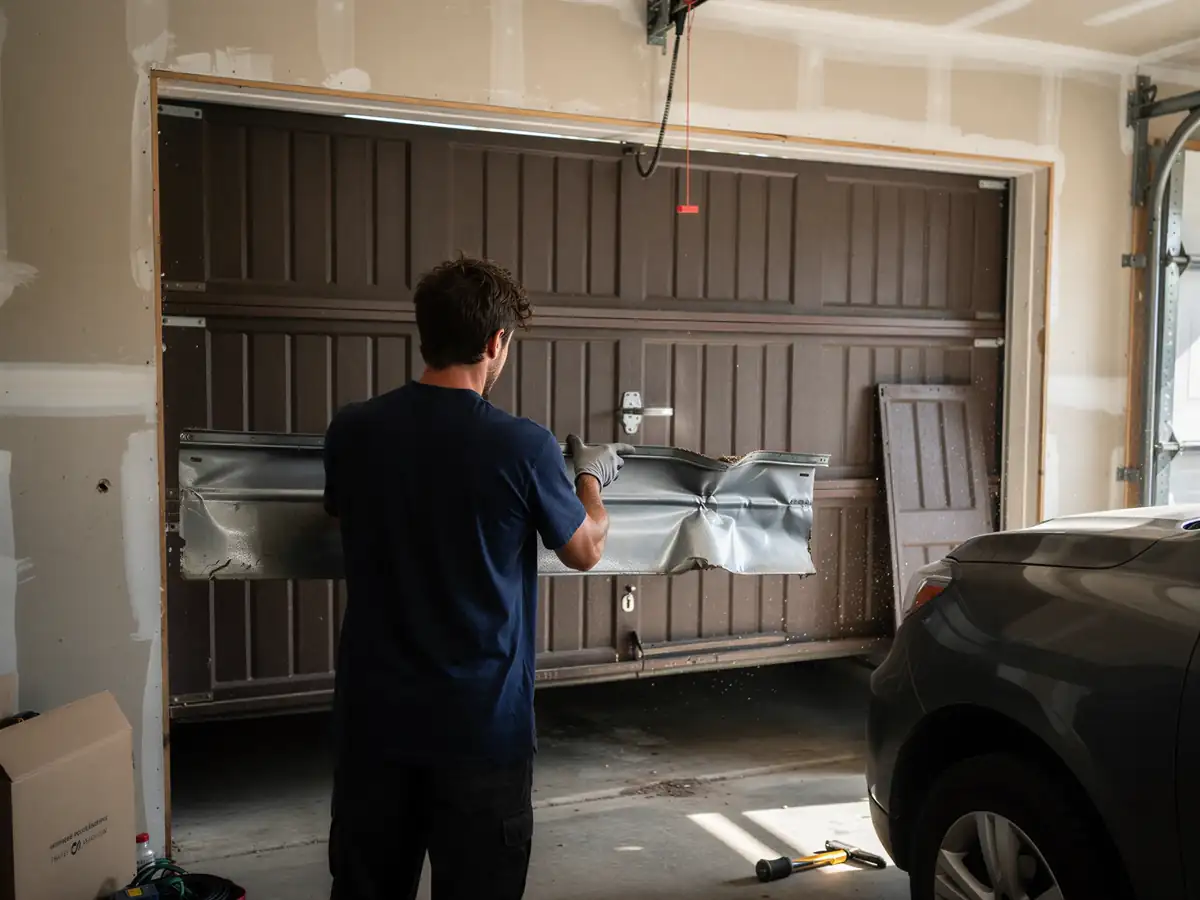
The honest complication with a 1977-era door is finding matching panels if only one section is damaged. Manufacturers change panel profiles over the decades, and a dented middle section on an otherwise sound 45-year-old door sometimes can't be color- or profile-matched anymore - at that point replacing just the one panel costs nearly what a full door replacement would, and we'll tell you that rather than order a panel that won't line up right. Another wrinkle: some of these older garages were framed for openers that no longer exist on the market, meaning the mounting bracket needs modification, not just a bolt-in swap. None of this is unique to one house, but it shows up often enough in Stanley's older stock that we plan for it before we quote the job, not after we've started.