Parts We Carry
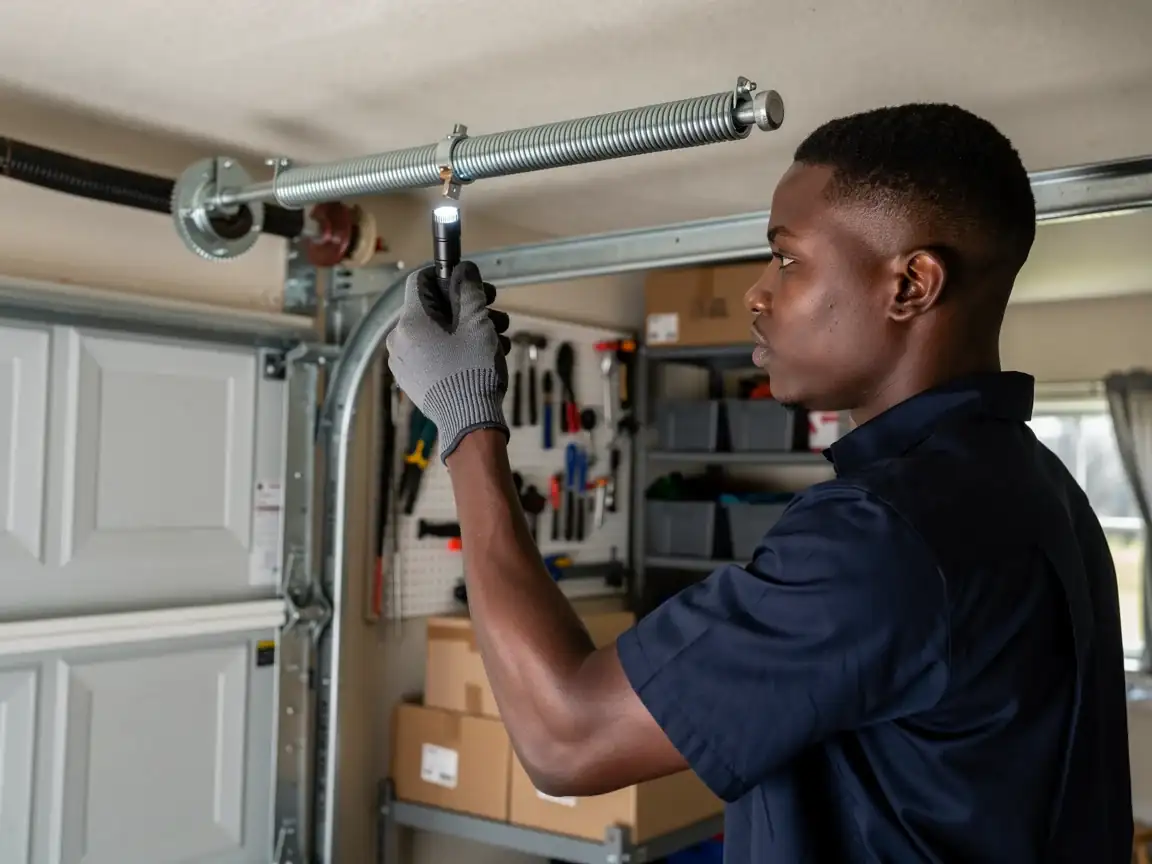
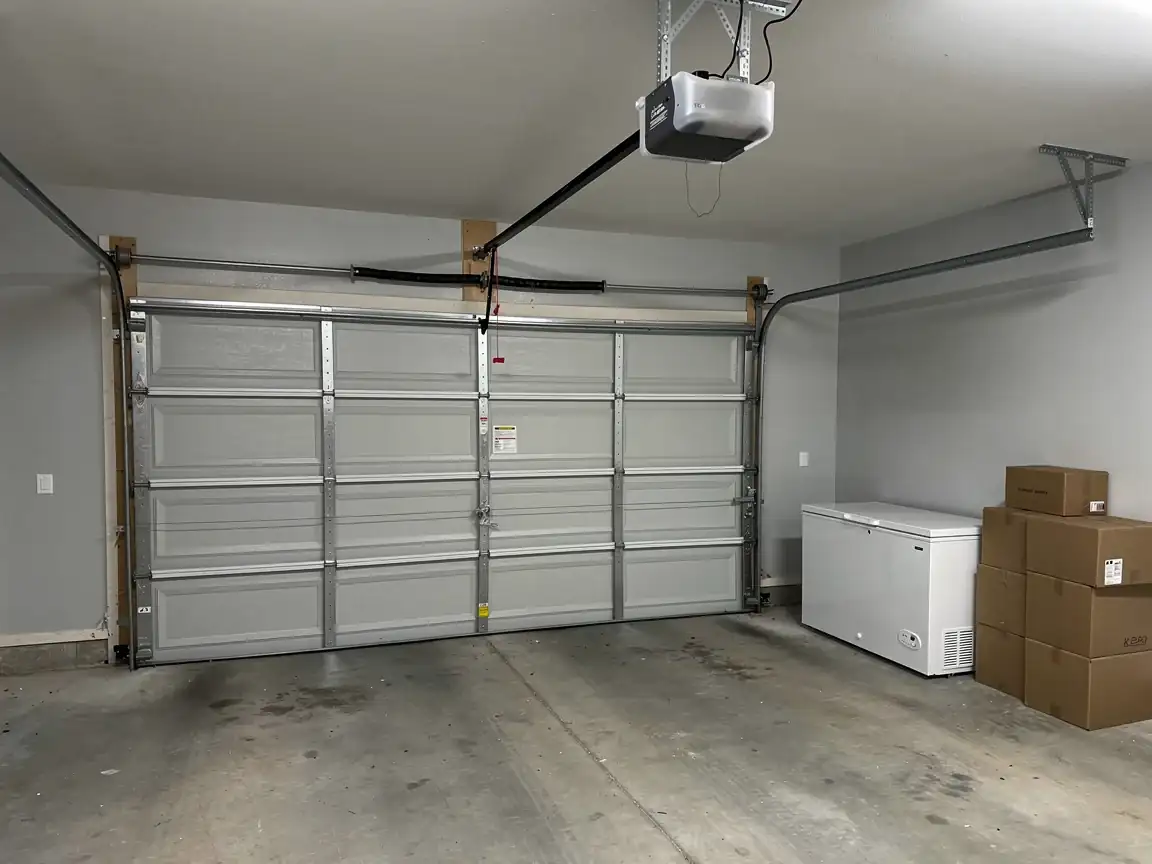
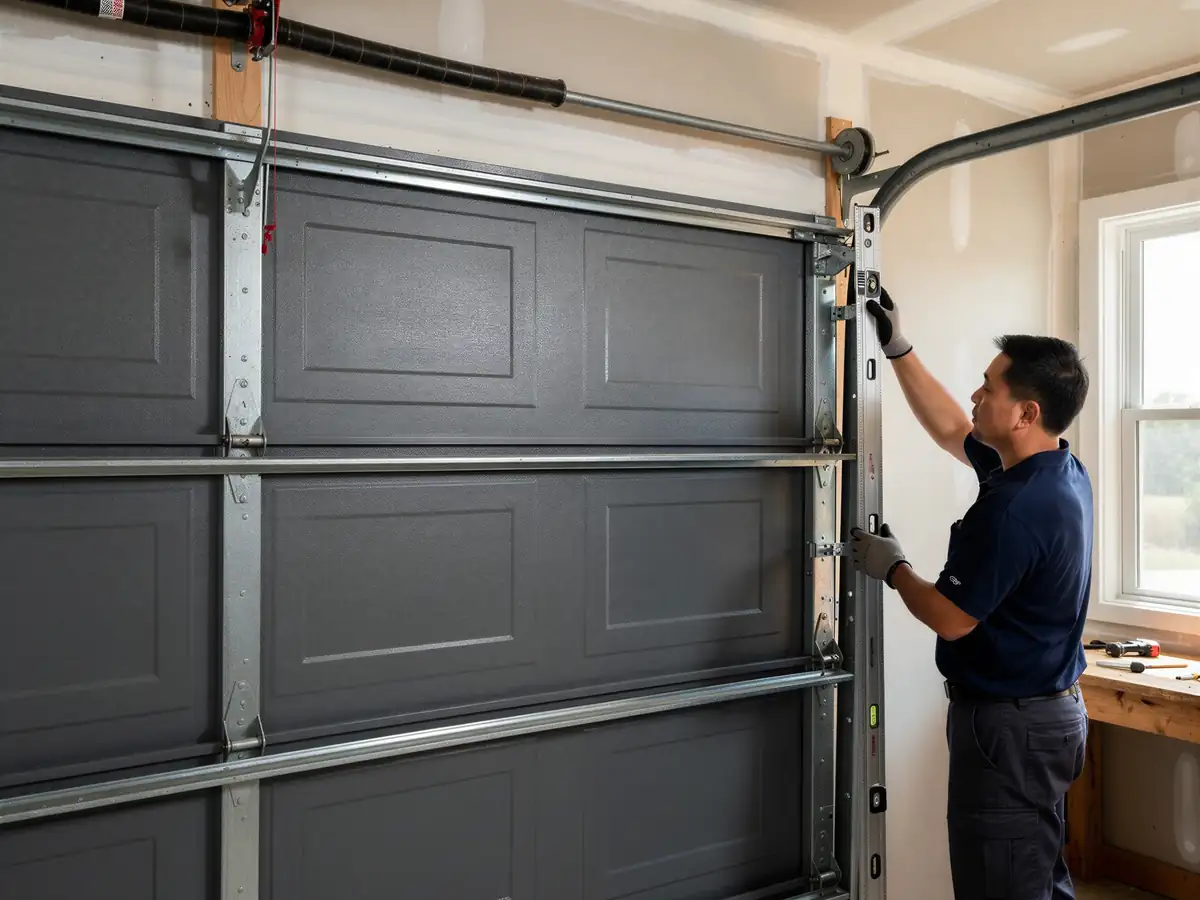
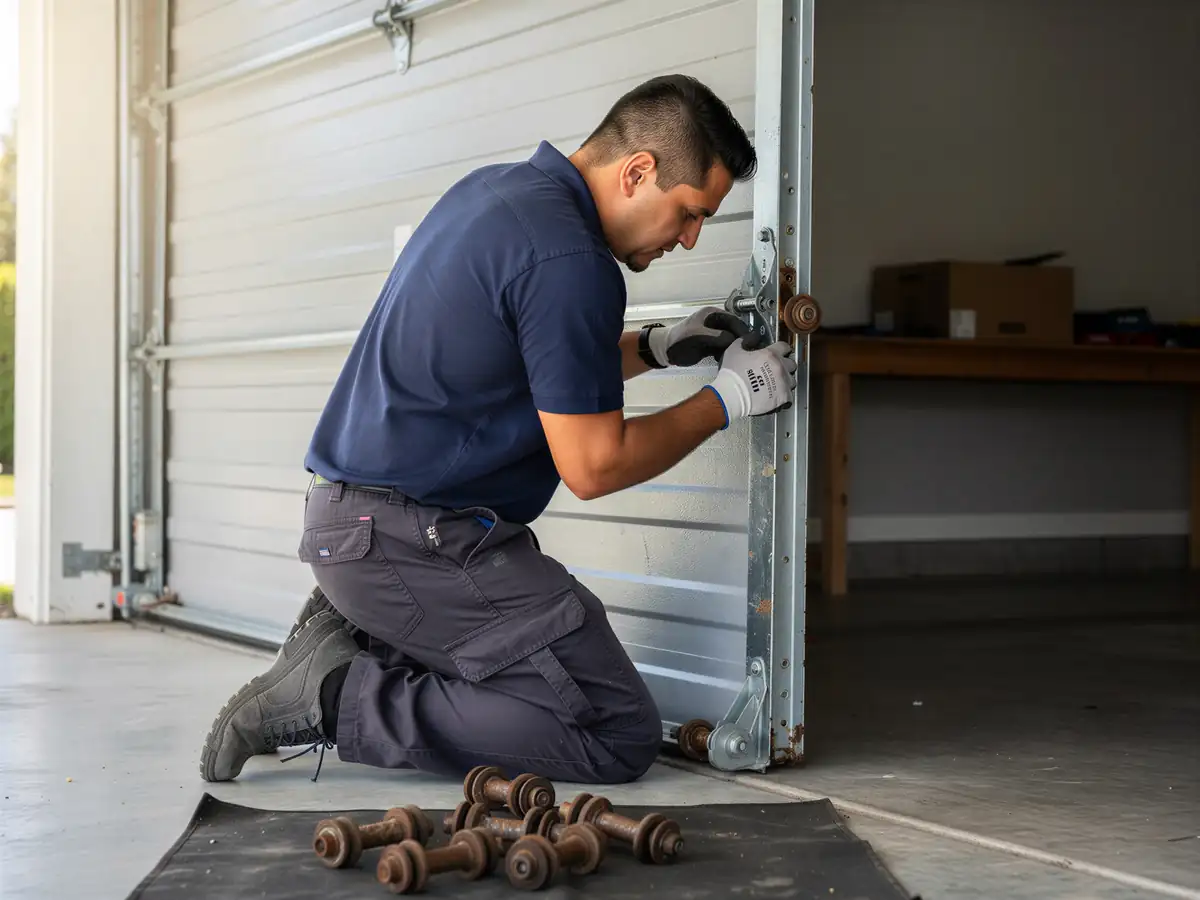
We stock two roller types on the truck: 7-ball steel rollers, which is what most original builders put in, and sealed-bearing nylon rollers, which run quieter and don't need the grease schedule steel does. Stanley sits in the same cold-moderate climate band as the rest of the territory, and that matters for rollers more than people expect - cold makes steel ball bearings tighten up and squeal before they finally seize, where a sealed nylon roller just keeps turning. For a house built in the late 1970s, which describes a lot of Stanley, the stems on those original steel rollers are often bent or the bearings are already gone, even if the roller itself looks fine from the driveway. We carry both short-stem and long-stem versions since older track brackets aren't all cut to the same depth. What we don't carry is a universal roller that fits every track without checking it first - if your track is bowed or the bracket is rusted through, the roller is the easy part of the job, not the whole job.
The Cost of This Job
We don't post a flat number for this because the job itself isn't flat - a full set of ten rollers on a double door is a different job than replacing the two that failed on one side, and track condition changes the labor either way. What we can tell you is that the drive matters to how the job gets priced and scheduled: at nine miles out from Gastonia, a Stanley call isn't a five-minute hop, so it's rarely worth sending a truck for one roller alone. If you're already hearing a grinding or popping sound and want a straight look before committing to full replacement, say so when you call - bad rollers are a cheaper fix than a bad track, and we'd rather tell you which one you actually have than guess over the phone.
What Causes It Around Here
Stanley's housing stock skews a bit older than the rest of the service area - a lot of these homes went up around 1977, roughly six years ahead of the territory's overall median. That matters for rollers specifically: steel rollers from that era were built to last maybe ten years under daily use, and plenty of these doors are still running on the originals or a cheap replacement set from decades ago. Forty-plus years of expansion and contraction with the seasons also means the track itself has usually shifted slightly, even if nobody noticed, which accelerates roller wear on one side more than the other. With around 1,468 households in Stanley, we see this pattern often enough that a worn, unevenly-loaded roller set is one of the more common calls out this way, right alongside opener and spring issues on the same older doors.
The Complications
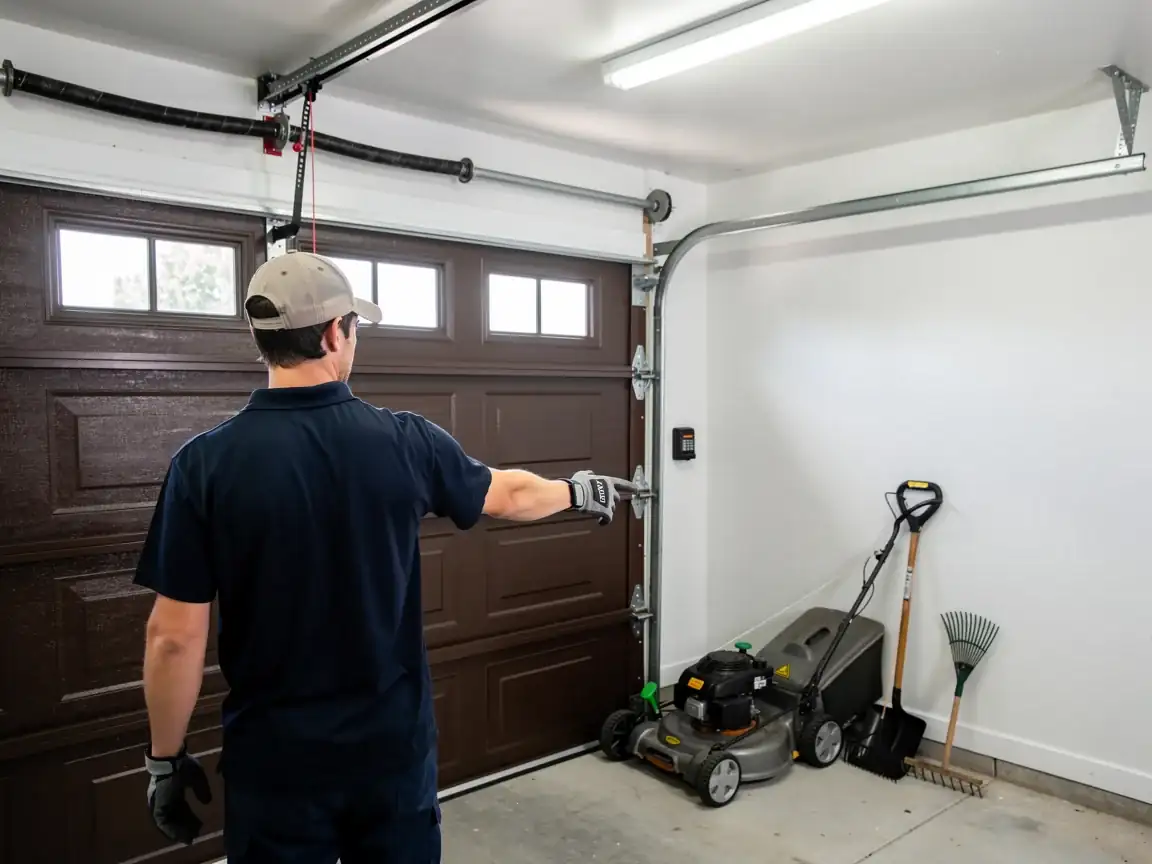
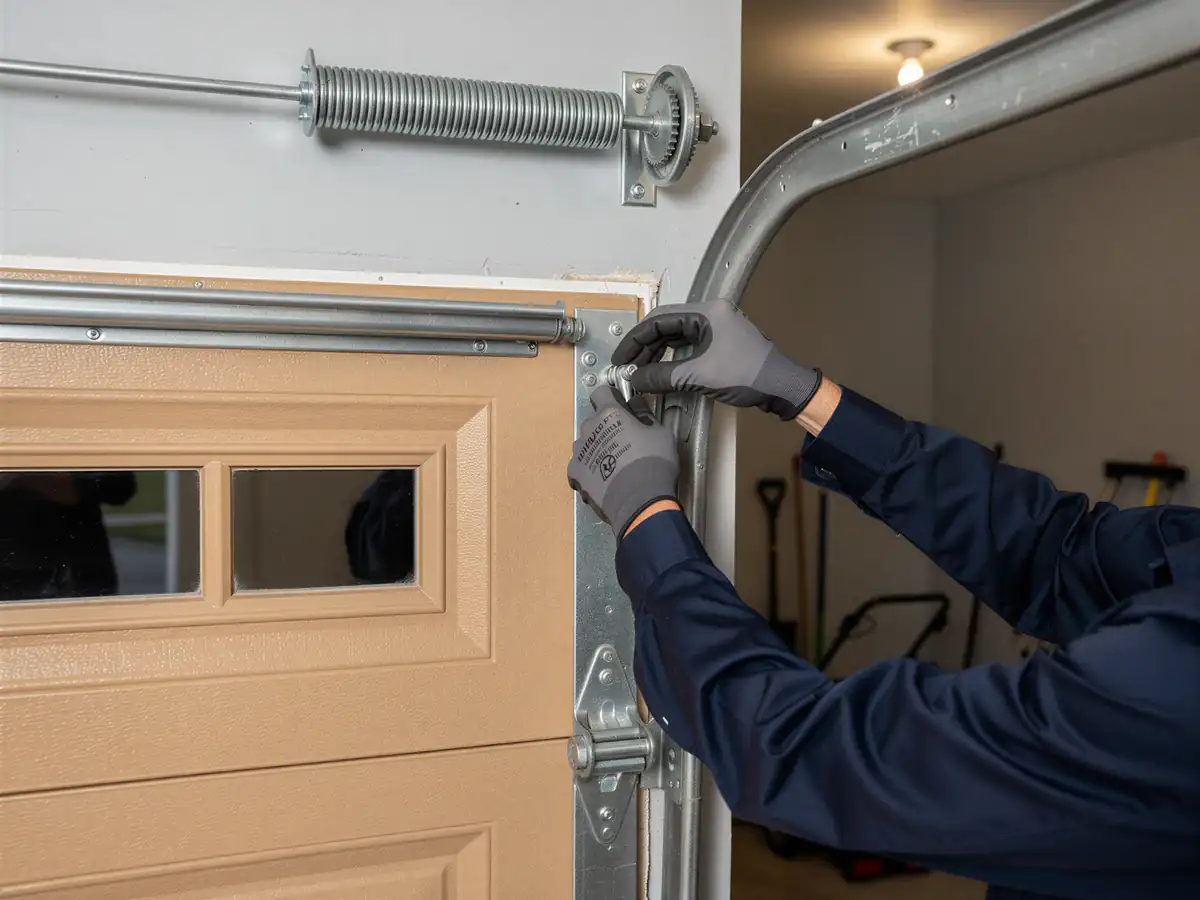
The roller swap itself is usually the easy part. What turns it into a longer job is what the old rollers were hiding - on a house from the late 1970s, a bent track bracket or a rusted-through hinge often doesn't show up until the worn roller comes out and the panel has nothing holding it in line. We've had jobs where the rollers were the only problem and we're done in under an hour, and jobs where the track needed re-aligning or a hinge needed replacing too. We won't know which one yours is until we've got the door open, and we'd rather tell you that honestly than quote a roller-only price and surprise you with a track bill later.