Parts We Carry
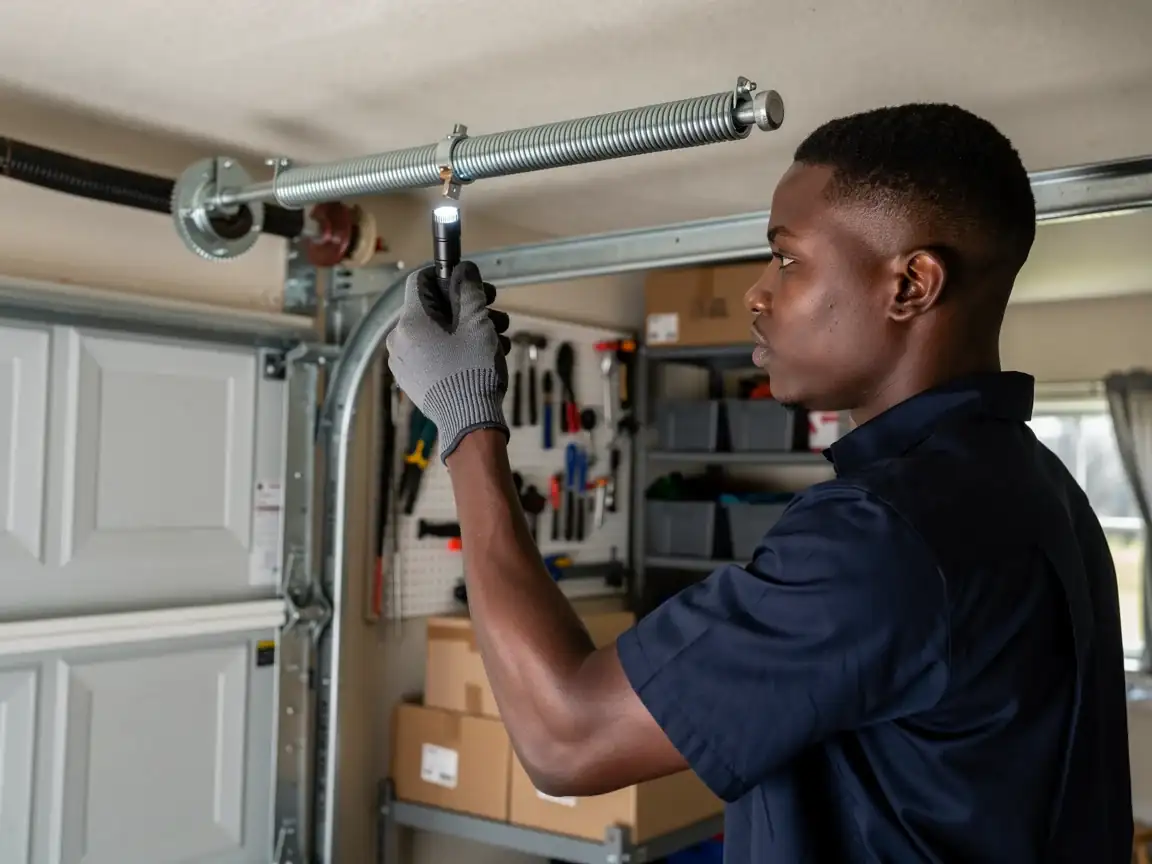
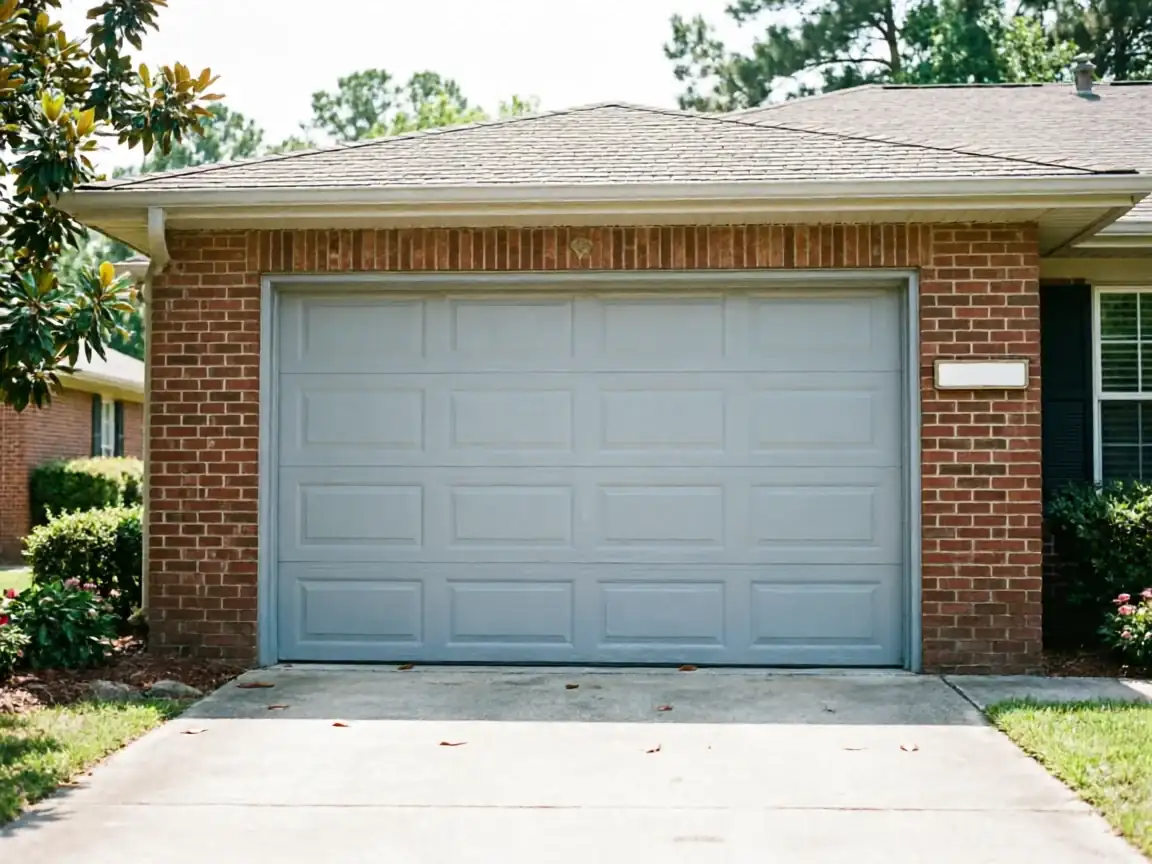
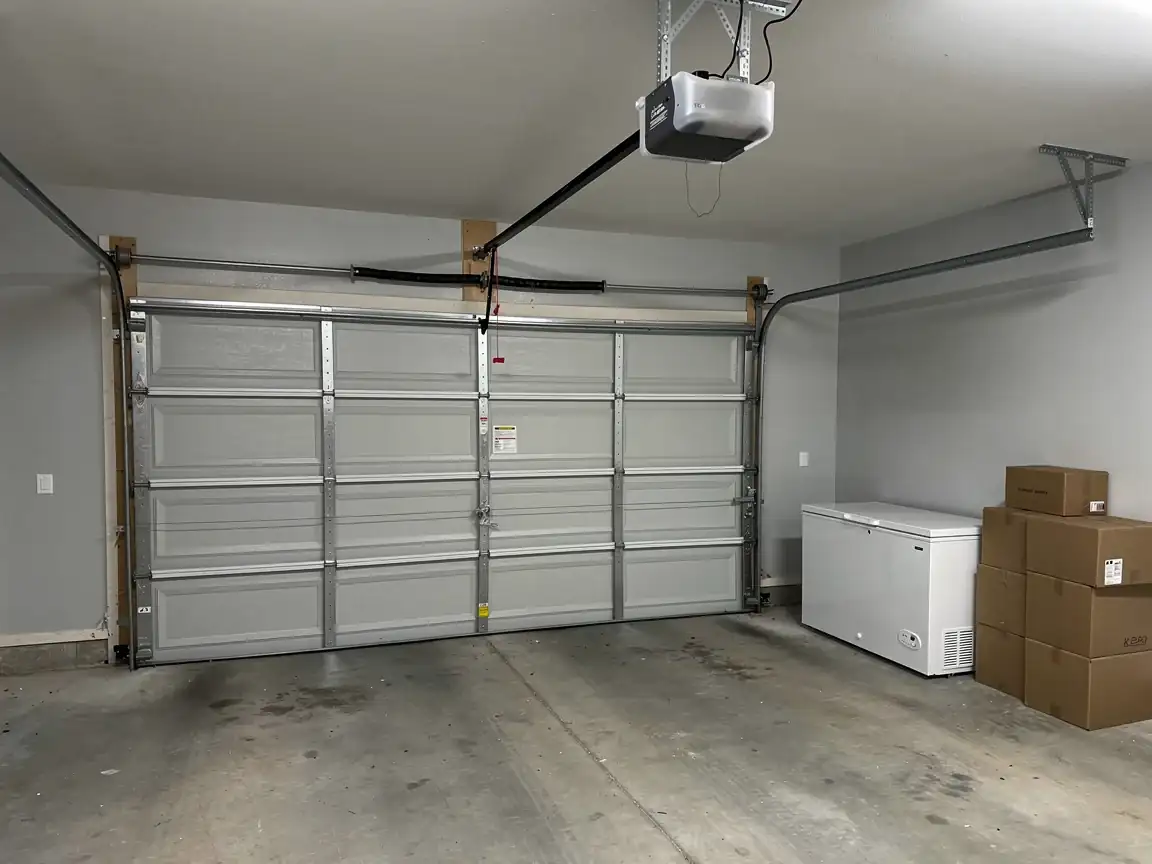
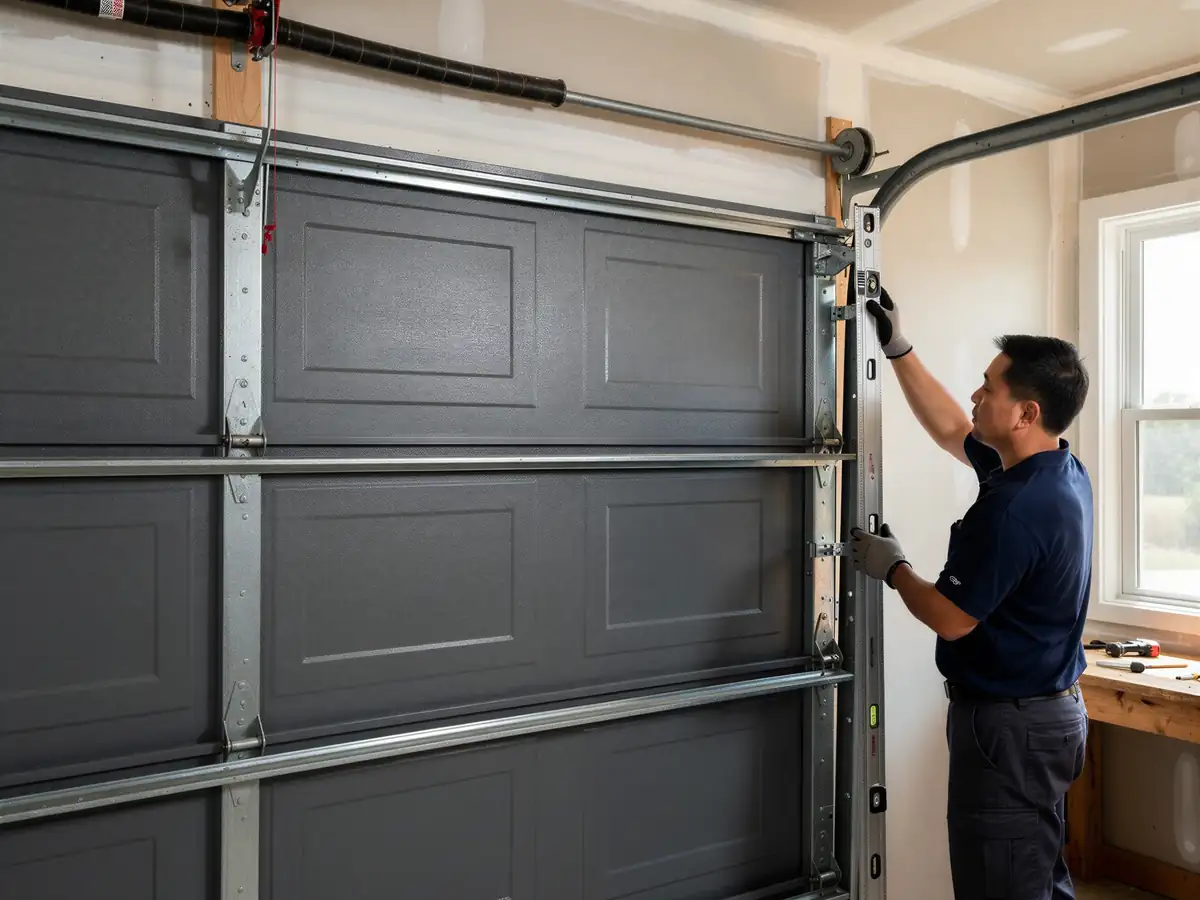
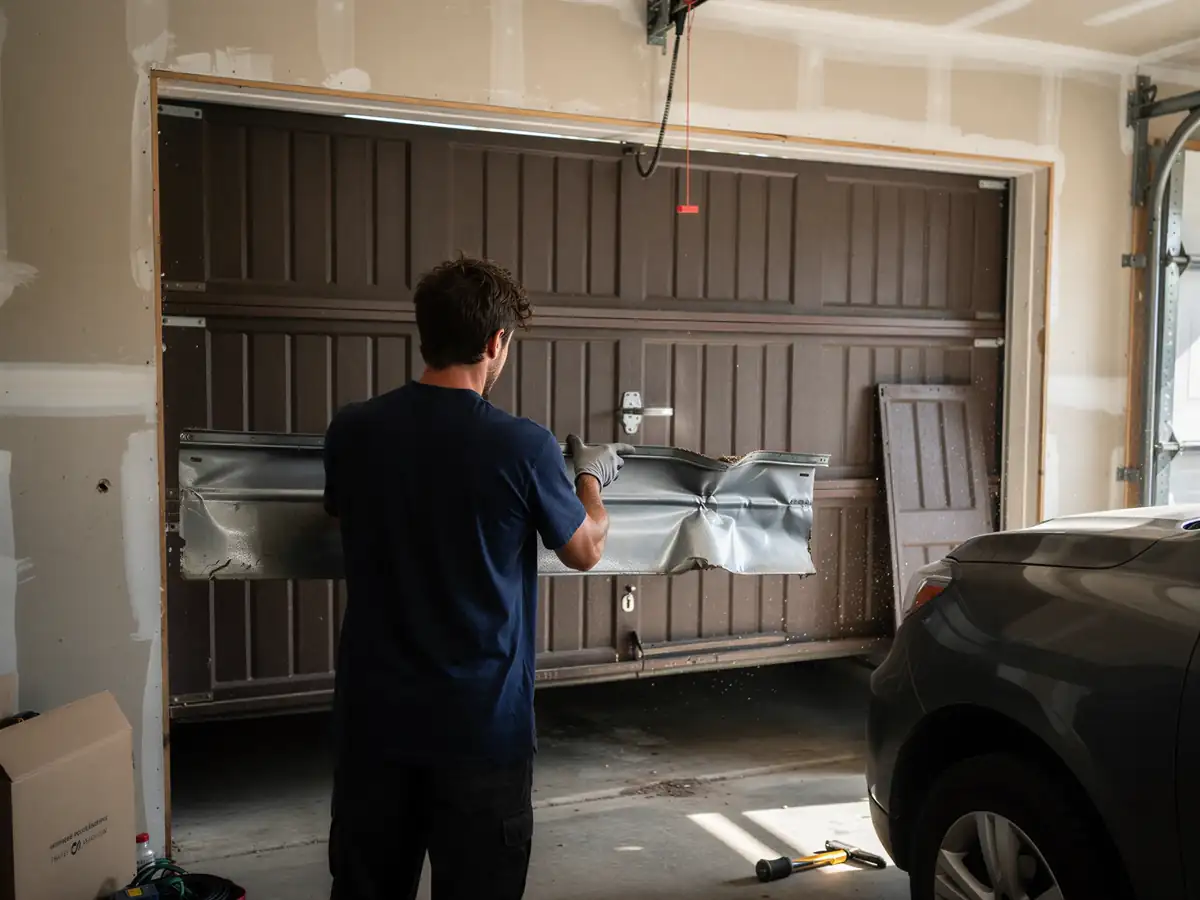
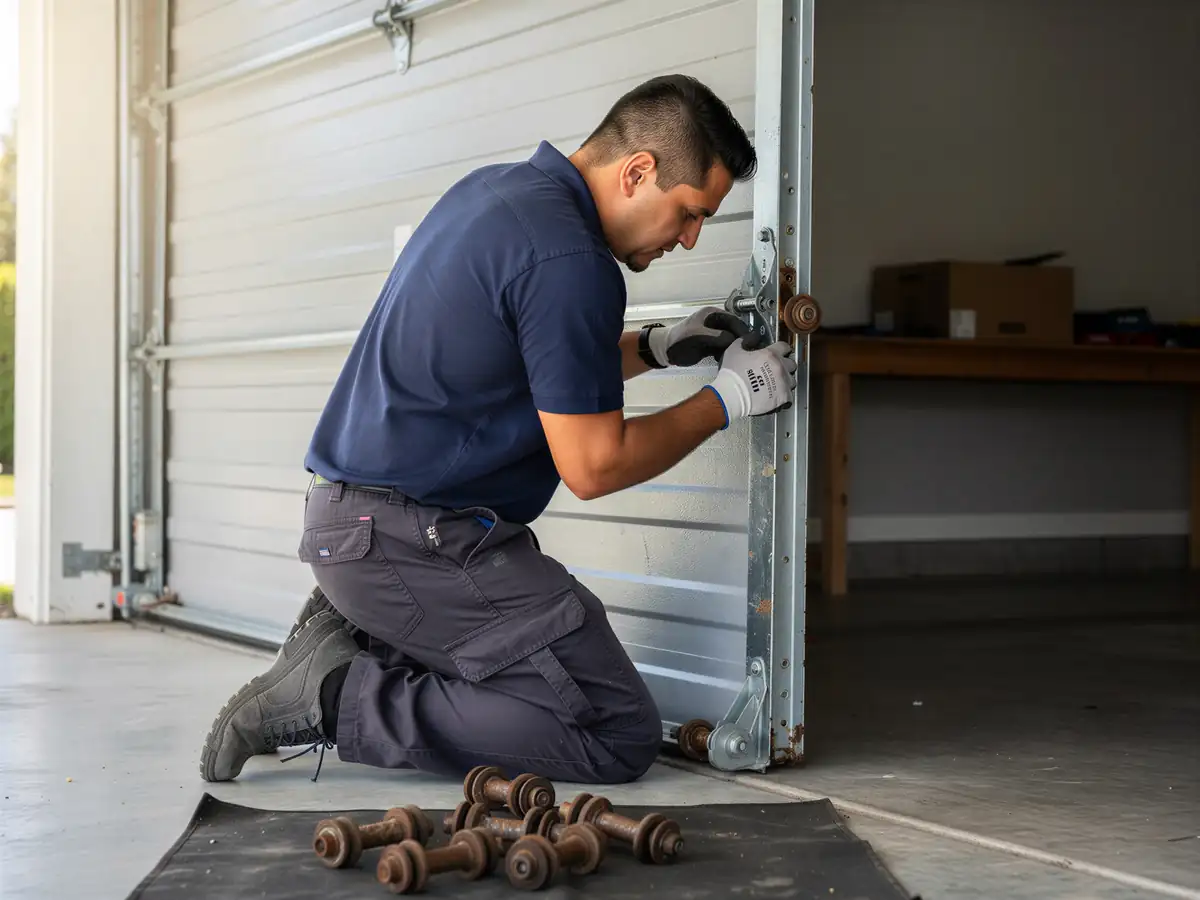
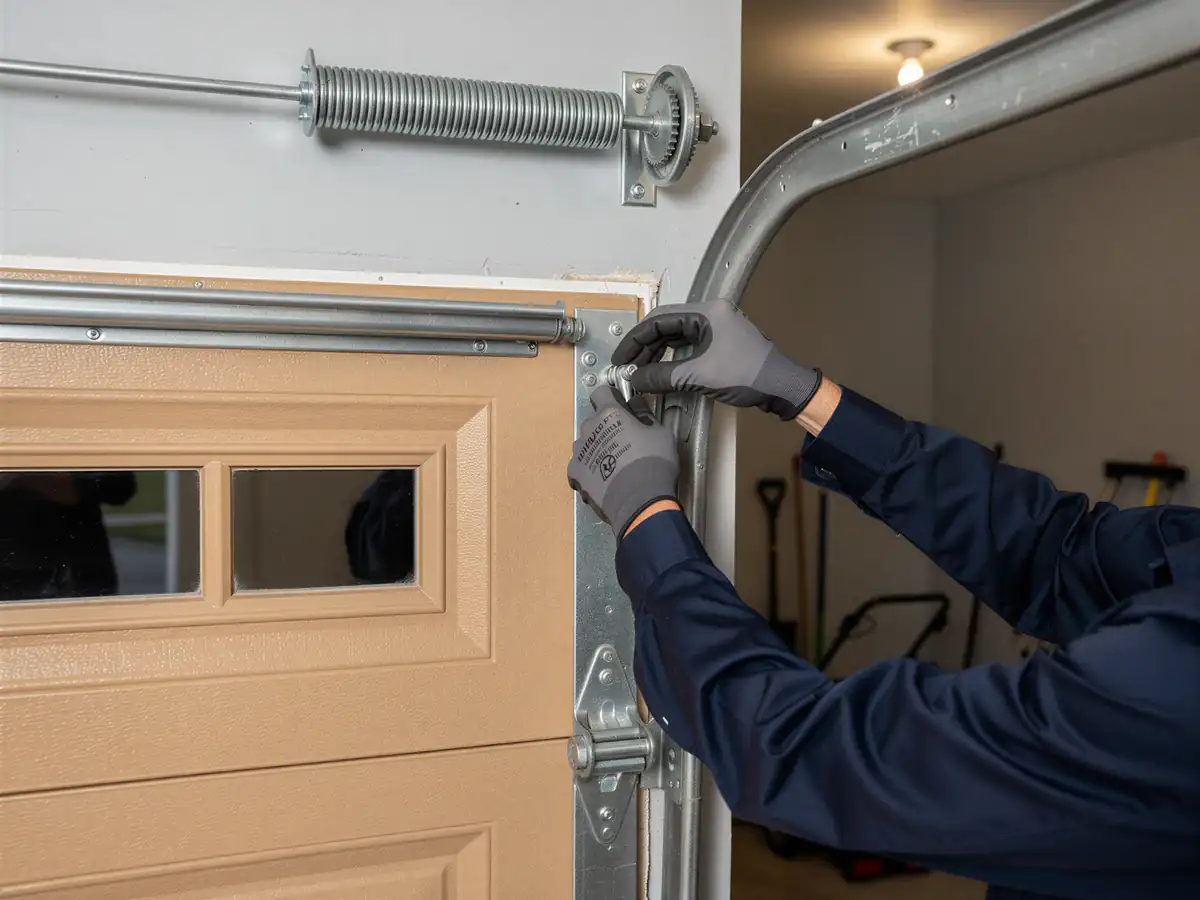
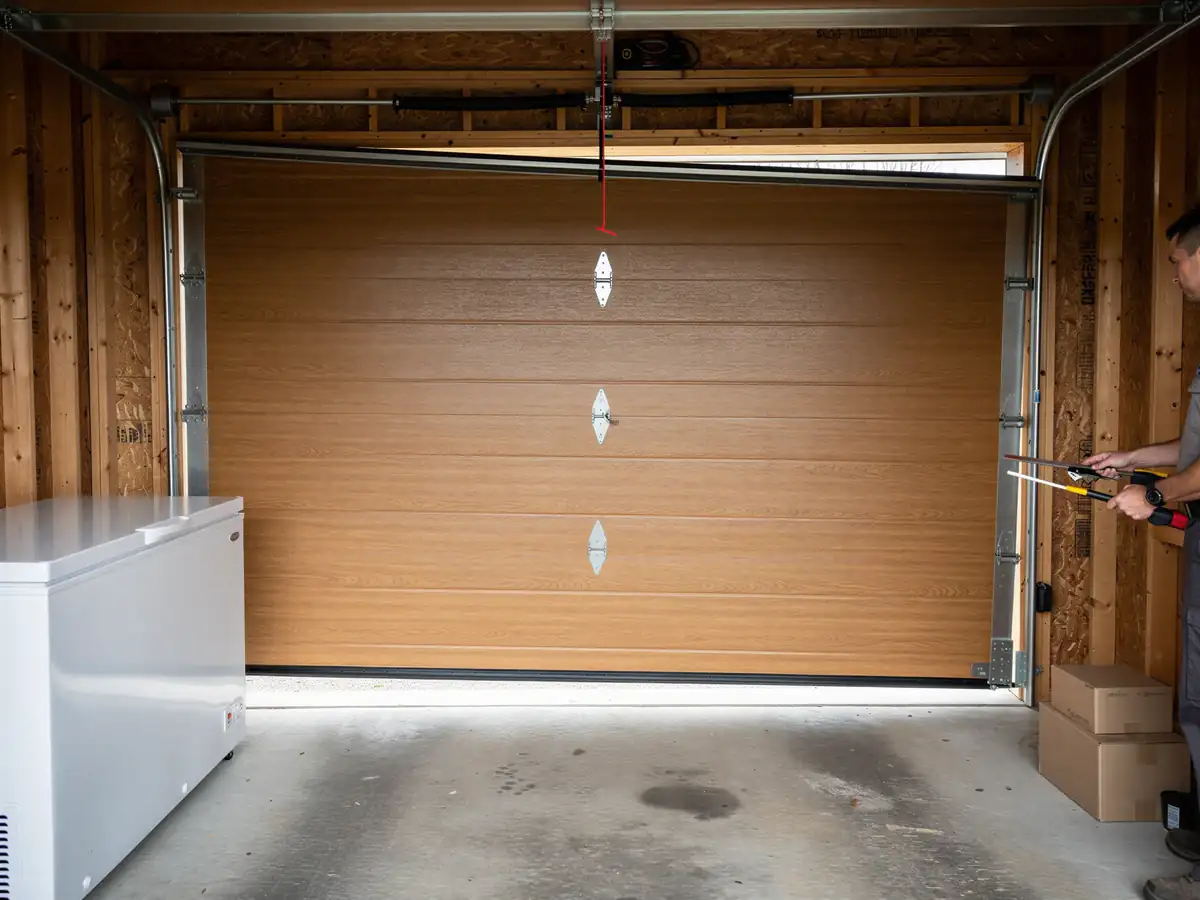
Stanley's housing stock centers on 1977, which means most garages out here were built for the single-layer steel sectional door that was standard through the late 1970s and into the 80s - a 16x7 double or 9x7 single, hung on galvanized steel track with roll-formed brackets, not the heavier extruded aluminum track you see on newer builds. When a door like that jumps the track, the fix usually isn't a track swap. It's bent track sections, worn nylon rollers that have been grinding against the rail for forty-some years, and bracket bolts that have backed out of softened jamb wood. We carry replacement roller sets, standard-gauge track sections, and the lag hardware that actually holds in older framing, because the newer self-tapping screws strip right out of it. What we don't always have on the truck is a matching panel for a door that's been discontinued since before most of our customers were born - if yours is cracked where it jumped, we'll tell you honestly whether patching the track is worth it or whether you're better off replacing the section.
The Cost of This Job
We don't price jobs sight unseen, but the cost of an off-track repair tracks pretty closely with what's actually bent versus what just needs re-seating. A door that hopped the track clean, with no bent rail and no cracked panel, is a straightforward reset-and-adjust call. A door that got forced back down by someone trying to close it manually - which happens more than you'd think - usually means replacing a section of track and sometimes a roller bracket, and that adds parts and time. Stanley's median household income sits at $71,333, noticeably higher than the service area average of $59,583, and we've found that often means homeowners here ask for the straight numbers up front rather than a patch-it-and-see approach. We'll tell you both options and what each one costs before any tool comes out of the truck.
What Causes It Around Here
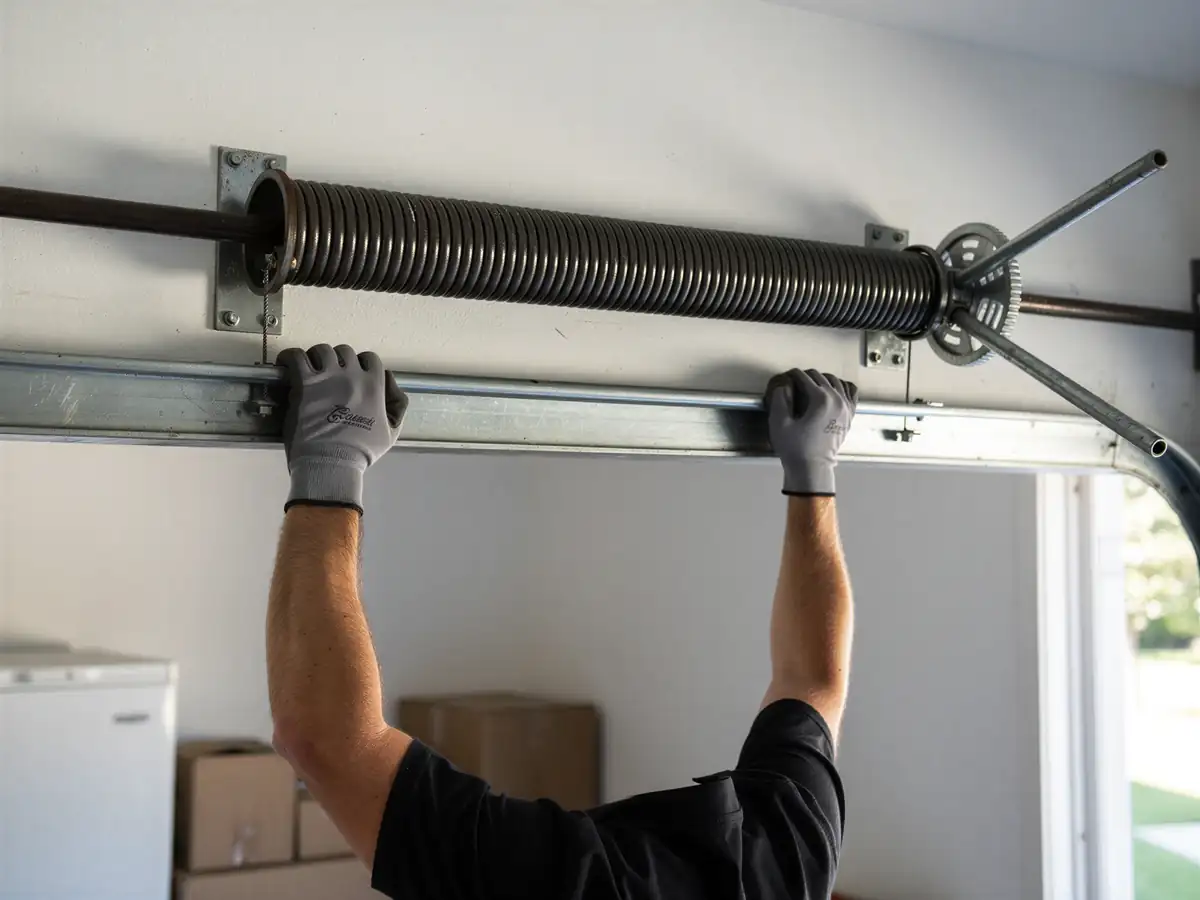
Stanley sits in a cold-moderate climate band, which means real freeze-thaw cycles each winter rather than a handful of cold snaps. On a door built around 1977, that cycle has had over four decades to work galvanized track loose at the mounting brackets - the metal expands and contracts, the wood behind it dries and shrinks, and eventually a bracket that was snug in 1980 has a sixteenth of an inch of play. That's enough for a roller to walk off the rail under a hard stop, especially on doors where the original torsion spring has gone soft and the door is dropping unevenly instead of coming down level. We see this pattern often enough in homes from this era that it's usually our first question on the phone: has the door been getting harder to lift lately, because that's often the real cause sitting behind the off-track symptom.
The Complications
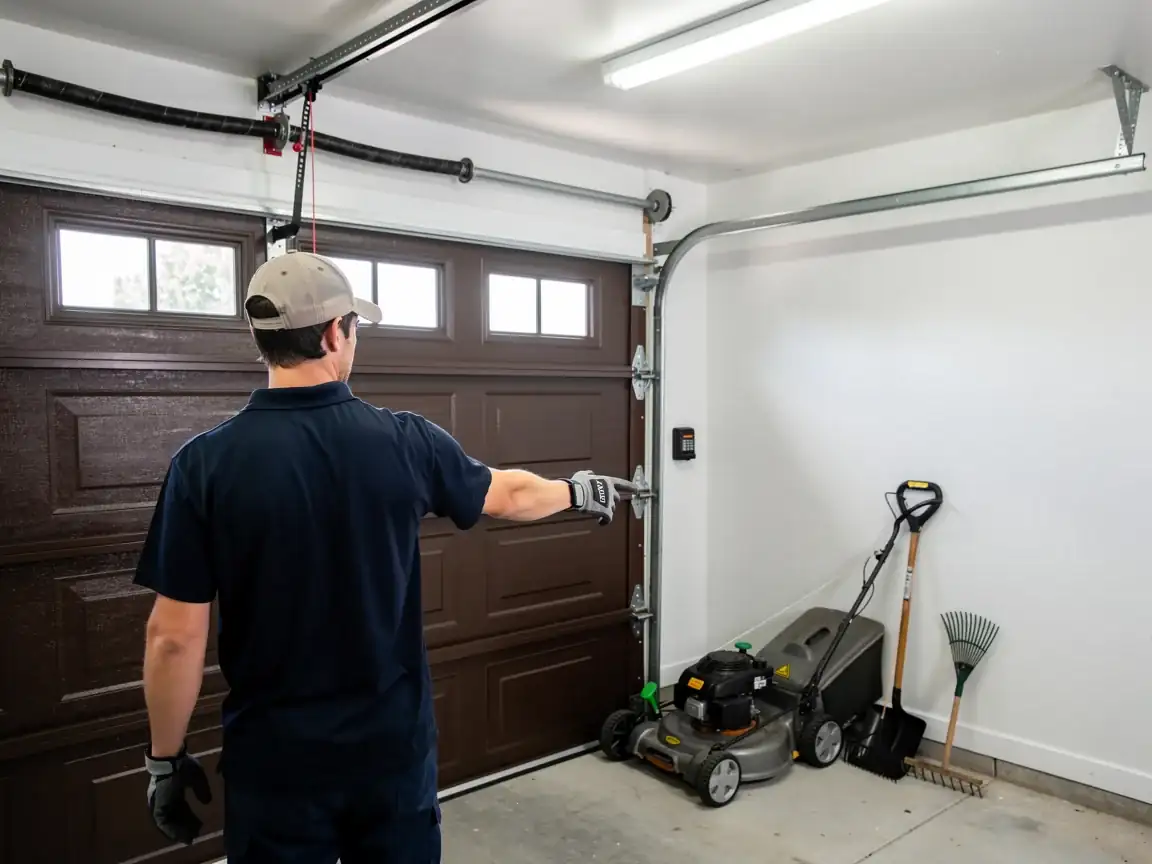
The complication we run into most in Stanley isn't the track itself, it's what's attached to it. Houses from this era often have the opener mounted to framing that's taken on moisture over the years, and if the door came off the track while the opener was still engaged, you can end up with a bent trolley arm or a stripped drive gear on top of the track damage. We check the opener every time, not just the rail, because fixing the track and sending someone off with a damaged opener means a second call. The honest limitation here: if the door is original to a 1977 build and the track is bent in more than one place, we'll usually recommend replacing the door rather than chasing parts for hardware that's been out of production for decades. That's not an upsell - it's cheaper for you in the long run than a repair that won't hold.