Parts We Carry
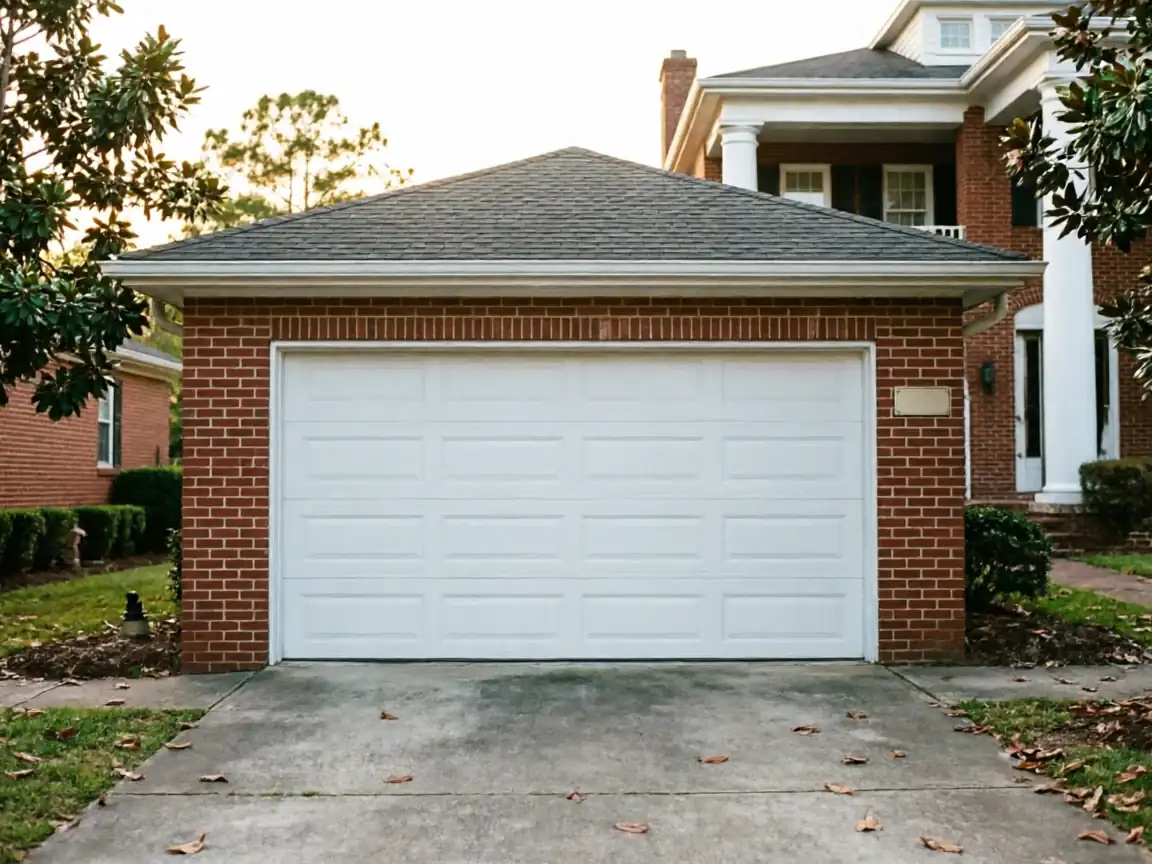
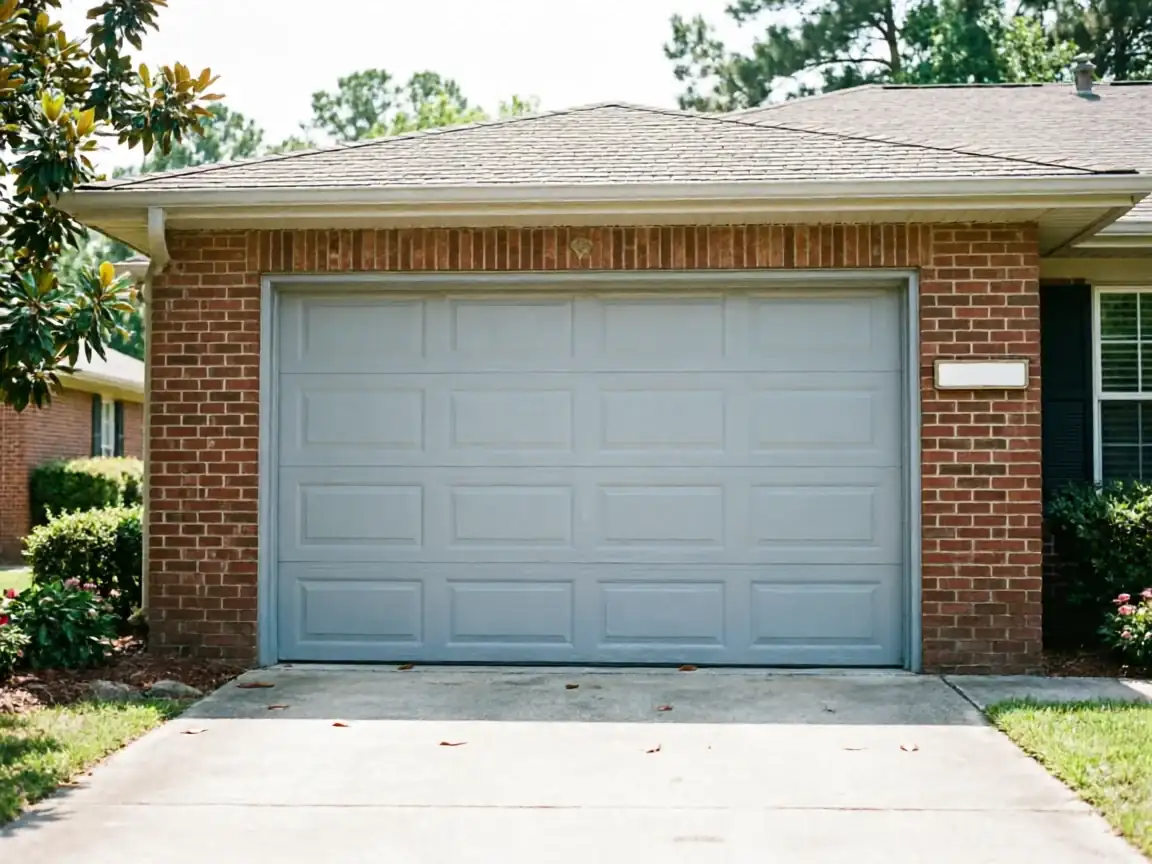
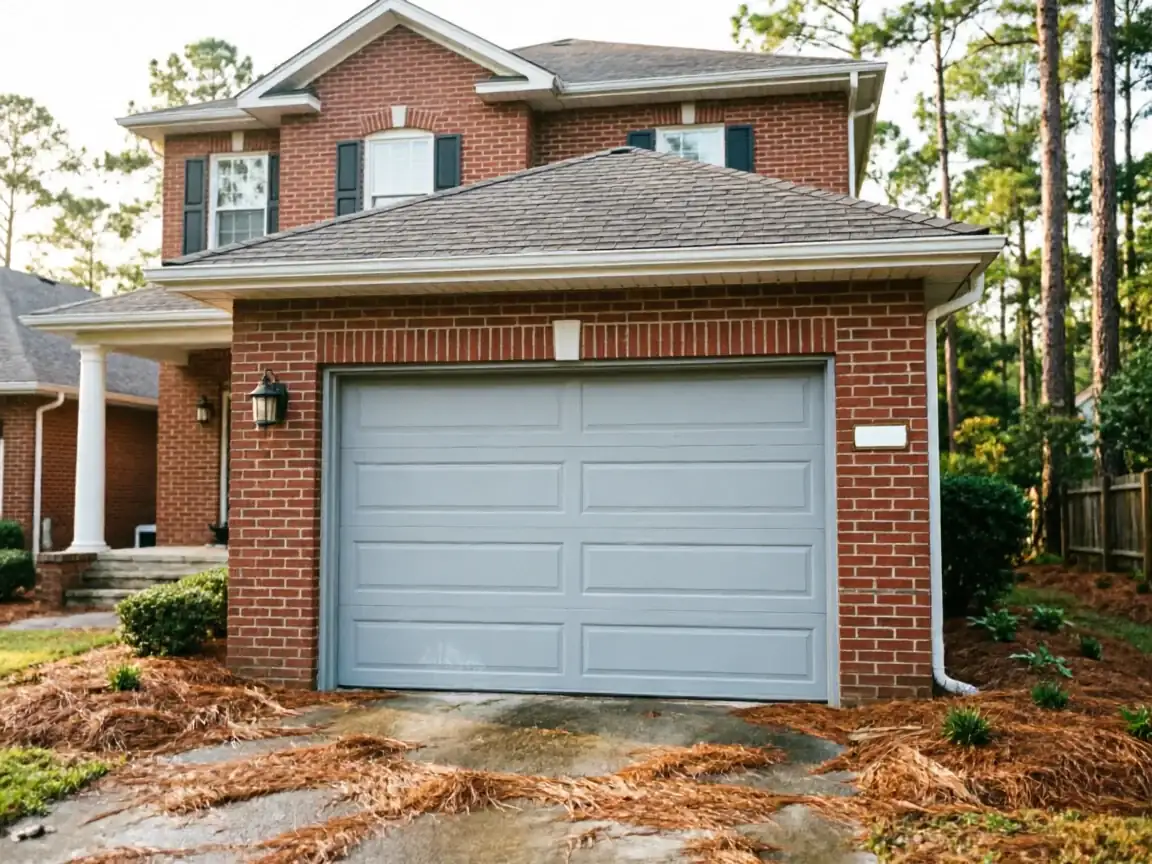
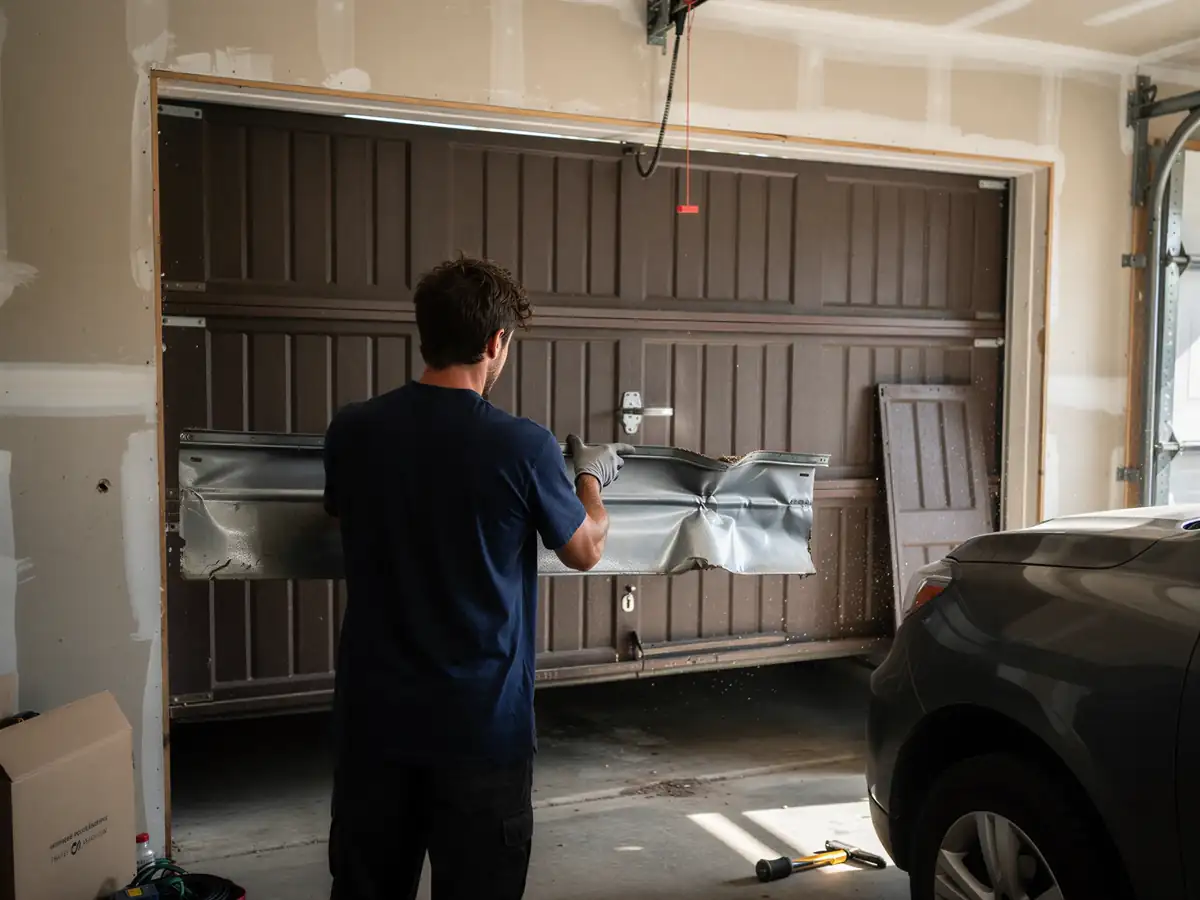
The median home in Stanley went up around 1977, which puts a lot of these garage doors a good six years ahead of the service area's overall median of 1983. That earlier build date matters for panel work: doors from that stretch are almost always steel sectional, often a raised-panel profile with a single layer of steel and no foam core. No insulation sandwiched in means the panel skin dents easier and rusts through at the bottom section first, usually years before the opener or springs give out.
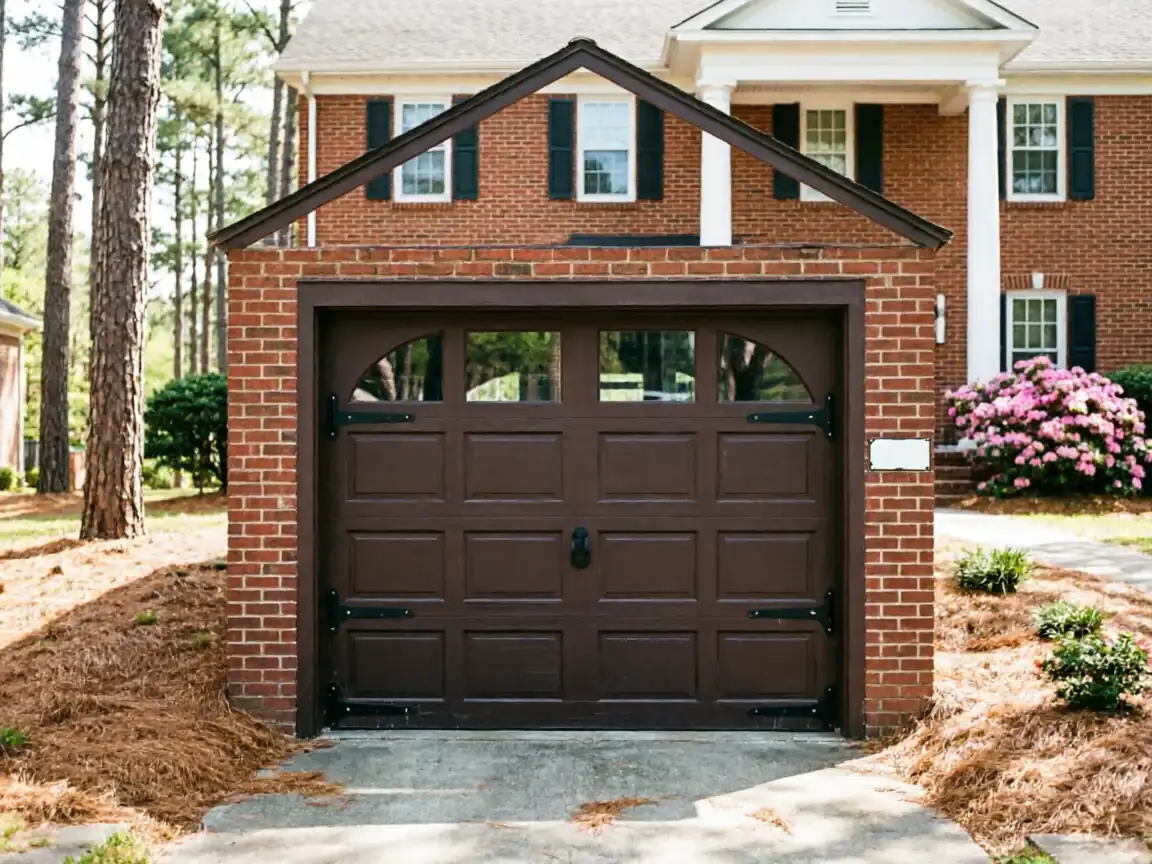
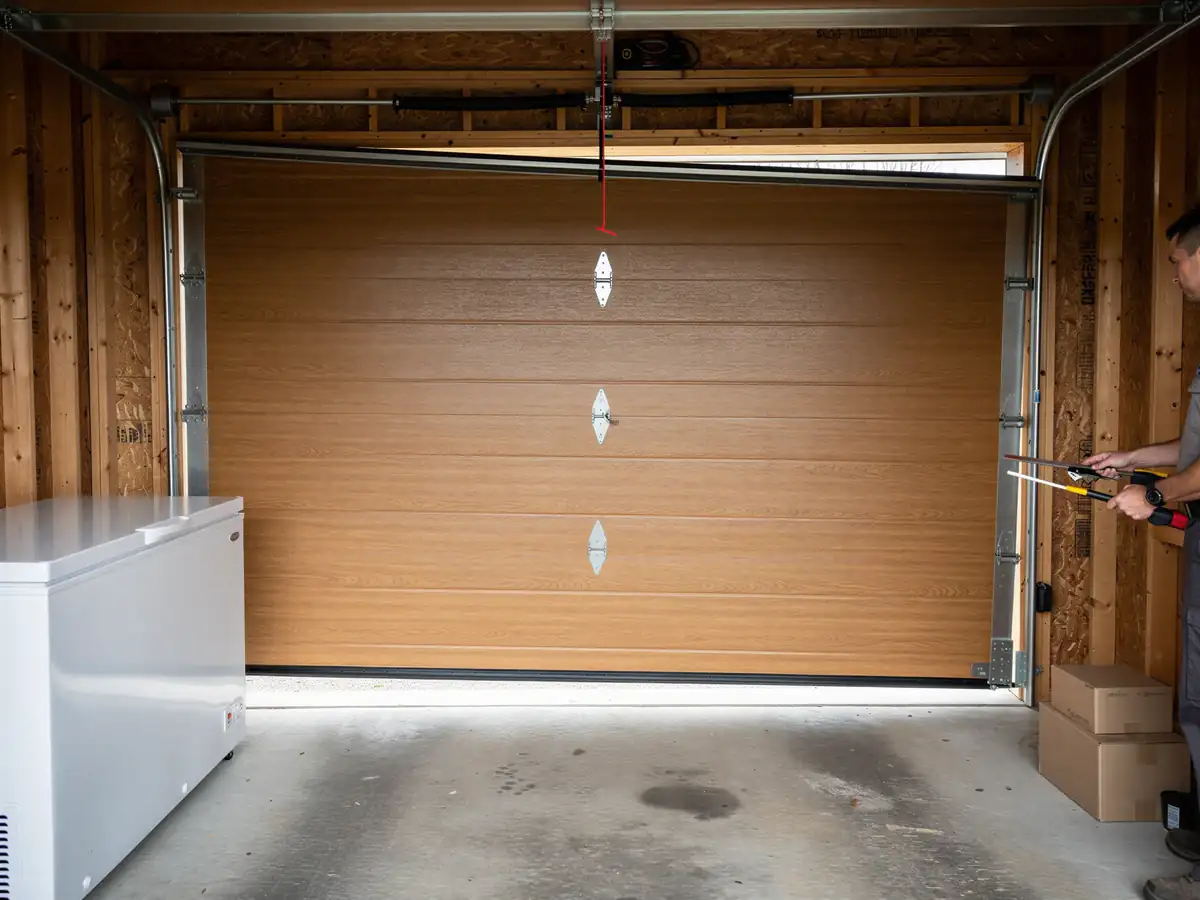
We carry stock panels sized to fit common 1970s and 80s sectional widths, but exact profile matches on doors this old aren't guaranteed - a lot of those raised-panel designs were discontinued by the manufacturers decades ago. When we can't match the embossing or panel height, we say so up front, and we'll walk you through whether a single replacement section, a re-skin of the whole door, or a full swap makes more sense for what's underneath.
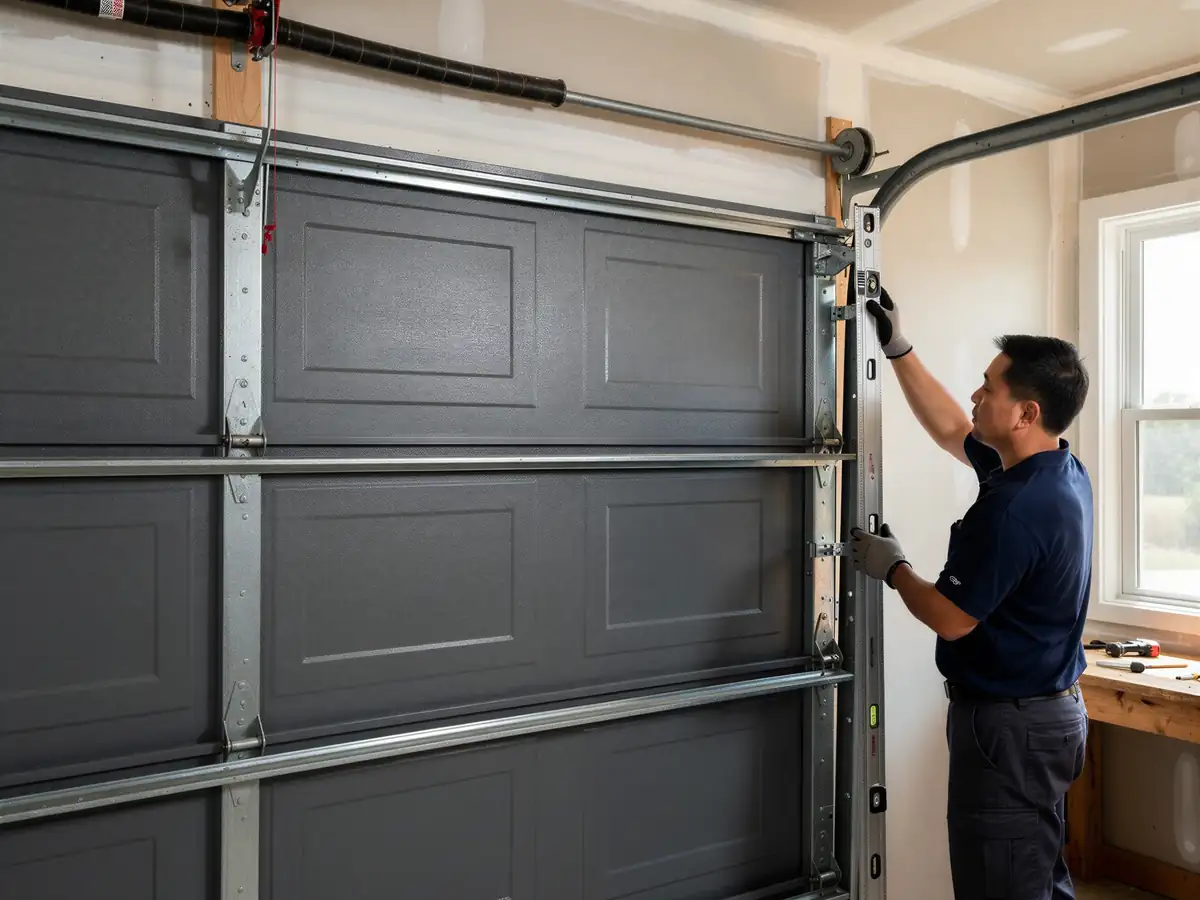
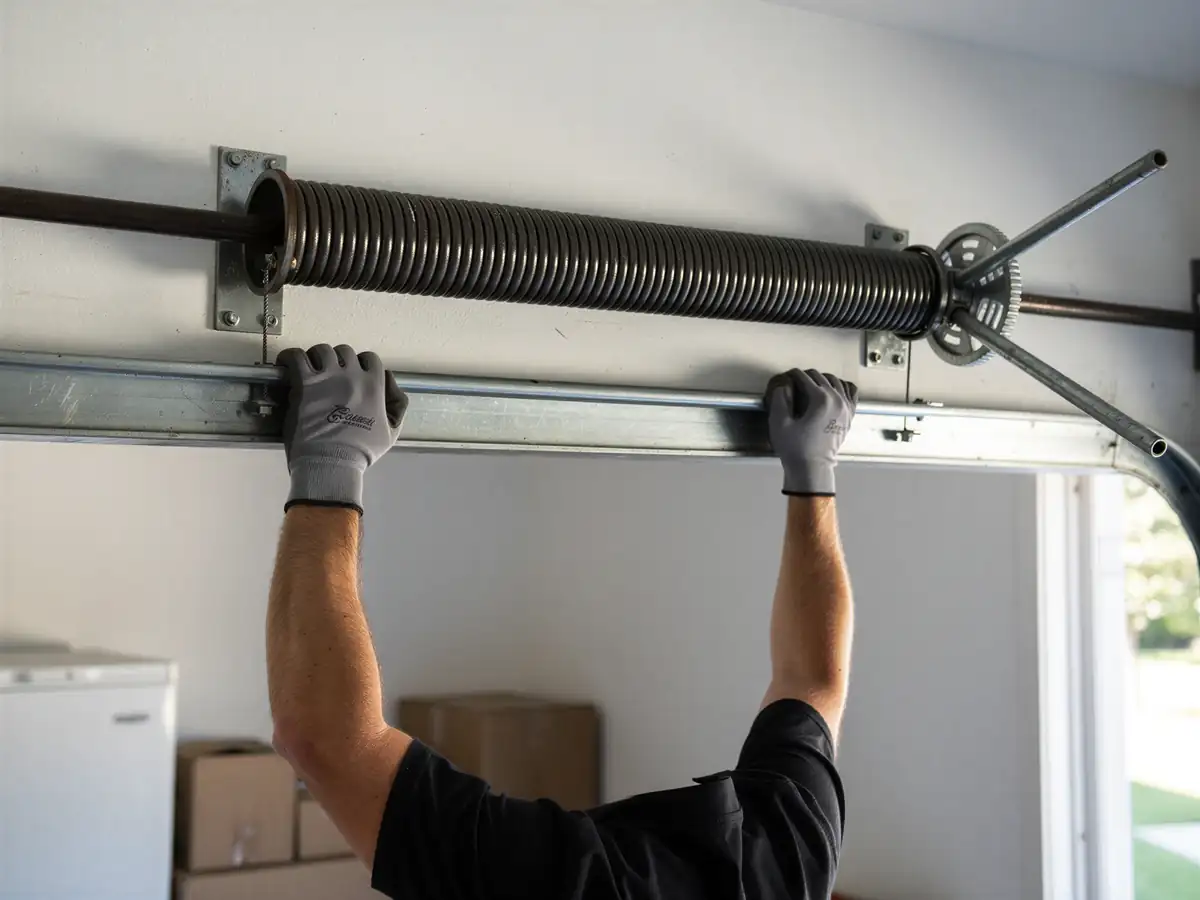
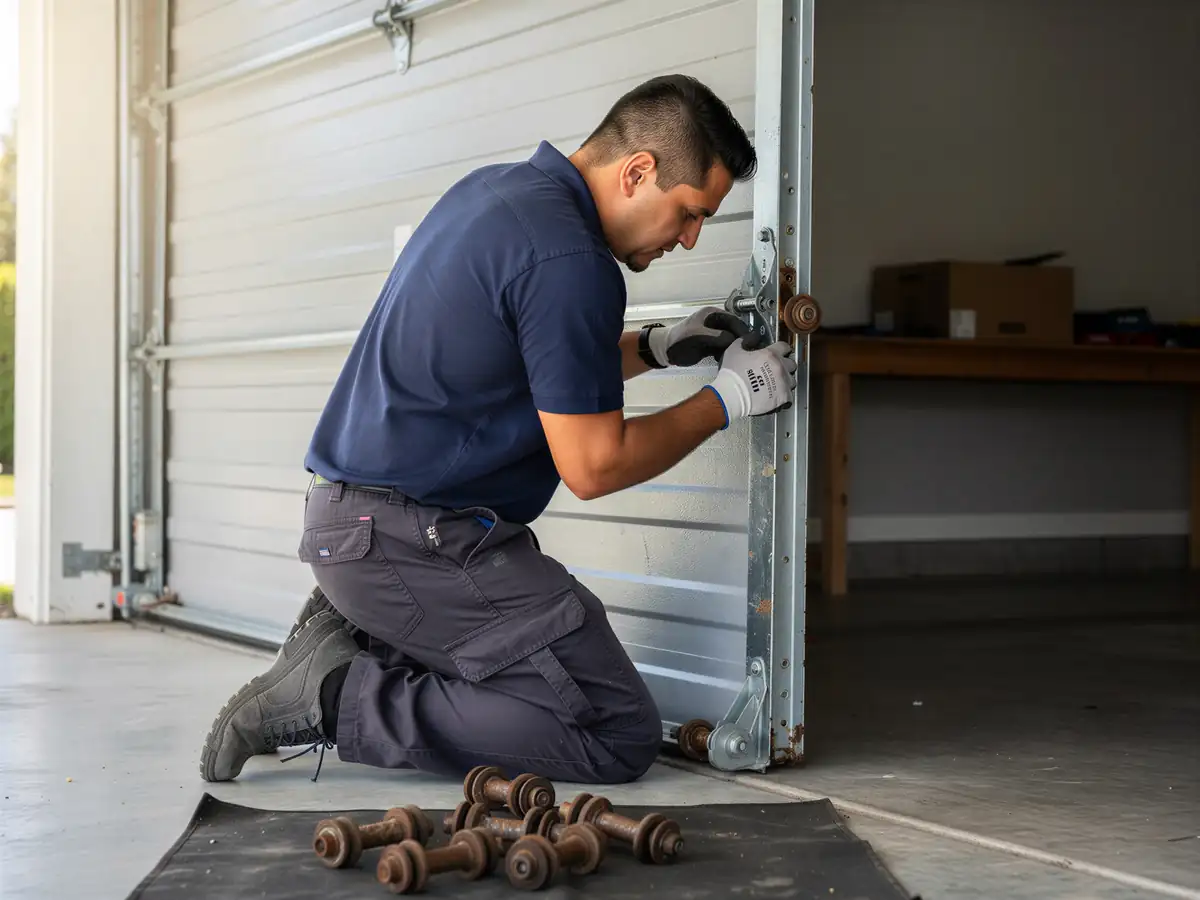
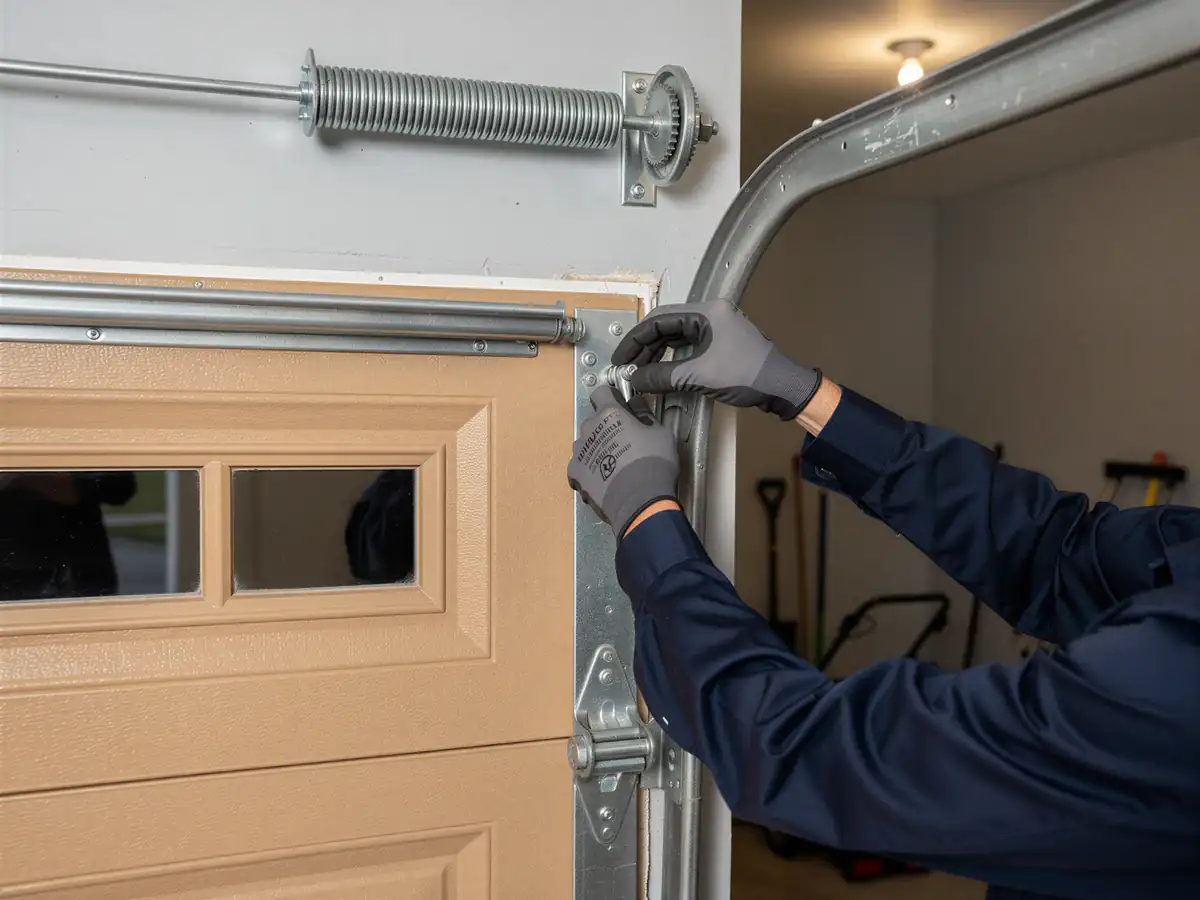
We'll also check the track and hinges while we're out, since a bent panel on an older door usually means the rollers or hinge tabs took the same hit.
The Cost of This Job
We don't quote panel pricing sight-unseen, because the job changes a lot depending on whether your door is a common steel sectional from the late 70s/early 80s or something custom. What we can tell you is what drives the number up or down: how many panels are damaged, whether the embossed pattern is still in production, and whether the track or hinges got bent in whatever hit the door.
Stanley's median household income runs at $71,333, noticeably above a lot of the wider Gastonia coverage area, and that's part of why we see more owners here choose a matched panel repair over a full door swap - the budget's there to do it right rather than patch it. We'll give you a firm number on site, not over the phone, because panel matching on an older door is one of those jobs where the real cost only shows up once we've got eyes on the embossing and the track.
Booking a Visit
We run this job out from Gastonia, about 9 miles from Stanley
So there's no local branch or drop-in counter here - we schedule the visit and come to you. That drive puts Stanley in the same general radius as Dallas and McAdenville on our coverage map, but the houses we find here skew older, which changes what we bring on the truck.
- 9 miles
When you call, tell us the rough age of the house if you know it and whether the damage is one panel or several sections
For a 1977-built door, that's often the difference between us bringing a stock panel that might match and bringing a few options because the original run was discontinued. See our Stanley coverage page for what else we handle out this way, or check the Gastonia panel replacement page if you're comparing this job against a full door swap.
What Causes It Around Here
This part of North Carolina sits in a cold-moderate climate band - not brutal winters, but enough freeze-thaw cycling through the cold months that steel panels expand and contract season after season. On a door built in the late 1970s, that cycling has had forty-plus years to work on seams and fasteners that were never galvanized as heavily as what goes into panels today.
Most of what we see in Stanley isn't dramatic - it's a bottom panel that's taken on moisture at the seam and started bubbling the paint, or a mid-panel dent from a trailer hitch or a bike handlebar that's slowly rusted at the crease. Impact damage is still the single biggest reason we get called for panel work anywhere, but on houses this age the rust-at-the-seam failure shows up more often than it does on newer doors, simply because the steel's had more winters to work through.
The Complications
The main complication on a house built around 1977 is sourcing. Manufacturers change panel embossing, section height, and even steel gauge over the decades, and a door that age may not have an exact match available anymore. When that happens we're honest about it: sometimes a close match is close enough and sits fine next to the original sections, and sometimes the mismatch in texture or color is obvious enough that re-skinning or replacing the whole door is the better call, even if it costs more up front.
We also run into doors where the track has been re-set or shimmed over the years to compensate for a warped section, which isn't something you want to build a new panel into without fixing the track first. And on some of the older single-layer steel doors, by the time two or three panels have failed, the honest answer is that a full door replacement costs about the same as chasing discontinued panels one at a time - we'll tell you if that's where your door's at instead of selling you a patch job.