Parts We Carry
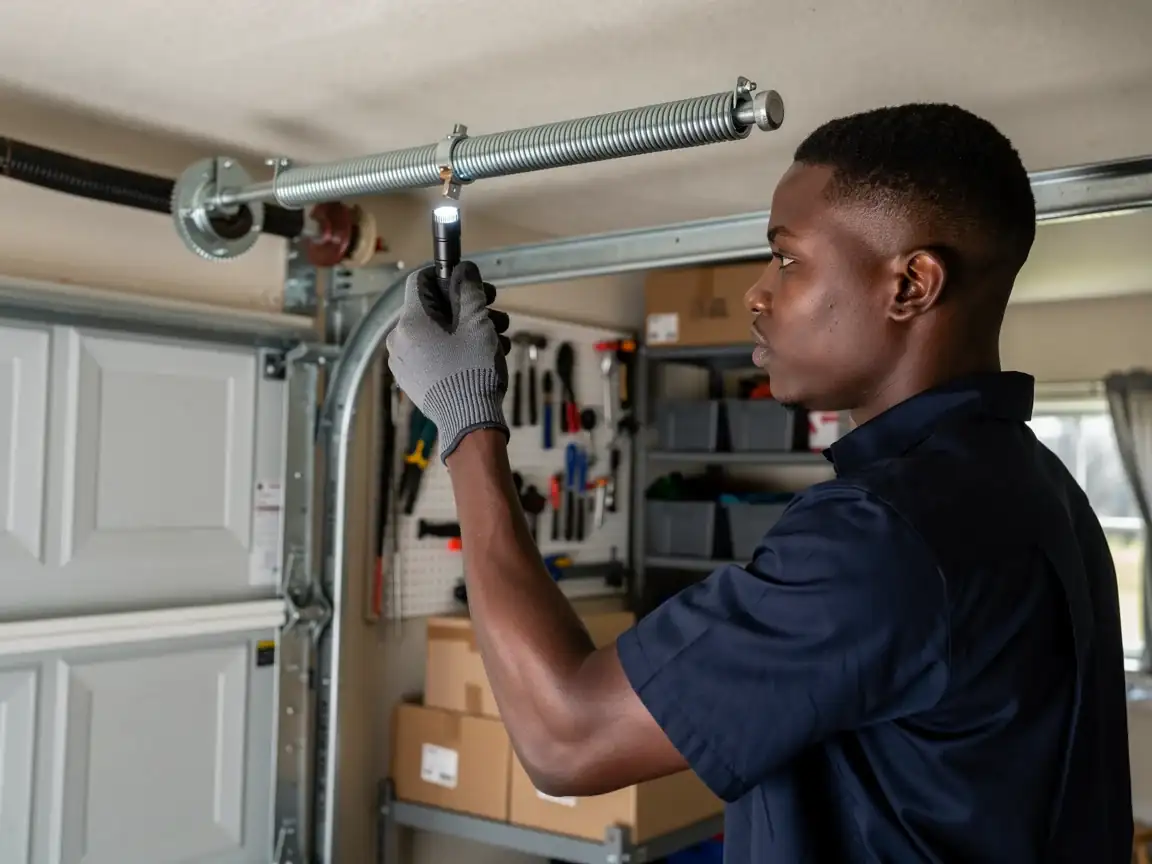
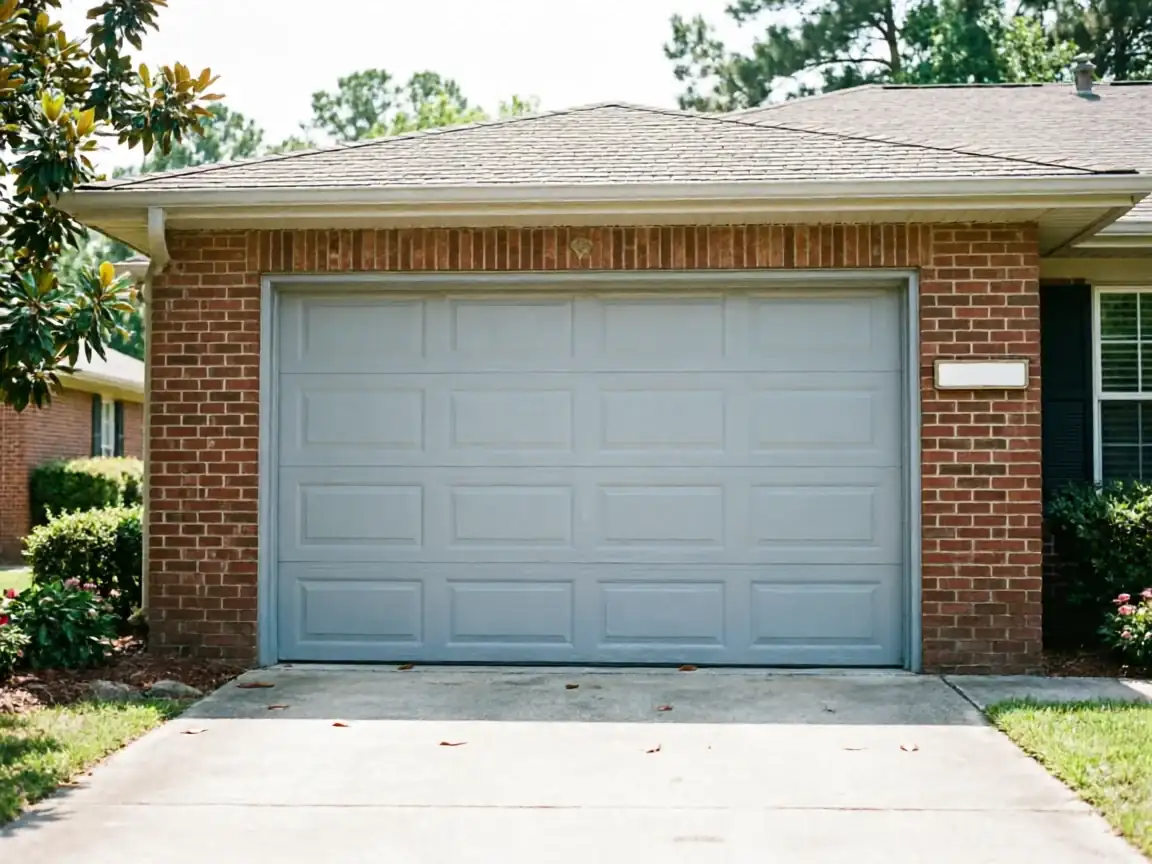
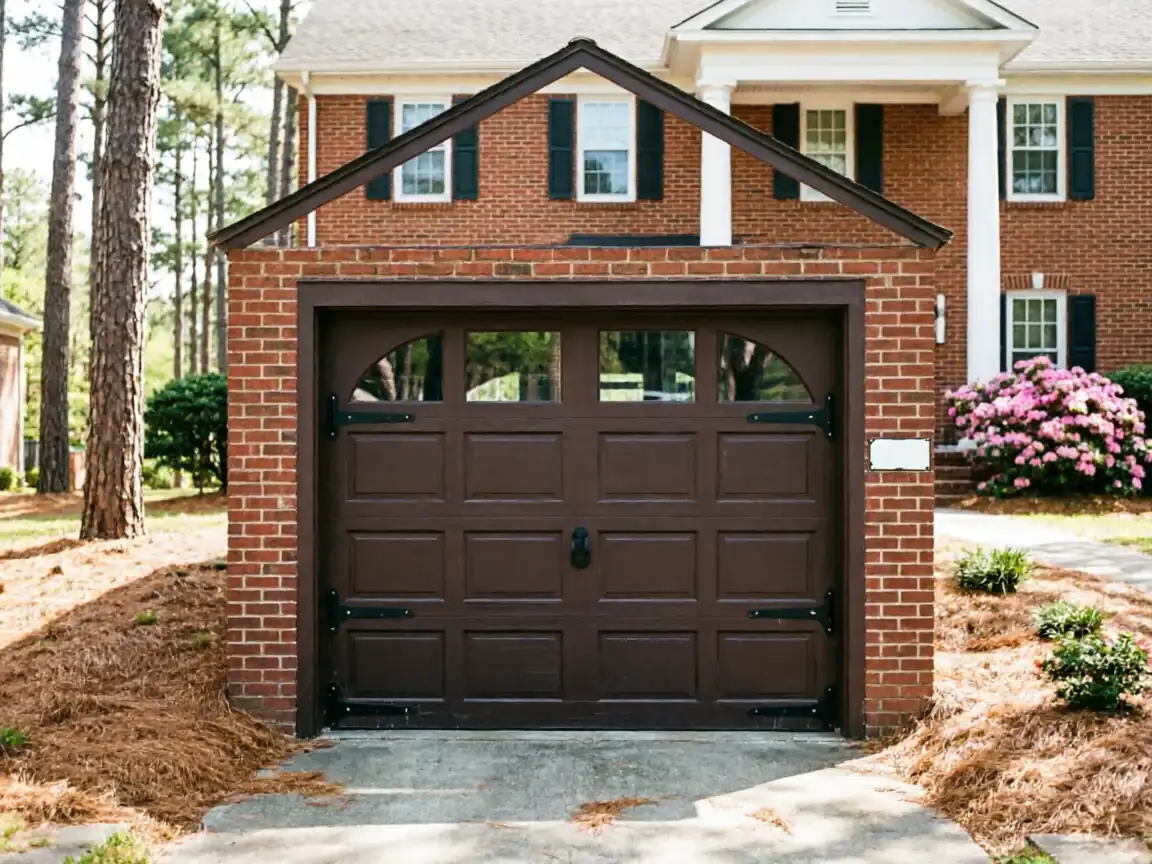
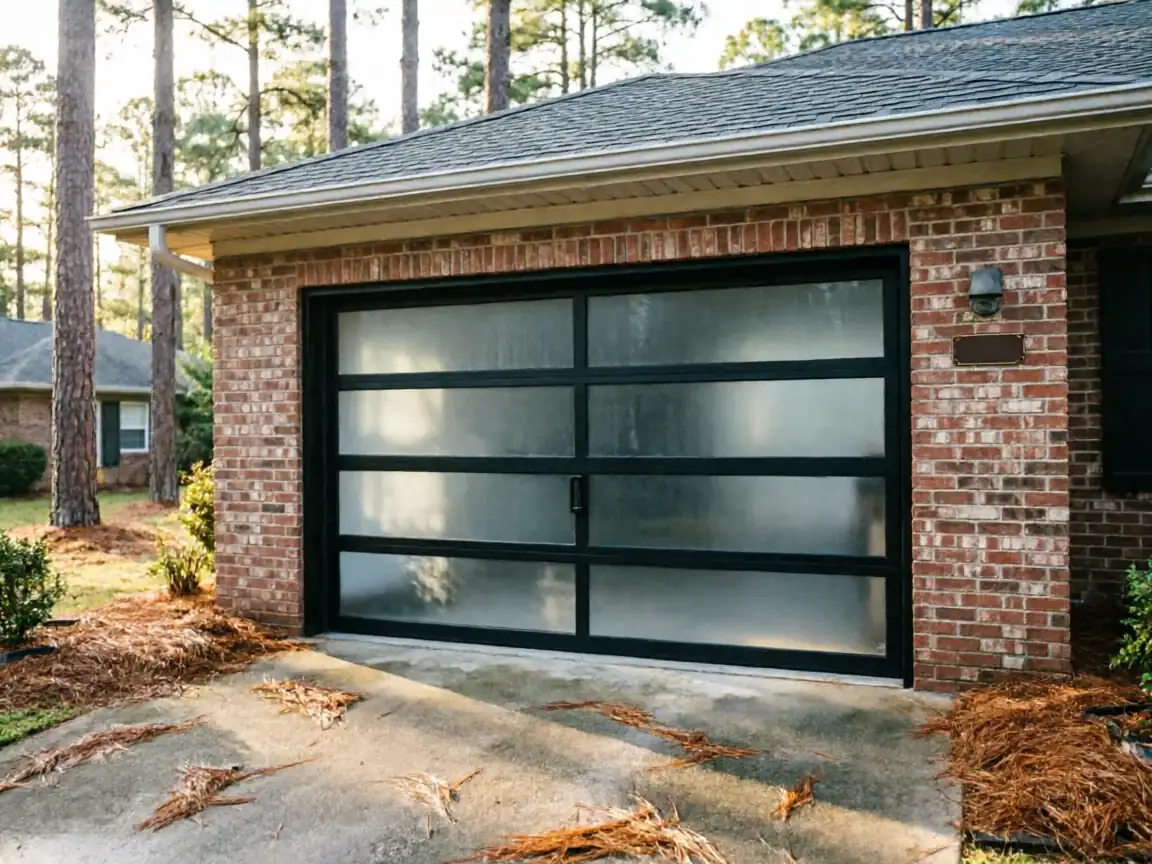
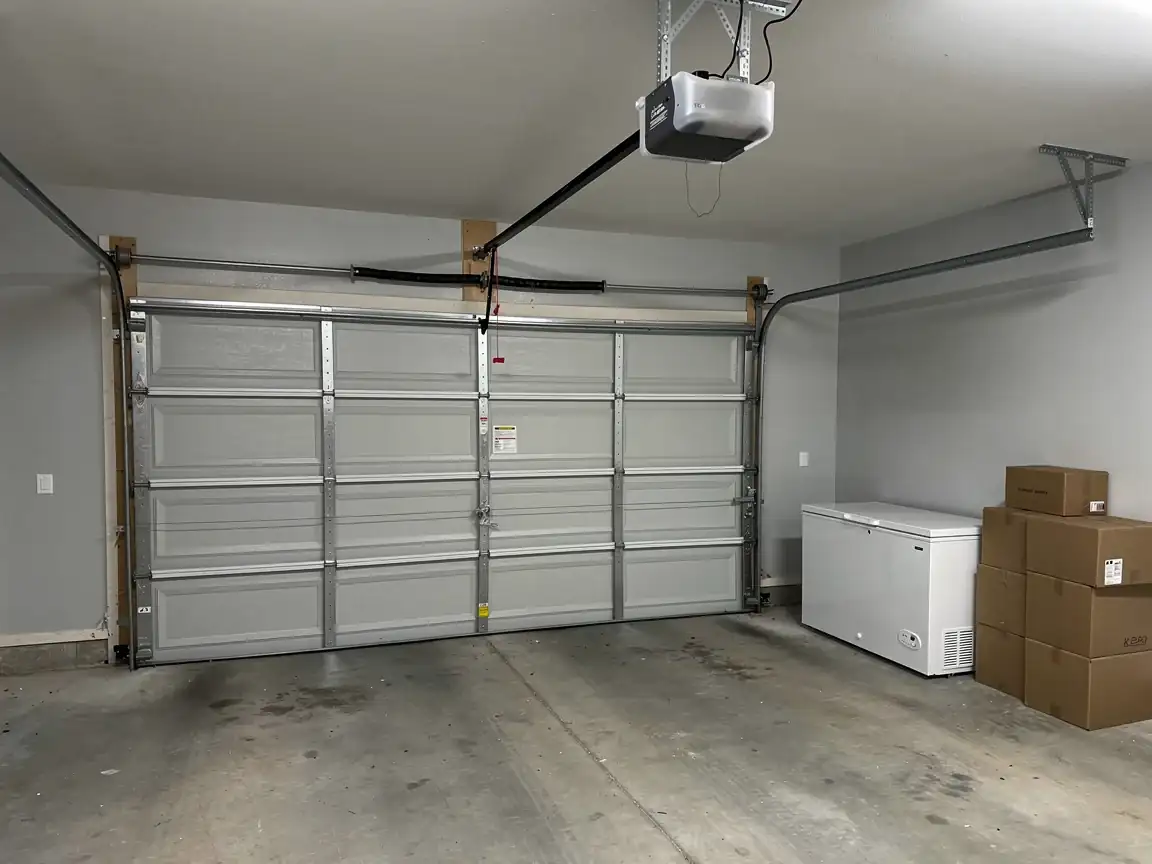
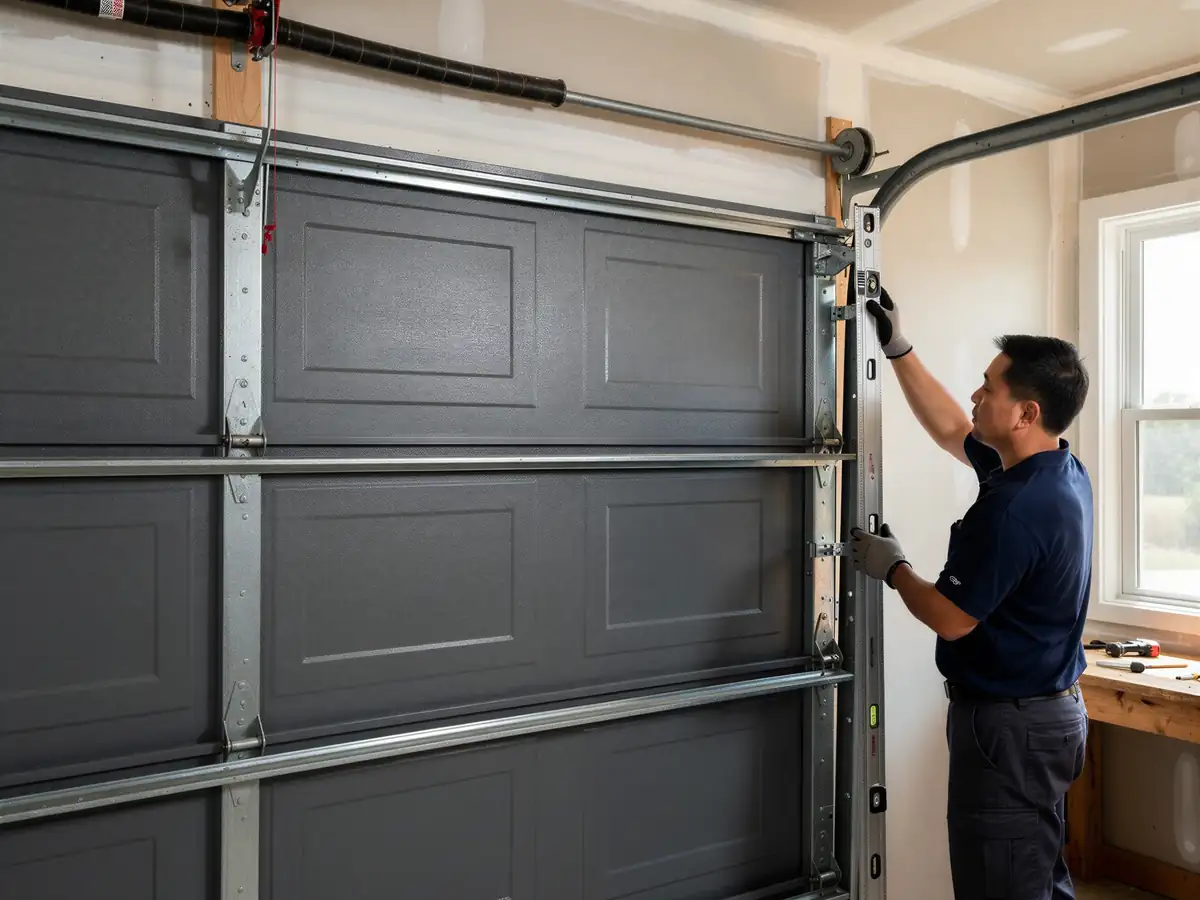
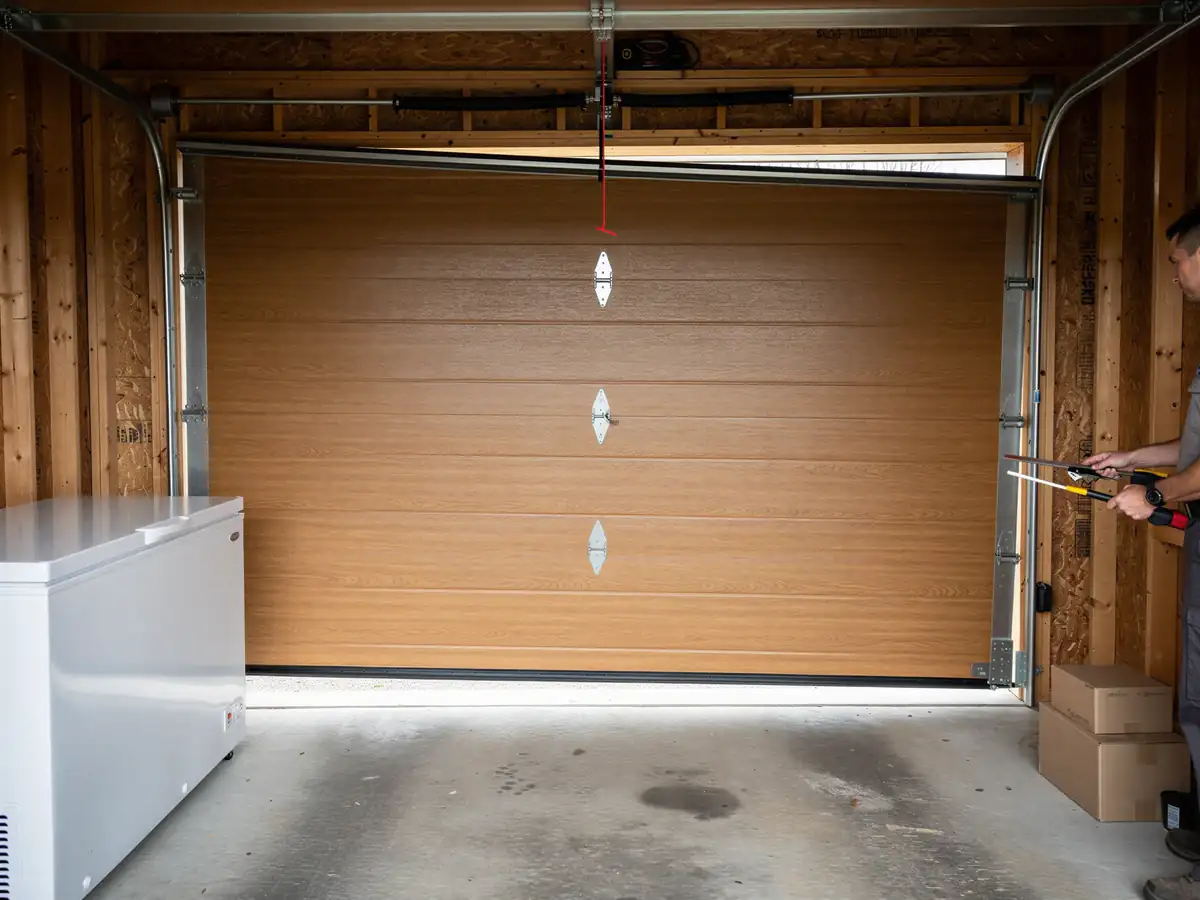
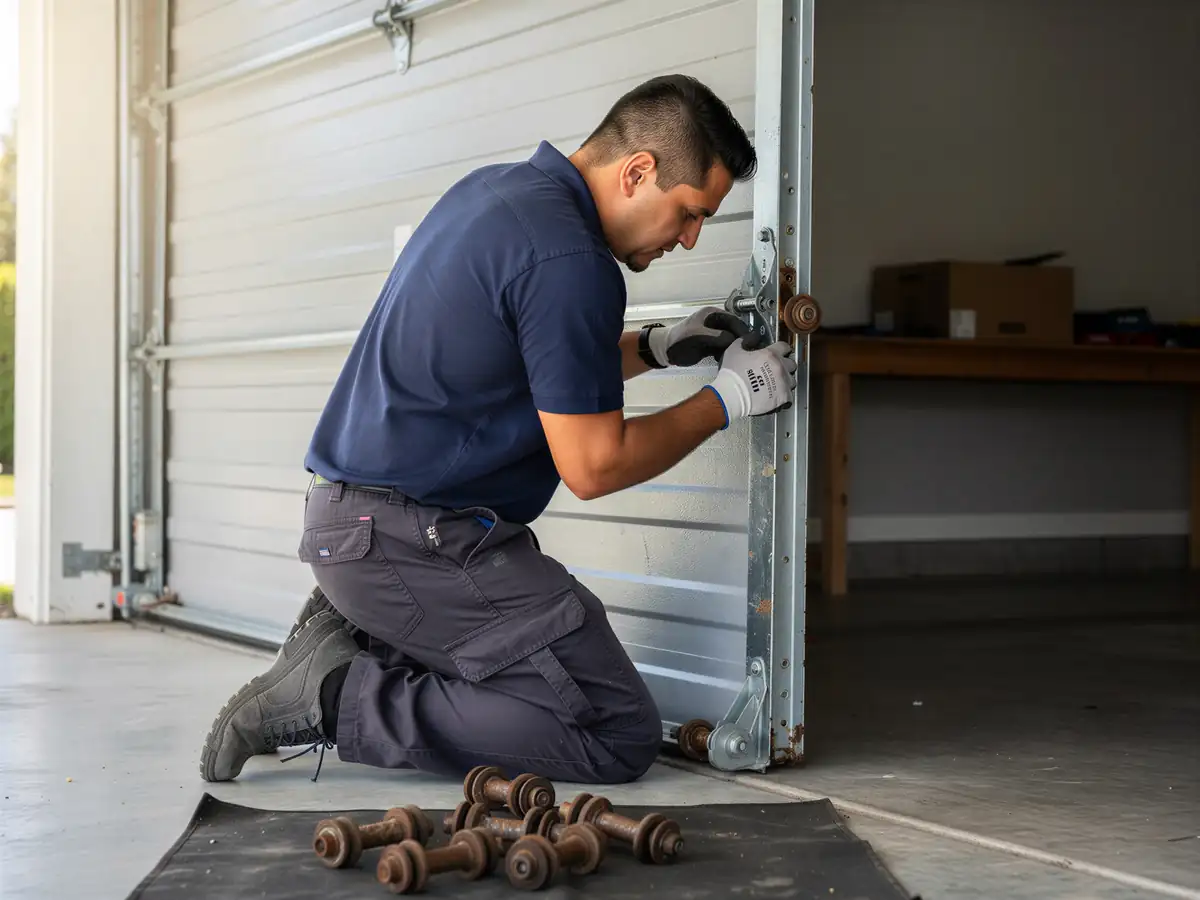
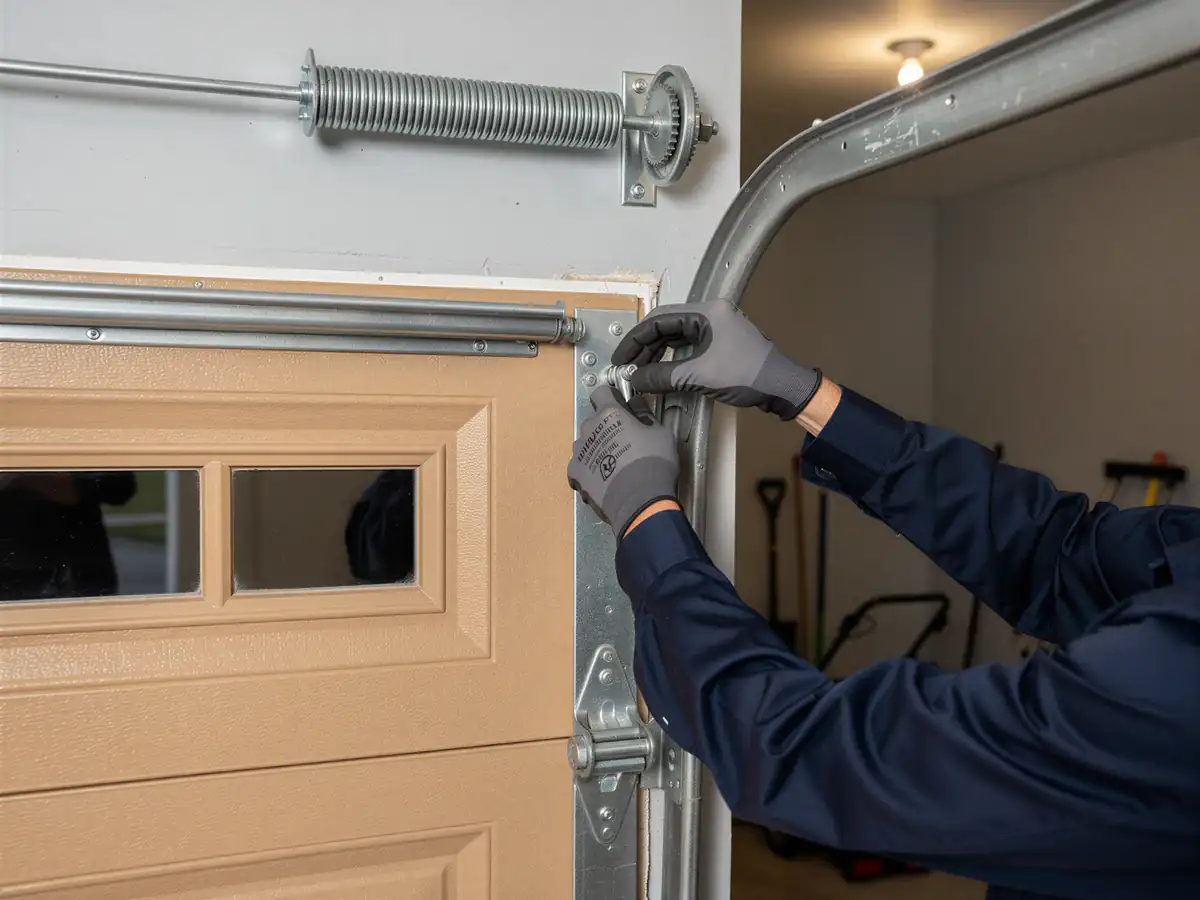
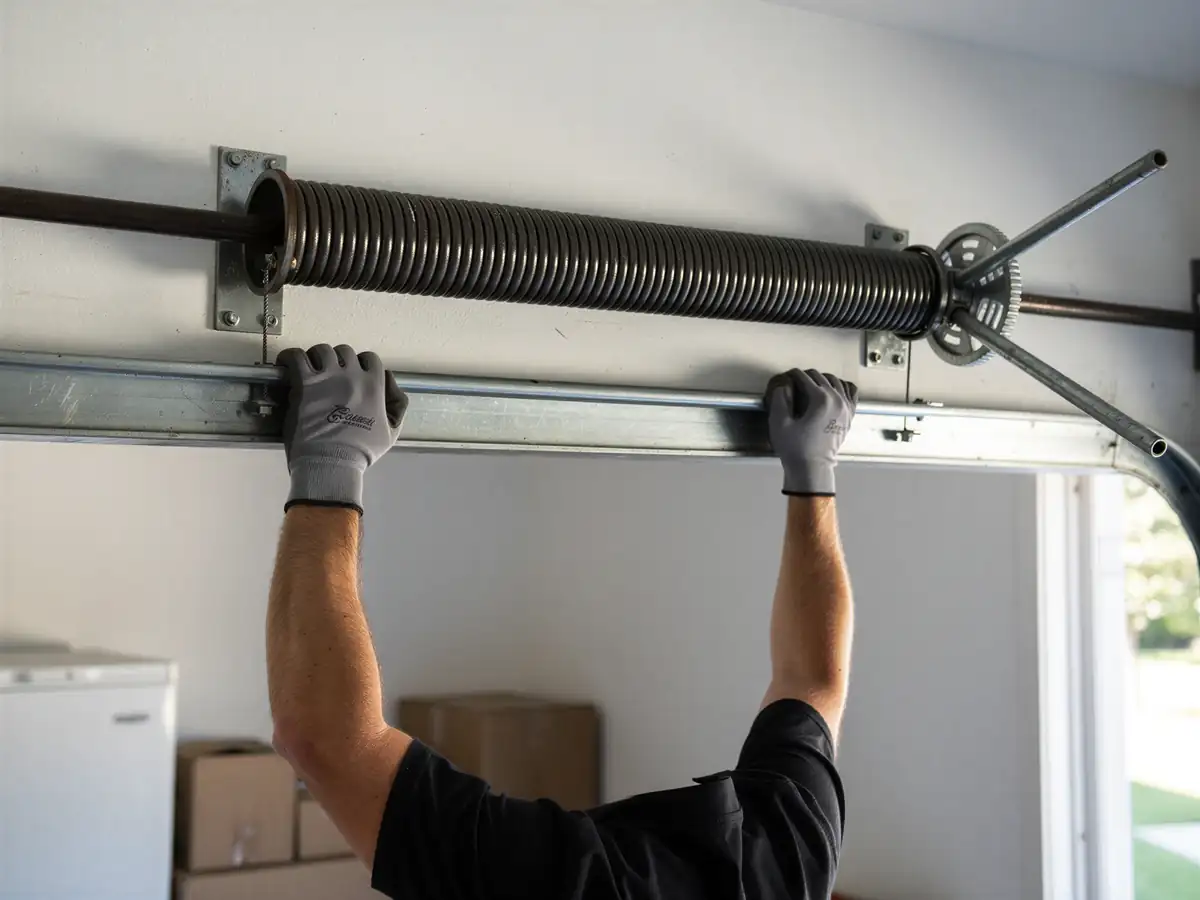
Stanley is a small town, about 1,468 households total, which means the spring jobs out this way are steady but never the constant pipeline you'd find in a bigger town. Most houses in Stanley went up around 1977, six years earlier than the 1983 median build year across the wider Gastonia service area, so a good share of the torsion and extension springs out there are either original equipment or a first-generation replacement that's now reaching the end of its cycle count. We stock standard torsion springs in the wire sizes and wind lengths that fit doors from that era, along with extension springs for the older side-mount setups still common on some of these garages. What we don't keep on the truck is anything odd-sized or a spring for a door brand that stopped making parts years ago - if your garage has one of those, we'll need to order it, and that can add a few days to the job. Honest answer: if your spring is a style we don't carry and the rest of the hardware is tired too, replacing the whole assembly often costs less in the long run than chasing down a discontinued part.
The Cost of This Job
Pricing on a spring job depends on whether you need one torsion spring or two, whether it's torsion or extension, and whether cables, drums, or bearings need attention at the same time. We don't have a flat number to quote here because Stanley's housing stock spans enough range that no two driveways look alike: a door from 1977 on original hardware is a different job than one that's already had a spring swap in the last decade. What we can say is that household income in this area runs higher than the Gastonia-wide average, $71,333 against $59,583, and we see that reflected in the jobs more as a preference for doing it right the first time, new cables and rollers along with the spring, rather than the cheapest possible fix. We quote on-site once we've looked at the door, not over the phone, because spring diameter and wind direction aren't things you can read off a measuring tape during a call.
What Causes It Around Here
This area sits in a cold-moderate climate band, which means springs here go through a real freeze-thaw cycle every winter rather than staying in one temperature range year-round. Steel contracts in the cold, and a spring already near the end of its rated cycle count is more likely to snap on a cold morning than a mild afternoon - that's true everywhere in this band, but it matters more in Stanley specifically because so much of the housing here dates to the late 1970s, meaning more springs are already closer to that end-of-life point than in newer construction. Add in a door used twice a day for years without the spring ever being inspected, and the failure pattern we see is pretty consistent: a clean snap, usually in the early morning in winter, on a door that hadn't shown any warning signs. We don't see as many lubrication-related failures out this way as you might expect - most of these are simply springs that have worn out their cycle life.
The Complications
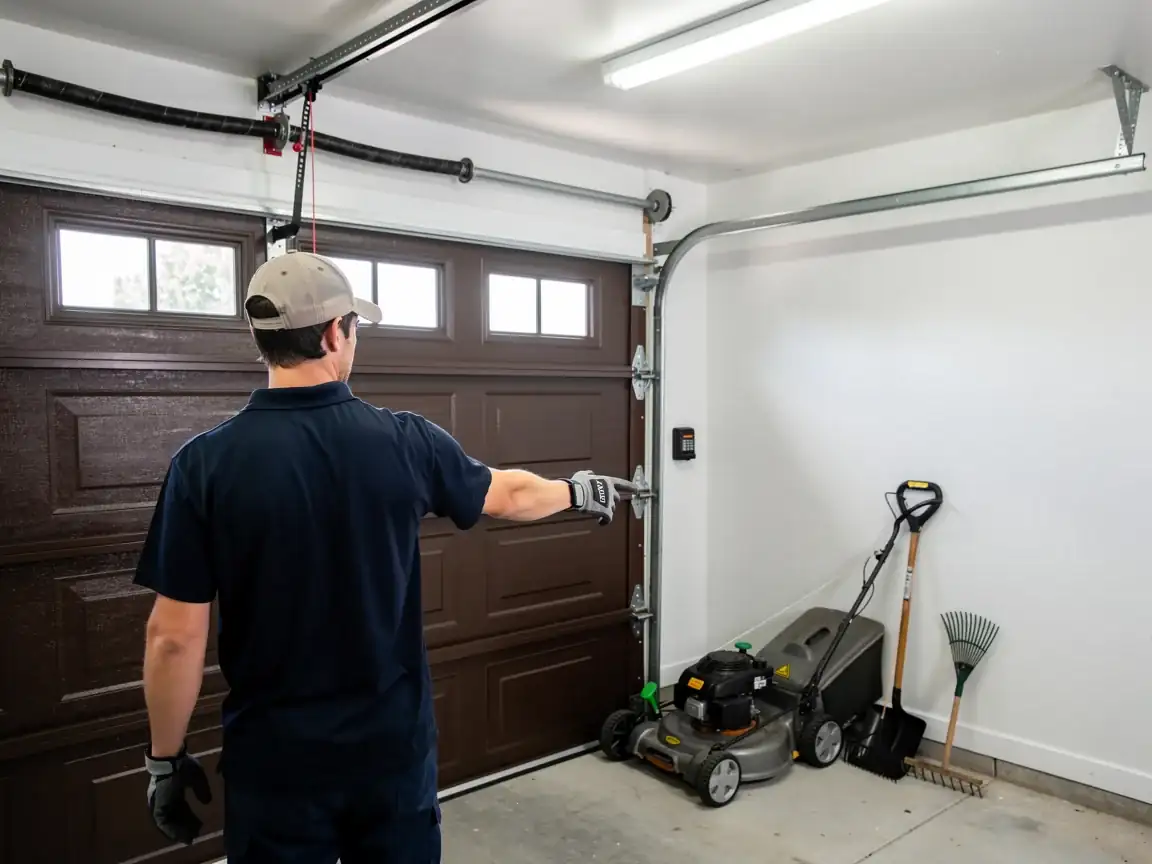
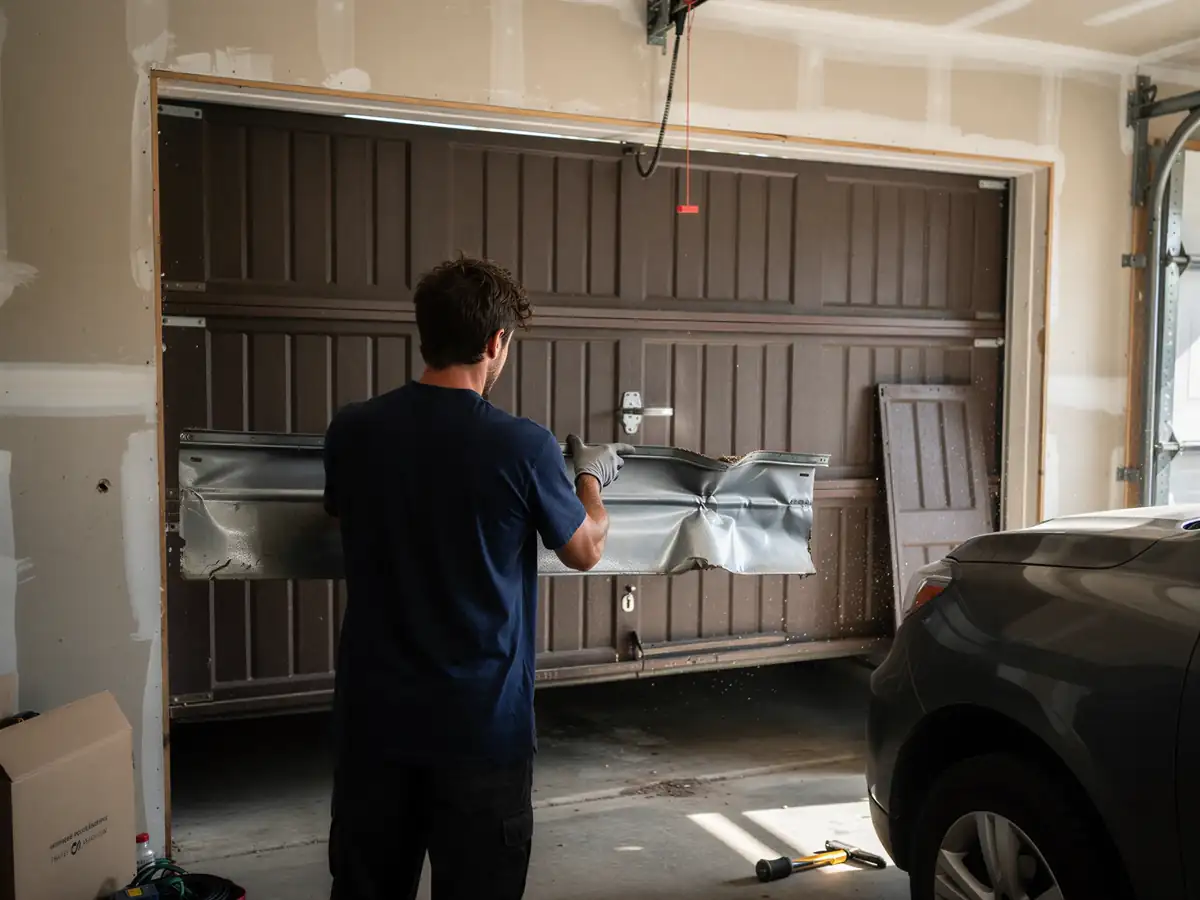
The complication that comes up most in Stanley is parts availability for older hardware. A door built in 1977 may still have its original torsion hardware, but the drums, end bearing plates, or even the track width can be a size that newer springs don't match without an adapter. We carry common sizes, but if your setup is unusual, we may need a day or two to source the right spring rather than force-fitting something close. Another complication: some of these older doors are heavier than what current springs are rated for, especially if a previous owner swapped to a solid wood door at some point - in that case the fix isn't just a new spring, it's recalculating the spring rate for the actual door weight. We'll always tell you straight if a repair isn't worth it - if the opener, hardware, and door skin are all failing at once on an older door, a new system can end up cheaper than patching each piece as it breaks.