Parts We Carry
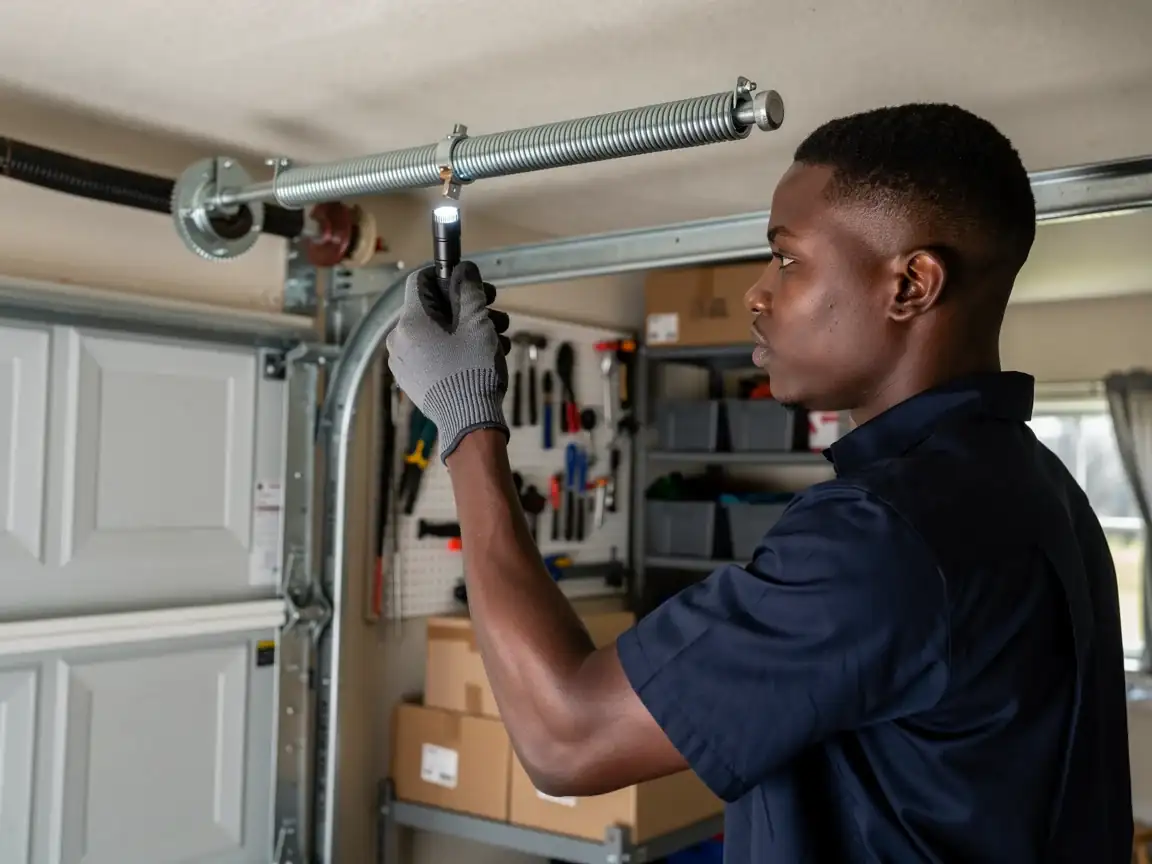
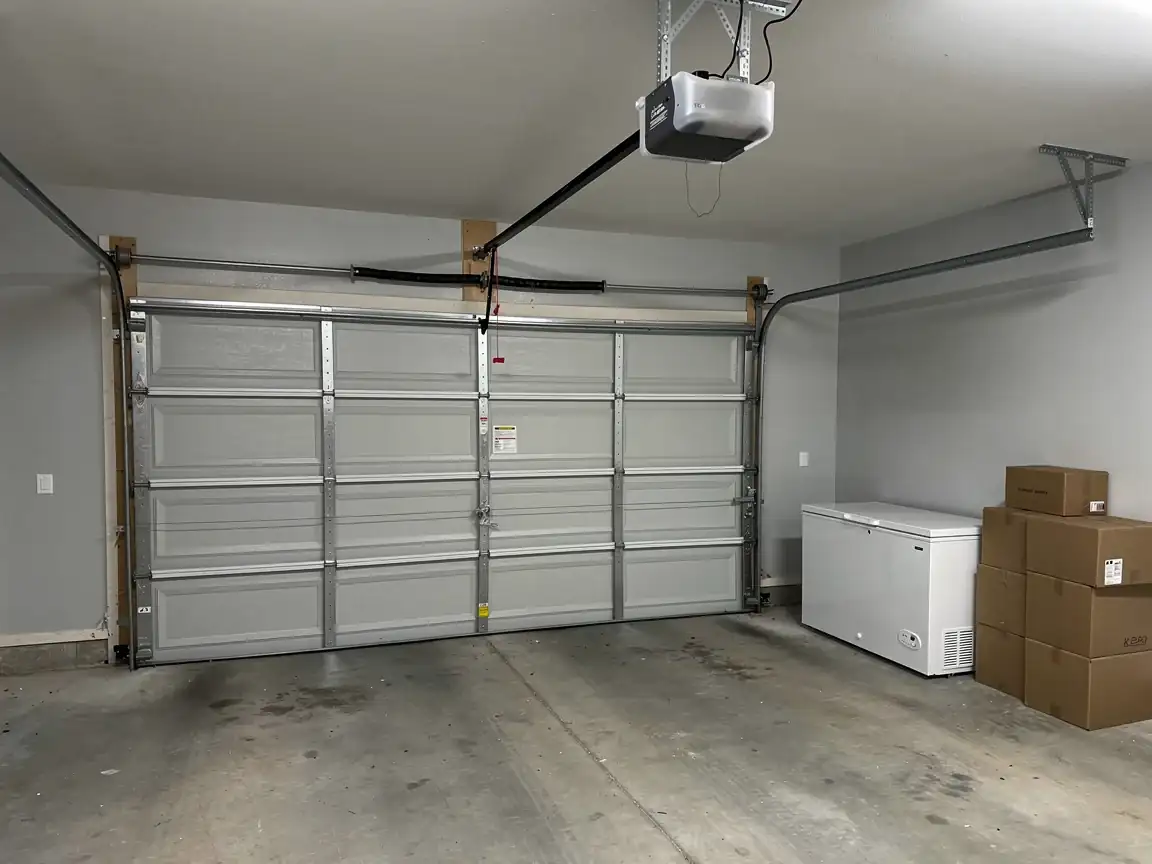
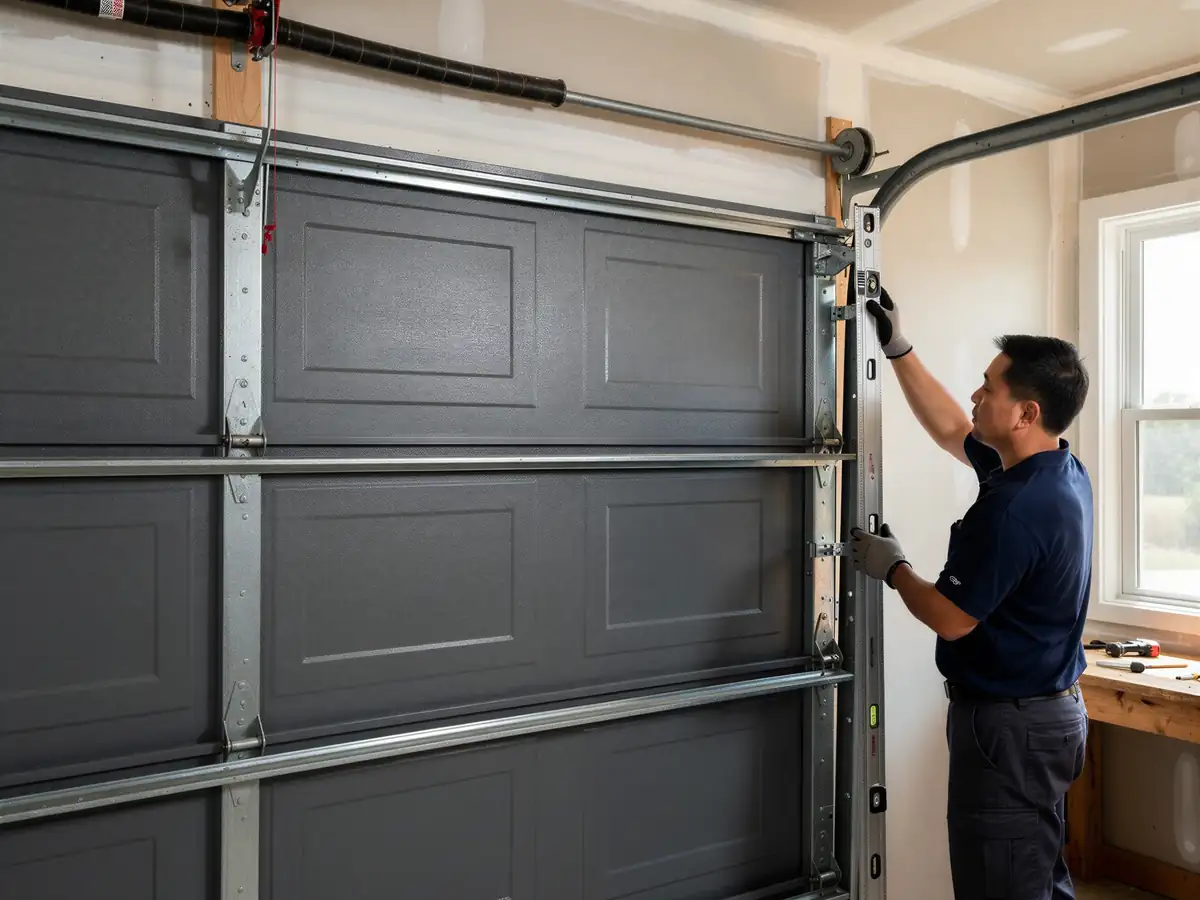
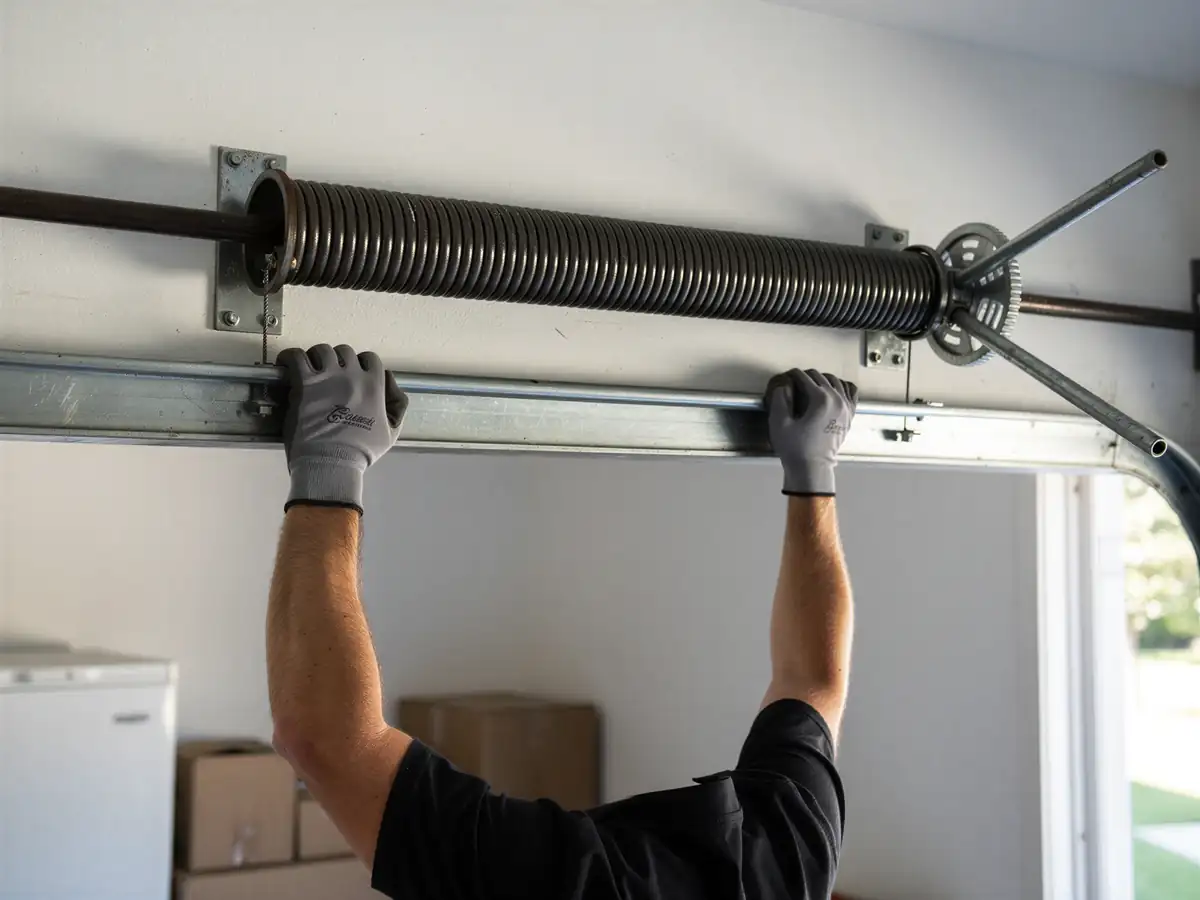
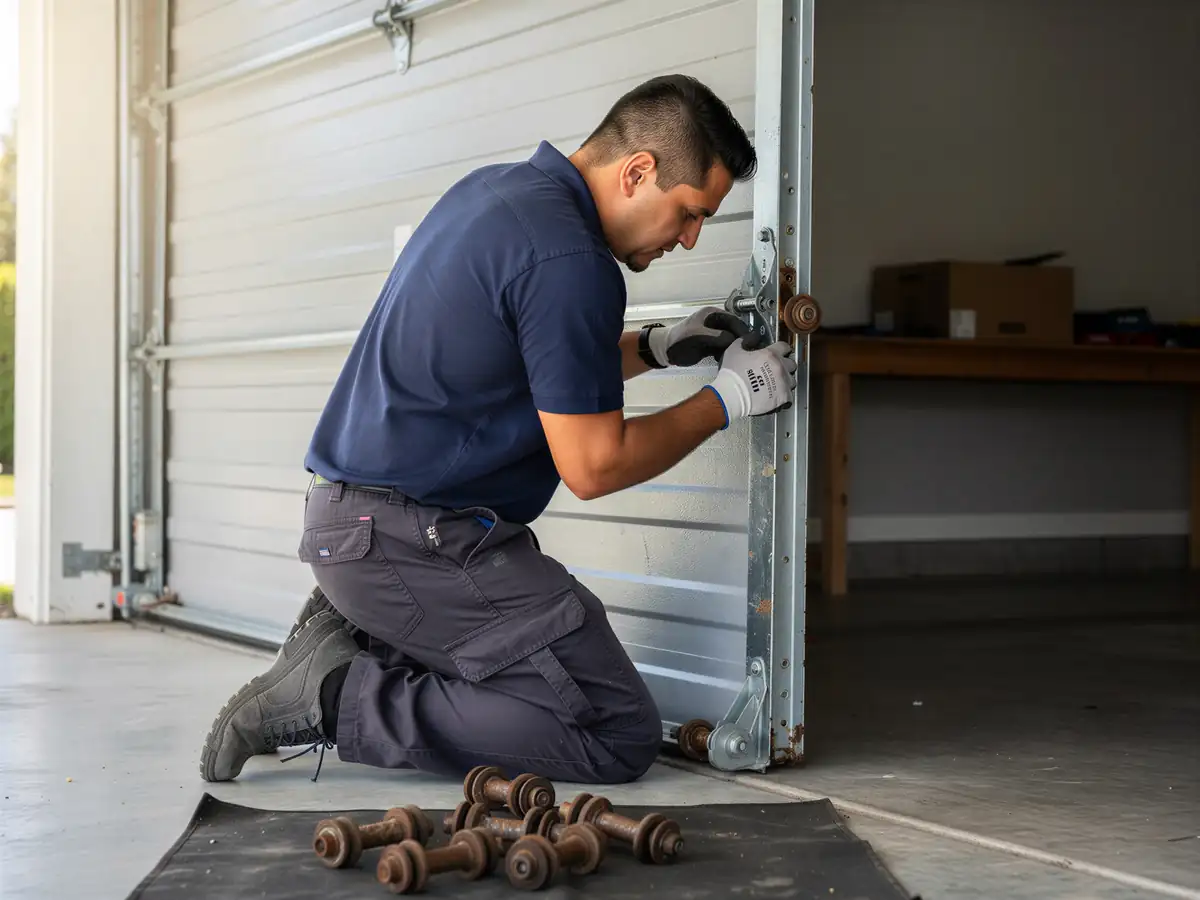
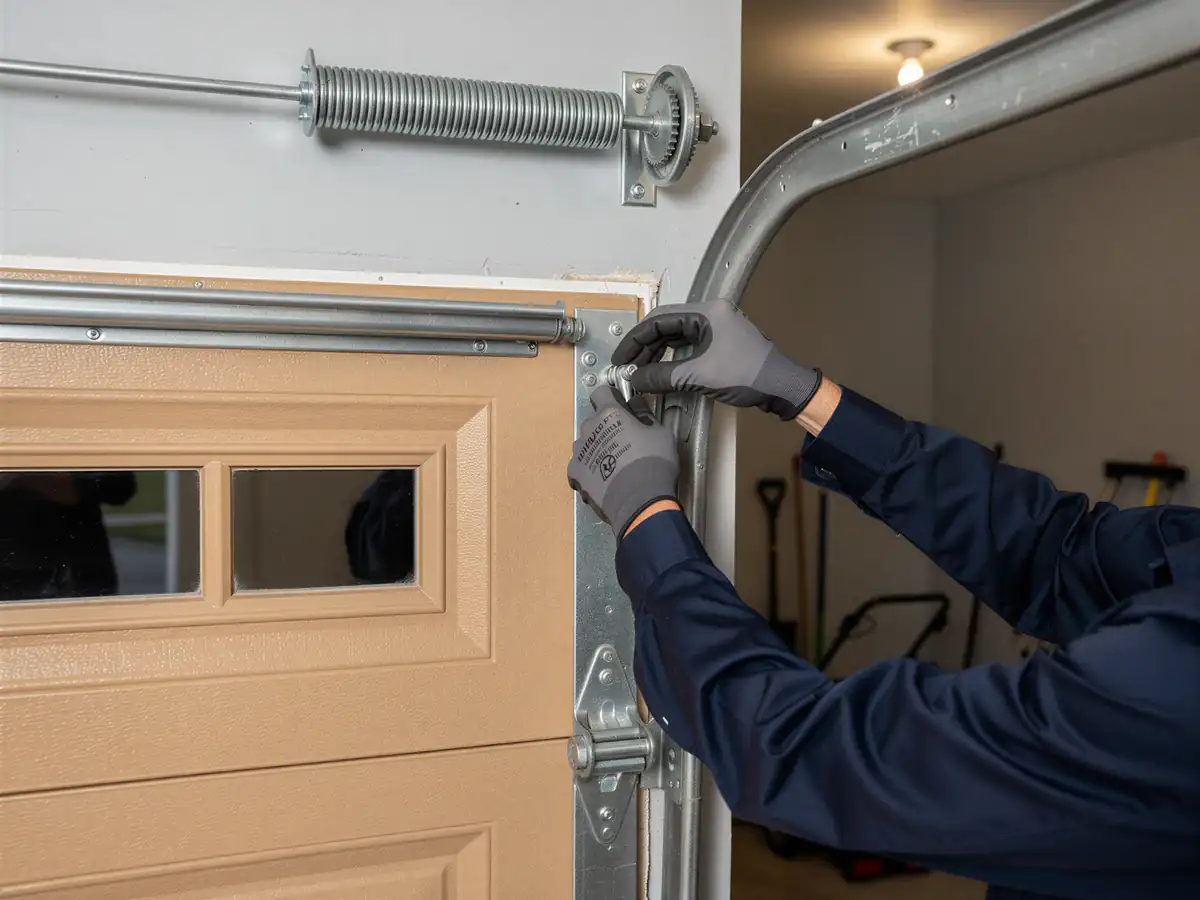
Stanley's median home dates to 1977, which puts a lot of doors here a few years ahead of the newer stock you'll find closer to Gastonia proper. That matters for maintenance because a door built around 1977 was almost never fitted with the extension-spring safety cables and sensor brackets that became standard later. When we come out for a tune-up, we're carrying 1 3/4-inch rollers in both nylon and steel, standard torsion springs sized for single and double doors from that era, center and end hinges, and the cables that match older extension-spring setups. We stock what fits the door that's actually on the house, not just what's common on newer builds. If a part on your door was swapped out in the last decade by someone else, that's fine too - we carry current hardware as well. What we don't carry on the truck is anything proprietary to a specific opener brand's smart module; those we order in, and we'll tell you that up front rather than make you wait at the curb while we guess.
The Cost of This Job
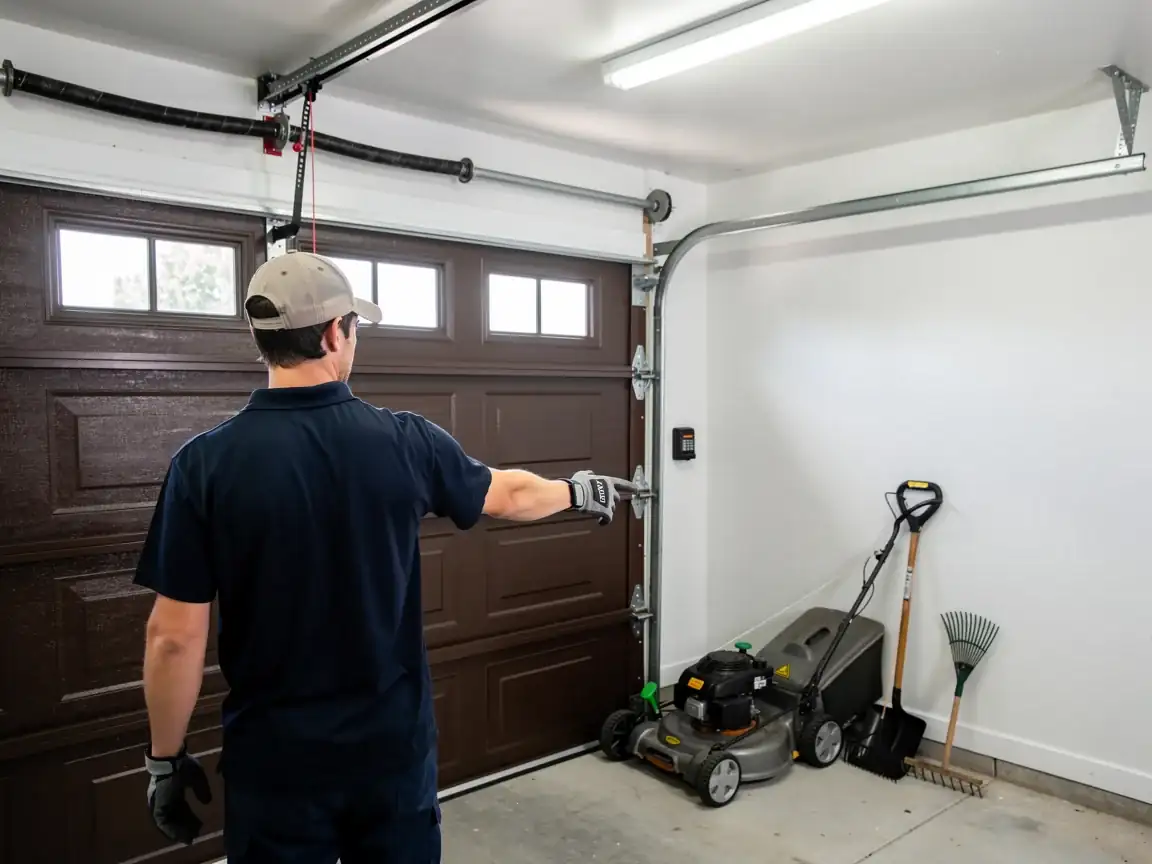
A straight maintenance visit - lubrication, hardware inspection, spring tension check, track alignment, opener safety test - costs the same whether the door is in Stanley or anywhere else we cover from Gastonia. What changes the bill is what we find once we're under the door. On a house built in 1977, it's common for the rollers and the center hinge to be the original parts, since routine garage door maintenance wasn't really a thing homeowners did on a schedule back then. Worn original rollers add a modest parts cost to the visit. A cracked original hinge is cheap. A spring that's never been replaced in 45+ years and is starting to sag is the one item that can turn a maintenance call into a same-visit repair quote, because we won't leave a door running on a spring that's about to go. We'll always price that separately and tell you the number before we touch it.
What Causes It Around Here
With a median build year of 1977, Stanley's housing stock sits on the older end of what we see across this coverage area, where the broader median runs closer to 1983. That seven-year gap is enough to matter: it's the difference between a door that was built with a one-piece torsion setup from the start and one that's had an aftermarket spring conversion bolted onto older track. Cold-weather swings common to this part of the state stiffen old grease in center hinges and rollers that have never been serviced, which is the single most common thing we find underperforming on a first visit - not broken, just dry and slow. Houses here also tend to have single-car and standard double bays rather than the wider openings common in newer subdivisions, so the springs doing the lifting are often sized for a load that hasn't changed since the house was built, which is part of why they last as long as they do when maintained and fail hard when they aren't.
The Complications
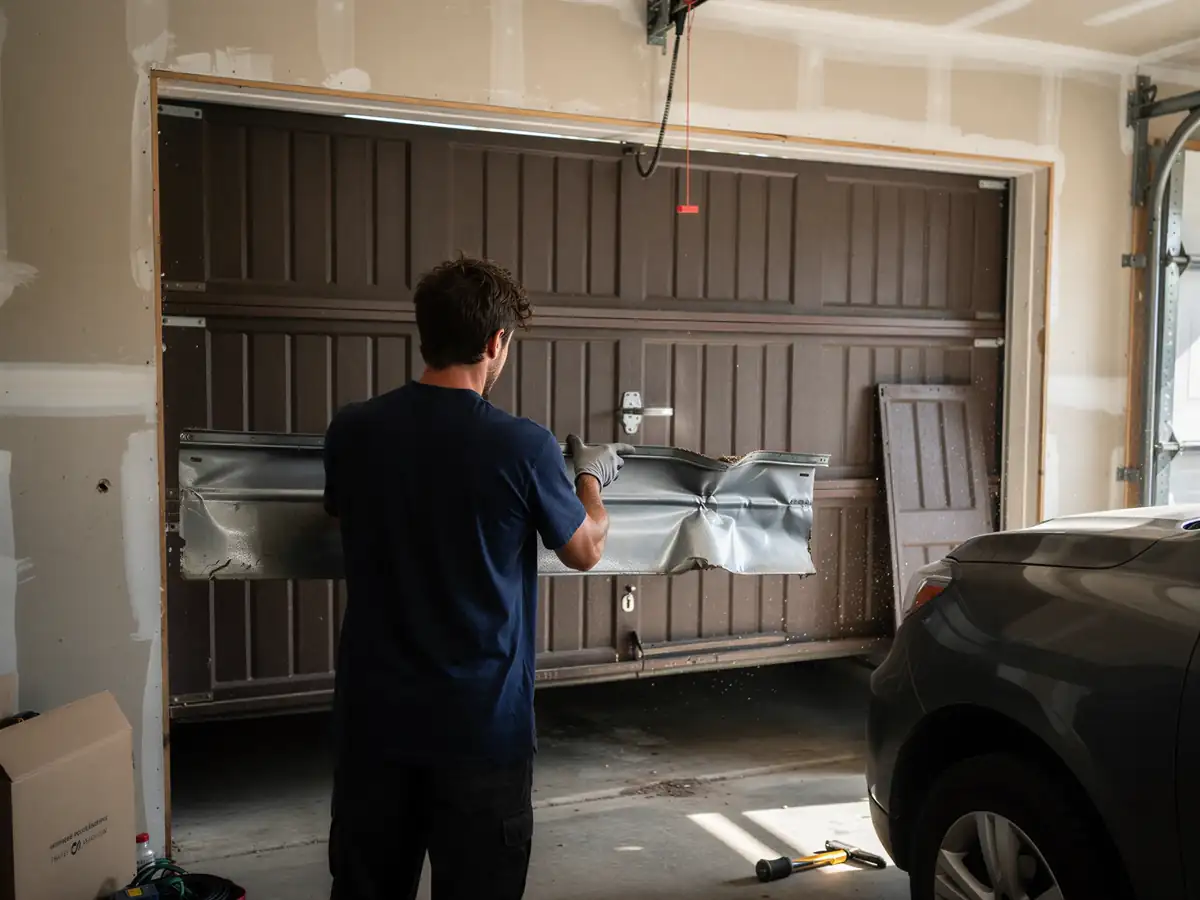
The complication in a town like Stanley - 1,468 households, median income $71,333, noticeably higher than the roughly $59,583 median across the wider service area - isn't affordability, it's parts availability for the original hardware. A door that's never been touched since 1977 sometimes has a track width or a spring mounting bracket that current stock doesn't match exactly, and we have to adapt rather than swap like-for-like. We'll tell you when that's the case rather than force a part that's close enough. The other honest limitation: if a door out here has a cracked original panel along with worn hardware, maintenance alone won't fix the real problem, and we'd rather say that than sell a tune-up on a door that needs a panel replacement within the year.