The DIY Question
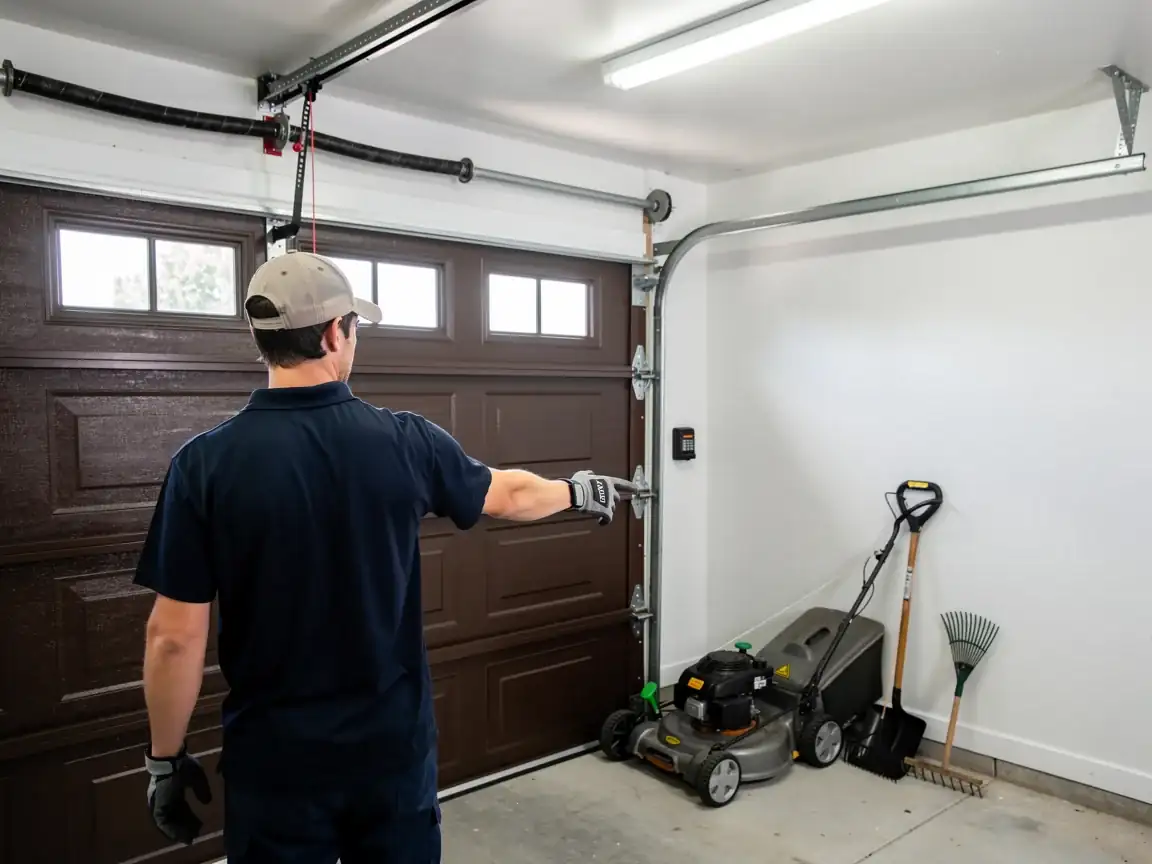
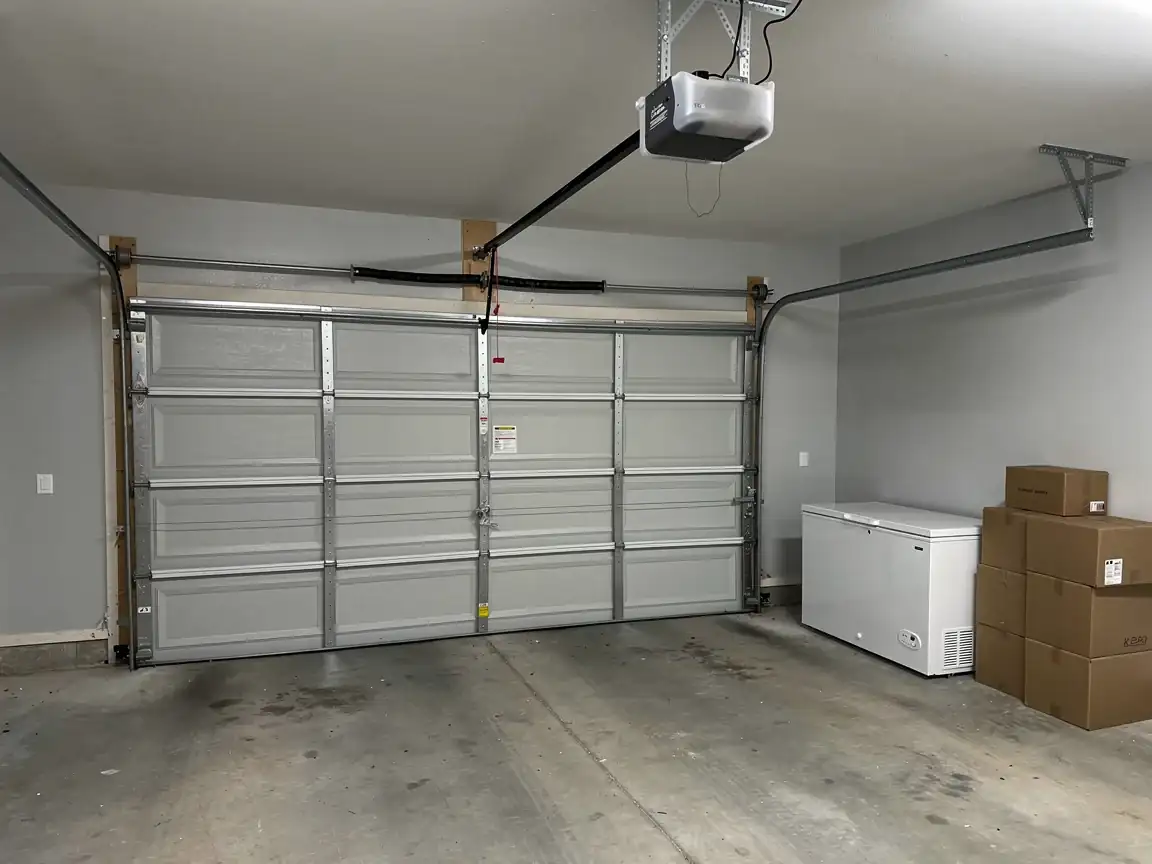
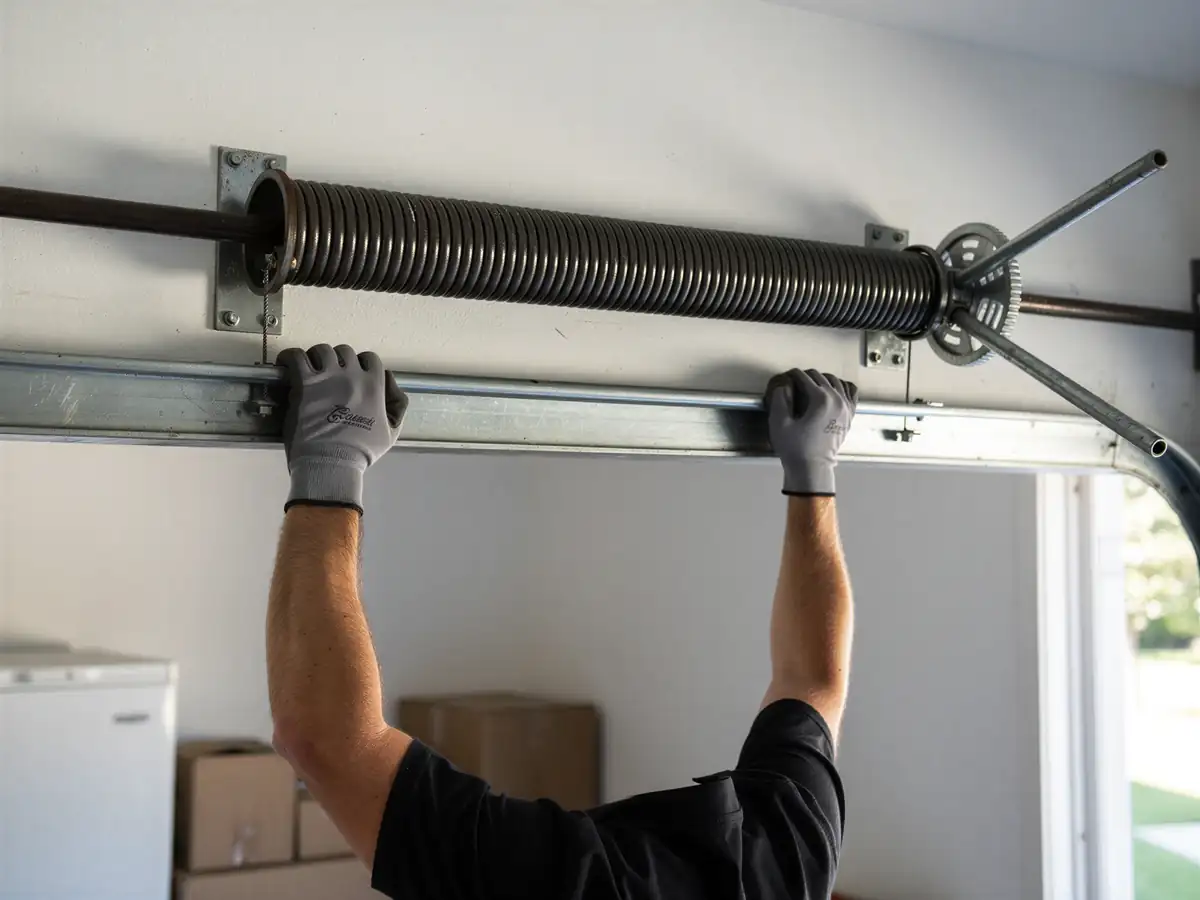
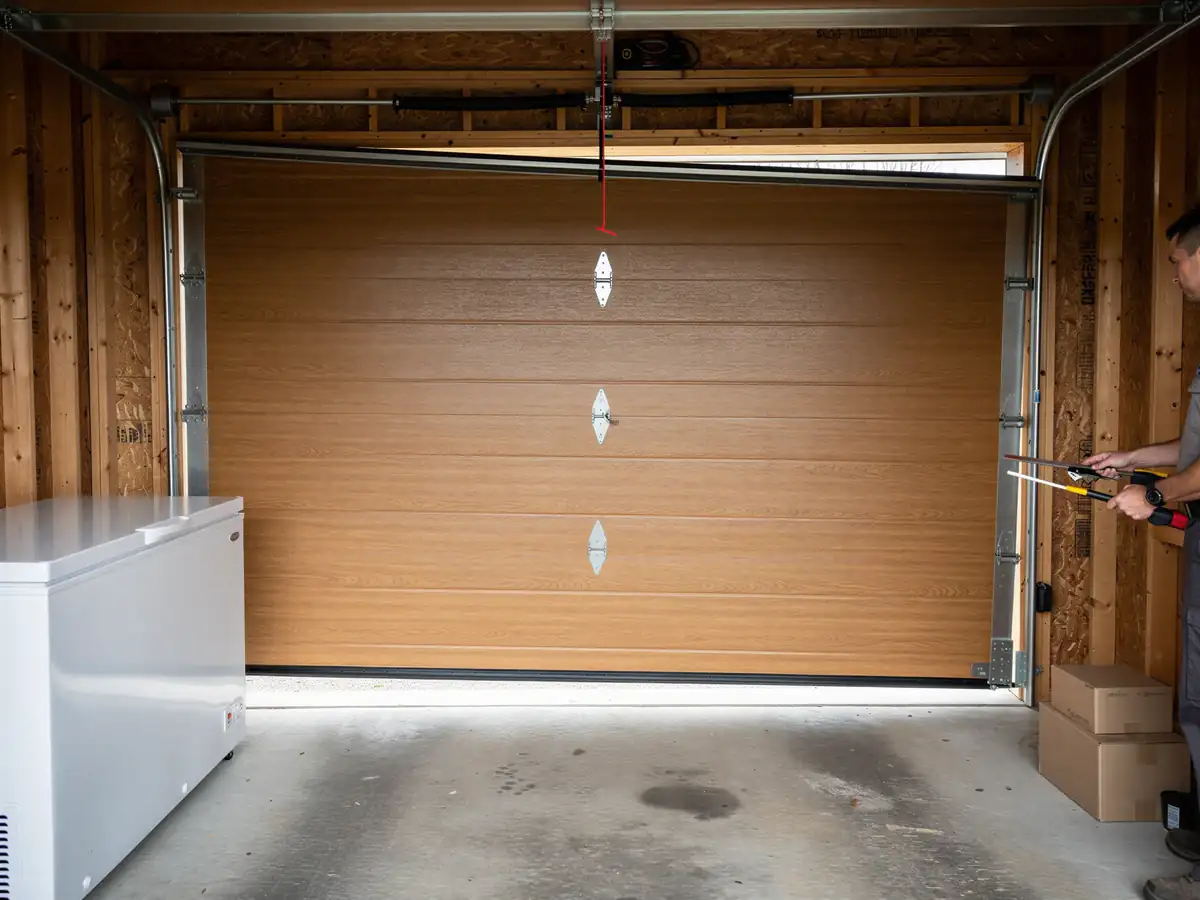
Belmont sits eight miles from our shop in Gastonia, which matters more than it sounds like it should. A spring job or an opener swap doesn't change because of the drive, but a misdiagnosed call does - if you tell us "it's the opener" and it's actually a bent track, that's a wasted trip both ways. Belmont's housing is newer than a lot of what we see closer to Gastonia, with most of it built well after 1998, so the failures we find here lean toward opener boards and plastic gears rather than the seized steel hardware on an older door. Before you call, check the obvious: does the door move on manual release, is the light on the opener blinking a code, are both springs still coiled tight or does one hang loose. That five minutes on the phone with us saves the drive for the actual fix instead of a diagnosis we could have done over the phone. What doesn't make sense to DIY is anything involving a torsion spring under tension - those bars store enough force to break a wrist, and we'd rather make the trip than read about it later.
What You Are Seeing
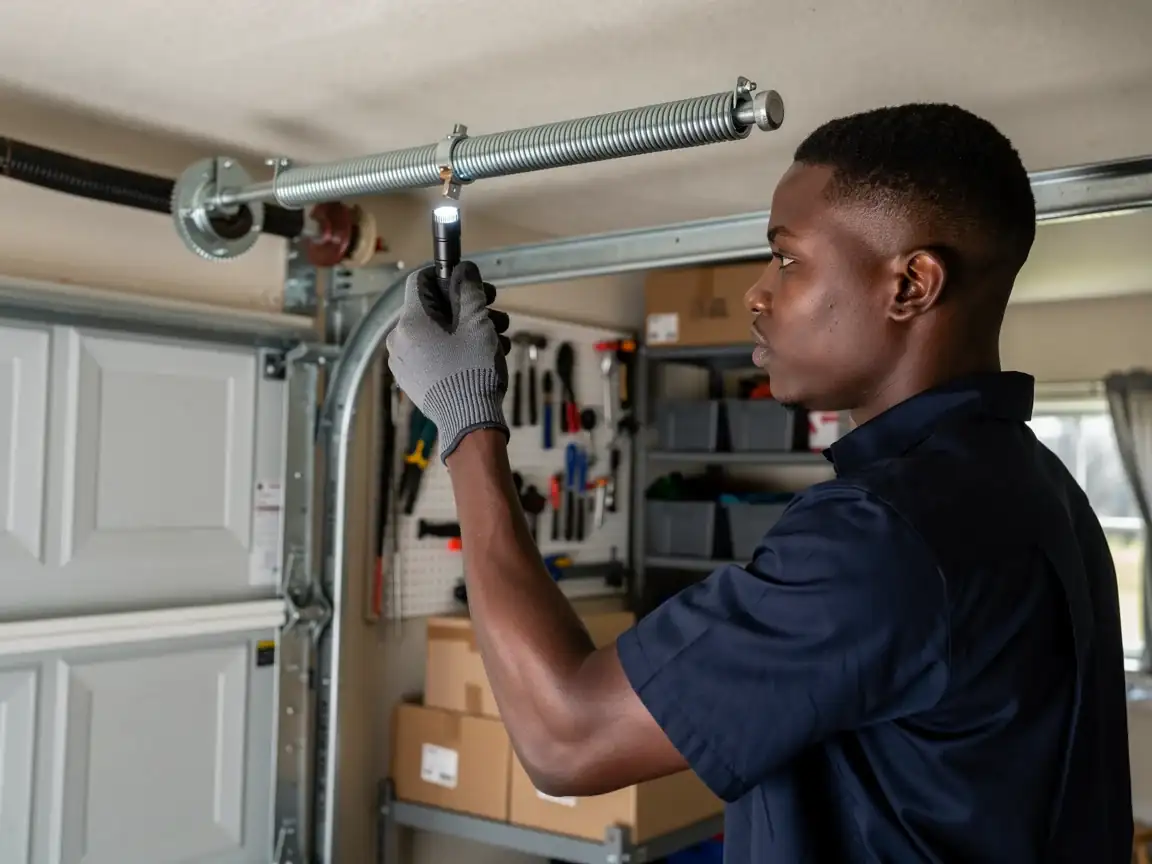
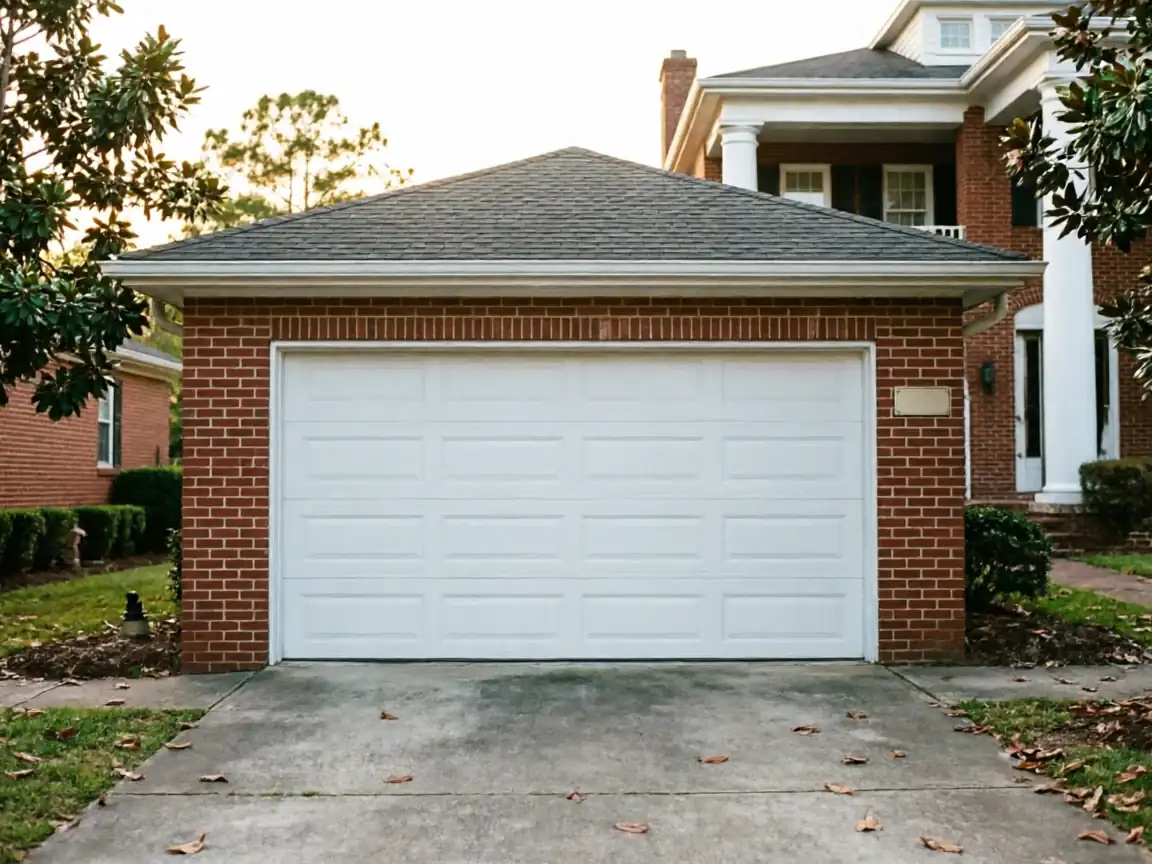
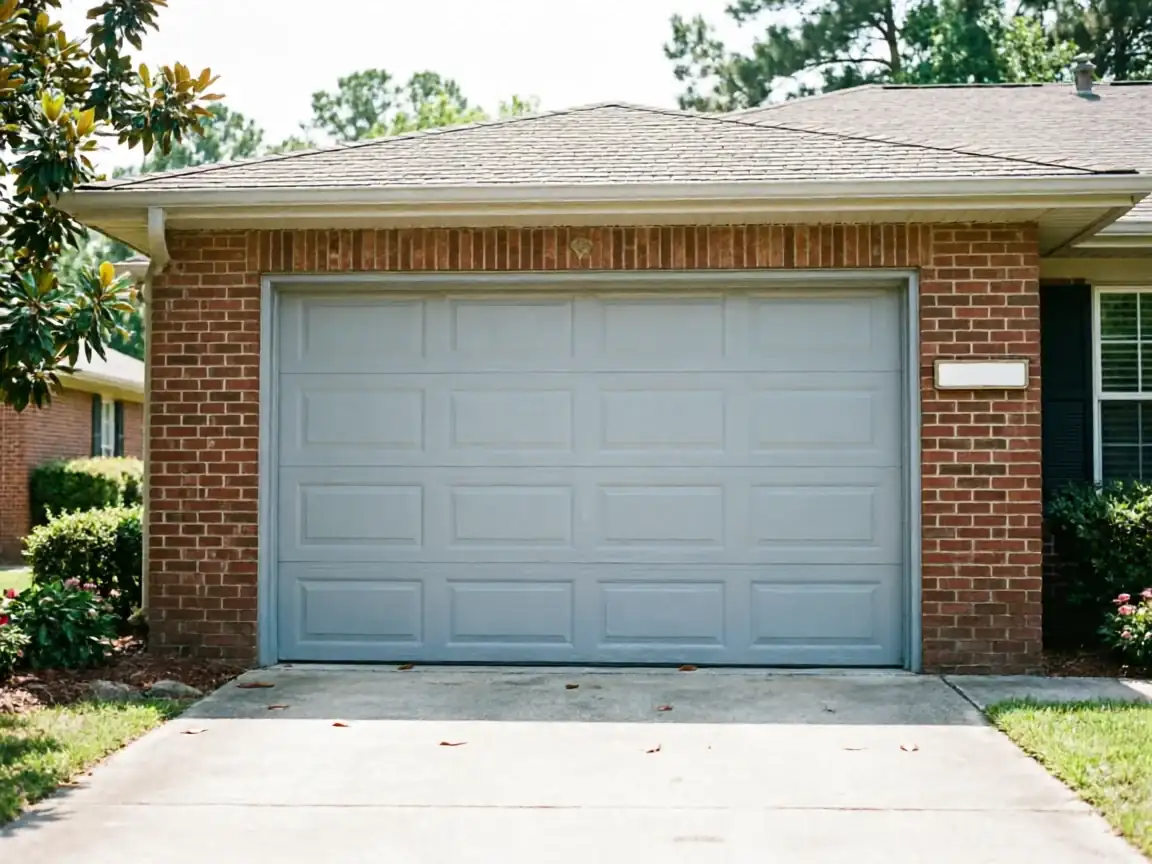
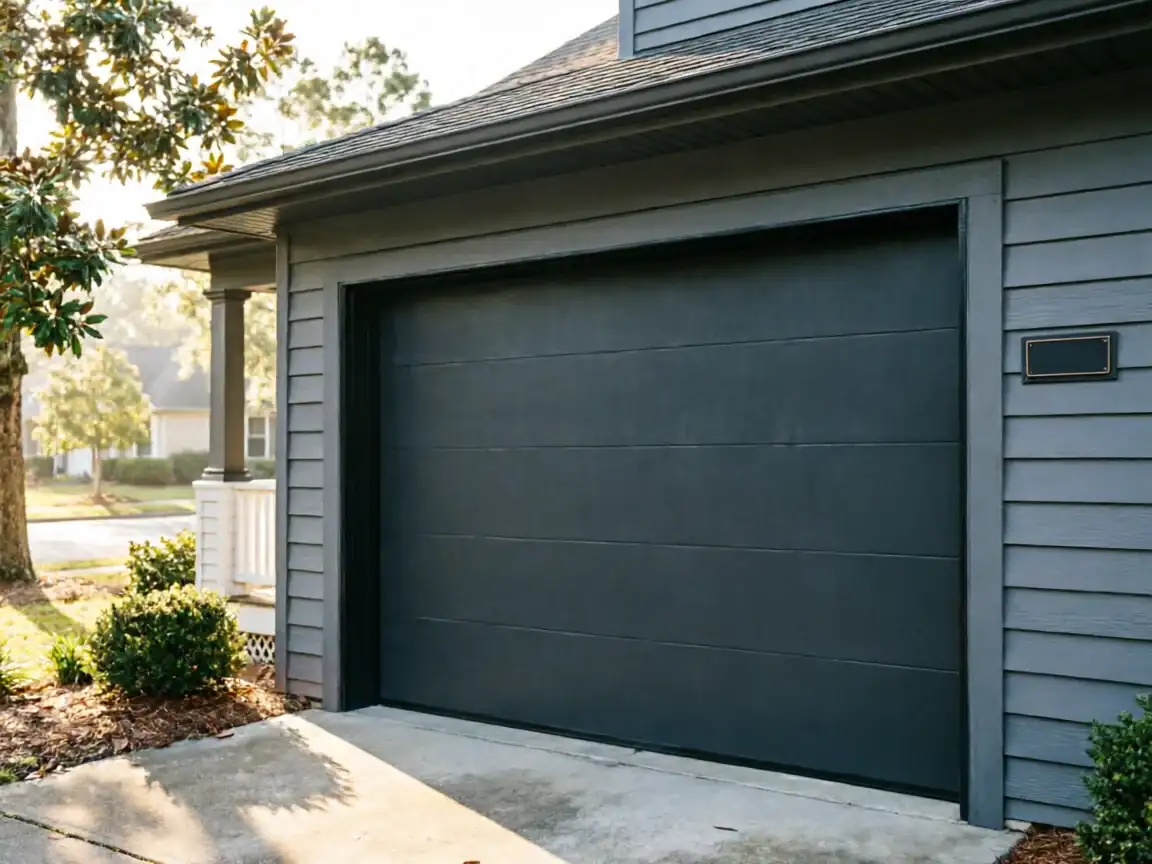
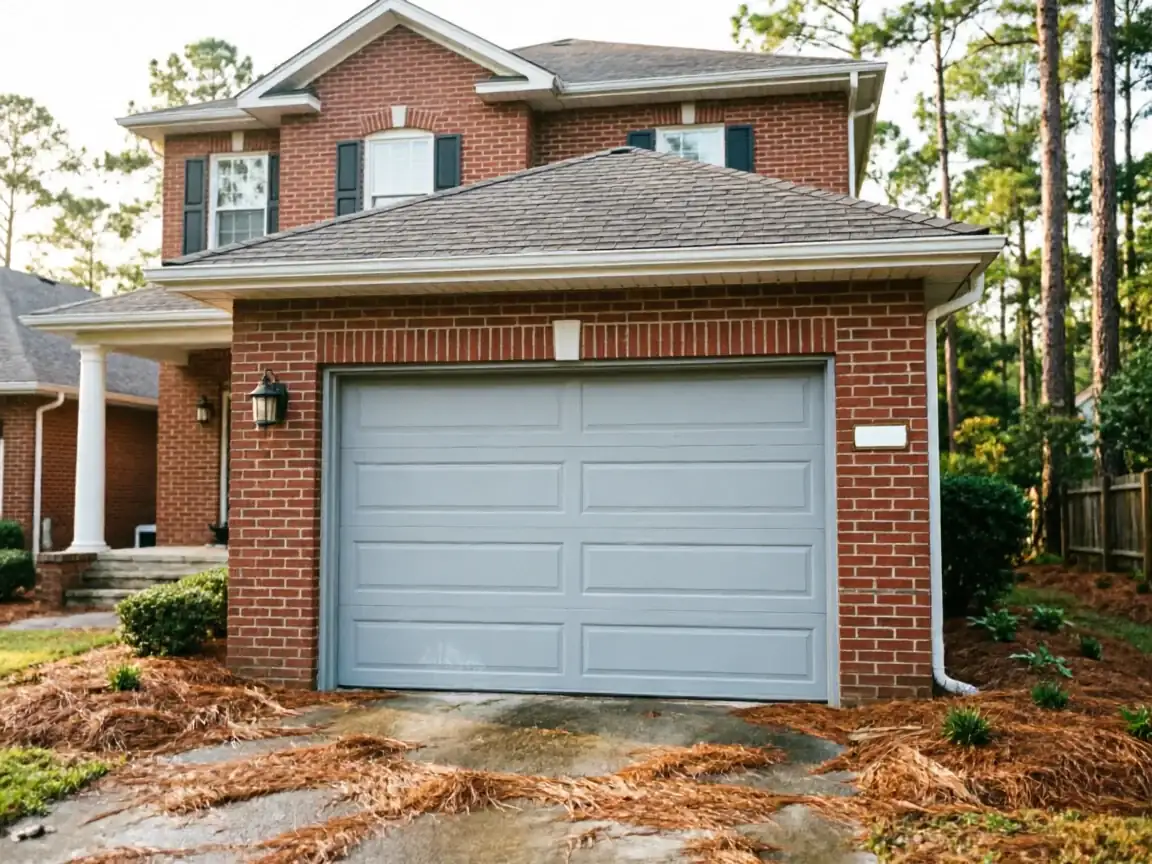
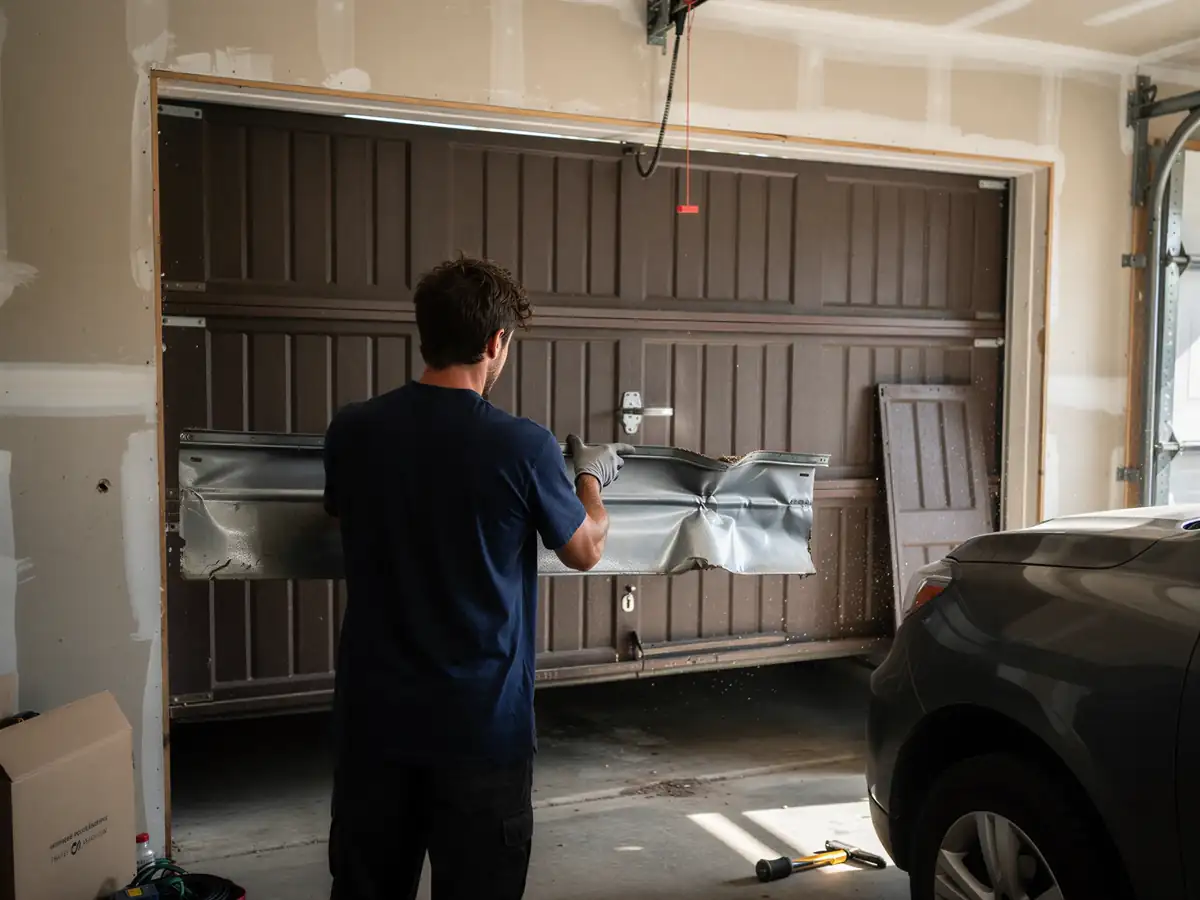
Because Belmont's housing stock runs younger than the 1967-2011 spread we see across the wider area, with a median build year closer to 1998, the doors we're called out for here are more often steel sectional doors on standard-lift torsion springs with a factory-installed chain or belt opener - not the older one-piece or extension-spring setups common in houses built decades earlier. The failures that show up are typical for a 20-to-25-year-old door: worn rollers rattling in the track, an opener logic board that's finally quit after two decades of summers and winters, or a cable starting to fray where it wraps the drum. The cold-moderate climate here doesn't crack panels the way a harder freeze would, but it does stiffen grease and tighten metal-on-metal tolerances on cold mornings, which is often when a marginal roller or hinge finally announces itself with a bang instead of a quiet squeak.
Parts We Carry
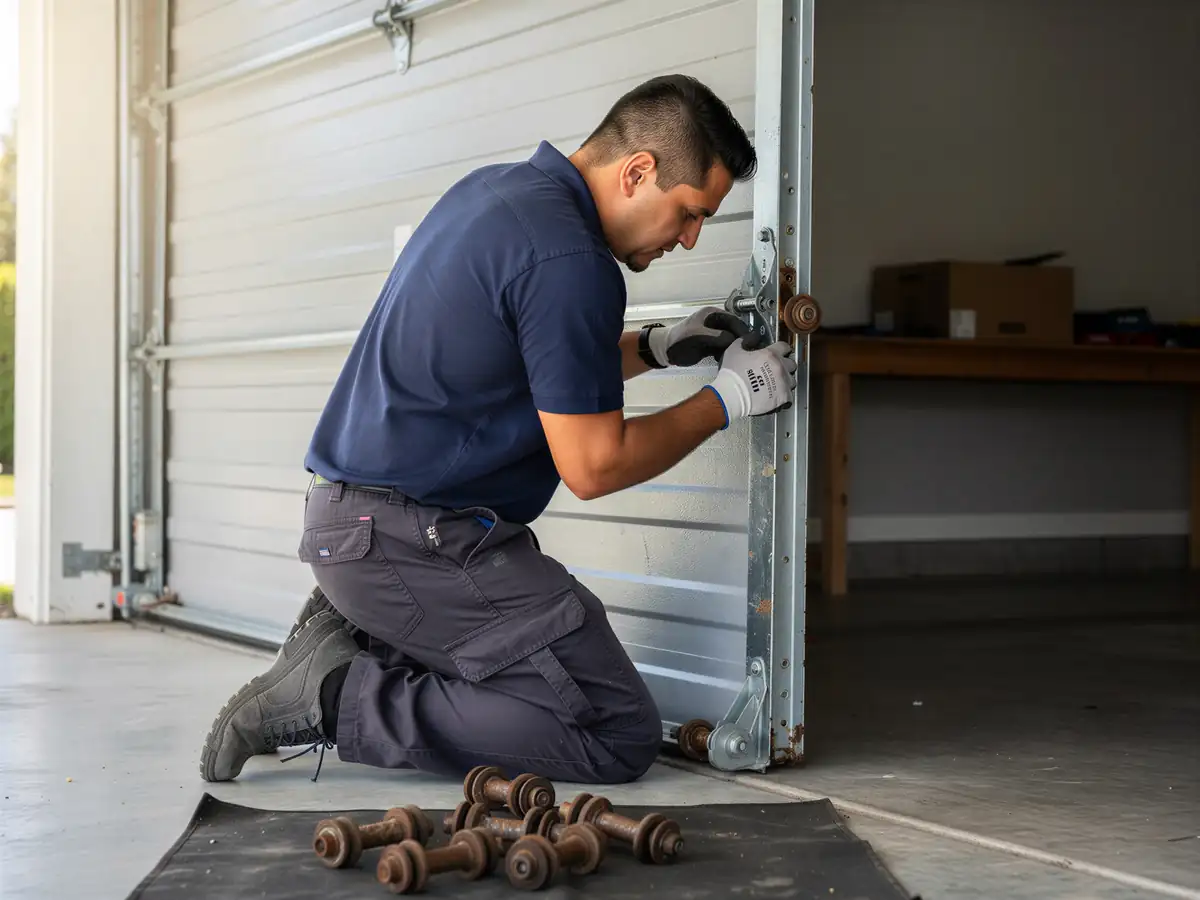
For a door built in the late '90s or 2000s, the common fixes are predictable: torsion springs sized to standard sectional door weights, nylon and steel rollers, galvanized lift cables, and opener logic boards or gear-and-sprocket kits for the chain-drive units that shipped with most houses from that era. What we don't keep on the truck is anything for a door we haven't seen - oversized commercial springs, obsolete extension-spring drums from pre-1980s construction, or opener models that stopped shipping parts years ago. If your door turns out to need one of those, we'll tell you straight and order it rather than pretend we can fix it on the spot.
What the Repair Takes
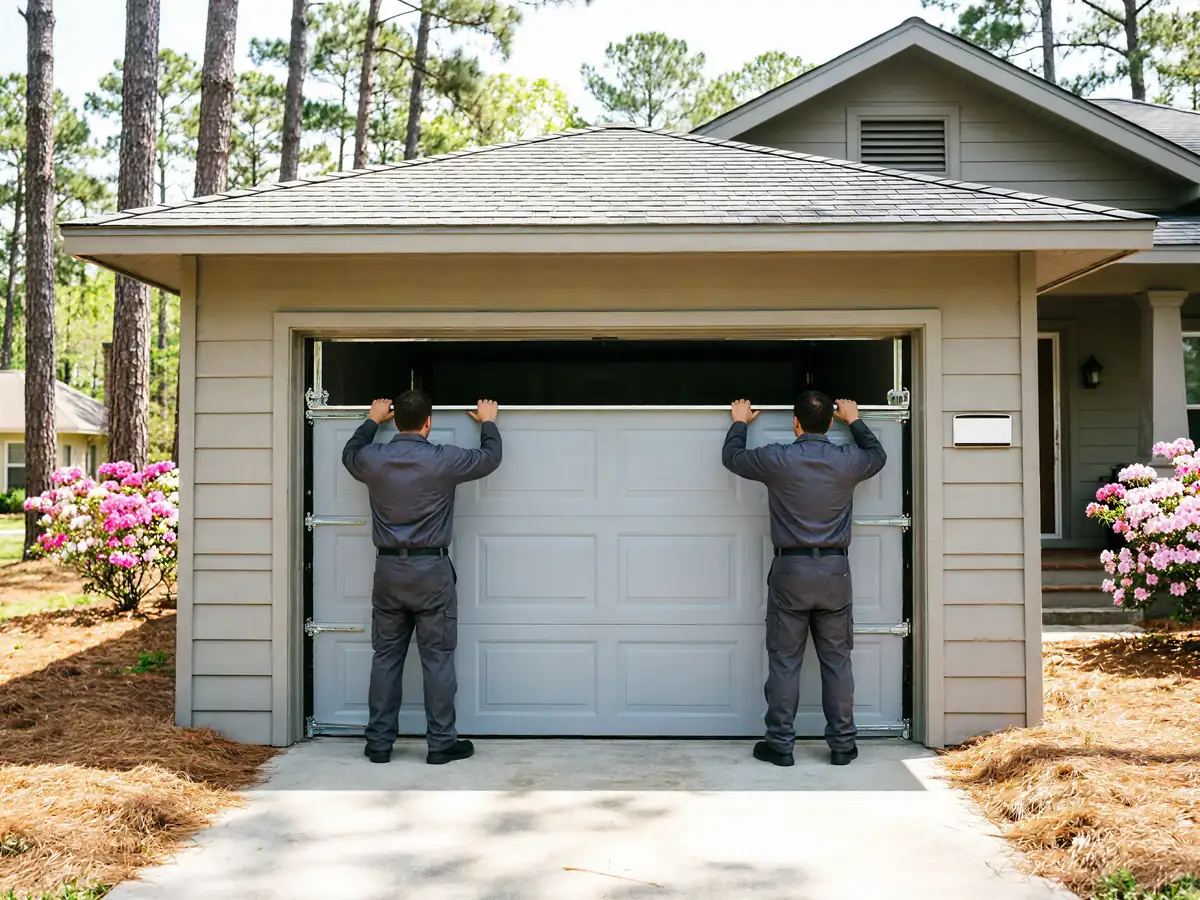
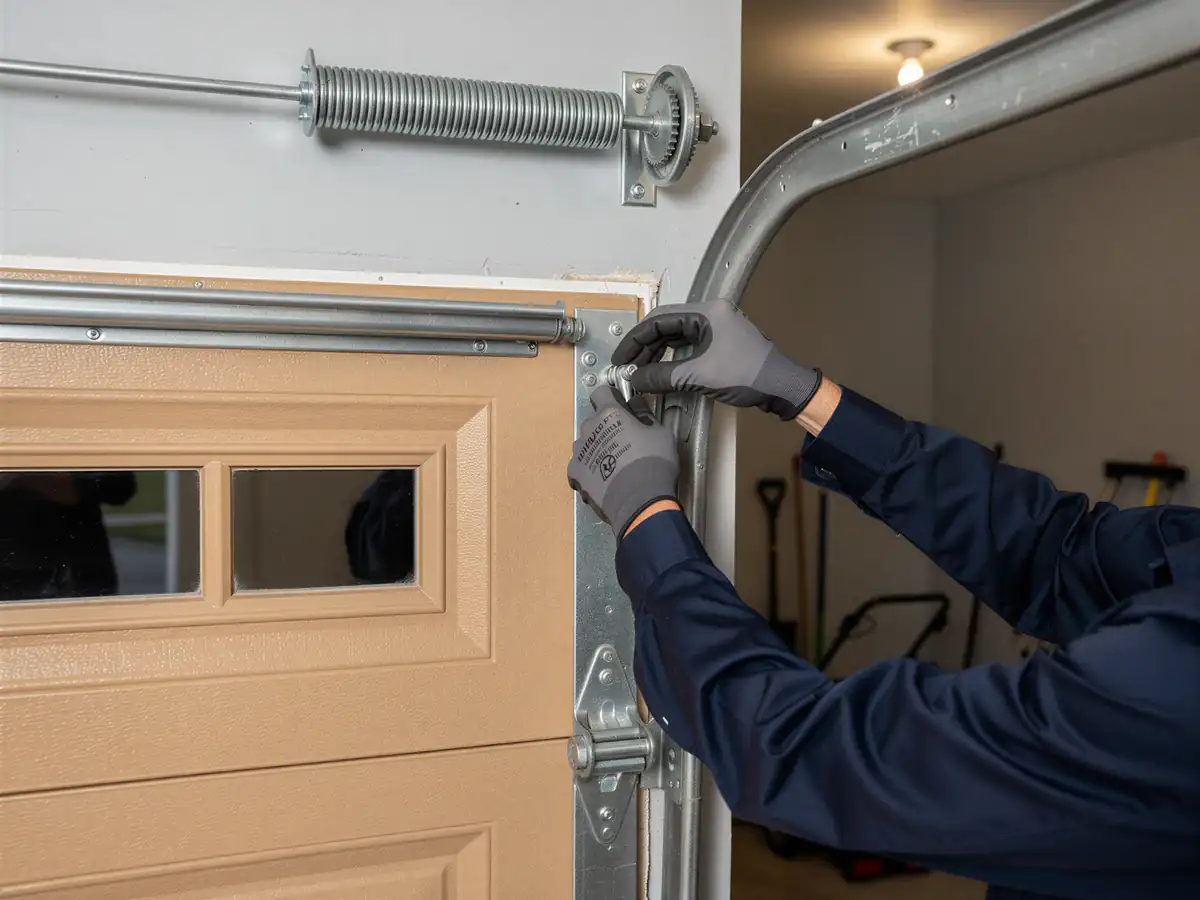
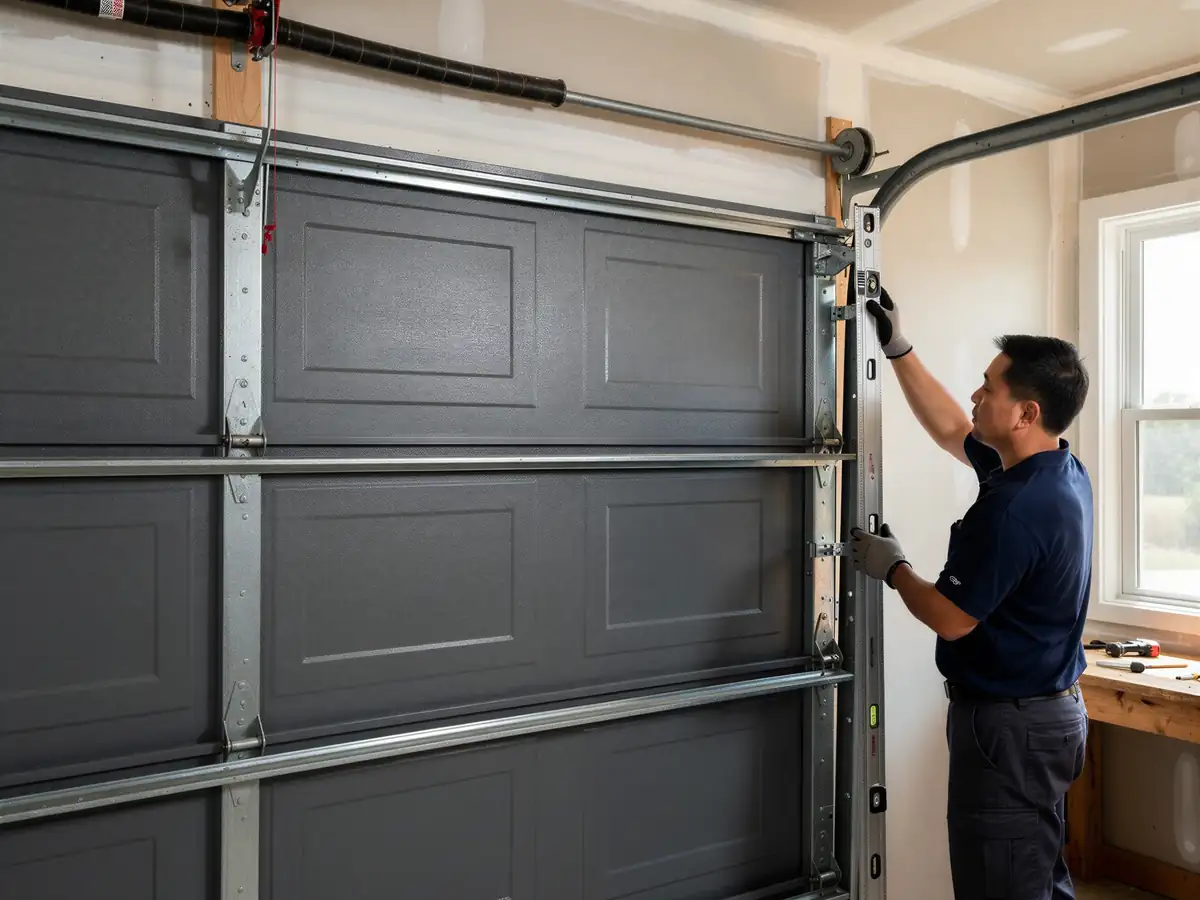
A standard torsion spring replacement or roller job on a Belmont-era door runs the same as it would anywhere: the springs come off safely with winding bars, the track gets checked for square, and the opener gets tested through a full cycle before we call it done. What changes job to job isn't the town, it's the door - a single spring is a different job than a matched pair on a double door, and a dead opener board is a different job than a worn gear kit inside the same unit. We'll tell you which one you've got before we start, not after.