Serving Gastonia, NC & nearby
(704) 360-0958
Gastonia, NC

Garage Door Maintenance for Belmont's Late-90s Housing Stock

Belmont homes mostly date to the late 1990s, newer than much of Gastonia's stock. That changes what wears first on your door. We drive 8 miles out for every visit.

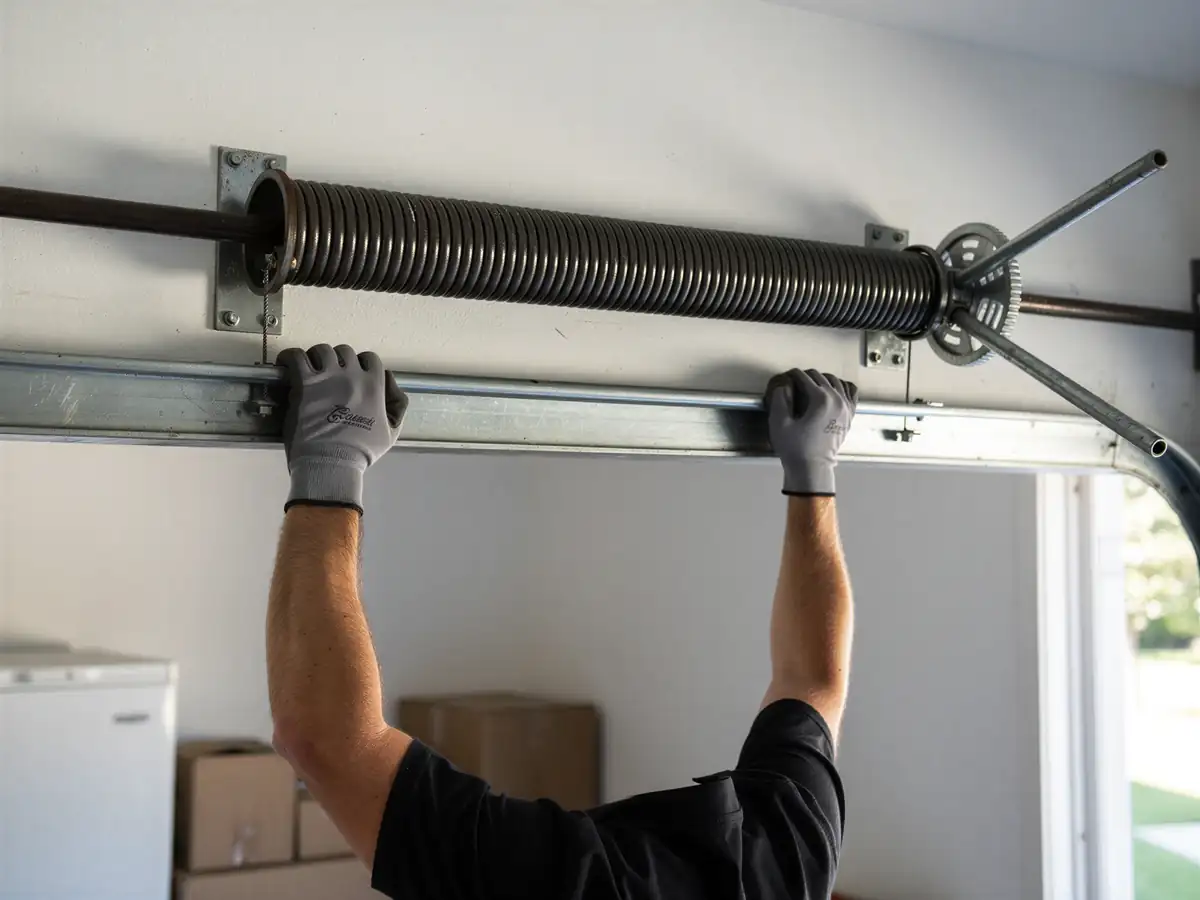
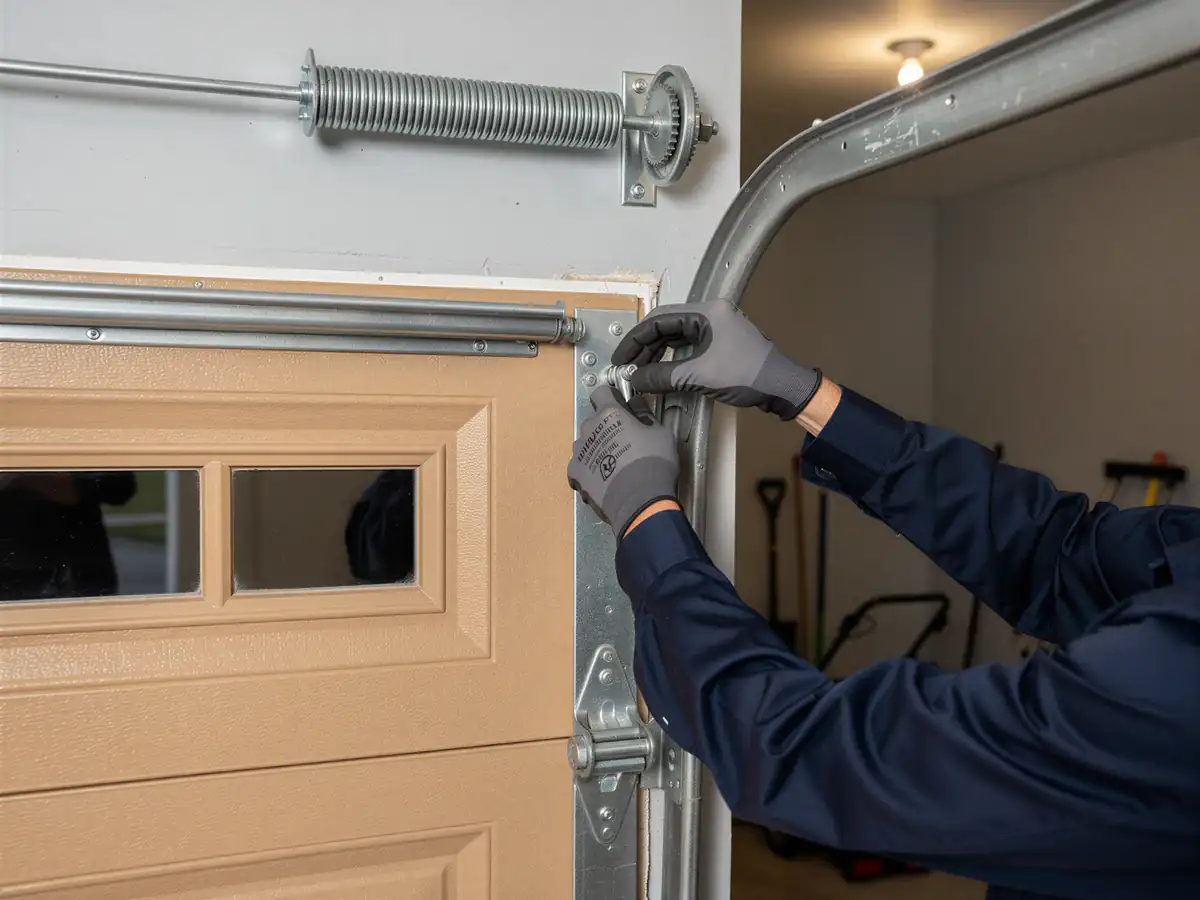
A technician in gray gloves works on a beige garage door with a torsion spring above.
Gastonia, NC
8 services
7 service areas
Diagnosis first, then the fix

The DIY Question

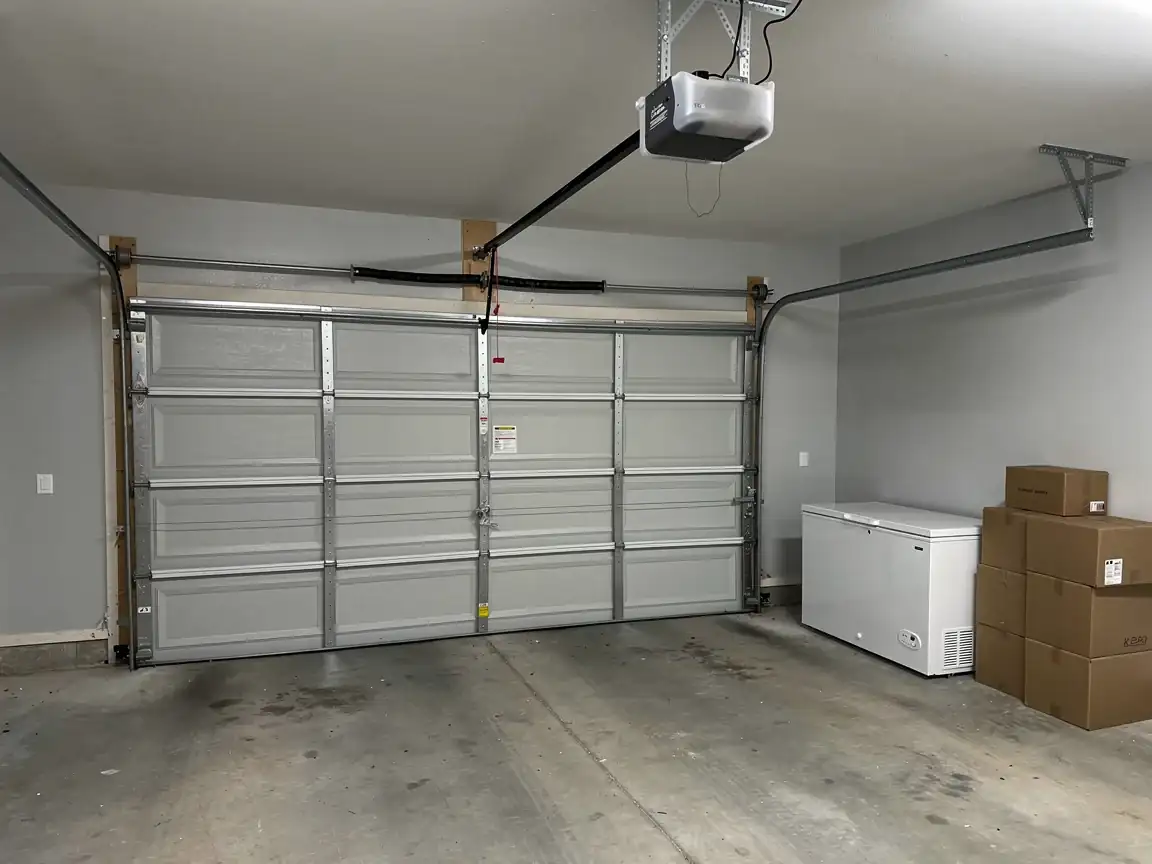
Belmont's houses mostly went up around 1998, which puts most garage doors here a good fifteen years newer than the typical door we see on calls closer to Gastonia proper, where the median build year runs closer to 1983. That matters for what you can safely handle yourself. A door from the late 90s is more likely to have factory-set extension or torsion springs still within spec, sealed bearings, and a steel frame that hasn't started to sag at the corners. Lubricating hinges, rollers and the track, checking the weatherstrip at the bottom panel, and tightening loose roller brackets are all reasonable DIY jobs on a door this age. What you should not touch is the spring itself. Torsion springs store enough force to break a wrist or worse, and that risk doesn't change with the age of the door. If the opener is struggling to lift the door, or the door drops the last foot instead of settling, that's a balance problem, not a lubrication problem, and it's worth a call rather than a guess.

What You Are Seeing

With 6,289 households in the area and a median income of $86,442, a fair number of these garages are getting used daily - two cars, a workshop corner, a gym setup - which means more open-close cycles per year than a door that mostly sits still. On a late-90s door, the first failure point is usually the roller bearings and the cable drum, not the spring itself. You'll notice a grinding or popping sound as the door travels, or a door that drifts slightly off-level as it closes. Opener sensors from that era are also starting to age out; a flickering safety-eye light or a door that reverses for no clear reason often traces back there rather than to the spring system. None of this is catastrophic on its own, but it's the kind of wear that turns into a stuck door at the worst time if it sits unaddressed for a year or two.

Booking a Visit

We work out of Gastonia, about 8 miles from Belmont, and a maintenance visit here is scheduled the same way as any call on our books - we don't keep a separate crew or depot in town, so we're honest that we're driving in rather than already around the corner. See coverage for Belmont for what we cover in the area. If you're comparing this to general service across the wider Gastonia market, that's covered on our Gastonia maintenance page, but the checklist we run on a Belmont door built in the late 90s is different from what we'd run on a 1983-era door closer to the city, simply because the hardware generation is different.

Parts We Carry

For doors from this build era, we carry standard torsion springs in common sizes, nylon and steel rollers, lift cables, and universal safety sensor kits on the truck. What we don't always carry is a spring wound to an exact non-standard length for a specific manufacturer's door from that period - some builders in the late 90s used proprietary spring cores, and matching those can mean a day or two of lead time on the part. We'll tell you up front on the visit if that's the case rather than quoting a same-day fix we can't deliver.

What the Repair Takes

Most maintenance visits on a door this age are straightforward: lubrication, roller inspection, track alignment, and a balance check on the spring system without rewinding it. If the bearings are worn, swapping them is a controlled job - unplug the opener, release tension, pull the old bearing plates, reset. Sensor realignment or replacement is quicker still. The work that takes longer is anything involving the torsion spring itself, since that requires winding bars and full control of stored tension, and it's not a job we rush regardless of how simple the symptom looked at the door.
Time on the Job

A standard maintenance check with lubrication and a balance test runs well under an hour once we're there. Bearing or roller replacement adds some time depending on how many are worn - often all four rollers go at once if the door's original hardware has never been swapped. Spring adjustment or replacement takes longer still because of the safety steps involved. None of these times include the drive from Gastonia, which is part of why we ask for a bit of scheduling flexibility on Belmont visits rather than promising a fixed arrival window.

How it works

From “it’s stuck” to “it’s fixed”

  1. 1
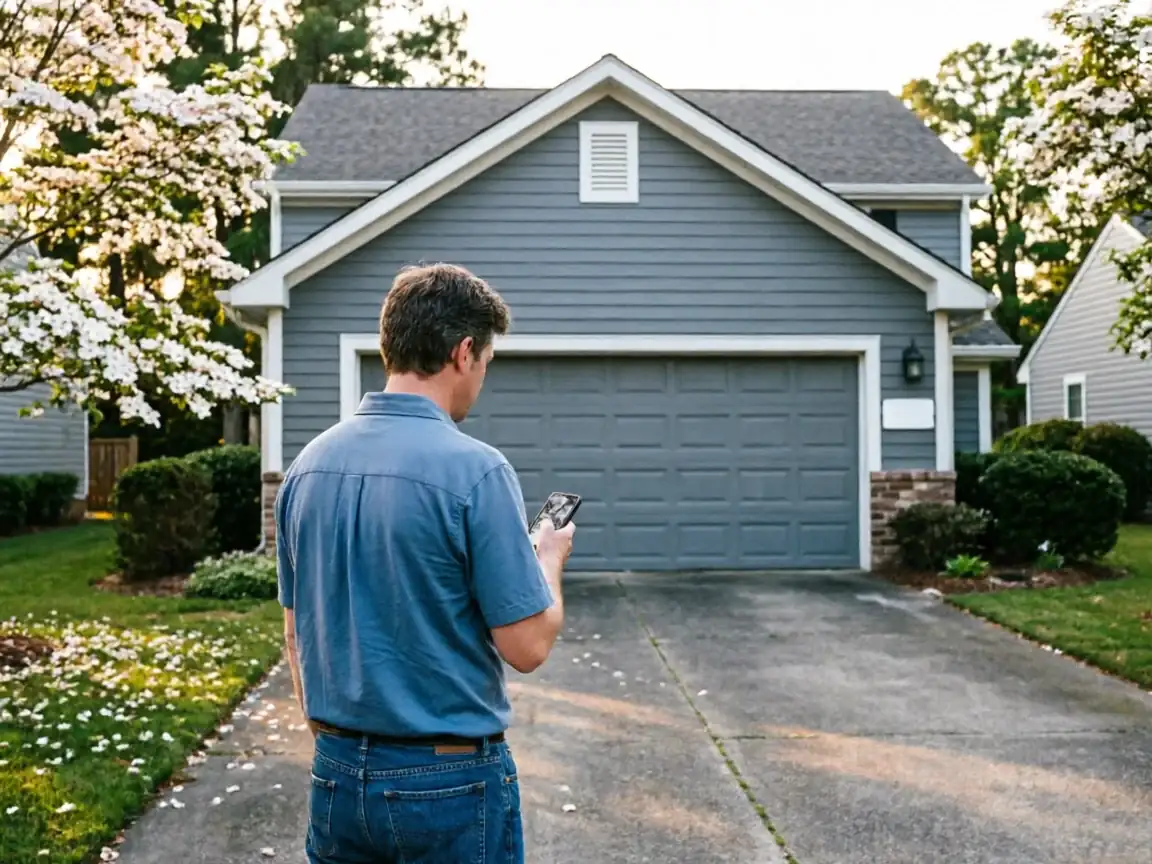
    A man in a blue shirt stands in a driveway looking at his phone.

    Tell us what’s wrong

    Describe the symptom - won’t open, loud bang, opener runs but the door won’t move.

  2. 2
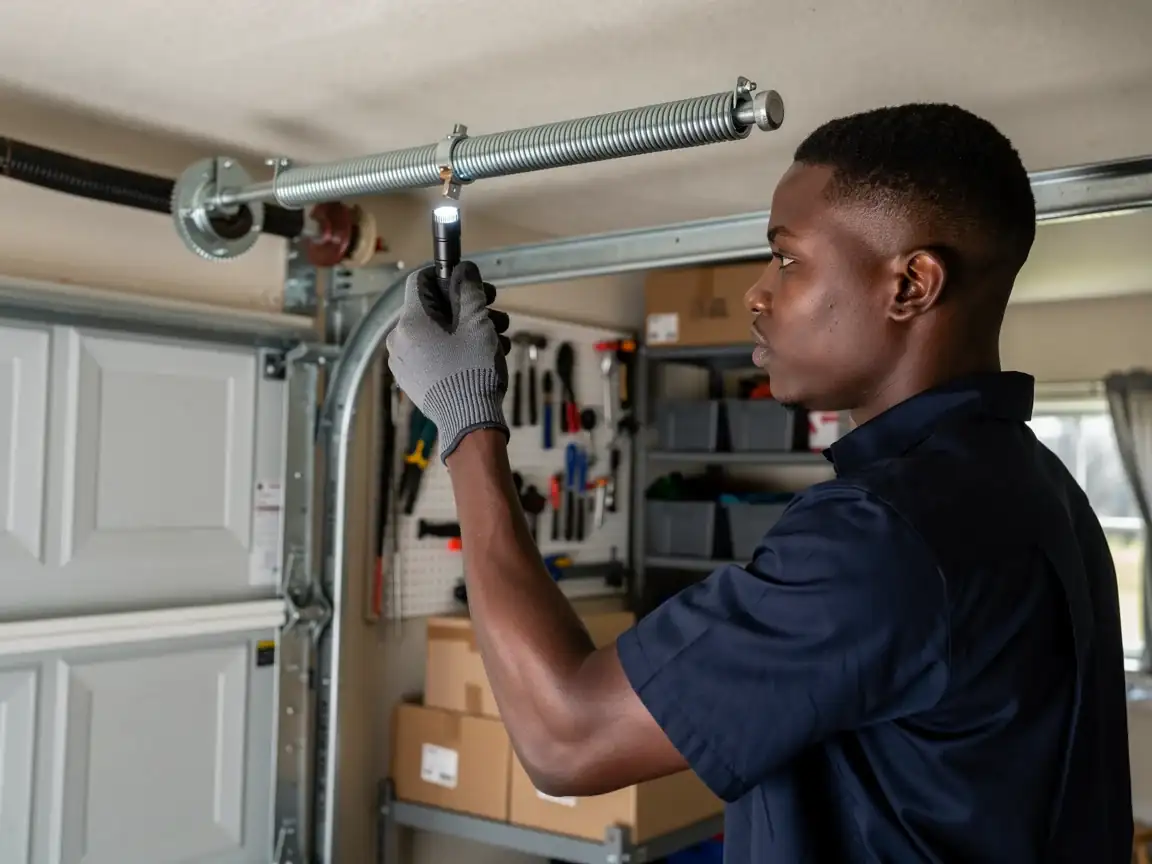
    A technician in a dark blue shirt inspects a garage door torsion spring with a flashlight.

    On-site diagnosis

    A technician tests the door under power and by hand and finds what actually failed.

  3. 3
    A technician in work gloves talks to a woman in a driveway in front of a house.

    Clear, up-front plan

    You get the fix that’s needed and what drives the cost - before any work starts.

  4. 4
    A technician in a cap points at a brown garage door with windows.

    Repaired & tested

    The repair is done, the door is set true and tested, and the work area left clean.

Not sure which repair your door needs in Gastonia, NC? Describe what it’s doing - every job starts with a diagnosis.

How we work

What to expect

Diagnosis firstEvery visit starts by finding what actually failed - not a pre-written parts list.
The right part for the doorSprings and openers matched to the door’s weight and age, so the fix holds up.
Straight answersWhen a repair makes more sense than a replacement - or the reverse - you hear it plainly.
Clean, careful workTension released safely, hardware set true, the door tested under power before we leave.
74,543Residents in Gastonia
8Garage door services
7Neighborhoods & suburbs
NCServing Gastonia, NC
Questions

Frequently asked

Straight answers about garage door repair in Gastonia. Still unsure? Ask us directly.

Why does my Belmont garage door need different parts than a house in Gastonia?

Most houses in Belmont were built around 1998, while a lot of Gastonia's stock dates closer to 1983. Hardware generations differ - spring sizing, bearing types, and sensor designs changed over those fifteen years, so what we carry for a Belmont call isn't always identical to what's on the truck for an older Gastonia house.

Do you have a crew based in Belmont?

No. We work out of Gastonia, about 8 miles away, and travel to Belmont for every visit. We don't keep a separate branch or depot here, so we're upfront that scheduling may need a bit more flexibility than a same-block call.

Can I maintain a late-90s garage door myself?

Lubricating hinges and rollers, checking the weatherstrip, and tightening loose brackets are fine to do yourself. Don't touch the torsion spring - it stores enough force to cause serious injury regardless of the door's age. If the door is off-balance or dropping unevenly, that's a call, not a DIY fix.

What part is most likely to fail first on a Belmont door?

On doors from the late 90s, roller bearings and cable drums tend to wear out before the spring itself, especially on doors used daily. A grinding sound or a door that closes slightly crooked usually points there first.

Ready to get your garage door sorted?

Tell us what it’s doing and where you are in Gastonia - we’ll take it from there.

Request a QuoteCall