The DIY Question
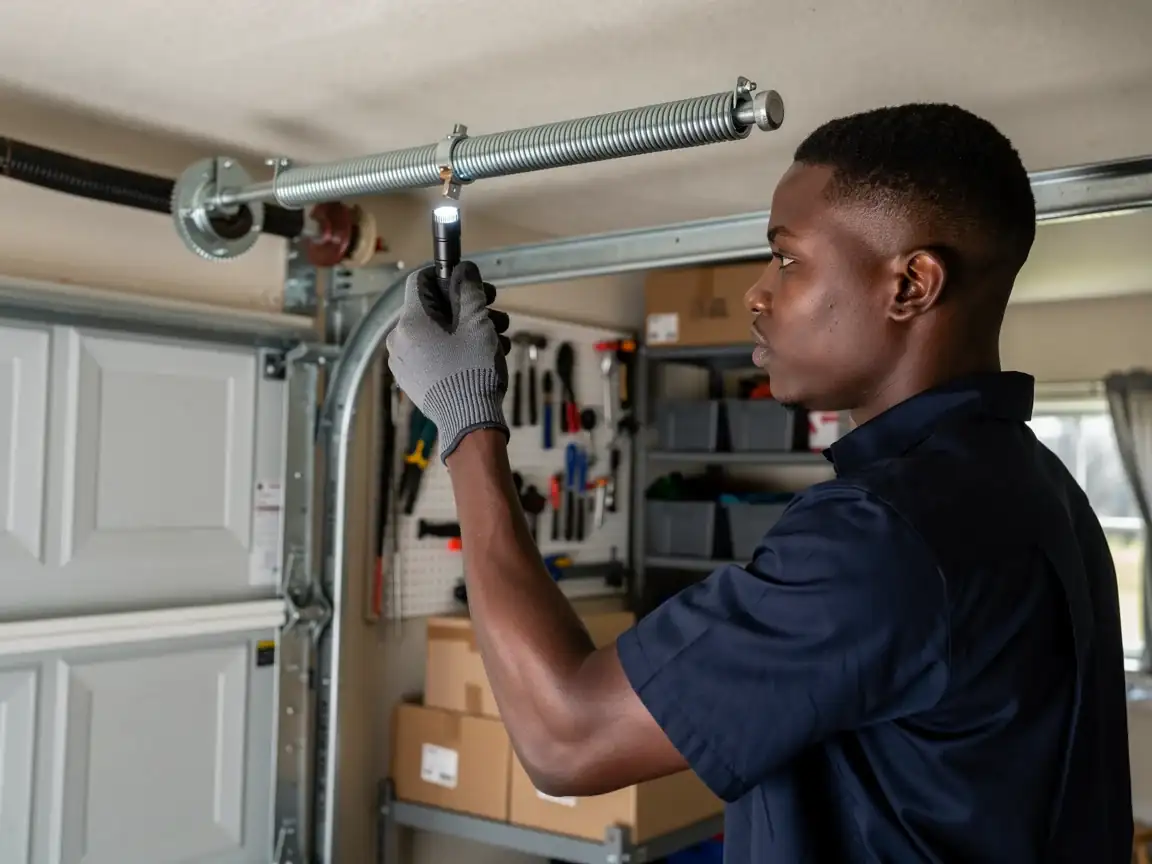
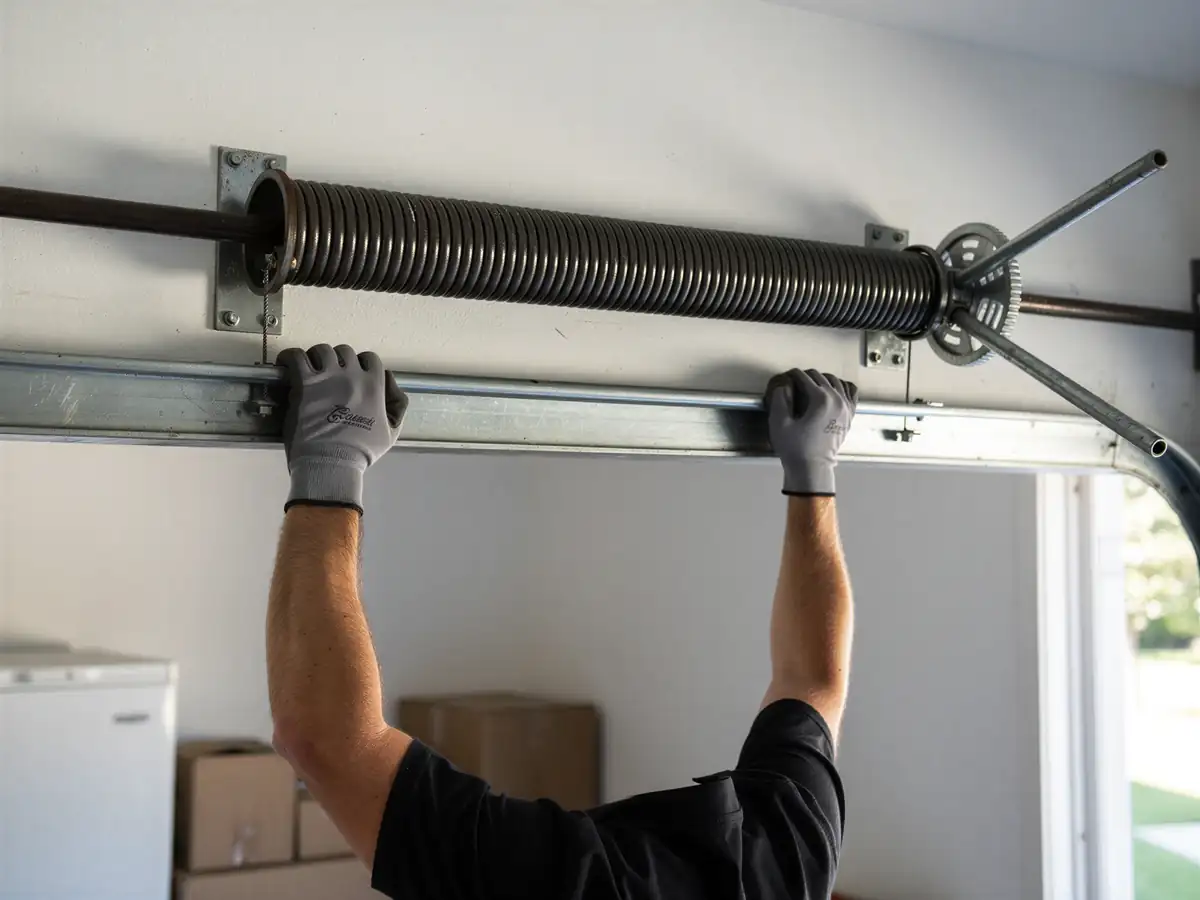
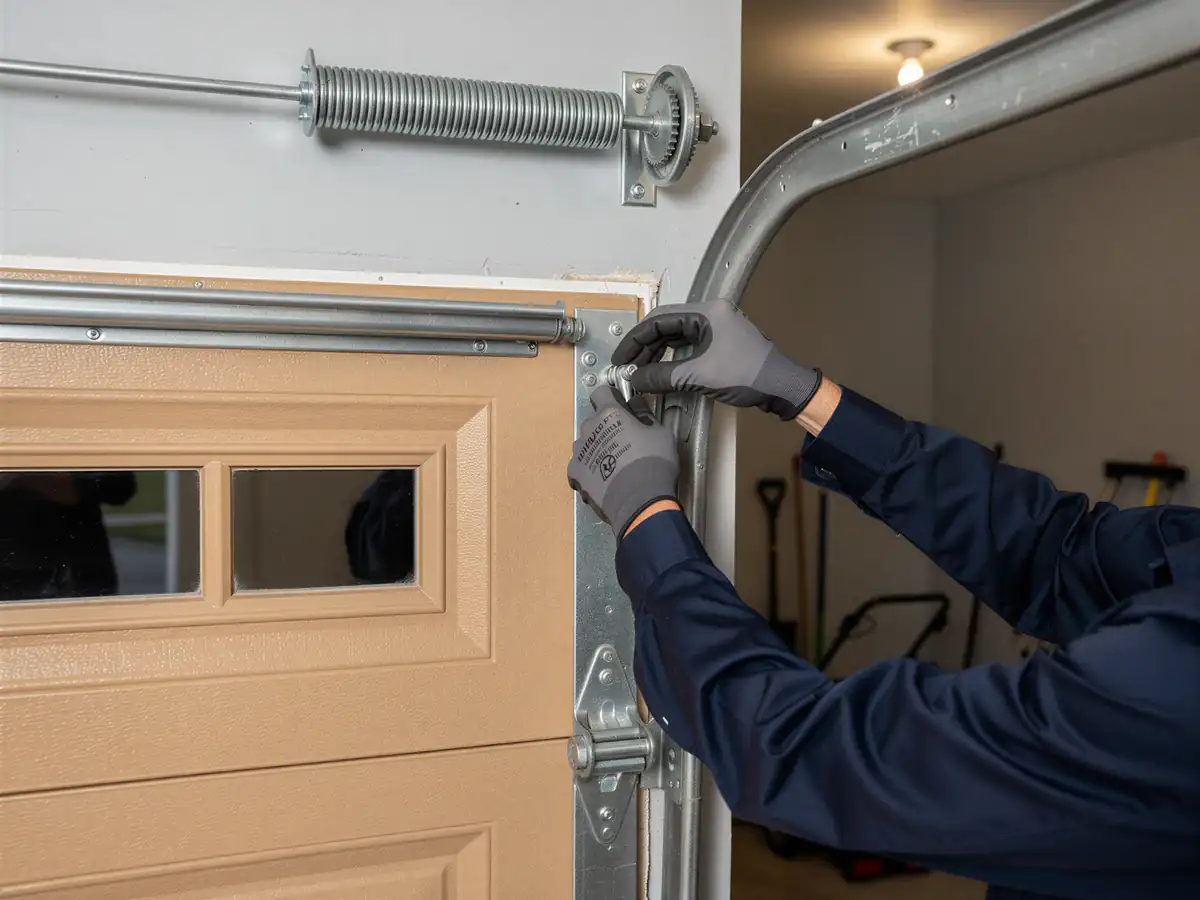
Belmont's median household income sits at $86,442, well above the $59,583 median across the broader Gastonia service area. That gap matters here because it shifts where the replace-versus-repair line actually falls. In a lot of the towns we cover, a cracked panel or a dead opener gets patched because a full install is a stretch for the budget. In Belmont, more owners can afford to just replace the door and the opener together instead of chasing parts for a unit that's already on borrowed time. We still tell people when a repair is the smarter move - a new bottom seal and a tune-up can add years to a door that's otherwise sound. But if your opener and springs are both aging out, replacing the whole setup in one visit often pencils out cheaper per year than two separate repair calls. DIY kits exist for openers, but torsion spring work and full door swaps are not a weekend project - the springs store enough force to break a jaw, and we'd rather you call us than find that out firsthand.
What You Are Seeing
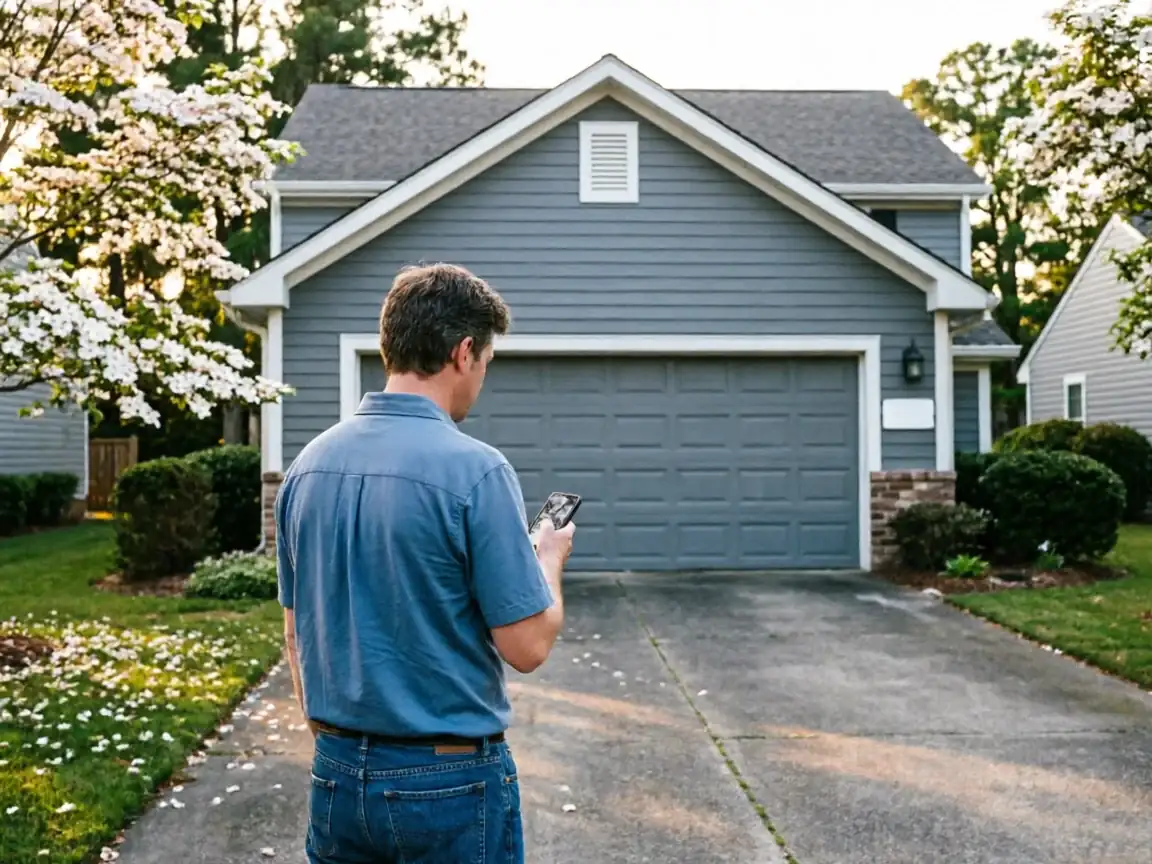
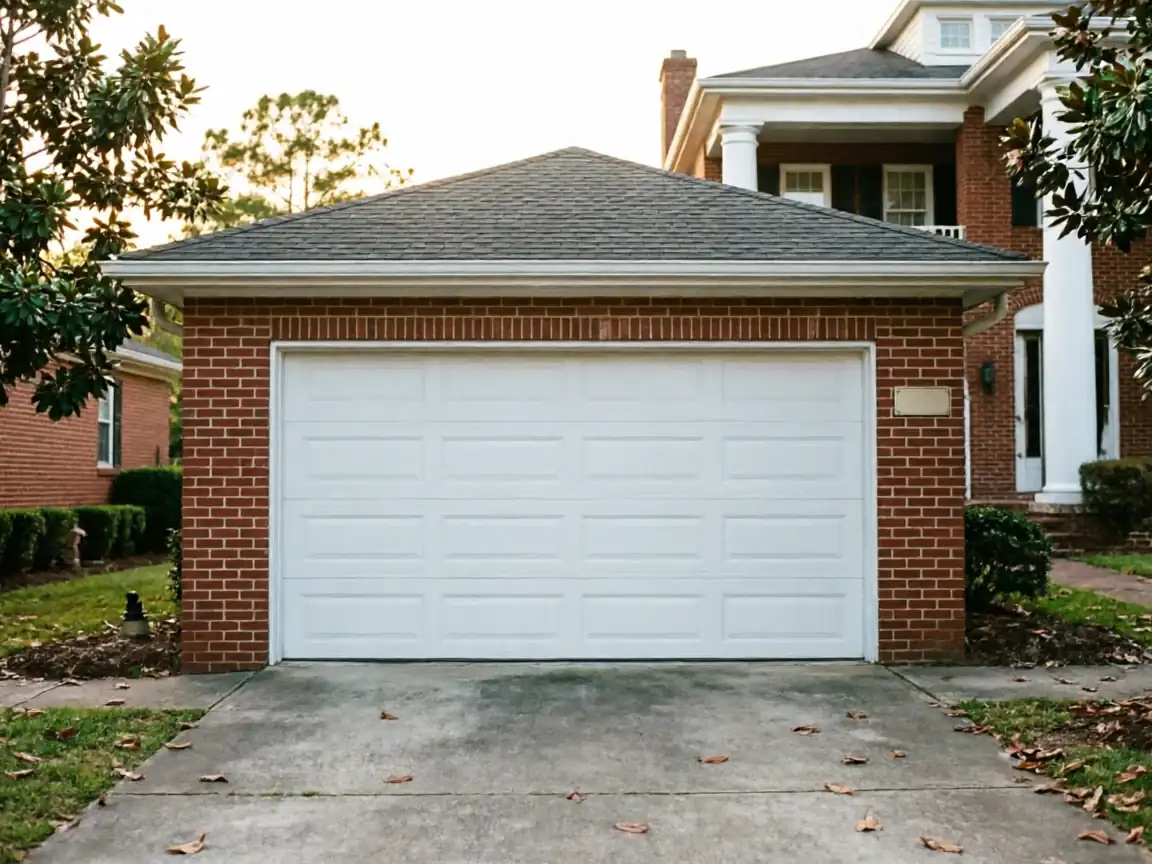
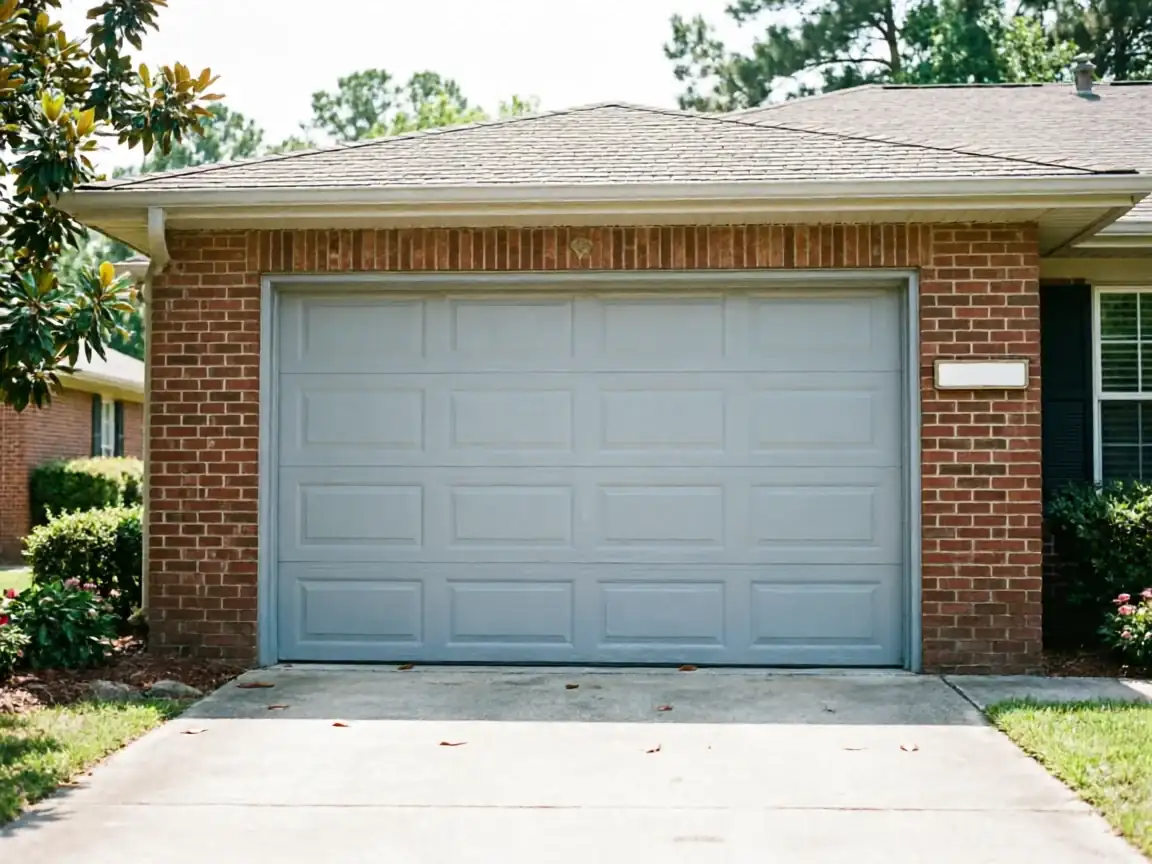
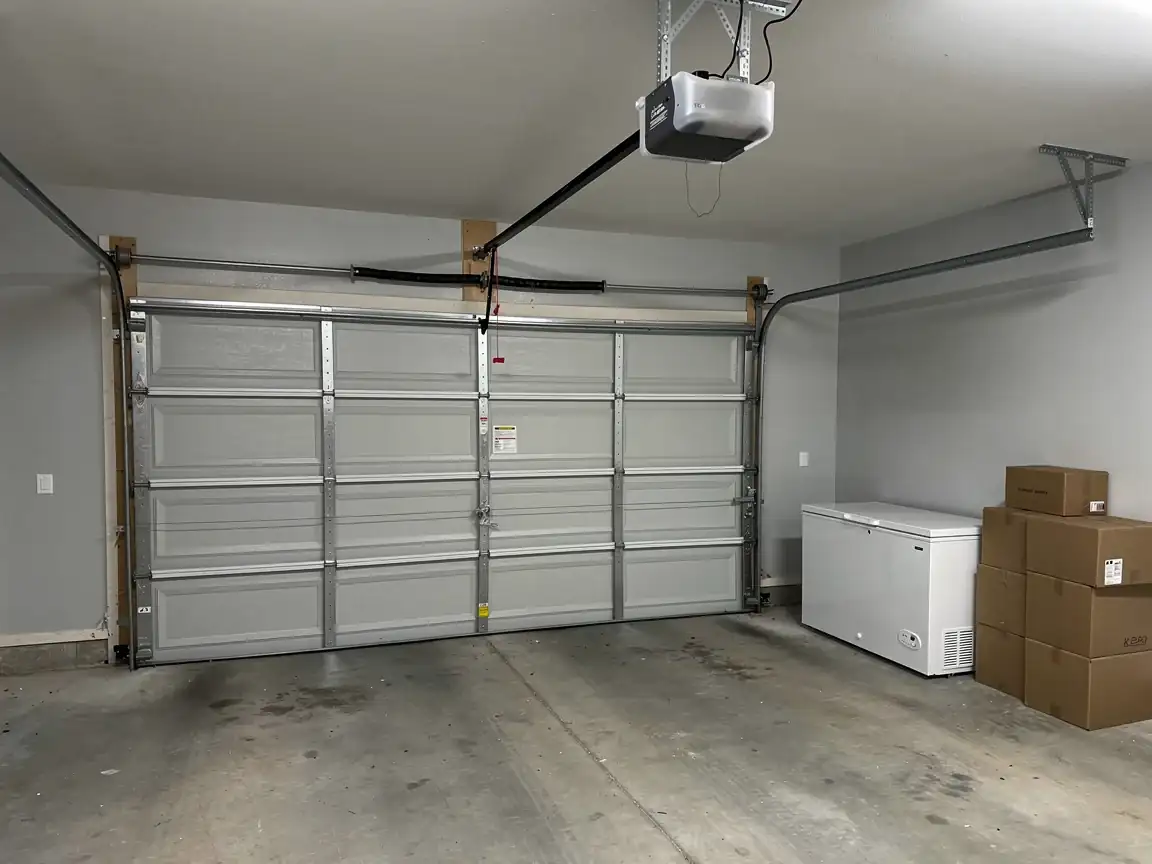
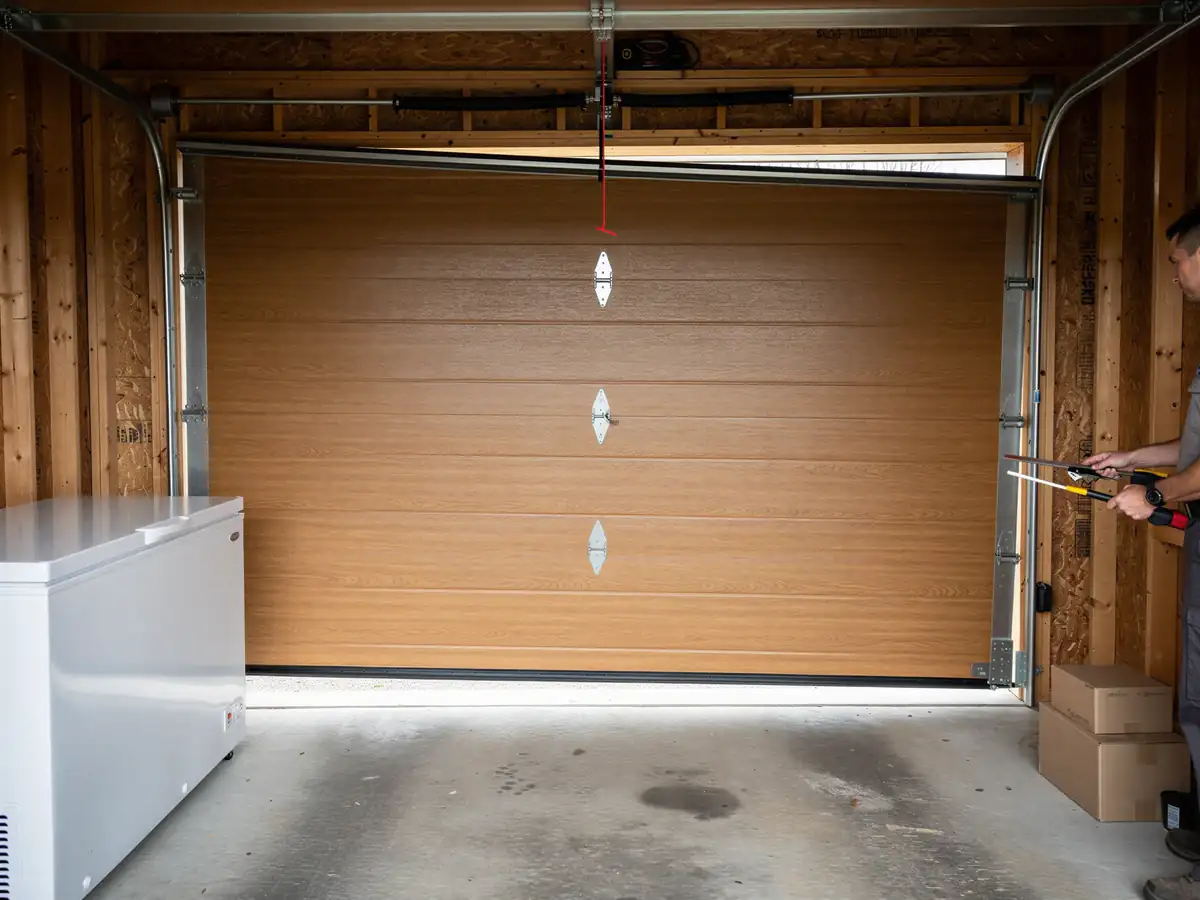
Belmont's housing stock runs newer than a lot of what we see elsewhere in the service area - the median build year here is 1998, compared to a service-area median closer to 1983. That means fewer homes with the old single-piece doors and exposed side springs we still find in older pockets of the county. What you're more likely dealing with is a late-90s or 2000s-era sectional door with a factory torsion system that's simply reaching the end of its cycle count, or a first-generation chain-drive opener that's louder and slower than anything made today. The hardware is more standardized than older stock, which is good news for installation - fewer surprises when we pull the old unit. We're in cold-moderate climate territory here, which means insulated panels and a working bottom seal aren't optional extras; they're what keeps a garage from turning into an icebox every winter morning when the door's been cycling all day.
Parts We Carry
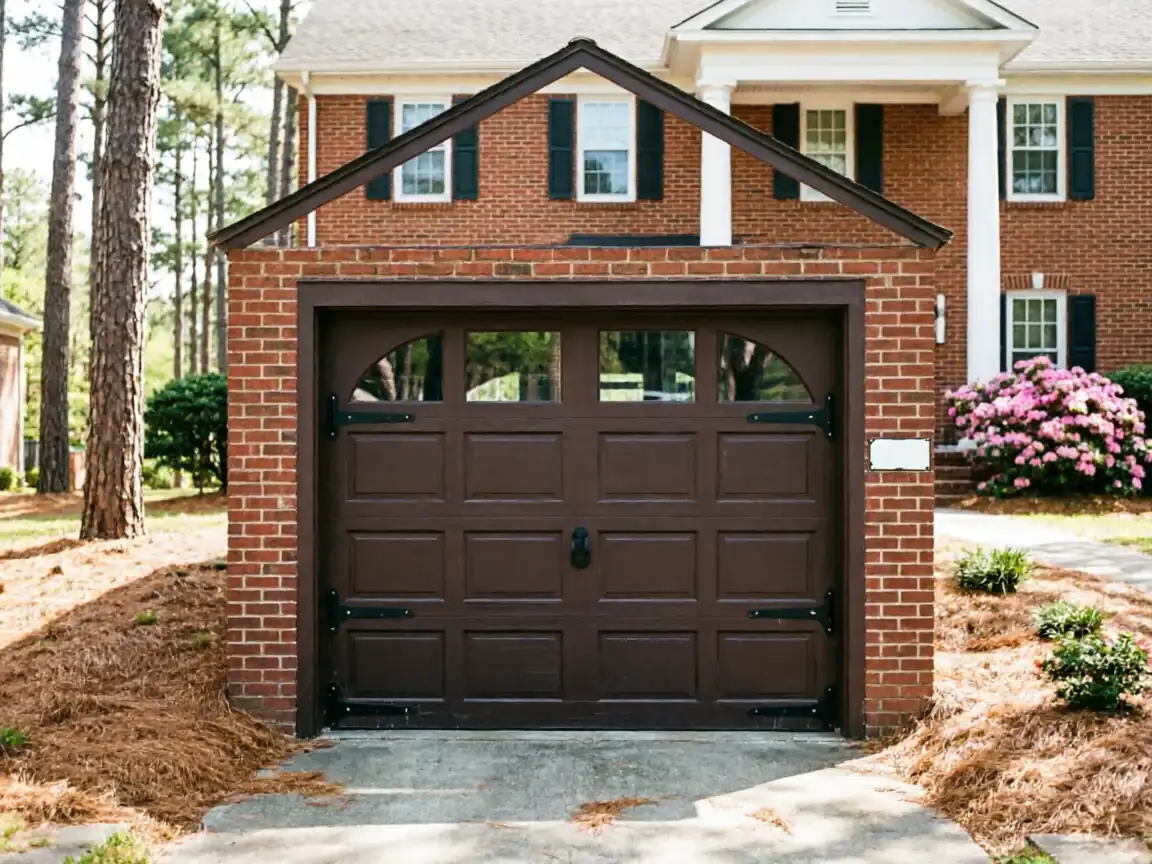
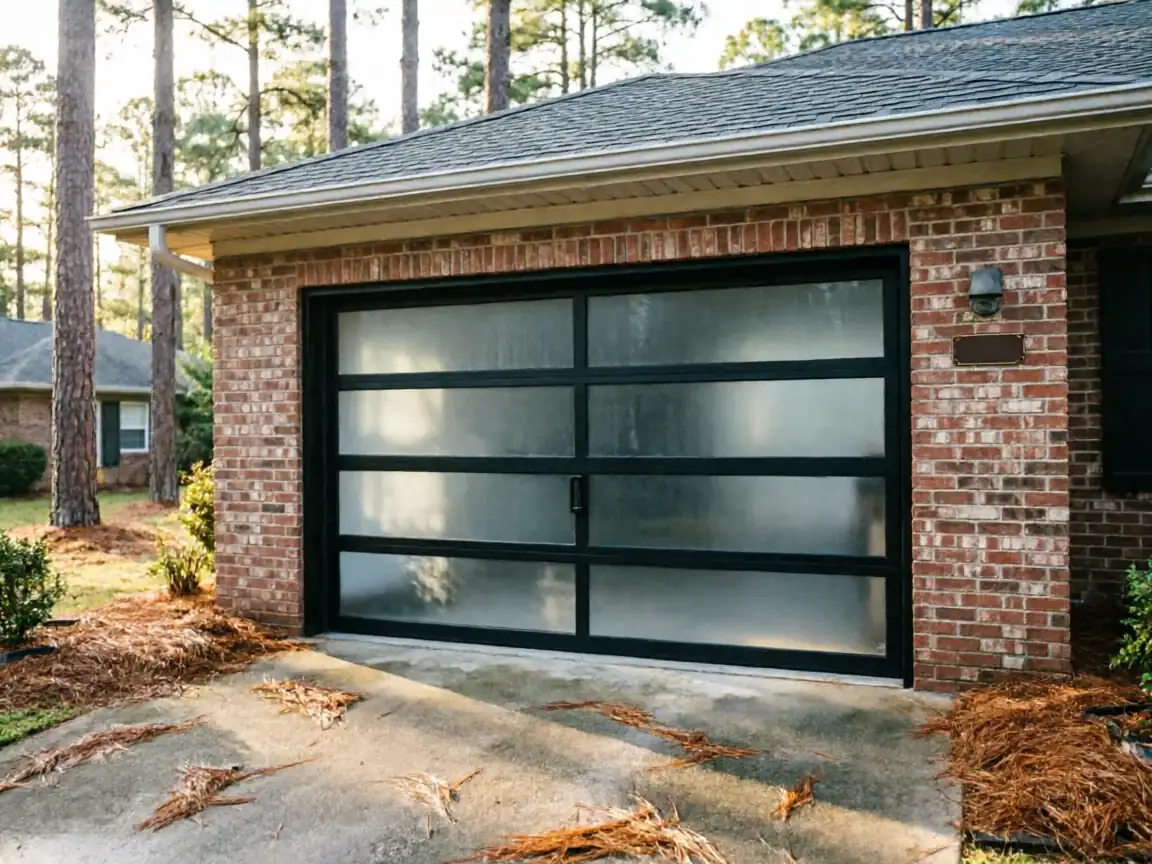
For Belmont's newer housing stock, we stock standard steel sectional doors in the common widths, insulated and non-insulated panel options, and torsion spring assemblies sized for the 7-foot and 8-foot openings typical of builds from this era. We also carry belt-drive and chain-drive openers, since a fair number of the original openers out here are getting close to 20 years old and parts for them are getting harder to source. One honest limit: we don't stock custom wood doors or oversized commercial-grade openings as regular inventory - those get special-ordered, and lead time runs longer than a standard steel install. If your project falls into that category, we'll tell you the real timeline before you commit, not after.
What the Repair Takes
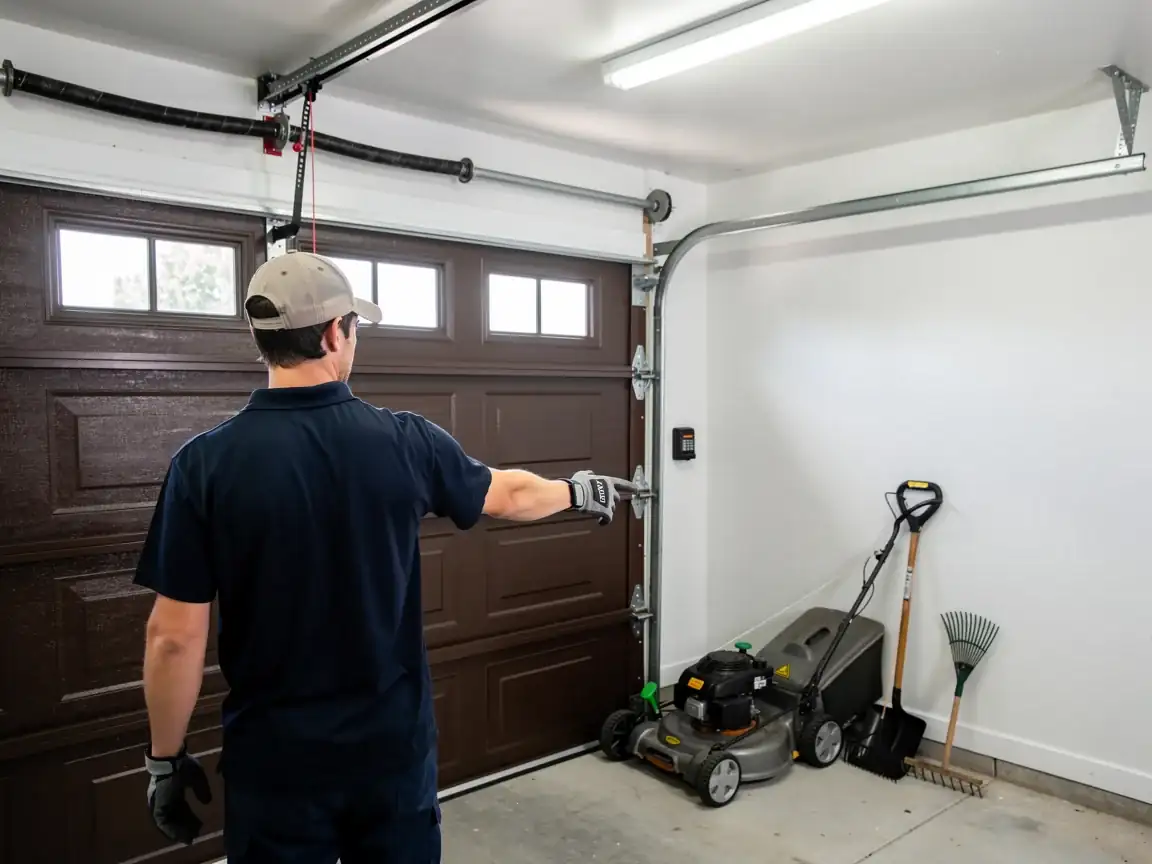
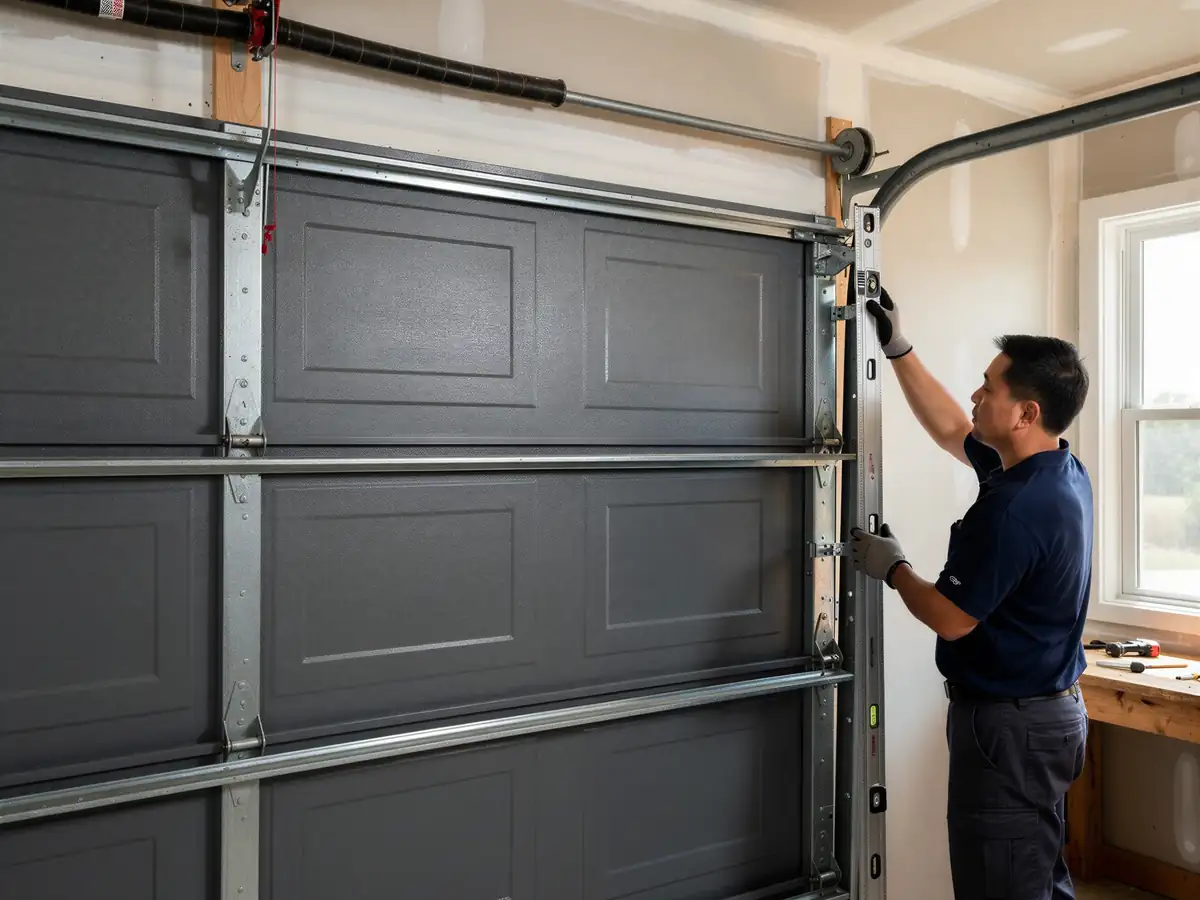
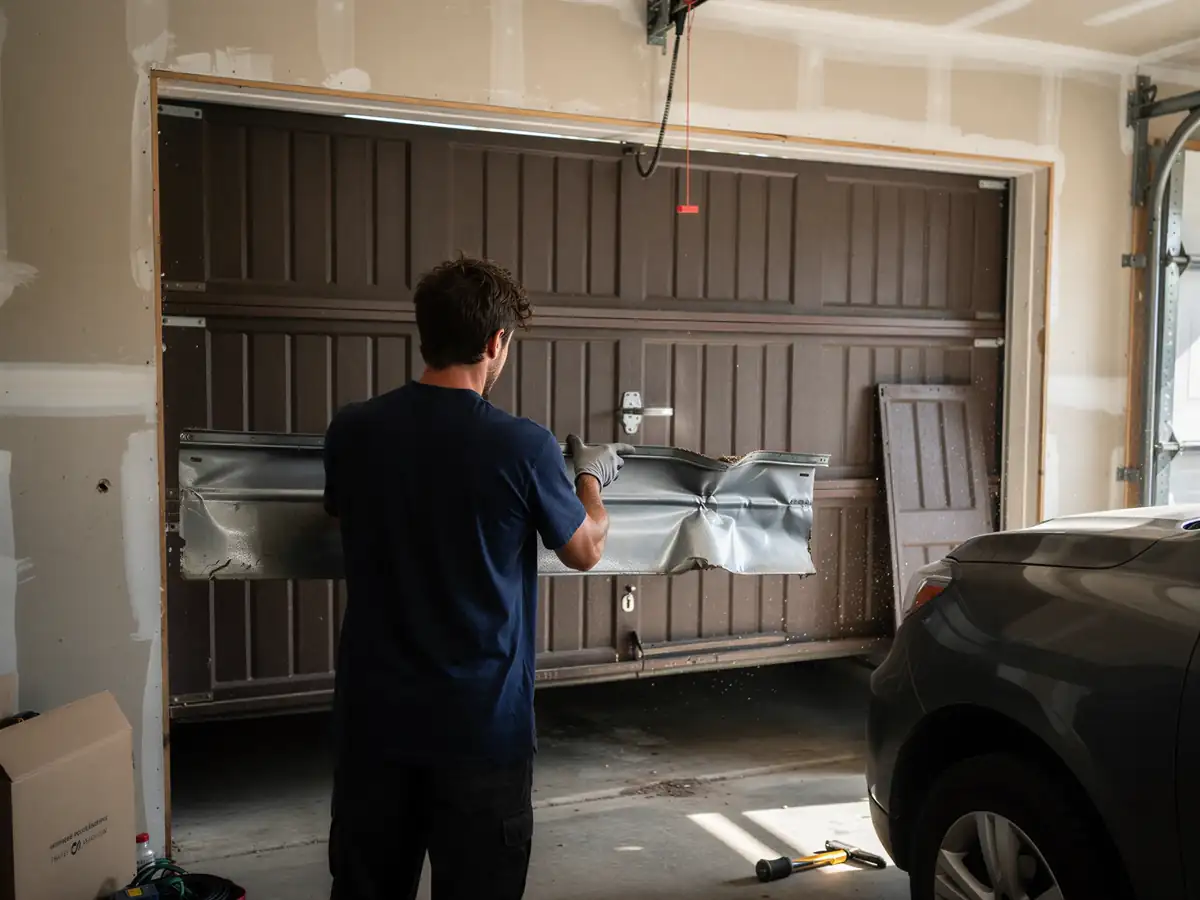
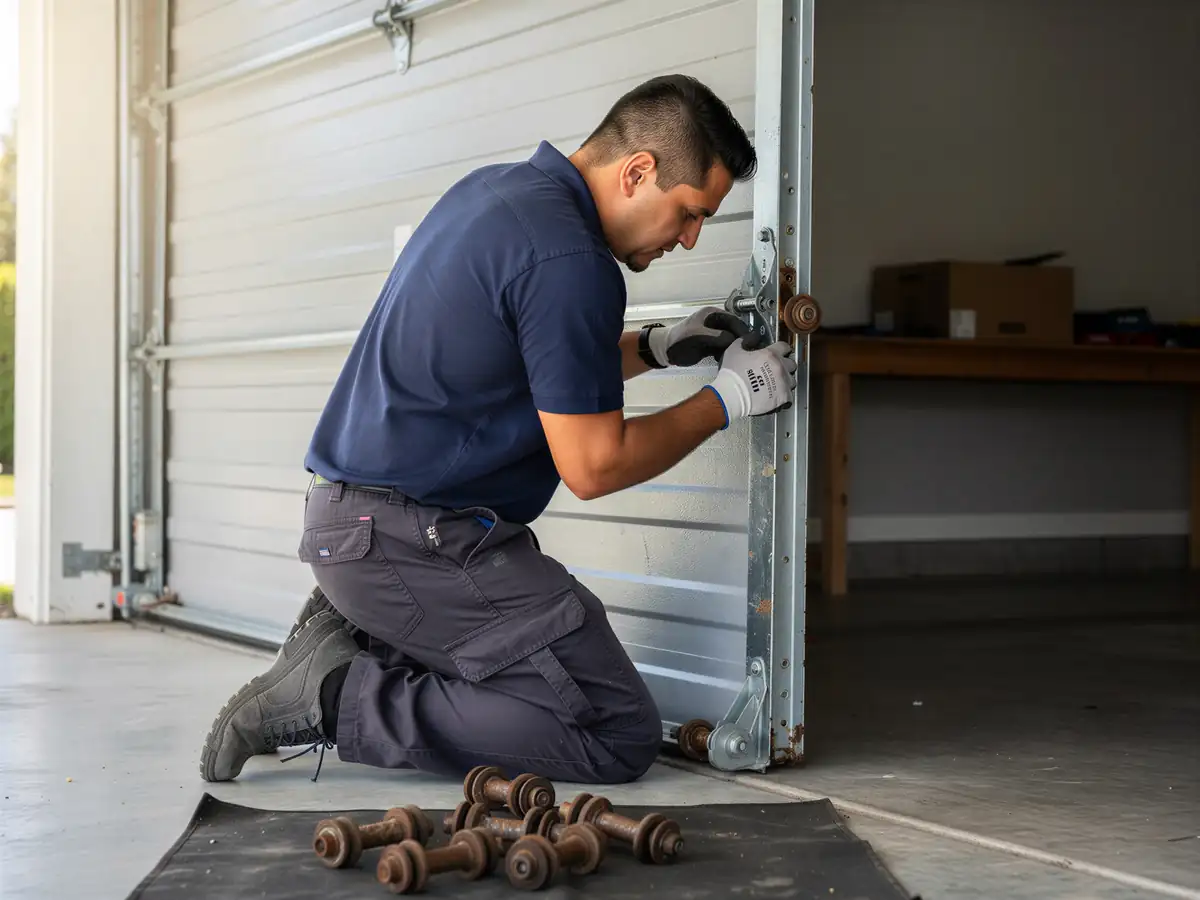
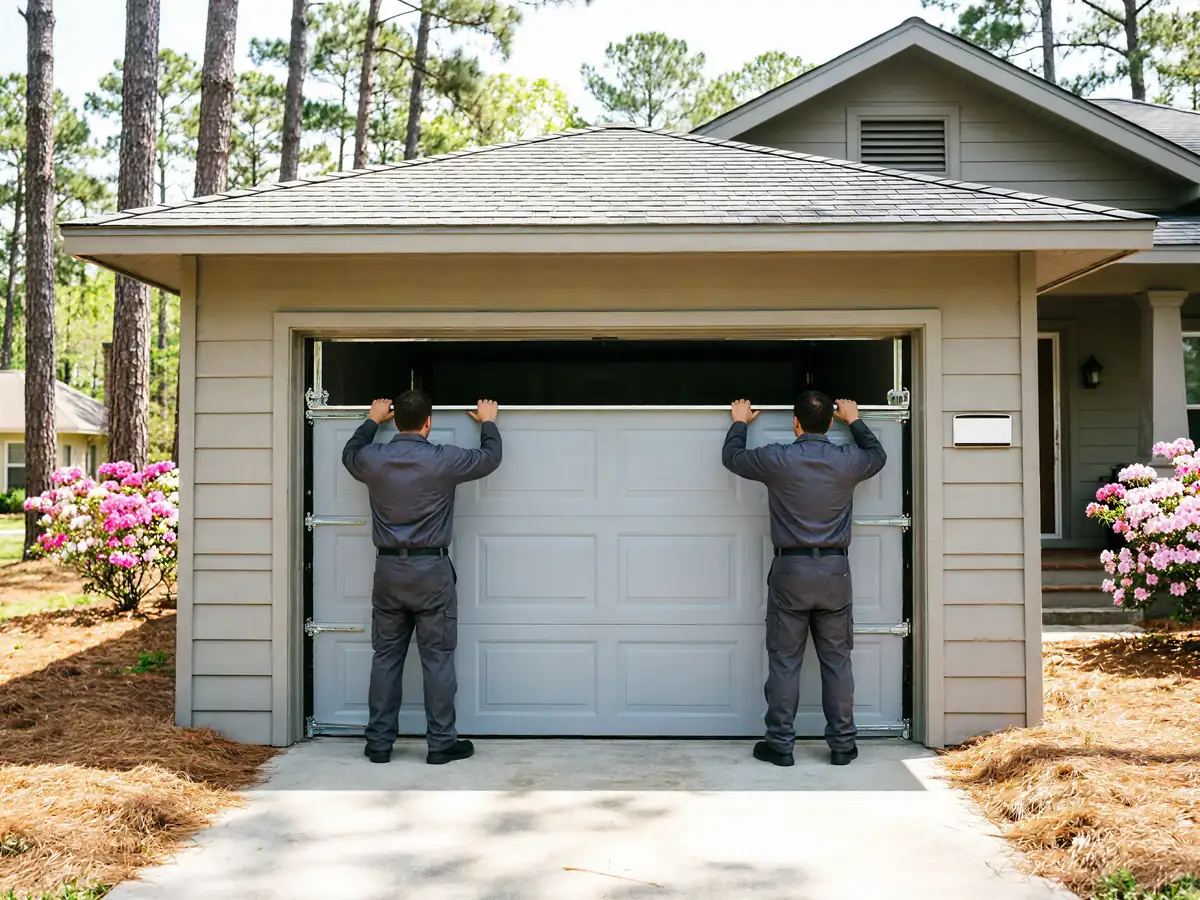
A straight swap - old sectional door out, new one in, same opener reused - is usually a single visit. Where it gets longer is if the existing track or jamb needs rework to match a new door's dimensions, which shows up more on the handful of older homes mixed into Belmont's newer stock. If you're replacing the opener at the same time, that adds install time but it's efficient to do in one trip rather than two separate calls weeks apart. We'll walk the full opening before we quote so there are no mid-job surprises about what the track or header actually needs.