The DIY Question
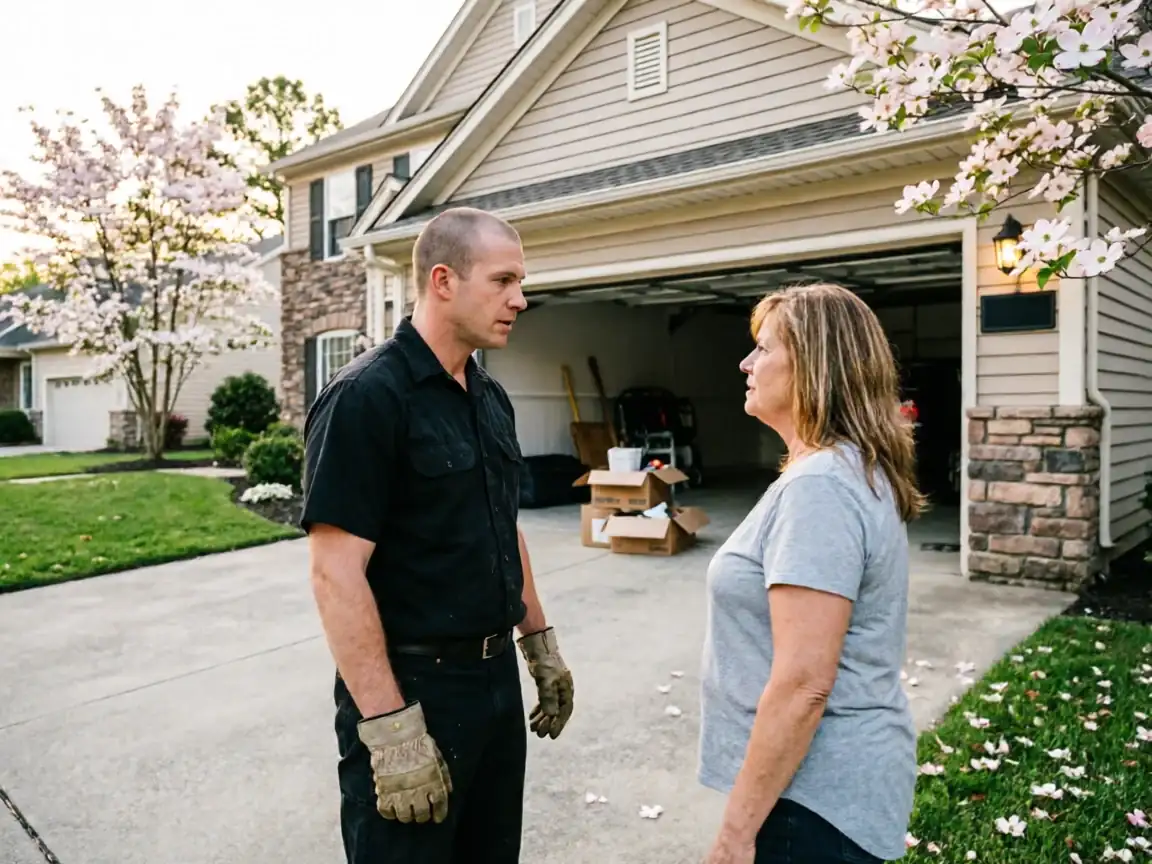
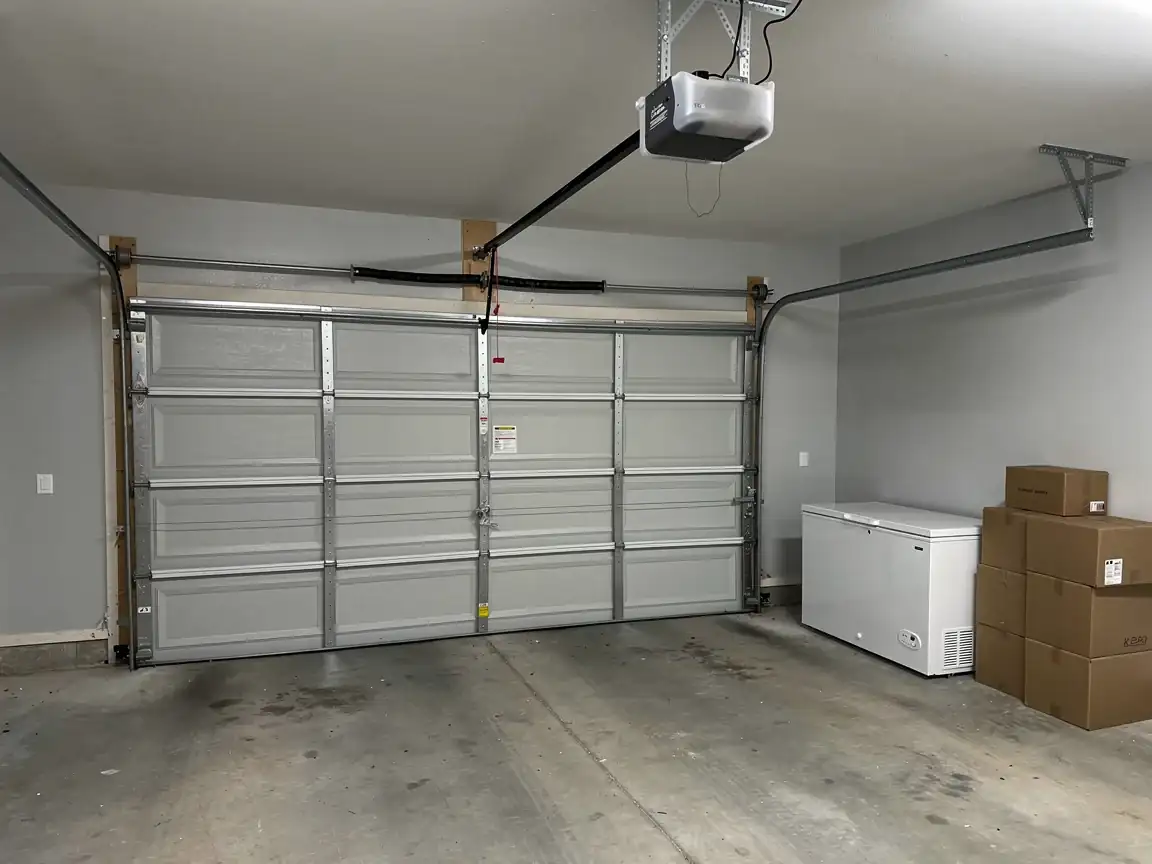
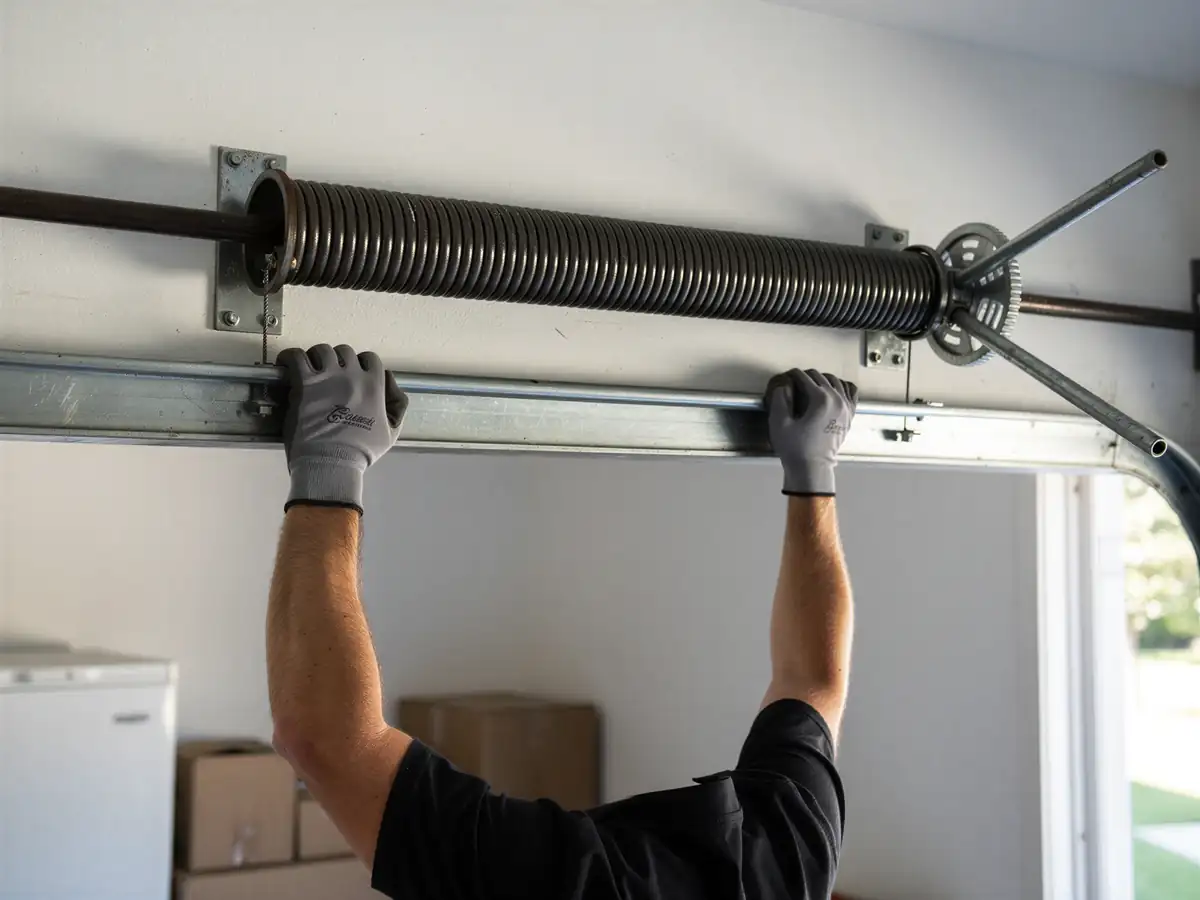
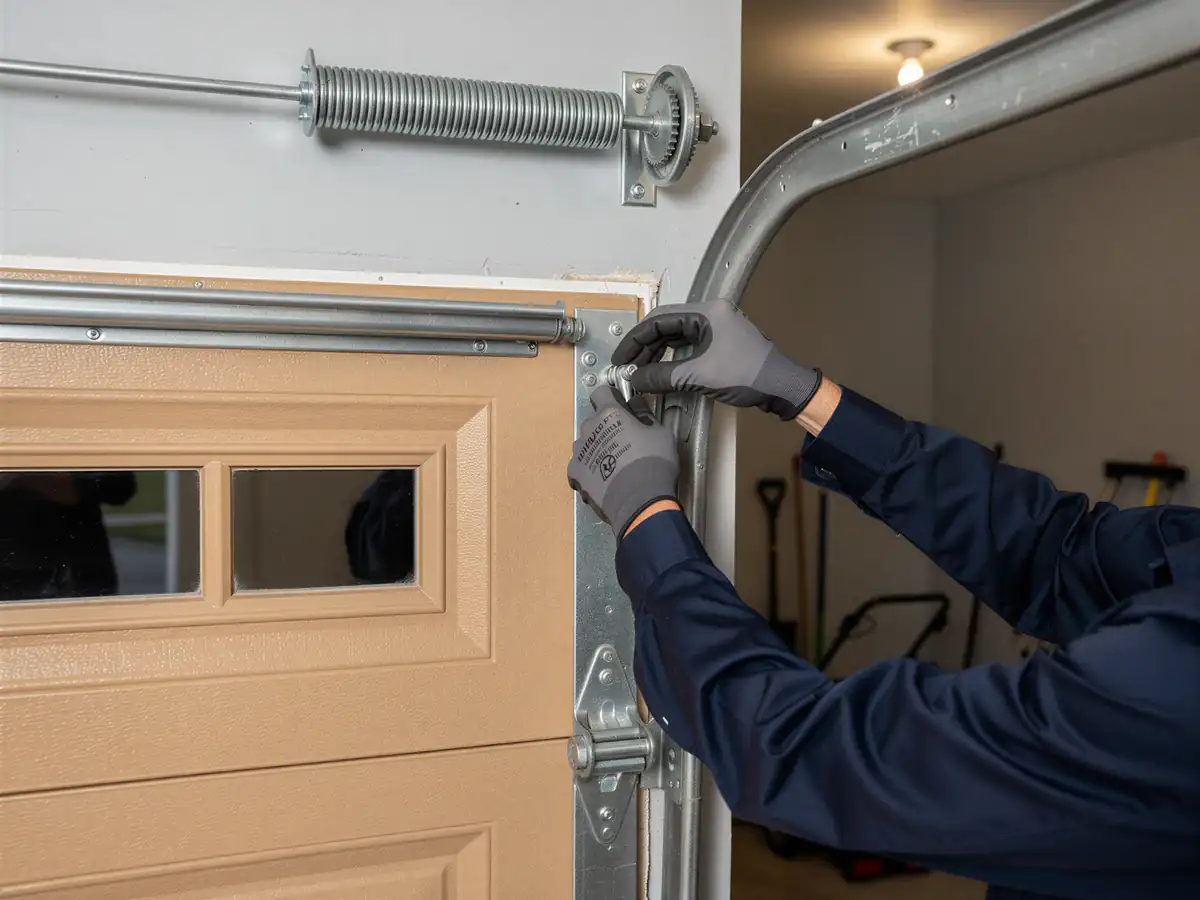
If one panel on your door is dented or rusted through, you can probably find a youtube video telling you to swap it yourself. For a garage door built around 1998, which is the typical build year for houses on this side of Belmont, the catch is matching the panel. Steel gauge, rib profile, and even the exact shade of white or almond that was standard then have mostly been discontinued or changed by manufacturers over the last two and a half decades. You can source a close match panel and bolt it on without matching hardware perfectly, but if the door is on a torsion system and you're also replacing bottom brackets or struts, that's where DIY gets risky fast - a torsion spring under load has put people in the hospital. We'll tell you straight if it's a bolt-on job you could do yourself, or if the hinge spacing and panel curve make a professional measurement worth the call.
What You Are Seeing
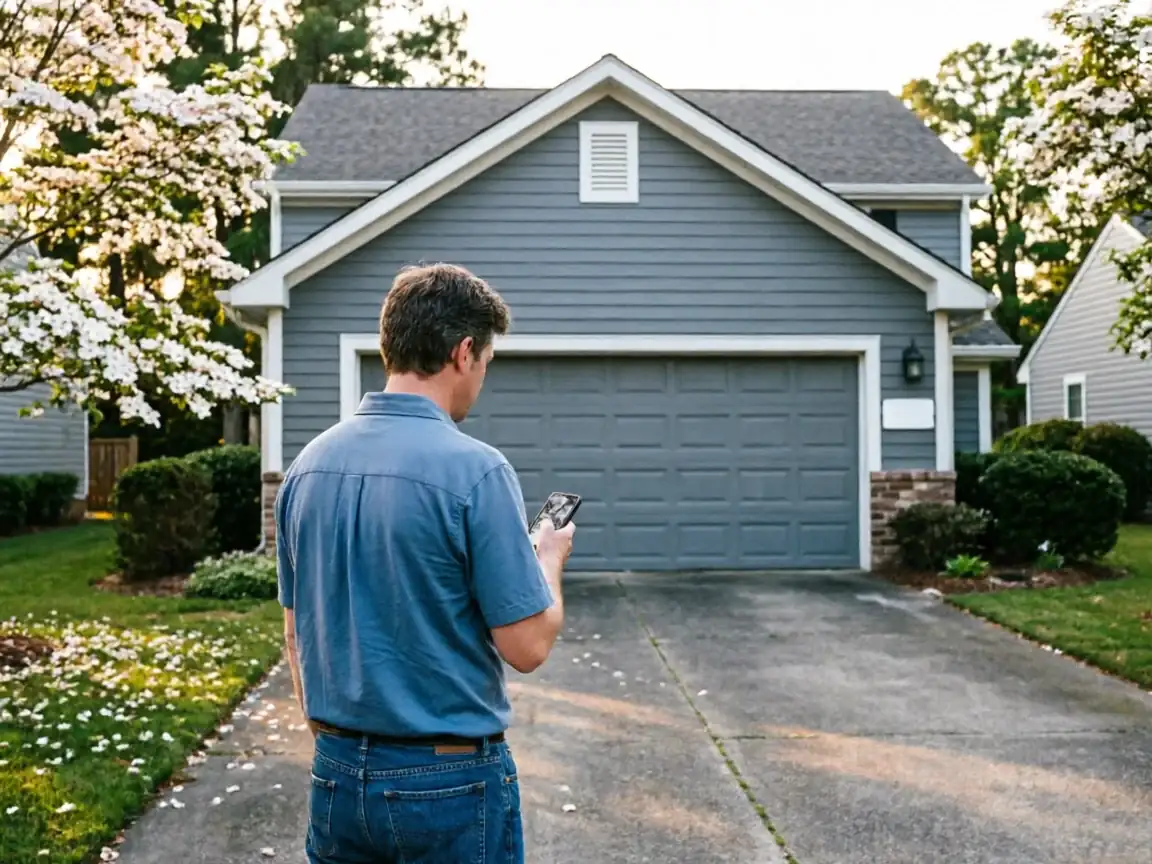
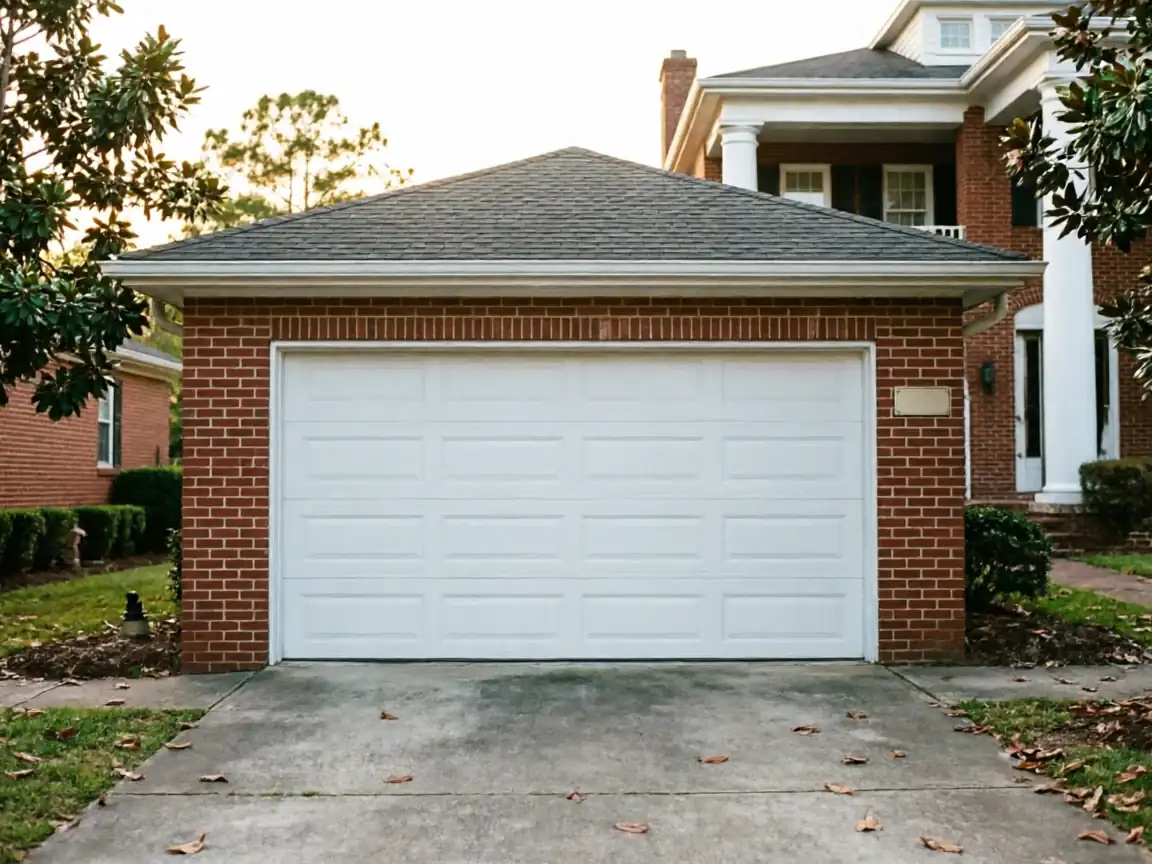
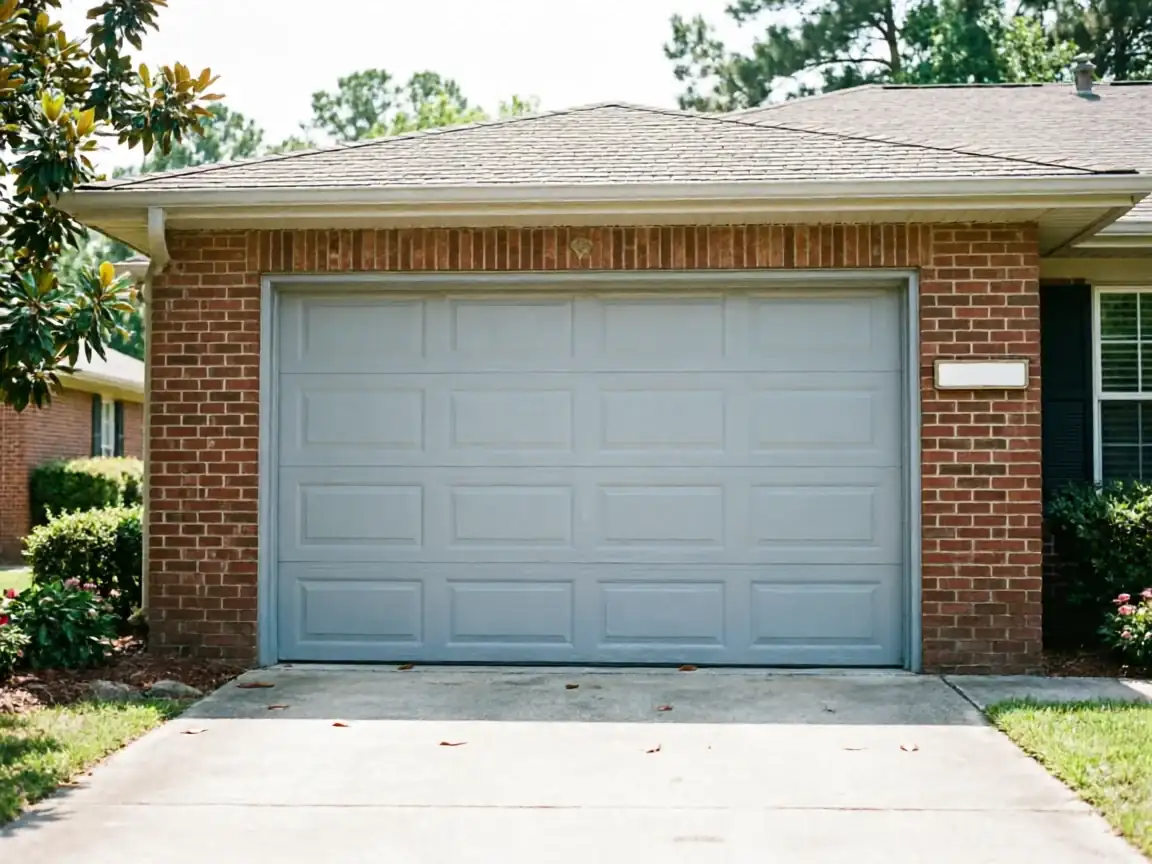
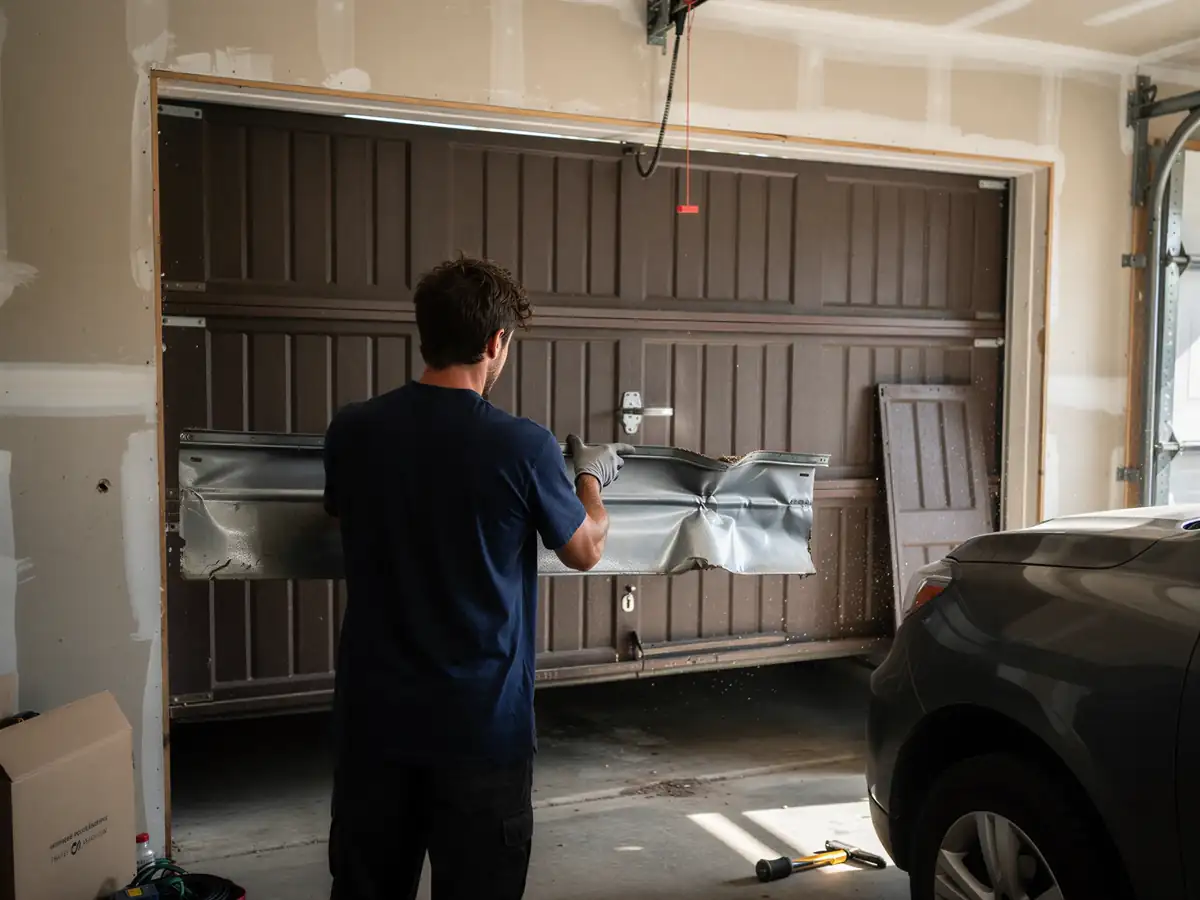
A door from the late 1990s that's never had a panel replaced usually shows its age at the bottom first - that's the panel that takes road salt spray, lawnmower kickback, and the occasional backed-into mistake. Look for rust blooming along the bottom edge, seams where the steel skin has started to separate from the foam core, or a panel that looks slightly bowed compared to the ones above it. In our climate, which runs cold and moderate with real winter swings, condensation trapped inside an aging non-insulated panel speeds up that rust from the inside out, so sometimes the worst damage is on the back side where you can't see it from the driveway.
Parts We Carry
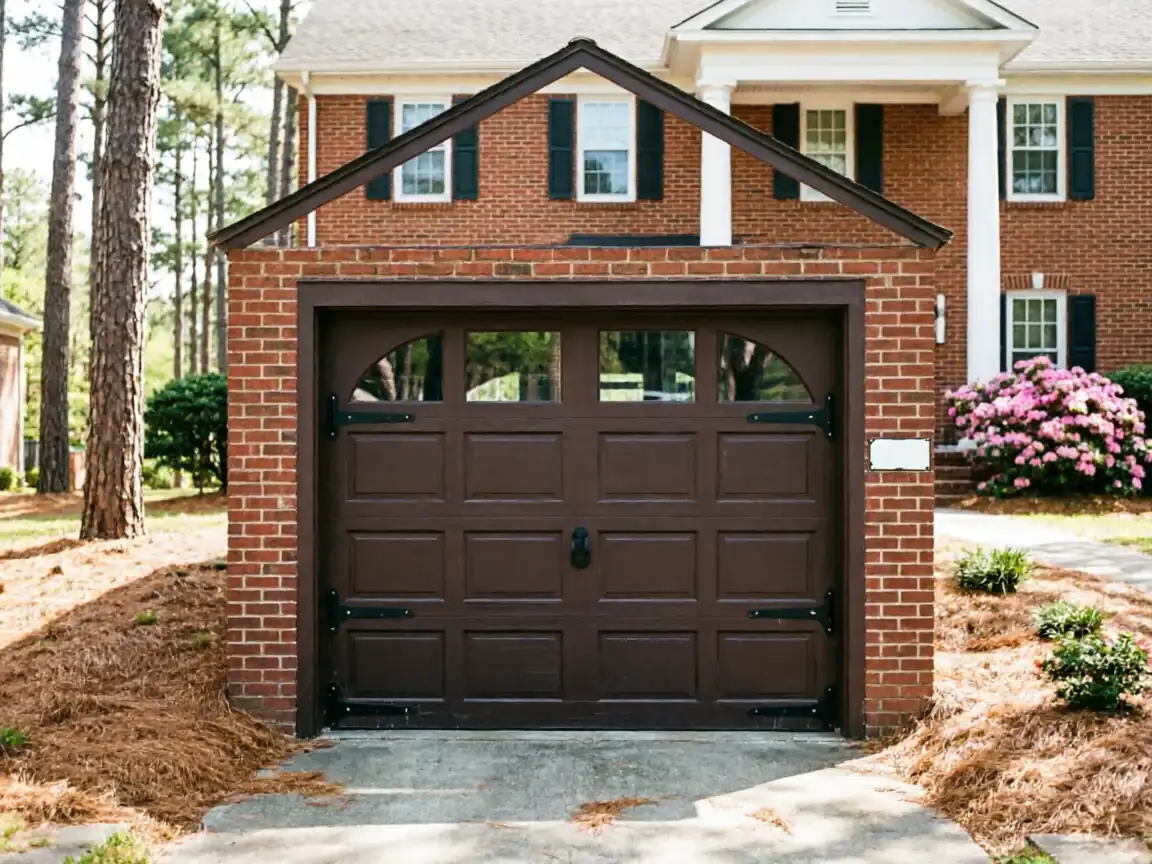
We stock common panel sizes and the handful of colors most builders used in this area, which covers a fair share of jobs without any wait. Where we run into trouble is matching the exact rib pattern or panel height on some of the older 1990s-era doors - some of those runs are simply gone, and the honest answer is we may need to order a close match or, if the brand is discontinued outright, suggest replacing the full door section instead of chasing a panel that doesn't exist anymore. We'd rather tell you that up front than send a mismatched panel out and have you stare at it every time you pull in.
What the Repair Takes
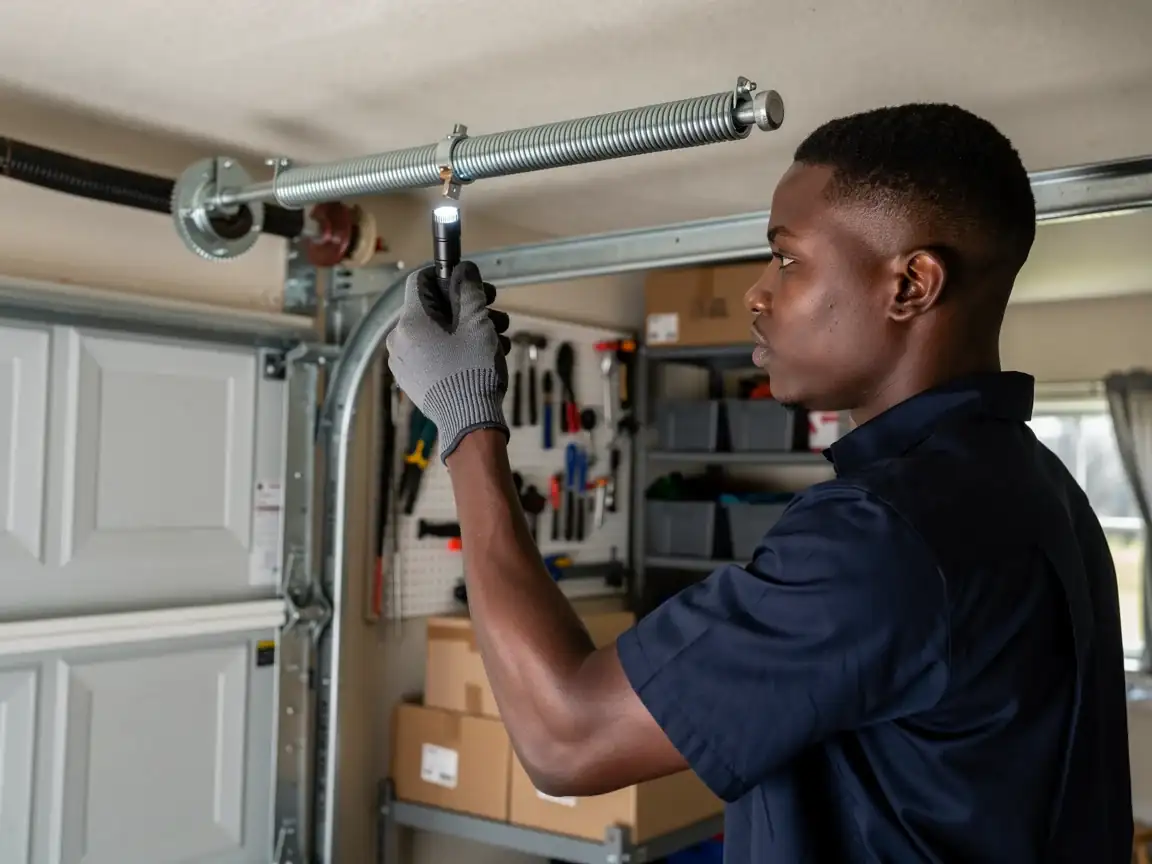
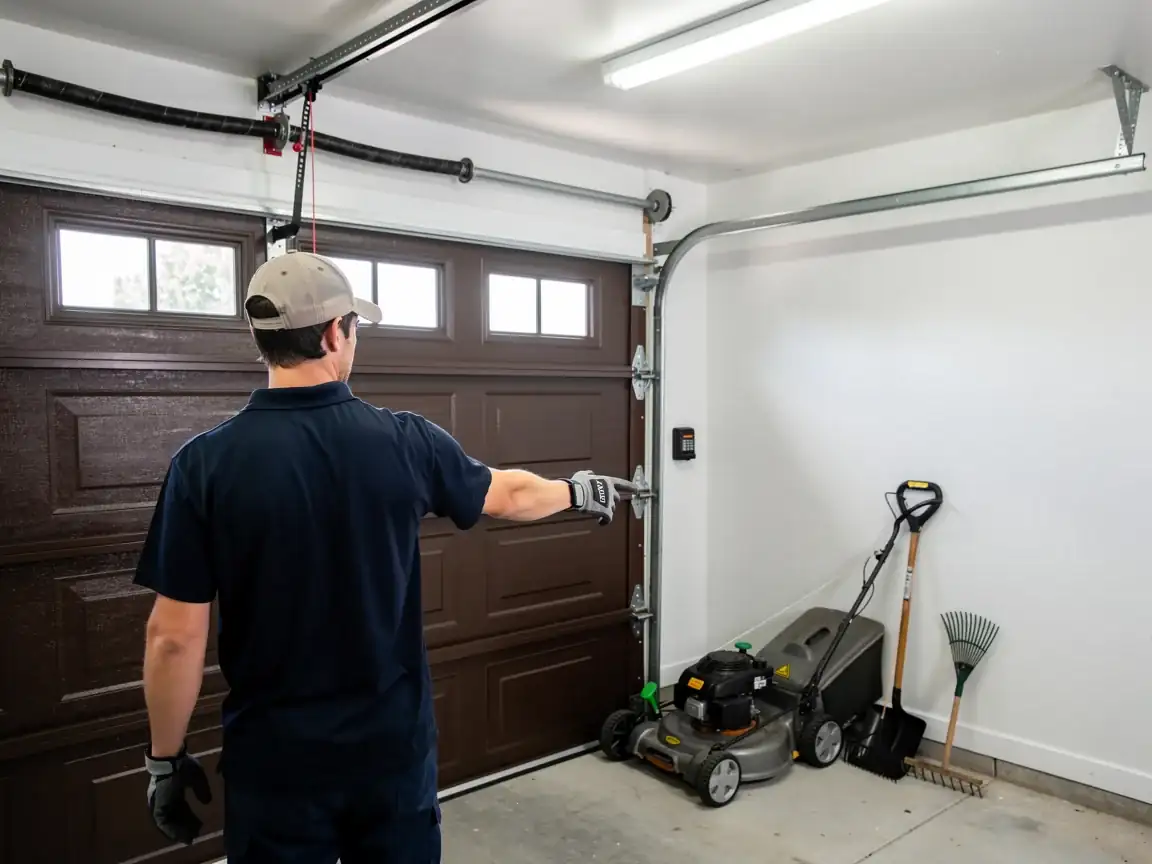
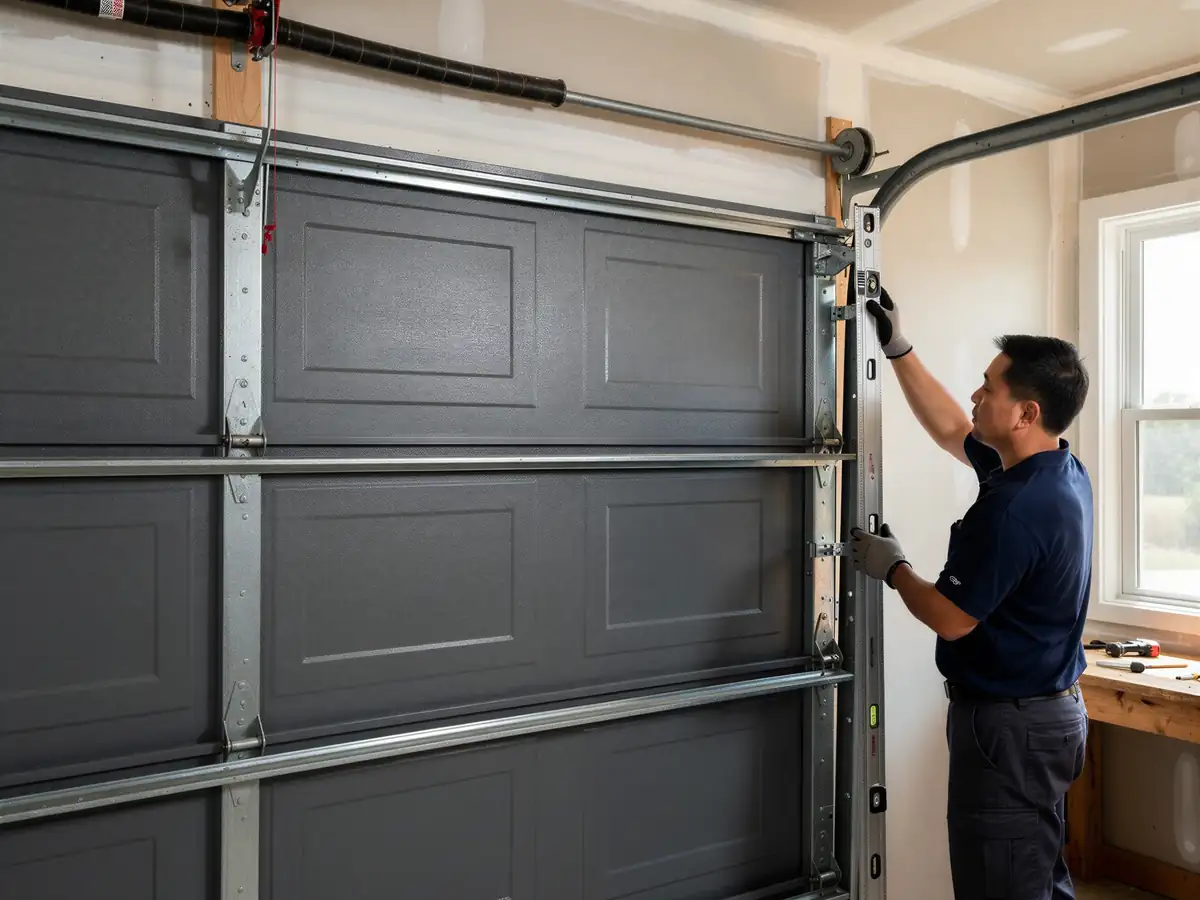
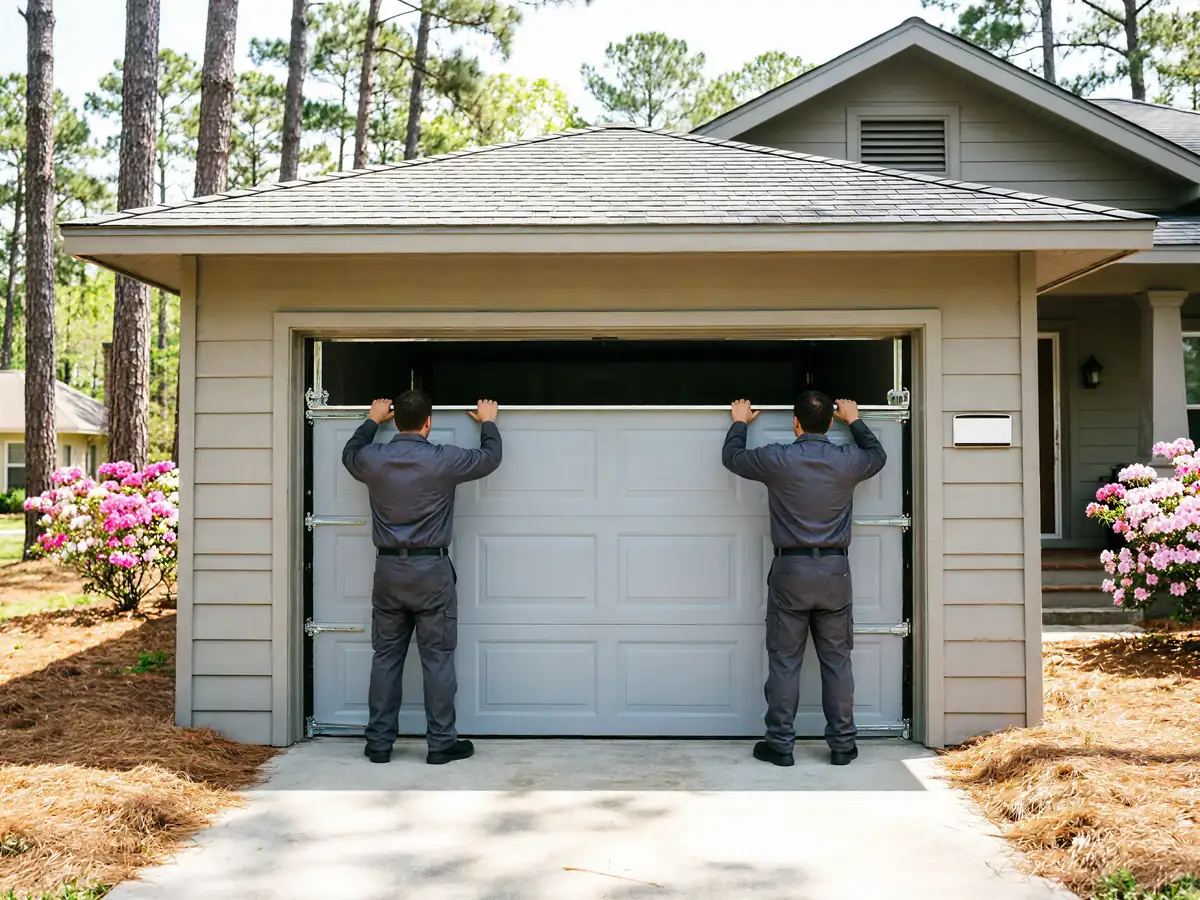
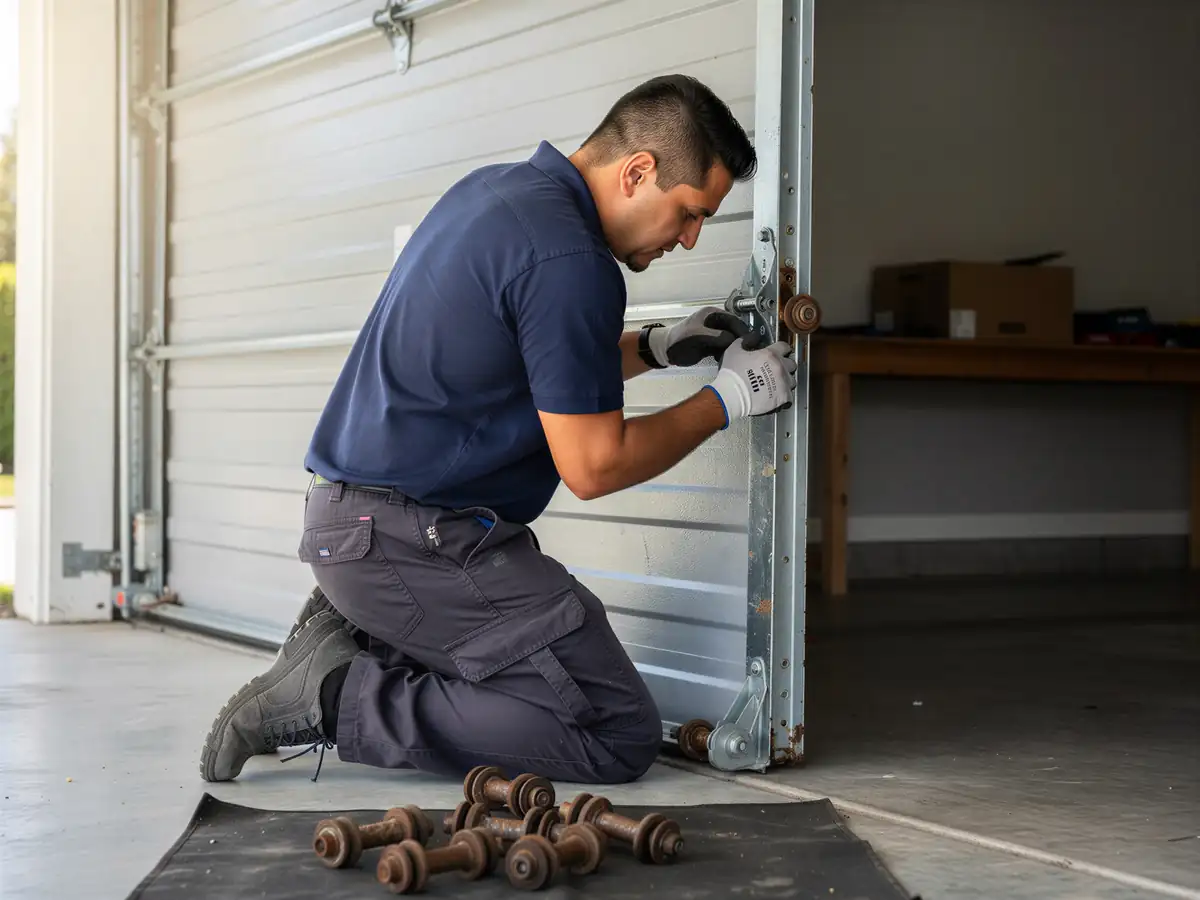
A single-panel swap starts with pulling the door off its rollers on the damaged side, disconnecting the hinges above and below the bad panel, and sliding the new one into the track in its place. If the door is still on its original hardware from 1998, we're also checking roller condition and hinge wear while we're in there, since a quarter-century-old roller can seize or bind right after a fresh panel goes in and make the whole job look like it failed when it's really the old hardware giving out. We don't force a panel onto hinges that are bent or rusted solid - replacing those at the same time costs less than a return trip.