The DIY Question
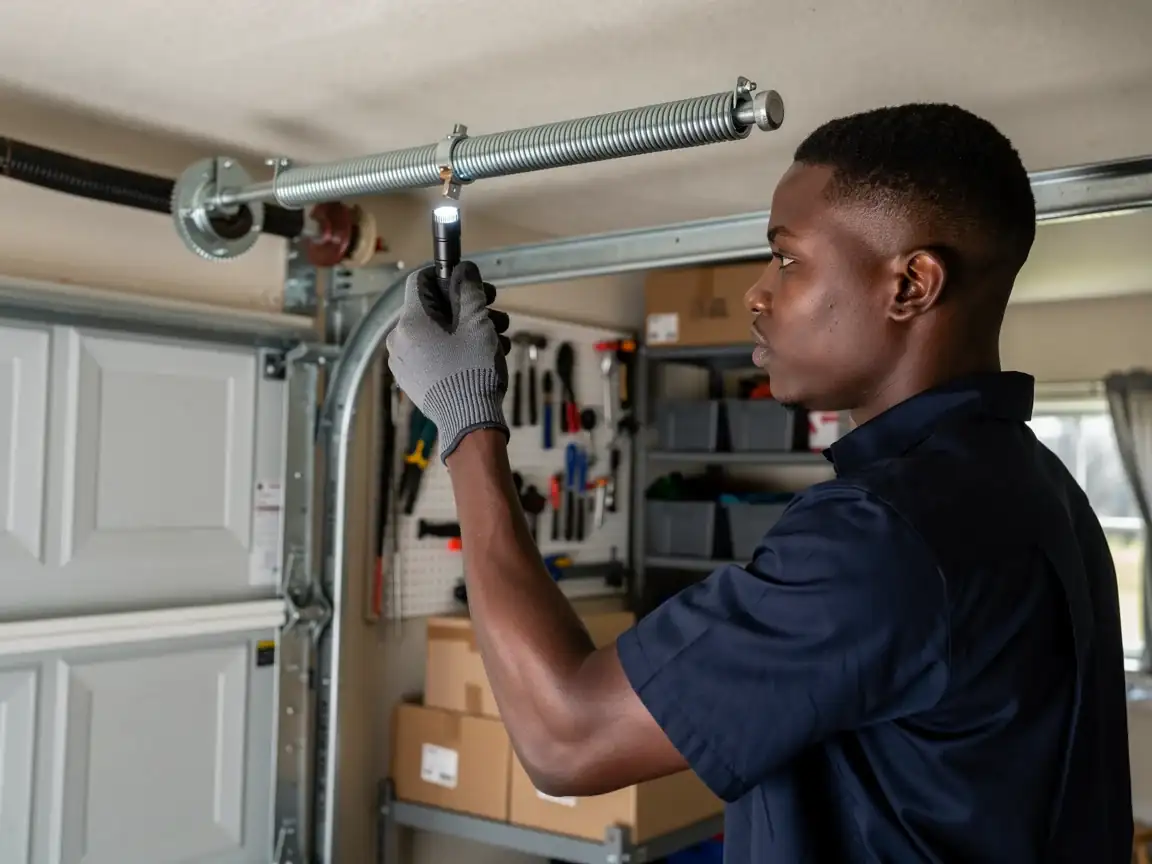
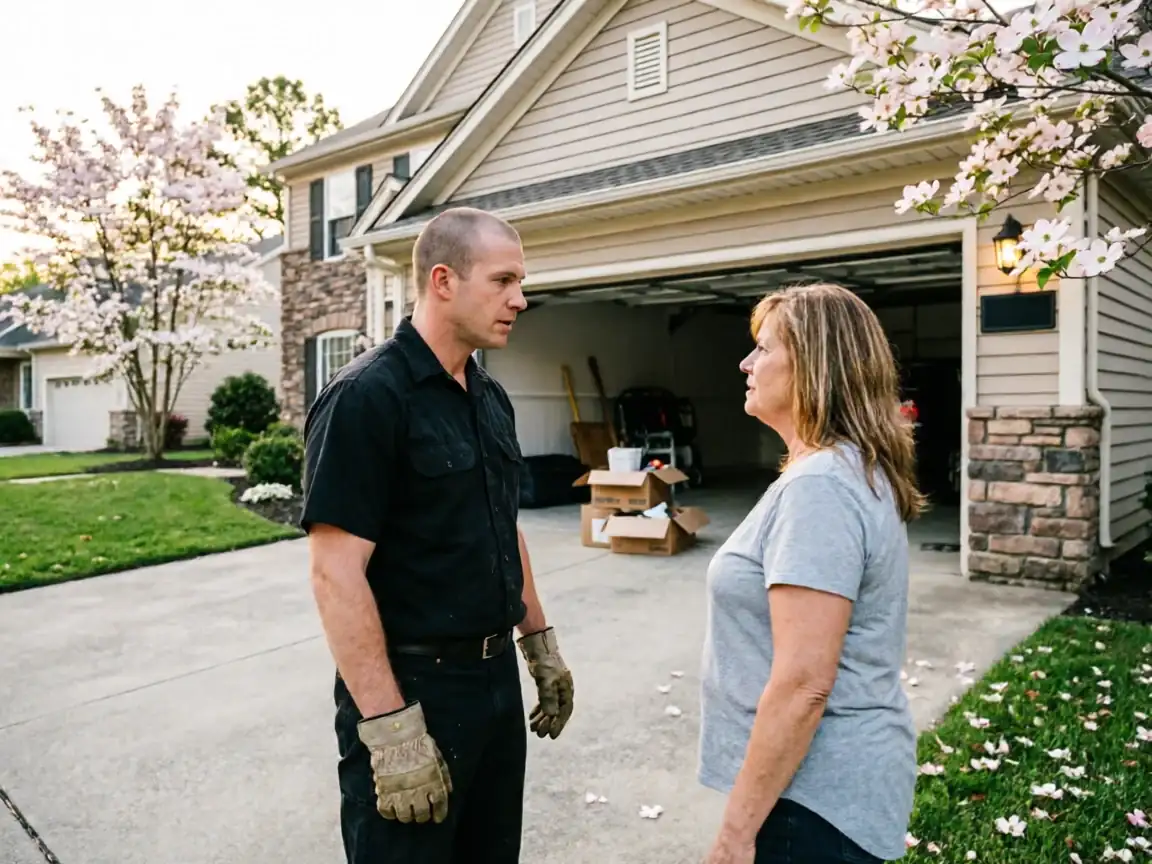
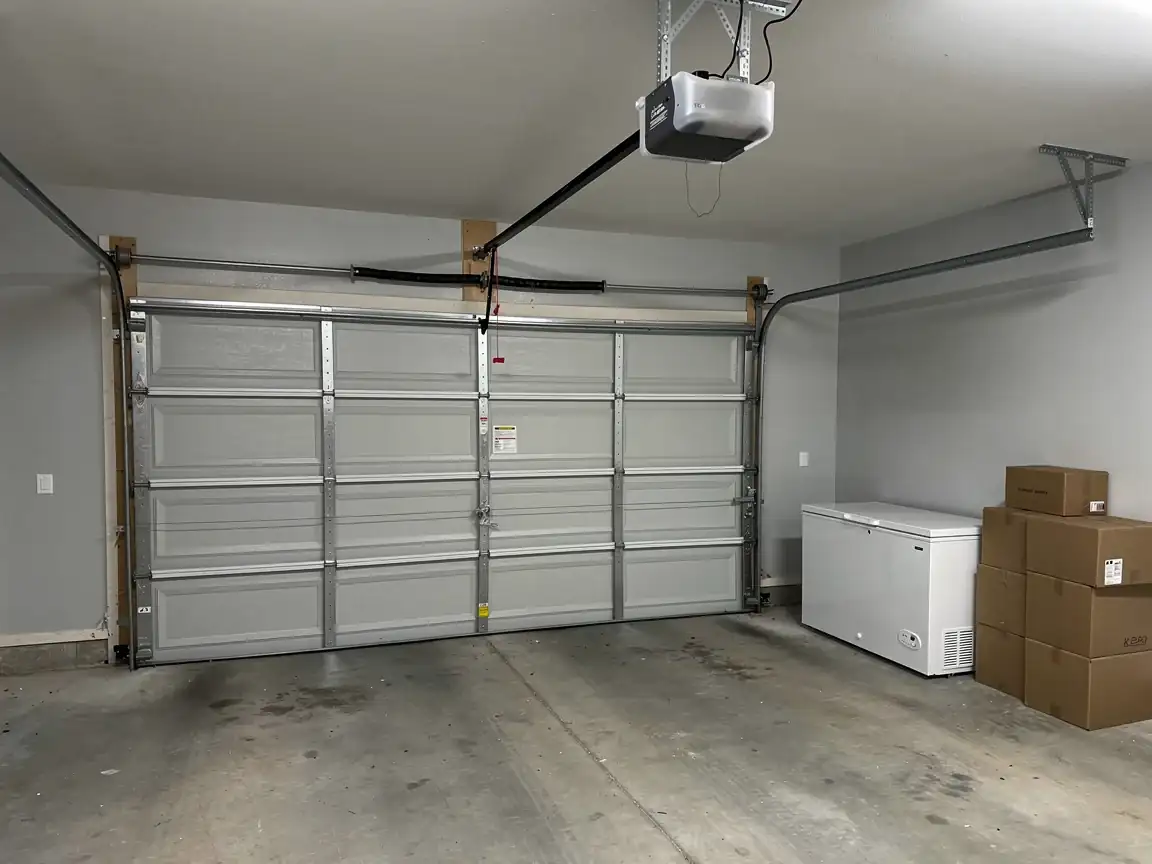
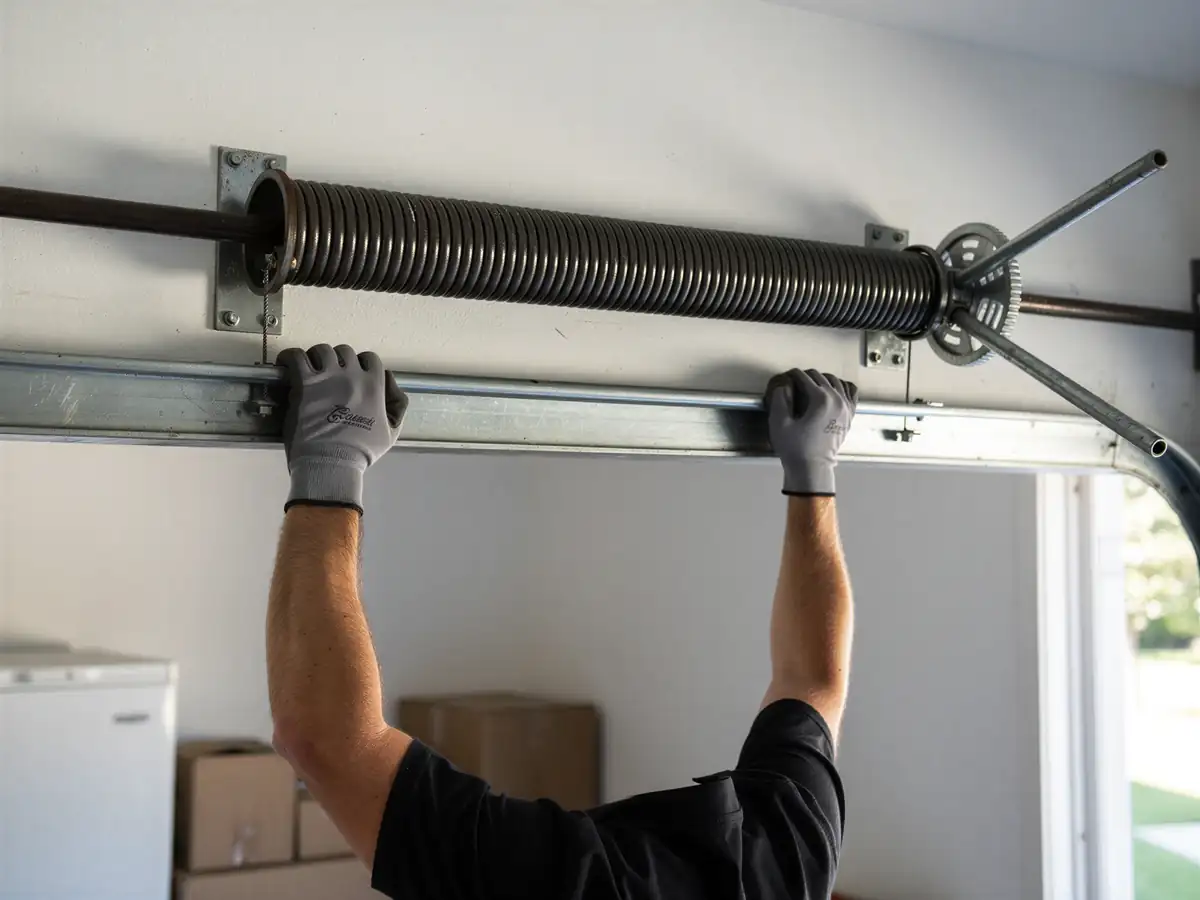
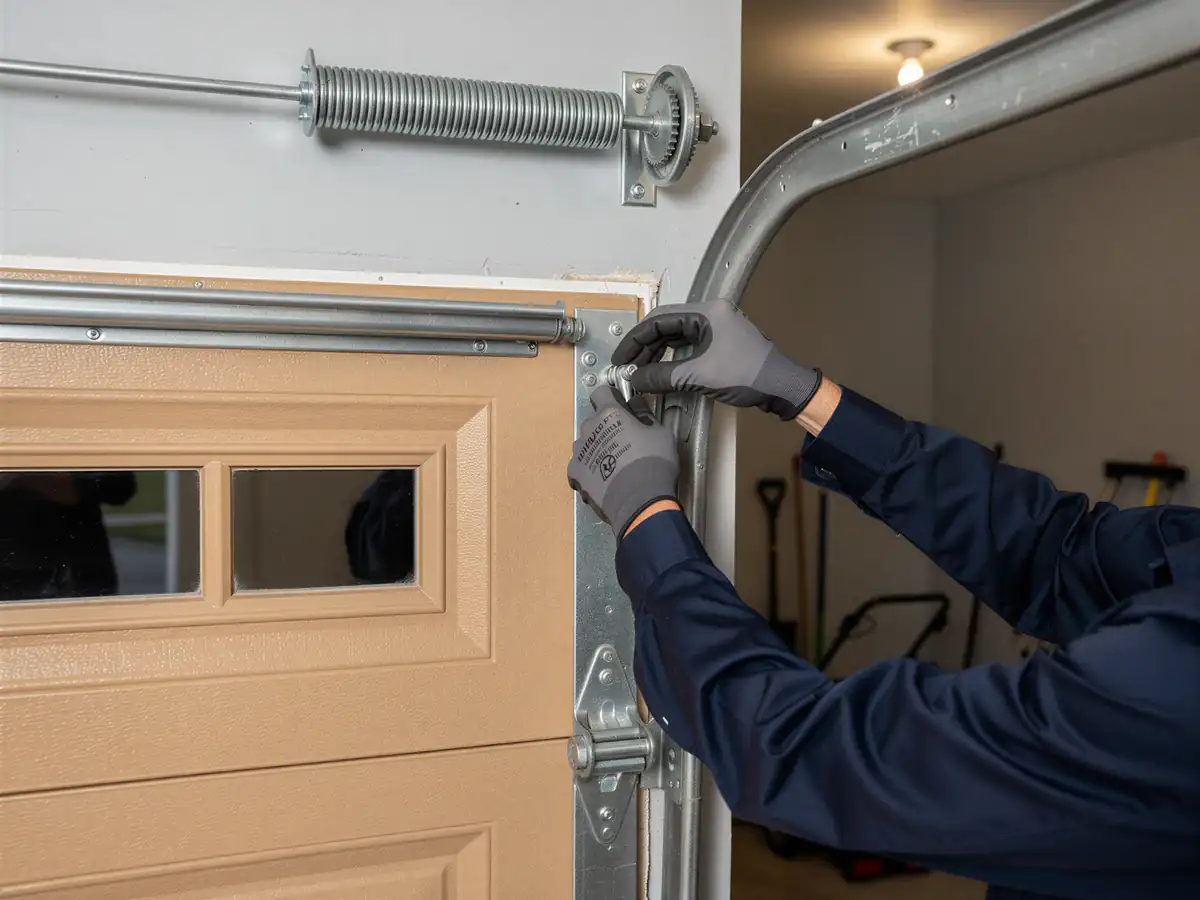
Belmont has about 6,289 households, which tells you something about the kind of work that comes up here. It's not a town where garage doors fail on a schedule or in a pattern you can predict from volume alone - it's a steady trickle of individual jobs, one homeowner at a time, mostly on doors that are still well within their working life. That changes the DIY math. A spring on a door installed in the late 1990s or early 2000s is still a standard size, still a part we stock, and still something you could technically watch a video and attempt. Whether you should is a different question. Torsion springs store enough force to break a wrist or worse, and on a town this size, we'd rather talk you out of it over the phone than stitch you back together after. If it's a sensor eye knocked out of alignment or a track bolt that worked loose, go ahead and try it yourself. If it's a spring, a cable, or anything under tension, that's the one honest limitation we'll put in writing: leave it to someone who does it daily.
What You Are Seeing
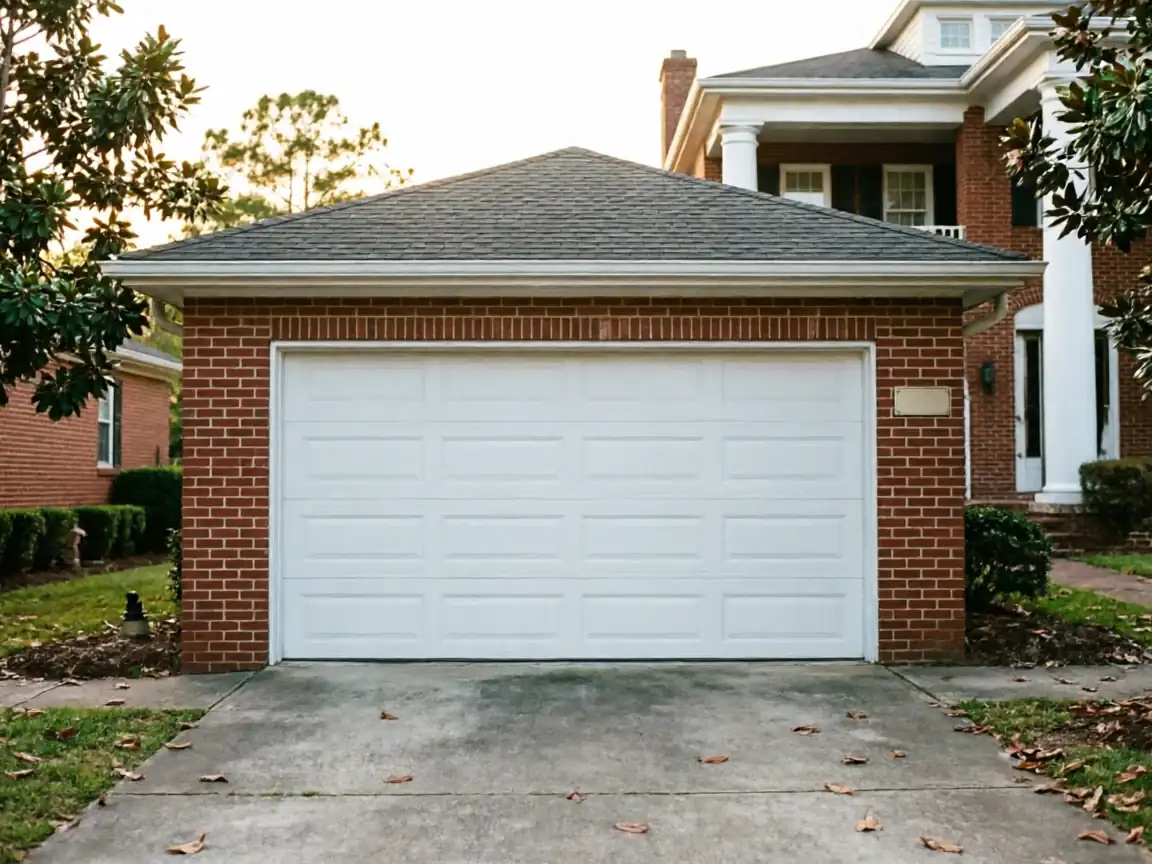
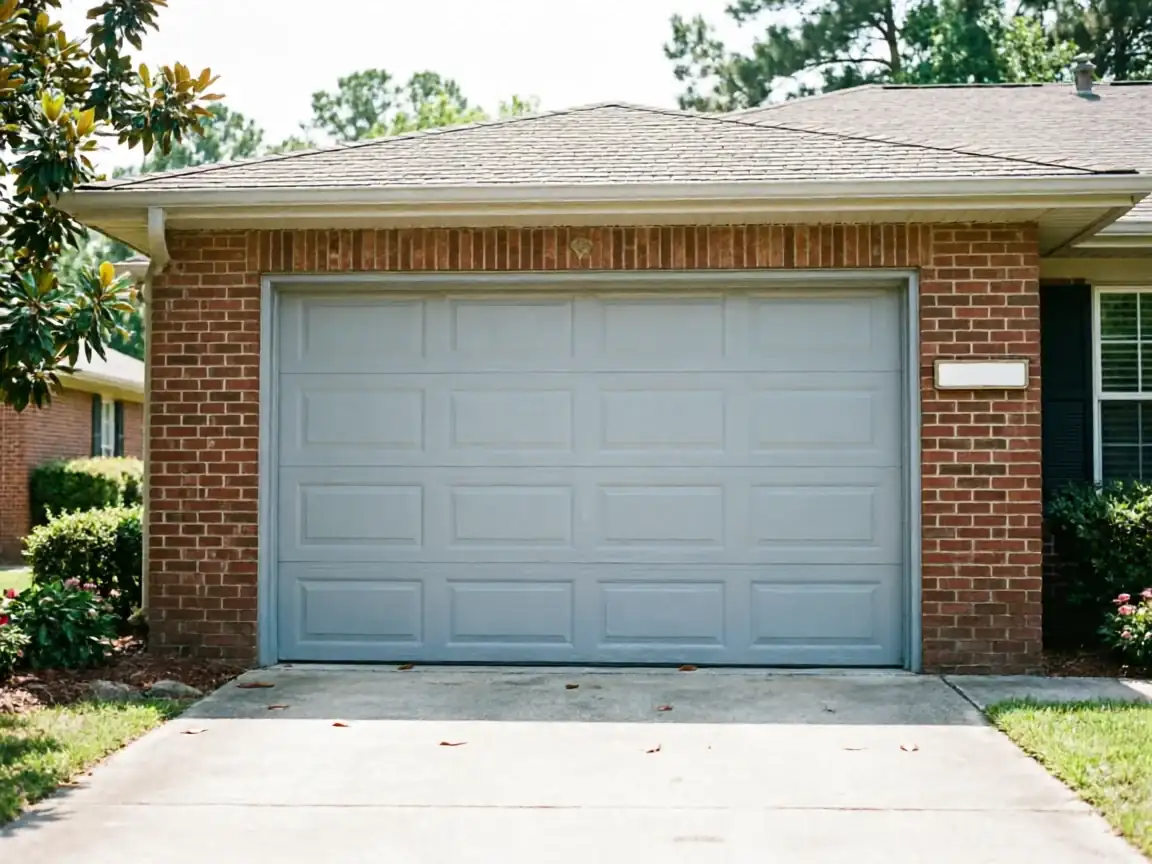
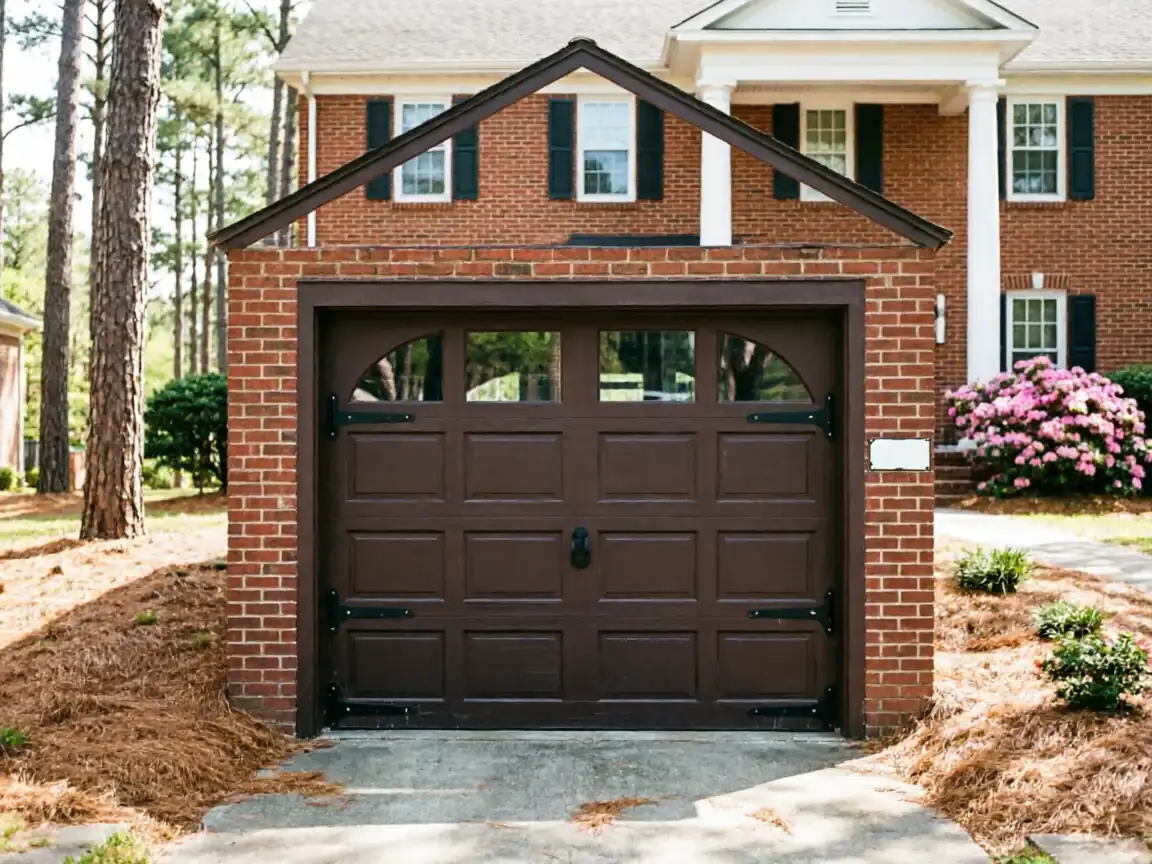
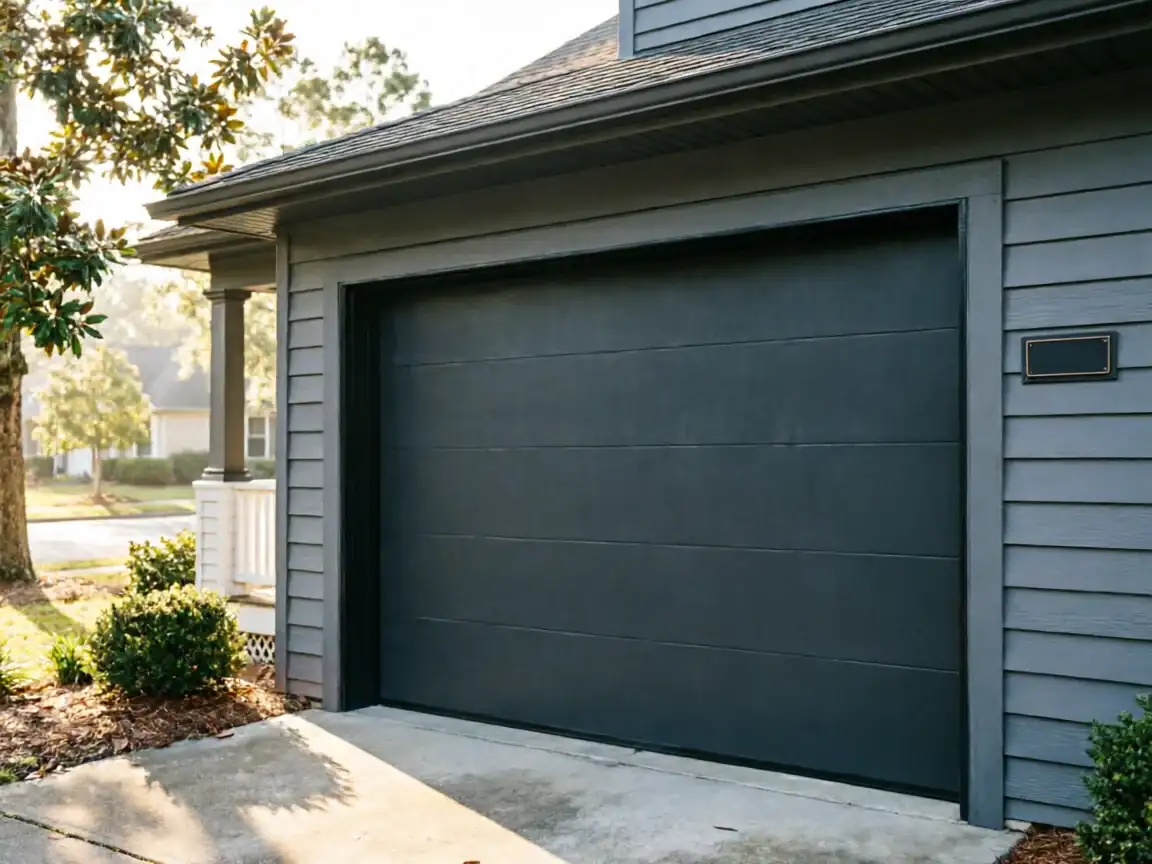
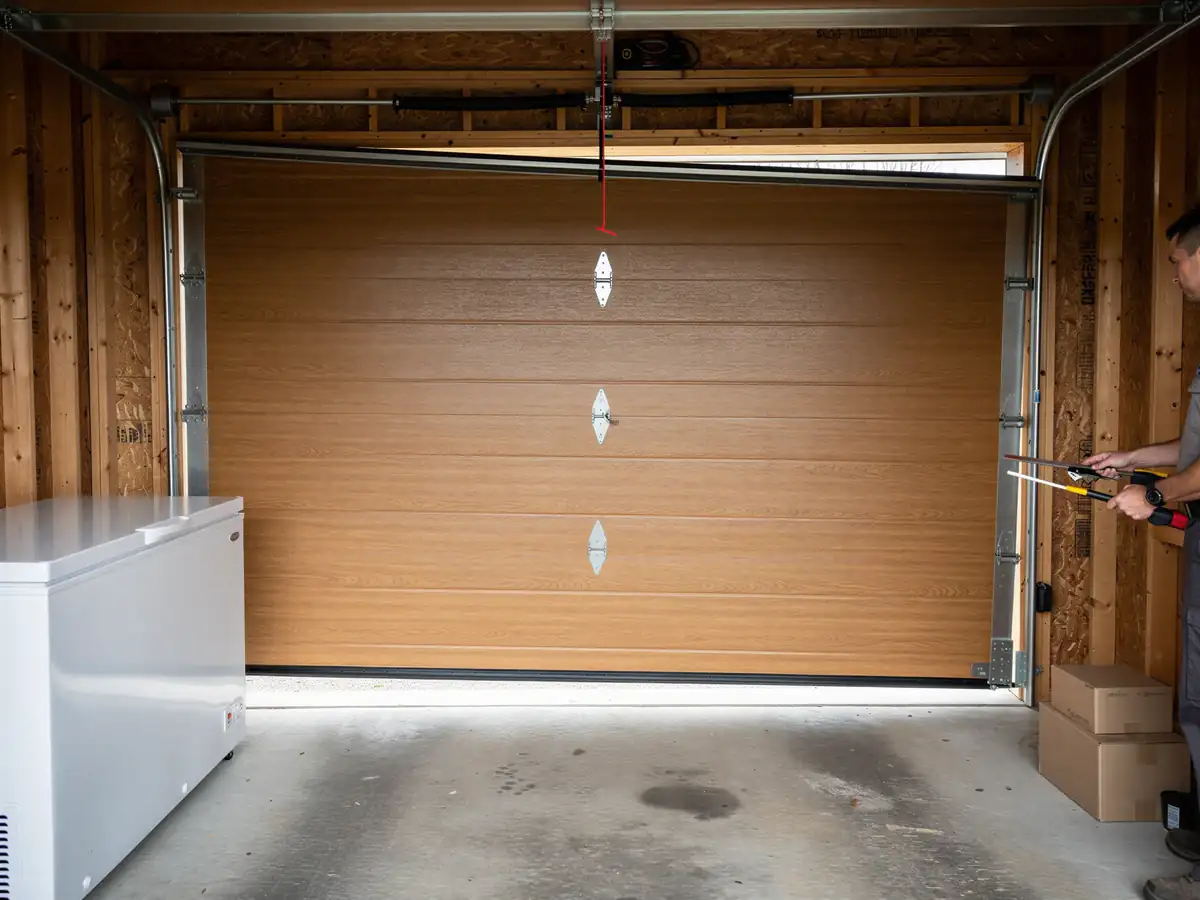
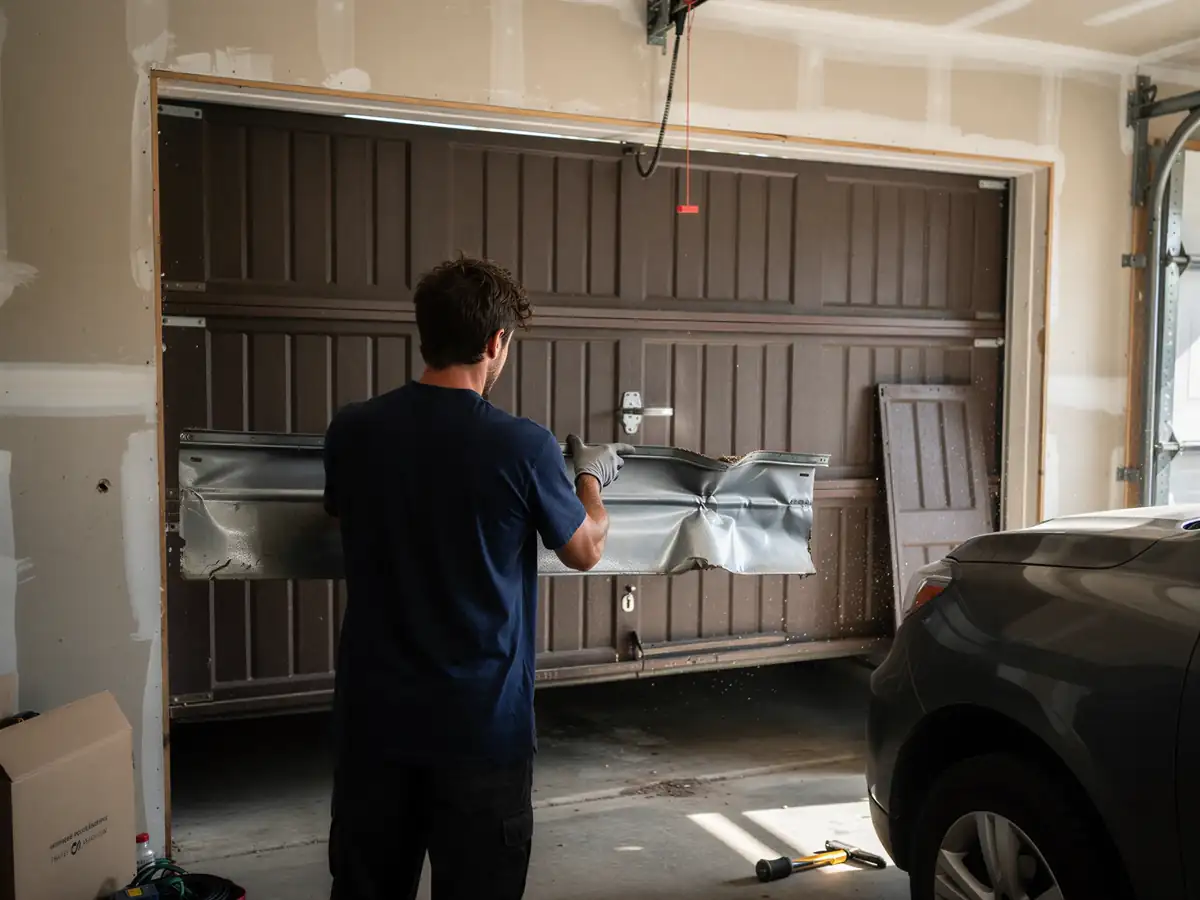
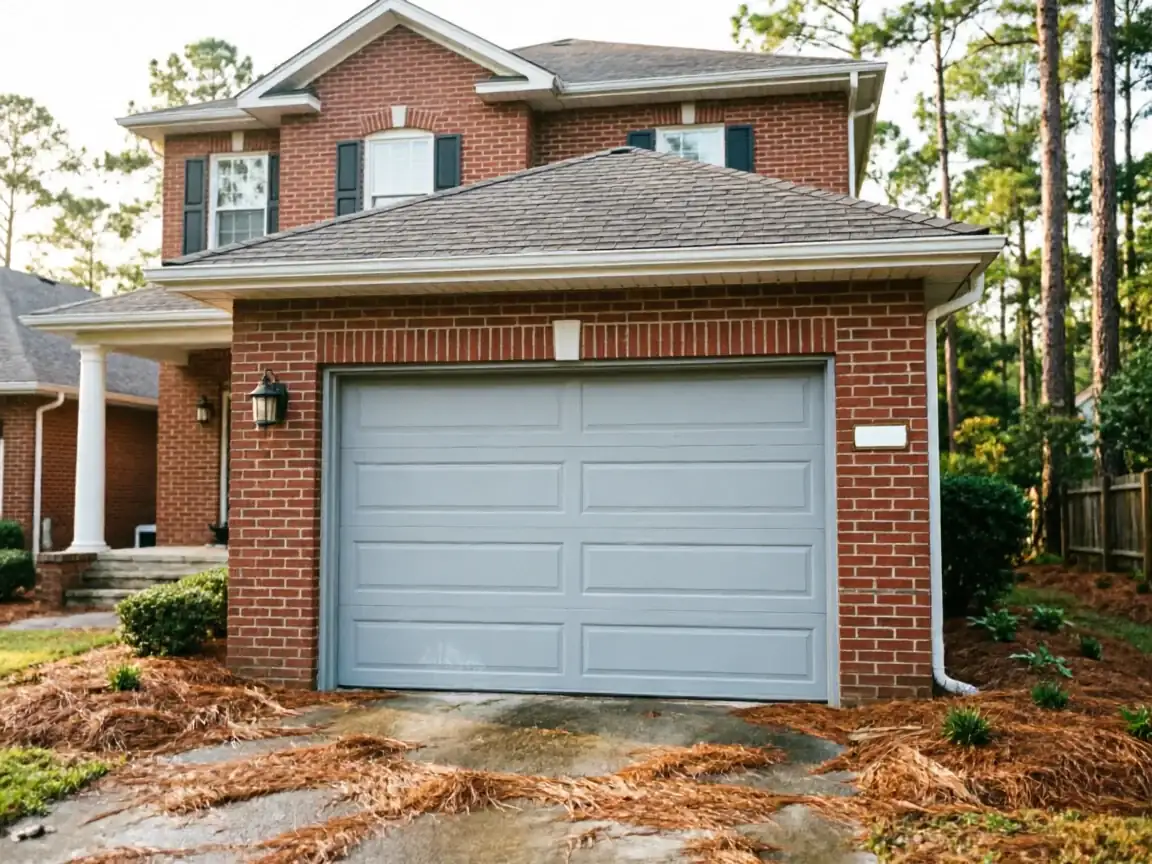
Across the wider service area, the median house was built in 1983. Belmont runs newer - the median here is 1998, a good fifteen years later. That gap matters more than it sounds. Doors and openers installed in the late '90s and early 2000s are steel sectional, factory torsion springs, and chain or belt-drive openers with early circuit boards - not the older raised-panel wood doors or the side-mounted hardware you'd find on a 1983-era house. What fails on a Belmont door tends to be wear, not obsolescence: a cracked panel seam, a worn roller, an opener logic board that's finally given out after two decades of daily use. You're less likely to be dealing with a door nobody makes parts for anymore, and more likely to be dealing with the ordinary end of a part's service life. That's a simpler repair, usually, and a more predictable one.
Parts We Carry
This area sits in a cold-moderate climate band, which means winter cold snaps are real but not extreme, and the parts we carry reflect that middle ground. Insulated steel sections, weatherstripping that doesn't go brittle in a hard freeze, and standard torsion springs sized for the steel sectional doors common on Belmont's 1990s-and-later housing stock all ride on the truck as a matter of course. What we don't keep on hand is anything custom - a non-standard width, a specialty wood door, a discontinued opener board from a brand that's stopped making parts. On a 1998-median-built town, that's rarely the problem, but if your house is an outlier - older, or fitted with something unusual - say so when you call, because that part may need to be ordered rather than pulled off the truck.
What the Repair Takes
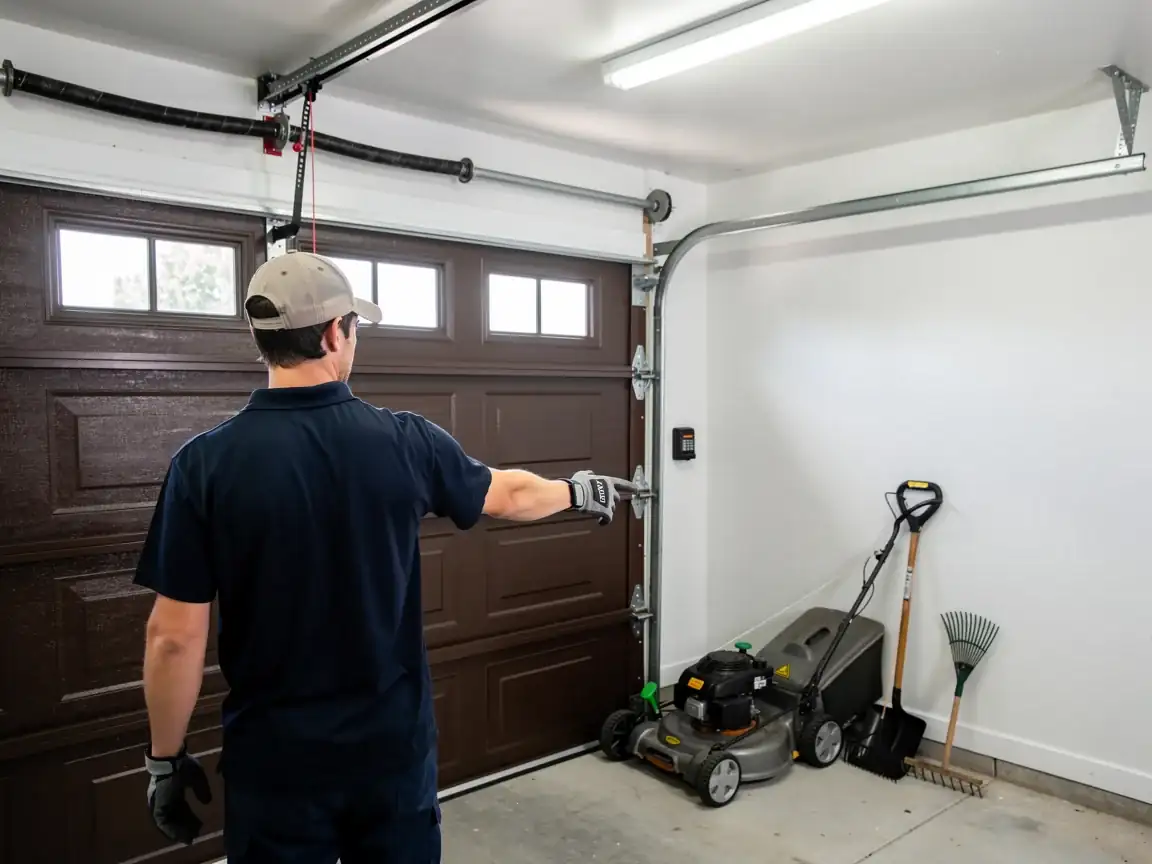
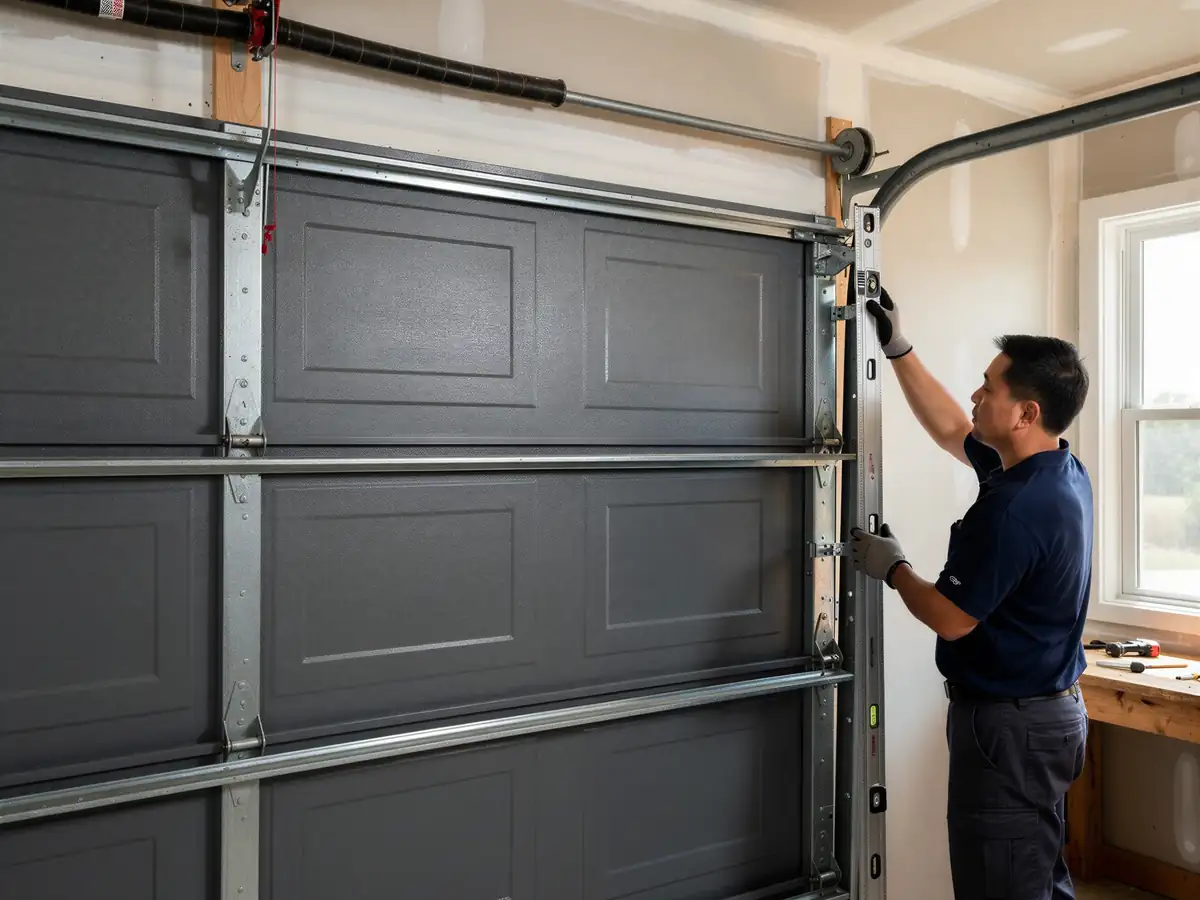
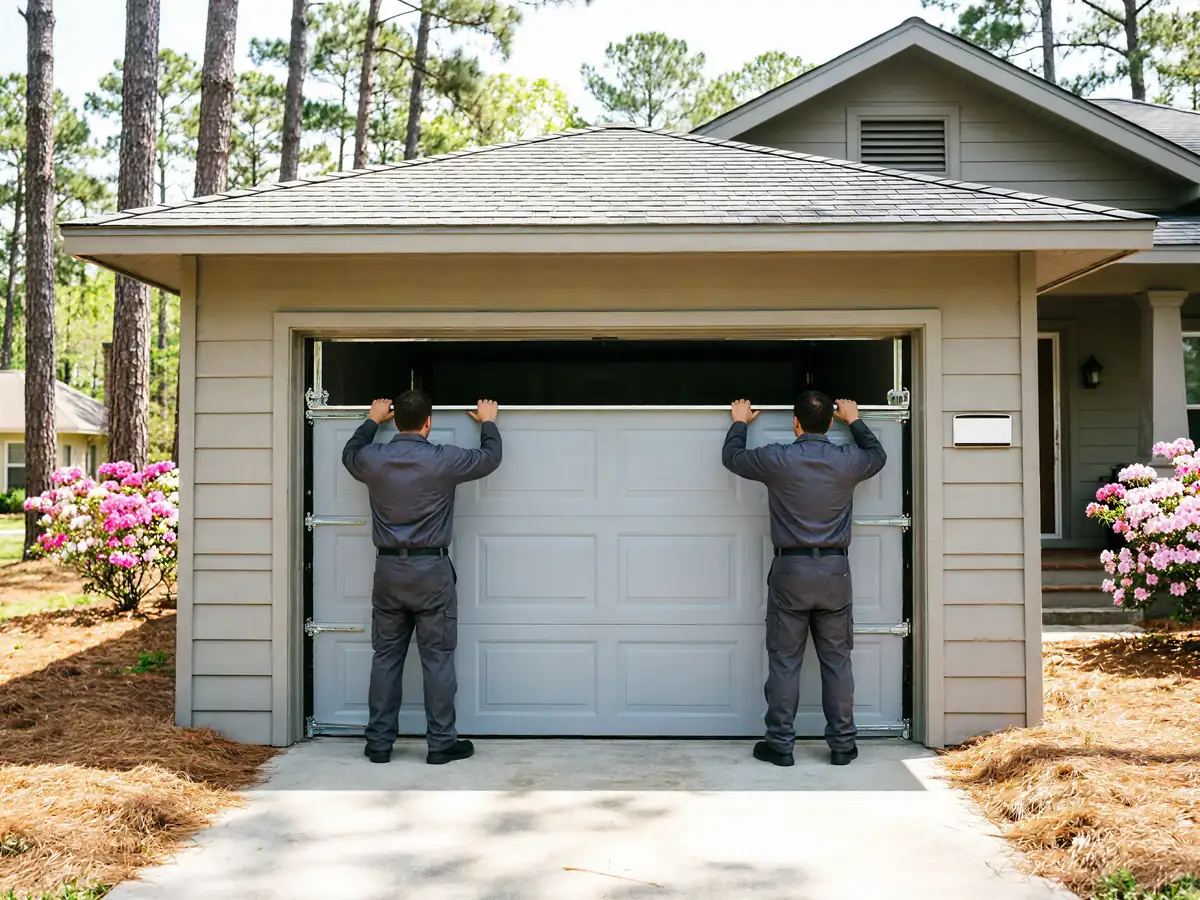
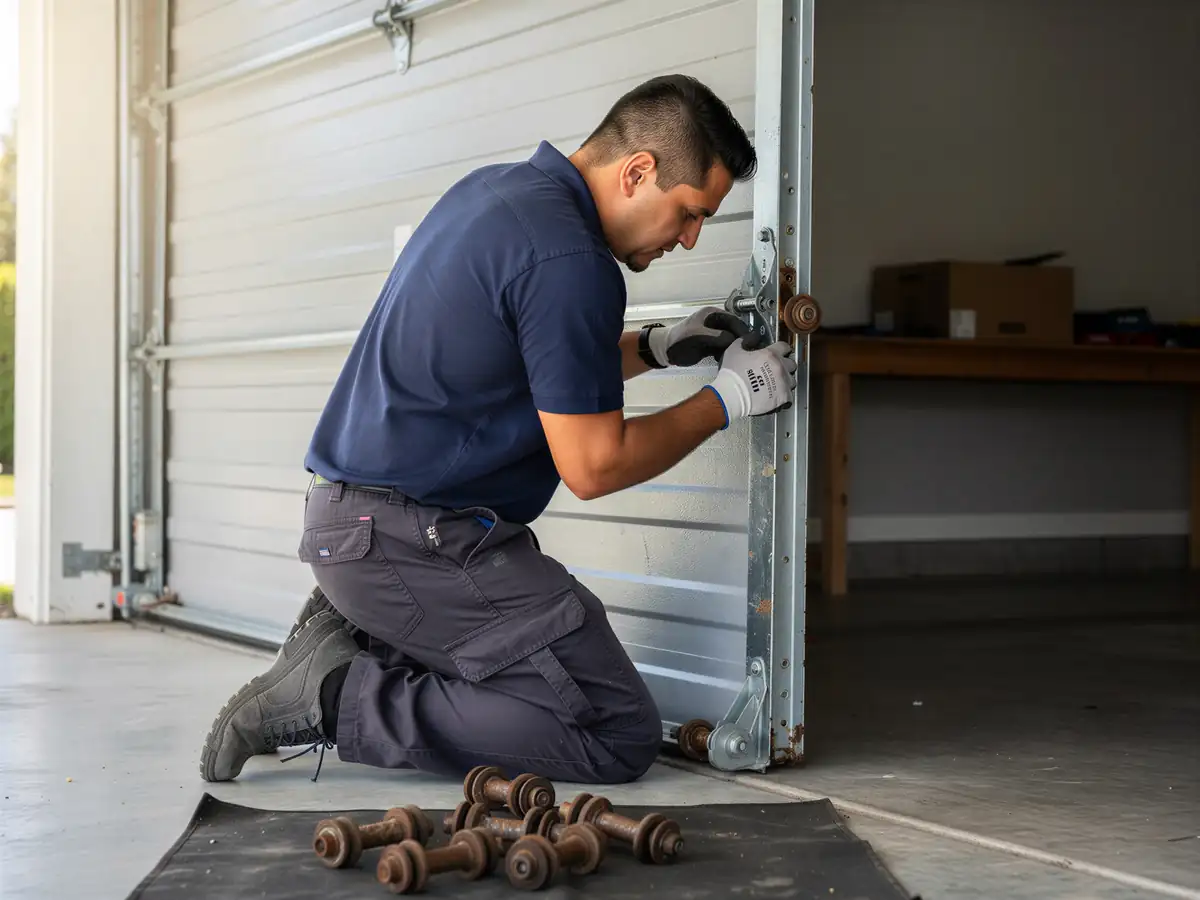
Most of what comes up on a Belmont door is a known quantity: a broken torsion spring, a bent track, a worn roller, an opener that's stopped responding to the remote. Because the housing stock here skews newer than the area median, the parts involved are usually still in current production, which keeps a repair to a single visit more often than not. Where it gets longer is anything tied to a discontinued opener model or a door manufacturer that's changed its panel design since install - at that point we're matching what we can rather than what matches exactly, and that's worth knowing going in. We won't quote a repair over the phone without seeing the door; spring tension and track wear look different in person than they sound on a call.